Website profiles · Technology insights · Alternatives

travelmag.co.uk

Bump-start your travels with the Internet's first and best travel magazine

No paid content found
Visit website
Profile views 0 Outbound visits 0 Normal
Travelmag Full homepage screenshot

At a glance

Category
Travel
Language
English
Paid-content signal
No paid content foundObserved
Registered
1994
Hosting
CloudflareInferred
HTTPS certificate trusted
PassedObserved
Last updated

Website review

This review may include AI-generated content and is not individually verified. Domain, certificate and other facts come from the observed data on this page.

What is Travelmag?

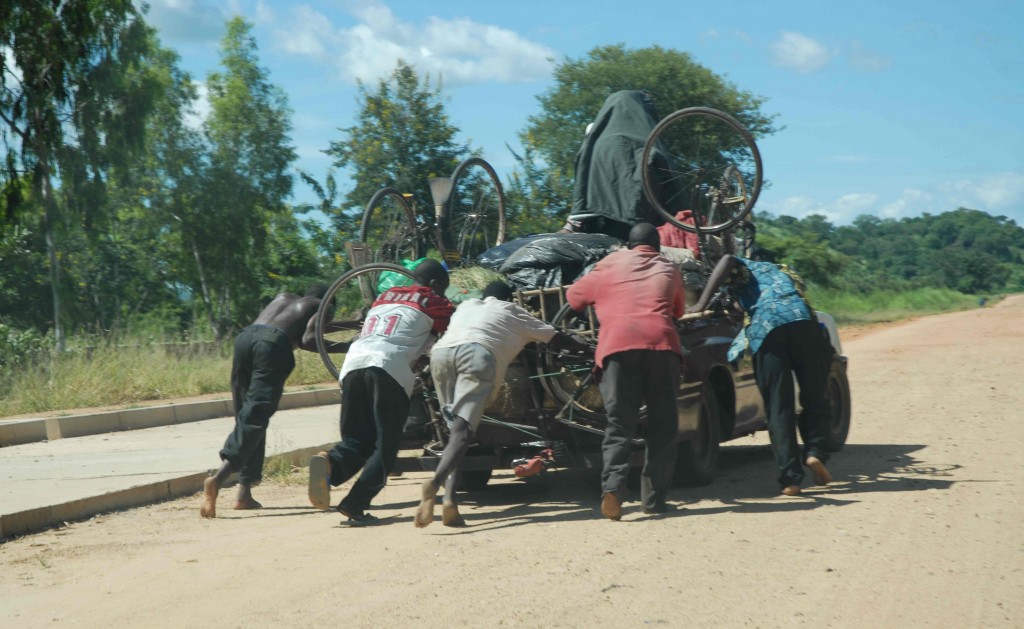
Travelmag is a long-running online travel magazine built around first-person travel writing rather than booking tools or destination checklists. Its homepage features narrative pieces such as a bus journey to Lalibela, a drive across Madagascar's highlands, and brewing pombe in the Tanzanian bush, which suggests an editorial focus on immersive, place-specific stories.

Who it suits

  • Readers who want travel essays and reported experiences rather than rankings or deals.
  • Travelers researching a region's texture—daily life, transport, local drinks—before or after a trip.
  • Writers and editors looking at how short-form travel narrative is framed and presented.

What to expect, and the trade-off

The value is voice and specificity; the limitation is practical planning. A reader deciding where to stay or how to book a route will likely need a guidebook or operator site alongside it. Someone choosing between Travelmag and a utility-focused travel site should pick based on whether they want atmosphere or logistics.

A useful next step: open two or three pieces from regions you're considering and note whether they give you context a guidebook misses—then use that gap to shape your own research questions.

How can Travelmag help me plan a trip to less-visited destinations like Ethiopia or Madagascar?

Travelmag is useful as a story-first research tool for places like Ethiopia and Madagascar: it publishes first-person travel narratives rather than structured itineraries, so it helps you understand what a route, region or journey actually feels like before you commit to it. On the homepage, pieces such as "Lost by my bus on the road to Lalibela" (Ethiopia) and "A surreal drive across Madagascar's highlands" point to exactly the kind of ground-level, off-the-beaten-track experience the magazine covers.

How to actually use it for planning

  • Read for texture, not logistics. Use articles to gauge road conditions, transport quirks, distances and the pace of travel — the "lost by my bus" framing tells you more about Ethiopian intercity travel than a timetable will.
  • Mine articles for place names. Note towns, routes and regions mentioned, then verify current access, permits and safety with official sources.
  • Cross-check the practical side elsewhere. Travelmag gives you narrative context; confirm visas, health advice and local operators through official channels before booking.

A concrete scenario

Suppose you're weighing a northern Ethiopia loop against Madagascar's highlands. Reading a first-person account of each lets you compare the rhythm of the trip — bus breakdowns, long drives, improvised stops — against your tolerance for uncertainty. That's a better use of the site than expecting it to hand you a day-by-day plan.

A sensible division of labour

Need Best source type
What a journey feels like, local colour, route ideas Travelmag narratives
Visas, entry rules, health requirements Official government/embassy sites
Current safety and regional access Government travel advisories
Bookable logistics and guides Reputable tour operators

Next step

Pick one Travelmag article per country, list every place name and transport mode it mentions, then check each against an official advisory and a current map. Treat the stories as inspiration and orientation; treat official sources as the authority.

What kind of first-hand travel stories and dispatches does Travelmag publish?

Travelmag publishes personal travel narratives and on-the-ground dispatches rather than destination listicles or service journalism. The stories shown are first-person accounts of specific journeys and encounters, often in places where travel is difficult or politically complicated.

What the story selection suggests

  • Narrative journeys with a problem at the centre. "Lost by my bus on the road to Lalibela" and "A surreal drive across Madagascar's highlands" are built around a trip that goes sideways or feels strange, not around a polished itinerary.
  • Place and politics together. "Kashmir: a possible paradise – but still without freedom" pairs a sense of beauty with the region's unresolved political reality.
  • Everyday life and local detail. "Beer in the Time of Cholera: Brewing Pombe in the Tanzanian Bush" and "No fuel for the generator in Sowcarpet, Chennai" focus on ordinary routines, trades and frustrations rather than landmarks.

Who it suits

Readers who want to hear a traveller's voice and follow a single experience from start to finish will find the format familiar. Someone planning a trip will get atmosphere and context, not practical logistics such as routes, prices or bookings.

How to use it

Treat Travelmag as reading for mood and perspective before or after a journey. If you are researching a specific region, read a dispatch for texture, then check official tourism boards or local news for current conditions—especially for places like Kashmir where the political situation matters to safety and access.

How does Travelmag differ from mainstream travel magazines and guidebooks?

Travelmag reads as a first-person travel magazine rather than a destination service: the page evidence shows narrative pieces such as "Lost by my bus on the road to Lalibela," "Kashmir: a possible paradise – but still without freedom," and "Beer in the Time of Cholera: Brewing Pombe in the Tanzanian Bush." The emphasis is on a single traveller's experience, voice and occasional discomfort, not on ranked lists or practical itineraries.

Where the difference shows

Dimension Travelmag (as evidenced) Mainstream magazines Guidebooks
Core content Personal essays and reported travel stories Polished features, often tied to trends or seasons Practical logistics: where to stay, eat, move
Reader use Reading for atmosphere, perspective, armchair travel Browsing for inspiration and aspiration Planning and on-the-ground reference
Place coverage Specific, sometimes politically framed (Kashmir "still without freedom") Broad, market-aware destination coverage Comprehensive per destination
Tone Literary, subjective, sometimes wry Edited for a general consumer audience Neutral and instructional

Who gets most from it

A reader deciding whether a place is worth visiting will not find a checklist here; someone who wants to understand how a place feels—missed buses, local brewing, a drive across Madagascar's highlands—will. The trade-off is that Travelmag is weak as a planning tool: no prices, opening hours or route logistics appear in the supplied evidence. Treat it as a complement to a guidebook, not a substitute.

A practical next step

Use Travelmag to choose where your curiosity pulls you, then cross-check practicalities elsewhere. For independently reported travel features with a similar first-person bent, Travelmag itself is the starting point; for structured destination planning, compare against established guides such as Lonely Planet or Rough Guides. If a story like the Kashmir piece raises political or safety questions, verify current conditions through official advisories before booking.

Can I submit my own travel writing or photography to Travelmag?

Yes. Travelmag presents itself as a travel magazine built on contributed stories, and its homepage features first-person travel narratives—"Lost by my bus on the road to Lalibela," "Beer in the Time of Cholera: Brewing Pombe in the Tanzanian Bush," and others—which suggests editors publish outside writers rather than only staff. For a submitter, that points to narrative travel writing and destination photography as the likely fit.

What to check before sending

  • Submission guidelines page: Confirm the current email address or form, accepted formats, and whether simultaneous submissions are allowed.
  • Word count and photo specs: Editors usually state preferred length and image resolution; sending oversized files unrequested can get a pitch ignored.
  • Rights and payment: Ask whether you retain copyright and whether publication is paid or contributor-only. Don't assume payment from a magazine's longevity.
  • Response time: Note the stated turnaround; if none is given, a polite follow-up after a month is reasonable.

A practical next step

Send a short pitch first: one paragraph on the story, one on why it suits Travelmag's first-person, place-driven style, plus a link to a few sample photos. If the piece is already written, attach it as a document rather than pasting it into the email body.

For comparison, other outlets with open travel submissions include Travelmag itself as your starting point, and you can study how Matador Network and The Travel Magazine frame contributor calls before deciding where a given story fits best.

How do I find articles on Travelmag by region, such as Africa or Asia?

Travelmag presents its regional material as a rolling feed of stories rather than a clean continent menu. On the homepage, the “Africa” label sits above a featured piece (“Lost by my bus on the road to Lalibela” by Donal Conlon, dated 21/09/2022), so the practical route is to scan that label and the story headlines for the region you want, then open the individual article.

A workable approach

  • Start from the homepage region label. Look for the continent name attached to the lead story; nearby headlines often cluster around the same part of the world.
  • Use headline wording as a proxy for region. Place names in titles (Lalibela, Kashmir, Madagascar, Chennai) tell you more than a formal category might.
  • Try site search for the region name. Searching “Africa,” “Asia,” or a specific country is likely to surface older pieces that have scrolled off the front page.
  • Follow bylines. Writers like Donal Conlon appear with a date; if a contributor covers an area you like, their other pieces are worth checking.

What to expect

This is a magazine-style site built around narrative travel writing, so there is no guarantee of a tidy archive sorted by continent. If you need a strict region filter, treat Travelmag as a browsing experience and keep a note of what you find. For structured regional browsing, established guides such as Lonely Planet organise destinations by country and region, which complements Travelmag's first-person storytelling.

Next step: search the site for one country you plan to visit and read two or three results; that quickly shows whether the coverage matches the kind of trip you have in mind.

Related questions

More questions →
How to Find Articles About a Specific Destination on Travelmag

Travelmag's homepage presents destination stories as a browsable list of headlines, each paired with an author byline and a date. To find writing about a particular place, scan those headlines for the location name, then use the byline and date to judge the piece. The site's own description frames it as "the Internet's first and best travel magazine," and the homepage evidence shows a feed organized around individual stories rather than a visible destination index.

Start With the Homepage Headline List

The most direct route is the homepage article list. Each entry follows a consistent pattern: headline, author, and publication date. The sample from the page shows this clearly:

  • "Lost by my bus on the road to Lalibela" — Donal Conlon, 21/09/2022
  • "Kashmir: a possible paradise – but still without freedom"
  • "A surreal drive across Madagascar's highlands"
  • "Beer in the Time of Cholera: Brewing Pombe in the Tanzanian Bush"
  • "No fuel for the generator in Sowcarpet, Chennai"

Notice that the destination is often embedded in the headline itself — Lalibela, Kashmir, Madagascar, Tanzania, Chennai. Read the headline first, since that is where the place name usually appears. The one fully visible entry also carries the byline and date, so you can confirm who wrote it and when.

What the headline tells you

Headlines on this site tend to be narrative rather than categorical. "Lost by my bus on the road to Lalibela" signals Ethiopia through the town name, not through a country tag. This means you should search for the specific place you care about — a city, region, or landmark — rather than a broad continent label. If you are looking for Ethiopia coverage, "Lalibela" will surface it faster than "Africa."

Use the Byline and Date to Judge Each Result

Once a headline matches your destination, the byline and date do two jobs:

  1. Byline — identifies the writer, so you can look for other pieces by the same contributor if their perspective on the region interests you.
  2. Date — helps you gauge how current the account is. The visible example is dated 21/09/2022; travel conditions, transport, and prices described in older stories may have changed.

Treat the date as a freshness signal, not a guarantee. A 2022 account of a bus route is useful for atmosphere and route context, but verify practical details like schedules and fares separately before relying on them.

Look for Search or Category Entries

The homepage evidence does not show a search box, a destination menu, or a category index in the captured headings. If the live site offers a search field or a regional section, use it with the specific place name — for example, "Madagascar" rather than "Africa." Where no such entry is visible, the headline list remains the reliable path.

A practical workaround when browsing only: use your browser's find-on-page function (Ctrl+F or Cmd+F) and type the destination name. This jumps straight to matching headlines in the list without scrolling.

A Short Checklist

  • Search by specific place name (town, region, landmark), not continent.
  • Read the headline first — that is where the location usually sits.
  • Check the byline to find more work by the same writer.
  • Check the date and treat older practical details as needing verification.
  • If a search or category entry exists on the live site, prefer it over manual scanning.

Common Sticking Points

  • No country tags. Because locations appear inside narrative headlines, a broad search like "Africa" may miss relevant stories. Use the exact place name.
  • Mixed topics. The feed includes pieces on beer brewing, driving, and transport, so a destination search may return stories where the place is the setting rather than the subject. Skim the headline to confirm the angle fits what you want.
  • Undated entries in a scan. Not every headline in a quick view shows its date; open the article to confirm when it was published before treating its details as current.

Used this way, the homepage list is enough to locate destination writing on Travelmag, with the headline, byline, and date doing most of the filtering work.

Is Travelmag a long-running travel magazine, and who writes for it?

Travelmag describes itself as "the Internet's first and best travel magazine," and its content is consistent with that claim: it publishes first-person travel narratives under named authors with publication dates. The site positions itself as a long-running editorial travel magazine rather than a booking platform or user-generated review site. You can verify authorship and recency directly on each article page, which is the main credibility check available to readers.

What Travelmag says about itself

The site's own tagline is "Bump-start your travels with the Internet's first and best travel magazine." That is a self-description, not an independently verified fact, so treat the "first" claim as the magazine's positioning rather than a proven record. What the homepage does show is an active publication with recent, dated articles.

Who writes for it

Articles carry individual bylines. On the homepage, for example, "Lost by my bus on the road to Lalibela" is credited to Donal Conlon with a date of 21/09/2022. This pattern — named author plus publication date — is the norm across the pieces visible on the site.

That tells you the content is editorially published magazine writing, not anonymous aggregation. It does not, by itself, tell you whether contributors are professional journalists or experienced travelers writing from personal experience; the bylines and story style suggest the latter for much of the content.

What kind of content it publishes

The homepage headlines point to immersive, place-driven travel writing:

  • "Lost by my bus on the road to Lalibela" (Ethiopia)
  • "Kashmir: a possible paradise – but still without freedom"
  • "A surreal drive across Madagascar's highlands"
  • "Beer in the Time of Cholera: Brewing Pombe in the Tanzanian Bush"
  • "No fuel for the generator in Sowcarpet, Chennai"

These are narrative features about specific places and experiences, often with a personal or observational angle. The site organizes content around destinations and stories rather than around deals, itineraries, or reviews.

How to judge whether it's a legitimate publication

Use the same checks you would apply to any travel magazine:

Check What to look for on Travelmag
Authorship A named byline on the article, not "staff" or no credit
Recency A publication date near the headline or byline
Editorial style Magazine-style narrative writing, not scraped listings
Consistency The same author/date format across multiple articles

If an article has a named author and a date, you can treat it as a published piece and, if needed, search the author's name elsewhere to see their other work. If a page lacks both, be more cautious about citing it.

Practical takeaway

Travelmag presents itself as a long-running travel magazine and publishes dated, bylined first-person travel stories. It is reasonable to treat it as an editorial travel publication for reading and inspiration. For any factual claim you plan to rely on, confirm it against the byline and date on the specific article, and cross-check destination details with a current primary source, since travel conditions change after publication.

What Kinds of Travel Stories and Destinations Can I Read on Travelmag?

Travelmag publishes first-person, experience-driven travel narratives rather than destination checklists or booking guides. Based on the stories featured on its homepage, you can expect literary, often off-the-beaten-path accounts from Africa and South Asia, with an emphasis on human observation and the unexpected moments of a trip. It suits readers who want to read travel as storytelling, not as planning research.

What the homepage shows

The featured stories give a clear picture of the editorial range:

Story Place Author Date
Lost by my bus on the road to Lalibela Ethiopia Donal Conlon 21/09/2022
Kashmir: a possible paradise – but still without freedom Kashmir — —
A surreal drive across Madagascar's highlands Madagascar — —
Beer in the Time of Cholera: Brewing Pombe in the Tanzanian Bush Tanzania — —
No fuel for the generator in Sowcarpet, Chennai India (Chennai) — —

Two things stand out. First, the geography clusters around Africa (Ethiopia, Madagascar, Tanzania) and South Asia (Kashmir, Chennai), rather than mainstream European or North American destinations. Second, the titles are narrative hooks — a missed bus, a surreal drive, a brewing session, a power failure — not "top 10 things to do" framing.

What kind of writing to expect

The headlines and excerpts point to a few consistent traits:

  • Personal narrative first. Stories are told from the traveler's point of view, with the journey's complications as the plot.
  • Literary, sometimes wry tone. "Beer in the Time of Cholera" and "No fuel for the generator" signal humor and scene-setting over service information.
  • Place plus politics or culture. The Kashmir piece pairs "possible paradise" with "still without freedom," suggesting the site does not strip destinations of their context.
  • Incident-driven structure. A lost bus, a difficult drive, a brewing experiment — each story hangs on a specific event.

How to browse it

The homepage is the simplest entry point: recent stories appear as headline, place tag, author, and date (for example, "Africa — Lost by my bus on the road to Lalibela — Donal Conlon — 21/09/2022"). Use the place tags (Africa, and the specific country or region in each headline) to judge whether the coverage matches your interests. If you want practical trip planning — costs, routes, bookings — this is not the site's focus based on the material available; if you want to read about what a place felt like, it is.

Is it worth reading for you?

Choose Travelmag if you enjoy travel essays with a strong narrator, unusual routes, and social or political texture. Look elsewhere if you need current prices, logistics, or curated destination guides — the homepage evidence shows narrative features, not service journalism, and no pricing or access details are indicated.

What Is Travelmag and What Kind of Travel Content Does It Publish?

Travelmag (travelmag.co.uk) is an online travel magazine that publishes first-person travel narratives and destination dispatches rather than booking tools or structured how-to guides. It suits readers who want immersive storytelling about places and journeys — for example, accounts of overland travel in Ethiopia, life in Kashmir, or driving across Madagascar’s highlands — rather than trip-planning checklists or price comparisons. The site describes itself as “the Internet’s first and best travel magazine,” and its homepage presents a rolling selection of articles with author bylines and publication dates.

What you’ll find on the homepage

The homepage works as an editorial front page: a set of featured story headlines, each tied to a writer and a date. From the page evidence, the current lineup includes:

  • “Lost by my bus on the road to Lalibela” — a first-person account set in Ethiopia, by Donal Conlon (21/09/2022)
  • “Kashmir: a possible paradise – but still without freedom” — a destination piece with a political and social angle
  • “A surreal drive across Madagascar’s highlands” — a road-trip narrative
  • “Beer in the Time of Cholera: Brewing Pombe in the Tanzanian Bush” — a cultural and experiential story from Tanzania
  • “No fuel for the generator in Sowcarpet, Chennai” — an urban slice-of-life piece from India

The pattern is consistent: personal voice, specific places, and moments that carry a narrative rather than a service angle.

What kind of content it is — and isn’t

Dimension Travelmag
Format Online magazine with article-style stories
Point of view First-person and observational travel writing
Geographic spread Africa, South Asia, island destinations, and beyond (based on the featured stories)
Typical subjects Journeys, local culture, everyday encounters, place-based reflection
What it doesn’t appear to offer Booking, price comparison, or structured itinerary tools
How to browse Homepage headlines, author bylines, and publication dates

If you’re looking for a step-by-step guide with costs and logistics, this isn’t the format the site presents. If you want to read what a place felt like from someone who was there, it is.

How to use the site

  1. Start on the homepage and scan the featured headlines — they function as the magazine’s current table of contents.
  2. Pick a story by destination or by the situation it describes (a bus journey, a drive, a local brew).
  3. Note the author and date under each headline; these help you judge the piece’s perspective and timing.
  4. Use the bylines to find more work by a writer whose style you like, since the site foregrounds individual contributors.

The expected result is straightforward: you land on a story and read a narrative account, not a planning document. A common snag is expecting searchable, filterable trip data — the homepage evidence shows an editorial feed, so treat it as a reading experience first.

Who it’s for

Travelmag fits readers who enjoy long-form, place-driven storytelling and want a sense of a destination’s texture — the bus that leaves you behind, the highlands that feel surreal, the generator that fails. It’s less suited to travelers who need current prices, opening hours, or bookable options; the page evidence provides no pricing signals or booking platforms, so don’t assume those features exist. Read it to be immersed, and look elsewhere for the transactional side of a trip.

Website Overview

Identifiable technologies and additional version or configuration signals make the service easier to fingerprint, which may help targeted scanners narrow their checks. An established domain and managed infrastructure suggest continuity of operations and may support dependable delivery, although neither guarantees service quality.

Domain and Registration

Registered in 1994, this domain has about 31 years of history. That suggests continuity, although ownership and purpose may have changed. Registration contact information is publicly available through RDAP. The domain uses the common .uk extension, which is not an independent safety signal.

DNS and Email

Nameservers are provided by Cloudflare, indicating managed DNS hosting. MX records point to the mailspamprotection.com email service. No CNAME was found; the observed records resolve directly to addresses. SPF and DMARC are configured. DKIM status is unknown. TXT records include verification markers for Google. Such markers may also remain after a service stops being used.

TLS and Certificates

The public key uses EC with 256 bits. The server supplied a complete certificate chain. No organization name is present in the certificate; the available fields are consistent with domain validation. The certificate was issued within the Google Trust Services cloud or CDN ecosystem. The certificate's total validity is about 90 days, consistent with a short renewal cycle.

HTTP and Browser Security

The checked browser-security headers were not detected, leaving fewer explicit browser-side safeguards. No X-Powered-By header was found, reducing one common source of backend fingerprinting information. The cf-ray response header indicates a CDN or caching proxy in the delivery path. No obvious internal addresses or debug information were found in the headers. The Server header identifies cloudflare without an exact version.

Technology Stack Analysis

The public page identifies WordPress 7.1.4, jQuery, Cloudflare, with exact versions exposed for 1 technologies. These details can narrow vulnerability checks, although exposure alone is not a vulnerability.

Search and Social Sharing

The Generator tag identifies WordPress 7.1.4, making the publishing system easier to fingerprint. Twitter Card metadata is configured. JSON-LD includes Organization data, helping describe the organization as an entity. The title has 16 characters, within a common display range. A meta description is present, with 74 characters.

Hosting and Email

DNSCloudflare
HostingCloudflare
Emailmailspamprotection.com
Approximate IP geolocation (inferred; a CDN or proxy may differ from the origin server) Location unknown Inferred 104.21.74.147

Registration details

RDAP / WHOIS

RegistrarThe Positive Internet Company Ltd
Registered1994-12-21
Expires2026-12-21
Domain statusactive
Nameserversirena.ns.cloudflare.com、jerry.ns.cloudflare.com
DNSSECunsigned

DNS records

DNS

TypeNameValueTTLPriority
Awww.travelmag.co.uk104.21.74.147300—
Awww.travelmag.co.uk172.67.159.97300—
AAAAwww.travelmag.co.uk2606:4700:3033::6815:4a93300—
AAAAwww.travelmag.co.uk2606:4700:3036::ac43:9f61300—
MXtravelmag.co.ukmx10.antispam.mailspamprotection.com30010
MXtravelmag.co.ukmx20.antispam.mailspamprotection.com30020
MXtravelmag.co.ukmx30.antispam.mailspamprotection.com30030
NStravelmag.co.ukirena.ns.cloudflare.com86400—
NStravelmag.co.ukjerry.ns.cloudflare.com86400—
TXTtravelmag.co.ukgoogle-site-verification=kwS_360B4QQI8tROJbxvVGDlo88oejNrpsVlYb0fgQY300—
TXTtravelmag.co.ukv=spf1 +a +mx +ip4:35.214.19.127 include:travelmag.co.uk.spf.auto.dnssmarthost.net ~all300—
DMARC_dmarc.travelmag.co.ukv=DMARC1; p=none; aspf=r; adkim=r;300—

TLS and certificates

TLS / SSL

AssessmentNormal configuration
Supported protocolsTLSv1.2、TLSv1.3
Negotiated protocolTLSv1.3
Certificate subjecttravelmag.co.uk
IssuerGoogle Trust Services
Valid until2027-01-26T17:26 · Remaining when checked: 88 days
Verification detailsCertificate trust: Passed · Hostname match: Passed

HTTP response headers

HTTP

HeaderValue
content-typetext/html; charset=UTF-8
cache-controlmax-age=0
servercloudflare

Identified technologies

WordPress 7.1.4jQueryCloudflare

Pages, Search and Sharing

Meta descriptionBump-start your travels with the Internet's first and best travel magazine
Canonical URLhttps://www.travelmag.co.uk/
LanguageEnglish (default)
Twitter Cardsummary_large_image
All bots 1 allowed · 1 disallowed
  • Allow/
  • Disallow/cgi-bin/yabb/
amazonbot 0 allowed · 1 disallowed
  • Disallow/
applebot-extended 0 allowed · 1 disallowed
  • Disallow/
bytespider 0 allowed · 1 disallowed
  • Disallow/
ccbot 0 allowed · 1 disallowed
  • Disallow/
claudebot 0 allowed · 1 disallowed
  • Disallow/
diffbot 0 allowed · 1 disallowed
  • Disallow/
google-extended 0 allowed · 1 disallowed
  • Disallow/
gptbot 0 allowed · 1 disallowed
  • Disallow/
omgili 0 allowed · 1 disallowed
  • Disallow/
anthropic-ai 0 allowed · 1 disallowed
  • Disallow/
claude-web 0 allowed · 1 disallowed
  • Disallow/
cohere-ai 0 allowed · 1 disallowed
  • Disallow/
mistralai-training 0 allowed · 1 disallowed
  • Disallow/
meta-externalagent 0 allowed · 1 disallowed
  • Disallow/
googleother 0 allowed · 1 disallowed
  • Disallow/
baiduspider 0 allowed · 1 disallowed
  • Disallow/
petalbot 0 allowed · 1 disallowed
  • Disallow/
awariosmartbot 0 allowed · 1 disallowed
  • Disallow/
awariorssbot 0 allowed · 1 disallowed
  • Disallow/
google-cloudvertexbot 0 allowed · 1 disallowed
  • Disallow/
qualifiedbot 0 allowed · 1 disallowed
  • Disallow/
cotoyogi 0 allowed · 1 disallowed
  • Disallow/
icc-crawler 0 allowed · 1 disallowed
  • Disallow/
atlassian-bot 0 allowed · 1 disallowed
  • Disallow/
fishbot 0 allowed · 1 disallowed
  • Disallow/
borderxbot 0 allowed · 1 disallowed
  • Disallow/
navubot 0 allowed · 1 disallowed
  • Disallow/
semrushbot-swa 0 allowed · 1 disallowed
  • Disallow/
wardbot 0 allowed · 1 disallowed
  • Disallow/
magpie-crawler 0 allowed · 1 disallowed
  • Disallow/
kimibot 0 allowed · 1 disallowed
  • Disallow/
citibotsitecrawler 0 allowed · 1 disallowed
  • Disallow/

User reviews (0)

  • No reviews yet.