
 Visit website
 Updated: 2026-09-23 03:17
 Language: English (default)
 Access: Normal
 Profile views 6
  Outbound visits 8
 Website Review
What is BabyPeach Handmade bags?
BabyPeach Handmade bags is a small independent brand that makes bags and accessories by hand. According to its own description, each piece is individually designed and handcrafted by a designer named Momoko Kanaoka, so the range is closer to a one-person studio than a mass-produced label.
What it offers
Based on the product terms the site associates with the brand, the line covers everyday and occasion pieces:
- Canvas tote bags and other totes
- Clutch bags and wristlets
- Leather bags and purses
- Hair scrunchies as a smaller accessory
- Japanese and kimono-inspired design elements
Who it suits
The natural audience is someone who wants a bag that does not look like a standard high-street item and who values visible handwork over brand uniformity. Because output comes from a single designer, styles, fabrics and availability tend to shift rather than stay permanently in stock. That suits shoppers who enjoy browsing for a one-off, but it is less convenient if you need a specific model restocked on demand or a large matching order.
How to decide
If you are comparing options, treat it as a design-led purchase rather than a utility purchase: check the current listings for the bag type you actually need, look at dimensions and materials for each piece, and confirm shipping and returns before ordering, since small studios often handle these differently from larger retailers. For broader context on Japanese bag design, you can also look at Japanese Streets or MUJI if you want a mainstream comparison point.
Who is the designer behind BabyPeach bags?
The designer behind BabyPeach bags is Momoko Kanaoka, who individually designs and handcrafts each bag and accessory for BabyPeach Handmade bags.
That detail matters if you're deciding whether to buy. This is a one-person studio rather than a mass-production label, so designs tend to be made in small runs and the look leans toward Japanese fabric traditions — kimono textiles, canvas totes, clutches, leather bags, wristlets and small accessories like scrunchies. If you want a bag that feels like a specific maker's work rather than a generic department-store item, that's the appeal.
The trade-off is availability and consistency. Small-batch handmade pieces can sell out, restock slowly, and vary slightly from one another, so if you're set on a particular fabric or shape, ask about current stock and lead time before committing.
How are BabyPeach bags made?
BabyPeach bags are handmade: the site describes them as individually designed and handcrafted by a designer, Momoko Kanaoka, rather than mass-produced. In practice, that means each bag is cut, assembled and finished by one person, so small variations in stitching, fabric placement and hardware are part of the piece rather than defects.
For a shopper, the useful takeaway is to think in terms of one-off or small-batch items. If you need two identical totes for a wedding party, or a replacement for a bag you bought a year ago, availability may be limited.
What this means in practice
- Design: Each style is designed by the maker, so the range reflects one person's aesthetic rather than a seasonal corporate line.
- Construction: Handcrafting usually means slower production and closer attention to details like lining, seams and strap attachment.
- Materials: The shop works across canvas, leather and kimono textiles, so care needs differ by bag — a structured leather piece and a soft canvas tote will not age the same way.
- Variation: Expect slight differences between pieces, especially when patterned kimono fabric is used, since the cut of the cloth changes where the pattern falls.
How to decide
If you value a distinctive, individually made bag and are comfortable with limited stock, this approach fits well. If you need guaranteed repeatability, exact dimensions or quick restocks, a small handmade operation is a weaker match — ask about lead time and whether a design can be remade before ordering.
A practical next step: browse the current designs, note the material and dimensions of any bag you like, and message the maker directly about custom requests, care instructions or whether that style can be produced again. For general context on caring for handmade textiles, official guidance from sources such as V&A can help you treat patterned fabrics sensibly.
What types of bags does BabyPeach offer?
BabyPeach offers handmade bags and accessories, with a range that centers on everyday carry and small goods. Based on the site's categories, you'll find:
- Tote bags, including canvas totes for daily use
- Clutch bags and wristlets for evenings or lighter carrying
- Leather bags and purses
- Accessories such as scrunchies
- Kimono-inspired designs, reflecting the Japanese aesthetic noted in the site's keywords
Every piece is individually designed and handcrafted by designer Momoko Kanaoka, so the selection reads more like a small studio collection than a mass-produced catalog. That means styles may be limited or change over time rather than staying permanently in stock.
Next step: If you're deciding between a tote and a clutch, think about your main use. A canvas tote suits work, errands, and carrying larger items; a clutch or wristlet fits evenings or minimal outings. For a more structured, durable everyday bag, the leather options are the ones to look at first. Browse the shop by category to see which materials and silhouettes are currently available.
What materials are used in BabyPeach bags?
BabyPeach describes its bags and accessories as individually designed and handcrafted by designer Momoko Kanaoka. The materials named in the site's own keyword list are kimono fabric, canvas and leather — so the short answer is that the range is fabric-led, with leather appearing in some pieces.
What each material suggests in practice
- Kimono fabric — the most distinctive choice. Reclaimed or vintage kimono cloth gives one-of-a-kind colour and pattern, which suits someone who wants a bag that doesn't look mass-produced. The trade-off is that silk and similar kimono textiles are usually more delicate: they can mark with water, fade in strong sun, and need spot cleaning rather than a washing machine.
- Canvas — the practical everyday option, used for totes. It is sturdy, holds its shape reasonably well and tolerates being carried daily with books, a laptop or groceries. Plain canvas is easier to clean than patterned kimono cloth.
- Leather — used for bags, purses and small accessories such as wristlets. It ages and softens with use but needs occasional conditioning and protection from prolonged damp.
How to choose
If you want a low-maintenance daily bag, lean toward canvas. If you want something decorative and are happy to handle it carefully, kimono fabric is the reason to look here. Leather sits in between: durable, but worth treating as a long-term item rather than something to toss around.
Next step
Before ordering, check the individual product page for the material of that specific bag — a handmade studio often varies fabric between pieces, and two bags of the same shape can be canvas in one listing and kimono cloth in another. If you are unsure how a fabric will wear, message the maker directly; for a small handmade business, that is usually the fastest way to get a straight answer about care and durability.
For a sense of the wider field of Japanese-made bags, JAN Journal covers Japanese craft and design, though it is not a shop.
How can I purchase BabyPeach bags?
BabyPeach bags are sold through the brand's own website, BabyPeach Handmade bags. Because each piece is individually designed and handcrafted by designer Momoko Kanaoka, the site is the primary place to see what is currently available and to place an order directly.
Start by browsing the bag and accessory categories, then open the individual listing for the item you want. Handmade production often means limited quantities or made-to-order pieces, so if something is listed as available, it is worth ordering when you see it rather than waiting.
What to check before ordering
- Current availability: Handmade stock changes as pieces are completed, so the listing itself is the best signal of what can be bought now.
- Materials and construction: Listings for canvas totes, clutches, leather bags, wristlets and scrunchies will describe the fabric or leather used, which matters for durability and care.
- Shipping and returns: Look for the shop's shipping destinations, delivery times and return policy, since these vary for small handmade businesses.
- Custom or commission requests: If you want a specific fabric, size or kimono-inspired design, check whether the site offers custom orders or a contact form for enquiries.
A practical next step
If you have a particular style in mind — a canvas tote for daily use, a clutch for an event, or a small wristlet — search or filter the site for that category first. If nothing matches, use the contact details on the site to ask about upcoming pieces or custom work. For a broader sense of how Japanese handmade bags are presented and priced, you can also look at marketplaces such as Etsy, though availability and maker policies there differ from ordering directly from the designer.
 Hosting and Email
 Hosting
 Fastly
 Google Workspace
 Location
 Kansas City, Missouri, United States
 Pages, Search and Sharing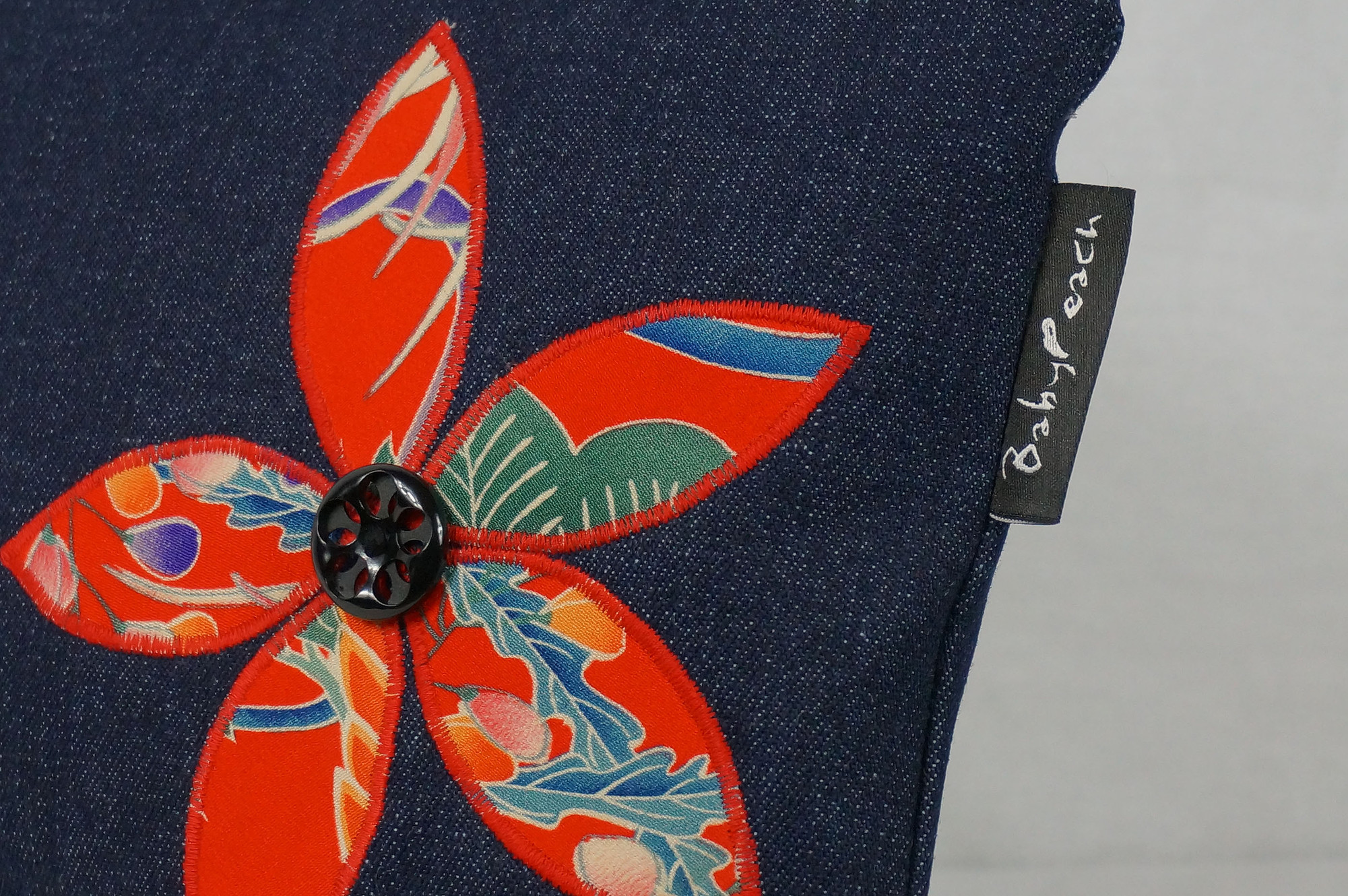



 All bots


 Registration details

 Identified technologies
User reviews (0)