Website profiles · Technology insights · Alternatives

barbecuesecrets.libsyn.com

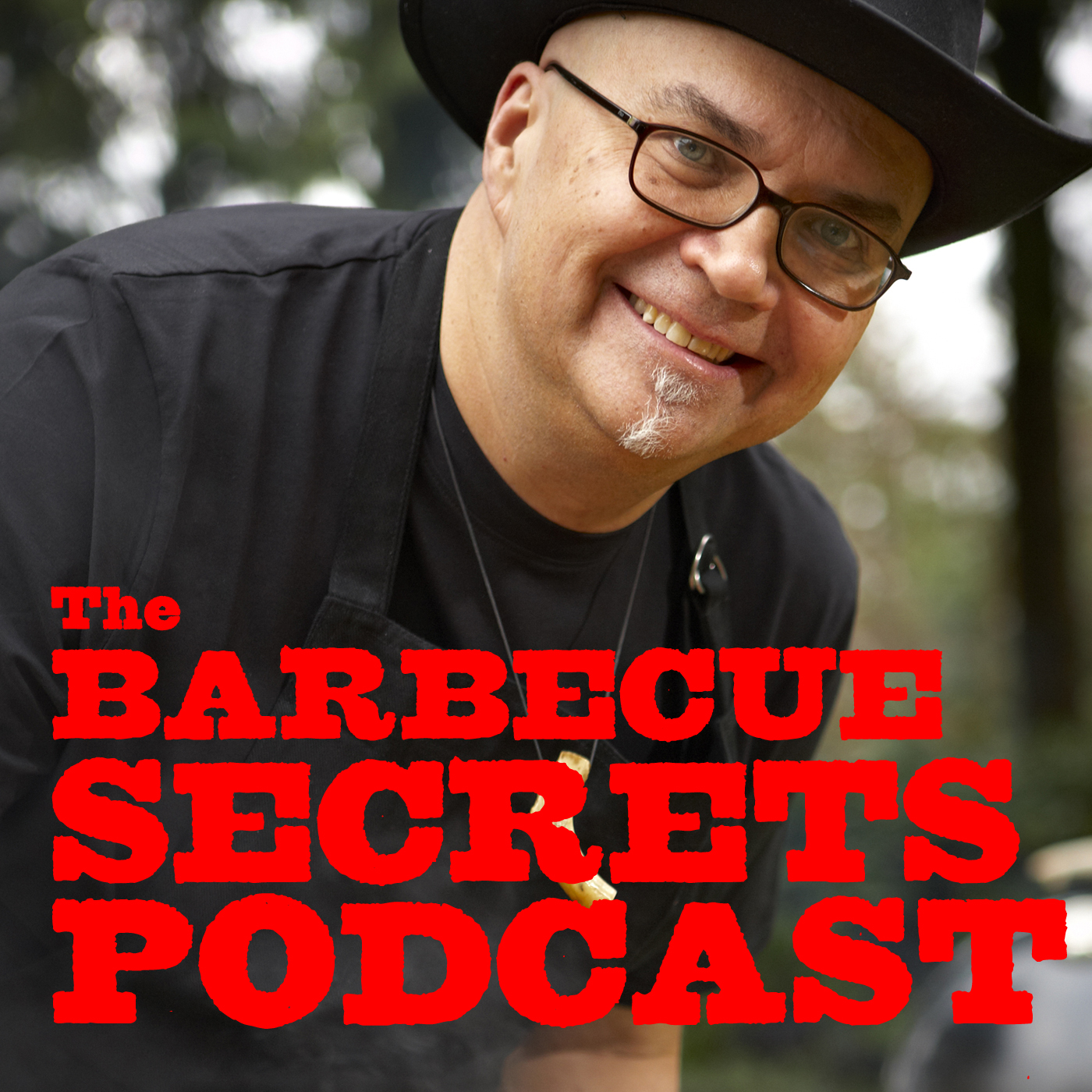
An audio podcast and blog celebrating the many pleasures of outdoor cooking.

No paid content found
Visit website
Profile views 1 Outbound visits 0 Normal
Barbecue Secrets Full homepage screenshot

At a glance

Category
Lifestyle
Language
English
Paid-content signal
No paid content foundObserved
Registered
2004
Hosting
TeraSwitch Networks Inc.Inferred
HTTPS certificate trusted
PassedObserved
Last updated

Website review

This review may include AI-generated content and is not individually verified. Domain, certificate and other facts come from the observed data on this page.

What is Barbecue Secrets?

Barbecue Secrets is an audio podcast and blog about outdoor cooking, hosted on a Libsyn podcast page. Its focus is practical barbecue and grilling: episodes and written posts mix cooking technique, event stories and recipes rather than product reviews or restaurant listings. The page's own description calls it "an audio podcast and blog celebrating the many pleasures of outdoor cooking," and the content backs that up.

What you'll find there

  • Recipes of the week posted as short articles, such as a Latin-style smoked pork shoulder with salsa verde, a beef burger with a chile butter core, grilled oysters and pink salmon grilled in foil.
  • Podcast episodes with show notes, including one on building a Jamaican-style jerk pit for a Vancouver event and serving jerked pork bellies.
  • Topic categories that point to the range: general barbecue, grilling, steak, rubs and spice, plank cooking, and "Gluttony."
  • An archive running from 2006 through 2016, so the material is dated and best treated as a back catalogue rather than a live feed.

Who it suits

It fits a home cook who wants to go beyond basic burgers — someone curious about jerk pits, plank cooking or Latin American influences — and who likes learning by listening. The recipe posts are written in a personal, first-person voice, with the author noting when a dish needs advance prep, as with the chile butter and mayo for the stuffed burger.

Trade-offs

The blog-style format means recipes arrive as narrative posts rather than standardized cards, so expect to read through the text to pull out quantities and steps. The long gap since the last posts also means equipment references and event mentions reflect their time. For a reader who wants quick, structured recipes, a dedicated recipe site may be faster; for context and storytelling alongside the cooking, this format is the appeal.

A useful next step: open the recipe index and pick one post that matches what you already cook — the foil-grilled salmon is the simplest entry point, while the stuffed burger is a weekend project.

How do I build an authentic Jamaican-style jerk pit for outdoor cooking?

Building an authentic Jamaican-style jerk pit starts with the fire, not the meat: dig a trench or shallow pit, line it with stones, and burn hardwood down to coals so you can cook low and slow over indirect heat with wood smoke. Traditional jerk cooking favors pimento (allspice) wood for aroma; where that isn't available, a mild hardwood such as oak or apple works as a substitute. Keep the pit shallow enough to tend the coals and set a grate or green-wood crossbars at a comfortable height above them.

A practical build sequence:

  1. Choose and clear the site — level ground away from overhanging branches, with water nearby.
  2. Dig the pit — roughly a forearm deep and wide enough to hold your coals plus a drip zone; save the soil for banking the edges.
  3. Line with stones or brick — this retains heat and protects the pit walls.
  4. Burn down hardwood — start a fire and let it reduce to glowing coals rather than cooking over open flame.
  5. Set the grate — position it high enough for slow cooking; jerk benefits from gentle, smoky heat.
  6. Season and cook covered — a sheet of corrugated metal or a lid traps smoke and steadies temperature.

On Barbecue Secrets, host Ronnie Shewchuk describes building an authentic Jamaican-style jerk pit for the Brewery and the Beast event in Vancouver, where he and friends from Johnston's Pork served 14 jerked pork bellies. That's his firsthand account of a large-event build; for a backyard version, scale the pit down and expect to spend most of your effort managing coals and smoke rather than the structure itself.

For a first attempt, decide based on your space and patience: a dug pit suits a party and a long afternoon of tending coals, while a kettle grill with wood chunks gives much of the smoke character with far less labor. The pit rewards those who want the full traditional experience; the grill is the sensible rehearsal.

What are the steps to make a beef burger with a chili butter core?

The page gives the headline and a few key details for this recipe, but not the full step-by-step method. What it does establish: the burger is a beef patty stuffed with a disc of chile butter, and it is served with chipotle–roasted garlic mayo and guacamole, making four large burgers. The page also flags that it is not a simple recipe and needs advance prep, since the chile butter and the mayo must be made ahead. For the exact quantities and cooking times, the full post is the place to look: Barbecue Secrets.

The working order

  1. Make the chile butter first. Soften butter, mix in chopped chiles and any seasoning, then shape it into a flat disc or log and chill until firm. A firm core is what keeps the butter from leaking out during cooking.
  2. Make the chipotle–roasted garlic mayo. Roast the garlic, then blend or stir it with chipotle and mayonnaise. Refrigerate; it improves after resting.
  3. Prepare the guacamole close to serving time so it stays green and fresh.
  4. Form the patties around the butter. Use a two-patty method: press a shallow well into one portion of beef, set the chilled butter disc in the centre, top with the second portion, and seal the edges thoroughly. Keep the butter fully enclosed with an even margin of meat all round.
  5. Chill the stuffed patties briefly before cooking so they hold together and the core stays solid.
  6. Cook over direct heat, turning carefully. A thick stuffed burger benefits from a gentler fire or a two-zone setup so the centre cooks through before the outside scorches.
  7. Rest, then build. Let the burgers rest a moment, then serve in buns with the chipotle mayo and guacamole. Warn guests about the hot butter core when they bite in.

Practical notes

  • Sealing is the whole game. Any gap at the seam and the butter escapes, causing flare-ups and a dry, crumbly patty.
  • Keep the butter very cold right up to assembly; warm butter will smear and weaken the seal.
  • Match patty size to the bun and to appetite. The page specifies four large burgers, so scale the beef accordingly.
  • Expect more prep than a plain burger. This is a weekend or entertaining recipe rather than a quick weeknight one, as the page itself cautions.

If you want to compare approaches before committing, serious burger references such as Serious Eats discuss stuffed and juiced-up patties in detail. For technique on the chile butter and mayo components, the original post remains the most direct source.

How should I safely prepare and grill oysters during hot summer weather?

Cook oysters thoroughly rather than serving them raw when temperatures are high. The site's own oyster post notes that warm coastal waters raise levels of a naturally occurring bacterium, which is why raw oysters carry more risk in a hot summer—so grilling, which the Barbecue Secrets recipe of the week features, is the safer route.

Practical grilling approach

  • Buy cold and keep cold: choose oysters from a reputable fishmonger, keep them on ice until the moment they go on the grill, and discard any with open shells that won't close when tapped.
  • Cook until they open: place them cup-side down over medium-high heat and grill until the shells gap open, then a minute or two longer. Discard any that stay shut.
  • Dress after cooking: a mignonette, lemon butter or a spoonful of salsa verde added off the heat keeps the fresh flavor without relying on raw preparation.
  • Handle the liquor carefully: the briny liquid inside is hot and can spill; wear gloves or use tongs and a tray.

When raw is still reasonable

If you prefer raw oysters, treat it as a cold-chain decision: ask the seller where they were harvested and when, favor suppliers who keep them deeply iced, and serve them the same day. People with compromised immunity, liver conditions, or who are pregnant should stick to cooked oysters regardless of the weather.

As a next step, decide by occasion: a backyard grill session in July calls for the foil-and-heat method above, while a raw bar at home is best reserved for cool-weather months and same-day, well-iced stock.

What is the best way to grill pink salmon in foil?

The best approach is to cook pink salmon in a foil packet over indirect heat, so the fish steams gently in its own juices rather than charring over a hot flame. Pink salmon is lean and delicate, so gentle, moist heat suits it better than aggressive direct grilling. Barbecue Secrets covers this in its "Recipe of the week - Grilled Pink Salmon in Foil" post, and it notes that while many sport fishermen rank pink salmon as the least desirable of BC's five wild salmon species, the site's author loves it.

A practical method

  1. Lay a fillet or portion on a sheet of heavy foil large enough to fold into a sealed packet.
  2. Add aromatics that suit the fish's mild flavor: lemon slices, butter or olive oil, herbs such as dill or parsley, salt and pepper.
  3. Seal the foil tightly, leaving a little room for steam, and place the packet over indirect heat on a covered grill.
  4. Cook until the flesh just flakes when pressed with a fork, then open the foil for the last few minutes if you want a bit of surface color.

Decision criteria

  • Whole fillet vs. portions: a whole side needs a longer, gentler cook; smaller portions cook fast, so check early.
  • Flavor: pink salmon is mild, so simple seasonings let it show; heavy glazes can overwhelm it.
  • Doneness: err on the side of slightly underdone, since foil packets keep cooking after removal.

For more outdoor-cooking ideas and recipes, the site's episode archive is a useful next stop.

How can I adapt Latin American barbecue techniques like smoked pork shoulder with salsa verde at home?

For home cooks, the most practical route is to treat the Latin-style smoked pork shoulder as a low-and-slow project built around two parts: a forgiving cut of pork cooked gently until it pulls, and a bright, sharp salsa verde made fresh to cut the richness. Barbecue Secrets presents this dish as part of its Latin American cooking coverage, with the author describing visits to Costa Rica and collaborations with local chefs as the backdrop. That context matters: the technique is less about a single exact recipe and more about a style — smoke, acid, and fresh herbs working together.

A home adaptation that works

Start with the pork. A shoulder or butt benefits from a rub with salt, pepper, cumin, oregano and a little chili, then several hours of indirect heat in a covered grill or smoker. If you lack a smoker, a kettle grill set up for indirect cooking with a drip pan and a few wood chunks gets you most of the way. Wrap the meat once the bark sets if you want to speed things along, and cook until it shreds without resistance.

Make the salsa verde while the meat rests. Tomatillos, roasted garlic, jalapeño, cilantro, lime and salt, blended coarse, give the acidity and freshness that balance smoked pork. Serve the pork in warm tortillas with the salsa spooned over, or pile it on rice with pickled onions.

Decision points

  • Equipment: a dedicated smoker gives steadier temperature control; a kettle grill is cheaper and more versatile for occasional cooks.
  • Time budget: a full shoulder takes most of a day. For a weeknight, use a smaller pork butt or shoulder cut and shorten the cook, accepting slightly less smoke penetration.
  • Salsa style: roasted tomatillos give a deeper, sweeter salsa; raw tomatillos give a sharper, greener one. Both suit smoked pork.

What the source shows

The site's recipe posts illustrate its range beyond pork: a beef burger stuffed with chile butter and dressed with chipotle-garlic mayo and guacamole, a set of oyster recipes prompted by warm-water food-safety concerns in British Columbia, and grilled pink salmon in foil. The burger post is candid that it is not simple and requires advance prep for the chile butter and mayo — a useful signal that this is a project-oriented site rather than a quick-fix one.

For broader technique, Serious Eats and AmazingRibs cover low-and-slow cooking and salsa verde in more depth.

Next step: pick one variable to control first — temperature stability — and cook a single pork shoulder with a simple salt-and-cumin rub before adding layers like injections or complex salsas.

Related questions

More questions →
How to Pick a BuzzFeed Recipe You Can Actually Cook Tonight

The fastest way to choose a BuzzFeed recipe is to filter it against three real constraints before you get attached to it: the time you actually have, the equipment already in your kitchen, and the ingredients you can get without a special trip. BuzzFeed's recipe output is huge and video-first, which makes almost everything look easy and fast. Your job is to separate the recipe that looks good from the one that fits your Tuesday night.

Here's a practical way to do that, step by step.

Start With Your Real Constraints, Not the Video

Before browsing, write down three numbers and one list:

  • Minutes of hands-on time you're willing to spend (not total time — hands-on is what actually tires you out).
  • Total time until you want to eat.
  • How many people you're feeding.
  • Equipment you have — oven, stovetop burners free, one pot or several, sheet pan, blender, air fryer, slow cooker.

Then judge each recipe against that list. A 20-minute video often hides 10 minutes of chopping and a 15-minute simmer. If the recipe says "simmer until thickened" without a time, assume 10–20 minutes and decide whether that fits.

Quick filter questions

Ask these before you commit:

  1. Does it need an appliance I don't have or don't want to clean?
  2. Does it use more than one pot or pan? (Fine on a weekend, painful on a weeknight.)
  3. Is there a long passive step — marinating, chilling, proofing, roasting — that pushes dinner past when I want to eat?
  4. Can I do the chopping while something else cooks, or is it all front-loaded?

Read the Ingredient List for Hidden Work

BuzzFeed recipes often lean on a few convenience items. That's not a flaw, but you need to spot them before you start.

Watch for:

  • Specialty sauces or pastes (chili crisp, gochujang, tahini, fish sauce) — great if you own them, a detour if you don't.
  • Fresh herbs sold in bunches bigger than the recipe needs.
  • "Optional" garnishes that the video treats as mandatory for the look.
  • Vague quantities like "a handful" or "to taste" — fine for a confident cook, harder if you're following closely.

Realistic substitutions to keep in your back pocket

Recipe calls for Everyday swap Note
Heavy cream Whole milk + a little butter Thinner sauce; reduce a bit longer
Fresh herbs Dried herbs Use about a third as much
Shallot Yellow onion, finely diced Milder onion flavor
White wine Broth + splash of vinegar Less complex, still works
Buttermilk Milk + lemon juice, rested 5 min Closest texture match

If a swap changes the chemistry — baking, custards, breads — don't improvise. Pick a different recipe instead.

Use the Format to Gauge How Much Guidance You'll Get

BuzzFeed publishes recipes in a few shapes, and each tells you something about how much hand-holding you'll get.

  • Short video (Tasty-style): Fast and visual, but often skips temperatures, times, and doneness cues. Best when you already know the technique.
  • List-style post ("17 Dinners You Can Make in 30 Minutes"): Good for browsing and inspiration. The actual instructions may be thin or link out.
  • Step-by-step article: Usually the most reliable for a first attempt — more text, more detail, fewer surprises.

Rule of thumb: if you've never made the dish before, favor the step-by-step version. If you've made it many times, the short video is enough.

Check Serving Size and Scaling Before You Shop

Serving size is where a lot of weeknight cooking goes wrong.

  • If the recipe serves 4 and you're cooking for 2, halving works for most stovetop dishes but not always for baking, sauces, or anything cooked in a fixed-size pan.
  • If you're scaling up, remember that browning and reducing take longer in a bigger batch. Crowding a pan steams food instead of searing it.
  • Seasonings, salt, and spicy elements rarely scale linearly. Start with less, taste, adjust.

Write down the scaled amounts before you cook so you're not doing math with hot oil in front of you.

Skim Comments and Creator Notes for Failure Points

This is the highest-value two minutes you'll spend. Look for repeated themes:

  • "Needed way more time than stated."
  • "Too salty / too sweet as written."
  • "The sauce broke."
  • "I added X and it was better."

When several people mention the same fix, treat it as the real recipe. Creator notes at the top of a post often carry the same information — read them before the steps, not after.

Save Two Backups So One Missing Item Doesn't Sink Dinner

Pick your main recipe, then line up two alternates that share most of the same ingredients. That way, if the store is out of one thing or you're missing an item at home, you pivot instead of ordering out.

A simple planning template:

Tonight's main: _______________
Hands-on time: ___ min | Total: ___ min | Serves: ___
Equipment needed: _______________
Missing ingredients: _______________
Substitutions planned: _______________
Backup 1: _______________
Backup 2: _______________

A Worked Example (Hypothetical)

Say you have 30 minutes, one skillet, and a pound of ground meat. You see a video for a creamy pasta that looks great — but it needs a blender, two pots, and 45 minutes of simmering. It fails your filter. You scroll to a one-pan skillet dish with pantry spices and a 20-minute cook time. That one passes. Your backups are a stir-fry and a sheet-pan dinner, both using the same protein and whatever vegetables you have.

That's the whole method: match time, equipment, and ingredients first; use format and comments to judge reliability; keep backups ready.

The Short Version

  • Filter by hands-on time, equipment, and servings before you fall for the video.
  • Scan ingredients for specialty items and decide on swaps in advance.
  • Prefer step-by-step posts for first attempts, short videos for familiar dishes.
  • Scale carefully, especially for baking and sauces.
  • Read comments and creator notes for the real cook times and fixes.
  • Always have two backup recipes that share ingredients.

Do this once or twice and it becomes automatic — you'll stop starting recipes you can't finish and start cooking the ones that actually fit your night.

How to Find and Listen to Barbecue Secrets Podcast Episodes

Barbecue Secrets is an audio podcast and blog about outdoor cooking, hosted at barbecuesecrets.libsyn.com. To find episodes, open the site and use the Episodes / All Episodes section, where shows are listed with titles and show notes; older shows are reachable through the year-and-month Archives. The site itself is the listening and browsing hub — it does not state that episodes are available on other platforms, so start there.

What the site offers

The site describes itself as "an audio podcast and blog celebrating the many pleasures of outdoor cooking." Its content mixes full episodes with written recipes, so you will encounter two kinds of posts:

  • Podcast episodes with show notes, such as "BBQ Secrets episode 23 – Canadian Jerk, Craziest Basting Brushes Ever, and Nudism, Rockin' Ronnie Style" (Aug 27, 2015), whose notes describe building a Jamaican-style jerk pit and serving jerked pork bellies at a Vancouver event.
  • Recipes of the week, such as "Latin-Style Smoked Pork Shoulder with Salsa Verde" (Jul 1, 2016), "Beef Burger with Chili Butter Core" (Aug 21, 2015), "Oysters, oysters, oysters!" (Aug 14, 2015), and "Grilled Pink Salmon in Foil" (Aug 7, 2015).

Posts are also grouped under categories such as barbecue general, grilling, plank cooking, salsa, steak, and podcasts.

Steps to find and play an episode

  1. Go to barbecuesecrets.libsyn.com.
  2. Open the Episodes menu and choose All Episodes to see the full list, or pick a category if you want a narrower set.
  3. Scan titles for episode numbers (for example, "episode 23") or for a topic you want — jerk cooking, basting tools, burgers, seafood.
  4. Open the post to read its show notes and reach the audio player.
  5. If you are looking for an older show, use the Archives list, which runs by year and month from 2006 through 2016.

Expected result: you land on a post page with the episode's notes and a player you can start. If you only want the written material, the recipe posts are readable on their own without playing anything.

Common snags

  • Preview mode: the site warns that "Links will not work in preview mode." If links or the player do nothing, you are likely viewing a preview version of the page — load the normal site address instead.
  • Old episodes take digging: the archive is organized by date, not by topic, so a specific episode may require stepping through several months. Note the episode number from a title before you start browsing.
  • Mixed content types: not every post is an episode. Recipe posts such as the salmon-in-foil entry are written recipes; check for show notes or an episode number to confirm you are on a podcast page.

A quick example

Suppose you want the jerk-cooking discussion. From All Episodes, find "BBQ Secrets episode 23," open it, and read the show notes first — they summarize the jerk pit build and the event — then start the audio. If you instead want a dinner idea, skip the episodes and open "Recipe of the Week – Beef Burger with Chili Butter Core," which the site itself flags as prep-heavy: the chile butter and mayo must be made in advance.

The site does not publish pricing or login requirements, so nothing here should be read as confirming free access or an account requirement — check the page itself when you arrive.

What Kinds of Recipes Are on the Barbecue Secrets Site?

Barbecue Secrets is an audio podcast and blog about outdoor cooking, and its recipe content is published mainly as "Recipe of the Week" posts alongside episode show notes. From the site's own listings, you can expect grilled and smoked dishes such as a Latin-style smoked pork shoulder with salsa verde, a beef burger with a chili butter core, oysters prepared several ways, and grilled pink salmon in foil. Recipes are found by browsing the site's categories and monthly archives rather than through a search-first recipe index.

The recipe formats you'll encounter

The site mixes two kinds of food content:

  • Standalone recipe posts labeled "Recipe of the Week." These read like working recipes: a title, a yield (for example, "Makes 4 large burgers"), an ingredient list, and preparation notes.
  • Episode show notes that describe what was cooked or demonstrated on a podcast episode, such as building a Jamaican-style jerk pit and serving jerked pork bellies. These are more narrative than instructional, so treat them as context and inspiration rather than a step-by-step recipe card.

What a recipe post actually contains

The beef burger post is a useful example of the site's style. It opens with a yield, then a short "Disclaimers" note warning that the recipe "isn't a simple recipe and it involves quite a bit of prep work," and that the chile butter and mayo "need to be made in advance." That kind of advance-planning warning is the most valuable part of the post for deciding whether to cook it tonight. The recipe is also plated with specific accompaniments — chipotle and roasted garlic mayo and guacamole — so you know the full scope before starting.

The salmon post shows a different pattern: it begins with the author's opinion that many sport fishermen consider pink salmon the least desirable of BC's five wild salmon species, then moves into a foil-grilling method. Expect a point of view attached to the technique.

Recipes visible in the site's listings

Post Dish Notable detail from the post
Jul 1, 2016 Latin-Style Smoked Pork Shoulder with Salsa Verde Draws on the author's visits to Costa Rica and collaboration with local chefs
Aug 21, 2015 Beef Burger with Chili Butter Core Makes 4 large burgers; chile butter and mayo must be made ahead
Aug 14, 2015 Oysters, oysters, oysters! Multiple oyster preparations; post notes concerns about eating raw oysters in hot weather
Aug 7, 2015 Grilled Pink Salmon in Foil Foil-grilling method for a salmon species the author defends

The oyster post is worth reading for its framing as much as its recipes: it discusses the risk of illness from raw oysters when naturally occurring bacteria thrive in warm water, and presents the recipes as a gesture toward BC oyster farmers. If you plan to serve raw oysters, use that discussion as a prompt to check current local shellfish safety guidance rather than as a substitute for it.

How to browse for recipes

The site organizes content by Categories and by Archives (month and year). Categories named in the navigation include barbecue general, Gluttony (grilling, steak, barbecue), grilling (bbq, barbeque, rub, spice), Plank Cooking, and podcasts. Archives run from 2006 through 2016, with the densest recipe activity in the summer months of 2015.

A practical way to use this structure:

  1. Pick a category that matches your equipment or technique — for example, Plank Cooking if you want to cook on a cedar plank, or grilling if you want rubs and spice work.
  2. Open the archive month for the season you're cooking in; summer months carry the most recipe posts.
  3. Read the opening lines of a post first. The author tends to state difficulty, advance prep, and any safety caveats up front, which is exactly what you need to decide whether a recipe fits your evening.

One caveat from the site itself: the navigation notes that in "Preview Mode" the links will not work. If category or archive links don't respond, you're likely viewing a preview version of the page rather than the live site.

What the recipes are not

Nothing in the site's listings indicates a structured recipe database with filters for time, difficulty, or ingredients, and no pricing or membership information appears in the available material. Plan on reading posts individually and judging effort from the author's own notes — the burger post, for instance, is explicitly flagged as prep-heavy, while a foil-wrapped salmon is presented as a straightforward grill method. If you want a single dish to start with, pick a foil or plank preparation; if you want a weekend project, the smoked pork shoulder or the stuffed burger is the better fit.

What Barbecue and Outdoor Cooking Topics Does Barbecue Secrets Cover?

Barbecue Secrets is an audio podcast and blog about outdoor cooking, and its content falls into a few clear groups: recipes (smoked and grilled meats, seafood, burgers), technique and equipment discussion in podcast episodes, and category browsing by cooking style. The site suits readers who want recipe ideas plus conversational episodes on live-fire cooking, not a structured step-by-step course. The archive is organized by month and year, with the most recent posts visible from 2016 back through 2006.

Recipe Topics on the Blog

The blog's "Recipe of the Week" posts show the range of dishes covered:

Post What it covers
Latin-Style Smoked Pork Shoulder with Salsa Verde Low-and-slow smoking with Latin American flavors, drawn from the author's visits to Costa Rica
Beef Burger with Chili Butter Core A stuffed burger with advance prep (chile butter and chipotle–roasted garlic mayo made ahead), served with guacamole
Oysters, oysters, oysters! Oyster recipes, framed around summer food-safety concerns about raw oysters
Grilled Pink Salmon in Foil Foil-grilled salmon, including a defense of pink salmon against its reputation as the least desirable BC wild salmon species

Two patterns stand out. First, the recipes often come with context—a trip, a season, a local ingredient debate—rather than standing alone as ingredient lists. Second, some are explicitly flagged as project cooks: the burger post states plainly that it "isn't a simple recipe" and needs planning. That's useful when you're deciding whether a recipe fits a weeknight or a weekend.

Techniques and Themes in the Episodes

The podcast episodes mix technique, events, and cooking culture. Episode 23 (August 2015) is a representative example: show notes describe building an authentic Jamaican-style jerk pit for the Brewery and the Beast event in Vancouver, serving jerked pork bellies with Johnston's Pork, and a spit-roasting effort by chef Rob Belcham of Campagnolo. The episode title also promises segments on basting brushes and, in the show's own words, "Nudism, Rockin' Ronnie Style."

So the episodes are not pure instruction. They combine:

  • Live-fire technique — jerk pit construction, spit roasting
  • Equipment talk — basting tools
  • Event coverage and interviews — chefs and collaborators at public cooks
  • Personal commentary — the host's voice and humor run through the show

If you want a focused technique lesson, expect to extract it from a broader conversation rather than hear a clean tutorial.

How the Site Is Organized

Posts are filed under categories that map to cooking styles and ingredients: barbecue general, Gluttony (which groups grilling, steak, and barbecue), grilling (bbq, barbeque, rub, spice), and plank cooking. There are also podcast and salsa categories. The archive runs by month and year from 2006 to 2016, so older material is reachable but requires browsing rather than search-first navigation.

One practical note from the site itself: in preview mode, links do not work. If navigation or episode links appear unresponsive, that's the preview setting, not a broken page.

What This Means for You

  • If you want recipe ideas with stories attached, start with the Recipe of the Week posts; the burger and salmon entries give a good sense of the style and difficulty range.
  • If you want technique discussion, the episodes are the place, but treat them as conversations to mine for detail—jerk pits, spit roasting, basting gear—rather than structured lessons.
  • If you want a specific style, use the categories (plank cooking, rubs and spices, steak) to narrow the archive instead of scrolling by date.

The site does not present itself as a structured curriculum, and the material is dated to 2016 and earlier, so use it as an idea and discussion source rather than a current reference for equipment or safety guidance.

What Is Barbecue Secrets?

Barbecue Secrets is an audio podcast and blog about outdoor cooking and barbecue, hosted at barbecuesecrets.libsyn.com. It is a content archive rather than a store or service: you go there to listen to episodes and read recipes and posts. The site describes itself as "an audio podcast and blog celebrating the many pleasures of outdoor cooking." If you are looking for a specific recipe, an episode on a technique, or a sense of what the show covers, the site's archive is the place to start.

What the site offers

The homepage presents three kinds of content, each with its own browsing path:

  • Episodes — the podcast itself, listed under "All Episodes" and organized by category.
  • Recipes of the week — individual recipe posts published on the blog.
  • Category-based posts — the archive is grouped by topic, so you can jump to a subject instead of scrolling chronologically.

The visible categories on the site are:

Category What it covers
barbecue general General barbecue topics
Gluttony Posts tagged with gluttony, grilling, steak, barbecue
grilling Grilling, BBQ, barbeque, rub, spice
Plank Cooking Cooking on planks
podcasts Episode posts
Salsa Salsa-related content

The archive also runs by date, with monthly groupings from 2006 through 2016 visible on the page. That makes it useful as a back catalogue: older recipes and episodes remain reachable through the archive links.

Examples of the content

The posts shown on the homepage give a clear picture of the range:

  • Latin-Style Smoked Pork Shoulder with Salsa Verde (Jul 1, 2016) — the host describes visiting Costa Rica and collaborating with chefs there as the country builds its international barbecue profile, and says Latin American cooking has become a regular part of his kitchen.
  • BBQ Secrets episode 23 — Canadian Jerk, Craziest Basting Brushes Ever, and Nudism, Rockin' Ronnie Style (Aug 27, 2015) — show notes describe building an authentic Jamaican-style jerk pit for the Brewery and the Beast event in Vancouver, serving 14 jerked pork bellies with Johnston's Pork, and a spit-roast by chef Rob Belcham of Campagnolo.
  • Recipe of the Week — Beef Burger with Chili Butter Core (Aug 21, 2015) — a recipe for four large burgers with chipotle and roasted garlic mayo and guacamole. The post is explicit that it is not a simple recipe: the chile butter and mayo must be made in advance, so it needs planning.
  • Recipes of the week — Oysters, oysters, oysters! (Aug 14, 2015) — prompted by a hot British Columbia summer and concerns about eating raw oysters, the post frames itself as a gesture of goodwill to BC oyster farmers and a celebration of the ingredient.
  • Recipe of the week — Grilled Pink Salmon in Foil (Aug 7, 2015) — notes that many sport fishermen consider pink salmon the least desirable of BC's five wild salmon species, while the host disagrees.

How to use the site

  1. Start from the homepage at barbecuesecrets.libsyn.com. The navigation offers About, Episodes, and All Episodes.
  2. Choose your path. For listening, open Episodes or All Episodes. For cooking, scan the recipe posts or use the category links.
  3. Use the archive for older material. The monthly archive from 2006 to 2016 lets you reach posts that are no longer on the front page.
  4. Check the post before committing to a recipe. Some recipes, like the chili butter burger, state up front that they require advance prep; others are simpler weeknight fare.

One practical note from the page itself: the site displays a "Preview Mode" notice stating that links will not work in preview mode. If links on the page do not respond, that notice explains why.

What it is not

The page evidence does not show pricing, a shop, or a login requirement, so there is no basis to describe the site as paid, free, or account-based. Treat it as a public archive of podcast episodes and blog recipes. It is also not a comprehensive technique manual: the content is a personal show and blog, with recipes and episodes published as they came, so coverage of any given topic depends on what was posted.

Who it suits

  • Listeners who want a barbecue podcast with a back catalogue going back to 2006.
  • Cooks looking for specific recipes, from smoked pork shoulder to grilled salmon in foil, with honest notes about difficulty.
  • Readers interested in regional styles, such as Latin American cooking and Jamaican-style jerk, as covered in the posts above.

If you want a single recipe to cook tonight, pick a post and read its notes first; if you want to browse, the category and date archives are the fastest routes through the site.

Website Overview

An established domain and managed infrastructure suggest continuity of operations and may support dependable delivery, although neither guarantees service quality.

Domain and Registration

Registered in 2004, this domain has about 21 years of history. That suggests continuity, although ownership and purpose may have changed. Transfer-protection status is present, helping reduce the risk of unauthorized domain transfers. The registrar is Tucows Domains Inc., a widely used domain service provider. The domain uses the common .com extension, which is not an independent safety signal.

DNS and Email

Nameservers are provided by libsyn.com, indicating managed DNS hosting. MX records point to the Google Workspace email service. No CNAME was found; the observed records resolve directly to addresses. SPF and DMARC are configured. DKIM status is unknown. TXT records include verification markers for Google, Atlassian, Meta. Such markers may also remain after a service stops being used.

TLS and Certificates

The certificate includes the organization field LIBERATED SYNDICATION, INC. The certificate issuer is Sectigo Limited, a commercial certificate authority. The public key uses EC with 256 bits. The server supplied a complete certificate chain. The certificate is valid for about 198 days in total, with 145 days remaining.

HTTP and Browser Security

The response lacks these common security headers: Permissions-Policy. CORS permits any origin to read this response. This is common for public resources; sensitive responses need narrower handling. No X-Powered-By header was found, reducing one common source of backend fingerprinting information. The x-cache, via response header indicates a CDN or caching proxy in the delivery path. No obvious internal addresses or debug information were found in the headers.

Technology Stack Analysis

The public page identifies Google Analytics, Apache without precise versions, leaving fewer clues for version-specific scanning.

Search and Social Sharing

No homepage canonical URL was detected. If duplicate URLs exist, consolidation may be less explicit. Twitter Card metadata is configured. The title has 16 characters, within a common display range. A meta description is present, with 76 characters. The observed directives allow indexing and link following.

Hosting and Email

DNSlibsyn.com
HostingTeraSwitch Networks Inc.
EmailGoogle Workspace
Approximate IP geolocation (inferred; a CDN or proxy may differ from the origin server) United States flagPittsburgh, Pennsylvania, United States Inferred 204.16.247.189

Registration details

RDAP / WHOIS

RegistrarTucows Domains Inc.
Registered2004-10-25
Expires2027-10-14
Domain statusclient transfer prohibited、client update prohibited
Nameserversns1.libsyn.com、ns2.libsyn.com、ns3.libsyn.com、ns4.libsyn.com
DNSSECunsigned

DNS records

DNS

TypeNameValueTTLPriority
Abarbecuesecrets.libsyn.com204.16.247.1893600—
Abarbecuesecrets.libsyn.com204.16.247.1903600—
MXlibsyn.comaspmx.l.google.com36001
MXlibsyn.comalt1.aspmx.l.google.com36005
MXlibsyn.comalt2.aspmx.l.google.com36005
MXlibsyn.comalt3.aspmx.l.google.com360010
MXlibsyn.comalt4.aspmx.l.google.com360010
NSlibsyn.comns1.libsyn.com3600—
NSlibsyn.comns2.libsyn.com3600—
NSlibsyn.comns3.libsyn.com3600—
NSlibsyn.comns4.libsyn.com3600—
TXTlibsyn.comTAILSCALE-T1qOZSt1gTBJmU49DTM13600—
TXTlibsyn.comanthropic-domain-verification-h5vrbx=668acSu3U1FFzCBrfna2xFLDx3600—
TXTlibsyn.comasv=7769fd0acdd041118a01143aa02340553600—
TXTlibsyn.comatlassian-domain-verification=qBztE2uTjqxMF2qAF1B9l8GOeAWTU7XZiafuTT7waOIIk8ZrKes1VeSONYH3zNob3600—
TXTlibsyn.combox-domain-verification=1fcff89166854b0fd5c01188d389d04d8ca57fe1af988dec765286367a1e68363600—
TXTlibsyn.comfacebook-domain-verification=dm6rkx5emuyrvngpg41ahpzogw60qh3600—
TXTlibsyn.comgoogle-site-verification=Imh_E3gAalHawooGWucISsw9wfGe2dds1aWOzr3tlXA3600—
TXTlibsyn.comgoogle-site-verification=R4h1bR-p5OEN7LG-zs5R3ep67j8MLDyZYG9kJK3y5Po3600—
TXTlibsyn.comgoogle-site-verification=UAz7lsiSQcgock9lGoa3JVOd-6khpiAZKQNnKy5_HBE3600—
TXTlibsyn.commiro-verification=600fb4225f2708c723b9f819f5e18289ef408fa93600—
TXTlibsyn.comopenai-domain-verification=dv-HRkcoWDY1JaIvtOoWVCRJESu3600—
TXTlibsyn.compendo-domain-verification=K8UCI-pV4HG1ZZpSBurzy2U6vXU3600—
TXTlibsyn.coms38ll2viooat9frluk366iqmmb3600—
TXTlibsyn.comstripe-verification=4FF48CA0754835CF9AD2E404DCCC31391535BE44972F9F3B1DC631C25B74BFEC3600—
TXTlibsyn.comv=spf1 a mx include:spf.mtasv.net include:spf.braintreegateway.com include:mail.zendesk.com ip4:207.126.144.0/20 ip4:64.18.0.0/20 ip4:74.125.148.0/22 include:_spf.google.com include:3391700.spf04.hubspotemail.net -all3600—
DMARC_dmarc.libsyn.comv=DMARC1; p=none; rua=mailto:[email protected],mailto:[email protected]3600—

TLS and certificates

TLS / SSL

AssessmentNormal configuration
Supported protocolsTLSv1.2、TLSv1.3
Negotiated protocolTLSv1.3
Certificate subject*.libsyn.com
IssuerSectigo Limited
Valid until2027-03-15T23:59 · Remaining when checked: 145 days
Verification detailsCertificate trust: Passed · Hostname match: Passed

HTTP response headers

HTTP

HeaderValue
content-typetext/html; charset=UTF-8
serverApache
strict-transport-securitymax-age=31536000; includeSubDomains; preload
content-security-policyconnect-src 'self' https://*.libsyn.com https://*.libsyn.dev https://*.libsyn.localhost https://*.googletagmanager.com https://*.google-analytics.com https://google-analytics.com https://*.analytics.google.com https://analytics.google.com https://*.g.doubleclick.net https://www.google.com; frame-ancestors 'self' https://*.libsyn.com https://*.libsyn.dev https://*.libsyn.localhost; img-src 'self' https://*.libsyn.com https://*.libsyn.dev https://*.libsyn.localhost https://*.googletagmanager.com https://*.google-analytics.com https://google-analytics.com https://*.analytics.google.com https://analytics.google.com https://*.g.doubleclick.net https://www.google.com https://*.fontawesome.com https://*.cloudfront.net; script-src 'self' https://*.libsyn.com https://*.libsyn.dev https://*.libsyn.localhost https://*.facebook.net https://*.embedly.com; script-src-elem 'self' 'unsafe-inline' https://*.libsyn.com https://*.libsyn.dev https://*.libsyn.localhost https://*.google-analytics.com/ www.googletagmanager.com/ https://*.facebook.net https://*.fontawesome.com https://*.embedly.com https://www.google.com https://www.gstatic.com;
x-frame-optionsSAMEORIGIN
x-content-type-optionsnosniff
referrer-policystrict-origin-when-cross-origin
access-control-allow-origin*

Identified technologies

Google AnalyticsApache

Pages, Search and Sharing

Meta descriptionAn audio podcast and blog celebrating the many pleasures of outdoor cooking.
Canonical URLNot detected
LanguageEnglish (default)
Twitter Cardsummary

No robots.txt found

No sitemaps found

User reviews (0)

  • No reviews yet.