
 简体中文
简体中文 English
Website review
This review may include AI-generated content and is not individually verified. Domain, certificate and other facts come from the observed data on this page.
What is Best Damn EDC?
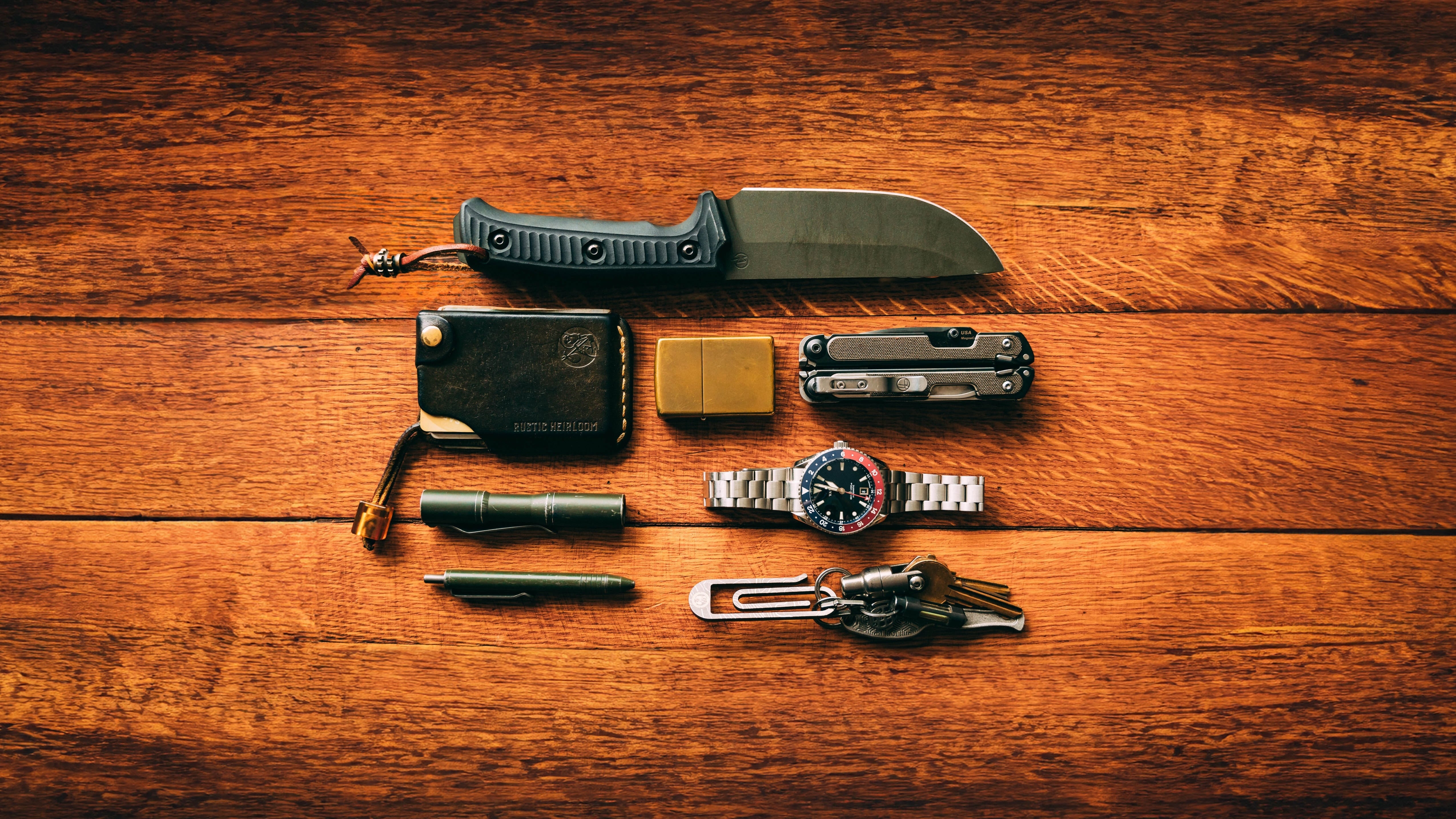
Best Damn EDC is a blog and gear shop focused on everyday carry: the knives, pens, tools, wallets and small accessories people keep on them daily. Its own description frames it around "innovative, practical, and durable gear," and the page pairs written posts with a product catalog and a YouTube channel.
It serves two related purposes:
- Editorial: gear reviews, recommendations, maintenance advice and brand coverage. Page evidence shows posts such as a piece on magnesium in knives, a Work Sharp RMX explainer and "7 simple fixes for common EDC knife problems."
- Retail: a store section selling items including the Clingman knife, BDEDC Nesting Tins, the TPT Slide V2, a BDEDC Topo Zippo, the BDEDC Pocket Safe, a Mini Click Pen and the Ti Lookout Fixed Blade.
The audience is people who treat carry gear as a hobby rather than a one-time purchase: outdoor and tactical users, tech-minded buyers, and anyone who wants tested recommendations instead of browsing a general marketplace. The trade-off is that a niche site like this gives you opinionated, focused coverage but a narrower catalog than a large retailer, and its reviews sit alongside its own products, so treat shop listings as a starting point rather than neutral advice.
A practical next step: if you want buying guidance, read the review section first, then check the "EDC Gear I Use" list to see what the site's own writers actually carry. If you prefer video, the YouTube channel covers reviews, tutorials and unboxings; the email list and Discord are the community options mentioned on the page. For a second opinion on a specific item, compare coverage with a broader gear outlet such as Everyday Carry.
How do I choose the right EDC knife for my daily carry?
Choosing an EDC knife comes down to matching four things to your actual routine: legal carry limits where you live and travel, the tasks you handle most often, how you carry it (pocket clip, fifth pocket, bag), and how much maintenance you'll realistically do. A knife that's perfect for opening boxes at a desk job is often a poor choice for someone doing trail work on weekends.
Start with the constraint, not the steel. Check your local blade-length and locking-mechanism rules first, since those eliminate whole categories before you compare anything else. If you cross state or national borders regularly, a non-locking slipjoint or a sub-3-inch blade keeps you out of trouble. If you never leave your own region, you have far more freedom.
Then match the blade to the job.
| Your typical use | What tends to work well | Trade-off |
|---|---|---|
| Boxes, tape, packaging | Short drop-point or sheepsfoot, thin stock | Less useful for food or wood |
| Food, fruit, camp chores | Longer blade, full flat grind, stainless steel | Bulkier in a pocket |
| Hard use, prying-adjacent tasks | Thicker spine, sturdy lock, tool steel | Heavier, needs more care against rust |
| Office or public settings | Small, discreet, non-threatening profile | Limited capability |
Handle and carry matter more than specs on paper. Micarta and G-10 give grip when wet; smooth metal or wood looks better but gets slippery. If you wear dress trousers, a deep-carry clip or a small fixed blade in a belt sheath may suit you better than a bulky folder. Sites like Best Damn EDC cover this ground from a gear-enthusiast angle, including practical fixes for common knife problems and long-form debunking pieces, alongside a shop of their own designs. For broader manufacturer specifications and warranty terms, the maker's own site is the better reference.
A concrete next step: write down the three things you cut most in a normal week, then pick the smallest, lightest knife that handles all three comfortably. Carry it for a month before buying a second one. Most people overestimate the blade they need and underestimate how much a comfortable handle and a clip that stays put determine whether the knife actually ends up in their pocket every day.
One decision rule: if you're torn between two sizes, take the smaller one for urban carry and the larger one only if you have a specific outdoor task in mind. A knife left at home because it's uncomfortable is worth nothing.
What are the best EDC tools and gadgets for everyday carry?
Best Damn EDC frames itself as a gear blog and shop for everyday carry, so the most useful way to read it is as two things at once: an editorial review site and a small storefront for its own branded items. If you want recommendations rather than one person's opinion, the review section and YouTube channel are the places to start; if you want specific objects, the shop lists its own gear alongside items the site says it uses.
Best Damn EDC
What the site actually covers
The page presents gear in three broad buckets:
- Reviews and recommendations — in-depth write-ups on gadgets, tools and gear, with claims of testing and value analysis.
- Top brands — curated picks described as reliable and performance-focused, spanning tactical tools and accessories.
- Its own products — branded items such as the BDEDC Pocket Safe, BDEDC Nesting Tins, a Topo Zippo, the Clingman knife in several handle materials, the TPT Slide V2, a Mini Click Pen and a Ti Lookout Fixed Blade.
There is also editorial content that goes beyond shopping, such as a piece on whether magnesium in knives is a fire hazard, a debunking article about the Work Sharp RMX, and a guide to simple fixes for common EDC knife problems. That mix suggests the site is aimed at people who already carry gear and want to maintain or understand it, not only first-time buyers.
How to choose tools for your own carry
The question "what are the best EDC tools" has no single answer because carry is personal. A practical way to decide:
| If your priority is | Look for | Trade-off |
|---|---|---|
| Minimal bulk | A slim knife or slide-style tool, a small pen, flat tins | Less capability per item |
| Daily utility at work | A pen you will actually use, a compact multi-tool, a small light | More items to track and maintain |
| Security of small valuables | A pocket safe or organizer | Added thickness and weight |
| Durability over years | Fixed-blade or well-built folding tools, quality handle materials | Higher cost, harder to carry discreetly |
A concrete scenario: someone commuting and working at a desk might carry a small folding knife, a click pen and a tin for loose items, keeping total weight low. Someone doing outdoor or trade work would lean toward a fixed blade, a sturdier multi-tool and a light, accepting more bulk for capability.
A useful next step
Pick one category you use every day — a knife, a pen or a light — and read a full review plus a maintenance article before buying. That combination tells you whether the tool suits your habits and whether you can keep it working, which matters more than any single "best" label.
How can I maintain and fix common problems with my EDC gear?
For most everyday-carry problems, the fix is maintenance rather than replacement: clean, dry, lubricate and tighten on a schedule, and treat loose screws, gritty action and dull edges as warnings rather than failures.
Best Damn EDC addresses this directly in its article "7 SIMPLE FIXES for Common EDC Knife Problems," alongside gear-focused pieces such as a debunking article on the Work Sharp RMX and a piece questioning whether magnesium in knives is a fire hazard. The site's stated focus is practical, durable gear for daily use, and it also runs a YouTube channel with reviews and tutorials, so written fixes and video walkthroughs sit side by side on Best Damn EDC.
Common problems and practical fixes
- Pivot feels gritty or stiff: Flush the pivot with warm water and mild soap, dry thoroughly, then apply one small drop of knife-safe oil. Work the blade open and closed to spread it. Over-oiling attracts lint and grit, so less is better.
- Blade wiggles or won't stay centred: Check the pivot and body screws with the correct driver size. Snug them evenly rather than cranking one screw tight, then adjust pivot tension until the blade opens smoothly with no side-to-side play.
- Edge feels dull or catches on paper: Touch up with a fine stone or ceramic rod at the existing angle before the edge gets truly blunt. A few light passes weekly beats a long sharpening session monthly.
- Screws keep loosening: A small amount of removable threadlocker on body screws helps, but keep it away from the pivot. Recheck screws after heavy use or after the knife gets wet.
- Rust spots on carbon steel or coated blades: Wipe the blade dry after every use, especially after contact with sweat, fruit or salt water, and keep a thin film of oil on it. Store knives out of damp sheaths.
- Flashlight flickers or dims: Clean the threads and contact points with a cloth or pencil eraser, then re-lubricate the threads lightly. Most flicker problems are contact issues, not dead electronics.
- Multi-tool implements stiffen up: Flush with water, dry, and lubricate each pivot individually. Work every tool through its full range to distribute the lubricant.
A simple maintenance routine
| Frequency | Task |
|---|---|
| After each use | Wipe blades and tools dry; remove grit and moisture |
| Weekly | Check screw tightness; touch up edges; wipe down carry items |
| Monthly | Flush and re-lubricate pivots; inspect for rust, cracks or worn clips |
| Seasonally | Deep clean, sharpen properly, replace worn O-rings, batteries or paracord |
Deciding whether to fix or replace
Repair is usually worth it when the problem is friction, looseness, dullness or surface rust. Replacement makes more sense when a blade is chipped deeply, a frame or lock is cracked, a spring has snapped, or a locking mechanism no longer engages safely. If a tool is your daily safety-critical carry, don't rely on a marginal fix.
Next step: pick one item you carry every day, run through the fixes above, and note what actually changed. That tells you whether the problem was maintenance or a genuine failure.
Which EDC brands offer the most reliable and durable products?
Best Damn EDC doesn't publish a ranked reliability list or lab-test results, so treat any brand durability claim from it as editorial opinion shaped by hands-on use. Its own product lineup is a fair starting point because the site puts its name on the gear, which means returns and reputation are on the line.
What the site actually covers
Best Damn EDC organizes content around three things: gear reviews, a "top brands" section, and its own house-brand items. The reviews page describes testing and analyzing each product for value and durability, though it doesn't say how long or how hard. The house-brand products listed include the Clingman knife, BDEDC Nesting Tins, the TPT Slide V2, a Topo Zippo, a Pocket Safe, a Mini Click Pen, and the Ti Lookout Fixed Blade. Those are concrete items you can look up and compare against other makers.
How to judge "reliable and durable" yourself
Brand reputation is a weak proxy. A more useful approach:
- Materials over marketing. Titanium, micarta, G-10 and quality stainless tell you more than a logo. The site's own listings lean on these materials, which is a reasonable signal of the tier it plays in.
- Warranty and service. A brand that repairs or replaces without argument is more reliable in practice than one with a slightly stronger steel.
- Replacement parts. Clips, screws, springs and o-rings wear first. If you can't buy them, the tool's lifespan is capped.
- Real carry time. Look for reviews that mention months of use, not unboxings.
Reader scenario
Say you carry a folding knife daily for two years. The blade steel matters less than whether the pivot stays tight, the clip doesn't snap, and the lock holds. A brand with a documented warranty and stocked spare parts will serve you better than a marginally tougher alloy from a company that ignores emails.
Next step
Pick two or three tools you'd actually carry, then check each brand's warranty page and spare-parts availability before buying. For broader gear discussion and long-term user reports, communities such as Reddit often surface multi-year ownership experiences that single reviews miss.
How can I join the Best Damn EDC community and stay updated on new gear?
Join through the email list, the YouTube channel, or the Discord community—all three are linked from the Best Damn EDC homepage. The email list is the lowest-effort option for gear news; YouTube suits people who want to see items handled on camera; Discord is for ongoing conversation with other EDC enthusiasts. The site also publishes written gear reviews and brand roundups, so you can simply check back for new posts if you prefer not to subscribe to anything.
What each channel gets you
| Channel | Best for | Trade-off |
|---|---|---|
| Email list | Periodic updates on new gear and posts | Lands in your inbox; no real-time discussion |
| YouTube | Reviews, tutorials and unboxing videos | Watching takes longer than skimming an article |
| Discord | Talking gear with other carry-minded people | Needs active participation to be worthwhile |
| Site posts | In-depth reviews and curated brand picks | You have to remember to visit |
A practical way to start
If you are new to everyday carry, subscribe to the email list first and read a few knife and tool reviews before buying anything. That gives you a sense of what the site actually tests versus what it merely lists. Once you know which categories interest you—knives, pens, organizers—join the Discord and ask about specific models; owners there will tell you about real-world wear that a product page will not.
One thing to weigh: the site sells its own gear alongside editorial content, so treat product listings as a shop and reviews as opinion, not independent lab testing. Cross-check any high-priced item against a general community such as Reddit before committing.
 Namecheap
 Cloudflare
 Google Workspace
 Ottawa, Ontario, Canada
User reviews (0)