
 简体中文
简体中文 English
Website review
This review may include AI-generated content and is not individually verified. Domain, certificate and other facts come from the observed data on this page.
What is the National Alliance for Caregiving?
The National Alliance for Caregiving (NAC) is a U.S. nonprofit that works on family caregiving at the system level rather than providing hands-on care itself. It describes its mission as advancing research, advocacy, and resources that support family caregivers through education, policy leadership, and community engagement. In practice, that means it publishes national research on who caregivers are and what they need, pushes for laws and funding that affect them, and runs webinars and briefings on topics like caregiving in cancer care or dementia diagnosis.
Its main audiences are family caregivers looking for context and policy updates, plus researchers, advocates, and organizations that use its data and coalition work. If you are a caregiver searching for direct services such as respite hours, home care, or financial aid, NAC is better used as a starting point for understanding the landscape and finding policy-driven resources than as a direct service provider.
What you will find on the site
- Research reports and data, including the "Caregiving in the US" series and state data profiles
- Policy briefs and statements on legislation such as the Older Americans Act
- Events and webinars, often with registration links
- Blog posts and news on caregiver-related policy developments
- Personal portraits of caregivers that illustrate lived experience
How it compares to other starting points
| If you need | NAC is a good fit | Consider instead |
|---|---|---|
| National data and policy context | Yes | — |
| Help finding local services | Indirect | A caregiver support organization with a service locator |
| Condition-specific guidance | Sometimes, via events | A disease-specific nonprofit |
| Advocacy and coalition updates | Yes | — |
A practical next step: if you are new to caregiving, read one of the "Caregiving in the US" summaries to understand common challenges, then use the events page to find a webinar relevant to your situation. If you are an advocate or researcher, the policy briefs and data hub are the most efficient places to start. For official U.S. government caregiver information, the Administration for Community Living covers federal programs and the Eldercare Locator helps find local services; for condition-specific support, organizations such as the Alzheimer's Association focus on dementia care.
How does the National Alliance for Caregiving advocate for family caregivers?
The National Alliance for Caregiving (NAC) advocates by combining original research, direct policy engagement, and public storytelling. Rather than offering only tips for individual caregivers, it works on the systems that shape caregiving: federal legislation, Medicare and Medicaid rules, research funding, and public awareness.
How its advocacy shows up
- Policy and legislative work: NAC publicly responds to proposed federal rules and pushes for caregiver-relevant legislation. Its posts include reactions to the Medicare Physician Fee Schedule proposed rule, Senate passage of a Continuing Resolution, and reauthorization of the Older Americans Act.
- Research that anchors the argument: Reports such as Caregiving in the US 2025 and state data profiles give advocates numbers on who caregivers are, what they do, and what they need. The Caregiving in the US Data Hub makes that evidence easier to reuse.
- Coalition and partner advocacy: It works with groups such as the Caregiver Nation Coalition and, on dementia detection, with the Alzheimer's Impact Movement, which extends its reach beyond its own membership.
- Training and care-delivery change: The INCITE training program and work on caregiving training services in Medicare aim to change how health systems identify and support caregivers, not just how laws read.
- Human stories: The "Portraits of Caregiving" section features people like Abena, Maggie, Myra, and Allen, translating lived experience into a case for policy change.
- Public events and calls to action: Webinars on topics like the cancer-to-transplant continuum and the dementia diagnosis gap give caregivers and professionals a way to engage directly.
Who this is for
Family caregivers will find context and ways to act, but the site is especially useful for advocates, researchers, nonprofit staff, and policy professionals who need citable data and updates on federal developments. If you want one-on-one help with daily care tasks, a direct-service organization may fit better.
A practical next step
If you are preparing comments on a proposed rule or writing a grant, start with the Caregiving in the US data hub for state-level figures, then check the recent posts for NAC's current policy positions. Pair it with Alzheimer's Association for dementia-specific guidance or Administration for Community Living for federal aging and caregiver programs.
What resources does the National Alliance for Caregiving offer to family caregivers?
The National Alliance for Caregiving (NAC) is primarily a research, advocacy and coalition-building organization rather than a direct service provider. Its public-facing resources fall into a few practical categories:
- Research reports and data. Flagship work such as Caregiving in the US and the associated Data Hub and state profiles give you national and state-level numbers on who cares for whom, hours spent, financial strain and unmet needs. Useful if you are writing a grant, briefing a legislator, or trying to show your employer or clinic that your situation is common.
- Policy briefs and statements. Analyses of laws and rules that affect caregivers, for example the Older Americans Act and Medicare payment proposals. These explain what a bill or rule would change and what the organization is asking for.
- Webinars and events. Sessions such as the cancer-to-transplant caregiver series or briefings on the ASAP Act and dementia diagnosis, usually free to register and often recorded.
- Newsletter and blog. Updates on legislation, coalition activity and caregiver stories.
What it does not appear to offer: the page evidence shows no searchable directory of local respite services, no financial assistance application, no caregiving how-to curriculum and no support group listings. For hands-on help of that kind, you generally need a different type of organization.
Choosing the right resource for your situation
| If you need to… | Start with | Why |
|---|---|---|
| Understand national or state caregiver statistics | Caregiving in the US data and state profiles | The most cited source for advocacy and program design |
| Know how a pending bill affects you | Policy briefs and blog posts | Plain-language explanation plus the organization's position |
| Learn from experts in a specific condition area | Upcoming webinars | Time-bound sessions with Q&A, often free |
| Find respite, counseling or money for care | A local Area Agency on Aging or disease-specific nonprofit | NAC does not provide direct services |
A concrete example
Suppose you are a working daughter in Ohio trying to persuade your employer to add a caregiving leave policy. You could pull the national prevalence figures and your state profile from NAC to show scale, cite a policy brief to show what comparable legislation looks like, and then look for local service options through your Area Agency on Aging rather than through NAC itself.
For a broader caregiver-support perspective, the Family Caregiver Alliance runs its own national center with practical guides, and AARP publishes caregiver how-to material and state-level policy tracking.
How can I get involved with the National Alliance for Caregiving?
The National Alliance for Caregiving is a nonprofit focused on research, advocacy and resources for family caregivers. Its site is built for people who want to follow policy developments, use data and reports, and add their voice to caregiver advocacy—not for arranging hands-on care directly.
Practical ways to get involved
- Attend a webinar or event. The site lists upcoming sessions with registration, such as programs on caregiver support in cancer care and on dementia diagnosis policy. These are a low-commitment way to learn and hear from researchers and advocates.
- Use and share the research. Publications like the Caregiving in the US data hub and state profiles, plus policy briefs such as the one on the Older Americans Act, are designed to be cited by caregivers, journalists, local organizations and policymakers.
- Join advocacy actions. Posts and statements track legislation and agency rules, and some include calls to act, such as submitting comments on federal research funding rules or urging House action on the Older Americans Act.
- Subscribe to the newsletter. The signup form on the page is the simplest way to get updates on reports, events and policy news.
- Reach out through the organization's own channels. The site notes that it translates caregivers' lived experience into policy and culture change; if you have a story to share or want to partner, use the contact or "get involved" options listed there rather than assuming a general email.
How to choose
| If you want to… | Start with… |
|---|---|
| Learn about caregiving research and trends | Reports and the Caregiving in the US data hub |
| Influence policy | Advocacy posts, action alerts and coalition statements |
| Meet others and ask questions | Upcoming webinars and events |
| Stay current with little effort | The newsletter |
A useful next step: open the events section and register for one upcoming webinar, then subscribe to the newsletter so you hear about new reports and action opportunities as they appear.
What is the significance of the Caregiving in the US 2025 report?
The Caregiving in the US 2025 report matters mainly as a reference point: it is the kind of national data product that turns scattered personal experience into numbers policymakers, researchers and program designers can cite. On the National Alliance for Caregiving site, it appears alongside a companion “Data Hub” and state-by-state profiles, which suggests the value is not just the headline findings but the ability to look up how caregiving patterns differ across states. National Alliance for Caregiving
For different readers, that translates into different uses:
- Advocates and policy staff can point to prevalence and state variation when arguing for funding, respite programs or caregiver tax measures.
- Researchers and journalists get a citable baseline for comparison over time and across regions.
- Nonprofits, health systems and employers can use state profiles to decide where to pilot caregiver training, navigation support or leave policies.
- Family caregivers themselves may find it validating rather than directly actionable — it names and counts what they do, but it is not a how-to guide.
A practical next step: if you are deciding whether to use it, first check whether your question is about scale and trends (the report and Data Hub are a good fit) or about immediate help such as benefits, respite or legal planning (look instead at the site's resource and policy-brief sections). A useful decision criterion is whether a state-level number would change your argument or program design; if yes, the state data profiles are the part worth opening first.
How does the National Alliance for Caregiving collaborate with other organizations?
The National Alliance for Caregiving (NAC) works mainly through coalitions, joint advocacy and shared research rather than delivering care directly. Its page describes a mission of "advancing research, advocacy, and resources that support family caregivers" and shows collaboration in a few concrete forms:
- Coalitions and joint statements. Its site notes that "NAC and the Caregiver Nation Coalition" responded to a Medicare Physician Fee Schedule proposed rule, and that NAC issued a statement on Senate passage of a Continuing Resolution.
- Co-authored policy commentary. A blog post on earlier detection through the ASAP Act is described as "a joint blog post from the Alzheimer's Impact Movement (AIM) and the National Alliance for Caregiving."
- Legislative advocacy with partners. NAC applauded Senate passage of the Older Americans Act Reauthorization (S.2120) and urged the House to act, a typical coalition-style campaign.
- Research and data partnerships. Its "Caregiving in the US" reports and Data Hub, plus a report on implementing caregiving training services in Medicare, indicate work with funders, researchers and health-system partners, though the page does not name them all.
- Public events and webinars. Upcoming sessions such as "Your Story Matters: Supporting Family Caregiver in the Cancer-to-Transplant Continuum" and "Closing the Dementia Diagnosis Gap" bring together caregivers, clinicians and advocates.
How to use this. If you represent a nonprofit, health system or research group, the practical next step is to look for an NAC coalition, workgroup or report that matches your issue, then ask about contributing data, co-signing a comment letter or co-hosting a webinar. For a caregiver, the value is indirect: collaboration is what turns individual stories into policy and program change. Related organizations with public caregiver information include the Alzheimer's Association and the Administration for Community Living.
 Cloudflare
 Hetzner Online GmbH
 Microsoft 365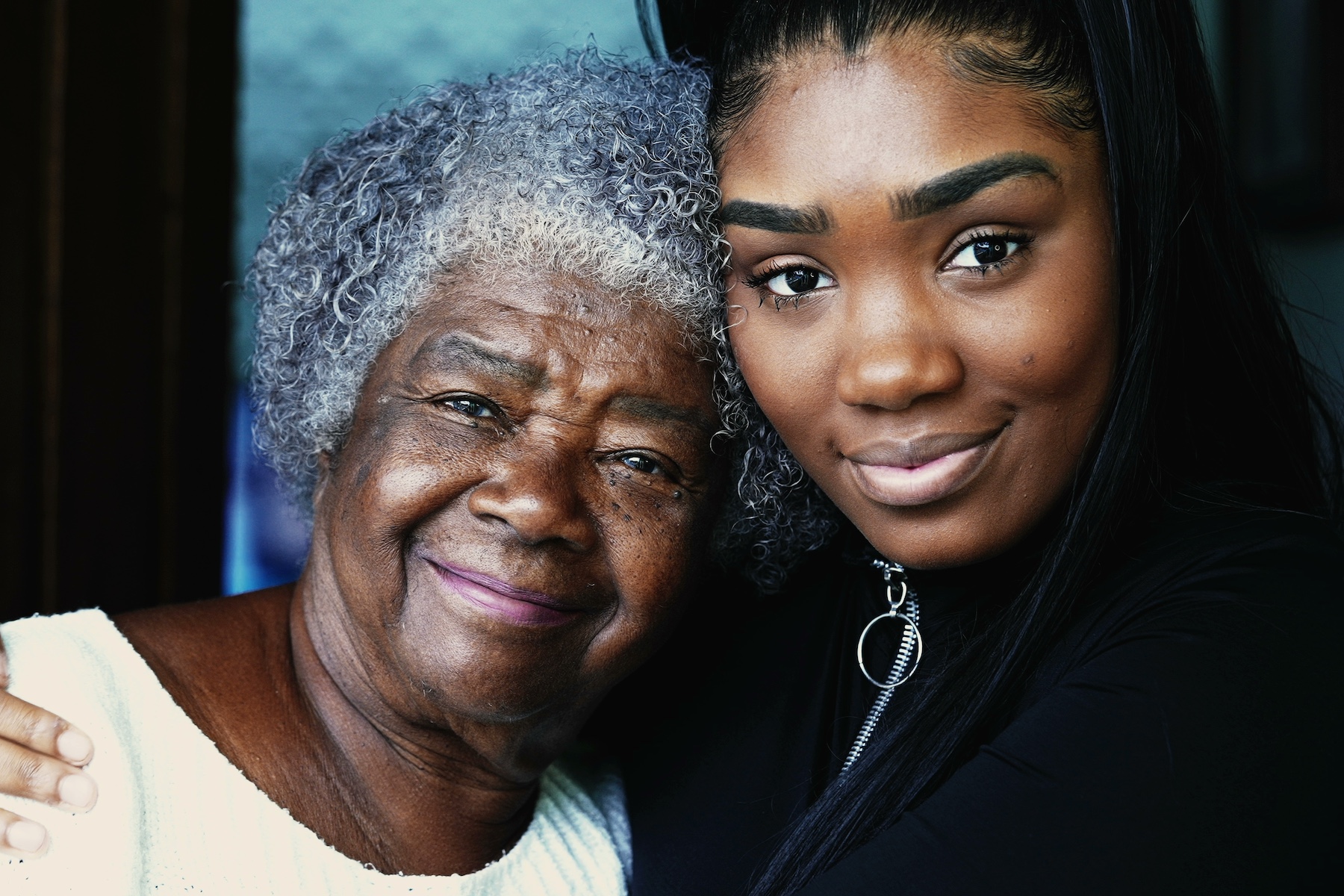

User reviews (0)