
 简体中文
简体中文 English
Website review
This review may include AI-generated content and is not individually verified. Domain, certificate and other facts come from the observed data on this page.
What is Contra?
Contra is a professional network built around independent and freelance creative work. Rather than matching full-time employees to companies, it centers on hiring freelancers and studios for projects: brand design, web development, motion, video, social, product design, AI work and similar creative skills. Its pitch is commission-free work for independents and a curated pool of talent for clients — the page frames it as "the network for creative intelligence."
H3 What you actually find there
- Talent and studios: Individual freelancers plus "Verified studios," which are hand-picked independent teams offering strategy, design and development together.
- Projects: A browsable feed of standout work with engagement counts, useful for judging style before contacting someone.
- Community topics: Threads and challenges around tools and trends such as Figma, Midjourney, Rive and Replit, plus design movements like retro-futurism.
- Hiring flow: A "Post a job" entry point for clients, and sign-up for people offering work.
H3 Who it suits
| If you are… | Contra is worth trying when… | Watch out for… |
|---|---|---|
| A freelancer or small studio | You want inbound discovery and to avoid platform commission on your rate | You still need your own portfolio and client pipeline |
| A startup or brand | You need a designer, developer or studio for a defined project | Vetting is on you beyond the "Verified" label |
| A creative exploring AI tools | You want community prompts, challenges and peer examples | It is a network, not a course or tool suite |
H3 Practical next step Before signing up, decide which side you are on. If you are hiring, write a one-paragraph brief — deliverable, timeline, budget range and two reference projects — then browse the projects feed for people whose existing work already resembles it. If you are offering work, pick three pieces that match the briefs you want to attract and lead with those. A paid tier is advertised as Contra Pro at Contra; check the current terms there rather than assuming what it includes.
How does Contra work for hiring freelancers?
Contra is built around a professional network model for creative and independent work, rather than a traditional job board or agency. You post a brief or browse profiles, then contact freelancers directly. Contra's own positioning emphasizes connecting with "next-gen talent" and hiring more independents, with categories like brand design, web development, content creation, product design, AI development, motion design, animation and video editing.
What the hiring flow looks like in practice
- Post a job or brief describing your project.
- Browse people, projects and "Verified studios" — Contra describes these as hand-picked independent studios, with strategy, design and development under one roof.
- Reach out through the platform (the project cards show a "Message" action).
- Agree scope, timeline and rate directly with the freelancer.
Who it suits
Contra makes most sense if you need creative or digital production work — a brand identity, a marketing video, a website, an app interface — and you are comfortable managing the freelancer yourself. If you want an agency to absorb all project risk, or you need payroll, compliance and benefits administration for long-term staff, a network like this is a poor fit.
The trade-off to weigh
The main advantage is direct access and, per Contra's messaging, commission-free getting paid for freelancers — which can mean more of your budget reaches the work rather than a marketplace cut. The main disadvantage is that you own the vetting. "Verified studios" and visible earned/hired/rating signals help, but they are self-reported profile metrics, not a guarantee. For a high-stakes hire, treat them as a starting filter and check references and past work yourself.
A concrete next step
Write a one-page brief before you browse: deliverable, deadline, budget range and the two or three portfolio examples that look closest to what you want. Then shortlist three freelancers whose project pages match that brief, message all three with the same questions, and compare how specifically they respond. Specific, probing answers are usually a better signal than a high rating alone.
If you want to compare the network against alternatives, look at Contra alongside Upwork for broad marketplace scale and Toptal for a more heavily screened, higher-touch model.
What are the fees for freelancers on Contra?
Contra does not charge freelancers a commission on the work they win through the platform — the page explicitly promotes "Get paid commission-free." That is the headline answer for anyone comparing it with marketplaces that typically take a 10–20% cut of each contract.
What this means in practice
If you are a freelance brand designer, developer, or motion designer, the fee structure changes your effective rate. On a commission-based platform, a $1,000 project might net you $800–$900. On Contra, the same project is intended to net the full amount, so you can either keep more margin or price slightly lower to win work while still earning the same.
Where Contra does charge
The site references a paid tier, Contra Pro, which appears to be the monetised side of the model. The available page information does not specify what Pro costs or exactly which features sit behind it, so treat the commission-free claim as the freelancer-side baseline and check the Pro page directly for current terms before committing.
A quick comparison
| Model | Typical freelancer cost | Who it suits |
|---|---|---|
| Commission-based marketplaces | A percentage taken from each contract | Beginners who want the platform to handle payments and disputes |
| Commission-free (Contra's stated model) | No cut of project earnings; optional paid tier | Freelancers with their own client pipeline who mainly need visibility and a portfolio |
Decision criterion
Contra is most attractive if you already win clients yourself and want a professional profile plus discovery without surrendering a slice of every invoice. If you rely on a platform to source clients, manage contracts, and resolve disputes, weigh that support against the commission you would pay elsewhere.
Next step
Create a free profile, publish one or two strong case studies, and check the Pro page to see whether any paid features — such as added visibility or studio tools — are worth the cost for your workload.
How does Contra ensure quality and vet freelancers?
Contra relies more on visible reputation signals and curated showcases than on a formal gatekeeping exam. The page presents "Verified studios" as "hand-picked independent studios trusted by ambitious brands," and individual profiles display earned totals, hire counts and ratings (for example, "$1M+ Earned," "87x Hired," "4.9 Rating"). That tells you how quality is surfaced: through demonstrated outcomes, client volume and public feedback rather than a single centralized certification.
What that means in practice
- For a client hiring a brand designer or developer, the useful move is to treat earned and hired figures as a starting filter, then inspect the actual project work and reviews. High earnings across many hires suggests repeat demand; a strong rating on few hires is thinner evidence.
- For a freelancer, the platform rewards a portfolio-and-results profile. The visible metrics are the vetting layer, so keeping project history and client feedback current matters more than credentials alone.
- "Verified studios" is a narrower, curated tier. It suits buyers who want strategy, design and development under one roof and prefer a pre-screened shortlist over open browsing.
Comparison
| Signal | What it shows | Limitation |
|---|---|---|
| Verified studio status | Curated, hand-picked by Contra | Selection criteria aren't detailed on the page |
| Earned total | Scale of past paid work | Doesn't reveal client satisfaction |
| Hired count | Repeat demand | Can reflect long single engagements |
| Rating | Client feedback | Sparse data on newer profiles |
Next step: When evaluating a freelancer, open two or three of their projects and one comparable profile, then compare ratings against hire counts. A 5.0 rating from 5 hires and a 4.9 from 80 hires are very different bets. If you need a fully managed team rather than an individual, start with the verified studios list; for a single specialist, filter by category and weigh the earned-and-hired combination.
What is Contra Pro and what features does it offer?
Contra Pro is the paid tier of Contra, a professional network built around independent creative and technical work. The free network covers discovery, profiles, messaging and job posting; Pro is positioned as the upgrade for people who use the platform as a working pipeline rather than an occasional portfolio.
What the page actually shows
The site's own framing is "the network for creative intelligence," with a commission-free pitch for getting paid and a strong emphasis on hiring independents for projects. Pro appears as a named plan linked from the main navigation, so it is a distinct subscription rather than a one-off fee. Beyond the name, the page does not spell out the feature list, so treat any specific Pro benefit you read elsewhere as unconfirmed until you see it on the plan page itself.
How that fits the two audiences
- Freelancers and independents: the value of a Pro plan usually comes down to visibility and workflow — standing out in search, presenting work, and managing client conversations without leaving the platform. The free tier already lets you publish projects and receive messages, so Pro has to earn its place through volume or reach.
- Clients and studios: the page leans toward hiring, with "verified studios" and curated project showcases. A paid tier on the talent side matters less here; what clients get is the pool of independents and the ability to post briefs.
What to weigh before subscribing
The honest trade-off is that Contra's free layer is generous enough for someone testing the waters. Pro makes sense when you are actively pitching, want to be found more often, or are running enough concurrent projects that admin overhead costs you real time. If you post occasionally and mostly bring your own clients, the free account plus a simple portfolio link is often enough.
Next step
Open the Pro plan page from the site's own navigation and check three things against your situation: whether the fee is monthly or annual, what happens to your profile and messages if you cancel, and whether the commission-free payment claim applies to all work or only certain engagements. Then compare that against one month of your actual billable activity — if you are not landing or managing at least a couple of projects a month through the network, start free and revisit later.
How does Contra compare to other freelance platforms like Upwork or Fiverr?
Contra positions itself differently from Upwork and Fiverr: it is built around a professional network and creative community rather than a bidding marketplace. Its page emphasizes "commission-free" work for creatives, trending topics and community challenges, verified studios, and a curated feed of projects, alongside a paid tier called Contra Pro. That suggests a model where independent talent builds a visible profile and gets discovered, rather than competing on posted gigs with proposals and platform fees taking a cut of each job.
Upwork and Fiverr, by contrast, are transaction-first marketplaces. Upwork centers on client job posts, proposals, contracts and time or milestone billing; Fiverr centers on packaged "gigs" with fixed scopes and buyer reviews. Both typically charge service fees and mediate payment and disputes. Contra's emphasis on direct client relationships and no commission points to a different trade-off: more control and potentially higher take-home pay, but less built-in payment protection, dispute handling, and buyer traffic than the large marketplaces provide.
H3 Where each tends to fit
- Contra: independent designers, developers, motion and brand creatives who already have a portfolio and want inbound discovery, community visibility, and direct client relationships without per-project commission.
- Upwork: freelancers and clients who want structured contracts, hourly or milestone billing, and a broad range of categories including admin, writing and consulting.
- Fiverr: buyers who want a defined deliverable at a set price quickly, and sellers who can productize a repeatable service.
For a concrete scenario: a brand designer with a strong portfolio might use Contra to showcase work, enter community challenges, and attract direct clients, while keeping an Upwork profile for clients who require formal contracts and escrow. A buyer needing a quick, low-risk logo package may find Fiverr's packaged gigs easier, whereas a startup building a longer brand system may prefer Contra's verified studios or a direct engagement.
Next step: decide based on whether you need discovery and direct relationships (Contra's strength) or transaction infrastructure and buyer volume (Upwork and Fiverr's strength). Check Contra's Pro terms and each platform's current fee schedule before committing, since payment protection and fees are the main practical differences. You can review Contra at Contra, Upwork at Upwork, and Fiverr at Fiverr.
 Cloudflare
 Google Workspace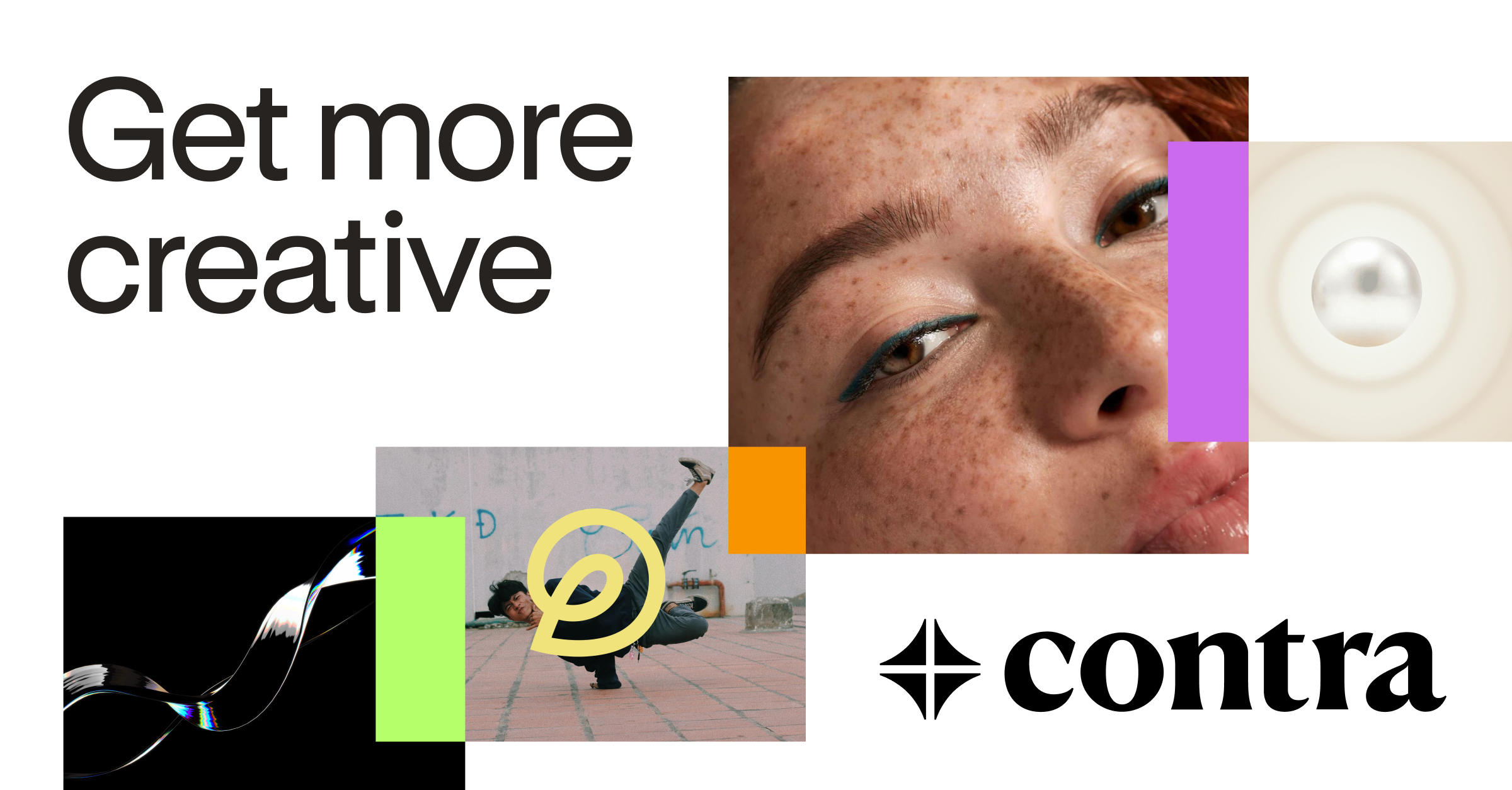

User reviews (0)