
 简体中文
简体中文 English
Website review
This review may include AI-generated content and is not individually verified. Domain, certificate and other facts come from the observed data on this page.
What is CritterGear?
CritterGear is a small U.S. pet-accessory maker that hand-stitches collars, leashes, harnesses and catnip toys for dogs and cats. Its distinguishing feature is choice of pattern: the shop says it carries 300+ fabrics, sourced from U.S. suppliers, and builds each item on durable nylon cores with guaranteed hardware. Catnip products use catnip sourced from New England.
What it sells
| Product | Typical starting price shown | Best for |
|---|---|---|
| Adjustable collars | $12 | Everyday dogs and cats; easy sizing |
| Breakaway collars | $12 | Cats that climb or snag collars |
| Leashes | $16 | Matching a collar or harness |
| Harnesses | $20 | Dogs that pull or slip collars |
| Catnip pillows | $4 | Cheap enrichment or gift add-on |
| Catnip kickers | $9 | Cats that wrestle and bunny-kick |
Who it suits
- Owners who want a specific look — a fabric that matches a pet's personality or a household color scheme — rather than plain nylon.
- Cat owners who need breakaway safety and like refillable or replaceable toys.
- Shoppers who prefer made-in-USA production and are willing to pay a little more than mass-market prices for it.
Trade-offs to weigh
Handmade, made-to-order items usually mean a production and shipping wait, and pattern availability can change as fabrics sell out. Custom or personalized goods are also commonly non-returnable, so check the shop's policy before ordering. If you need a collar today, a local pet store will be faster; if you want a distinct pattern and don't mind waiting, this is the trade you're making.
Next step: decide whether you're shopping for a dog or a cat first, then pick the product category — cat owners should start with the breakaway collar, dog owners with a harness if the dog pulls. Measure your pet's neck or chest before choosing a size, and order a matching leash or catnip pillow only if you're already committed to the pattern.
How do I choose the right size collar for my dog or cat?
Sizing comes down to two measurements and one safety rule: measure the neck, add the right amount of wiggle room, then confirm the collar can't slip over the head.
Measure the neck, not the old collar. Use a soft tape measure or a strip of paper plus a ruler. Wrap it snugly around the base of the neck — for dogs, right behind the ears and front legs; for cats, the same spot where a collar naturally sits. Don't pull tight or leave slack.
Add allowance by pet type:
| Pet | Add to neck measurement | Why |
|---|---|---|
| Dog (short coat) | About 2 fingers' width | Comfort without slipping |
| Dog (thick or fluffy coat) | Slightly more, then check under the fur | Fur compresses and hides a too-tight fit |
| Cat | About 1 finger's width | Cats need a closer fit than dogs |
The two-finger test in practice: after buckling, you should be able to slide two fingers (one for cats) flat between the collar and the neck. If you can't, size up. If you can fit a whole hand, size down.
Check head-slip. A correctly sized collar shouldn't pull over the head when the pet backs up or paws at it. This matters most for cats and narrow-headed dogs like greyhounds and whippets.
For cats, prioritize the breakaway clasp. A snug fit plus a release buckle is the standard combination — a collar that catches on a branch should pop open rather than choke. CritterGear lists breakaway collars at $12.00 and adjustable collars starting at $12.00, so the safety option isn't a price upgrade here.
For dogs, match the collar to the job. A flat adjustable collar is fine for daily ID tags. If you're attaching a leash for walks, use a harness instead — CritterGear's harnesses start at $20.00, and a harness removes neck pressure entirely, which is the better choice for pullers and small breeds prone to tracheal issues.
When you're between two sizes, go with the larger one and use the adjustment range, especially for puppies and kittens still growing. Re-measure every few weeks until growth stops.
A concrete example: a medium-coated adult cat measures 8 inches at the neck. Add one finger's width, land around 9–10 inches, and look for an adjustable breakaway collar whose range covers that. If the smallest setting is 10 inches, it will be too loose — pick a different range rather than hoping the fur fills the gap.
Next step: write down your pet's neck measurement and the two-finger check result, then compare those numbers against the size range on the specific product page before ordering. For handmade gear, that measurement is more reliable than a breed-based size chart, since build varies within every breed.
Are CritterGear products safe for my pet to wear and play with?
CritterGear's own product descriptions point to several safety-relevant design choices, but "safe" depends on matching the product to your pet and checking it regularly.
What the site says supports safety
- Durable nylon cores are used in the collars, giving the fabric-covered straps structural strength rather than relying on decorative cloth alone.
- Hardware is guaranteed, which matters because buckles, D-rings and clasps are the parts most likely to fail under load.
- Breakaway collars are sold as a separate category, the standard safety option for cats that climb or could snag a collar.
- Catnip products use locally sourced New England catnip, so you know what's inside the pillows and kickers.
What the site doesn't establish Handmade quality and US sourcing are not the same as third-party safety certification. There's no indication of chew-testing, non-toxic dye certification or small-parts testing, so treat these as well-made accessories rather than verified chew toys.
Practical guidance by product type
| Product | Main risk | Sensible use |
|---|---|---|
| Adjustable collar (dogs) | Snagging on crates, fences, branches | Supervise outdoors; check fit and hardware monthly |
| Breakaway collar (cats) | Releases under load, so it can come off | Best default for cats; keep ID tag light |
| Harness | Poor fit causing chafing or escape | Measure girth and chest, not just neck |
| Leash | Clip or stitching failure | Inspect the clip and stitching before each walk |
| Catnip pillow/kicker | Seams opening, stuffing ingested | Give during play, remove if torn |
A concrete scenario If you have an indoor cat that naps on windowsills and squeezes through gaps, a breakaway collar plus a lightweight tag is the safer pairing than a fixed buckle collar. If you have a strong puller, the harness and leash matter more than the collar, since pressure spreads across the chest instead of the throat.
Next step Before ordering, measure your pet's neck and chest, then inspect any new item for loose stitching or sharp hardware edges when it arrives. Replace anything with frayed webbing, a sticky buckle or a chewed seam. For a second opinion on fit and hardware standards, the American Veterinary Medical Association publishes general pet product safety guidance.
Can I customize my pet's collar or leash with a specific pattern?
Yes. CritterGear is built around pattern choice: the product pages use a “Select options” flow, and the site says it offers 300+ patterns, so you choose a fabric pattern as part of ordering a collar, leash, harness, or other item. The same pattern-based customization appears to apply across the main product lines—adjustable collars, leashes, harnesses, and breakaway collars—rather than being limited to one item.
What you can customize
- Pattern/fabric: The core choice, with hundreds of patterns available.
- Product type: Collars, leashes, harnesses, breakaway collars, catnip pillows, and catnip kickers.
- Cat-specific options: Catnip products use locally sourced New England catnip.
What to check before ordering
- Size and hardware: Pattern selection is separate from fit. Confirm the collar or harness size and buckle/hardware style, especially for growing puppies or cats that need breakaway safety.
- Pattern availability: With 300+ patterns, some may be seasonal or low-stock. If you need a matching collar-and-leash set, order both at once.
- Breakaway vs. standard: For cats, breakaway collars are the safer everyday choice; for dogs, a standard adjustable collar plus a matching leash is more typical.
Practical example: If you have a cat and want a coordinated look, choose a breakaway collar in your pattern, then add a catnip pillow or kicker in the same or a complementary fabric. For a dog, pick an adjustable collar, a leash, and a harness in one pattern family so the set looks intentional.
Next step: Go to CritterGear, open the product you want, and use “Select options” to see the available patterns and sizes. If you are matching multiple items, note the pattern name before adding each one to your cart.
How do I clean and maintain handmade collars and leashes?
Handmade collars and leashes usually hold up well if you treat them like fabric items wrapped around hardware: clean gently, dry thoroughly, and check the stitching and metal parts often. Because CritterGear products are hand-stitched in New Hampshire with fabric, nylon cores and guaranteed hardware, the practical routine is similar to caring for a well-made fabric belt or bag.
Everyday cleaning
- Wipe the webbing or fabric with a damp cloth after muddy walks or dusty outings.
- For deeper cleaning, hand wash in cool water with a mild soap. Avoid hot water, bleach and harsh detergents, which can fade patterns and weaken fibers.
- Scrub gently with a soft brush around the hardware and stitching. Don't soak the collar for long periods.
- Rinse well, then press the water out with a towel rather than wringing or twisting.
Drying and storage
- Air dry flat or hang in a shaded, ventilated spot. Direct sun and a hot dryer can shrink fabric, crack coatings and dull colors.
- Make sure the buckle, D-ring and any metal parts are completely dry before putting the collar back on your pet, since trapped moisture encourages rust and odor.
- Store spare collars and leashes loosely coiled, away from damp basements and direct sunlight.
Hardware and wear checks
- Inspect the stitching, D-ring, buckle and adjustment slider every week or two, and after any hard pull.
- Trim loose threads with scissors; don't pull them, as that can unravel a seam.
- If a buckle cracks, a D-ring bends open or stitching pulls apart, retire the item or contact the maker, since CritterGear states its hardware is guaranteed.
For cat products, especially breakaway collars
- Breakaway collars should release under pressure, so test the clasp regularly and replace it if it becomes stiff or too easy to open.
- Catnip pillows and kickers can usually be spot-cleaned or hand washed and air dried; check the seams first so catnip doesn't escape.
A quick decision guide
| Situation | Best approach |
|---|---|
| Light dirt or dust | Damp cloth wipe, air dry |
| Mud, sweat or odor | Hand wash cool, mild soap, air dry |
| Greasy or oily marks | Spot clean with mild soap, avoid scrubbing hardware |
| Hardware feels stiff or rusty | Dry thoroughly, check function, replace if damaged |
| Stitching loose or frayed | Stop using, trim or repair, replace if structural |
A useful next step: set a monthly reminder to wash fabric gear and inspect the hardware at the same time. If you're choosing between a fabric collar and a waterproof or coated option for a dog that swims or gets very dirty, pick the one whose cleaning routine you'll actually keep up with, because consistent care matters more than the material label.
What makes CritterGear different from mass-produced pet accessories?
CritterGear's main difference is small-batch, handmade construction in the USA with a very wide pattern choice, rather than the standardized look and anonymous sourcing typical of mass-market pet gear.
Where the difference shows up
- Handmade origin: Every product is hand-stitched in Londonderry, New Hampshire, per the site. Mass-produced accessories are usually assembled overseas at industrial scale, so the maker and location are rarely traceable.
- Pattern variety: 300+ patterns, with fabrics sourced from U.S. suppliers. Big-box brands tend to carry a handful of seasonal designs decided centrally; here the pattern is the main design variable, which suits owners who want a collar that matches a pet's personality or a specific look.
- Materials and hardware: Durable nylon cores and a guarantee on all hardware. That matters most for strong pullers, where a decorative collar with weak stitching or a cheap buckle fails first.
- Catnip sourcing: Catnip products use locally sourced New England catnip, which is a freshness and potency consideration rather than a styling one.
- Product range: Adjustable collars, harnesses, leashes, breakaway collars, catnip pillows and kickers, plus pillows — enough to outfit a dog or cat in a consistent pattern instead of mixing unrelated brands.
Practical trade-offs
| Consideration | Handmade small-shop | Mass-produced |
|---|---|---|
| Pattern choice | Very broad, changes with fabric supply | Limited, standardized |
| Consistency | Slight variation between pieces | Identical units |
| Replacement | May need to reorder the same fabric before it sells out | Usually restocked continuously |
| Hardware | Guaranteed per the site | Varies by price tier |
| Best for | Owners who want a specific look and traceable materials | Buyers who want the lowest upfront cost or instant retail availability |
A useful next step
If you have a dog that pulls hard or a cat that slips collars, decide by function first: choose a harness or a breakaway collar in the appropriate size, then pick the pattern. For cats especially, breakaway is the safety-relevant choice, since a non-release collar can snag. If you are matching an existing leash or want a set, order the collar and leash in the same fabric at once — small-batch fabrics are the item most likely to be unavailable later.
 Cloudflare
 Google Workspace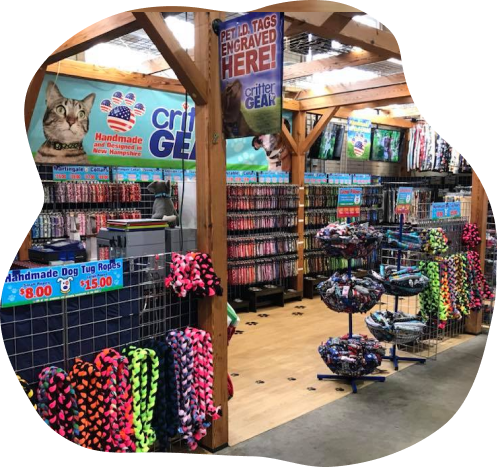
User reviews (0)