
 简体中文
简体中文 English
Website review
This review may include AI-generated content and is not individually verified. Domain, certificate and other facts come from the observed data on this page.
What is East Carolina University?
East Carolina University (ECU) is a public university in Greenville, North Carolina, whose homepage frames it around research, hands-on learning and student success. Its own messaging calls students “Pirates,” emphasizes service and community impact, and highlights an R1 research classification, which means it is classified as a doctoral university with very high research activity.
East Carolina University
H3 What ECU says about itself
- Learn by doing: ECU presents research opportunities for students alongside faculty, turning coursework into discovery.
- Student life and growth: It points to study abroad, leadership, service and 425+ student organizations.
- Support and outcomes: Advising and wellness resources are emphasized, along with a claim of being the No. 1 public university in North Carolina for helping students improve their economic futures.
- Scale and reach: ECU cites a $2.5 billion statewide economic impact and says alumni work in all 50 states and around the world.
H3 Who it may suit A prospective student who wants a large public university with research opportunities, campus energy and a broad set of majors and activities may find ECU worth exploring. A student focused on a highly specialized program or a small liberal-arts environment should compare ECU’s offerings against other schools before deciding.
H3 Useful next step Use ECU’s admissions pages to check program fit, costs and deadlines for your intended major, then compare those details with at least one other public university in North Carolina.
What academic programs and majors does East Carolina University offer?
East Carolina University (ECU) offers a broad range of undergraduate, graduate and professional programs across many fields. Its own homepage emphasizes hands-on, research-driven learning and student success rather than listing every major, so use it as a starting point for the university's character and then go to the academic catalog for the full inventory.
What ECU says about its academic approach
- Learn by doing: ECU describes its R1 research status as creating hands-on research opportunities alongside faculty.
- Growth beyond the classroom: Study abroad, leadership, service and 425+ student organizations are highlighted as part of the academic experience.
- Student support: Advising and wellness resources are presented as helping students from enrollment through graduation.
Likely program areas to check
ECU's page evidence shows students and facilities in health care, engineering and construction, dance and studio practice, and general classroom settings. That suggests you will find programs in:
- Health sciences and clinical fields
- Engineering, construction and technology
- Arts, including dance and performance
- Sciences and research-based disciplines
- Education, business, humanities and social sciences
These are examples of directions to verify, not a complete list.
How to find the exact majors
The homepage is not a program catalog. For a definitive list, search the site for "academic programs," "majors" or "degree programs," or browse the undergraduate and graduate catalogs. Each program page usually states admission requirements, credit hours and possible concentrations.
A practical next step
If you have a field in mind, compare two or three ECU programs on the same criteria: required courses, internship or clinical placements, research access, and time to graduation. That comparison will tell you more than a general program list. You can start at East Carolina University and follow the academics links.
How do I apply for admission to East Carolina University?
Applying to East Carolina University starts on the admissions section of the university's site, where you choose your applicant type—first-year, transfer, graduate, or online—and follow that path's checklist. The main homepage points you toward three starting actions: Apply, Visit, and Request Info, so the practical first step is to submit an application, then request information if you want updates before deciding.
East Carolina University
H3 What the process generally involves
- Pick the correct application type; requirements, deadlines, and fees differ by path.
- Create an account on the application portal and complete the form.
- Send official transcripts and any required test scores or documents.
- Watch your email and portal for a decision and next steps.
- If admitted, follow the enrollment deposit and orientation instructions.
H3 A concrete scenario If you are a high school senior, you would apply as a first-year student, ask your school to send your transcript, and check whether ECU is test-optional or requires scores for your term. If you are transferring from a community college, you would instead apply as a transfer student and send college transcripts; some credits may transfer, which can change your timeline and cost.
H3 Trade-offs and decision criteria
- Applying early usually gives you more time for housing, financial aid, and orientation, but it may mean committing before you compare all offers.
- Applying regular decision keeps options open but can narrow scholarship and housing choices.
- Visit campus before depositing if location, class size, and campus life matter to you.
For the exact deadlines, fees, and document list for your applicant type, use the admissions pages linked from the ECU homepage rather than relying on general advice.
What is student life like at East Carolina University?
Student life at East Carolina University blends campus energy with a student-friendly city and a heavy emphasis on getting involved. The university describes more than 425 student organizations, plus study abroad, leadership and service opportunities, so there is a structured path into campus life even if you arrive knowing no one. The surrounding city is framed as vibrant and student-oriented, which matters if you want off-campus options within easy reach of classes.
H3 What daily life tends to look like
- Organized involvement: Clubs, service and leadership programs are the main social entry points. Joining one or two early is usually more useful than sampling many.
- Campus traditions and athletics: The page highlights game-day scenes and graduation in the football stadium, suggesting school spirit and large shared events are part of the rhythm.
- Hands-on work: ECU's R1 research status is presented as opening undergraduate research alongside faculty, which can shape your schedule if you take it up.
- Support around academics: Advising and wellness resources are listed as part of the student experience, not extras.
H3 Who tends to fit well
Students who want a large public university with a strong regional identity, plenty of clubs and a city that revolves partly around campus life. If you prefer a small, self-contained campus or a purely urban setting, the scale and location may feel different from what you want.
H3 A practical next step
Before committing, check the current list of student organizations and the academic calendar, then email one or two clubs you would actually join and ask how active they are during your intended term. Compare that with housing options near campus. For a sense of the wider university system and nearby alternatives, you can also look at UNC-Chapel Hill or NC State University, though each has a distinct campus culture.
The trade-off is straightforward: more organizations and bigger events mean more opportunity but also more effort to find your people. A student who joins one club related to their major and one purely social group usually settles in faster than one who waits for campus life to come to them.
What research opportunities are available for undergraduates at East Carolina University?
East Carolina University's own homepage highlights hands-on research as a defining part of the undergraduate experience. It states that ECU's R1 status gives students opportunities to work alongside faculty, turning learning into discovery. In practice, that means undergraduates can reasonably expect to find research experiences tied to faculty projects rather than waiting until graduate school.
What the university emphasizes
- Faculty-mentored research: The page frames research as something students do with faculty, not just hear about in lectures.
- Learning by doing: Research is presented as an extension of coursework, aimed at building skills and experience.
- Breadth of settings: Campus imagery shows lab work, clinical settings, engineering and high-bay lab spaces, and studio practice, suggesting research and creative activity across disciplines rather than only in the sciences.
H3. How to use this If you are considering ECU, treat "R1" and "faculty-mentored research" as starting points, not a guarantee. The concrete next step is to look at the departments you are interested in and ask:
- Do undergraduates actually join labs or projects, and starting when?
- Is there a formal program (such as a summer research program, honors thesis, or undergraduate research office), or do students approach professors directly?
- Are there funding or credit options for research time?
A useful comparison is between a large research university where undergraduates mainly assist graduate students and one where undergraduates can lead parts of a project. ECU's page positions itself in the second category through its "learning by doing" language, but the reality varies by department, so verify with the specific program.
For official details on undergraduate research programs and how to get involved, check East Carolina University.
How does East Carolina University support students in achieving their career and economic goals?
East Carolina University frames career and economic outcomes around applied learning, research experience and student support. Its own materials describe an R1 research classification that opens hands-on work with faculty, advising and wellness resources from enrollment through graduation, and 425+ student organizations for leadership and service experience. The university also states it is the No. 1 public university in North Carolina for helping students improve their economic futures, and cites a $2.5 billion statewide economic impact.
East Carolina University
H3 What that means in practice
- Research and lab work: R1 status is the clearest signal of research depth; the campus imagery includes lab, clinical and high-bay engineering settings, which suggests opportunities beyond lecture halls.
- Career-relevant experience: study abroad, leadership and service roles build the soft skills employers and graduate programs look for.
- Support structure: advising and wellness services matter most in the first and final years, when course planning and job-search decisions are made.
- Alumni reach: graduates working in all 50 states and internationally can be a practical source of referrals and informational interviews.
H3 A concrete reader scenario A first-generation student who wants a health care or engineering career could use ECU's research opportunities to get lab or clinical exposure early, then lean on advising to sequence internships and graduation requirements. A student focused on cost and return would weigh in-state public tuition, the university's stated economic-mobility ranking and the local job market in Greenville and eastern North Carolina.
H3 How to decide Compare ECU with another public university on three points: whether undergraduates can join research in your first two years, how career services connects students to employers in your field, and whether the net cost after aid fits your budget. If research access and in-state value rank highest, ECU is a strong fit; if you need a specific major or co-op pipeline, verify that program directly.
Next step: use ECU's own pages to check your intended major's research and internship options, then ask an admissions or career adviser what percentage of students in that program complete an internship or land a job within six months. For comparison, look at NC State University or UNC-Chapel Hill on the same measures.
 Fastly
 Microsoft 365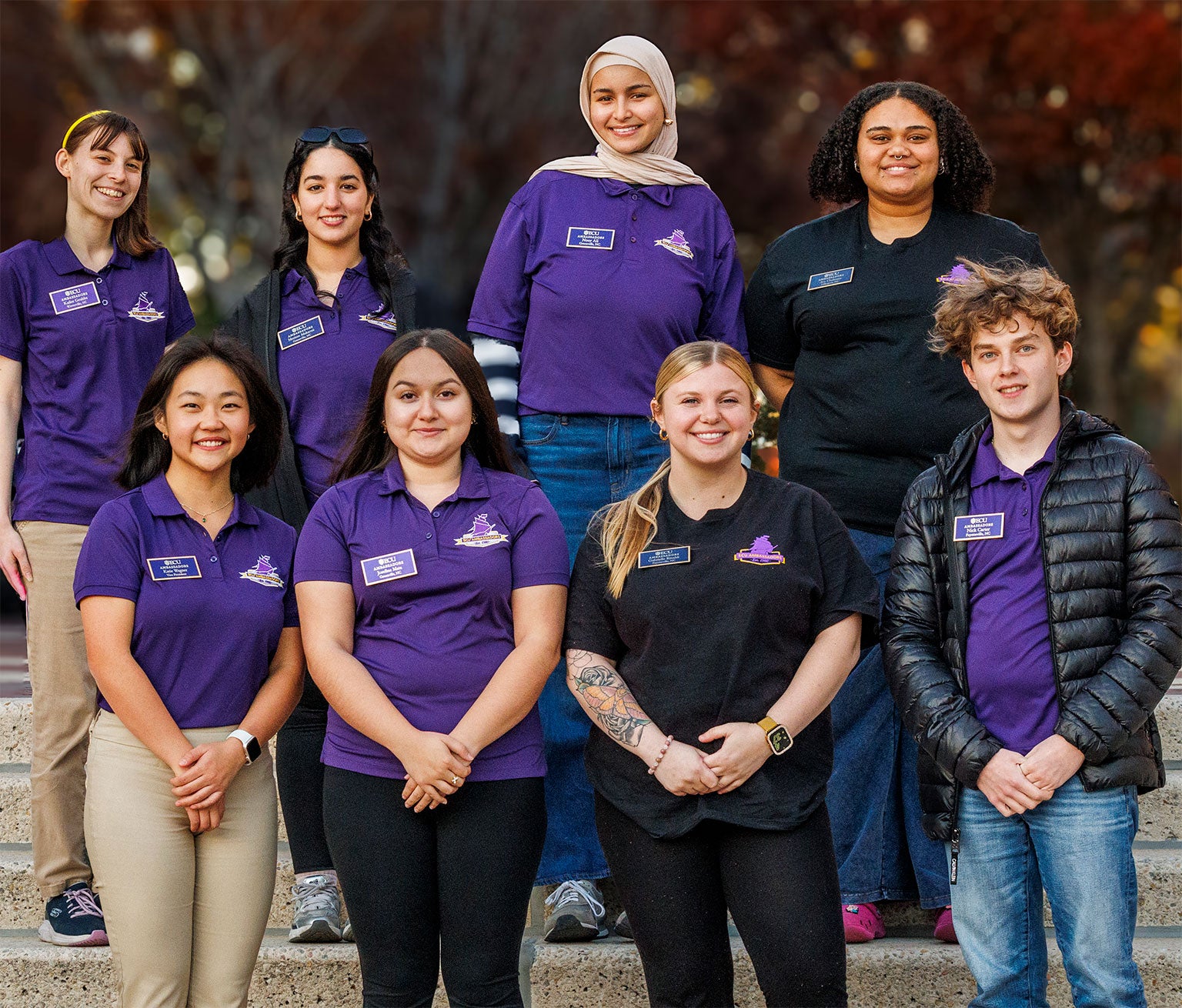
User reviews (0)