
 简体中文
简体中文 English
Website review
This review may include AI-generated content and is not individually verified. Domain, certificate and other facts come from the observed data on this page.
What is Gapen Fishing Tackle?
Gapen Fishing Tackle is an American tackle maker known for hand-tied flies, jigs, floats, and sensitive jigging rods, with a heritage dating to 1936. Its site is organized around how you fish and what you're chasing — species like walleye, bass, trout, panfish, pike, and salmon — rather than around generic product categories alone.
What it's known for
- Original Muddler Minnow. The site credits Don Gapen with inventing the Muddler Minnow in 1936 and still calls it the standard. For streamer and trout anglers, that's the historical anchor of the brand.
- Ugly Bug jigs. Described as stand-up, anti-snag jigs meant to shed hang-ups around rock, wood, and rip-rap — a practical choice for river and reservoir anglers fishing snaggy bottom.
- Bait-Walker. Positioned as a way to keep bait in the strike zone along the bottom, useful when current or drift would otherwise lift your presentation.
- Wilderness rods. Light, sensitive jigging rods built to feel the bite, aimed at all-day fishing rather than heavy-duty applications.
- Floats and slip bobbers. Marketed as showing more bites, which matters to anglers who fish live or cut bait and need to detect light takes.
- Jig-A-Fly and TTS soft plastics. Jig-A-Fly is pitched as giving fly benefits on a spinning reel; TTS T-Leech is a soft plastic leech profile for bass and walleye.
Who it suits
| Angler | Why Gapen fits |
|---|---|
| Walleye and bass jiggers | Sensitive rods plus stand-up jigs and soft plastics |
| Trout and salmon fly anglers | Muddler lineage, plus dry, wet, streamer, nymph, and specialty flies |
| Bait and panfish anglers | Slip floats, bobbers, and kits aimed at species like crappie and bluegill |
| Anglers who fish snaggy cover | Ugly Bug's anti-snag design is the specific draw |
Practical next step
If you're deciding whether to buy, start with the species or technique you fish most, then match it to one signature item rather than a full kit. For example: a walleye angler working windblown islands might pair a Wilderness spinning rod with Ugly Bug jigs; a trout angler new to streamers might start with Muddler flies and a TTS or Jig-A-Fly option to cover spinning gear. The site's Learn section, with tips on brook trout, pike spinner baits, and walleye, is a reasonable place to check before committing. Payment options include Stripe and PayPal, and the site advertises free shipping over $199, so bundling a rod with jigs and flies is the more economical route if you're ordering several items.
What makes Gapen's Wilderness rods more sensitive than other jigging rods?
Gapen presents the Wilderness rods as light, sensitive jigging rods built to feel the bite, and the site's own framing ties that sensitivity to how the rods are constructed rather than to a single special component. The practical claim is that they transmit subtle contact—a soft take, a jig ticking rock or wood—better than heavier general-purpose rods, which matters most when you are fishing slow and vertical.
What the sensitivity claim actually means on the water
Sensitivity in a jigging rod is mostly about weight, taper and how little the blank deadens vibration. A lighter blank with a fast, responsive tip lets you distinguish a tap from bottom contact, and that distinction is the whole game for walleye, perch, crappie and pressured bass. Gapen sells the Wilderness line alongside its Ugly Bug stand-up jigs and Bait-Walker, both of which are designed to be fished in contact with rock, wood and rip-rap—terrain where a dull rod makes every snag feel like a strike and every strike feel like a snag.
If you fish jigs vertically, in current, or through ice, that difference shows up as fewer missed fish and less guesswork. If you mostly cast crankbaits or spinnerbaits, a stiffer, more powerful rod is usually the better trade.
How to decide
| Your situation | Wilderness-type sensitive jig rod | Stouter all-purpose rod |
|---|---|---|
| Vertical jigging, light jigs | Better feel, easier hooksets | Feels vague, harder to detect light takes |
| Rock, wood, rip-rap | Pairs well with stand-up jigs | More snags and false signals |
| Casting heavy lures | Tip may feel soft | More control and distance |
| All-day fishing | Less fatigue | Heavier in hand |
A useful next step is to match the rod to the jig you actually throw most. Gapen's own species pages for walleye, perch and crappie are the fastest way to see which rod and jig combinations the company recommends, and the Ugly Bug Jig Finder can narrow the jig choice before you pick the rod. For a broader second opinion on rod sensitivity and jigging technique, Take Me Fishing covers beginner-friendly gear and species basics.
Which Gapen jigs or lures should I use for walleye, bass, or trout?
Start with the fish you are targeting, then choose the Gapen category built for that behavior: walleye and bass mostly call for jigs, soft plastics, and bottom-contact presentations, while trout are better served by flies and fly kits.
Walleye
Gapen's walleye offerings lean on feel and bottom contact. The Ugly Bug stand-up anti-snag jig is designed to shed hang-ups on rock, wood, and rip-rap, which suits walleye holding near structure. The Bait-Walker keeps bait in the strike zone along the bottom, useful when fish are hugging the substrate. The TTS T-Leech soft plastic leech profile is listed for bass and walleye, so it works as a trailer or standalone soft bait. The Wilderness spinning rods are described as light, sensitive jigging rods for all-day fishing, which matters if you are fishing slow and need to detect a soft take.
Bass
Bass anglers have the widest set of Gapen options. The Ugly Bug and Jig-A-Fly cover jig and fly-style presentations on spinning gear. The TTS T-Leech gives a leech profile for bass and walleye. Jig-A-Fly is pitched as getting the benefits of a fly on a spinning reel, so it is a practical bridge if you want fly-like action without fly tackle. For warmer months, the Summer Jigs category and the broader Jigs line under TTS Lures give you seasonal choices.
Trout
Trout are best matched to the fly side of the catalog. The Original Muddler Minnow, invented by Don Gapen in 1936, is the signature pattern and still the standard for streamers. Beyond that, Gapen lists Dry Flies, Wet Flies, Streamer Flies, Nymph Flies, Nymph Flies (Beaded), and Salmon / Steelhead / Trout Specialty Flies. Fly Kits bundle patterns for anglers building a box, and the TTS soft baits and Jig-A-Fly can cover trout when you want to fish a fly-style lure on spinning gear.
Quick comparison
| Target | First choice | Why |
|---|---|---|
| Walleye | Ugly Bug, Bait-Walker, TTS T-Leech | Bottom contact, anti-snag, soft leech profile |
| Bass | Ugly Bug, Jig-A-Fly, TTS T-Leech, Summer Jigs | Jig and soft-plastic versatility across seasons |
| Trout | Original Muddler Minnow, nymphs, streamers, fly kits | Classic fly patterns and kits for stream and river work |
A practical next step
If you already know your water, pick by structure rather than species alone. Rocky or snaggy bottom points toward the Ugly Bug; open bottom where you want the bait to stay in the zone points toward the Bait-Walker; trout in moving water points toward the Muddler and nymphs. Gapen also organizes the store by species and by how you fish, so you can cross-check your choice against the walleye, bass, or trout sections before buying.
For a concrete example: if you fish a windblown walleye island with rock and wood, start with an Ugly Bug on a sensitive Wilderness rod and keep a TTS T-Leech handy as a trailer. If you fish a trout stream, carry Muddler Minnows and a small nymph selection, and add a fly kit if you are still building your box.
How do I tie or fish the Original Muddler Minnow?
The Original Muddler Minnow is a streamer-style fly created by Don Gapen in 1936, and it is still fished today for trout, bass, and other species. On Gapen's site, it appears under signature tackle and fly fishing categories, with hand-tied flies and kits available. If you want the fly itself or a kit that includes materials, start at Gapen Fishing Tackle and look under Fly Fishing or Signature Gapen tackle.
Fishing it
The Muddler is versatile. A few common ways to fish it:
- Dead-drift or swing in rivers: Cast across or slightly upstream, let it sink, and allow the current to swing it downstream. This imitates a sculpin or baitfish and works well for trout and steelhead.
- Strip retrieve in lakes or ponds: Cast, let it sink to the depth you want, then retrieve with short strips. The deer-hair head pushes water and triggers strikes from bass, pike, and larger trout.
- Trolled or drifted: In still water or slow current, a slow troll or drift keeps it in the strike zone. This is useful for walleye and bass in deeper water.
- Dry-fly style: A small Muddler can be skated or fished dry for aggressive surface strikes, especially in fast water.
Gapen's own fishing tips cover presentation for brook trout, lake trout, and northern pike, so their Learn section is worth checking for species-specific advice.
Tying it
Tying a Muddler Minnow involves several materials and a spun deer-hair head, which is the hardest part. You'll need:
- A streamer hook, typically 2X or 3X long
- Thread, tinsel or flat braid for the body
- Turkey or goose quill for the wing
- Deer or elk hair for the head and collar
- Optional: gold ribbing, a small amount of dubbing
The key steps are tying in the tail and wing, wrapping the tinsel body, then spinning and packing deer hair to form the head. The head is trimmed to shape after spinning. If you're new to spinning deer hair, practice on a few hooks before tying the full fly.
Gapen sells fly kits and hand-tied Muddlers if you prefer to buy rather than tie. For materials and hooks, local fly shops or online retailers like J. Stockard Fly Fishing carry what you need. If you want to compare patterns or see tying videos, Orvis has a learning section with fly-tying tutorials. Gapen's own site also has a Learn section with fishing tips, and the Original Muddler is listed under their signature tackle.
A practical next step
Decide whether you want to fish or tie. If you want to fish, buy a few Muddlers in different sizes and try a swing in a river or a strip retrieve in a lake. If you want to tie, pick up a kit or the individual materials and practice the deer-hair head first. Either way, start with a size that matches the baitfish in your water, and adjust retrieve speed until you find what triggers strikes.
Is Gapen tackle still made in the USA and how do I contact an angler for advice?
Yes. Gapen describes its rods, flies and jigs as American-made, and its own site line is "USA assembled · Heritage since 1936." The company also says it answers the phone with an angler rather than a call center, so the direct advice route is its published phone number: 1.877.623.2099.
What "made in the USA" means here
The clearest claims on the page are about the tackle itself — American-made rods, flies and jigs, and the Original Muddler Minnow invented by Don Gapen in 1936. Treat that as the product-level claim it is. If country of origin matters for a specific order (for example, a rod blank versus a finished rod, or a kit that bundles imported components), confirm it for that item when you call.
How to get useful advice by phone
A call works best when you give the person enough to work with. Before dialing, have ready:
- Where and how you fish — river, lake or reservoir; bank, wading or boat.
- Target species — the site sorts tackle by bluegill, bass, trout, crappie, perch, walleye, muskie/pike, catfish and salmon, so naming your fish narrows things fast.
- Water conditions — depth, current, rock or wood cover, clarity.
- Your setup — spinning, casting or fly, and the rod you already own.
Then ask a pointed question: which jig weight for a windblown walleye shoreline, whether a slip float or a fixed bobber suits your depth, or which Muddler size to start with. That gets you a recommendation instead of a catalog read-back.
Choosing between the phone and the site
| If you want to… | Best route |
|---|---|
| Ask a judgment question ("what should I throw here?") | Call 1.877.623.2099 |
| Browse by species or technique | Shop by species or "Shop by how you fish" |
| Learn a pattern first | The Learn section, including tips on brook trout, walleye around windblown islands, perch and northern pike |
| Check an order or account detail | My Account / Login |
One practical note: the site states that free shipping applies over $199, and it uses Stripe and PayPal for payment. Neither affects the advice question, but both are worth knowing before you call to place an order.
If you would rather read before you ring, start with the Walleye or Brook Trout tip pages in the Learn section, note the two or three setups that sound like your water, and ask about those specifically.
What is included in the Gapen Premium Rod & Reel Combo deal and is it worth buying?
The Gapen Premium Rod & Reel Combo Special bundles a medium-heavy rod with a matching reel, an embroidered rod bag, and a free lure, listed at $109.95 against a regular $165.95. That is roughly a one-third saving, and because the components are matched rather than thrown together, you avoid the usual guesswork of pairing a rod and reel yourself. Gapen's own framing calls it "one real deal, not a clearance dump," which tells you the company positions it as a current package rather than end-of-line stock being cleared.
What suits this combo
A medium-heavy rod is a generalist power rating. It handles:
- Bass and walleye with jigs, soft plastics and crankbaits
- Northern pike and larger freshwater species where you need backbone
- Bank and boat fishing where one rod has to cover several techniques
It is a poor fit if your main target is panfish, brook trout or delicate dry-fly work, where a lighter, softer rod casts and feels better. Gapen's separate Wilderness spinning rods are the more specialised option for anglers chasing sensitivity above all else.
Is it worth buying
The value case rests on three things: the discount, the inclusion of a bag and lure, and the fact that a matched medium-heavy outfit is genuinely useful as a first or second rod. If you are setting up a beginner or want a spare combo for guests and family, the bundle removes decisions and saves money. If you already own a medium-heavy spinning setup, the free lure and bag are unlikely to justify the purchase on their own.
A practical next step: check the rod length, action and reel size on the product page before ordering, then compare against a single rod plus reel bought separately at the same total. If the separate route costs more for comparable quality, the bundle wins.
Where Gapen's heritage matters
Don Gapen invented the Original Muddler Minnow in 1936, and the company still makes tackle in the USA. For a buyer, that matters most if you fish flies or jigs and want patterns with a long track record, such as the Ugly Bug anti-snag jig or the Jig-A-Fly. The combo itself is a hardware purchase, so judge it on the rod and reel rather than the family name. Anglers wanting the fly side of the catalogue can look at Gapen Fishing Tackle directly.
 Cloudflare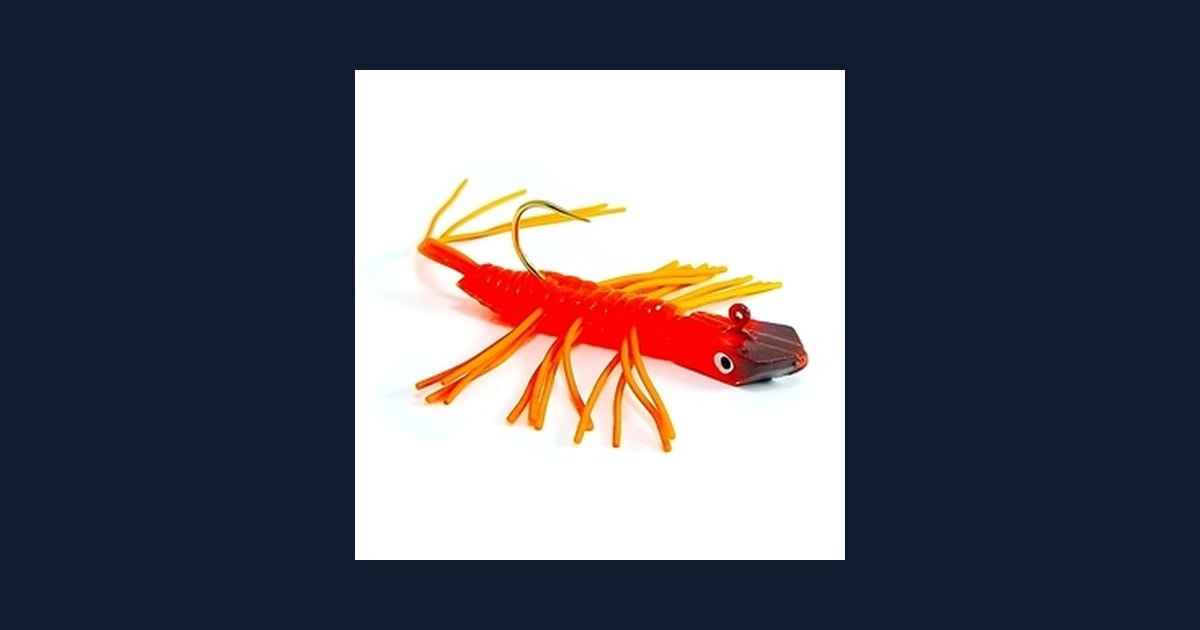

User reviews (0)