Website profiles · Technology insights · Alternatives

hismansion.com

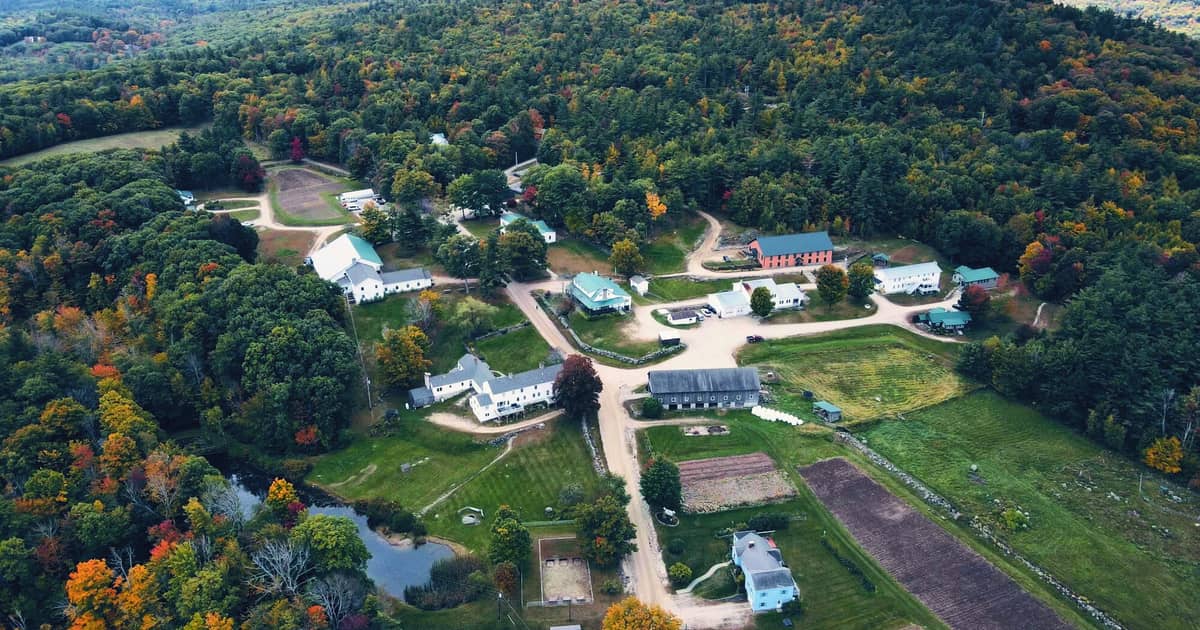
A one-year Christian residential recovery program for men and women facing addiction and life-controlling issues, in Deering, New Hampshire.

No paid content found
Visit website
Profile views 0 Outbound visits 0 Normal
His Mansion Full homepage screenshot

At a glance

Category
Health & Medical
Language
English
Paid-content signal
No paid content foundObserved
Registered
1997
Hosting
CloudflareInferred
HTTPS certificate trusted
PassedObserved
Last updated

Website review

This review may include AI-generated content and is not individually verified. Domain, certificate and other facts come from the observed data on this page.

What is His Mansion?

His Mansion is a Christ-centered residential recovery program in Deering, New Hampshire, for men and women facing addiction and other life-controlling issues, run by the ministry of the same name at His Mansion. Its defining features are a one-year average length of stay, a rolling intake that brings new residents in each month, and a donor-funded model: the page states that a year's stay typically costs less than $1,000, plus a required sponsor who provides $50 per month for personal expenses.

The year is structured in two six-month stages. The first, "Restoration," focuses on identifying the roots of addiction, recognizing triggers, building emotional resilience, learning "thought challenging," and setting attainable goals. The second, "Growth," shifts toward purpose and new life: formational prayer, serving and stewarding the people and places around them, and planning for future work, housing, and community. Residents also receive weekly one-on-one counseling and recovery-focused education.

The site sorts its guidance by who is asking: someone struggling with addiction (program overview and how to apply), a family member (what the year looks like from the outside, visiting, and what a sponsor does), and a pastor, mentor, or counselor helping someone apply. Contact is by phone at (603) 464-5555 or text at (603) 265-1820.

Is it the right fit?

It suits someone who wants a long, structured, faith-based residential setting rather than a short detox or outpatient track, and who is willing to commit roughly a year. The low stated cost removes a common barrier, but the trade-offs are real: a full year away from work and home, a Christian framework throughout, and dependence on having a sponsor lined up.

As a next step, decide which of the three audiences describes you, then read that section of the site before calling. A family member, for example, should look at the visiting and sponsor information first, since those shape how the year works from the outside.

How much does the year-long recovery program cost, and what does the sponsor's $50 monthly contribution cover?

His Mansion says a full year in its residential recovery program typically costs less than $1,000, and each resident must have a sponsor who provides $50 per month for personal expenses. In other words, the sponsor's contribution is not the program fee itself; it is the resident's own spending money across the year (about $600 total), while the program is donor-funded rather than paid for by residents' fees.

What this means in practice

  • Budget for the resident: plan on under $1,000 for the program year plus the $50 monthly personal allowance, which the sponsor supplies.
  • The sponsor's role: a consistent $50 per month for the year, arranged before arrival.
  • Why costs stay low: His Mansion states it is donor-funded and does not generate revenue through its programs, so the fee reflects only a fraction of the actual cost of a year's stay.

A concrete scenario

A family member or church contact agrees to act as sponsor for a resident entering in the spring. They set up a $50 monthly payment for twelve months and treat it as the resident's personal money—for small necessities during the year—not as tuition. The program cost (under $1,000) is handled separately.

Decision criteria and next step

Before committing, confirm with His Mansion directly what the program fee covers and whether any costs sit outside it, since the published figure is described as "typical." The page directs cost questions to (603) 464-5555. If you are weighing this against other options, compare total out-of-pocket cost, program length and the sponsor requirement, since a low fee paired with a mandatory sponsor is a different commitment than a higher fee with no such requirement. For a broader view of residential recovery models, see SAMHSA.

How do I apply for the residential program, and what does the rolling intake process involve?

Apply by starting an application through His Mansion's site or by calling (603) 464-5555; the program's rolling intake means new residents arrive every month rather than in fixed cohort start dates, and the average stay is one year. The application itself is handled through the program's admissions contact rather than a public online form described on the site, so the practical first step is to call and ask what documents and references admissions needs before you fill anything out.

What rolling intake means in practice

  • Start dates are continuous: because residents arrive monthly, you are not waiting for a single annual enrollment window.
  • Expect a short lead time: a rolling system still needs screening and a confirmed start date, so calling early matters more than waiting for a "right" month.
  • Plan for the full year: the program runs in two six-month stages — months 1–6 focus on identifying roots of addiction, triggers, emotional resilience and goal setting; months 7–12 focus on formational prayer, service, and planning for work, housing and community.

Before you apply

  • Sponsor commitment: each resident needs a sponsor contributing $50 per month for personal expenses.
  • Cost picture: the program is donor funded and a year's stay typically costs less than $1,000 — confirm current figures directly with admissions.
  • Who it's for: men and women facing addiction and life-controlling issues; the site also has a separate path for family members and for pastors or counselors referring someone.

A concrete scenario

If you are a pastor helping a congregant, call admissions first, ask which stage of the process the person is in, and line up a sponsor early — the sponsor requirement is the item most likely to delay a start date. For families, ask what visiting looks like during the year before the resident arrives.

For comparison, other residential programs in the region include Teen Challenge and Bethel Colony, though structures and costs differ; use His Mansion's own admissions line as the deciding source on timing.

What happens during the first six months of restoration versus the second six months of growth?

The first six months focus on breaking addiction's grip: identifying the roots of addiction, becoming alert to triggers, building emotional resilience, learning "thought challenging," developing whole-person coping skills, and setting attainable goals. The second six months shift toward purpose and new life: encountering the love of Jesus through formational prayer, serving and stewarding the people and places around them, and planning for future lifestyle, work, housing, and community.

How the two stages differ

Stage 1: Restoration (months 1–6) Stage 2: Growth (months 7–12)
Core aim Freedom from bondage, brokenness and self-destruction Freedom for purpose, meaning and new life
Main work Roots of addiction, triggers, emotional resilience, thought challenging, coping skills, attainable goals Formational prayer, service and stewardship, practical plans for work, housing and community
Direction Inward: understanding and stabilizing oneself Outward: living well with others and preparing for what comes next

Throughout the year, residents also receive weekly one-on-one formational counseling that builds self-awareness, works through relationships, and builds personal agency through goal setting, alongside recovery-focused education.

A useful way to read the split: the first half is diagnostic and stabilizing, the second half is purposeful and forward-looking. Someone weighing the program should ask whether they need the first kind of work before the second can take hold — most people do, which is why the order matters. For a family member, the practical marker of progress is the shift from "learning to manage myself" to "making concrete plans and serving others."

To see how the year is structured and how to apply, start with His Mansion.

What can family members and loved ones expect, including visiting and how they can support a resident?

Family members can expect a structured, faith-based year at His Mansion with limited day-to-day contact, regular visiting opportunities, and a clear support role: prayer, letters, and financial sponsorship. According to His Mansion, the program runs about a year in two six-month stages—Restoration (months 1–6: identifying roots of addiction, recognizing triggers, building emotional resilience) and Growth (months 7–12: formational prayer, service, and planning for future work, housing, and community). New residents arrive monthly through rolling intake.

What the year looks like from the outside

The program has a dedicated page for loved ones describing "what the year looks like from the outside, when you can visit, and what a sponsor does." Expect the early months to focus on stabilization and inner work, with contact likely more restricted; later months emphasize service and future planning, which is when family involvement often becomes more practical—discussing housing, work, and a sober support network for after graduation.

Visiting

Visiting is organized around set opportunities rather than drop-in visits. The site's family page is the authoritative source for current dates, so check it before planning travel to Deering, New Hampshire, and confirm details by phone at (603) 464-5555 or text (603) 265-1820.

How to support a resident

  • Sponsor: Each resident must have a sponsor who provides $50 per month for personal expenses. This is the most concrete commitment the program asks of a supporter.
  • Costs: His Mansion is donor-funded; a year's stay typically costs less than $1,000, with the sponsor covering personal expenses.
  • Encouragement: Letters and prayer fit the Christ-centered model; the family page explains the sponsor role in more detail.
  • Planning partner: In the Growth stage, help think through work, housing, and a healthy community for the return home.

Practical decision criteria

Ask three questions before committing: Can you sustain $50 monthly for a year? Can you travel to New Hampshire for scheduled visits? And are you prepared for a program that integrates Christian teaching into counseling and daily life? If the answer to the last is no, a secular residential program may fit better. Families seeking comparison points can look at SAMHSA for treatment options and Celebrate Recovery for local church-based support groups.

How can a pastor, mentor, or counselor help someone apply, and who is the program designed for?

A pastor, mentor, or counselor helps most by matching the person to the program's actual scope, preparing the application with them, and organizing the practical support the year requires. His Mansion describes itself as a Christ-centered residential recovery program for men and women facing addiction and life-controlling issues, with an average stay of one year split into two six-month stages. The site's own "Where to start" section addresses pastors, mentors, and counselors directly, pointing them to how to help someone apply and who the program is for.

Who it is designed for

  • Adults struggling with addiction or other life-controlling issues who are willing to commit to a residential year.
  • People open to a explicitly Christian framework: the program's stated aim is restoration "through the hope of Jesus Christ," and the second stage includes formational prayer and service to others.
  • Applicants who can arrange a Sponsor contributing $50 per month for personal expenses, since the site lists this as a requirement.

The site does not spell out clinical exclusion criteria, so a counselor should confirm fit by phone before investing time in an application. It is not a short detox or a outpatient add-on; the structure assumes a year away from home.

How a pastor, mentor, or counselor can help

  1. Clarify motivation and readiness. Talk through whether the person wants recovery itself, not just relief from pressure. A year-long residential commitment is a poor fit for someone seeking a quick fix.
  2. Gather the practical pieces early. Housing, work, family obligations, and the sponsor commitment all need sorting before arrival. The site notes rolling intake, with new residents arriving every month, so timing can be planned rather than rushed.
  3. Contact the program together. The site lists a phone line, (603) 464-5555, and a text line, (603) 265-1820, plus an online application. A mentor can sit in on that first call to ask about costs, visits, and what applicants should bring.
  4. Line up the sponsor. Identify a church member or family friend willing to give $50 monthly and stay in contact with the resident.
  5. Prepare the family or congregation. The site has a separate path for loved ones covering what the year looks like from the outside, when visits are possible, and what a sponsor does. Share it so expectations are realistic.
  6. Plan for reentry. Stage 2 already asks residents to plan future lifestyle, work, housing, and community. A sending pastor can make that plan concrete by arranging a room, a job lead, or a small accountability group before graduation.

A concrete scenario

A counselor meets a 29-year-old man whose substance use has cost him his job and housing. Rather than only referring him onward, the counselor can walk him through the application, call the program to confirm eligibility and cost, help him name a sponsor from his home church, and brief his parents using the loved-ones material. That preparation often matters more than the referral itself.

Trade-offs to weigh

The cost is unusually low for residential care—the site says a year typically costs less than $1,000, funded by donors—but the trade-off is a long absence from work and family and a distinctly religious environment that will not suit everyone. For comparison, SAMHSA offers a national treatment locator for secular and medical options, and Celebrate Recovery runs church-based groups that can complement or follow residential care. If the person is not ready for a year away, a local counselor or outpatient program may be the better first step; if they are, start with the phone call and the sponsor conversation this week.

Related questions

More questions →
What a Resident's Year at His Mansion Includes

A resident's year at His Mansion is a structured, Christ-centered residential program in Deering, New Hampshire, for men and women facing addiction and life-controlling issues. The year is divided into two six-month stages and combines weekly one-on-one formational counseling, recovery-focused education, goal setting, and service to the community. It is designed for people who want lasting change rather than a short-term detox, and the average program length is one year.

The Two Stages of the Year

The program runs for one year in two stages of six months each. The stages build on each other: the first focuses on breaking free from what has held a resident back, and the second on moving forward with purpose.

Stage Months Focus Key Activities
Stage 1: Restoration 1–6 Freedom from bondage, brokenness, and self-destruction Identify roots of addiction; become alert to triggers; develop emotional resilience; learn "thought challenging"; foster holistic coping skills; set attainable goals
Stage 2: Growth 7–12 Freedom for purpose, meaning, and new life Encounter the love of Jesus through formational prayer; serve and steward the people and places around them; plan for future lifestyle, work, housing, and community

Counseling and Education

Two elements run through the resident's time and form the core of daily life:

  • Formational Counseling. Residents receive weekly one-on-one counseling that builds self-awareness and emotional resilience, works through relationships, and builds personal agency through goal setting.
  • Recovery-Focused Education. Residents engage with a recovery curriculum that teaches them to recognize and respond to the patterns behind addiction and life-controlling issues.

The first stage emphasizes understanding where addiction comes from and learning practical tools—identifying triggers, challenging unhelpful thoughts, and building coping skills. The second stage shifts toward formation and forward planning, including how a resident will approach work, housing, and community after the program.

Service, Stewardship, and Planning for Life After

In the second half of the year, residents are expected to serve and steward the people and places around them—part of the program's emphasis on living with purpose rather than only receiving care. This stage also includes practical planning for the future: lifestyle, work, housing, and community. The goal is that a resident leaves with a plan, not just a completed program.

Practical Details to Know Before Applying

  • Who it's for: Men and women facing addiction and life-controlling issues.
  • Length: Average program length is one year.
  • Intake: New residents arrive through a rolling intake system, with new residents arriving every month.
  • Cost: His Mansion is donor funded and does not generate revenue through its programs. A year's stay typically costs less than $1,000, and each resident is required to have a sponsor who provides $50 per month for personal expenses. For specifics about program costs, call (603) 464-5555.
  • Contact: Call (603) 464-5555 or text (603) 265-1820. Applications can be started through the website.

Where to Start Based on Your Situation

The website organizes next steps by who is asking:

  • If you are struggling with addiction and looking for help: Start with the Resident Recovery Program overview and how to apply.
  • If you have a loved one facing addiction: Look for what the year looks like from the outside, when you can visit, and what a sponsor does.
  • If you are a pastor, mentor, or counselor helping someone: Look for how to help someone apply and who the program is for.

If you are weighing whether this program fits, the key questions are whether a full year of residential, Christ-centered recovery is realistic for the person involved, and whether a sponsor can be arranged for the $50 monthly personal expenses.

Where to Start on the His Mansion Website Based on Your Situation

His Mansion's site routes you by who you are, not by a single menu of pages. If you are struggling with addiction yourself, start with the Resident Recovery Program overview and the application. If you are a family member, start with the "what the year looks like from the outside" path, which covers visiting and the sponsor role. If you are a pastor, mentor, or counselor, start with the path on how to help someone apply and who the program is for. All three paths sit under the "Where to start" section of the homepage, and you can also call (603) 464-5555 or text (603) 265-1820 before choosing a path.

The three starting paths at a glance

Your situation What the site points you to What you'll learn
You are struggling with addiction and want help Resident Recovery Program overview and how to apply Program structure, what a resident's year holds, how to begin an application
You have a loved one facing addiction What the year looks like from the outside, when you can visit, and what a sponsor does The resident's experience as seen by family, visiting expectations, the sponsor's role
You are a pastor, mentor, or counselor helping someone How to help someone apply, and who the program is for Eligibility fit, how to support an application

Each path is written for a different reader, so picking the one that matches you avoids reading material meant for someone else.

If you are seeking help for yourself

Start with the Resident Recovery Program overview, then move to the application. The program is a Christ-centered residential recovery program for men and women facing addiction and life-controlling issues, located in Deering, New Hampshire. The average program length is one year, and new residents arrive through a rolling intake system, with arrivals every month.

Before you apply, know what the year involves. The program runs in two six-month stages:

  • Stage 1: Restoration (months 1–6) — identifying roots of addiction, becoming alert to triggers, developing emotional resilience, learning "thought challenging," building holistic coping skills, and setting attainable goals.
  • Stage 2: Growth (months 7–12) — encountering the love of Jesus through formational prayer, serving and stewarding the people and places around them, and planning for future lifestyle, work, housing, and community.

Residents also receive weekly one-on-one formational counseling and engage with recovery-focused education curriculum. Knowing this up front helps you decide whether a year-long residential commitment fits your situation.

Cost, before you commit

His Mansion is donor funded and does not generate revenue through its programs. A year's stay in the recovery program typically costs less than $1,000. Each resident is required to have a sponsor who provides $50 per month for personal expenses. For details, the site directs you to call (603) 464-5555.

If you are a family member or friend

Use the loved-one path rather than the applicant path. It explains what the year looks like from the outside, when you can visit, and what a sponsor does — the three things family members most often need to know. The sponsor role matters practically: every resident needs a sponsor contributing $50 per month for personal expenses, so understanding that expectation early helps you decide whether you can fill it or need to help find someone who can.

If you are a pastor, mentor, or counselor

Use the professional path, which covers how to help someone apply and who the program is for. Read the eligibility guidance before encouraging an application, since the program is designed for men and women facing addiction and life-controlling issues. The two-stage structure and the one-year average length are the key facts to set expectations with anyone you refer.

Contact options

The homepage lists three ways to reach His Mansion before or alongside an application:

  • Call (603) 464-5555
  • Text (603) 265-1820
  • Start your application online

If you are unsure which path fits, a call is the fastest way to confirm — for example, if you are a family member who is also acting as a prospective sponsor, or a counselor unsure whether a particular person meets the program's scope.

Common sticking points

  • Choosing the applicant path when you are a family member. The applicant materials assume you are the one entering the program. Family questions about visiting and sponsoring are answered on the loved-one path.
  • Missing the sponsor requirement. The $50 monthly sponsor contribution is a requirement, not a suggestion, so identify a sponsor early in the process.
  • Assuming a short stay. The average length is one year, split into two six-month stages. Plan for the full year when discussing the program with anyone.
  • Waiting for a fixed intake date. Intake is rolling, with new residents arriving every month, so the application can start at any time.
What Is His Mansion?

His Mansion is a Christ-centered residential recovery program in Deering, New Hampshire, for men and women facing addiction and life-controlling issues. It has served this population for over 50 years, and its program runs about one year in two six-month stages. It is donor funded, and a year's stay typically costs less than $1,000, with each resident also required to have a sponsor providing $50 per month for personal expenses.

Who the program serves

The program is designed for adults dealing with addiction and other life-controlling issues. The site organizes its guidance by who is asking:

  • People seeking help themselves are pointed to the Resident Recovery Program overview and application.
  • Family members and loved ones can learn what the year looks like from the outside, when visits are possible, and what a sponsor does.
  • Pastors, mentors, and counselors can find guidance on helping someone apply and on who the program is for.

How the year is structured

The program runs for one year in two stages of six months each.

Stage Months Focus
Stage 1: Restoration 1–6 Freedom from bondage, brokenness, and self-destruction
Stage 2: Growth 7–12 Freedom for purpose, meaning, and new life

Stage 1 centers on identifying the roots of addiction, becoming alert to triggers, developing emotional resilience, learning "thought challenging," building holistic coping skills, and setting attainable goals.

Stage 2 shifts toward encountering the love of Jesus through formational prayer, serving and stewarding the people and places around them, and planning for future lifestyle, work, housing, and community.

What a resident's week includes

  • Formational counseling: weekly one-on-one counseling that builds self-awareness and emotional resilience, works through relationships, and builds personal agency through goal setting.
  • Recovery-focused education: a recovery curriculum that teaches residents to recognize and respond to the patterns behind their struggles.

Cost and intake

His Mansion is donor funded and does not generate revenue through its programs. Beyond the typical under-$1,000 annual cost, each resident must have a sponsor who provides $50 per month for personal expenses. New residents arrive through a rolling intake system, with arrivals every month.

Where to start

  • Call: (603) 464-5555
  • Text: (603) 265-1820
  • Apply: through the application link on the site

If you are exploring the program for yourself, a loved one, or someone you counsel, the site's three "Where to start" paths route each audience to the most relevant overview and next step.

How Is His Mansion's One-Year Recovery Program Structured?

His Mansion runs its residential recovery program as a single year split into two six-month stages: Restoration (months 1–6) and Growth (months 7–12). It is a Christ-centered program for men and women facing addiction and life-controlling issues, located in Deering, New Hampshire, and new residents arrive every month through a rolling intake system. The structure below is what the organization publishes about its own program; it is not a clinical protocol, so anyone weighing treatment options should confirm fit with the program directly.

The two stages at a glance

Stage 1: Restoration (Months 1–6) Stage 2: Growth (Months 7–12)
Framing Freedom from bondage, brokenness, and self-destruction Freedom for purpose, meaning, and new life
Core work Identify roots of addiction; become alert to triggers; develop emotional resilience; learn "thought challenging"; build holistic coping skills; set attainable goals Encounter the love of Jesus through formational prayer; serve and steward the people and places around them; plan for future lifestyle, work, housing, and community

The logic of the sequence is that the first half is inward and stabilizing—understanding what drives the addiction and building skills to handle it—while the second half turns outward toward service and concrete plans for life after the program.

What the weekly rhythm includes

  • Formational counseling: weekly one-on-one counseling that builds self-awareness and emotional resilience, works through relationships, and builds personal agency through goal setting.
  • Recovery-focused education: a recovery curriculum that teaches residents to recognize and respond to their patterns (the published description is cut off at this point, so ask the program for the full curriculum outline).

Practical details worth knowing before applying

  • Length: the average program length is one year, matching the two-stage design.
  • Intake: rolling—new residents arrive monthly, so start dates are not tied to a single annual cohort.
  • Cost: His Mansion is donor funded and does not generate revenue through its programs; a year's stay typically costs less than $1,000. Each resident is also required to have a sponsor who provides $50 per month for personal expenses.
  • Track record and accountability: the ministry says it has served men and women in addiction for over 50 years and has been a member of the Evangelical Council for Financial Accountability since 1986. Note that ECFA reviews how a ministry handles money, not the care it provides.

How to decide whether this structure fits

The two-stage design suits someone who wants a long, structured residential year rather than a short detox or outpatient schedule, and who is comfortable with an explicitly Christian framework—Stage 2 centers on formational prayer and service. Because the program is a year long and residential, the practical questions to settle first are housing and work obligations for that period, and whether a sponsor can be lined up for the $50 monthly personal expenses.

To move forward, the site directs people to three paths depending on who you are: someone struggling with addiction (program overview and application), a loved one (what the year looks like from the outside, visiting, and the sponsor role), or a pastor, mentor, or counselor helping someone apply. Contact is available by phone at (603) 464-5555 or text at (603) 265-1820, and applications start online.

What Does It Cost to Attend His Mansion's Recovery Program?

A year in His Mansion's residential recovery program typically costs less than $1,000, according to the ministry. His Mansion is donor funded and does not generate revenue through its programs, so the fee residents see is far below the true cost of a year of housing, counseling, and education. On top of the program cost, each resident must have a sponsor who provides $50 per month for personal expenses.

The Cost Breakdown

Item Amount Notes
Program cost for a year Typically less than $1,000 Stated on His Mansion's Program Costs page
Sponsor contribution $50 per month Required for each resident; covers personal expenses
Sponsor total over 12 months $600 $50 × 12 months, based on the stated monthly figure

The program runs about one year, split into two six-month stages: Restoration (months 1–6) and Growth (months 7–12). Because the length is stated as an average, a stay that runs longer or shorter would change the total, but the page gives no per-month program rate, so the under-$1,000 figure is the only program-cost number available.

What the Sponsor's $50 per Month Covers

The sponsor's contribution is described as being for personal expenses, separate from the program cost itself. This means a resident's practical budget has two parts: the program fee and the monthly personal-expense money their sponsor provides. If you are applying, plan on identifying a sponsor before or during the application process, since the requirement applies to every resident.

Why the Cost Is This Low

His Mansion states that it is donor funded and does not generate revenue through its programs. That funding model is the reason a year-long residential program can be offered for under $1,000 rather than at a market rate for residential care. The ministry also notes it has been a member of the Evangelical Council for Financial Accountability since 1986; that membership concerns how the ministry handles money, not the quality of care it provides.

Getting Exact Cost Information

The published figures are described as typical, so your situation may differ. For details about program costs, His Mansion directs people to call (603) 464-5555. You can also text (603) 265-1820. New residents arrive through a rolling intake system, with people joining every month, so timing questions can be raised at the same contact points.

Who This Cost Structure Suits

This program is worth considering if you are looking for a Christ-centered, residential recovery program for addiction or life-controlling issues and need a low program fee with a defined sponsor role. It is based in Deering, New Hampshire, and serves men and women. If you are a pastor, mentor, or counselor helping someone apply, the sponsor requirement is the practical item to sort out early, since it involves a committed person outside the program as well as the monthly amount.

Website Overview

An established domain and managed infrastructure suggest continuity of operations and may support dependable delivery, although neither guarantees service quality. Page metadata, canonical configuration and social previews work together to provide more consistent search and sharing presentation.

Domain and Registration

Registered in 1997, this domain has about 29 years of history. That suggests continuity, although ownership and purpose may have changed. Transfer-protection status is present, helping reduce the risk of unauthorized domain transfers. The domain uses the common .com extension, which is not an independent safety signal.

DNS and Email

Nameservers are provided by worldnic.com, indicating managed DNS hosting. MX records point to the Google Workspace email service. SPF and DMARC are configured. DKIM status is unknown. TXT records include verification markers for Google. Such markers may also remain after a service stops being used. DNSSEC signatures were not detected, so this additional DNS authenticity protection is not confirmed.

TLS and Certificates

The public key uses EC with 256 bits. The server supplied a complete certificate chain. No organization name is present in the certificate; the available fields are consistent with domain validation. The certificate was issued within the Google Trust Services cloud or CDN ecosystem. The certificate's total validity is about 90 days, consistent with a short renewal cycle.

HTTP and Browser Security

CORS permits any origin to read this response. This is common for public resources; sensitive responses need narrower handling. No X-Powered-By header was found, reducing one common source of backend fingerprinting information. All six checked browser-security headers are present. Their effectiveness still depends on the policy values and application behavior. The cf-ray response header indicates a CDN or caching proxy in the delivery path. No obvious internal addresses or debug information were found in the headers.

Technology Stack Analysis

The public page identifies Google Tag Manager, Cloudflare without precise versions, leaving fewer clues for version-specific scanning.

Search and Social Sharing

Twitter Card metadata is configured. JSON-LD includes Organization data, helping describe the organization as an entity. The title has 59 characters, within a common display range. A meta description is present, with 140 characters. The observed directives allow indexing and link following.

Hosting and Email

DNSworldnic.com
HostingCloudflare
EmailGoogle Workspace
Approximate IP geolocation (inferred; a CDN or proxy may differ from the origin server) Location unknown Inferred 172.66.45.17

Registration details

RDAP / WHOIS

RegistrarNetwork Solutions, LLC
Registered1997-02-14
Expires2029-02-15
Domain statusclient transfer prohibited
Nameserversns95.worldnic.com、ns96.worldnic.com
DNSSECunsigned

DNS records

DNS

TypeNameValueTTLPriority
Ahis-mansion.pages.dev172.66.45.17300—
Ahis-mansion.pages.dev172.66.46.239300—
AAAAhis-mansion.pages.dev2606:4700:310c::ac42:2d11300—
AAAAhis-mansion.pages.dev2606:4700:310c::ac42:2eef300—
MXhismansion.comaspmx.l.google.com72001
MXhismansion.comalt1.aspmx.l.google.com72005
MXhismansion.comalt2.aspmx.l.google.com72005
MXhismansion.comalt3.aspmx.l.google.com720010
MXhismansion.comalt4.aspmx.google.com720010
NShismansion.comns95.worldnic.com7200—
NShismansion.comns96.worldnic.com7200—
TXThismansion.comgoogle-site-verification=_hah5MHq9x7rMHj7cllR_5Q6RNpDLlVt2rriSbohcUM900—
TXThismansion.comv=spf1 include:formassembly.com include:_spf.google.com include:_spf.salesforce.com ~all3600—
CNAMEwww.hismansion.comhis-mansion.pages.dev900—
DMARC_dmarc.hismansion.comv=DMARC1; p=none;3600—

TLS and certificates

TLS / SSL

AssessmentNormal configuration
Supported protocolsTLSv1.2、TLSv1.3
Negotiated protocolTLSv1.3
Certificate subjectwww.hismansion.com
IssuerGoogle Trust Services
Valid until2027-01-03T18:58 · Remaining when checked: 66 days
Verification detailsCertificate trust: Passed · Hostname match: Passed

HTTP response headers

HTTP

HeaderValue
content-typetext/html; charset=utf-8
cache-controlpublic, max-age=0, must-revalidate
servercloudflare
strict-transport-securitymax-age=31536000; includeSubDomains
content-security-policydefault-src 'self'; base-uri 'self'; object-src 'none'; frame-ancestors 'none'; script-src 'self' 'unsafe-inline' https://www.googletagmanager.com https://www.google-analytics.com https://challenges.cloudflare.com https://www.googleadservices.com https://googleads.g.doubleclick.net https://chat.emprisedigital.co; style-src 'self' 'unsafe-inline'; img-src 'self' data: https://www.googletagmanager.com https://www.google-analytics.com https://*.google-analytics.com https://googleads.g.doubleclick.net https://stats.g.doubleclick.net https://ad.doubleclick.net https://www.google.com; font-src 'self'; connect-src 'self' https://ad.doubleclick.net https://start.emprisedigital.co https://www.googletagmanager.com https://www.google-analytics.com https://*.google-analytics.com https://analytics.google.com https://*.analytics.google.com https://stats.g.doubleclick.net https://challenges.cloudflare.com https://googleads.g.doubleclick.net https://www.googleadservices.com https://www.google.com https://chat.emprisedigital.co; frame-src https://www.youtube-nocookie.com https://www.googletagmanager.com https://challenges.cloudflare.com https://td.doubleclick.net https://chat.emprisedigital.co
x-frame-optionsDENY
x-content-type-optionsnosniff
referrer-policystrict-origin-when-cross-origin
permissions-policycamera=(), microphone=(), geolocation=()
access-control-allow-origin*

Identified technologies

Google Tag ManagerCloudflare

Pages, Search and Sharing

Meta descriptionA one-year Christian residential recovery program for men and women facing addiction and life-controlling issues, in Deering, New Hampshire.
Canonical URLhttps://www.hismansion.com/
LanguageEnglish (default)
Twitter Cardsummary_large_image
All bots 1 allowed · 1 disallowed
  • Allow/
  • Disallow/api/

User reviews (0)

  • No reviews yet.