Website profiles · Technology insights · Alternatives

humantraffickingsearch.org

No paid content found
Visit website
Profile views 0 Outbound visits 0 Normal
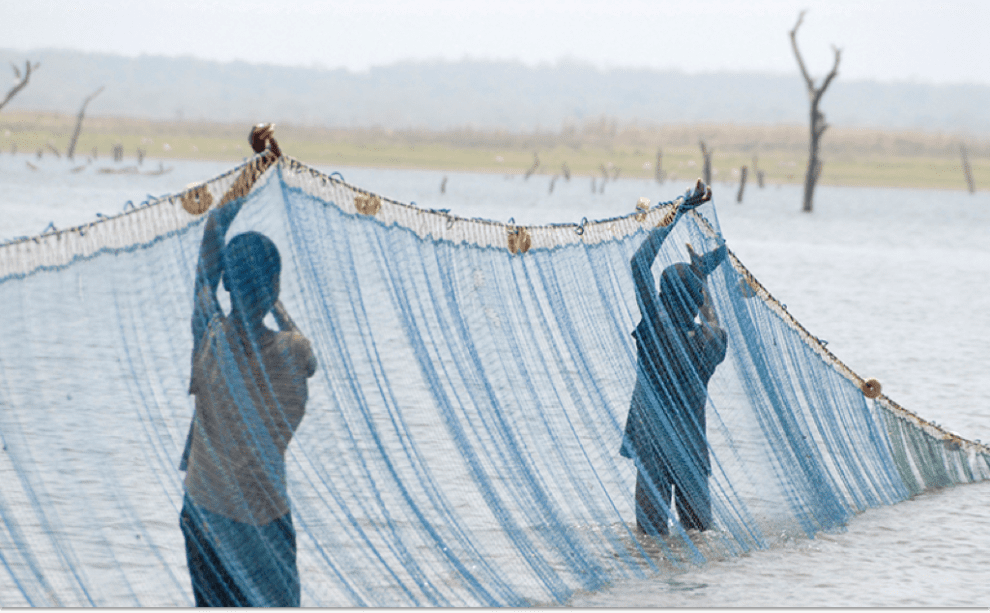
Human Trafficking Search Full homepage screenshot

At a glance

Category
Nonprofits & Volunteering
Language
English
Paid-content signal
No paid content foundObserved
Registered
2017
Hosting
CloudflareInferred
HTTPS certificate trusted
PassedObserved
Last updated

Website review

This review may include AI-generated content and is not individually verified. Domain, certificate and other facts come from the observed data on this page.

What is Human Trafficking Search?

Human Trafficking Search (HTS) is a research and information hub that gathers news, research, toolkits and original publications on human trafficking and modern slavery in one searchable place. Its own description sums it up as "everything you need to know about human trafficking, all in one place," and it pairs a browsable topic filter with a blog, webinars, podcasts and a news digest.

What it covers

The topic list is unusually broad for a single site. It spans forms of exploitation (forced labor, sex trafficking, child trafficking, debt bondage, organ trafficking, cyber slavery) and the sectors where they appear (fashion, seafood, cobalt mining, construction, hospitality, domestic work, agriculture). It also tracks cross-cutting angles such as climate change, migration, conflict, race, gender, disability and legislation.

Who it suits

  • Students and researchers who need an entry point and a topic-organized reading list rather than a single report.
  • Advocates and journalists checking current developments; the homepage highlights items like the release of the 2026 Trafficking in Persons Report and forced-labor import rules.
  • Business and compliance staff interested in supply-chain and recruitment questions, such as the board-level piece on who recruited your workers.

How to use it well

Treat HTS as a starting point for orientation, not as a primary data source. For a specific figure or legal claim, follow its links to the underlying report or government source. If you are new to the subject, begin with the "What is Human Trafficking?" section, then use the topic filter to narrow to your sector.

For official U.S. government data and country rankings, compare with U.S. Department of State. For international legal standards and country reports, see UNODC and International Labour Organization.

How can I find reliable data or statistics on human trafficking?

Start with the site's own database rather than general web results. Human Trafficking Search is built as a research gateway: its homepage points to a searchable Modern Slavery Database alongside a topic filter covering forced labor, child trafficking, debt bondage, climate change, fashion, prisons, and dozens of other categories. That structure lets you narrow a broad question ("how many trafficking victims are children?") into a specific, sourced set of items instead of relying on a single headline figure.

A practical way to use it

  1. Search a specific term first — "forced labor seafood," "child marriage Africa," or "debt bondage" — then filter by topic and region.
  2. Treat its blog and original publications as interpretation, not as the raw statistic. They help you understand what a number means and where it comes from.
  3. Follow the primary source a post cites (a government report, an international organization's survey, an academic study) before quoting any figure.

Why this matters for trafficking data specifically

Trafficking statistics are notoriously inconsistent: estimates vary by definition, by whether they count detected cases or projected victims, and by how hidden populations are sampled. A database that tags items by theme and geography helps you see that a "50 million" figure, for example, is a global estimate of people in modern slavery, not a count of prosecuted trafficking cases. Keep detected cases, survey-based prevalence estimates, and prosecution records in separate mental buckets.

Cross-checking with official sources

For figures you intend to publish or cite in policy work, compare against the official publishers:

Source Best for
Human Trafficking Search Topic-filtered research, toolkits, and background reading
UNODC Global reports on trafficking in persons and detected cases
ILO Forced labor and child labor estimates and methodology
U.S. Department of State Annual TIP Report country narratives and tier rankings

If your reader is a student writing a paper, a journalist verifying a claim, or an NGO drafting a briefing, the same rule applies: use the aggregator to find the thread, then cite the original publisher. A concrete next step is to pick one number you plan to use and trace it back to the report, year, and definition behind it before you write it down.

What does the TIP Report say and how is it used to assess countries?

The TIP Report is the U.S. State Department's annual Trafficking in Persons report, which ranks governments on their efforts to combat trafficking rather than on the scale of the problem itself. Human Trafficking Search flags the newest edition on its homepage and treats it as a headline item for readers who follow anti-trafficking policy Human Trafficking Search. Countries are placed in tiers based on whether they meet minimum standards for prosecution, protection and prevention, and the report explains each government's gaps and progress.

How the tiers are used

The ranking is a diplomatic and funding tool as much as a research document. A low tier can trigger conditions on certain U.S. assistance and shapes how NGOs, journalists and lawmakers frame a country's record. For a reader, the practical value is the country narrative: it names specific laws, enforcement statistics and victim-protection failures that are hard to find in one place elsewhere.

  • Advocates cite tier placements to press governments for legal reform.
  • Researchers use country chapters as a starting point and then check primary sources, since the report reflects U.S. government priorities.
  • Journalists draw on case examples and enforcement data for context.

Limits to keep in mind

The report assesses government effort, not prevalence, so a well-resourced country can rank higher than a poorer one doing comparable work. The methodology and political framing are debated, and data can lag by a year or more. Read a country chapter alongside local reporting and independent research before drawing conclusions.

To go further, compare a country's TIP chapter with the topic pages on Human Trafficking Search, such as forced labor or climate change, to see how global patterns play out in a specific national context.

How can I tell if a product or supply chain involves forced labor?

Start by treating forced labor as a risk question, not a label you can confirm from a product alone. No packaging or certification proves a supply chain is clean; the practical goal is to gather evidence, rank risk, and ask suppliers specific questions.

What to check first

  • Sector and origin. Some industries and regions carry well-documented forced-labor risk—garments, seafood, agriculture, mining, construction, domestic work. Human Trafficking Search organizes its material by topic, including forced labor, fashion, seafood, cobalt mining and supply chains, which makes it a useful starting point for sector-level context.
  • Recruitment and fees. The clearest red flag is workers paying recruiters to get a job and then being trapped by debt. Ask suppliers how workers are hired, who pays recruitment costs, and whether passports or wages are withheld.
  • Movement and documents. Confiscated IDs, restricted movement, contract substitution after arrival, and threats tied to immigration status are warning signs.
  • Grievance channels. A credible supplier can describe how workers raise complaints without retaliation, in a language they understand.

A practical supplier-question routine

Pick the highest-risk item you buy, then ask its supplier, in writing: where the raw material and assembly happen; which labor recruiters are used; who bears recruitment fees; how overtime is voluntary and recorded; and what independent audits or worker interviews exist. Compare answers across two suppliers—inconsistencies are often more informative than any single certificate.

How sources differ

Source type Best use Limit
Research and topic hubs (e.g., HTS) Understanding sectors, laws and case patterns Not a product-level verification tool
Government trade and labor data Country- and commodity-level risk Broad; doesn't identify a specific factory
Company audits and certifications Supplier accountability Quality varies; can miss hidden labor

For company disclosures, the official business and human rights resources from Business & Human Rights Resource Centre can help you see how firms have responded to allegations. For public risk data, check official government sources such as the U.S. Department of Labor's forced-labor reporting at U.S. Department of Labor.

Next step: choose one product, write down its top two risk factors (sector and origin), and send the five supplier questions above. If the answers are vague on recruitment fees or worker voice, treat that as unresolved risk rather than a clean bill of health.

What are the warning signs that someone may be a victim of trafficking?

Warning signs are usually a pattern of control, not a single detail. A person may be trafficked if several of these appear together, especially when someone else controls their money, documents, movement or contact with others.

Common indicators

  • Control by another person: someone speaks for them, answers questions directed at them, or refuses to let them be alone with others.
  • Restricted freedom: they cannot leave their workplace or home freely, are escorted everywhere, or are told they owe money for transport, housing or a "fee."
  • Documents withheld: passport, ID or work contract held by an employer, recruiter or "boyfriend."
  • Debt and wage control: pay is withheld, wages are paid to someone else, or they are told they must work off a debt.
  • Isolation: little or no contact with family and friends, limited phone access, or unfamiliarity with the local language and area.
  • Unusual work and living conditions: long hours with no days off, living at the workplace, crowded or unsafe housing, or being moved frequently.
  • Fear and distrust: fear of authorities, immigration consequences, or retaliation against family; rehearsed or inconsistent answers.
  • Signs of abuse or deprivation: untreated injuries, exhaustion, malnourishment, or clothing that doesn't fit the work or weather.
  • A much younger person with an older "partner" or "sponsor," or a child who is working instead of attending school.

What to do next

If you are concerned about someone, avoid confronting the person you suspect is controlling them. If there is immediate danger, contact local emergency services. Otherwise, share observations with a trained anti-trafficking or labor-rights organization and let them assess the situation. For background on definitions and forms of exploitation, see Human Trafficking Search; in the United States, the National Human Trafficking Hotline is the standard referral point.

How to judge a situation

Ask: who controls this person's documents, money, housing and movement? If the answer is consistently someone else, and the person cannot leave without fear or penalty, treat it as a potential trafficking case rather than a private employment dispute.

What practical steps can I take to support survivors or anti-trafficking efforts?

Practical support falls into three tracks: giving responsibly, using your professional leverage, and changing what you buy and ask for. Human Trafficking Search's homepage points to toolkits, research guides, original publications and a "Take Action" section, so it works best as a starting point for learning and finding vetted organizations rather than as a direct service provider.

Give and volunteer with care

  • Fund local frontline groups over large general charities: shelters, legal aid, and outreach teams know their region's needs. Use HTS's topic filters (for example Forced Labor, Domestic Workers, Child Trafficking) to identify the issue you care about, then confirm the organization's registration and annual reporting yourself.
  • Ask what survivors actually need before donating goods; many programs prefer cash for flexibility and dignity.
  • Volunteer skills, not just hours: translation, legal review, data entry, or mentoring are often more useful than one-off events.
  • Avoid "rescue" volunteering that puts untrained people in contact with victims.

Use your professional position

  • Employers and boards: audit recruitment supply chains, especially labor recruiters, and require workers to keep their passports and pay no recruitment fees. The HTS homepage highlights a piece asking "Who recruited your workers? Most boards don't know," which reflects a common governance gap.
  • Procurement and facilities staff: check suppliers against forced-labor import prohibitions; HTS covers this under "Forced labor import prohibition fever."
  • Educators and journalists: use HTS's research guides and publications for accurate terminology and context.
  • Tech and finance: look at how products and payment systems can be misused for trafficking or cyber slavery.

Buy and ask differently

  • Check fast fashion, seafood, cobalt and agriculture supply chains, all covered as HTS topics.
  • Ask retailers for traceability and grievance mechanisms; consumer pressure compounds.
  • Treat "ethical" labels as a starting point, not proof.

If you suspect trafficking

Do not confront anyone. In the U.S., contact the National Human Trafficking Hotline (1-888-373-7888); elsewhere, use local police emergency numbers or a national hotline. Report what you observed, not conclusions.

A concrete next step

Pick one topic filter on Human Trafficking Search, read two or three linked resources, then commit to one action: a monthly donation to a local group, a recruitment audit at work, or a supplier question. For global policy context, the U.S. State Department's TIP report at U.S. Department of State is the reference HTS discusses.

Decision criterion: choose the track where you have the most leverage—money, professional authority, or purchasing power—and start there rather than spreading thin.

Related questions

More questions →
What Is the Forced Labor Import Prohibition Discussed on Human Trafficking Search?

Human Trafficking Search (HTS) treats the forced labor import prohibition as a trade-based anti-trafficking tool: a country bans goods made wholly or partly with forced labor from entering its market, so that products built on exploitation cannot be sold freely across borders. On HTS, the topic appears as a recurring blog item ("Forced labor import prohibition fever") and sits alongside the site's wider coverage of forced labor, supply chains, business responsibility, and legislation. The site is an information hub—news, a modern slavery database, research guides, toolkits, webinars, and original publications—rather than a government agency, so what it offers is explanation and curated context, not legal advice or enforcement decisions.

The core idea in plain terms

A forced labor import ban works on the demand side of trafficking. Instead of only prosecuting recruiters or rescuing workers, it puts pressure on the point where exploited labor becomes profit: the shipment. If a good cannot be imported, the company that benefits from forced labor loses its market access, and the incentive to audit, trace, and clean up supply chains shifts upstream.

Two features usually define these regimes, and they are the ones worth checking whenever you read a specific policy claim:

  • A rebuttable presumption. Goods from certain sectors or regions may be presumed to be made with forced labor until the importer proves otherwise. The burden lands on the business, not the worker.
  • Detention and release mechanisms. Shipments can be stopped at the border and released only with evidence of clean production—which is why supply chain traceability becomes the practical battleground.

How HTS frames the policy debate

HTS's coverage places import prohibitions inside a cluster of related themes: forced labor, business and finance, legislation, corruption, and specific commodities such as cobalt, seafood, and fashion. The site's topic filters make this visible—you can browse by "Forced Labor," "Legislation," "Business," "Finance," "Cobalt Mining," "Seafood," and "Fashion," among many others, and by region from Africa and Asia to Europe and North America.

That structure reflects the argument HTS's material tends to make: import bans are one lever among several, and their effectiveness depends on how they connect to customs enforcement, corporate due diligence, and worker-level protection. The blog format is where the site tracks developments and commentary; the research guides and toolkits are where the background and practical frameworks live.

Why it matters for supply chains and corporate responsibility

For a company, an import prohibition converts a human rights risk into a commercial and legal one. The questions it forces are concrete:

  1. Where did this input come from? Recruitment fees, debt bondage, and withheld documents are common markers of forced labor, and they often sit several tiers down.
  2. Can the chain be documented? Traceability from finished product back to raw material is the evidence base for any rebuttal.
  3. Who is accountable? HTS's headline "Who recruited your workers? Most boards don't know" points at governance: labor recruitment is frequently outsourced and unmonitored, which is exactly where forced labor enters.

For researchers, students, journalists, or advocates, the same material is useful for understanding how trade policy, corporate governance, and trafficking prevention intersect—and for locating primary documents through the site's news and publications sections.

How to use HTS to follow this topic

  • Start with the topic filter. Select "Forced Labor" and "Legislation," then narrow by region or commodity to see how the issue plays out in specific sectors.
  • Check the blog for current developments. "Experience Speaks" carries commentary and news analysis, including the import prohibition piece.
  • Use the Modern Slavery Database and research guides for background definitions and country or sector context.
  • Look at toolkits and original publications if you need frameworks rather than headlines.
  • Subscribe to the news digest if you want updates without re-checking the site; the sign-up asks for an email address and notes you can unsubscribe at any time.

Limits worth keeping in mind

HTS explains and curates; it does not adjudicate whether a particular shipment is compliant, and nothing on the site substitutes for the actual customs rules of the importing country. If you need to act on a specific import question—say, whether a cobalt or seafood shipment will be detained—the operative sources are the customs authority and the regulation itself. Use HTS to understand the concept, the debate, and the surrounding evidence, then verify the legal specifics at the source.

How to Find Information on a Specific Trafficking Topic on Human Trafficking Search

To research a specific trafficking topic on Human Trafficking Search (HTS), use the site's topic filter to narrow the resource library, run a keyword search for narrower terms, and check the Modern Slavery Database when you need source material rather than commentary. This works best when you already have a subject in mind — a sector (fashion, seafood, construction), a population (children, migrants, Indigenous people), or a mechanism (debt bondage, cyber slavery). If you are starting from zero, begin with the site's "What is Human Trafficking?" section before filtering.

Start with the topic filter

HTS organizes its library under a long list of topic tags. The filter is the fastest route when your subject matches one of them. Topics visible on the site include:

  • Climate and environment: Climate Change, Cobalt Mining, Mines & Mining
  • Labor and supply chains: Forced Labor, Labor Trafficking, Labor Exploitation, Debt Bondage/Bonded Labor, Agriculture, Construction, Fashion, Seafood, Hospitality, Domestic workers
  • Criminal justice and detention: Prisons, Prison Labor & the 13th Amendment, State-sanctioned Trafficking
  • People and vulnerability: Children, Child Trafficking, Child Soldiers, Child Marriage, Foster Care, Refugees, Migration, Indigenous People, Disability, Homelessness
  • Forms of exploitation: Sex Trafficking, Forced Marriage, Forced Begging, Organ Trafficking, Cyber Slavery, Human Smuggling
  • Cross-cutting issues: Gender, Race, Racism, Corruption, Finance, Business, Legislation, Prevention, Protection, Prosecution, Re-integration, Research

Selecting a tag returns everything the site has filed under it, across formats. Two practical notes: tags overlap, so a piece on cobalt mining may sit under both "Cobalt Mining" and "Mines & Mining"; and the list mixes subject tags with language tags (Arabic, Chinese, French, Spanish, Sinhala, and others), which is useful if you need material in a specific language.

Use search for terms the tags don't cover

The site runs an internal search that returns a results count and a phrase match, so you can see how broad your hit list is before reading. Use it when your term is more specific than any tag — a country, a company, a law, a report name. If a search returns too much, add a second term (for example, a sector plus a country) rather than scrolling. If it returns nothing, drop to the broader tag and browse.

Know which section holds what

HTS separates its material by format, and the right section depends on what you need:

You need Go to
Definitions and background "What is Human Trafficking?"
Primary source material and records Modern Slavery Database
Current developments and analysis News; Experience Speaks (the HTS blog)
Learning formats Webinars, Videos & Podcasts
Practical guidance for organizations Toolkits
Structured starting points for a paper or project Research Guides
HTS's own analysis Original Publications

The blog is where staff and guest writers respond to current events — recent posts on the site address the 2026 Trafficking in Persons (TIP) Report, worker recruitment and board oversight, the meaning of remembering slavery, and forced labor import prohibitions. Those posts are a reasonable entry point for a topic that is moving quickly, but treat them as commentary and follow their links to the underlying documents.

Worked example: researching fast fashion

Suppose you need material on labor exploitation in garment supply chains.

  1. Open the topic filter and select Fashion. If you also need the labor mechanism rather than the industry, add Forced Labor or Labor Exploitation.
  2. Skim the returned items by format. Toolkits and Research Guides suit a structured overview; blog posts and news suit recent developments.
  3. If you need data or primary documents rather than summaries, switch to the Modern Slavery Database and search the same terms there.
  4. For a specific country or brand, return to site search and combine terms.

The same sequence works for climate change, prison labor, or cobalt mining — the tags exist for all of them.

Common sticking points

  • A tag returns little. The library is curated, not exhaustive. Try the parent tag (Mines & Mining rather than Cobalt Mining) or search the term directly.
  • You need sources, not summaries. Move to the Modern Slavery Database; the blog and news sections are secondary commentary.
  • You want material in another language. Use the language tags in the filter list rather than translating your search terms.
  • You want to keep up without re-checking. The site offers an email news digest; signup requires an email address and consent to receive updates, with unsubscribe available at any time.

HTS describes itself as a single place for "everything you need to know about human trafficking," and the combination of topic tags, internal search, and a dedicated database is what makes targeted research feasible. The site does not publish pricing information for its resources, so confirm access terms on the specific item if you plan to reuse it.

What Does Human Trafficking Search Say About the 2026 Trafficking in Persons (TIP) Report?

Human Trafficking Search (HTS) features the 2026 Trafficking in Persons (TIP) Report as a lead item on its homepage, under the heading "The 2026 Trafficking in Persons Report (TIP) is out—here's what you need to know," with a "Read More" link to its coverage. The homepage itself does not reproduce the report's findings or trends; it positions the TIP report as one of several current topics and routes readers to the full item. Anyone who wants HTS's actual summary of the 2026 report must follow that link rather than rely on the homepage text.

What the homepage actually shows

The HTS homepage presents the TIP report item alongside other featured posts:

  • "Who recruited your workers? Most boards don't know."
  • "What does it mean to remember slavery?"
  • "Forced labor import prohibition fever"
  • A "50 MILLION" figure displayed as a standalone element

These appear as a rotating or stacked set of featured items, each with a "Read More" link. The TIP headline is the first in this set, which suggests it is the most recent or most promoted item at the time of capture. The homepage does not state the report's country rankings, tier placements, or specific recommendations.

Where the site's topical coverage sits

HTS describes itself as "Everything you need to know about human trafficking, all in one place." Its topic filter list shows the breadth of material a reader can use to contextualize the TIP report, including:

Category type Examples from the site
Forms of exploitation Forced labor, sex trafficking, child trafficking, organ trafficking, debt bondage, forced marriage
Sectors Agriculture, construction, fashion, seafood, hospitality, domestic work, mining
Drivers and context Climate change, poverty, migration, armed conflict, corruption, COVID-19
Response and policy Legislation, prosecution, protection, prevention, re-integration
Populations Children, refugees, Indigenous people, people with disabilities, 2SLGBTQ+ people

A reader who wants background on a theme raised in the TIP report—say, forced labor in supply chains—can filter by "Forced Labor," "Business," or "Legislation" to find related HTS publications and news.

How to use HTS to follow up on the report

  1. Start at the featured item. From the homepage, select "Read More" under the 2026 TIP report headline to reach HTS's own summary.
  2. Narrow by topic. Use the "Filter by Topic" list to pull together HTS material on any theme the report raises.
  3. Check the resource types. HTS organizes content into "Experience Speaks – HTS Blog," "Webinars, Videos & Podcasts," "Toolkits," "Research Guides," and "Original Publications," so the same subject can be approached through commentary, recorded discussion, or practical guides.
  4. Use the Modern Slavery Database. The site links a searchable database, useful for checking specific companies, sectors, or countries mentioned in reporting.
  5. Subscribe for updates. A news digest signup is offered on the homepage for readers who want subsequent coverage delivered.

What to keep in mind

The homepage excerpt does not include the report's substantive content, so treat the headline as a pointer, not a summary. HTS is an aggregator and publisher of research and commentary rather than the issuing body of the TIP report itself; for the official text, rankings, and methodology, consult the report as published by its government source. HTS's value is in the surrounding explainers, topic filters, and archived material that help a reader place the report's findings in a wider context.

What Is Human Trafficking Search (HTS)?

Human Trafficking Search (HTS) is an information and resource platform focused on human trafficking and modern slavery. It is designed for general readers, students, researchers, and practitioners who want to learn about the issue, browse by topic, search a modern slavery database, and find news, publications, and action-oriented resources. The site presents itself as a central place for “everything you need to know about human trafficking, all in one place,” and its homepage organizes content around learning, searching, and taking action.

What the site covers

HTS is not a single-purpose database or a news site alone. Its homepage and navigation show a broad content hub with several entry points:

  • Learning basics: A “What is Human Trafficking?” section for readers new to the topic.
  • Topic browsing: A filterable list of topics that includes forced labor, sex trafficking, child trafficking, climate change, fast fashion, foster care, prison labor, cobalt and mineral mining, debt bondage, domestic workers, migration, and many others.
  • Modern Slavery Database: A searchable database linked from the main navigation.
  • News and analysis: A news section and the “Experience Speaks” HTS blog.
  • Multimedia and toolkits: Webinars, videos, podcasts, toolkits, and research guides.
  • Original publications: HTS-produced research and reports.
  • Action: A “Take Action” section and a donation option.

The site also offers a news digest signup, which requires an email address and agreement to receive updates.

How the content is organized

The most distinctive feature visible on the homepage is the topic filter. It functions as a browsing tool rather than a simple menu: users can filter content by theme, region, population, or language. The topic list is unusually granular and mixes issue areas with geographic and demographic tags. Examples include:

Category type Examples from the site
Forms of exploitation Forced labor, sex trafficking, child trafficking, organ trafficking, forced begging, forced marriage
Sectors and industries Agriculture, construction, fashion, hospitality, seafood, sports, mining
Cross-cutting issues Climate change, AI, corruption, debt bondage, gender, race, migration
Regions and groups Africa, Asia, Europe, Middle East, Indigenous people, refugees, children
Languages Arabic, Chinese, French, Spanish, Sinhala, Nepali, and others

This structure means a visitor can start from a broad issue (for example, forced labor) or from a specific angle (for example, cobalt mining or climate change) and find related articles, publications, and resources.

What the homepage highlights

The homepage features rotating or listed articles that indicate the site’s editorial range. Current examples include:

  • “The 2026 Trafficking in Persons Report (TIP) is out—here’s what you need to know”
  • “Who recruited your workers? Most boards don’t know.”
  • “What does it mean to remember slavery?”
  • “Forced labor import prohibition fever”
  • A “50 MILLION” figure, likely referring to estimates of people in modern slavery.

These headlines show that HTS mixes policy updates (such as the TIP Report), corporate accountability questions, historical reflection, and trade and import policy.

Who it is for

HTS is most useful for readers who want a starting point or a broad overview rather than a single dataset. It suits:

  • Students and general readers who need plain-language explanations and topic overviews.
  • Researchers and advocates looking for publications, research guides, and a searchable database.
  • Practitioners and educators who want toolkits, webinars, and multimedia materials.
  • Readers following policy who want news and analysis on trafficking-related legislation and reports.

Because the site aggregates many content types, it is less a primary data source and more a gateway: it points to reports, databases, and original publications rather than replacing them.

How to use the site

A practical way to navigate HTS depends on what you need:

  1. If you are new to the topic, start with “What is Human Trafficking?” and then browse a few topic filters such as forced labor or sex trafficking.
  2. If you are researching a specific angle, use the topic filter (for example, climate change, cobalt mining, or debt bondage) to narrow the content list.
  3. If you need data or source material, go to the Modern Slavery Database and the research guides or original publications.
  4. If you want current developments, check the news section and the “Experience Speaks” blog.
  5. If you want to act or teach, look at toolkits, webinars, and the “Take Action” section.

The site does not present pricing information for its resources, and the homepage does not indicate that access requires payment or login. The only signup mentioned is the optional email news digest.

Limitations to keep in mind

HTS is a curated information hub, so its value depends on the quality and currency of the linked and original content. The homepage shows a wide topic list, but it does not itself provide a single comprehensive dataset or real-time statistics. Readers who need primary legal texts, official government data, or peer-reviewed research should use HTS as a finding aid and follow through to the underlying sources. The site’s own description emphasizes breadth—“everything you need to know”—but the practical use is as an organized entry point into a large and complex field.

What Is Human Trafficking, and What Forms Does It Take?

Human trafficking is the exploitation of people for profit through force, fraud, or coercion—most often in the form of forced labor or sex trafficking, though it also includes child marriage, debt bondage, forced begging, organ trafficking, and more. Human Trafficking Search (HTS) is a research and education platform that organizes these issues into browsable topics, a modern slavery database, news, toolkits, and original publications, so you can go from a general question to a specific subtopic without leaving the site.

The core idea behind the definition

The site frames its mission as "everything you need to know about human trafficking, all in one place," and its topic filter shows how wide the scope is. Across the categories, three elements recur:

  • An act — recruiting, transporting, harboring, or receiving a person.
  • A means — force, fraud, coercion, abduction, deception, or abuse of power. Debt bondage and chattel slavery appear as related categories because the control mechanism is economic or ownership-based rather than only physical.
  • A purpose — exploitation, whether labor, sexual exploitation, forced marriage, or removal of organs.

A useful test: if a worker can leave, keep their documents, and change employers, the situation is a labor dispute. If movement, pay, or identity is controlled by someone else to extract work or services, the site's categories would treat it as trafficking-related exploitation.

Forms the site covers

HTS does not present a single numbered list; its topic filter is the practical map. Grouped by theme, the main forms include:

Group Examples from the site's topics
Labor exploitation Forced labor, debt bondage/bonded labor, domestic workers, agriculture, construction, hospitality, seafood, cobalt mining
Sexual exploitation Sex trafficking, child trafficking, child marriage, forced marriage
State and systemic contexts Prison labor and the 13th Amendment, state-sanctioned trafficking, armed conflict, conflict minerals
Movement and vulnerability Human smuggling, migration, refugees, immigration, homelessness, foster care
Emerging and less visible forms Cyber slavery, forced begging, organ trafficking, child soldiers, sports

Two distinctions matter when reading these pages. First, human smuggling and trafficking are separate topics on the site: smuggling is movement across borders, while trafficking is exploitation and does not require crossing a border. Second, sex work and sex trafficking are listed as distinct topics, which signals that the site treats consent and coercion as the dividing line rather than the activity itself.

How to use the site to go deeper

The homepage is built as a set of entry points rather than a single article:

  1. Start with "What is Human Trafficking?" — the baseline explainer linked in the main navigation.
  2. Pick a topic from the filter — the full list runs from 2SLGBTQ+ and disability to climate change, fast fashion, and finance. Each topic collects related content, so choosing "Fast Fashion" or "Cobalt and Mineral Mining" leads to supply-chain material rather than general definitions.
  3. Search the Modern Slavery Database — for legislation, country information, and research rather than news.
  4. Use News and the HTS Blog ("Experience Speaks") — for current developments, such as the site's featured piece on the 2026 Trafficking in Persons (TIP) Report.
  5. Go to Toolkits and Research Guides — structured material for teaching, advocacy, or workplace programs; the site also lists Original Publications and webinars, videos, and podcasts.
  6. Check the language filter — content is tagged in Arabic, Chinese, French, Spanish, Sinhala, and other languages, which matters if you need materials for a non-English audience.

A realistic example: a procurement team asked to check suppliers for forced-labor risk could open the Forced Labor and Business topics, read the featured post on forced labor import prohibitions, then move to the Modern Slavery Database for country-level legislation—three clicks from the homepage, all within the same taxonomy.

What the site is and is not

HTS is an aggregator and publisher: it curates news, research, and toolkits, and adds its own publications and blog commentary. It is not a hotline, a legal service, or a case-management tool, and the homepage offers no case reporting function—its calls to action are learning, searching, and donating. The site also invites guest posts, so some blog content reflects outside authors rather than staff analysis; check the byline before citing a post as HTS's own position.

For a first orientation, the "What is Human Trafficking?" page plus one topic from the filter is enough to understand the definition and see how a specific form—fast fashion, prison labor, child marriage—fits into it.

Website Overview

Identifiable technologies and additional version or configuration signals make the service easier to fingerprint, which may help targeted scanners narrow their checks. An established domain and managed infrastructure suggest continuity of operations and may support dependable delivery, although neither guarantees service quality.

Domain and Registration

Registered in 2017, this domain has about 9 years of history. That suggests continuity, although ownership and purpose may have changed. Transfer-protection status is present, helping reduce the risk of unauthorized domain transfers. The registrar is GoDaddy.com, LLC, a widely used domain service provider. The domain uses the common .org extension, which is not an independent safety signal.

DNS and Email

MX records exist, but SPF, DKIM and DMARC were not detected. Protection against domain impersonation may be incomplete. Nameservers are provided by Cloudflare, indicating managed DNS hosting. MX records point to the humantraffickingsearch.org email service. No CNAME was found; the observed records resolve directly to addresses. TXT records include verification markers for Google. Such markers may also remain after a service stops being used.

TLS and Certificates

The public key uses EC with 256 bits. The server supplied a complete certificate chain. No organization name is present in the certificate; the available fields are consistent with domain validation. The certificate was issued within the Google Trust Services cloud or CDN ecosystem. The certificate's total validity is about 90 days, consistent with a short renewal cycle.

HTTP and Browser Security

The response lacks these common security headers: HSTS, CSP, Referrer-Policy, clickjacking protection. No X-Powered-By header was found, reducing one common source of backend fingerprinting information. The cf-ray response header indicates a CDN or caching proxy in the delivery path. No obvious internal addresses or debug information were found in the headers. The Server header identifies cloudflare without an exact version.

Technology Stack Analysis

The public page identifies WordPress 7.1.3, jQuery, Bootstrap, Cloudflare, with exact versions exposed for 1 technologies. These details can narrow vulnerability checks, although exposure alone is not a vulnerability.

Search and Social Sharing

No homepage meta description was detected, leaving snippet selection more dependent on page text. The Generator tag identifies WordPress 7.1.3, making the publishing system easier to fingerprint. Open Graph is partially configured; og:description is missing. Twitter Card metadata is configured. JSON-LD includes Organization data, helping describe the organization as an entity.

Hosting and Email

DNSCloudflare
HostingCloudflare
Emailhumantraffickingsearch.org
Approximate IP geolocation (inferred; a CDN or proxy may differ from the origin server) Location unknown Inferred 104.26.8.237

Registration details

RDAP / WHOIS

RegistrarGoDaddy.com, LLC
Registered2017-02-24
Expires2027-02-24
Domain statusclient delete prohibited、client renew prohibited、client transfer prohibited、client update prohibited
Nameserversdara.ns.cloudflare.com、max.ns.cloudflare.com
DNSSECunsigned

DNS records

DNS

TypeNameValueTTLPriority
Ahumantraffickingsearch.org104.26.8.237300—
Ahumantraffickingsearch.org104.26.9.237300—
Ahumantraffickingsearch.org172.67.72.147300—
AAAAhumantraffickingsearch.org2606:4700:20::681a:8ed300—
AAAAhumantraffickingsearch.org2606:4700:20::681a:9ed300—
AAAAhumantraffickingsearch.org2606:4700:20::ac43:4893300—
MXhumantraffickingsearch.org_dc-mx.ec8a2f032bc1.humantraffickingsearch.org3000
NShumantraffickingsearch.orgdara.ns.cloudflare.com86400—
NShumantraffickingsearch.orgmax.ns.cloudflare.com86400—
TXThumantraffickingsearch.orggoogle-site-verification=ahMfSSrkqGkv3bdmikCQKyOY3Zyo8ZHTJJcuVY8zynM300—

TLS and certificates

TLS / SSL

AssessmentNormal configuration
Supported protocolsTLSv1.3
Negotiated protocolTLSv1.3
Certificate subjecthumantraffickingsearch.org
IssuerGoogle Trust Services
Valid until2027-01-13T10:24 · Remaining when checked: 80 days
Verification detailsCertificate trust: Passed · Hostname match: Passed

HTTP response headers

HTTP

HeaderValue
content-typetext/html; charset=UTF-8
cache-controlpublic, max-age=0, s-maxage=86400
servercloudflare
x-content-type-optionsnosniff
permissions-policyprivate-state-token-redemption=(self "https://www.google.com" "https://www.gstatic.com" "https://recaptcha.net" "https://challenges.cloudflare.com" "https://hcaptcha.com"), private-state-token-issuance=(self "https://www.google.com" "https://www.gstatic.com" "https://recaptcha.net" "https://challenges.cloudflare.com" "https://hcaptcha.com")

Identified technologies

WordPress 7.1.3jQueryBootstrapCloudflare

Pages, Search and Sharing

Meta descriptionNot detected
Canonical URLhttps://humantraffickingsearch.org/
LanguageEnglish (default)
Twitter Cardsummary_large_image
All bots 1 allowed · 1 disallowed
  • Allow/wp-admin/admin-ajax.php
  • Disallow/wp-admin/

User reviews (0)

  • No reviews yet.