Website profiles · Technology insights · Alternatives

isabeleats.com

Browse authentic and traditional Mexican, Mexican-inspired, and Tex-Mex recipes that you can make in the comfort of your own home.

No paid content found
Visit website
Profile views 16 Outbound visits 14 Normal
Isabel Eats Full homepage screenshot

At a glance

Category
Food & Recipes
Language
English
Paid-content signal
No paid content foundObserved
Registered
2016
Hosting
CloudflareInferred
HTTPS certificate trusted
PassedObserved
Last updated

Website review

This review may include AI-generated content and is not individually verified. Domain, certificate and other facts come from the observed data on this page.

What is Isabel Eats?

Isabel Eats is a recipe website focused on Mexican, Mexican-inspired and Tex-Mex home cooking. Its stated goal is to help people prepare authentic and traditional dishes in their own kitchens, so the recipes are generally written for home cooks rather than professional chefs.

What you'll find there

  • Mexican and Tex-Mex recipes, from everyday meals to familiar comfort foods
  • Mexican-inspired dishes that adapt those flavors to widely available ingredients
  • Guidance aimed at cooks who want traditional results without specialized equipment

Who it suits

The site is typically best for home cooks who are new to Mexican cooking or want reliable versions of dishes they already enjoy. Because the recipes emphasize accessibility, they may appeal more to weeknight cooks than to people seeking highly regional or restaurant-scale techniques. Readers looking for very specific dietary, nutritional or sourcing details should check individual recipes, since coverage of those areas is not confirmed by the available information.

Trade-offs

The main advantage is a clear, narrow focus: you know what kind of food you'll get. The limitation is that a single-site collection can't match the breadth of a general recipe database, and availability of particular ingredients or substitutions depends on each recipe. Pricing details are not indicated, so no assumptions should be made about paid content or subscriptions.

What types of Mexican recipes can I find on Isabel Eats?

Isabel Eats focuses on Mexican, Mexican-inspired, and Tex-Mex home cooking, so the recipe range spans both traditional dishes and familiar weeknight-friendly adaptations.

Traditional and regional dishes You can typically find staples such as tacos, enchiladas, tamales, pozole, salsas, and rice and bean sides. These are aimed at cooks who want recognizable Mexican flavors without restaurant equipment.

Tex-Mex and Mexican-inspired recipes The site also covers Tex-Mex favorites like nachos, quesadillas, fajitas, and casseroles, plus lighter or fusion options such as bowls and salads. These tend to use accessible supermarket ingredients and shorter methods.

Everyday categories Recipes are often organized by meal, protein, or occasion, which suits:

  • Weeknight cooks looking for 30-minute or one-pan meals
  • Beginners wanting step-by-step instructions and common ingredients
  • Families cooking larger batches or feeding a crowd
  • People planning parties around dips, salsas, and appetizers

Trade-offs Because the collection mixes authentic and adapted recipes, someone seeking strictly regional, technique-heavy Mexican cooking may find the Tex-Mex and simplified versions less useful. Conversely, cooks who want practical, approachable meals with familiar pantry items are well served. Availability of specific diets, such as vegetarian or gluten-free, varies by recipe rather than being a site-wide guarantee.

Are the recipes on Isabel Eats suitable for beginners?

Yes. Isabel Eats is built around approachable Mexican, Mexican-inspired and Tex-Mex cooking, which generally makes it a reasonable starting point for beginners.

What tends to help new cooks

  • Recipes are written for home kitchens rather than restaurant setups, so equipment and techniques are usually familiar.
  • Explanations of traditional dishes may include background and ingredient notes, which helps beginners understand what they are making rather than just following steps.
  • The mix of quick everyday meals and slightly longer traditional recipes lets you choose based on your confidence and available time.

Trade-offs to consider

  • "Authentic" recipes sometimes call for specialty ingredients, such as dried chiles or specific cheeses, that may not be in a standard pantry.
  • Traditional preparations can involve multiple steps, like toasting and blending a sauce, so not every recipe is a 20-minute project.
  • Beginners who want strictly minimal-ingredient cooking may find some dishes more involved than expected, while those willing to shop and prep will get more out of the site.

Overall, it is well suited to beginners who are comfortable reading a full recipe and doing some prep, and it also offers room to grow into more traditional techniques over time.

Does Isabel Eats offer vegetarian or vegan Mexican recipes?

Isabel Eats focuses on authentic Mexican, Mexican-inspired and Tex-Mex home cooking, and its recipe range typically includes meat-free options alongside traditional meat dishes. You can generally expect to find vegetable-based tacos, bean and cheese dishes, rice and soup recipes, and salsas or sides that are naturally vegetarian. Some of these may be vegan or easily adapted by leaving out cheese, crema or using plant-based substitutes.

For vegetarians, the most reliable categories tend to be:

  • Bean, lentil and chickpea dishes
  • Vegetable tacos, enchiladas and tostadas
  • Rice, soups and stews
  • Salsas, guacamole and side dishes

For vegans, check ingredient lists carefully, since Mexican cooking often uses dairy, lard or meat broth. Recipes labelled vegetarian may still contain cheese or eggs, so substitutions are usually needed rather than assumed.

The site is suited to home cooks who want familiar Mexican flavours without restaurant equipment, and its meat-free recipes are generally weeknight-friendly. If you follow a strict vegan diet, treat the site as a useful starting point and verify each recipe's ingredients yourself.

How can I find traditional Mexican recipes on Isabel Eats?

Isabel Eats organizes its content around authentic and traditional Mexican cooking, plus Mexican-inspired and Tex-Mex dishes. To find traditional recipes, start with the site's recipe categories or browse sections such as tacos, enchiladas, salsas, and soups. Searching by dish name or key ingredient (for example, "mole," "pozole," or "tamales") is typically the fastest route.

What to look for

  • Category pages that group recipes by dish type or meal.
  • Recipe index or browse-all pages for a full overview.
  • Ingredient-based browsing, useful if you already have something specific on hand.
  • Recipe cards with ingredients, steps, and notes on substitutions or serving.

Who it suits

Home cooks who want approachable versions of traditional dishes, and people new to Mexican cooking who need clear instructions. Cooks seeking strictly regional or highly specialized techniques may find the collection broader than deep.

Trade-offs

The mix of authentic, Mexican-inspired, and Tex-Mex recipes means you should read each recipe's description to confirm it matches the tradition you want. Recipes may include adaptations for common pantry ingredients, which can differ from stricter regional versions.

What are some popular Tex-Mex recipes featured on Isabel Eats?

Isabel Eats focuses on Mexican, Mexican-inspired and Tex-Mex home cooking, so its Tex-Mex selection tends to cover the dishes most people already recognise from restaurants and weeknight kitchens. Typical examples include:

  • Tacos — fillings such as seasoned ground beef, shredded chicken, or carne asada, often with soft corn or flour tortillas.
  • Enchiladas — rolled tortillas covered in a chile-based sauce and baked with cheese.
  • Quesadillas and nachos — quick options built on melted cheese, beans, and leftover meats.
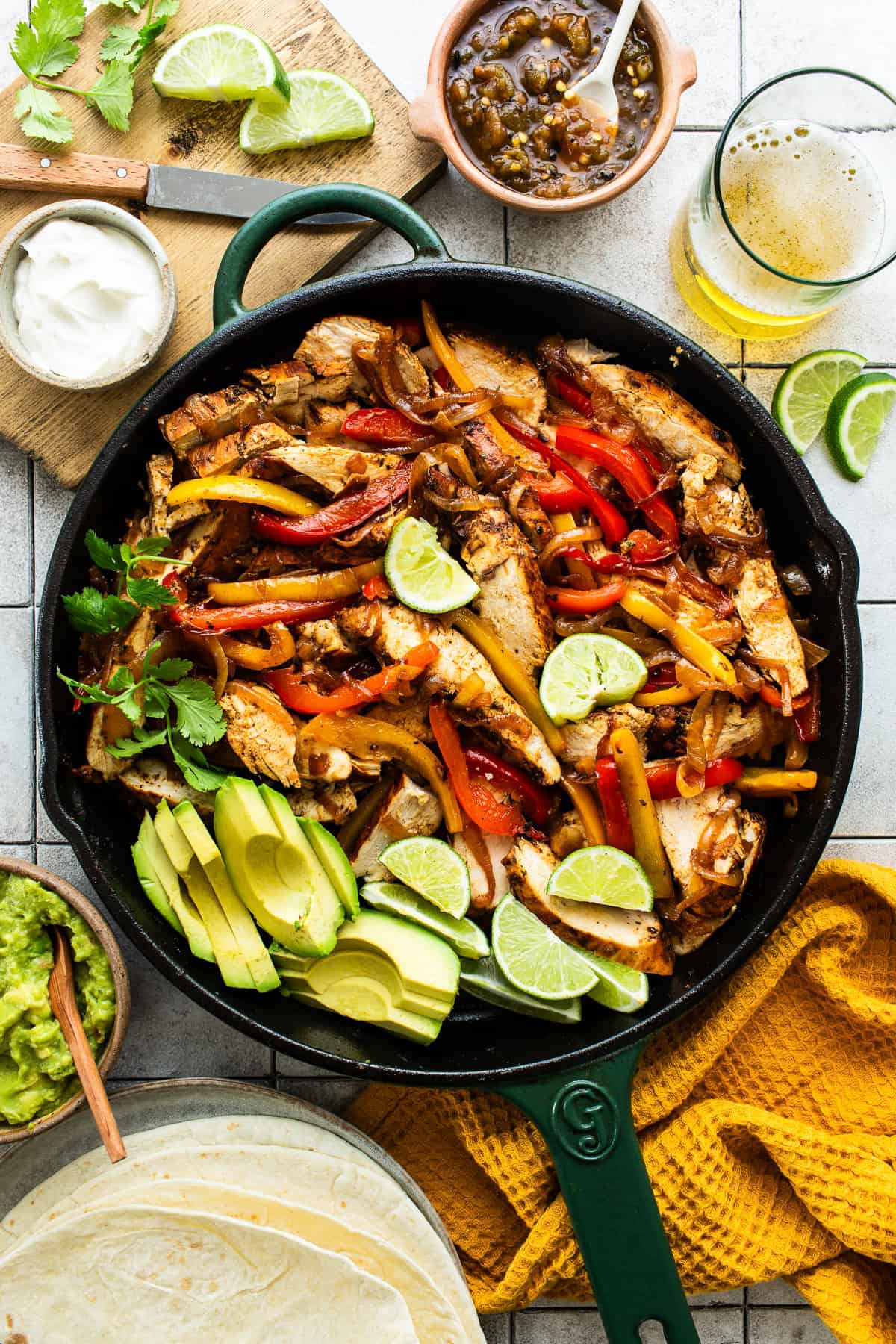
  • Fajitas — sliced meat or vegetables with peppers and onions, usually served with tortillas.
  • Tex-Mex classics — chile con carne, refried beans, rice, and salsas or dips.

The site suits home cooks who want approachable instructions rather than restaurant-style technique. Recipes are typically written for everyday equipment and pantry ingredients, which makes them useful for beginners or anyone cooking for a family.

A trade-off is that Tex-Mex and authentic Mexican dishes sit side by side, so readers looking strictly for traditional regional cooking may need to check labels and descriptions. Conversely, those seeking familiar, mildly spiced comfort food will usually find faster matches. Many recipes also include notes on substitutions and serving suggestions, which helps when adapting a dish to what is already in the kitchen.

Related questions

More questions →
How to Pick a BuzzFeed Recipe You Can Actually Cook Tonight

The fastest way to choose a BuzzFeed recipe is to filter it against three real constraints before you get attached to it: the time you actually have, the equipment already in your kitchen, and the ingredients you can get without a special trip. BuzzFeed's recipe output is huge and video-first, which makes almost everything look easy and fast. Your job is to separate the recipe that looks good from the one that fits your Tuesday night.

Here's a practical way to do that, step by step.

Start With Your Real Constraints, Not the Video

Before browsing, write down three numbers and one list:

  • Minutes of hands-on time you're willing to spend (not total time — hands-on is what actually tires you out).
  • Total time until you want to eat.
  • How many people you're feeding.
  • Equipment you have — oven, stovetop burners free, one pot or several, sheet pan, blender, air fryer, slow cooker.

Then judge each recipe against that list. A 20-minute video often hides 10 minutes of chopping and a 15-minute simmer. If the recipe says "simmer until thickened" without a time, assume 10–20 minutes and decide whether that fits.

Quick filter questions

Ask these before you commit:

  1. Does it need an appliance I don't have or don't want to clean?
  2. Does it use more than one pot or pan? (Fine on a weekend, painful on a weeknight.)
  3. Is there a long passive step — marinating, chilling, proofing, roasting — that pushes dinner past when I want to eat?
  4. Can I do the chopping while something else cooks, or is it all front-loaded?

Read the Ingredient List for Hidden Work

BuzzFeed recipes often lean on a few convenience items. That's not a flaw, but you need to spot them before you start.

Watch for:

  • Specialty sauces or pastes (chili crisp, gochujang, tahini, fish sauce) — great if you own them, a detour if you don't.
  • Fresh herbs sold in bunches bigger than the recipe needs.
  • "Optional" garnishes that the video treats as mandatory for the look.
  • Vague quantities like "a handful" or "to taste" — fine for a confident cook, harder if you're following closely.

Realistic substitutions to keep in your back pocket

Recipe calls for Everyday swap Note
Heavy cream Whole milk + a little butter Thinner sauce; reduce a bit longer
Fresh herbs Dried herbs Use about a third as much
Shallot Yellow onion, finely diced Milder onion flavor
White wine Broth + splash of vinegar Less complex, still works
Buttermilk Milk + lemon juice, rested 5 min Closest texture match

If a swap changes the chemistry — baking, custards, breads — don't improvise. Pick a different recipe instead.

Use the Format to Gauge How Much Guidance You'll Get

BuzzFeed publishes recipes in a few shapes, and each tells you something about how much hand-holding you'll get.

  • Short video (Tasty-style): Fast and visual, but often skips temperatures, times, and doneness cues. Best when you already know the technique.
  • List-style post ("17 Dinners You Can Make in 30 Minutes"): Good for browsing and inspiration. The actual instructions may be thin or link out.
  • Step-by-step article: Usually the most reliable for a first attempt — more text, more detail, fewer surprises.

Rule of thumb: if you've never made the dish before, favor the step-by-step version. If you've made it many times, the short video is enough.

Check Serving Size and Scaling Before You Shop

Serving size is where a lot of weeknight cooking goes wrong.

  • If the recipe serves 4 and you're cooking for 2, halving works for most stovetop dishes but not always for baking, sauces, or anything cooked in a fixed-size pan.
  • If you're scaling up, remember that browning and reducing take longer in a bigger batch. Crowding a pan steams food instead of searing it.
  • Seasonings, salt, and spicy elements rarely scale linearly. Start with less, taste, adjust.

Write down the scaled amounts before you cook so you're not doing math with hot oil in front of you.

Skim Comments and Creator Notes for Failure Points

This is the highest-value two minutes you'll spend. Look for repeated themes:

  • "Needed way more time than stated."
  • "Too salty / too sweet as written."
  • "The sauce broke."
  • "I added X and it was better."

When several people mention the same fix, treat it as the real recipe. Creator notes at the top of a post often carry the same information — read them before the steps, not after.

Save Two Backups So One Missing Item Doesn't Sink Dinner

Pick your main recipe, then line up two alternates that share most of the same ingredients. That way, if the store is out of one thing or you're missing an item at home, you pivot instead of ordering out.

A simple planning template:

Tonight's main: _______________
Hands-on time: ___ min | Total: ___ min | Serves: ___
Equipment needed: _______________
Missing ingredients: _______________
Substitutions planned: _______________
Backup 1: _______________
Backup 2: _______________

A Worked Example (Hypothetical)

Say you have 30 minutes, one skillet, and a pound of ground meat. You see a video for a creamy pasta that looks great — but it needs a blender, two pots, and 45 minutes of simmering. It fails your filter. You scroll to a one-pan skillet dish with pantry spices and a 20-minute cook time. That one passes. Your backups are a stir-fry and a sheet-pan dinner, both using the same protein and whatever vegetables you have.

That's the whole method: match time, equipment, and ingredients first; use format and comments to judge reliability; keep backups ready.

The Short Version

  • Filter by hands-on time, equipment, and servings before you fall for the video.
  • Scan ingredients for specialty items and decide on swaps in advance.
  • Prefer step-by-step posts for first attempts, short videos for familiar dishes.
  • Scale carefully, especially for baking and sauces.
  • Read comments and creator notes for the real cook times and fixes.
  • Always have two backup recipes that share ingredients.

Do this once or twice and it becomes automatic — you'll stop starting recipes you can't finish and start cooking the ones that actually fit your night.

What Kinds of Mexican Recipes and Diets Does Isabel Eats Cover?

Isabel Eats covers three overlapping styles of cooking — authentic Mexican, Mexican-inspired, and Tex-Mex — and organizes them across dinner, sides, appetizers, desserts, basics, soups and stews, 30-minute meals, and vegetarian categories. If you cook Mexican or Tex-Mex food at home and want either traditional family recipes or quick weeknight options, the site is built for that. It is not a specialty site for a single diet: vegetarian dishes exist as a category, but the collection is not exclusively or primarily vegetarian, vegan, or gluten-free.

Cuisine styles covered

The site describes its range in three layers, which matters when you are deciding whether a recipe will match what you expect:

  • Authentic and traditional Mexican — the core of the site, framed as recipes the founder grew up eating as a first-generation Mexican American.
  • Mexican-inspired — dishes that borrow Mexican flavors without claiming to be traditional.
  • Tex-Mex — the border-style cooking familiar in the United States.

Because all three live on the same site, a recipe title alone will not always tell you which tradition it belongs to. If authenticity matters to you for a specific dish, read the recipe intro rather than assuming from the name.

Recipe categories and meal occasions

The homepage navigation and featured sections show how the collection is sliced:

Category Examples shown on the site
Dinner Arroz con Pollo, Carne con Papas, Birria Tacos, Pambazos, Chile Colorado, Pork Chile Verde
Soups and stews Pozole Rojo, Pozole Verde, Mexican Vegetable Soup, Lentejas, Black Bean Soup
30-minute meals Chicken Enchilada Skillet, Creamy Chipotle Chicken Pasta, Bean and Cheese Taquitos
Appetizers Boozy Grapes (Tequila Grapes with Chamoy)
Sides Cemita Buns, Telera Bread
Basics Homemade Corn Tortillas, Blue Corn Tortillas
Desserts Pumpkin Tres Leches Cake, Pumpkin Tamales, Pumpkin Conchas, Pumpkin Arroz con Leche
Salads Mexican Tuna Salad (Ensalada de Atún)
Sauces and condiments Mole Sauce (Mole Poblano)

Two things stand out from this list. First, the "basics" category is genuinely foundational — tortillas and breads — which is useful if you want to build dishes from scratch rather than assemble them from store-bought components. Second, the 30-minute category is a real time-based filter, not just a label, so it is the fastest way to find something for a weeknight.

Vegetarian coverage

There is a dedicated vegetarian section with these recipes:

  • Black Bean Tostadas
  • Mexican Vegetable Soup
  • Lentejas (Mexican Lentil Soup)
  • Sofritas
  • Black Bean Soup
  • Spinach Enchiladas

This is a meaningful but bounded set. The site does not present itself as vegetarian-first, and the vegetarian recipes sit alongside meat-heavy categories like birria tacos and pork chile verde. If you are cooking vegetarian every night, treat this as one section to browse rather than the whole catalog. If you are cooking for a mixed table, it gives you a handful of mains that can stand alone.

Seasonal and themed collections

The site runs themed groupings, most visibly Hispanic Heritage Month, which collects recipes such as Mole Sauce, Chiles en Nogada, Morisqueta, and Telera Bread. There is also a Fall Favorites set built around pumpkin — Pumpkin Tres Leches Cake, Pumpkin Tamales, Pumpkin Conchas, and Pumpkin Arroz con Leche.

These themes are useful if you are cooking for an occasion or a specific month, but they rotate. A recipe that appears in a seasonal collection is still a normal recipe page; the theme is a browsing aid, not a separate content type.

Beyond recipes

Two other content types appear on the site and are worth knowing about before you start browsing:

  • Ingredient guides — Mexican Oregano, Epazote, Cotija Cheese (including substitutes), and Oaxaca Cheese. These are reference pages, useful when a recipe calls for something you cannot find or want to understand.
  • Ebooks — a three-book collection (Essentials, Main Dishes, Drinks & Desserts) with 120 recipes. This is a separate product from the free website content; the site does not state a price in the material available here, so check the ebook page directly if cost matters to you.

There is also a free email series, "5 Secrets to Mexican Cooking," which requires a name and email signup.

How to decide if it fits your needs

  • You want traditional Mexican home cooking with some Tex-Mex mixed in — yes, this is the site's stated purpose.
  • You want quick weeknight dinners — start with the 30-minute meals category.
  • You eat vegetarian — browse the vegetarian section first; expect a limited but solid set of mains and soups.
  • You need gluten-free, dairy-free, or other allergen-specific filtering — the site does not present itself as offering that, so you would need to evaluate recipes individually.
  • You want to learn ingredients, not just recipes — the kitchen tips and ingredient guides cover oregano, epazote, cotija, and Oaxaca cheese.

The practical move is to pick your constraint first — time, diet, or occasion — and enter through the matching category rather than scrolling the full feed.

Does Isabel Eats Offer Mexican Ingredient Guides and Cooking Tips?

Yes. Isabel Eats publishes a "Kitchen Tips" section of ingredient guides alongside its recipes, and it also offers a free email series called "5 Secrets to Mexican Cooking." The site is built around traditional Mexican, Mexican-inspired, and Tex-Mex cooking, so the guides are written to support the recipes rather than stand alone as reference material.

What the ingredient guides cover

The Kitchen Tips articles shown on the site include:

  • Mexican Oregano — a guide to the herb itself
  • Epazote – All About The Mexican Herb — an introduction to a less familiar Mexican herb
  • What Is Cotija Cheese? Ingredients, Substitutes, and Recipes — a guide that goes beyond description into substitution and use
  • Oaxaca Cheese — a guide to another Mexican cheese

The Cotija entry is a useful signal for what to expect from the format: an explanation of what the ingredient is, what you can use instead if you can't find it, and recipes that call for it. That structure is more practical than a plain definition, because it answers the question a cook usually has — "I can't get this, now what?"

Cooking tips beyond individual ingredients

The site also carries a broader Kitchen Tips category, and the homepage promotes a free email series, 5 Secrets to Mexican Cooking, described as tips to help you "master Mexican meals at home in no time." Signing up requires a name and email address.

If you want a larger, structured collection, the site offers a set of three ebooks — Essentials, Main Dishes, and Drinks & Desserts — described as 120 selected classic and popular Mexican recipes. The homepage links to a page for purchasing copies; pricing is not stated in the material available here, so check that page directly before deciding.

How to use the guides alongside the recipes

The most efficient approach is to treat the Kitchen Tips articles as companions to specific dishes rather than as a course:

  1. Pick a recipe you want to make — for example, something calling for Cotija or Oaxaca cheese.
  2. Read the matching ingredient guide to learn what the ingredient is and what substitutes work.
  3. Check the guide's linked recipes if you want more ways to use what you bought.

This matters most for ingredients that are hard to source or easy to confuse. Epazote and Mexican oregano, for instance, are both herbs with distinct flavors that don't map cleanly onto their more common counterparts, so reading the guide before shopping avoids a wasted trip.

What this means for you

If your goal is to understand Mexican ingredients before cooking with them, the Kitchen Tips section plus the email series covers that ground at no stated cost for the email signup. If you want a self-contained reference you can cook from repeatedly, the ebook collection is the more structured option — but confirm the current price and contents on the purchase page, since that information isn't included in what's shown here.

Are Isabel Eats Recipes Suitable for Home Cooking?

Yes. Isabel Eats is built specifically for home cooks: the site describes recipes "you can make in the comfort of your own home," and its founder, Isabel, started it in 2015 to document her family's recipes. The catalog mixes traditional Mexican, Mexican-inspired, and Tex-Mex dishes, and it includes both from-scratch basics (like homemade corn tortillas) and 30-minute meals, so it works whether you want a project or a quick dinner.

What tells you it's home-kitchen oriented

  • Stated purpose. The site's own description is about making Mexican, Mexican-inspired, and Tex-Mex recipes at home, not restaurant or professional technique.
  • Founder context. Isabel describes herself as a first-generation Mexican American who began the site to record her family's recipes and stay connected to her roots — the recipes are framed as home food, not chef training.
  • Basics included. There are foundational recipes such as Homemade Corn Tortillas and Blue Corn Tortillas, which are the kind of building blocks a home cook needs before tackling larger dishes.
  • Speed options. A "30 Minute Meals" section (for example, Chicken Enchilada Skillet and Creamy Chipotle Chicken Pasta) exists for nights when you don't want a long cook.

Recipe range you can expect

Category Examples from the site
Basics Homemade Corn Tortillas, Blue Corn Tortillas
Dinner Arroz con Pollo, Carne con Papas, Birria Tacos, Pambazos
Soups and stews Pozole Rojo, Pozole Verde, Chile Colorado, Mexican Vegetable Soup, Lentejas
Vegetarian Black Bean Tostadas, Sofritas, Spinach Enchiladas, Black Bean Soup
Sides and breads Cemita Buns, Telera Bread, Morisqueta
Desserts Pumpkin Tres Leches Cake, Pumpkin Conchas, Pumpkin Tamales
Sauces and condiments Mole Sauce (Mole Poblano)
30-minute meals Chicken Enchilada Skillet, Bean and Cheese Taquitos

This spread matters for suitability: you can cook a weeknight meal, a vegetarian dinner, or a weekend project from the same site.

Where to start depending on your situation

  • New to Mexican cooking: start with the Basics category (tortillas) and the 30 Minute Meals section, then move to soups and stews.
  • Cooking for a household with vegetarians: the vegetarian section (tostadas, sofritas, enchiladas, lentil soup) gives full meals rather than side dishes.
  • Wanting a specific regional dish: look at the dinner and soups listings — pozole, birria tacos, chiles en nogada, and mole appear as named recipes.
  • Unsure about an ingredient: the site also publishes ingredient guides and kitchen tips (for example, Mexican Oregano, Epazote, Cotija Cheese, Oaxaca Cheese), which help when a recipe calls for something unfamiliar.

Practical notes before you commit

  • Recipes are written in English (en-US), so ingredient names may appear in English with the Mexican term alongside.
  • The site offers a free email series, "5 Secrets to Mexican Cooking," and sells a three-ebook collection (Essentials, Main Dishes, and Drinks & Desserts) with 120 recipes. Pricing and any login requirements for those are not stated here, so check the site directly if you want them.
  • Suitability ultimately depends on your pantry and equipment; the ingredient guides exist precisely because some items (epazote, cotija, Oaxaca cheese) may not be in a standard grocery run.

If your goal is reproducible home cooking rather than restaurant replication, the site's structure — basics, quick meals, full dinners, and ingredient explainers — is designed for exactly that.

How to Browse Recipes on Isabel Eats

Isabel Eats organizes its recipes by meal type, main ingredient, dish style, and seasonal collections, so you can start from whatever you already know—whether that's "I want chicken" or "I need something in 30 minutes." The site's navigation categories include Dinner, Chicken, Healthy, Basics, Desserts, Beef, Sides, Appetizers, and Tacos, plus curated entry points like Latest Recipes, Fall Favorites, 30 Minute Meals, Soups and Stews, and Vegetarian Meals. If you're not sure what to cook, the fastest route is usually a themed collection rather than a single ingredient category.

Start With the Main Navigation Categories

The primary categories cover the most common ways people decide what to eat:

Category Best for
Dinner Main meals across proteins and styles
Chicken Chicken-specific dishes
Beef Beef-based recipes
Healthy Lighter or vegetable-forward options
Basics Foundational components like tortillas
Sides Accompaniments
Appetizers Starters and snacks
Desserts Sweets
Tacos Taco variations

If you already know your protein or course, go straight to that category. If you only know how much time you have, skip these and use the themed collections instead.

Use Themed Collections When You Have a Constraint

The site surfaces several curated entry points that solve a specific problem rather than a single ingredient:

  • Latest Recipes — newest additions, useful if you've already cooked through the classics.
  • 30 Minute Meals — recipes built around a short time budget.
  • Soups and Stews — brothy and simmered dishes like Pozole Rojo, Pozole Verde, Chile Colorado, and Mexican Vegetable Soup.
  • Vegetarian Meals — meat-free dinners such as Black Bean Tostadas, Sofritas, Spinach Enchiladas, and Lentejas.
  • Fall Favorites — seasonal recipes including Pumpkin Tres Leches Cake, Pumpkin Tamales, and Pumpkin Conchas.
  • Celebrate Hispanic Heritage Month! — a rotating collection featuring dishes like Mole Sauce (Mole Poblano), Chiles en Nogada, Morisqueta, and Telera Bread.

Pick the collection that matches your constraint first, then narrow by ingredient inside it.

Browse by Dish Type or Occasion

Some dishes have their own identity on the site and are worth browsing directly:

  • Tacos — including Birria Tacos.
  • Sauces and Condiments — Mole Sauce, and similar building blocks.
  • Basics — Homemade Corn Tortillas and Blue Corn Tortillas, plus breads like Cemita Buns and Telera Bread.
  • Appetizers — including Boozy Grapes (Tequila Grapes with Chamoy).

This is the right entry point when you're cooking a specific format rather than a specific protein.

Learn Ingredients and Techniques Separately

Beyond recipes, the site has a Mexican Ingredients, Guides & More section under Kitchen Tips. It covers individual ingredients and their substitutes, for example:

  • Mexican Oregano
  • Epazote – All About The Mexican Herb
  • What Is Cotija Cheese? Ingredients, Substitutes, and Recipes
  • Oaxaca Cheese

Use this section when a recipe calls for something unfamiliar, or when you want to understand a substitution before committing to a dish.

Get Cooking Tips by Email

Isabel Eats offers a free email series called 5 Secrets to Mexican Cooking, described as top tips for mastering Mexican meals at home. Signing up requires entering a name and email in the form on the site. This is a supplement to browsing, not a replacement for it—useful if you want technique guidance delivered rather than searched.

A Practical Browsing Order

  1. If you have a time limit, open 30 Minute Meals.
  2. If you're cooking for a specific diet, open Vegetarian Meals.
  3. If you know your protein, use Chicken or Beef.
  4. If you know the format, use Tacos, Soups and Stews, or Appetizers.
  5. If you're stuck on an ingredient, check Mexican Ingredients, Guides & More.
  6. If you want something new, scan Latest Recipes.

The site also sells a collection of three ebooks—Essentials, Main Dishes, and Drinks & Desserts—containing 120 recipes, available through the "Get The Mexican Kitchen Ebooks!" section if you prefer a structured set over browsing.

Website Overview

Identifiable technologies and additional version or configuration signals make the service easier to fingerprint, which may help targeted scanners narrow their checks. An established domain and managed infrastructure suggest continuity of operations and may support dependable delivery, although neither guarantees service quality.

Domain and Registration

Registered in 2016, this domain has about 10 years of history. That suggests continuity, although ownership and purpose may have changed. The registrar is Tucows Domains Inc., a widely used domain service provider. The domain uses the common .com extension, which is not an independent safety signal.

DNS and Email

Nameservers are provided by Cloudflare, indicating managed DNS hosting. MX records point to the Google Workspace email service. SPF and DMARC are configured. DKIM status is unknown. TXT records include verification markers for Google. Such markers may also remain after a service stops being used. DNSSEC signatures were not detected, so this additional DNS authenticity protection is not confirmed.

TLS and Certificates

The public key uses EC with 256 bits. The server supplied a complete certificate chain. No organization name is present in the certificate; the available fields are consistent with domain validation. The certificate was issued within the Google Trust Services cloud or CDN ecosystem. The certificate's total validity is about 90 days, consistent with a short renewal cycle.

HTTP and Browser Security

The response lacks these common security headers: Referrer-Policy. No X-Powered-By header was found, reducing one common source of backend fingerprinting information. The cf-ray response header indicates a CDN or caching proxy in the delivery path. No obvious internal addresses or debug information were found in the headers. The Server header identifies cloudflare without an exact version.

Technology Stack Analysis

The public page identifies Site Kit by Google 1.187.0, WordPress, jQuery, Cloudflare, with exact versions exposed for 1 technologies. These details can narrow vulnerability checks, although exposure alone is not a vulnerability.

Search and Social Sharing

The Generator tag identifies Site Kit by Google 1.187.0, making the publishing system easier to fingerprint. Twitter Card metadata is configured. JSON-LD includes Organization data, helping describe the organization as an entity. The title has 49 characters, within a common display range. A meta description is present, with 130 characters.

Hosting and Email

DNSCloudflare
HostingCloudflare
EmailGoogle Workspace
Approximate IP geolocation (inferred; a CDN or proxy may differ from the origin server) United States flagUnited States Inferred 2606:4700::6812:41d

Registration details

RDAP / WHOIS

RegistrarTucows Domains Inc.
Registered2016-09-19
Expires2027-09-19
Domain statusactive
Nameserversmitch.ns.cloudflare.com、nina.ns.cloudflare.com
DNSSECunsigned

DNS records

DNS

TypeNameValueTTLPriority
Aisabeleats.dns1.nerdpress.net104.18.4.29300—
Aisabeleats.dns1.nerdpress.net104.18.5.29300—
AAAAisabeleats.dns1.nerdpress.net2606:4700::6812:41d300—
AAAAisabeleats.dns1.nerdpress.net2606:4700::6812:51d300—
MXisabeleats.comaspmx.l.google.com36001
MXisabeleats.comalt1.aspmx.l.google.com36005
MXisabeleats.comalt2.aspmx.l.google.com36005
MXisabeleats.comalt3.aspmx.l.google.com360010
MXisabeleats.comalt4.aspmx.l.google.com360010
NSisabeleats.commitch.ns.cloudflare.com86400—
NSisabeleats.comnina.ns.cloudflare.com86400—
TXTisabeleats.comb6ktopuak05vgf835a0ndnr5th300—
TXTisabeleats.combrevo-code:22b36d8a78b0cb3c4363016c00699484300—
TXTisabeleats.comgoogle-site-verification=Rz6ZHyCXZtmpdxqy3w0HH_welJgt_agXqXzk4ITYM-4300—
TXTisabeleats.comgoogle-site-verification=nOv5jDE_qQTN2jBtwBJbVc7RWabujIxm7m2-OVBvGvc300—
TXTisabeleats.comv=spf1 a mx include:spf.securedserverspace.net include:_spf.google.com ~all300—
CNAMEwww.isabeleats.comisabeleats.dns1.nerdpress.net300—
DMARC_dmarc.isabeleats.comv=DMARC1; p=none;300—
DMARC_dmarc.isabeleats.comv=DMARC1; p=none; rua=mailto:[email protected]300—

TLS and certificates

TLS / SSL

AssessmentNormal configuration
Supported protocolsTLSv1.2、TLSv1.3
Negotiated protocolTLSv1.3
Certificate subjectwww.isabeleats.com
IssuerGoogle Trust Services
Valid until2026-12-16T19:01 · Remaining when checked: 85 days
Verification detailsCertificate trust: Passed · Hostname match: Passed

HTTP response headers

HTTP

HeaderValue
content-typetext/html; charset=UTF-8
servercloudflare
strict-transport-securitymax-age=31536000
content-security-policyupgrade-insecure-requests
x-frame-optionsSAMEORIGIN
x-content-type-optionsnosniff
permissions-policyprivate-state-token-redemption=(self "https://www.google.com" "https://www.gstatic.com" "https://recaptcha.net" "https://challenges.cloudflare.com" "https://hcaptcha.com"), private-state-token-issuance=(self "https://www.google.com" "https://www.gstatic.com" "https://recaptcha.net" "https://challenges.cloudflare.com" "https://hcaptcha.com")

Identified technologies

Site Kit by Google 1.187.0WordPressjQueryCloudflare

Pages, Search and Sharing

Meta descriptionBrowse authentic and traditional Mexican, Mexican-inspired, and Tex-Mex recipes that you can make in the comfort of your own home.
Canonical URLhttps://www.isabeleats.com/
LanguageEnglish (default)
Twitter Cardsummary_large_image
All bots 1 allowed · 1 disallowed
  • Allow/wp-admin/admin-ajax.php
  • Disallow/wp-admin/

Recent Updates

  • Screenshots
  • Website images
  • Screenshots
  • Website Technologies
  • Pages and Search Information

User reviews (0)

  • No reviews yet.