
 简体中文
 English
Website review
This review may include AI-generated content and is not individually verified. Domain, certificate and other facts come from the observed data on this page.
What is JC Dye known for?
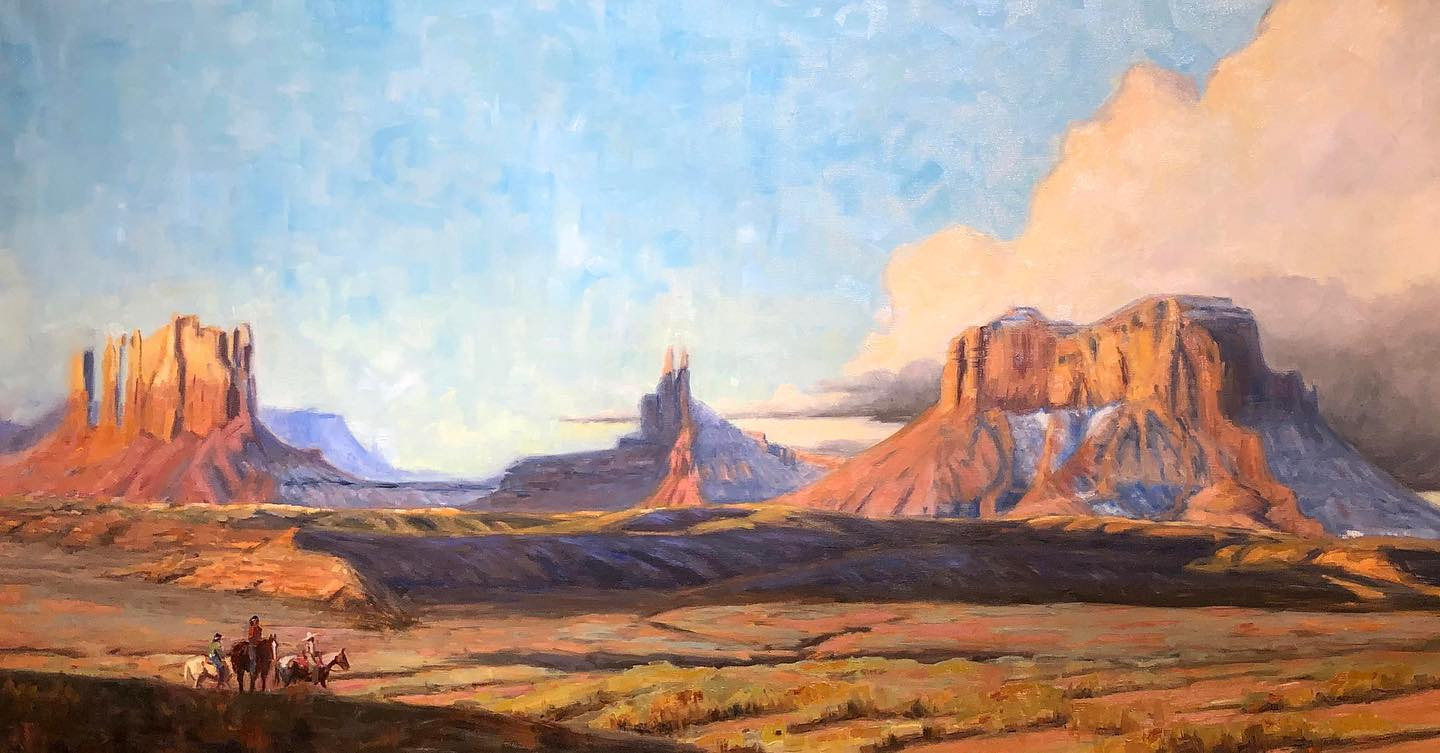
JC Dye is known for Western art rooted in firsthand experience: bronze sculptures and oil paintings of cowboys, wildlife, equine subjects and Western landscapes. The site presents him as a working cowboy of 40 years whose art draws on life as a cowboy, rancher and outdoorsman, and describes the work as “real to life.” It also lists commissions and prints alongside original paintings and sculptures, so his reputation spans both collectible original work and more accessible reproductions.
For a concrete use, imagine furnishing a rustic but polished living room or ranch home: an oil painting or bronze could serve as a focal piece, while a print offers a lower-commitment way to match the same Western theme. The main trade-off is between originals and commissions, which offer uniqueness and direct involvement with the artist, and prints, which are easier to place across multiple rooms but lack that one-of-a-kind quality.
A useful next step is to decide which category fits your purpose—original painting, bronze, commission or print—then browse the corresponding section of JC Dye before inquiring about availability.
What types of artwork does JC Dye sell, and how do I choose between bronze sculptures, oil paintings, and prints?
JC Dye offers four main categories, according to the site: bronze sculptures, original oil paintings, commissioned work, and prints. The subjects are drawn from Western life—cowboys, wildlife, equine pieces, landscapes, and human-interest scenes—and the artist describes the work as shaped by 40 years as a working cowboy, rancher, and outdoorsman, with the line "I sculpt what I have lived."
Choosing between the formats
| Format | What it is on the site | Best for | Trade-off |
|---|---|---|---|
| Bronze sculptures | Three-dimensional work, including monuments | A focal point in a room, entryway, or outdoor setting; buyers who want presence and weight | Typically the most involved purchase; needs space and, for outdoor placement, care |
| Oil paintings | Original canvases, e.g. Early Morning Crossing (30x40) and bear-country scenes | Collectors who want a one-of-a-kind piece and the texture of original paint | One of a kind, so selection depends on what is currently available |
| Commissions | Made-to-order work; the site notes openings for commissioned work via the email list | A specific subject, size, or memory you want captured | Requires a conversation about scope and timing before anything is made |
| Prints | Reproductions of existing images | Gifts, first purchases, or filling several walls on a budget | No original surface or uniqueness; an affordable way to live with the imagery first |
A practical way to decide
Start with the room and the purpose. A large living room or entry with a clear sightline suits a bronze; a quieter wall where you'll stand close suits an oil, where brushwork rewards proximity. If you have a particular horse, ranch, or landscape in mind, ask about a commission rather than hunting for a near-match. If you're new to the artist, buy a print first to confirm the style fits your space, then move up.
The site's "rustic yet refined" framing is a useful filter: the work leans toward Western and rural interiors but is presented as suitable for polished rooms too.
Next step
Join the email list on JC Dye to hear about available artwork, shows, and commission openings, then use the contact page to ask about dimensions, availability, and commission lead time for the specific piece you're considering.
Can I commission a custom piece from JC Dye, and how does the commission process work?
Yes. JC Dye's site lists commissions alongside bronze sculptures, oil paintings and prints, and invites collectors to join the email list to hear about "openings for commissioned work." That wording suggests commission availability is scheduled rather than always open, so the practical first step is to contact the artist through the site's contact page and describe your idea.
What to prepare for an inquiry
- Subject and setting: a cowboy or ranch scene, wildlife, horses, or a Western landscape, since these are the themes the site says his work draws from.
- Format: whether you are thinking of a bronze sculpture or an oil painting. These are different processes with different timelines and budgets, so saying which you want early avoids wasted back-and-forth.
- Size and placement: where the piece will live (a mantel, entryway, ranch office, outdoor monument) and roughly how large it should be.
- Reference material: photographs, brands, a specific horse or landscape, and any family or ranch history you want reflected.
- Timing: any date you are working toward, such as an anniversary, dedication or show.
How the process typically unfolds
The site does not publish a step-by-step commission procedure, so treat the following as general practice for commissioning Western art rather than a description of this artist's confirmed terms. Expect a conversation about concept and references, a sketch or maquette stage for sculpture (a small model approved before the full-size work begins), a deposit to reserve studio time, progress updates, and final approval before delivery or installation. Ask specifically about deposit amounts, revision limits, cancellation terms, shipping or crating, and who handles installation for a large bronze.
A realistic scenario
A ranch family wants a bronze of a grandfather's working horse for a new barn entry. They gather old photos showing the horse's build and brand, note the doorway height so the piece suits the space, and ask about a maquette before committing. That sequence—references, scale, approval stage—is what keeps a commission from drifting.
For a sense of the style and subject range before you write, browse the available artwork on JC Dye and then use the contact page to ask directly about current commission openings and lead times.
How do I buy an original painting or sculpture from JC Dye's available collection?
Start with the "Available Artwork" collection on JC Dye, which the site organizes into bronze sculptures, oil paintings, commissions and prints. For an original painting or sculpture, browse the available collection first; for a specific subject, size or setting, use the commission route rather than hoping a finished piece matches. Prints are the lower-commitment option when you want the imagery without an original.
A practical path:
- Browse available originals under the collection; note whether the piece is a bronze or an oil painting, since display, shipping and care differ.
- Ask about a commission if nothing available fits. The site lists commissions and an email signup that announces openings for commissioned work, so joining the list is a sensible way to hear when the artist accepts new projects.
- Contact JC directly through the site's contact page to confirm availability, dimensions, delivery and payment details before committing.
For a reader furnishing a rustic but refined room, an original bronze or oil painting is a focal-point purchase; a print suits a secondary wall or a tighter budget. Decide by whether you want a one-of-a-kind piece tied to the artist's cowboy and wildlife subjects, or simply the look.
What makes JC Dye's work different from other Western artists, given his background as a working cowboy?
JC Dye's distinguishing claim is direct experience: the site describes 40 years as a working cowboy and frames his bronze sculptures and oil paintings as "real to life" work drawn from that life — "I sculpt what I have lived. What I know best." The subjects listed are cowboys, human interest, wildlife, equine pieces, landscapes and monuments, so the difference is less about subject matter than about the specificity of detail a working rancher and outdoorsman would notice and render.
What that means in practice
- For collectors of Western art: his background is the main buying argument, but it's an argument about authenticity of observation, not a style label. Look at how tack, horse anatomy and rider posture are handled — that's where lived knowledge shows up most clearly.
- For a rustic yet refined interior: the site positions the work for exactly that setting, with bronzes, oils, commissions and prints as the entry points. A print is the low-commitment way to test whether the subject matter suits a room; a commission is the route if you want a specific scene or animal.
- For anyone weighing him against better-known Western artists: the trade-off is scale and market history versus immediacy. A cowboy-turned-sculptor's work tends to read as documentary and personal rather than monumental or mythic.
A practical next step is to browse the collection with one question in mind: does the work show things only an insider would know, or does it repeat familiar Western imagery? Comparing a few pieces side by side answers that faster than any biography.
For broader context on the tradition he works within, the C.M. Russell Museum in Great Falls is the institution the site credits with sparking his interest as a child, and Autry Museum of the American West covers Western art and history more widely.
How can I stay informed about new artwork, upcoming shows, and commission openings from JC Dye?
Join JC Dye's email list from the website; it is set up specifically to announce available artwork, current shows, and openings for commissioned work. Sign up with the email form in the "Become an Insider" section of JC Dye.
For a collector deciding whether to subscribe, the list is most useful if you want early notice before pieces are sold or before commission slots fill. If you mainly want casual browsing, the site's Available Artwork and collection pages are enough.
A practical next step: subscribe, then save the site's Available Artwork section as a bookmark so you can compare new announcements against what is currently listed.
 Fastly
 Google Workspace

User reviews (0)