
 简体中文
简体中文 English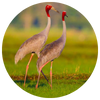
Website review
This review may include AI-generated content and is not individually verified. Domain, certificate and other facts come from the observed data on this page.
What is Birding In India used for?
Birding In India, operated by Junglelore as part of Asian Adventures India, is a specialist travel service for birdwatching and bird photography trips across the Indian subcontinent. Its main purpose is to organise guided birding tours that combine expert local knowledge with the logistics of travel: transport, accommodation and access to reserves and sanctuaries.
Typical uses include:
- Guided birding tours for visitors who want to see regional and endemic species without planning routes themselves.
- Bird photography trips, where timing, hides and site knowledge matter as much as species lists.
- Wildlife and nature tours that extend beyond birds to broader Indian wildlife.
- Sanctuary visits, such as the well-known Bharatpur bird sanctuary, and multi-region itineraries covering different habitats.
The audience is mainly international and domestic birders, photographers and small groups who value in-house guides, vehicles and lodges rather than assembling a trip from separate suppliers. The trade-off is that a packaged, guided approach usually costs more and follows a fixed itinerary, while offering reliability, local expertise and time saved. Independent travellers may prefer to arrange their own logistics; those with limited time or specific target species are better suited to an organised operator. Pricing is not stated here, so enquiries are typically needed for quotes.
What bird species can I see on birdwatching tours in India?
India spans Himalayan forests, deserts, wetlands, coasts and tropical rainforests, so a birdwatching tour can target very different species depending on region and season. Junglelore describes itself as part of Asian Adventures India, with in-house guides, vehicles and lodges, which may suit travellers who prefer one operator handling logistics across several states.
Typical highlights by habitat
- Wetlands and plains: painted storks, sarus cranes, spoonbills, kingfishers and migratory ducks; Bharatpur is a classic stop.
- Himalayan foothills and mountains: monals, tragopans, horned pheasants, laughingthrushes and mixed winter flocks.
- Northeast India: hornbills, wren-babblers, fulvettas and other rainforest specialities.
- Western Ghats and central India: Malabar trogons, frogmouths, endemic bulbuls and, on some routes, forest raptors.
- Arid northwest: bustards, sandgrouse, larks and desert wheatears.
Trade-offs
A single short trip usually covers one region well; a longer "all India" itinerary adds internal flights and travel days but yields a much larger list. Endemics and rare species often need site-specific permits, early starts and local knowledge, so guided tours can be more productive than independent travel. Photography-focused departures typically allow more time at each stakeout, while general tours cover more ground. Ask any operator which species are realistic for your dates, since monsoon, winter and summer produce different birds.
Which destinations in India are best for bird photography?
India spans Himalayan forests, desert scrub, wetlands and tropical rainforests, so bird photography potential varies greatly by region. The operator behind Junglelore runs birding and photography-focused tours across the country with in-house guides, vehicles and lodges, which can simplify logistics in remote areas.
Regions often favoured by photographers
- Rajasthan (Bharatpur and desert sites): wetland birds at close range in winter, plus dry-country species; good for beginners wanting reliable, well-lit subjects.
- Himalayan foothills and northeast India: pheasants, laughingthrushes and mixed flocks; demanding terrain and low light, better suited to fit, patient photographers.
- Western Ghats and southern hills: endemic species and forest birds; shy subjects and dense cover mean long lenses and hides help.
- Central Indian forests and grasslands: raptors, bustards and open-country birds; heat haze and distance are common trade-offs.
Practical considerations
Photography tours typically prioritise early mornings, hides and slow-paced sessions over long checklists, whereas general birdwatching tours cover more ground. Permits, seasonal closures and monsoon access can affect plans, so timing matters as much as destination. A specialist operator can arrange local knowledge, but independent travel may suit those with existing field skills.
How do I choose a birding tour company in India?
Choosing a birding tour company in India comes down to matching the operator's structure and expertise to how you like to travel and photograph.
What to compare
| Factor | Why it matters |
|---|---|
| Guiding model | In-house guides versus freelancers affects consistency across a long itinerary |
| Logistics | Own vehicles and lodges can mean more flexibility on early-morning drives |
| Specialisation | Some operators focus on birding, others on general wildlife |
| Group size | Smaller groups typically suit photographers; larger groups may lower costs |
| Coverage | All-India itineraries suit list-builders; regional tours suit short trips |
Practical checks
Ask who actually leads your departures, whether the guide is a dedicated birder or a general naturalist, and how many participants share a vehicle. For photography, confirm whether vehicles can position for light and whether schedules allow time at a single site rather than rushing between parks. Established sanctuaries such as Bharatpur and tiger reserves in central India are common anchors, but the quality of a tour usually depends more on timing, local knowledge and pacing than on the names on the itinerary.
Operators with their own guides, transport and lodging, such as Junglelore, may offer tighter coordination, though independent local guides can be excellent and more affordable. Compare several itineraries, ask for species targets and recent trip reports, and check whether the season matches your goals before booking.
What should I pack for a birdwatching tour in India?
Packing for a birdwatching tour in India depends on the season, region and how much time you will spend walking versus sitting in a hide. The essentials below cover most itineraries, from the wetlands of Bharatpur to Himalayan foothill forests.
Core birding gear
- Binoculars (8x42 or 10x42 are common choices) and a spotting scope if your group shares one.
- A field guide to Indian birds, plus a notebook or app for lists.
- Camera with a telephoto lens if photography matters; spare batteries and memory cards.
- Neutral-coloured, quick-drying clothing, a wide-brim hat, sunglasses and sunscreen.
- Sturdy walking shoes or light boots, and a rain shell for monsoon or hill areas.
- Insect repellent, a refillable water bottle and a small daypack.
Practical considerations
Early starts are typical, so layers help with cool mornings that warm quickly. Dust and thorny scrub in dry regions make long trousers and closed shoes more comfortable than sandals. If leeches or ticks are a concern in wet forests, tuck trousers into socks.
Junglelore describes itself as part of Asian Adventures India, offering birding tours with in-house guides, vehicles and lodges. That structure may suit travellers who prefer logistics handled locally, though independent birders often arrange their own transport and accommodation. Check whether your operator provides a scope, drinking water or park permits, since these details vary by tour.
When is the best time to go birding in India?
The best time to go birding in India depends on what you want to see. For most first-time visitors and general birdwatching tours, October to March is the sweet spot: the monsoon has passed, vegetation is lush, and winter migrants from Central Asia and Siberia have arrived. This window also overlaps with pleasant temperatures across the plains and offers strong chances at wetland species, waterfowl and raptors.
Seasonal trade-offs
- November–February: Peak season for destinations such as Bharatpur and many northern wetlands. Expect the highest bird activity and, in popular parks, the largest crowds.
- March–May: Hotter and drier, but excellent for resident species, forest birding and photography as birds gather at water sources. Many Himalayan tours run in spring.
- June–September: The monsoon. Some regions become difficult to access, yet this is prime time for breeding plumage, high-altitude Himalayan specialists and fewer tourists.
- Regional variation: South India and the Western Ghats are often productive from October through March, while the northeast and Himalayan foothills have their own windows tied to altitude and rainfall.
Birdwatchers seeking sheer diversity typically favour winter, while photographers and listers chasing endemics may prefer spring or the monsoon. Operators such as Junglelore run all-India birding and photography itineraries, which can help match dates to target species and regions.
 GoDaddy
 India
India
User reviews (0)