Website profiles · Technology insights · Alternatives

jwcc.edu

Find out why 96% of students wish they could stay all 4 years! Choose from 75+ degrees & certificates at the safest college in Illinois.

No paid content found
Visit website
Profile views 0 Outbound visits 0 Normal
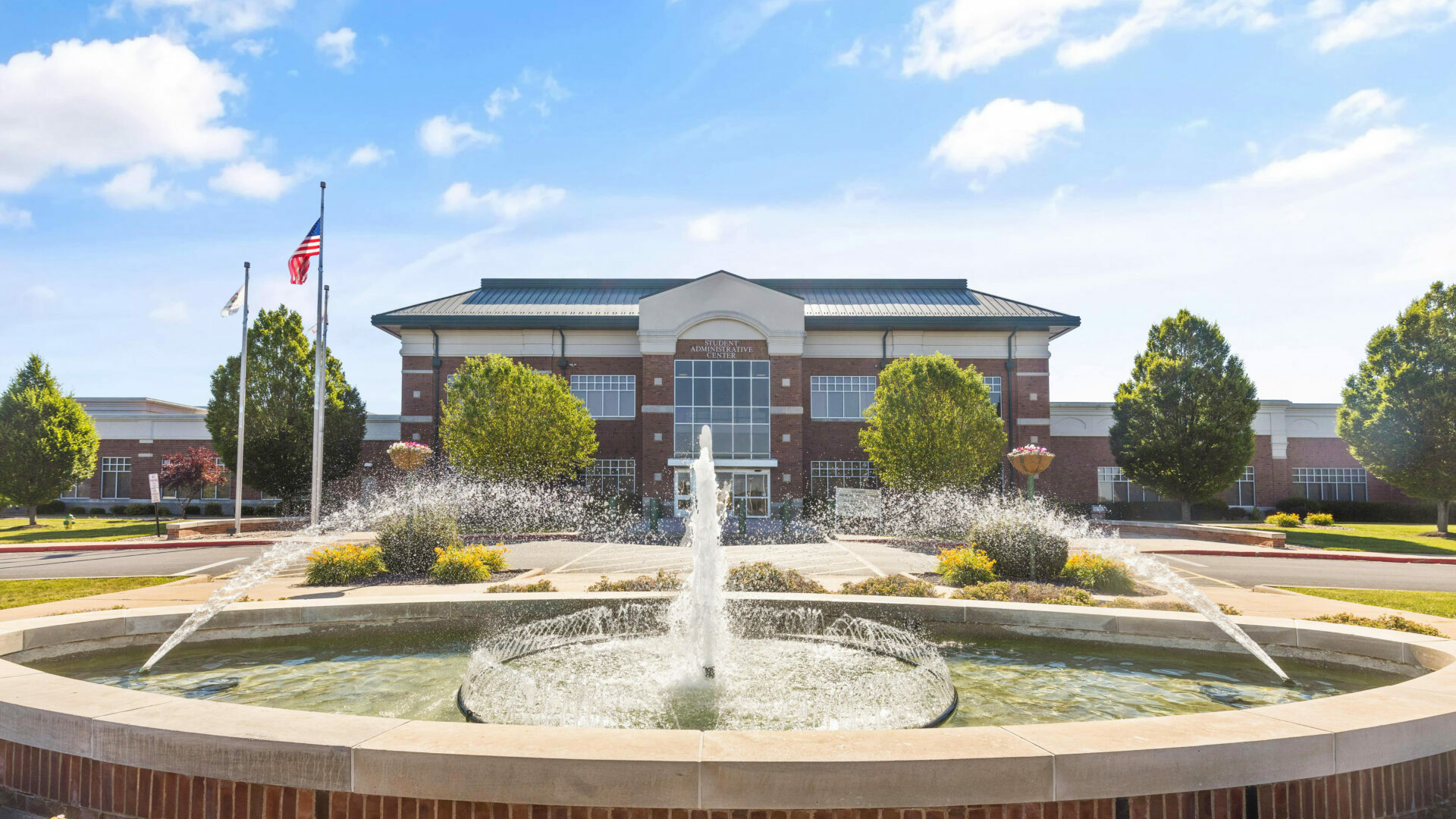
JWCC Full homepage screenshot

At a glance

Category
Education & Learning
Language
English
Paid-content signal
No paid content foundObserved
Registered
Unknown
Hosting
FastlyInferred
HTTPS certificate trusted
PassedObserved
Last updated

Website review

This review may include AI-generated content and is not individually verified. Domain, certificate and other facts come from the observed data on this page.

What is John Wood Community College?

John Wood Community College (JWCC) is a public two-year college based in Quincy, Illinois, offering more than 75 degrees and certificates. It serves students who want to start a four-year degree, train for a career, study online, or take community and continuing-education classes. Its published information emphasizes convenience: five locations, day and night classes, and no Friday classes, along with support services such as advising, financial aid, tutoring and career services.

The practical distinction is between credit programs and shorter, non-credit learning. Credit students follow paths toward transfer or a credential; community education covers personal interests and job skills, and JWCC lists hands-on classes open to the public at $29 per class. A high school student planning to transfer and an adult exploring a hobby would therefore use different parts of the college.

Who it may suit

  • Future transfer students who want to begin a bachelor's degree close to home before moving on.
  • Career-focused students looking for a certificate or applied program rather than a four-year route.
  • Adults and working students who need evening classes, online options or multiple locations.
  • Local residents interested in short, low-cost community classes.

A useful next step

Decide which goal fits you, then use the college's "Choose Your Path" options on JWCC to see the relevant programs, admissions steps and cost information. If transfer is the goal, confirm early which credits the intended four-year college will accept; if the goal is a job credential, check the program's completion requirements instead.

How much does it cost to attend JWCC, and what financial aid options are available?

Tuition and fee figures for John Wood Community College are not listed on the page provided, so a specific cost per credit hour or per semester cannot be stated here. The page does confirm that the college maintains a dedicated Cost & Payment section and a Financial Aid section, and that admissions visits include help "with financial aid and discuss costs." Those are the two places to get exact numbers.

What the page confirms about paying for JWCC

  • Scholarships & Tuition is a named admissions topic, suggesting scholarship information is handled alongside tuition questions rather than buried in a separate office.
  • Financial Aid appears both as a top-level menu item and under Student Resources, and financial aid help is offered during campus visits.
  • Business Office / Pay Bill indicates students manage payments through a college business office, which is also where payment plan questions are typically answered.
  • Cost & Payment and Scholarships & Tuition pages are the authoritative sources for current rates.

A practical next step

If you are comparing JWCC against another school, request three figures in writing from the financial aid office: tuition per credit hour plus mandatory fees, the estimated cost of books and supplies for your specific program, and the net cost after any grant or scholarship you qualify for. Net cost, not sticker price, is the number that matters for a decision.

For context on how community college costs and aid generally work, the federal student aid site at Federal Student Aid explains grants, work-study and loan options, and the Illinois Student Assistance Commission at ISAC covers state-level MAP grants that many Illinois community college students rely on. Both are useful for understanding what to ask JWCC's aid office, though neither lists JWCC's own rates.

One caveat worth noting: the page's promotional framing (small class sizes, safety claims, student satisfaction) is marketing language, not cost information. Treat any dollar figure you see elsewhere as valid only if it comes from JWCC's own cost or financial aid pages, and confirm whether it reflects in-district, out-of-district or online rates, since community colleges commonly charge differently by residency.

What programs and degrees does JWCC offer for students who want to train for a career rather than transfer to a four-year school?

JWCC offers career-focused associate degrees and certificates in its Degrees & Certificates catalog, alongside a separate transfer track for students heading to a four-year school. The career path is built around hands-on training for work, and the page groups programs by field—healthcare and sciences are highlighted as one example—so prospective students can browse by the kind of job they want rather than by transfer requirements.

What the career track includes

  • Associate degrees and certificates: The site lists 75+ degrees and certificates overall, with career training presented as one path within that catalog.
  • Healthcare and sciences: Called out on the homepage as a program area, with campus tours, faculty contact and career-exploration events for interested students.
  • Online learning: Listed as its own option, useful if you need to keep working while training.
  • Community Education and Business & Industry Training: Short, non-credit classes (the page mentions $29 per class for some workshops) for skills like welding, computers and fitness—separate from for-credit degrees.
  • JDub Academy and College for Life: Programs aimed at younger students (grades K–12) and students with different learning needs.

How to choose between a degree and a certificate

The main trade-off is time versus scope. A certificate is usually the faster route into an entry-level job in a specific trade or healthcare role; an associate degree takes longer but gives broader preparation and can matter for licensing or advancement. Before applying, check the specific program page for whether it leads to a credential employers in your area require, and ask admissions which certificates stack toward a degree later.

A practical next step

Use the Visit JWCC option: the page describes meeting admissions to make a plan, getting financial-aid help, and talking with current students about what the college is really like. For a career changer, that conversation is the fastest way to confirm whether a certificate or degree fits your target job.

How do I apply to JWCC as a future freshman, transfer student, or international student?

Applying to John Wood Community College starts from the Apply to JWCC page, where the admissions menu is split by student type: Future Freshman, Transfer-In, International Students, plus Adults, Military Students, High School Students, and Counselors. Choose the category that matches your situation rather than the general application link, since each path has its own steps and documents.

What each applicant should expect

  • Future freshmen: Apply through the Future Freshman path, then use the Visit JWCC option to tour a campus, meet admissions, and talk through financial aid and costs. This is the most useful order if you are still deciding on a program.
  • Transfer students: Use the Transfer-In path. Have your prior college transcripts ready, and plan to speak with Advising/Registration about how credits map to a JWCC degree or certificate.
  • International students: Apply through the International Students page, which sits alongside the other admissions categories. Expect additional requirements such as proof of English proficiency and documentation for student status; confirm the current list with admissions before submitting.

A practical next step

Before you start the form, decide your goal: a four-year transfer degree, a career credential, or an online degree. The "Choose Your Path" section frames these options, and the Degrees & Certificates and Online Learning pages show what is available. Then book a campus visit or virtual tour, bring your transcripts, and ask about scholarships and tuition at the same meeting. If cost is the deciding factor, the Cost & Payment and Financial Aid pages are the right places to check before committing.

For a second opinion on regional options, Quincy University and Western Illinois University are nearby four-year institutions worth comparing if transfer credit or program depth matters to you.

What is the $29 community education class offering, and who can enroll?

The $29 class is a non-credit community education course offered through JWCC's Community Education program. According to the site, these are hands-on "skills for work & beyond" classes that are open to everyone, with no business or leadership experience required. The $29 price is listed per class, and the site notes that spots are limited.

Who can enroll

  • Open to the general public — the page explicitly says "open to everyone," so you don't need to be a JWCC student or have prior experience.
  • Working adults and hobbyists — the program is pitched at building personal and professional skills or exploring an interest, with examples spanning art, cooking, computers, fitness, and welding.
  • Lifelong learners at any stage — the site frames it as "keep learning at every stage of life."

What to check before registering

The $29 figure is a starting signal, not a full course catalog. Class topics vary by term, so confirm the specific course title, meeting dates, location (JWCC lists five locations), and whether materials are included before you sign up. If you're comparing options, JWCC's for-credit JWCC degrees and certificates follow a separate admissions and financial aid path, while Community Education is the lower-commitment route for a single workshop.

A practical next step: browse the current Community Education schedule on the college site, pick one class matching your interest, and verify the total cost and cancellation policy before claiming a spot.

How can high school students earn college credit through JWCC's career academies or dual credit options?

High school students can earn college credit at JWCC through two main routes: career academies and dual credit. Both let students start college coursework before graduating high school, but they suit different goals.

Career academies

These are structured, hands-on programs that prepare students for a specific career field, such as healthcare or skilled trades. They are a good fit for students who already know the kind of work they want and want a direct path into it. The college lists career academies under its programs for high school students.

Dual credit

Dual credit lets a high school student take a college course and earn credit for both high school and college at the same time. This works well for students who want to get general education requirements out of the way or test whether college-level work is right for them. Because JWCC offers day and night classes across multiple locations, scheduling around a high school day is often possible.

Option Best for What you get
Career academy Students with a clear career direction Career-focused training plus college credit
Dual credit Students wanting general college credit early Credit toward high school and a college transcript

Next step

Talk to your high school counselor about which option fits your schedule, then contact JWCC admissions to confirm eligibility, placement requirements, and how credits transfer. Ask specifically whether the credits apply toward a JWCC degree or transfer to the four-year school you have in mind, since that difference matters for your plan.

For official details, see JWCC.

Related questions

More questions →
Why Do Students Choose JWCC Over Other Colleges?

Students choose John Wood Community College (JWCC) in Quincy, Illinois, primarily for convenience and flexibility: the college advertises 5 locations, day and night classes, and no classes on Friday, alongside 75+ degrees and certificates. It also markets itself as the safest college in Illinois and says 96% of students wish they could stay all 4 years. These are the college's own claims, so treat them as reasons to look closer rather than verified comparisons—visit or check current data before deciding.

The Convenience Case

JWCC's "Why Choose John Wood?" section leads with logistics rather than prestige, which fits students balancing school with work or family.

Feature What JWCC states What it means for you
Locations 5 locations Shorter commutes and more scheduling options if you live near one
Class times Day and night classes available You can fit classes around a job or caregiving
Weekly schedule No classes on Friday A four-day class week, useful for work or travel
Program range 75+ degrees and certificates Options from career training to transfer prep

The no-Friday schedule is the most distinctive item. It suits students who want a predictable block of free weekdays, but confirm it applies to your specific program—lab, clinical, or cohort-based courses may follow different calendars.

Safety and Satisfaction Claims

Two claims stand out in JWCC's messaging:

  • "Safest college in Illinois" — a strong statement worth verifying through current campus safety data (such as the college's annual security report) rather than accepting at face value.
  • "96% of students wish they could stay all 4 years" — a satisfaction signal, though JWCC is a two-year community college, so the phrasing is promotional. Ask current students what they actually think during a visit.

Neither claim is independently confirmed in the available material. Use them as prompts for questions, not as settled facts.

Who This Profile Fits

JWCC looks like a reasonable fit if you:

  • Want a low-friction start—future freshman, transfer-in, adult, international, military, or high school student pathways are all listed under Admissions.
  • Need flexible scheduling around work, with day/night options and Fridays free.
  • Are choosing between a four-year degree start, career training, or an online degree—JWCC lists all three as paths.

It may be a weaker fit if you need a residential four-year experience or highly specialized programs outside the 75+ offerings; check the Degrees & Certificates list against your goal first.

How to Test the Fit Yourself

  1. Visit a campus. JWCC runs visit sessions where you meet admissions, get financial aid help, discuss costs, and talk to current students—the best way to check the safety and satisfaction claims.
  2. Confirm your program's schedule. Ask whether Friday-free scheduling and night classes apply to your specific degree or certificate.
  3. Check costs directly. Tuition and payment details are handled through the Cost & Payment and Business Office pages; the available material does not list prices, so get current figures from the college.
  4. Use the virtual tour and orientation if you can't visit in person.

The decision comes down to whether convenience and flexibility outweigh what you'd get elsewhere—and a visit is the fastest way to find out.

How Prospective Students Can Visit JWCC and Get Admissions Help

You can visit any JWCC campus by signing up through the Visit JWCC page, and the same visit includes help from admissions and financial aid staff. The site lists four things a visit covers: touring a campus, meeting with admissions to make a plan, getting financial aid help and discussing costs, and talking with current students about what JWCC is really like. If you can't come in person, a virtual tour is also available.

What a Campus Visit Includes

According to JWCC's Visit JWCC section, a visit is structured around four activities:

  • Tour any JWCC campus — the college lists 5 locations.
  • Meet with admissions to make a plan — useful if you haven't decided on a program or transfer path.
  • Get help with financial aid and discuss costs — bring your questions about paying for college to the same visit.
  • Talk to current students — a chance to hear about campus life directly rather than from a brochure.

The site frames the visit as a way to "meet with admissions to make a plan," so it works best when you arrive with a goal in mind, such as choosing between a 4-year transfer track and career training.

How to Sign Up

  1. Go to the JWCC website and open the Visit JWCC link (it appears in the top navigation and in the "Get Started" section).
  2. Choose Sign Up! to register for a visit.
  3. Select the campus you want to see — JWCC has 5 locations.
  4. Note what you want to accomplish (admissions plan, financial aid questions, talking to students) so the visit covers it.

Expected result: a scheduled campus visit where you leave with an admissions plan and cost information. If you can't attend in person, use the Virtual Tour linked from the same Get Started area.

Admissions Help Beyond the Tour

JWCC's navigation lists several entry points for prospective students:

Need Where it's listed
Apply to JWCC Admissions → Apply to JWCC
Future freshmen, transfer-in, adults, international, military, high school students Admissions sections for each group
Scholarships and tuition Admissions → Scholarships & Tuition
Advising and registration Advising / Registration
Financial aid Financial Aid
Paying a bill Business Office / Pay Bill

The admissions menu is organized by student type — future freshman, counselors, transfer-in, adults, international students, military students, and high school students — so start with the category that matches you.

A Scheduled Event Worth Knowing

JWCC promotes a Healthcare & Sciences exploration event on Nov. 13, 9 AM–12 PM, described as including a free lunch and T-shirt, with campus tours, faculty connections, and questions welcome. The site says spots can be saved through a "Save Your Spot!" link. This is a program-specific alternative to a general visit if healthcare or science is your area of interest.

Other Ways to Get Started

  • Apply Today — the site's main application call to action.
  • Orientation — listed alongside the virtual tour for students who have applied.
  • Request information — the "Start my 4-year degree," "Train for a career," "Earn a degree online," and "Explore my options" paths each lead to next steps.
  • Community Education — separate from credit admissions, with hands-on classes at $29 per class (no business or leadership experience needed; spots are limited).

Common Snags

  • Don't confuse the visit with application. Signing up for a tour doesn't submit an application; use Apply to JWCC for that.
  • Pick the right admissions category first. Transfer students and future freshmen follow different pages, so choosing the wrong one can send you to irrelevant steps.
  • Bring cost questions to the visit. Financial aid and cost discussion is explicitly part of the visit, so it's the efficient time to ask.
  • Check event timing. The Nov. 13 Healthcare & Sciences event has a fixed date and time window (9 AM–12 PM), unlike a general campus tour.
What Programs and Degrees Does JWCC Offer?

JWCC offers more than 75 degrees and certificates across four main areas: traditional academic programs (including transfer-oriented study and online degrees), career and technical training, community education classes for adults, and youth and preparatory programs such as JDub Academy (grades K–12), GED/ESL/literacy tutoring, and College for Life. The right choice depends on your goal: earning a bachelor's degree, entering the workforce, or learning for personal enrichment.

Degree and Certificate Programs

The college's program catalog is organized under Degrees & Certificates, with separate paths for:

  • Starting a 4-year degree — for students who plan to transfer to a four-year institution
  • Training for a career — hands-on, career-focused programs
  • Earning a degree online — online learning options within the degree offerings
  • Exploring options — for students who haven't settled on a path yet

The site also lists Course Catalogs as a quick link, which is the authoritative place to confirm which specific degrees and certificates are currently offered, along with their requirements.

Online Learning

Online Learning appears as its own item in the Programs menu, alongside Degrees & Certificates. If scheduling or location is a constraint, this is the path to check first.

Career-Focused and Community Education

Beyond credit programs, JWCC runs several non-degree tracks:

Program Audience What it covers
Business & Industry Training Employers and working adults Workforce skills training
Community Education Open to everyone Hands-on classes and workshops in art, cooking, computers, fitness, welding, and more
JDub Academy Grades K–12 Youth programming
GED, ESL, & Literacy Tutoring Adult learners High school equivalency and language/literacy support
College for Life Students needing additional support Transition-focused programming

One detail worth noting from the site: Community Education classes are described as $29 per class, open to everyone with no business or leadership experience required, and spots are limited. That price applies to those community classes specifically, not to credit programs.

How to Decide Which Path Fits

Use your end goal as the filter:

  • Planning to transfer for a bachelor's degree → start with the "Start my 4-year degree" path and confirm transfer agreements through Advising/Registration.
  • Want to enter the workforce quickly → look at career training programs and certificates under "Train for a Career."
  • Need flexibility → compare online degree options against on-campus schedules.
  • Learning for interest, not credit → Community Education is the low-commitment entry point.
  • Preparing a child or completing a GED → JDub Academy or the GED/ESL/literacy tutoring track.

Practical Notes Before You Apply

  • The site highlights 5 locations, day and night classes, and no classes on Friday — useful if you're balancing work or family obligations.
  • Admissions pages are split by student type: Future Freshman, Transfer-In, Adults, International Students, Military Students, High School Students, and Parents. Pick the one matching your situation so you see the correct requirements.
  • For costs, the Cost & Payment and Financial Aid sections are the places to check; the site also offers visits where you can "get help with financial aid and discuss costs" directly.
  • To verify a specific program exists and what it requires, use the Course Catalogs link rather than relying on menu labels alone.

The fastest way to narrow this down is to book a campus visit or tour — admissions staff can map your goal to a specific program and confirm current offerings.

How to Apply to JWCC and Manage Student Tasks Like Registration and Financial Aid

You can complete the core JWCC student tasks online through the college's website: apply through the Admissions section, register for courses and view schedules under Courses & Registration, pay bills through the Business Office, and reach financial aid and support services from the same navigation. The site also lists a phone-free way to get help with usernames and passwords via IT Help. The steps below follow the site's own menu labels, so you can match them to what you see.

Apply to JWCC

The Admissions section is the starting point, and it splits by student type so you land on the right instructions:

  • Future Freshman — for students coming directly from high school
  • Transfer-In — for students bringing credits from another college
  • Adults — for returning or non-traditional students
  • International Students and Military Students — separate tracks with their own guidance
  • High School Students — includes dual-credit and career academy pathways

What to expect: Choose your category, follow the application steps listed there, then use Visit JWCC if you want to tour a campus, meet with admissions to build a plan, or talk to current students before committing. The site explicitly offers help with financial aid and cost discussions during visits.

Common snag: Applying under the wrong student type. If you have prior college credit, use Transfer-In rather than Future Freshman.

Register for Courses and View Schedules

Course registration lives under Courses & Registration, with Course Schedules and Course Catalogs as the reference tools.

  1. Open Course Schedules to find terms and sections.
  2. Check Course Catalogs to confirm program requirements and course descriptions.
  3. Use Advising / Registration to get help selecting and locking in courses.

Verification: Your registered schedule should appear in your student account after advising confirms it. If a course doesn't show up, the registration likely wasn't finalized — contact Advising / Registration.

Planning note: JWCC advertises day and night classes and no Friday classes, so schedule building is flexible around work. Classes are offered across five locations, so confirm the campus for each section before registering.

Pay Bills Through the Business Office

Tuition and fee payment routes through the Business Office / Pay Bill link. The site also lists Cost & Payment under the admissions and enrollment area, which is where you should look first to understand what you owe before paying.

Sequence that avoids problems: Confirm your charges under Cost & Payment, then pay via Business Office / Pay Bill. If you're relying on financial aid, resolve that before the payment step so aid can be applied to your balance.

Financial Aid and Support Services

Financial Aid is a top-level navigation item and also appears under Student Resources. Start there for aid applications and questions; the site notes that financial aid help is available during campus visits as well.

Support services listed on the site include:

Service What it's for
Advising / Registration Course selection and enrollment help
Career Services Career planning and job search support
TRiO / Support Services Student support programs
Library Research and study resources
IT Help / Username & Password Login and account problems
Bookstore Textbooks and supplies

First-day blocker to clear early: Your username and password. IT Help / Username & Password is the listed route for login issues, and you'll need working credentials for registration, billing, and online learning.

A Practical Order of Operations

  1. Pick your student type under Admissions and apply.
  2. Get credentials sorted through IT Help if you hit a login problem.
  3. Meet Advising / Registration to choose courses; check Course Schedules and Course Catalogs first.
  4. File for Financial Aid before payment deadlines.
  5. Review Cost & Payment, then pay through Business Office / Pay Bill.
  6. Use BlazerNet quick links and Student Resources for ongoing tasks like transcripts (Registrar), the bookstore, and support services.

If you're still deciding whether JWCC fits, the site's own pitch is convenience (five locations, day and night classes, no Friday classes) and a broad catalog of 75+ degrees and certificates, including online degrees and career training. Use Visit JWCC or the Virtual Tour to check the campus and programs before you apply.

What is John Wood Community College (JWCC)?

JWCC is a community college in Quincy, Illinois, offering more than 75 degrees and certificates to future freshmen, transfer students, adults, high school students, and online learners. It also provides career training and community education classes. Use this guide to understand what JWCC offers and whether it fits your goals.

Who JWCC Serves

JWCC organizes admissions by student type, so you can find the path that matches your situation:

  • Future freshmen — students starting college for the first time
  • Transfer-in students — those bringing credits from another institution
  • Adults — returning or first-time adult learners
  • High school students — including dual-credit and career academy options
  • International and military students — dedicated admissions guidance
  • Online learners — degrees and courses available fully online

Counselors and parents are also addressed as their own audience, which matters if you're helping someone else apply.

Programs and Credentials

JWCC's academic offerings fall into several categories:

Category What it covers
Degrees & certificates 75+ options across career and transfer tracks
Online learning Degree programs and courses delivered online
Community education Hands-on classes and workshops open to everyone
JDub Academy Programs for grades K–12
GED, ESL, & Literacy Adult basic education and English language support
College for Life Programming for students with intellectual and developmental disabilities
Business & industry training Workforce skills for employers and employees

If your goal is a four-year degree, JWCC positions itself as a starting point before transfer. If your goal is entering the workforce, the career and certificate tracks are the relevant route.

Cost, Aid, and Getting Started

The site directs prospective students to meet with admissions to build a plan and to get help with financial aid and discussing costs. Specific tuition figures and aid amounts are not published in the material reviewed here, so confirm current costs directly with the college before budgeting.

The general steps to become a student are:

  1. Apply — submit the application for your student type.
  2. Visit — tour a campus, in person or via the virtual tour, and talk to current students.
  3. Plan finances — work with financial aid staff on costs and aid options.
  4. Register — complete advising and registration for courses.

You can verify each step through the admissions, cost and payment, and advising/registration sections of the site.

Convenience and Scheduling

JWCC highlights five locations, day and night classes, and no classes on Friday. That schedule suits students who work or commute, but confirm that your specific program offers the times you need — program schedules vary.

Community Education and Short Courses

Separate from degree programs, JWCC runs hands-on community classes open to everyone with no business or leadership experience required. Examples of subject areas include art, cooking, computers, fitness, and welding. The site lists these at $29 per class with limited spots, so register early if a topic interests you. These classes do not require admission to a degree program.

Deciding If JWCC Fits

Choose JWCC if you want a low-friction start to a four-year degree, a career-focused certificate, or flexible day/night scheduling near Quincy. Look elsewhere if you need a specific program not among the 75+ offerings or a traditional four-year residential experience from day one. The most reliable next step is to book a visit or admissions appointment and ask directly about your intended program, transfer agreements, and total cost.

Website Overview

Page metadata, canonical configuration and social previews work together to provide more consistent search and sharing presentation.

Domain and Registration

Unknown

DNS and Email

Nameservers are provided by illinois.net, indicating managed DNS hosting. MX records point to the barracudanetworks.com email service. No CNAME was found; the observed records resolve directly to addresses. SPF and DMARC are configured. DKIM status is unknown. TXT records include verification markers for Google, Apple, Microsoft. Such markers may also remain after a service stops being used.

TLS and Certificates

The certificate uses an RSA 2048-bit public key, offering broad client compatibility. The server supplied a complete certificate chain. No organization name is present in the certificate; the available fields are consistent with domain validation. The certificate was issued by Let's Encrypt, commonly associated with automated certificate services. The certificate's total validity is about 89 days, consistent with a short renewal cycle.

HTTP and Browser Security

The Server header exposes the software version: Flywheel/5.1.0. This makes version-targeted checks easier, but is not proof of an exploitable vulnerability. The response lacks these common security headers: CSP, Permissions-Policy. No X-Powered-By header was found, reducing one common source of backend fingerprinting information. The x-cache, x-served-by response header indicates a CDN or caching proxy in the delivery path. No obvious internal addresses or debug information were found in the headers.

Technology Stack Analysis

The public page identifies Powered by WPBakery Page Builder - drag and drop page builder for WordPress., WordPress, jQuery, Google Analytics, Fastly without precise versions, leaving fewer clues for version-specific scanning.

Search and Social Sharing

The Generator tag identifies Powered by WPBakery Page Builder - drag and drop page builder for WordPress., making the publishing system easier to fingerprint. Twitter Card metadata is configured. JSON-LD includes Organization data, helping describe the organization as an entity. The title has 47 characters, within a common display range. A meta description is present, with 136 characters.

Hosting and Email

DNSillinois.net
HostingFastly
Emailbarracudanetworks.com
Approximate IP geolocation (inferred; a CDN or proxy may differ from the origin server) United States flagUnited States Inferred 151.101.2.159

Registration details

RDAP / WHOIS

Unknown

DNS records

DNS

TypeNameValueTTLPriority
Awww.jwcc.edu151.101.2.1593600—
MXjwcc.edud291211a.ess.barracudanetworks.com360010
MXjwcc.edud291211b.ess.barracudanetworks.com360020
NSjwcc.eduns1.illinois.net3600—
NSjwcc.eduns2.illinois.net3600—
TXTjwcc.edu4baed308370db2c58f58e8a62f295e0f3c3eede917f127b2f63600—
TXTjwcc.eduMS=ms888869283600—
TXTjwcc.eduadobe-idp-site-verification=27543f1ffd8f4c369abeba1810642eea8dbaadade600d17aeb16475aa0bc1eff3600—
TXTjwcc.eduapple-domain-verification=YgtgnIdGnz1NgKO13600—
TXTjwcc.edugoogle-site-verification=E1f07x-3uo3tHiMxp-MKUcjaKOdA-0bpuhlqlNd0Md83600—
TXTjwcc.edujamf-site-verification=dTa5wthBtVzy1BDd836lbg3600—
TXTjwcc.edup9D7zF5Pz0V7ldygdrGGjhD6et6WoPqvc4RN7xQmrnY+viYn/2xbZvWUNmXxUUxALVwcB4n86GNm23yuJa1XGw==3600—
TXTjwcc.eduv=msv1 t=9709b3437d5c4189b787cee57456303600—
TXTjwcc.eduv=spf1 ip4:209.174.139.16 ip4:198.105.13.131 ip4:67.133.94.131 include:spf.protection.outlook.com include:_spf.regroup.com include:spf.ess.barracudanetworks.com include:us._netblocks.mimecast.com include:mbssmtp.mbsbooks.com ~all3600—
DMARC_dmarc.jwcc.eduv=DMARC1; p=none; rua=mailto:[email protected]; ruf=mailto:[email protected]; fo=13600—

TLS and certificates

TLS / SSL

AssessmentNormal configuration
Supported protocolsTLSv1.2、TLSv1.3
Negotiated protocolTLSv1.3
Certificate subjectwww.jwcc.edu
IssuerLet's Encrypt
Valid until2027-01-02T22:02 · Remaining when checked: 65 days
Verification detailsCertificate trust: Passed · Hostname match: Passed

HTTP response headers

HTTP

HeaderValue
content-typetext/html; charset=UTF-8
serverFlywheel/5.1.0
strict-transport-securitymax-age=63072000
x-frame-optionsSAMEORIGIN
x-content-type-optionsnosniff
referrer-policystrict-origin-when-cross-origin

Identified technologies

Powered by WPBakery Page Builder - drag and drop page builder for WordPress.WordPressjQueryGoogle AnalyticsFastly

Pages, Search and Sharing

Meta descriptionFind out why 96% of students wish they could stay all 4 years! Choose from 75+ degrees & certificates at the safest college in Illinois.
Canonical URLhttps://www.jwcc.edu/
LanguageEnglish (default)
Twitter Cardsummary_large_image
All bots 2 allowed · 4 disallowed
  • Allow/*.css
  • Allow/*.js
  • Disallow/calendar/action*
  • Disallow/events/action*
  • Disallow/*?
  • Disallow/events/category/*/day/*
  • IntervalCrawl delay 3 seconds

User reviews (0)

  • No reviews yet.