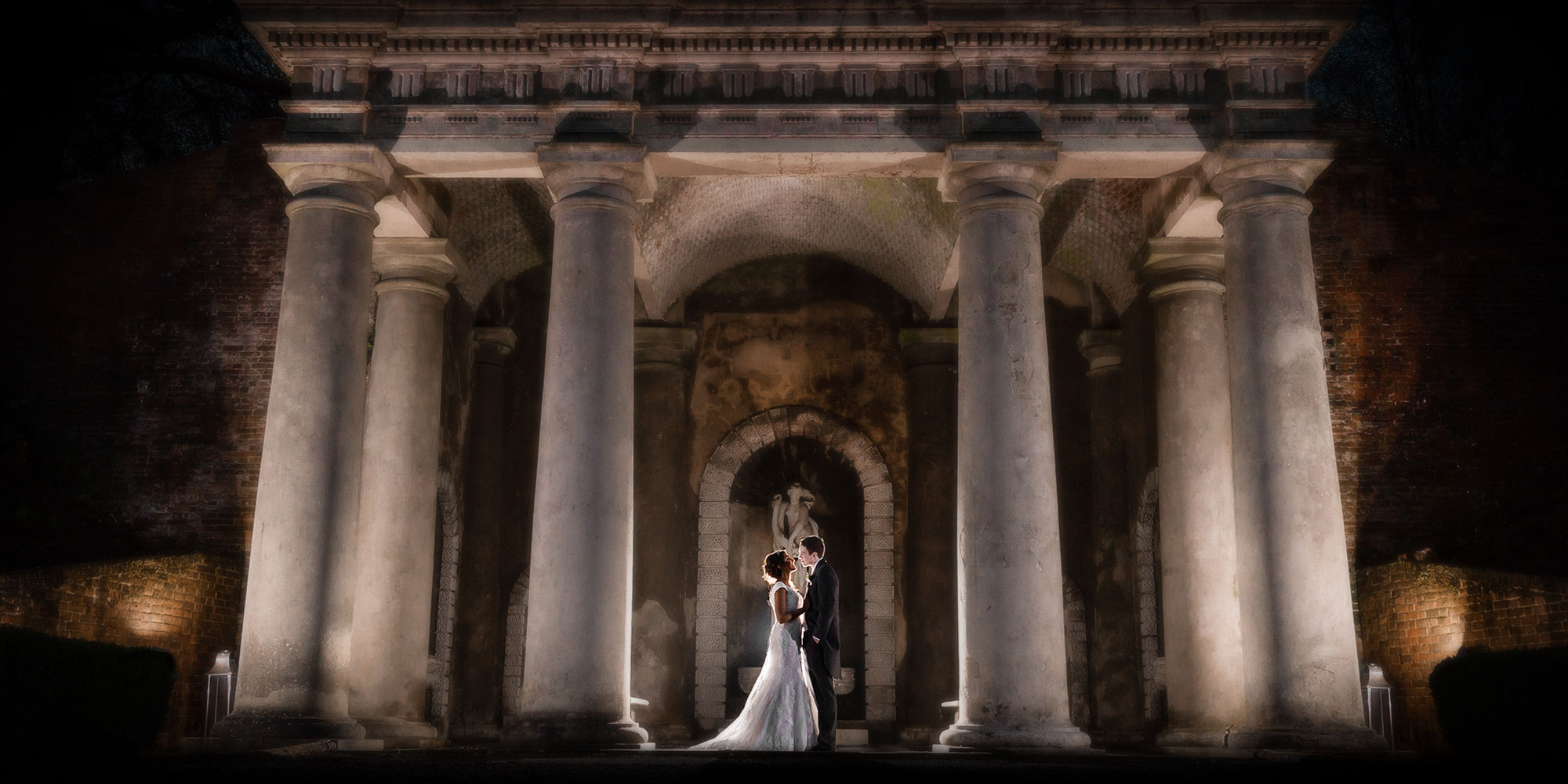
Kevin Watkins Wedding Videographers Sussex Full homepage screenshot

At a glance

Category
Events & Weddings
Language
English
Paid-content signal
No paid content foundObserved
Registered
2007
Hosting
20i LimitedInferred
HTTPS certificate trusted
PassedObserved
Last updated

Website review

This review may include AI-generated content and is not individually verified. Domain, certificate and other facts come from the observed data on this page.

What is Kevin Watkins Wedding Videographers Sussex?

Kevin Watkins Wedding Videographers Sussex is a wedding videography service based in Sussex, England, run by Kevin Watkins, who films weddings in a cinematic documentary style. The finished films are produced in 4K Ultra HD with natural colours, and coverage follows the day in chronological order—from morning preparations through to the evening dancing. Watkins notes that he worked as a wedding photographer from 2001 before adding filming in 2019, and that videography has since become his main specialty.

What the service covers

  • Documentary approach: discreet filming of moments as they unfold, rather than staged or heavily directed shooting.
  • Full-day chronology: the film runs in order from getting ready to the dancing, rather than as a highlights montage in arbitrary sequence.
  • Multi-camera setup: three cameras, several lenses and a drone, giving two or more angles of the ceremony and speeches.
  • Separate audio: sound is recorded independently and synced during editing.
  • Licensed music: music is licensed for the couple at no extra cost so the film can be shared online; copyrighted tracks cannot be used.
  • Coverage area: mainly West and East Sussex, Surrey, Berkshire, Hampshire and Kent, with travel included up to 50 miles and possible mileage or accommodation charges beyond that.

Who it suits

Couples in southern England who want a natural, unobtrusive record of the whole day rather than a short stylised trailer, and who value clean image quality and steady camerawork over dramatic effects. The chronological format particularly suits people who want to relive the day as it happened, including older relatives or guests who could not attend.

What to weigh up

The documentary style means less direction on the day, which suits couples who prefer to be left alone but may not appeal if you want posed cinematic set-pieces. The single-operator-plus-equipment setup is thorough for one videographer, but it is not a large crew, so very complex logistics or multiple simultaneous locations would need discussing. Pricing is not stated on the page, so ask directly.

Next step: check availability for your date and ask to see a full-length film, not just a trailer—the chronological format is best judged over its whole running time. You can enquire through Kevin Watkins Wedding Videographers Sussex.

How does a documentary-style wedding film differ from a traditional highlight video, and which suits our day?

A documentary-style film follows the day in chronological order and lets moments unfold with minimal direction, while a traditional highlight video is typically a shorter, music-led edit built from the most visually striking moments, often rearranged for effect rather than sequence. The core difference is structure and intervention: documentary work prioritises the real sequence and natural sound; a highlight reel prioritises pace and emotional punch.

Kevin Watkins describes his own films as "purely documentary style," shot discreetly, and edited in chronological order from morning preparations to evening dancing — that is his stated approach, not a general rule for all videographers. He also notes that his films are delivered in 4K with natural colours and subtle camera movements, and that he uses three cameras plus a drone, with audio recorded separately and synced in editing. Those details matter for the documentary choice: multiple angles and clean separate audio are what make long-form, chronological coverage watchable, especially during ceremony and speeches.

Which suits your day

Consideration Documentary-style film Traditional highlight video
Structure Chronological, morning to evening Selected moments, edited for pace
Camera presence Discreet, observational Often more directed or posed setups
Sound Natural audio and speech carry the story Music-led, speech used sparingly
Typical audience Couples who want the day as it happened, plus family who missed parts Couples who want a short film to share widely
Trade-off Longer runtime; needs strong audio and steady coverage Condensed; quieter, ordinary moments may be lost

Choose documentary if you value the ceremony and speeches in full, have relatives who cannot attend, and are comfortable being filmed without direction. Choose a highlight-led approach if you mainly want a short, shareable film and are happy for the day to be condensed.

A practical next step: before booking anyone, ask to see one complete film from a real wedding, start to finish, and check how the speeches sound and whether the chronological edit holds your attention. Also confirm travel terms — Watkins includes travel up to 50 miles and may charge mileage or accommodation beyond that — and ask how music licensing works, since he states licensed music is included but copyrighted tracks cannot be used. For comparisons, I Want That Wedding and Hitched list videographers by region.

What areas of Southern England do you cover, and is travel included for our venue?

Kevin Watkins covers weddings across Southern England, with West Sussex, East Sussex, Surrey, Berkshire, Hampshire and Kent named as the main filming areas. Travel is included for venues up to 50 miles away; beyond that, a small mileage charge may apply, and accommodation may be needed for more distant locations.

Checking your venue

The practical step is to measure the distance from the videographer's base to your venue rather than from your home. If your venue sits near the 50-mile boundary, confirm the exact mileage and any charge before booking, and ask whether accommodation would be required for an early start or a late finish.

For a couple marrying in, say, mid-Kent or north Hampshire, the venue may fall inside the included radius even though it is outside the core Sussex area. A venue in Dorset or Oxfordshire is more likely to attract a mileage or accommodation cost. Couples can also compare coverage with other regional videographers such as Example only if the official site is known; otherwise, ask the videographer directly for a written travel quote.

How long until we receive our finished wedding film, and how is the music licensed for sharing online?

Turnaround isn't stated on the page, so ask for the current delivery estimate when you enquire. The music answer is clearer: Kevin Watkins says music in your film is licensed for you at no extra cost, so the film can be shared online, and that copyrighted music cannot be used. In practice, that means the finished film should be safe to post on social media or a personal site, but you shouldn't expect to choose a chart song.

What to confirm before booking

  • Delivery timing: ask for a typical window from the wedding date to the first cut, and from then to the final film. A busy summer wedding may take longer than a winter one.
  • What "licensed" covers: check whether the licence covers public sharing only or also screening at a venue, and whether it's tied to one platform.
  • Your own music requests: if a particular song matters to you, ask early whether it can be licensed separately and at what cost.
  • Film length and format: the page describes a chronological film from getting ready to the dancing, edited in 4K, but doesn't give a running time. Ask how long the main film and any highlights version will be.

As a decision criterion: if sharing online with music you love is a priority, raise it at enquiry stage rather than after the wedding. For a sense of how other videographers handle music licensing and delivery times, compare a few regional studios such as Kevin Watkins Wedding Videographers Sussex.

How discreet is the filming during the ceremony and speeches, and will three cameras and a drone feel intrusive?

The approach is designed to be discreet: Kevin Watkins describes a "purely documentary style" in which he catches moments as they unfold naturally, and he notes that his camera movements are subtle and smooth. For a couple worried about feeling watched during vows or speeches, that is the relevant promise — observational coverage rather than staged direction.

Cameras and drone in practice

Three cameras, several lenses and a drone are listed as the kit used on the day, with the stated aim of giving two or more angles of the ceremony and speeches. In practice, multiple angles usually mean cameras are placed rather than carried around: a wide locked-off view plus closer positions, with audio recorded separately and synced later. That setup can be less distracting than one operator moving constantly, because fewer people are walking about. The drone is the element most likely to be noticed, and it is normally used outdoors for establishing shots of the venue and surroundings rather than during the ceremony itself. If aerial footage matters less to you than a low-key atmosphere, say so when enquiring — that is general advice, not a stated option on this site.

Questions worth asking before booking

  • Where will the cameras stand during the ceremony and speeches, and will the videographer move between positions?
  • Will the drone fly during the ceremony, or only before guests arrive and during quieter outdoor moments?
  • Can you see a full film from a venue similar to yours, to judge how visible the crew feels on screen?

A concrete scenario

Imagine a small church ceremony with 60 guests and two readings. A single roaming videographer might cross the aisle mid-vow; a three-camera setup with fixed positions usually stays at the back and sides, which most couples find easier to ignore. The trade-off is that very tight, emotional close-ups may be fewer, while coverage of the whole room is stronger.

For comparison, other Sussex videographers describe their own styles differently — for example Kevin Watkins Wedding Videographers Sussex sets out its documentary approach and kit in its FAQ, and you can read how others present ceremony coverage on Hitched or Rock My Wedding before shortlisting.

What is the difference between booking Kevin as a videographer versus a photographer, and can we have both?

The page presents Kevin Watkins primarily as a wedding videographer, and his background explains the difference: he worked as a full-time wedding photographer from 2001 and began filming weddings in 2019, after which videography became his speciality. So the clearest reading of the page is that video is the core offer, with photography as his earlier trade rather than a service described in detail alongside it. Whether he still takes photography-only bookings, or provides both on the same day, is not stated in the page content, so treat that as something to confirm directly rather than assume.

What each role covers, based on the page

Videographer (as described) Photographer (background only)
Main output Edited cinematic wedding films in 4K Ultra HD Not described on the page
Style Purely documentary, discreet, capturing moments as they unfold Not described
Coverage on the day Three cameras, several lenses and a drone; separate audio synced in editing Not described
Structure Chronological, from getting ready to the evening dancing Not described
Travel Included up to 50 miles, possible mileage or accommodation charge beyond Not described

Can you have both?

The page does not promise a combined photo-and-video package. What it does show is that he has deep photography experience and now films weddings with a multi-camera setup. A practical next step is to ask two specific questions when you enquire: whether he offers photography alongside video for the same wedding, and if not, whether he can recommend photographers he has worked with, since his About Me notes years of collaborating with other photographers. If you want both from one person, get that confirmed in writing before booking; if you are happy with video only, the documentary, chronological approach described here suits couples who want the day told in order rather than as a highlights montage.

For comparison, other UK videographers list their services on I Want That Wedding and Hire the Wedding, where you can see how combined photo-and-video packages are typically presented before you put the question to Kevin.

Related questions

More questions →
What Does a Documentary-Style Wedding Videographer Do?

A documentary-style wedding videographer films your day as it actually happens — discreetly, in chronological order, from morning preparations through evening dancing — then edits the footage into a cinematic film. It suits couples who want real moments and natural sound rather than posed scenes or a short highlight reel set to music. Sussex-based videographer Kevin Watkins is one example of this approach: he films in 4K Ultra HD, works in a purely documentary style, and edits each film in the order the day unfolded.

What "Documentary Style" Means in Practice

The defining choice is to observe rather than direct. A documentary videographer stays in the background and captures moments as they unfold naturally, instead of arranging shots or asking you to repeat a kiss or an entrance.

That has two practical consequences:

  • You get the in-between moments. Reactions during the speeches, guests laughing, children running around — the footage a posed approach tends to miss.
  • The film follows the day's real sequence. Watkins states that, unlike many videographers, his films run chronologically from getting ready in the morning to the dancing in the evening, rather than being a montage of disconnected clips.

If you want a highly stylised, director-led film with staged setups, documentary style is the wrong fit. If you want to recognise your own day when you watch it back, it's the right one.

What Coverage Across the Day Looks Like

Documentary coverage is continuous rather than a list of set pieces. In a typical wedding, that means:

  1. Morning preparations — the quiet, busy, sometimes chaotic hours before the ceremony.
  2. The ceremony — filmed from more than one position so you have multiple angles.
  3. Speeches and reception — including guests' reactions, not just the person at the microphone.
  4. Evening dancing — the informal close of the day.

Watkins uses three cameras on the day plus several lenses and a drone, which provides two or more angles for the ceremony and speeches. Audio is recorded separately and synced during editing — an important detail, because camera microphones alone usually produce thin, echoey speech.

Deliverables: What You Actually Receive

Element What to expect
Format 4K Ultra HD, "full screen"
Look Natural colours, with highlights and shadows retained where possible
Camera movement Subtle and smooth rather than heavily stylised
Edit order Chronological, morning to evening
Music Licensed for you at no extra cost, so the film can be shared online; copyrighted tracks cannot be used
Audio Separately recorded and synced in the edit

The music point is worth checking with any videographer: a film you can't legally post online is a common disappointment. Watkins confirms licensing is included and that commercial copyrighted music is excluded.

Practical Booking Considerations

Coverage area and travel. Watkins generally covers Southern England — mainly West Sussex, East Sussex, Surrey, Berkshire, Hampshire and Kent. Travel is included for up to 50 miles; beyond that there may be a small mileage charge and, depending on location, accommodation costs. Ask any videographer for their radius and how they calculate extras before you compare quotes.

Turnaround time. The site's FAQ begins to address how soon couples can see their film but the excerpt does not give a figure. Treat delivery time as a question to ask directly, and get it in writing.

Backup. Watkins notes he carries plenty of spare equipment "just in case." For a one-off event, ask what happens if a camera or card fails — redundancy on the day is not a detail you can fix afterwards.

Questions to Ask Before You Book

  • How many cameras, and where will they be during the ceremony and speeches? Two or more angles protect you if one view is blocked.
  • How is audio captured? Separate recorders synced in the edit are the standard to look for; confirm how vows and speeches are miked.
  • Is the music licensed? Ask specifically whether you can share the film online.
  • What is the delivery timeline, and what deposit is required? Neither price nor payment terms appear in the available site information, so raise both early.
  • What is the travel policy? Confirm the included radius and any mileage or accommodation charges.
  • Can we see full films, not just trailers? A complete film shows how the videographer handles a whole day, including the slower stretches.

Is It the Right Fit for Your Wedding?

Choose documentary-style videography if you value authentic moments, natural audio and a film that plays back like your day rather than a trailer. Look elsewhere if you want heavy direction, staged scenes or a purely music-driven short edit. The most reliable way to decide is to watch a complete film from the videographer you're considering and check that its pace, sound and colour match what you'd want to rewatch in ten years.

What Is Wedding Videography and What Does a Documentary-Style Videographer Do?

Wedding videography is the filming and editing of a couple's wedding day into a watchable film, and a documentary-style videographer captures the day as it naturally unfolds rather than directing posed scenes. The result is typically a cinematic highlight film, often in 4K, edited in chronological order from morning preparations to evening dancing. This approach suits couples who want their day recorded discreetly and value natural moments over staged setups. The details below draw on the working practice described by Kevin Watkins, a wedding videographer covering Sussex and neighbouring counties.

How wedding videography differs from wedding photography

Both record the same day, but they produce different things and demand different working methods.

Dimension Wedding photography Wedding videography
Output Stills, usually delivered as an album or gallery Edited film with motion, sound and music
Sound Not captured Ceremony vows, speeches and ambient audio recorded separately
Movement Static framing and posed groups Smooth camera moves, multiple angles, optional drone shots
Editing Selection and colour grading of images Footage assembled chronologically, audio synced, music licensed
Presence on the day Photographer moves around for key shots Videographer works discreetly to avoid interrupting moments

A practical consequence: video needs redundancy. Watkins uses three cameras on the day plus several lenses and a drone, giving two or more angles of the ceremony and speeches, with spare equipment on hand. Audio is recorded separately and synced during editing, which is why vows and speeches come through clearly rather than as distant room sound.

What "documentary style" actually means

Documentary coverage means the videographer films events as they happen and stays out of the way. In Watkins's description, he discreetly captures "extra special moments as they unfold naturally throughout the day" rather than staging them.

Two features distinguish this from other styles:

  • Chronological editing. The finished film runs from getting ready in the morning through to the dancing in the evening, preserving the day's real sequence. Watkins notes this differs from many videographers, who edit to a mood or montage rather than the order of events.
  • Restrained camera work. Subtle, smooth movements keep the film easy to watch, and natural colour grading retains bright highlights and deep shadows for image quality.

The trade-off is that documentary films depend on what actually happens. Couples who want heavily scripted scenes or constant direction should ask about that upfront, because a documentary videographer will generally not create moments that didn't occur.

What coverage looks like across the day

A typical documentary wedding film follows this arc:

  1. Morning preparations — getting ready, details, anticipation.
  2. Ceremony — filmed from at least two angles, with vows captured on separate audio.
  3. Reception and speeches — multiple camera angles plus synced speech audio.
  4. Evening dancing — the close of the chronological film.

Deliverables usually include an edited highlight film of the day. Watkins produces films in "full screen" 4K Ultra HD, and music is licensed for the couple at no extra cost so the film can be shared online. One limit worth knowing: copyrighted commercial music cannot be used, so the soundtrack comes from licensed sources.

Practical questions to ask before booking

Use these to compare videographers on the same criteria:

  • Coverage area and travel. Watkins generally covers Southern England, mainly West Sussex, East Sussex, Surrey, Berkshire, Hampshire and Kent, and includes travel up to 50 miles; beyond that there may be a small mileage charge and, depending on location, accommodation.
  • Equipment and backup. Ask how many cameras are used, whether audio is recorded separately, whether drone footage is included, and what spare kit is carried.
  • Editing style and order. Confirm whether the film will be chronological or montage-based, and ask to see a full film rather than only a trailer.
  • Music licensing. Check that licensed music is included and understand the restriction on copyrighted tracks.
  • Turnaround. Ask how soon after the wedding the finished film will be available; this should be confirmed directly with the videographer rather than assumed.

Who this style suits

Documentary wedding videography fits couples who want an honest record of the day, are comfortable being filmed without direction, and value sound — vows and speeches — as much as visuals. It is less suited to couples who want a tightly scripted film or heavy creative direction on the day. If that is the priority, raise it before booking so expectations are clear on both sides.

Horst Friedrichs: London Photographer of Subcultures, Style, and City Life

Horst A. Friedrichs is a London-based photographer whose reportage-style images of British subcultures, style, and city life have appeared in advertising and editorial campaigns worldwide. If you want to understand what his photography covers — or how a reportage approach differs from studio portraiture — this explains his subjects, method, and notable projects.

Who Horst Friedrichs Is

Friedrichs works from London and shoots for both advertising and editorial clients. His stated approach blends "classic heritage with traditional style," and his images are made in a reportage style that captures natural moments either on location or in the studio. That combination — documentary instinct plus a strong sense of style — is what connects his commercial work to his long-term personal projects.

Why London Is Central to His Practice

London is not just his base; it is a recurring subject. His project London: Portrait of a City, produced for MERIAN magazine, treats the city itself as a portrait subject. Other London-specific work in his portfolio includes London's Finest Shops and Hidden Pubs of London, both of which focus on the texture of everyday city life rather than landmarks alone.

This local grounding matters: a reportage photographer working in their own city has access to people, places, and subcultures over years, not just a single shoot day.

Recurring Subjects: Subcultures and British Style

Friedrichs is described as one of the most popular trend-spotting photographers, and his subject list reflects that. Recurring themes include:

  • Mods and rockers — the classic mid-century British youth tribes
  • Teddy boys — referenced in his portfolio as "Tedyboys rock n roll"
  • 21st-century rockers and mods — updated in projects like OR GLORY: 21st Century Rockers and I'M ONE 21st Century Mods
  • Fan culture — including Liverpool FC's legendary fan culture
  • British institutions and craft — Scotch whisky, Swiss watchmakers, Rolls-Royce, and menswear labels such as Belstaff, Dent De Man, and Samsonite

The through-line is style as identity: what people wear and how they gather says something about who they are.

Reportage Style: What It Means in Practice

Reportage means photographing real situations as they unfold rather than directing them. In Friedrichs' case, the site description notes his images capture "natural moments on location or in the studio" — so even studio work keeps a documentary feel.

For anyone trying to recognize or commission this style, the practical markers are:

  • Subjects appear absorbed in what they are doing, not posing for the camera
  • Settings are real — a pub, a street, a workshop — not seamless backdrops
  • Lighting and composition serve the moment rather than overriding it

Editorial and Commercial Work

His portfolio spans magazines and brands across Europe and beyond. Examples from his published work include:

Type Examples
Magazine features STERN, GEO, Der Spiegel, GQ, Robb Report Germany, BRUMMM
Books and publisher projects Prestel (bookstores), Cycle Style, Coffee Style, Denim Style
Commercial and campaign work Canon, Dyson, Adidas, Belstaff, Samsonite
Cultural and advocacy clients Amnesty International, Greenpeace Magazine, The National Trust

He has also photographed public figures and personalities, including Sir Paul Smith, Hans Zimmer, Max Richter, Suggs of Madness, and Mesut Özil for a book cover.

Books and Long-Term Projects

Several of his subjects have become book-length projects rather than single assignments:

  • I'M ONE: 21st Century Mods
  • Pride and Glory
  • OR GLORY: 21st Century Rockers
  • Cycle Style, Coffee Style, Denim Style
  • Best of British
  • London: Portrait of a City

These titles show how a reportage photographer builds depth: return to a subject over years, and the work becomes a record of a scene rather than a snapshot of it.

How to View or Commission His Work

To see the full range, start with his portfolio site, where work is organized by project and client. If you are considering a commission, note two things from his stated practice: he shoots both on location and in studio, and his strength is natural, unstaged moments — so briefs that require heavy art direction or constructed sets are a different fit than documentary-style campaigns.

For editorial use, his existing magazine work (STERN, GEO, Der Spiegel, GQ) gives a clear sense of how he handles feature-length assignments.

How Do You Plan a Wedding at a Venue Like Dorney Lake?

Dorney Lake is a hospitality and events venue set within 400 acres of countryside, about 30 minutes west of London and within easy reach of Windsor, Ascot, Maidenhead and Slough. It lists weddings and micro weddings among the events it hosts, alongside conferences, meetings, company offsites and celebrations. Planning a wedding there — or at any similar lakeside or sporting venue — means working through five decisions in order: what the venue provides that a registry office or DIY space does not, whether you want a full wedding or a micro wedding, what to ask about capacity, catering and exclusivity, how guests will actually get there, and what to confirm in writing before you pay a deposit.

What a venue like this provides that a registry office or DIY space does not

A registry office gives you a legal ceremony and a room for an hour. A DIY space — a marquee in a field, a hired hall — gives you a blank canvas and puts every supplier, licence and contingency on you. An events venue sits between the two: it supplies the setting, the rooms and the operational backbone, and you layer your choices on top.

At Dorney Lake specifically, the site offers:

  • A distinctive setting — 400 acres of countryside around a world-famous rowing course, with lakeside views from the main rooms.
  • Flexible room sizes — the Lake View & River View Rooms are described for 25 to 200 delegates, the Olympic Suite for 10 to 25, and the Arboretum Room for up to 8. That range matters for weddings because it tells you the venue can scale from an intimate ceremony to a large reception without you changing location.
  • Direct access to outdoor space — the Lake View and River View Rooms open onto a front balcony overlooking the rowing course, and the Arboretum Room does the same. Outdoor access is one of the first things to check at any venue, because it determines whether you can hold a ceremony or drinks reception outside.
  • Transport links — direct access via the M4 (J7) and the Elizabeth Line at Taplow.

What the venue does not remove is your responsibility for the things every wedding needs: a legal ceremony (often at a separate register office, with a celebrant or blessing at the venue), your supplier choices, and your guest list logistics. Confirm with the venue which of these it handles and which it does not.

Full wedding or micro wedding: how to choose

A micro wedding is a small ceremony and reception, typically with a much shorter guest list than a traditional wedding. The trade-off is straightforward:

Full wedding Micro wedding
Guest count Large, often 80–200+ Small, often under 30
Space needed Main room plus overflow, dance floor, catering capacity One room, sometimes a single suite
Cost drivers Per-head catering, staffing, hire of multiple spaces Fewer heads, smaller room, less staffing
Atmosphere Big energy, harder to talk to everyone Everyone in one conversation
Planning load More suppliers, more timings, more failure points Fewer moving parts

At a venue with rooms sized from 8 up to 200, both are physically possible — the question is which one you actually want. Choose a micro wedding if the priority is spending time with each guest and keeping the day simple. Choose a full wedding if the priority is the scale of the celebration and you have the budget and planning capacity for it. A useful test: write down the number of people you would genuinely be sad to leave out. If that number is under 30, a micro wedding is probably the honest answer.

Key questions to ask about capacity, catering and exclusivity

These three areas cause the most surprises, so ask them before you fall in love with a date.

Capacity

  • What is the seated capacity for a ceremony, and separately for a dinner? These are usually different numbers.
  • Does the capacity include a dance floor, a band or DJ, and a bar? A room that seats 120 may hold far fewer once you add those.
  • What is the wet-weather plan if you intended to use the balcony or grounds?

Catering

  • Is catering in-house, from an approved list, or fully open to any supplier?
  • Are there minimum spend or per-head minimums?
  • Can they handle dietary requirements, and by when do final numbers need to be confirmed?

Exclusivity

  • Is the venue exclusive to you, or could another event run in a neighbouring space on the same day?
  • If it is not exclusive, what separates your event from the other one — walls, entrances, parking, noise?
  • The Olympic Suite is described as a building exclusive to your team, which is the kind of arrangement worth asking about explicitly for a wedding.

How location and transport affect guest attendance

Dorney Lake sits 30 minutes west of London, near Windsor, Ascot, Maidenhead and Slough, with M4 (J7) access and the Elizabeth Line at Taplow. That combination is a real advantage for a guest list spread across London and the Thames Valley — but it still needs planning:

  • Name the nearest station on the invitation. "Taplow, Elizabeth Line" is more useful than a postcode alone.
  • Plan the last leg. A station two miles from a rural venue is not walkable in formal wear. Ask the venue what taxi arrangements or shuttle options are typical.
  • Check parking capacity if a large share of guests will drive.
  • Think about the end of the night. Rural venues often have limited late-night transport; book return taxis or a shuttle in advance rather than leaving guests to improvise.

What to confirm in writing before paying a deposit

Get these in the contract, not in a conversation:

  1. Date and times, including access for setup and supplier load-in, and the hard vacate time.
  2. Total cost and what it includes — room hire, staffing, catering, furniture, AV, cleaning.
  3. Payment schedule — deposit amount, interim payments, final balance date.
  4. Cancellation and postponement terms, including what happens to the deposit in each case.
  5. Exclusivity, stated explicitly if it was promised.
  6. Supplier rules — who may supply catering, entertainment, florals, photography, and any fees for outside suppliers.
  7. Numbers deadline — the date you must confirm final guest counts, and what happens if numbers drop.
  8. Insurance and licensing requirements the venue places on you.

If any of these is vague, ask for it in writing before the deposit clears. A venue that is confident in its operation will put the terms down plainly.

Where to start

If Dorney Lake is on your shortlist, the practical first step is to enquire about your preferred date and ask for the wedding and micro wedding information directly — the venue publishes a brochure and enquiry route for its seasonal events, and the same channel handles wedding enquiries. Bring the capacity, catering and exclusivity questions above to that first conversation, and ask to see the specific room you would actually use rather than the site in general.

What Wedding Videographers Do and How to Choose One

Wedding videographers film your day and edit the footage into a finished film you can watch and share. A documentary-style videographer, like Kevin Watkins Wedding Videographers Sussex, works discreetly and captures moments as they happen rather than directing posed scenes. Hiring one makes sense if you want motion, sound and the atmosphere of the day preserved alongside your photos. If you only want still images, a photographer alone may be enough.

What a wedding videographer actually delivers

The core output is an edited film, not raw footage. On the Sussex example, the package centres on:

  • A cinematic highlight film covering the day from morning preparations to evening dancing.
  • 4K Ultra HD footage with natural colour, retaining bright highlights and deep shadows where possible.
  • Chronological editing — the film runs in the order the day happened, rather than as a stylised montage.
  • Licensed music included at no extra cost, so the film can be shared online. Copyrighted tracks cannot be used.
  • Separately recorded audio, synced to the picture during editing so vows and speeches are audible.

Videography vs photography

A photographer captures single moments; a videographer captures how those moments sounded and unfolded — a speech cracking with emotion, a parent's expression during the ceremony, the movement of a first dance. The Sussex videographer came to filming from several years as a wedding photographer (full-time from 2001, filming added in 2019), which is a useful signal that they understand how a wedding day runs and where the key moments fall.

How filming style shapes the final film

Style is the biggest variable between videographers, and it determines what your film feels like:

Style What it looks like Suits couples who…
Documentary / discreet Camera observes, minimal direction, subtle smooth movements Want to stay in the moment and dislike being posed
Directed / cinematic Planned shots, staged setups, stylised sequences Enjoy being directed and want a produced look
Montage-led Highlights cut to music, non-chronological Want a short, energetic shareable film

The Sussex approach is explicitly documentary: the videographer stays unobtrusive and captures moments "as they unfold naturally." If you want a heavily staged film, that's a mismatch worth spotting before you book.

What to check before booking

Coverage area and travel

The Sussex videographer generally covers Southern England — West Sussex, East Sussex, Surrey, Berkshire, Hampshire and Kent — with travel included up to 50 miles. Beyond that, a small mileage charge may apply, and accommodation in some cases depending on location. Ask any videographer for their home base and how travel is calculated before comparing quotes.

Equipment and backup

On the day, the Sussex setup uses three cameras, several lenses and a drone, giving two or more angles of the ceremony and speeches, plus spare equipment in case of failure. Ask every videographer:

  • How many cameras will be running during the ceremony and speeches?
  • Is audio recorded separately, or only through the camera microphone?
  • Is a drone used, and is it permitted at your venue?
  • What backup gear do they carry?

Music licensing

Confirm that music is licensed for you and that the film can be shared online without you arranging rights yourself. The Sussex package includes licensing at no extra cost, with the caveat that copyrighted music can't be used — so don't plan your film around a specific chart song unless the videographer confirms it's licensable.

Delivery and turnaround

Ask what you receive (file format, download or physical media), how many finished films, and how soon after the wedding they arrive. The Sussex page begins to address turnaround under "How soon can we see our wed…" but the answer isn't visible in the available material — so make this a direct question rather than an assumption.

Practical questions to ask any videographer

  1. Will you film in chronological order or as a highlights montage?
  2. How discreet will you be during the ceremony — will guests notice the camera?
  3. How is audio captured for vows and speeches?
  4. Is drone footage included, and does our venue allow it?
  5. Is music licensing included, and can we share the film online?
  6. What's the travel policy beyond your standard radius?
  7. What's the delivery format and turnaround time?
  8. Can we see a full-length film, not just a trailer?

Making the decision

Choose a documentary-style videographer if you value authentic, unposed coverage and want the sound of the day preserved. Choose a more directed style if you want a produced, cinematic piece and are comfortable being filmed closely. Either way, verify coverage area, travel costs, audio setup, music licensing and delivery terms in writing before you book — those five details cause most post-booking surprises.

Website Overview

An established domain and managed infrastructure suggest continuity of operations and may support dependable delivery, although neither guarantees service quality. An active inbound-mail setup with incomplete authentication may leave the domain more open to impersonation. Provider hosting alone does not close that gap.

Domain and Registration

Registered in 2007, this domain has about 19 years of history. That suggests continuity, although ownership and purpose may have changed. Registration contact information is publicly available through RDAP. The domain uses the common .uk extension, which is not an independent safety signal.

DNS and Email

The observed email authentication setup is incomplete: DMARC is missing. Nameservers are provided by stackdns.com, indicating managed DNS hosting. MX records point to the stackmail.com email service. No CNAME was found; the observed records resolve directly to addresses. DNSSEC signatures were not detected, so this additional DNS authenticity protection is not confirmed.

TLS and Certificates

The certificate uses an RSA 2048-bit public key, offering broad client compatibility. The server supplied a complete certificate chain. No organization name is present in the certificate; the available fields are consistent with domain validation. The certificate was issued by Let's Encrypt, commonly associated with automated certificate services. The certificate's total validity is about 89 days, consistent with a short renewal cycle.

HTTP and Browser Security

X-Powered-By exposes backend information: PHP/7.0.33. The checked browser-security headers were not detected, leaving fewer explicit browser-side safeguards. No obvious internal addresses or debug information were found in the headers. The Server header identifies Apache without an exact version. No explicit CDN or WAF marker was found in the response headers.

Technology Stack Analysis

The public page identifies Google Analytics, Apache, PHP without precise versions, leaving fewer clues for version-specific scanning.

Search and Social Sharing

Open Graph is partially configured; og:title, og:type is missing. The title has 42 characters, within a common display range. A meta description is present, with 157 characters. The observed directives allow indexing and link following. No Generator meta tag is publicly exposed.

Hosting and Email

DNSstackdns.com
Hosting20i Limited
Emailstackmail.com
Approximate IP geolocation (inferred; a CDN or proxy may differ from the origin server) United Kingdom flagUnited Kingdom Inferred 185.151.30.129

Registration details

RDAP / WHOIS

Registrar20i Ltd
Registered2007-10-14
Expires2027-10-14
Domain statusrenew period
Nameserversns1.stackdns.com、ns2.stackdns.com、ns3.stackdns.com、ns4.stackdns.com
DNSSECunsigned

DNS records

DNS

TypeNameValueTTLPriority
Awww.kevinwatkins.co.uk185.151.30.1293600—
AAAAwww.kevinwatkins.co.uk2a07:7800::1293600—
MXkevinwatkins.co.ukmx.stackmail.com360010
NSkevinwatkins.co.ukns1.stackdns.com3600—
NSkevinwatkins.co.ukns2.stackdns.com3600—
NSkevinwatkins.co.ukns3.stackdns.com3600—
NSkevinwatkins.co.ukns4.stackdns.com3600—
TXTkevinwatkins.co.ukv=spf1 include:spf.stackmail.com a mx -all3600—

TLS and certificates

TLS / SSL

AssessmentNormal configuration
Supported protocolsTLSv1.2、TLSv1.3
Negotiated protocolTLSv1.3
Certificate subject*.kevinwatkins.co.uk
IssuerLet's Encrypt
Valid until2027-01-10T20:09 · Remaining when checked: 83 days
Verification detailsCertificate trust: Passed · Hostname match: Passed

HTTP response headers

HTTP

HeaderValue
content-typetext/html; charset=UTF-8
serverApache

Identified technologies

Google AnalyticsApachePHP

Pages, Search and Sharing

Meta descriptionWedding videographers Sussex. Stunning cinematic documentary coverage of your special day. Wedding videography Sussex, Surrey, Berkshire, Hampshire and Kent.
Canonical URLhttps://www.kevinwatkins.co.uk
LanguageEnglish (default)
Twitter CardNot detected
All bots 0 allowed · 10 disallowed
  • Disallow/wedding-video-booking-form-confirmation/
  • Disallow/wedding-video-contact-confirmation/
  • Disallow/nggallery/
  • Disallow/?ngg_pstd_rtn=1
  • Disallow/win-a-half-price-wedding-film/
  • Disallow/win-a-wedding-film/
  • Disallow/competition-confirmation/
  • Disallow/wedding-photography-prices/
  • Disallow/latest-wedding-films/wedding-videographers-sussex/wedding-venues/
  • Disallow/latest-wedding-films/wedding-videographers-sussex/wedding-videography/

User reviews (0)

  • No reviews yet.