Website profiles · Technology insights · Alternatives

lasierra.edu

<p>Discover La Sierra University, nationally acclaimed for its diverse campus and commitment to service. Experience excellence in education and community impact!</p>

No paid content found
Visit website
Profile views 0 Outbound visits 0 Normal
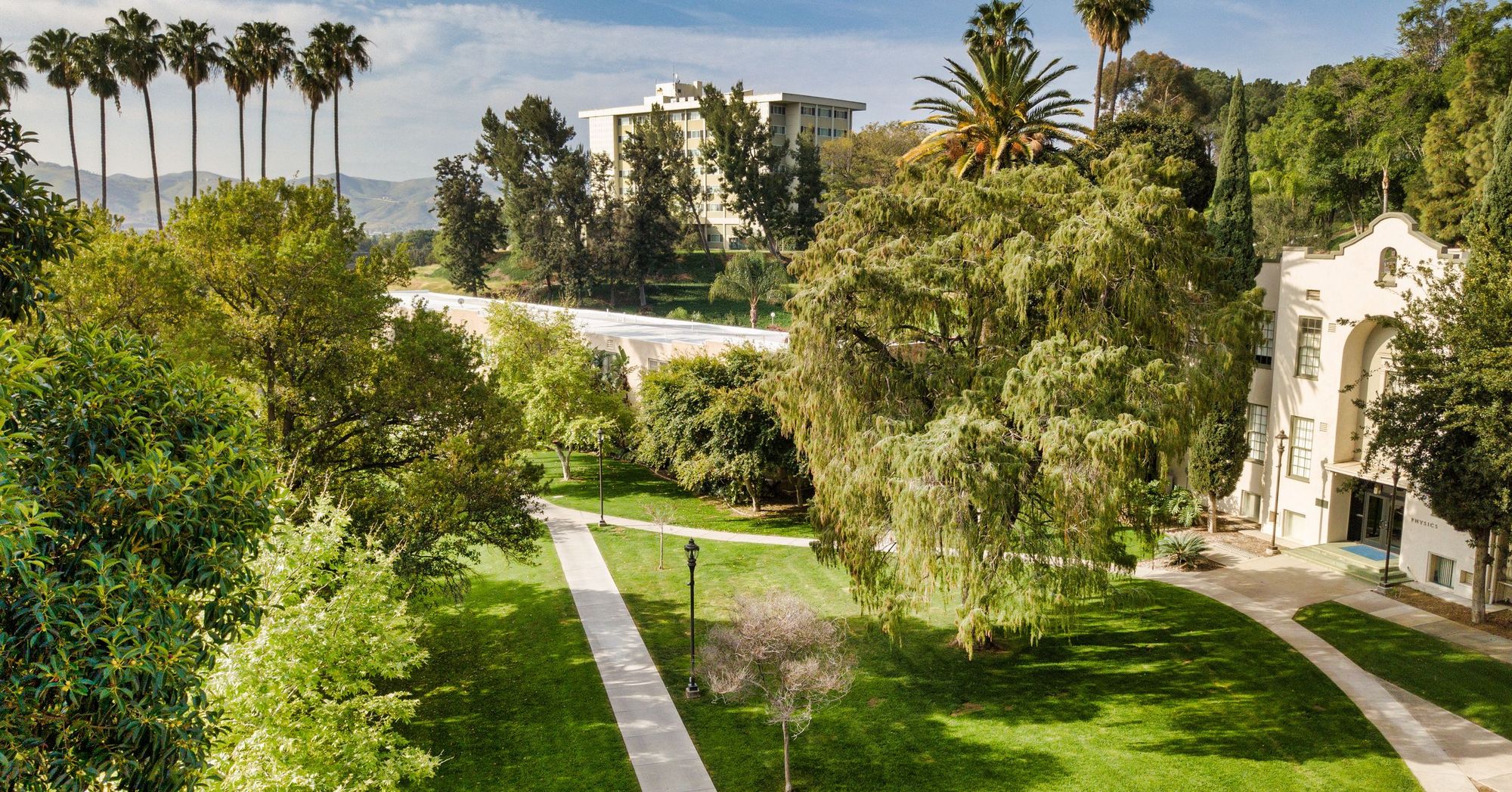
La Sierra University Full homepage screenshot

At a glance

Category
Education & Learning
Language
English
Paid-content signal
No paid content foundObserved
Registered
Unknown
Hosting
CloudflareInferred
HTTPS certificate trusted
PassedObserved
Last updated

Website review

This review may include AI-generated content and is not individually verified. Domain, certificate and other facts come from the observed data on this page.

What is La Sierra University?

La Sierra University is a private Christian university in Riverside, California, affiliated with the Seventh-day Adventist Church. Its site describes it as an Adventist university known for a diverse campus and a commitment to service, offering undergraduate and graduate academics alongside campus ministries, arts events and athletics.

What it offers, in practical terms

  • Academics: A range of programs, including newer offerings such as Sports Management, Film & Television Production, Music Composition, Exercise Science (Fitness & Coaching concentration) and Sports & Exercise Psychology.
  • Admissions and aid: Prospective students can request information, apply and explore financial aid; the site also runs a Fall Open House where visitors tour campus and get admissions and aid questions answered.
  • Campus life: Spiritual life (chapel, ministries), art exhibits, music events and athletics, plus student resources like advising and the library.
  • Community beyond enrollment: Parents get a "Roadmap to College," and alumni can stay connected through the Alumni Association.

Who it tends to suit

Students who want a faith-integrated education within a church-affiliated framework, and who value a service-oriented campus culture. Families comparing options should weigh the Adventist identity and required religious programming against their own preferences, since that environment shapes daily campus life.

A useful next step

If you're considering it, register for the Fall Open House (scheduled for October 11, 2026) or schedule a campus visit; it's the fastest way to judge fit, tour facilities and speak directly with admissions and financial aid staff. For a broader comparison, official sites such as Seventh-day Adventist Church and College Board can help contextualize the Adventist higher-education landscape and compare costs and outcomes.

How does La Sierra University's Seventh-day Adventist affiliation shape campus life and academic requirements?

La Sierra University's Seventh-day Adventist affiliation shapes campus life mainly through shared religious practice and a service-oriented culture, while academic requirements stay largely conventional: the affiliation is most visible in campus rhythms and co-curricular expectations rather than in doctrinally restricted coursework. The university describes itself as an Adventist institution in Riverside, California, and its materials emphasize service, community events, and spiritual life alongside its academic programs.

Where the affiliation shows up

  • Campus life: Chapel and music events appear in the university's public event listings, and new-student programming includes a parent blessing service—an Adventist-flavored welcome ritual. The site also points to art exhibits, music events, and other gatherings open to the wider community.
  • Community and service: The university's stated commitment to service and community impact is the affiliation's practical expression; expect service and campus-ministry opportunities to be prominent parts of student life.
  • Academics: The listed programs—including newer ones such as Sports Management, Film & Television Production, Music Composition, and Exercise Science—are standard professional and liberal-arts fields. Nothing in the supplied page evidence indicates that coursework is limited to Adventist doctrine. Religion courses are common at Adventist universities generally, but treat that as a general expectation to confirm, not a stated La Sierra requirement.
  • Lifestyle expectations: Adventist campuses typically observe a Saturday Sabbath and may set conduct expectations around alcohol and diet. The page evidence does not spell these out, so verify current student-life policies directly.

What this means for a prospective student

If you value a faith-centered community, weekly chapel rhythms, and service opportunities, the affiliation is a genuine draw. If you are not Adventist, the practical questions are how much religious participation is expected and whether Sabbath observance affects labs, performances, or athletics schedules. For comparison, other Adventist institutions in the region include Loma Linda University and Pacific Union College, while Azusa Pacific University offers a different Christian tradition.

Next step: register for the Fall Open House, which the university says covers admissions and financial aid, and ask specifically about chapel requirements, Sabbath scheduling, and residence-hall expectations—those answers will tell you more about daily life than any brochure.

What academic programs and new majors does La Sierra University offer for prospective students?

La Sierra University offers a broad set of undergraduate and graduate academic programs across its schools and colleges, with a particular emphasis on newer, career-oriented majors. According to the university's own program page, recent additions include Sports Management, Film & Television Production, Music Composition, Exercise Science with a Fitness & Coaching concentration, and Sports & Exercise Psychology. These sit alongside its established offerings in the arts, sciences, business, education and health-related fields, and the site points prospective students to a full program listing to match interests to a career path.

What the new majors suggest

The new programs cluster around three areas that prospective students often weigh:

  • Sports and movement: Sports Management, Exercise Science (Fitness & Coaching), and Sports & Exercise Psychology suit students aiming at coaching, athletics administration, fitness, or performance psychology roles.
  • Media and creative production: Film & Television Production and Music Composition fit students who want hands-on creative work rather than a purely theoretical degree.
  • Applied health and human performance: Exercise Science and Sports & Exercise Psychology can serve as foundations for graduate study in kinesiology, physical therapy, or related fields, though the university's site does not detail specific prerequisites or accreditation for these paths.

How to use this as a prospective student

Start with the university's Programs page and filter by your intended field, then note whether your interest is a long-established major or one of the newer additions. Newer programs can mean fresher curriculum and industry-focused faculty, but they may also have shorter track records and fewer alumni networks. Ask admissions directly about course sequencing, internship placements, and faculty credentials for the specific major you're considering.

A practical next step

If you're within driving distance of Riverside, the Fall Open House is the most efficient way to compare programs in person: you can tour campus, meet faculty, and get admissions and financial aid questions answered in one visit. If you can't attend, request information through the admissions office and ask to be connected with a department advisor for your top two majors. La Sierra's Adventist identity also shapes campus life and some course requirements, so students from other faith backgrounds should ask how that affects general education and daily campus culture.

How can students afford La Sierra University through financial aid and scholarships?

Students can make La Sierra University more affordable through the financial aid process the university itself points to: prospective students should file the FAFSA, review their aid offer, and combine need-based aid with scholarships. The site's "Financial Aid" section and its Fall Open House (which promises answers about admissions and financial aid) are the two most direct starting points.

Practical steps

  1. File the FAFSA early. Federal aid — Pell Grants, work-study, federal loans — depends on it, and many institutional awards use the same data.
  2. Ask about institutional and merit scholarships. La Sierra's aid page is the authoritative list; ask an admissions counselor which awards fit your GPA, test scores (if submitted), major, and church/community background.
  3. Check Adventist-specific support. As a Seventh-day Adventist university, it may have denominational scholarships or church-related tuition assistance; confirm specifics with the financial aid office rather than assuming.
  4. Use the net price calculator on the university's site to estimate your actual cost before committing.
  5. Attend Fall Open House or book a campus visit and meet financial aid staff in person — bring your family and your FAFSA questions.
  6. Explore outside scholarships and outside aid; these stack with institutional awards subject to the university's rules.

Decision criteria

Compare aid offers by net cost after grants (not sticker price), how much is loan versus grant, whether awards renew each year and on what conditions, and whether work-study hours fit your schedule. A larger grant package usually beats a larger loan package.

For context on aid processes elsewhere, Federal Student Aid explains the FAFSA, and BigFuture offers scholarship search guidance.

What is the process for visiting campus or attending an open house at La Sierra University?

Visit La Sierra University either through a scheduled campus visit or at a Fall Open House; the open house is the broader, event-based option, while a campus visit is the more flexible, individual one.

Two ways to visit

  • Fall Open House: The page advertises a Fall Open House (it lists a Sunday, October 11, 2026 date) where you can explore academic programs, tour campus, meet the community, and get answers about admissions and financial aid. Registration is handled through a "Register Now" link on the site.
  • Scheduled campus visit: The site's Visit section includes a "Schedule a Campus Visit" option, which suits families who can't make the open-house date or want a quieter, one-on-one look.
  • Request information first: A "Request Information" link lets you ask questions before committing to a date.

Which to choose

Situation Better fit
Comparing several colleges, want a structured overview Fall Open House
Specific questions on majors, aid or admissions Open House (admissions and financial aid answers are part of the program)
Tight schedule or a date that conflicts with the open house Scheduled campus visit
Early research, not ready to travel Request Information

Practical next step

Before booking, check the Visit section for current dates and any registration requirements, since event details can change. If you attend the open house, arrive with a short list of questions—for example, about a specific program such as the newer offerings in sports management or film and television production—so you leave with answers rather than brochures.

For broader context on the Riverside area or comparing other institutions, official sites such as City of Riverside can help with travel planning.

How do parents stay involved in their student's La Sierra University experience from enrollment through graduation?

La Sierra University points parents to a "Roadmap to College," described on its site as a way to stay connected with a student "throughout your La Sierra journey" — that is, from the point of enrollment toward graduation. Alongside it, the site keeps parents in view through practical touchpoints: admissions and financial aid answers at events like the Fall Open House, a parent blessing service during freshman orientation week, and campus events such as art exhibits and music performances that families can attend.

What parent involvement looks like in practice

  • Enrollment stage: Use the Roadmap to College as the organizing thread, and treat the Fall Open House as the moment to get admissions and financial aid questions answered directly rather than pieced together from scattered pages.
  • First weeks: The parent blessing service described in the university's news coverage shows how the campus formally includes families at the start of freshman year — a natural anchor for a first visit.
  • Ongoing years: Campus art and music events give parents a reason to return that isn't tied to a problem or a deadline.
  • Graduation: The site frames the Roadmap as spanning the whole journey, so the practical move is to check it each year rather than once at the start.

A concrete scenario

A parent whose student has just accepted an offer could register for the Fall Open House to settle financial aid questions in person, then keep the Roadmap bookmarked and plan one campus event per term. That rhythm keeps a parent informed without hovering, and it builds familiarity with the campus before commencement.

For comparison, families weighing other Adventist institutions sometimes look at Andrews University or Walla Walla University, each of which runs its own parent and family programming. The useful criterion is not which one has more parent resources but which one's communication cadence matches how involved your student actually wants you to be.

Related questions

More questions →
What Is a Christian College and How Is It Different From a Secular College?

A Christian college is an accredited institution that combines standard academic programs with a religious mission, typically integrating faith into coursework, campus life, and community expectations. It differs from a secular college mainly in intent and environment rather than in the degrees it awards: you can earn the same bachelor's or master's credentials, but the surrounding experience is shaped by a faith tradition. Eastern University, for example, describes itself as a Christian university in Philadelphia whose purpose includes teaching, scholarship, service, spiritual formation, student development, and societal involvement. The right choice depends on whether you want that faith dimension to be part of your education or prefer it kept separate.

What "Christian college" actually means

The label covers a wide range of schools, so treat it as a starting point, not a category with fixed rules. What they generally share:

  • A stated religious mission. Faith is part of the institution's purpose, not just a student club. At Eastern, that mission is expressed through spiritual formation alongside academics and service.
  • Faith integrated into learning. Many schools look for ways to connect subject matter to religious or ethical questions, though how explicitly this happens varies by department and professor.
  • A community with shared expectations. Chapel, worship, or conduct commitments may be part of enrollment.
  • Standard academic structure. Degrees, majors, and accreditation work the same way as at other colleges.

Two schools can both call themselves Christian and feel completely different — one may require chapel attendance and a statement of faith, another may simply offer a faith-informed environment open to all students.

How it differs from a secular college

Dimension Christian college Secular college
Mission Religious mission stated in the institution's purpose Mission focused on academics, research, or career preparation
Curriculum May integrate faith or ethics into courses; theology or religion often required Religion studied as an academic subject, not a framework
Campus life Chapel, worship, faith groups, and conduct expectations common Clubs and religious groups exist but are optional and student-led
Community expectations May include a faith statement, chapel requirement, or lifestyle commitments Generally no religious requirements for enrollment
Degree value Regionally accredited degrees, same as secular peers Regionally accredited degrees

The academic credential is not the main difference. The difference is the environment you learn in and what the institution expects of you outside class.

What to check before you decide

Because "Christian college" is broad, verify specifics rather than assuming.

Accreditation and degree options

Confirm the school holds regional accreditation, which is what employers and graduate programs recognize. Then check whether your intended major is actually offered and whether online or graduate options exist if you need flexibility. Eastern, for instance, lists undergraduate, graduate, and online degrees.

Faith requirements

Ask directly:

  • Is chapel or worship attendance required, and how often?
  • Do students sign a statement of faith or a conduct code?
  • Are faculty required to be practicing members of the tradition?

The answers tell you how much the faith dimension will shape your daily life.

Admission expectations

Christian colleges vary from highly selective to open admission. Ask what the application requires — transcripts, test scores, essays, references, or a faith-related statement — since some schools weigh mission fit alongside academics.

Cost and financial aid

Do not assume a religious affiliation means lower tuition. Costs and aid packages differ by school, and some offer church-related or mission-based scholarships. Ask the financial aid office what aid is available and whether any awards carry faith or service conditions. The source material here does not list prices, so confirm current figures directly with each school.

Fit and outcomes

  • Visit or attend a virtual session and sit in on a class if you can.
  • Ask how faith is integrated in your specific major, not just in general.
  • Review graduation rates, job placement, and graduate school outcomes for your field.

A practical way to evaluate one

If you are comparing a Christian college against a secular option, run the same questions through both:

  1. Mission: What is this school trying to produce in graduates?
  2. Daily life: What will a typical week include outside class?
  3. Requirements: What must I agree to or attend to enroll and stay?
  4. Academics: Is my major strong here, and is the school accredited?
  5. Money: What is the real cost after aid, and what conditions apply?
  6. Outcomes: Where do graduates in my field end up?

Whichever school answers these in a way that matches what you want from the next four years is the better fit — the Christian label alone does not decide it.

What Is a Seventh-day Adventist College and What Should Prospective Students Look For?

A Seventh-day Adventist college is a higher-education institution affiliated with the Seventh-day Adventist Church, which operates a worldwide network of schools and universities. It combines standard academic programs with a faith-based campus culture—typically including chapel or worship programming and a Saturday (Sabbath) rhythm rather than Sunday services. It is a good fit for students who want a Christian learning environment with a specific denominational identity; students seeking a purely secular campus or a different faith tradition should weigh that mismatch carefully.

La Sierra University in Riverside, California, is one example: it describes itself as an Adventist university and emphasizes a diverse campus and a commitment to service.

How Adventist colleges differ from other Christian colleges

All Christian colleges share a faith foundation, but Adventist institutions carry distinct markers:

  • Sabbath observance. Saturday is the traditional day of worship and rest, which shapes class schedules, campus events, and sometimes exam timing.
  • Denominational network. Many Adventist colleges are part of a connected system of schools, which can affect transfer pathways and shared resources.
  • Whole-person emphasis. Adventist education historically stresses spiritual, academic, and physical well-being together—often visible in campus life programming and health-related offerings.

If you are comparing a Seventh-day Adventist college with a nondenominational Christian college, ask specifically how the Sabbath schedule affects classes, athletics, and social events, since this is the most practical day-to-day difference.

What to expect academically and on campus

Adventist colleges offer conventional majors alongside newer career-focused programs. La Sierra, for instance, lists new programs including Sports Management, Film & Television Production, Music Composition, Exercise Science with a Fitness & Coaching concentration, and Sports & Exercise Psychology. Prospective students should confirm that a specific major is offered and accredited where relevant (for example, programs tied to professional licensure).

Campus culture typically includes worship and service opportunities. La Sierra's materials reference events such as a parent blessing service and a "Hello Walk" welcoming new students, and the university highlights art exhibits, music events, and community programming. Expect a campus calendar that mixes academic, spiritual, and social activities.

How to compare Adventist colleges

Use the same dimensions across every school so the comparison is fair:

Dimension What to check Why it matters
Accreditation Regional/institutional accreditation; program-level accreditation for licensure tracks Affects credit transfer, graduate school, and professional eligibility
Cost and financial aid Published tuition, net price after aid, aid application steps Determines actual out-of-pocket cost
Faith requirements Chapel attendance, religion course requirements, lifestyle expectations Shapes daily student experience
Academic fit Availability of your intended major and related internships Core reason for attending
Student life Sabbath scheduling, housing, clubs, service opportunities Affects belonging and weekly routine

La Sierra's site points prospective students to a Financial Aid section and a "Roadmap to College" resource for parents, which are reasonable starting points for the cost and family-support questions.

Questions to ask and steps to take

Before applying or visiting, prepare a short list:

  1. Ask admissions: Is the college accredited, and are my intended programs accredited for any licensure? What percentage of students receive financial aid, and what is the typical net cost?
  2. Ask about faith life: Are chapel or worship attendance and religion courses required? How does Sabbath observance affect classes, labs, and athletics?
  3. Ask about outcomes: What support exists for internships, career services, and transfer credit from other schools?

Then take concrete steps: register for an open house or campus visit (La Sierra advertises a Fall Open House where visitors explore programs, tour campus, meet the community, and get admissions and financial aid answers), request information, and submit the application. During the visit, sit in on a class, attend a worship service, and talk to current students about the weekly rhythm—those conversations reveal more than brochures.

The main pitfall is choosing on atmosphere alone. Confirm accreditation, net cost, and major availability first; the faith-based culture is the differentiator, not a substitute for the practical checks.

What Is a College? Definition, Types, and How It Differs from a University

A college is a post-secondary educational institution where students pursue programs after high school, typically awarding associate's or bachelor's degrees (and sometimes certificates or diplomas). The term is used differently across countries: in the United States, "college" and "university" are often used interchangeably in everyday speech, while in many other systems a college is a smaller institution, a teaching-focused school, or a constituent part of a larger university. Use this article to classify a specific institution correctly and to decide which type fits a given goal.

Core definition and purpose

A college exists to deliver structured education beyond the secondary level. Its core functions are:

  • Teaching and instruction — organized courses leading to a credential (certificate, diploma, associate's, bachelor's, or higher).
  • Assessment and credentialing — exams, projects, and graduation requirements that certify a level of knowledge.
  • Specialization — focusing on a field, a discipline group, or general education, depending on the type.
  • Pathways — preparing students for employment, further study, or transfer to another institution.

The key marker is that a college is post-secondary: it enrolls students who have completed high school or its equivalent.

College vs. university vs. school vs. institute

These terms overlap, and the meaning depends on the country and the institution itself. The table below gives the practical distinctions.

Term Typical meaning Common credential focus
College Smaller or teaching-focused post-secondary institution; in some countries, a constituent unit of a university Certificates, associate's, bachelor's
University Institution that typically grants bachelor's and graduate degrees and often includes research Bachelor's, master's, doctorate
School Broad term; can mean a K–12 school, a faculty within a university (e.g., "school of engineering"), or a specialized institution Varies widely
Institute Often specialized in a technical, scientific, or professional field Certificates through degrees, depending on the institute

Practical rule: don't rely on the name alone. Check what credentials the institution actually awards and whether it is accredited. A "college" that grants master's and doctoral degrees functions like a university; a "university" with only undergraduate programs may look more like a college in scope.

Common types of colleges

Community college

  • Focus: Broad access, lower cost, local enrollment.
  • Typical programs: Associate's degrees, certificates, vocational training, and transfer-track courses.
  • Common pathway: Complete general education and transfer to a four-year institution, or enter the workforce directly.

Liberal arts college

  • Focus: Undergraduate education with a broad curriculum across humanities, social sciences, and natural sciences.
  • Typical programs: Bachelor's degrees, small classes, emphasis on critical thinking and writing.
  • Common pathway: Graduate study, professional school, or careers that value general analytical skills.

Technical college

  • Focus: Applied, career-oriented training.
  • Typical programs: Certificates, diplomas, and associate's degrees in fields such as engineering technology, IT, health trades, or skilled trades.
  • Common pathway: Direct employment in a specific occupation; some credits may transfer.

Constituent or affiliated college

  • Focus: A college that is part of, or affiliated with, a university.
  • Typical programs: Often shares the university's degree-granting authority and curriculum standards.
  • Common pathway: Students enroll through the parent university and receive its credential.

Degree-granting vs. non-degree-granting

Some colleges award full degrees; others offer only certificates or preparatory courses. This distinction matters more than the label when you are checking whether a program will qualify you for a job, a license, or further study.

Degree levels typically offered

Credential Typical length Usually offered by
Certificate / diploma Months to ~1 year Community, technical, vocational colleges
Associate's degree ~2 years Community and technical colleges
Bachelor's degree ~3–4 years Liberal arts colleges, universities, some colleges
Master's / doctorate 1+ years beyond bachelor's Universities and some colleges with graduate programs

Lengths vary by country and program, so confirm the specific duration with the institution.

How to choose the right type

Match the type to your goal rather than to the prestige of the name.

  • Goal: enter a trade or job quickly. Prioritize a technical or community college with a career-focused certificate or associate's program and employer connections.
  • Goal: transfer to a four-year degree. Choose a community college with a documented transfer agreement and confirm which credits the target institution accepts.
  • Goal: broad undergraduate education and small classes. A liberal arts college may fit better than a large university.
  • Goal: research or graduate study. Look for institutions that grant graduate degrees and have faculty active in your field — often universities, though some colleges qualify.
  • Goal: minimize cost. Community colleges generally have lower tuition than four-year institutions; check local fees and aid, since these vary.
  • Goal: a specific credential for licensing. Verify that the program and the institution are recognized by the relevant authority before enrolling.

Questions to ask before deciding

  1. What credential does this program award, and is it accredited?
  2. Do credits transfer to the institutions or programs I might want later?
  3. What is the total cost, and what financial aid is available?
  4. What are the graduation and employment outcomes for this program?
  5. Does the institution's structure (college vs. university) affect the degree I receive?

Key takeaway

A college is a post-secondary institution focused on teaching and credentialing, but the word covers very different things — from a two-year community college to a liberal arts college to a college inside a university. The reliable way to classify one is to check the credentials it awards, its accreditation, and its transfer and career pathways, not just its name.

What Is a Christian University and How Is It Different From Other Colleges?

A Christian university is an accredited institution that teaches standard academic disciplines while integrating Christian faith into its curriculum, community life, and mission. It differs from a secular university in that spiritual formation is part of the educational model, and it differs from a Bible college in that it offers a broad range of majors and degrees rather than focusing almost entirely on ministry or theology. Eastern University, a Christian university in Philadelphia, describes its purpose as preparing undergraduate and graduate students through teaching, scholarship, service, spiritual formation, student development, and societal involvement.

Christian University vs. Secular University vs. Bible College

Dimension Christian University Secular University Bible College
Academic scope Broad range of undergraduate and graduate degrees Broad range of degrees Narrow, often ministry-focused
Faith in curriculum Integrated across programs Generally not part of coursework Central to nearly all coursework
Spiritual life Chapel, worship, formation, service Usually optional student groups Required and intensive
Community standards Often a conduct or lifestyle covenant Few or no religious standards Typically strict
Accreditation Regionally or nationally accredited Accredited Varies; may not offer recognized degrees

The key distinction is that a Christian university does not choose between academic breadth and faith. It pursues both, which is why it can look similar to a secular university in its degree offerings while feeling different in its mission and daily rhythm.

Common Features of a Christian University

Faith-Integrated Curriculum

Faith is not confined to a theology department. Courses in business, education, nursing, or the sciences may ask students to examine ethical questions, vocation, and service through a Christian lens. This is sometimes called faith-learning integration.

Chapel or Worship Requirements

Many Christian universities set aside regular time for chapel, worship, or spiritual formation. Requirements vary widely: some schools require attendance each semester, others offer optional programming. Check the specific policy before applying, since it affects your weekly schedule.

Community Standards

Christian universities often publish expectations for student conduct, sometimes framed as a community covenant. These can cover areas such as honesty, respect, and lifestyle choices. The purpose is usually to shape a shared community rather than to screen applicants.

Spiritual Formation and Service

Spiritual formation is the intentional development of a student's faith during college. It may include mentoring, small groups, retreats, and service or mission opportunities. Eastern University names spiritual formation and societal involvement as part of its educational mission, which illustrates how these elements are built into the institution rather than added on.

Accreditation and Academic Rigor

A common concern is whether a Christian university degree is recognized by employers and graduate schools. The answer depends on the individual institution's accreditation. Regionally accredited Christian universities meet the same broad standards as other accredited colleges, and their credits and degrees generally transfer and are accepted.

When evaluating any Christian university:

  • Confirm the accrediting body and its recognition.
  • Check whether specific programs (such as nursing or education) hold additional professional accreditation.
  • Ask about graduate school placement and employer outcomes for your intended field.

Accreditation status matters more than the religious label. A well-accredited Christian university can be as academically demanding as a secular one.

What Campus Life Is Like

Campus life at a Christian university typically combines ordinary college experiences with a faith-oriented community. You can expect student organizations, athletics, residence life, and career services, alongside worship, service trips, and faith-based clubs. The social environment is often shaped by shared values, which some students find supportive and others find restrictive. Visiting campus and talking with current students is the most reliable way to judge fit.

Factors to Weigh When Choosing

  • Denomination and doctrine. Some universities are tied to a specific tradition; others are broadly Christian. This affects theology courses, chapel content, and community expectations.
  • Academic programs. Confirm the majors, minors, and graduate degrees you want are offered and accredited.
  • Cost and aid. Tuition, fees, and financial aid packages vary significantly. Compare net cost after aid rather than sticker price.
  • Community standards. Read the student handbook or covenant so you know what you are agreeing to.
  • Location and size. A Christian university in a city like Philadelphia offers different opportunities than a rural campus.
  • Spiritual expectations. Decide whether required chapel or formation activities align with what you want from college.

Questions to Ask Before You Apply

  1. What is the institution's accreditation, and are my intended programs accredited?
  2. Is chapel or spiritual formation required, and how often?
  3. What community standards apply to students?
  4. How is faith integrated into non-theology majors?
  5. What service, mission, or internship opportunities are available?
  6. What is the typical financial aid package, and what will my net cost be?

A Christian university can be a strong choice if you want rigorous academics in an environment where faith, service, and community are part of the design. The right fit depends on comparing accreditation, programs, cost, and the specific spiritual and community expectations of each school.

What Is a Seventh-day Adventist University and What Should Prospective Students Expect?

A Seventh-day Adventist university is a college or university affiliated with the Seventh-day Adventist denomination, which means faith is woven into academics, campus life, and community expectations rather than kept separate from them. La Sierra University in Riverside, California, describes itself as an Adventist university and illustrates what that affiliation typically looks like in practice: a service-oriented mission, a Christian campus culture, and standard admissions and financial aid pathways. This overview fits prospective students and families weighing a faith-based institution against secular or broadly Christian colleges.

What the Adventist Affiliation Means

The affiliation is more than a label. At an Adventist university, you should generally expect:

  • Faith-integrated learning — coursework and campus programming that reflect Christian values and the denomination's emphasis on service.
  • A service and community orientation — La Sierra frames its identity around "commitment to service" and "community impact," and its materials emphasize campus life, events, and community involvement.
  • A defined campus culture — worship, chapel, and community events are part of the rhythm of campus life rather than optional extras.

The exact rules on things like chapel attendance, lifestyle expectations, and religion course requirements vary by institution, so confirm them directly with each school rather than assuming.

Academics and Programs

Adventist universities offer conventional degree programs alongside their faith mission. La Sierra highlights both established offerings and newer programs, including:

  • Sports Management
  • Film & Television Production
  • Music Composition
  • Exercise Science: Fitness & Coaching Concentration
  • Sports & Exercise Psychology

The takeaway: an Adventist affiliation does not narrow you to ministry or theology degrees. Students pursue career-focused majors in business, media, health sciences, and the arts. Check each program's accreditation and professional licensure information, which La Sierra publishes under its consumer information and state authorization pages.

Admissions, Visits, and Financial Aid

The application process at an Adventist university generally mirrors other private universities. La Sierra's site organizes the path into clear steps:

  1. Apply — submit an application through the university's admissions portal.
  2. Visit — schedule a campus visit or attend an open house. La Sierra's Fall Open House (listed for Sunday, October 11, 2026) lets prospective students explore academic programs, tour campus, meet the community, and get answers about admissions and financial aid.
  3. Request information — if you are earlier in your search, use the request-information form before committing to an application.
  4. Plan finances — review the Financial Aid section and the "Make a Payment" and Self-Service links for current students.

Verification tip: after any visit or info session, confirm deadlines, aid forms, and deposit amounts directly with admissions, since these details change by cycle and are not all published on the homepage.

How It Differs From Secular or Broadly Christian Colleges

Dimension Seventh-day Adventist university Secular college Broadly Christian college
Faith in curriculum Integrated into mission and campus life Generally separate from academics Varies; often lighter integration
Campus culture Worship, service, and community events central Student-life driven, no religious expectation Christian community, fewer denominational rules
Service emphasis Explicit part of institutional identity Optional or club-based Common but not always central
Lifestyle expectations Denomination-influenced; confirm per school Minimal Varies widely

The practical difference is ethos: at an Adventist university, the faith dimension shapes the whole experience, not just a weekly service.

Questions to Ask Before Deciding

  • What are the chapel, worship, and religion-course requirements, and how are they enforced?
  • Are there lifestyle or conduct expectations I should know about before enrolling?
  • Is my intended program accredited, and does it meet licensure requirements in my state?
  • What financial aid, scholarships, and payment plans are available, and what are the deadlines?
  • Can I visit or attend an open house before committing?

Weigh these answers against your own goals: if a service-oriented, faith-integrated community appeals to you, an Adventist university like La Sierra may fit; if you want religion kept outside the classroom, a secular institution will likely suit you better.

Website Overview

Several search or sharing settings need attention. Together they may make snippets, preview images or preferred URLs less consistent across platforms.

Domain and Registration

Unknown

DNS and Email

The lowest TTL is 60 seconds, supporting rapid record changes at the cost of more frequent lookups. Nameservers are provided by Cloudflare, indicating managed DNS hosting. MX records point to the Microsoft 365 email service. No CNAME was found; the observed records resolve directly to addresses. SPF and DMARC are configured. DKIM status is unknown.

TLS and Certificates

The public key uses EC with 256 bits. The server supplied a complete certificate chain. No organization name is present in the certificate; the available fields are consistent with domain validation. The certificate was issued within the Google Trust Services cloud or CDN ecosystem. The certificate's total validity is about 90 days, consistent with a short renewal cycle.

HTTP and Browser Security

The response lacks these common security headers: X-Content-Type-Options, Permissions-Policy. No X-Powered-By header was found, reducing one common source of backend fingerprinting information. The cf-ray, x-cache response header indicates a CDN or caching proxy in the delivery path. No obvious internal addresses or debug information were found in the headers. The Server header identifies cloudflare without an exact version.

Technology Stack Analysis

The public page identifies TYPO3 CMS, Google Tag Manager, Google Analytics, Cloudflare without precise versions, leaving fewer clues for version-specific scanning.

Search and Social Sharing

The title has 67 characters and may be truncated in search results. The meta description has 165 characters and may be shortened in search results. The Generator tag identifies TYPO3 CMS, making the publishing system easier to fingerprint. Open Graph is partially configured; og:description is missing. Twitter Card metadata is configured.

Hosting and Email

DNSCloudflare
HostingCloudflare
EmailMicrosoft 365
Approximate IP geolocation (inferred; a CDN or proxy may differ from the origin server) Location unknown Inferred 104.21.41.197

Registration details

RDAP / WHOIS

Unknown

DNS records

DNS

TypeNameValueTTLPriority
Alasierra.edu104.21.41.197300—
Alasierra.edu172.67.166.215300—
AAAAlasierra.edu2606:4700:3031::ac43:a6d7300—
AAAAlasierra.edu2606:4700:3035::6815:29c5300—
MXlasierra.edulasierra-edu.mail.protection.outlook.com36000
NSlasierra.eduarcher.ns.cloudflare.com86400—
NSlasierra.edudahlia.ns.cloudflare.com86400—
TXTlasierra.edu6u1571odrcklgiqd41sfjit6mr60—
TXTlasierra.eduadobe-idp-site-verification=3116c4ad5c8ae68568c3387513996d244ec4767ce8d2dadd86187db89205fd3d60—
TXTlasierra.eduapple-domain-verification=q1AT5PELmtBdR2Jx60—
TXTlasierra.eduatlassian-domain-verification=/LjvWak1MWkDsfpPBGvJiweprXEivLTMFTJuuvCX6b6ay3Y4MFAJhfuDjfxpKIX960—
TXTlasierra.eduatlassian-domain-verification=apqbMeCik00sB3aa68I9xzgjBCf9WOfEiVk5NNpVjRrfJu0zqjuxf0DYVzW/XJYH60—
TXTlasierra.edugoogle-site-verification=mvakM6Onj3DFwuOvk047X4gwvhhk56aIEnjfN5K7hvo60—
TXTlasierra.edugoogle-site-verification=n6_ebc5UlP75hsAlq_4U1AQQEiXtJoTgNpcQuJW2yaw60—
TXTlasierra.edugoogle-site-verification=zOc0c4H3kf4rNi9tk3VrWh4Jxslp9cTowOAyl_mXStg60—
TXTlasierra.eduv=spf1 +a include:spf.protection.outlook.com include:spf-jangomail-mailgun.lasierra.edu include:spf-overflow1.lasierra.edu include:spf-zendesk.lasierra.edu ip4:12.235.2.163 ip4:192.40.160.0/19 ip4:74.91.80.0/20 ip4:192.254.121.248 ip4:23.21.109.197 ip4:23.21.109.212 ip4:69.196.242.128/28 ip4:69.196.241.0/28 ip4:46.183.242.192/28 ip4:202.38.144.192/28 ip4:69.196.236.208/28 ip4:192.230.230.0/25 ip4:64.125.200.96/28 ip4:103.225.232.128/28 ip4:37.216.222.128/28 ip4:54.85.76.43 ip4:20.186.24.60 ip4:34.197.133.25 ip4:173.213.227.33/28 ip4:23.22.228.238 ip4:34.198.69.238 ip4:130.250.98.0/27 ip4:199.188.157.80/28 ip4:34.209.104.25 ip4:192.161.144.0/20 ip4:185.12.80.0/22 ip4:103.151.192.0/23 ip4:144.121.142.48/28 ip4:96.46.150.192/27 ip4:174.137.46.0/24 ip4:188.172.128.0/20 ip4:216.198.0.0/18 ip4:54.240.63.0/25 ip4:54.240.40.0/25 ip4:199.255.192.0/22 ip4:199.127.232.0/22 ip4:54.240.0.0/18 ip4:75.98.95.161/27 ip4:205.237.106.0/24 ip4:69.25.199.0/24 ip4:184.173.153.50 ip4:192.237.158.52 ip4:192.237.159.131 ip4:192.237.159.132 ip4:192.237.159.133 ip4:204.75.142.249 ip4:192.28.152.193 ip4:192.28.155.55 ip4:13.111.112.225 ip4:13.111.112.244 ip4:199.231.134.73 ip4:216.248.199.106 ip4:167.89.0.0/17 ip4:208.117.48.0/20 ip4:50.31.32.0/19 ip4:198.37.144.0/20 ip4:198.21.0.0/21 ip4:149.72.0.0/16 ip4:167.89.25.126 ip4:198.37.159.162 ip4:167.89.25.12 ip4:198.37.158.230 ip4:167.89.17.242 ip4:198.37.152.151 ip4:167.89.13.187 ip4:198.37.152.137 ip4:198.37.152.133 ip4:149.72.161.246 ip4:149.72.190.43 ip4:149.72.227.21 ip4:167.89.111.77 ip4:168.245.22.106 ip4:168.245.23.37 ip4:168.245.61.128 ip4:168.245.125.167 ip4:216.146.32.161 ip4:216.146.32.188 ip4:216.146.32.187 ip4:216.146.32.186 ip4:216.146.32.185 ip4:69.169.229.106/27 ip4:192.254.112.0/20 ip4:168.245.0.0/17 ip4:129.79.1.58 ip4:134.68.220.35 ip4:156.56.127.137 ip4:66.240.227.76 ip4:66.116.119.146 ip4:66.240.227.77 ip4:63.143.57.204 ip4:63.143.57.205 ip4:54.240.56.128/26 ip4:18.235.49.224 ip4:3.213.144.207 ip4:3.229.42.5 ip4:35.170.89.44 ip4:52.102.149.20 ip4:52.101.41.183 -all60—
DMARC_dmarc.lasierra.eduv=DMARC1; p=quarantine; sp=none; rf=afrf; adkim=r; aspf=s; pct=100; ri=86400; fo=1; rua=mailto:[email protected],mailto:[email protected],mailto:[email protected],mailto:[email protected]; ruf=mailto:[email protected],mailto:[email protected],mailto:[email protected];60—

TLS and certificates

TLS / SSL

AssessmentNormal configuration
Supported protocolsTLSv1.2、TLSv1.3
Negotiated protocolTLSv1.3
Certificate subjectlasierra.edu
IssuerGoogle Trust Services
Valid until2026-12-07T20:30 · Remaining when checked: 47 days
Verification detailsCertificate trust: Passed · Hostname match: Passed

HTTP response headers

HTTP

HeaderValue
content-typetext/html; charset=utf-8
content-languageen-US
cache-controlprivate, no-store, max-age=0
servercloudflare
strict-transport-securitymax-age=31536000;
content-security-policyframe-ancestors 'self' https://*.lasierra.edu https://lasierra.edu https://experience.elluciancloud.com https://www.youtube.com https://www.youtube-nocookie.com https://vimeo.com https://*.vimeo.com;
x-content-type-optionsnosniff, nosniff
referrer-policystrict-origin-when-cross-origin

Identified technologies

TYPO3 CMSGoogle Tag ManagerGoogle AnalyticsCloudflare

Pages, Search and Sharing

Meta description<p>Discover La Sierra University, nationally acclaimed for its diverse campus and commitment to service. Experience excellence in education and community impact!</p>
Canonical URLhttps://lasierra.edu/
LanguageEnglish (default)
Twitter Cardsummary
All bots 1 allowed · 9 disallowed
  • Allow/typo3/sysext/frontend/Resources/Public/*
  • Disallow/*eID*
  • Disallow/*?rave.php*
  • Disallow/fileadmin/AAA/
  • Disallow/esem/pixel.php*
  • Disallow/esem/
  • Disallow/*ADMCMD_prev*
  • Disallow/typo3/
  • Disallow/typo3_src/
  • Disallow/mailer/
googlebot-image 0 allowed · 5 disallowed
  • Disallow/fileadmin/_processed_/csm_shirley-gregg*.jpg
  • Disallow/fileadmin/*shirley-gregg*.jpg
  • Disallow/uploads/RTEmagicC_gregg_s.jpg.jpg
  • Disallow/fileadmin/_processed_/csm_kimberly-hall*.jpg
  • Disallow/fileadmin/*kimberly-hall*.jpg
ccbot* 0 allowed · 1 disallowed
  • Disallow/
  • IntervalCrawl delay 30 seconds
scoutjet 0 allowed · 1 disallowed
  • Disallow/
sogou* 0 allowed · 1 disallowed
  • Disallow/
genieo 0 allowed · 1 disallowed
  • Disallow/
semrushbot 0 allowed · 1 disallowed
  • Disallow/
semrushbot-sa 0 allowed · 1 disallowed
  • Disallow/
mj12bot 0 allowed · 1 disallowed
  • Disallow/
msnbot 0 allowed · 0 disallowed
  • IntervalCrawl delay 10 seconds
bing 0 allowed · 0 disallowed
  • IntervalCrawl delay 10 seconds
dotbot 0 allowed · 0 disallowed
  • IntervalCrawl delay 10 seconds

No sitemaps found

User reviews (0)

  • No reviews yet.