
 简体中文
简体中文 English
Website review
This review may include AI-generated content and is not individually verified. Domain, certificate and other facts come from the observed data on this page.
What is Margaret River Wine?
Margaret River Wine is the official regional site for the Margaret River wine region in south-western Australia. It presents the region as a secluded coastal strip where the Indian and Southern Oceans meet, with salt-laden maritime air, ancient terrain and a strong biodiversity story, including recognition of the Wadandi people as traditional owners over 50,000 years. The site pairs that sense of place with news and awards coverage, positioning the region as a source of globally respected fine wine rather than a single winery or shop.
What the site covers
- Regional identity: geology, maritime influence and a small share of Australia's total crush, which the site frames as an artisan, quality-over-volume story.
- Wine and makers: profiles of individual producers under "Meet the Maker," such as Travis Wray of House of Cards, Firetail Wines, and Jilyara.
- News and recognition: award results and vintage reports, including a 100-point wine at the International Wine and Spirit Competition, Decanter World Wine Awards coverage, and a strong 2026 vintage.
- Visiting: seasonal travel ideas, such as a winter weekend itinerary.
Who it is for
It suits travellers planning a Margaret River trip, trade and media looking for regional context, and wine drinkers who want to understand why the region's Cabernet Sauvignon, Chardonnay and blends command attention. It is less useful if you want to buy a specific bottle immediately or compare retail prices, since the page evidence shows editorial and promotional content rather than a storefront.
A practical next step
If you are choosing where to focus, start with the producer profiles to find makers whose style matches your taste, then check the vintage and awards news to judge consistency across years. For a broader Australian comparison, Wine Australia covers national regions and export context, while Decanter publishes the award results referenced here.
How does Margaret River's maritime climate affect its wine style?
Margaret River's maritime setting is the main reason its wines tend to sit between the crisp, lean styles of cooler coastal regions and the fuller, riper styles of warmer inland Australia. The region is a narrow peninsula in south-west Western Australia, with the Indian and Southern Oceans on its doorstep. That ocean influence moderates temperatures: summers are warm but rarely extreme, and the nights cool down noticeably. The result is a long, even ripening period.
What that does in the glass
- White wines, especially Chardonnay and Sauvignon Blanc-Semillon blends: The maritime climate helps retain natural acidity while fruit reaches flavour ripeness. Chardonnay typically shows citrus, white peach and melon, with a textural, sometimes creamy mid-palate from lees work. Sauvignon Blanc-Semillon blends are often grassy, herbal and citrus-driven, with a fresh finish rather than the pungent, overtly tropical style found in some warmer regions.
- Red wines, especially Cabernet Sauvignon: Cabernet is the region's benchmark. Cool nights and a long season allow tannins to ripen fully without losing freshness. Expect blackcurrant, bay leaf and cedar, firm but polished tannins, and a structure that ages well. Shiraz tends to be medium-to-full bodied with blackberry, pepper and savoury notes, less jammy than warm-inland examples.
The trade-offs
Maritime influence is not a guarantee of elegance. In cooler or wetter vintages, reds can struggle to ripen fully, showing greener herbal notes and firmer tannins. In warmer years, alcohol can creep up and the freshness that defines the regional style can soften. That variability is why vintage matters here, and why the region's best producers often pick selectively across sites.
A practical way to use this
If you enjoy Chardonnay with tension and texture, or Cabernet with ripe tannin and a savoury edge, Margaret River is a strong place to look. If you prefer very ripe, fruit-forward reds or intensely tropical whites, you may find the regional style more restrained than you expect. For regional news, vintage reports and producer profiles, Margaret River Wine is a useful starting point. To compare against a similarly maritime but cooler Australian region, Wine Australia and Wine Tasmania offer context on how climate shapes style.
What should I know before planning a visit to Margaret River wineries?
Margaret River is a compact, coastal wine region in south-west Australia, best treated as a place to slow down rather than tick off. The official regional site, Margaret River Wine, frames it around three things: ancient geology, maritime influence from the Indian and Southern Oceans, and distinctive vine material such as rare grape clones. It also notes that the region accounts for roughly 2% of the Australian crush — small in volume, focused on quality.
What that means for planning
- Expect a coastal climate, not a hot inland one. The ocean moderates temperatures, which is why Cabernet Sauvignon and Chardonnay are the region's calling cards. Cooler, breezier conditions can make a day feel changeable, so layers help.
- Distances are short but not walkable. Wineries cluster along a handful of routes rather than in one town centre. A designated driver, a booked tour, or a private transfer is the practical choice if you plan to taste seriously.
- Bookings matter more than you'd expect. Many cellar doors are small, family-run operations — the site's "Meet the Maker" features, such as House of Cards, Jilyara and Firetail Wines, illustrate how common the owner-operated model is. Popular venues and weekend lunches fill up.
- Tasting fees and policies vary by venue. Some waive the fee against a purchase, some don't. Check each winery directly rather than assuming a region-wide standard.
- The region has cultural depth beyond wine. The land is cared for by the Wadandi people and is described as one of the most biodiverse environments on Earth. A visit that includes the coastline, forests or a cultural experience is more rewarding than a pure cellar-door crawl.
A sensible first move
Pick two or three sub-areas — for example, a cluster near the town of Margaret River, one toward Cowaramup, and one further south — and build one day around each. That keeps driving time down and leaves room for a long lunch. If you're travelling in winter, the site's "cosy winter weekender" angle is worth noting: cellar doors with fireplaces and hearty food become the main draw rather than the beaches.
How to judge which wineries to prioritise
| If you want | Look for |
|---|---|
| Benchmark regional styles | Producers with strong Cabernet Sauvignon and Chardonnay track records |
| A personal, unhurried visit | Small, owner-run cellar doors with limited opening hours |
| A social, low-effort day | A guided tour that handles driving and bookings |
| Something beyond tasting | Wineries with restaurants, galleries or vineyard walks attached |
Check current opening days and seasonal hours directly with each winery before you go, since small producers often close mid-week or during vintage.
Why are Margaret River wines so highly awarded?
Margaret River wines earn awards because the region combines a long, stable growing season with strong maritime influence and distinctive geology, letting producers ripen grapes fully while keeping freshness and structure. The regional body Margaret River Wine highlights this interplay of ancient terrain, salt-laden ocean air and rare grape clones, alongside a small share of Australia's total crush—so quality, not volume, is the focus.
What the evidence points to
- A long, even ripening window: Coastal conditions moderate temperature swings, supporting flavour ripeness and natural acidity at once.
- Distinctive soils and terrain: Ancient, geologically varied ground gives different sites their own character, which helps wines stand out in blind judging.
- Clonal diversity: Access to rare grape clones adds complexity and gives winemakers more to work with.
- Small output, high attention: With only a small fraction of Australia's crush, the region's reputation rests on a limited set of wines that can be made and reviewed closely.
- Momentum from recognition: The site notes a 100-point wine at the International Wine and Spirit Competition and strong showings at the Decanter World Wine Awards—awards that tend to draw further scrutiny and investment.
How to use this
If you are choosing a bottle, treat awards as a starting point rather than a guarantee. Look for the producer, vintage and variety, then compare a Margaret River Chardonnay or Cabernet Sauvignon from a cooler site with one from a warmer pocket to taste how the maritime effect shows up. If you are planning a visit, use the region's maker profiles and seasonal news to time a trip around vintage or cellar-door releases.
Which Margaret River wineries should I visit for a cosy winter weekend?
For a cosy winter weekend, use Margaret River Wine's own lead story as your shortlist: "Five Wondrous Experiences that make Margaret River the Perfect Cosy Winter Weekender" on Margaret River Wine. That page is the region's curated answer to exactly your question, and it will name specific cellar doors and winter experiences rather than leaving you to guess from a map.
The site's maker profiles are the better planning tool, though. They introduce individual producers — Travis Wray of House of Cards, Jilyara (noted for lightweight glass), and Rob and Jessica of Firetail Wines — which tells you what kind of visit each offers before you commit a wet afternoon to it.
What "cosy" actually means here
Winter in this corner of south-west Australia is wet, windy and cool, so the deciding factor is rarely the wine alone. It is whether the tasting room has a fire, a sheltered outlook, or food to settle in with. A useful way to choose:
- Small maker with a story — best if you want to talk to the person who made the wine. House of Cards and Firetail are the kinds of names to look for in the maker series.
- Producer with a sustainability angle — Jilyara's lightweight-glass profile suggests a visit where packaging and environmental choices are part of the conversation.
- Award-recognised estates — the site reports a 100-point wine at the International Wine and Spirit Competition and strong Decanter World Wine Awards results, so trophy-winning labels are worth seeking out if you want a benchmark tasting.
A practical next step
Pick two cellar doors per day, not four. Winter daylight is short, rural roads are dark and wet, and the pleasure of a cosy weekend comes from staying put rather than driving between venues. Book ahead — small producers often run limited winter hours — and ask each winery directly whether they have a fire, indoor seating and food, since those details change season to season.
If you want broader regional context before choosing, Australia.com and Tourism Western Australia cover the Margaret River region's visitor logistics, including how to get there and where to base yourself.
How does the Wadandi heritage shape Margaret River's wine region?
The Wadandi heritage shapes Margaret River's wine region mainly through the land itself and the way the region presents its identity. The Wadandi people are described as the traditional owners who have cared for this south-west Australian coastal area for 50,000 years, and the wine region is framed as sitting within one of the most biodiverse environments on Earth. That framing matters for visitors and wine buyers: it positions Margaret River as a place with deep cultural continuity and environmental value, not just a scenic backdrop for cellar doors.
Where the influence shows up
- Land and place narrative. The region's geology, ancient terrain and coastal setting are presented as the foundation of its fine wine story. Wadandi custodianship is part of that same place-based identity.
- Environmental stewardship. Because the region is described as biodiverse and cared for over such a long period, producers and visitors are encouraged to think about conservation and respectful land use alongside viticulture.
- Cultural tourism. A wine trip to Margaret River can include learning about Wadandi country, which adds a layer beyond tasting rooms and restaurants.
A practical way to use this
If you are planning a visit or choosing wines, look for producers and experiences that explicitly acknowledge Wadandi country and support local cultural or environmental initiatives. For trip planning and regional context, start with Margaret River Wine, then check official tourism and local Aboriginal cultural organisations for guided experiences. The trade-off is that cultural and environmental framing can be used superficially; the more meaningful signals are long-term relationships, direct community involvement and specific land-care practices rather than a single line on a label.
 Cloudflare
 Microsoft 365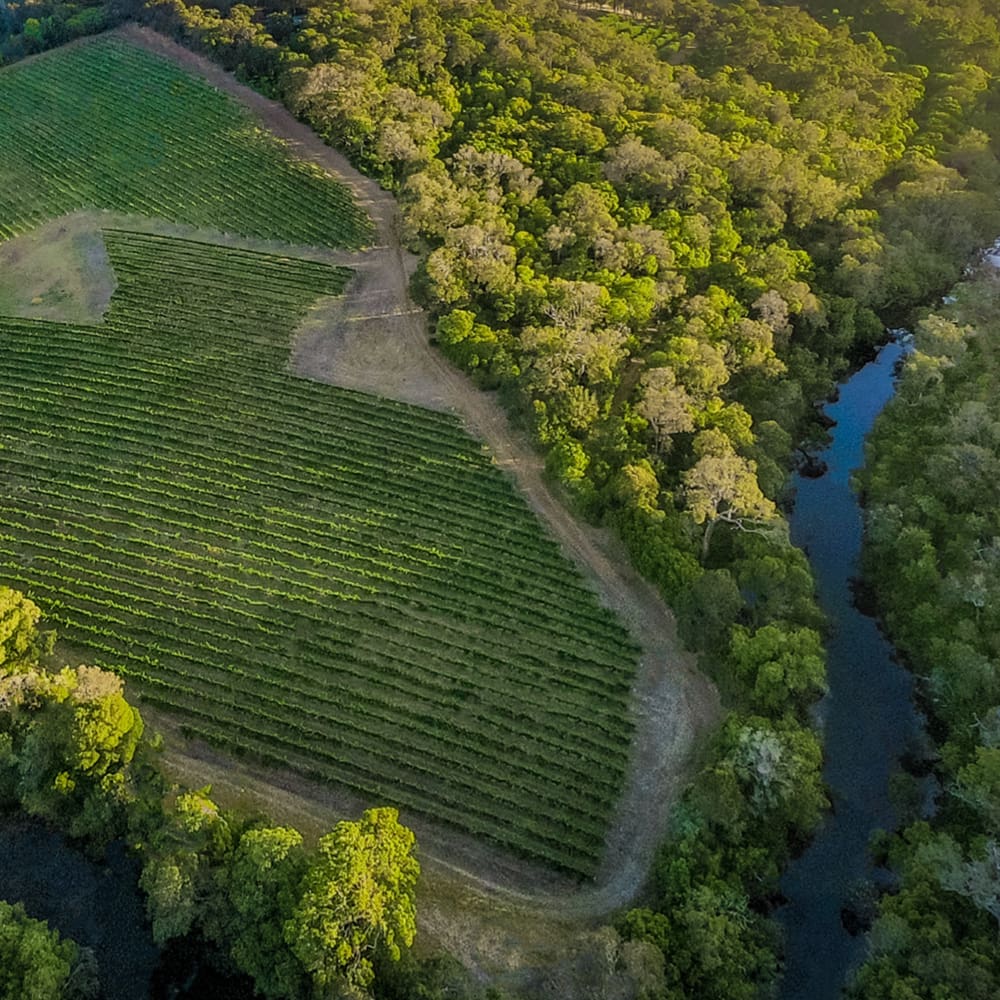

User reviews (0)