
 简体中文
简体中文 English
Website review
This review may include AI-generated content and is not individually verified. Domain, certificate and other facts come from the observed data on this page.
What is Meat Science at Texas A&M University?
Meat Science at Texas A&M University is an academic and research program that studies every stage of meat production, from animal husbandry to consumer preferences. Its site describes three main activities: educating future meat scientists through research and hands-on industry experience, sharing the art and science of Texas barbecue with students and the public, and training students in meat judging—evaluating meat quality against industry standards. Much of the practical work runs through the Rosenthal Meat Science and Technology Center, which turns research into real applications and also operates a retail meat market open to the public, with products processed on site and shipped nationwide.
Who it serves
- Students considering meat science as a field of study, including those wanting laboratory and processing experience.
- Industry professionals interested in research collaboration or in barbecue training through Camp Brisket and Barbecue Summer Camp.
- The general public, who can take the barbecue camps for personal enjoyment or buy meat and dairy products from the Rosenthal Meat Market.
What to look at first
If you are a prospective student, start with the program and meat judging pages to see the training on offer. If you are curious about barbecue, the camps page explains the format. If you mainly want to buy meat, the Rosenthal Meat Market section is the relevant part. A planned Meat Science and Technology Center at Texas A&M-RELLIS is described as forthcoming, so treat it as a future development rather than a current facility.
How can I sign up for the barbecue camps like Camp Brisket or Barbecue Summer Camp?
Sign-up details for Camp Brisket and Barbecue Summer Camp are not spelled out on the Meat Science homepage. The practical route is to start from the program's Barbecue Camps section on Meat Science and follow its "Explore Our Camps" link, which should lead to registration information, dates and any prerequisites.
What to check before registering
- Camp format and audience: The page describes both camps as in-depth looks at the art and science of barbecue, open to people attending for enjoyment or for professional reasons. Check which camp matches your goal: Camp Brisket is brisket-focused, while Barbecue Summer Camp appears broader.
- Dates and capacity: These are hands-on camps, so sessions are likely limited. Confirm current dates and whether a waitlist exists before planning travel.
- Cost and what's included: The homepage gives no pricing. Look for fees, meals, materials and cancellation terms on the camp page or by contacting the program directly.
- Location: Camps are associated with Texas A&M in College Station, but verify the exact venue and any nearby lodging options.
A useful next step
If the camp page lacks a registration form, contact the Meat Science program office directly and ask for the current schedule and enrollment process. For broader context on the program, the department also maintains information through Texas A&M AgriLife, and general Texas A&M visitor information is available at Texas A&M University.
As a reader scenario: if you are a hobbyist pitmaster planning a weekend trip, prioritize a session with confirmed dates and a clear refund policy; if you work in food service, ask whether the camp covers commercial-scale techniques and whether any certificate or continuing-education credit is offered.
What can I buy at the Rosenthal Meat Market, and does it ship nationwide?
The Rosenthal Meat Market, the retail arm of Texas A&M's Rosenthal Meat Science and Technology Center, sells a variety of meat and dairy products processed on site, and those products can be shipped nationwide, according to Meat Science. The page does not list individual cuts, bundles or prices, so treat the range as "meat and dairy" rather than a confirmed inventory.
What to expect, and what to verify
- Meat and dairy products: The site describes the market as a full-service retail area carrying both categories, all processed at the center.
- Nationwide shipping: Stated as available for retail products; check current shipping terms, packaging and delivery windows before ordering perishables.
- Specials: The page points shoppers to Facebook for specials, which is where rotating offers appear rather than on the site itself.
A practical scenario
If you are planning a barbecue or a holiday meal and want university-processed product shipped to another state, start by confirming which items are in stock and how they are packed for transit; for a local visit, the market itself is the better route. For the science and hands-on training behind the counter, see Meat Science.
What does the meat judging program train students to evaluate, and who can participate?
The meat judging program trains students to evaluate meat quality, meat science principles and the meat industry's standards. In practical terms, that means judging cuts against recognized quality criteria and learning how industry grades and expectations are applied consistently.
The supplied page information does not specify who is eligible to participate, so it does not confirm whether the program is open to current Texas A&M students only, to students from other schools, or to the public.
A useful next step
If you are a prospective student or a coach at another school, check the program's own page through Meat Science for eligibility, team tryout details and any course or enrollment requirements before planning around it. For a broader view of meat science study options, Meat Science also outlines research, hands-on industry experience and related programs such as Texas barbecue and meat judging.
How is the new Meat Science and Technology Center at Texas A&M-RELLIS different from the current Rosenthal Meat Science and Technology Center?
The Texas A&M Meat Science page does not compare the two facilities directly. It presents the Rosenthal Meat Science and Technology Center as the program's current working facility, where research is turned into practical application and where retail products are processed for the public. The planned Meat Science and Technology Center at Texas A&M-RELLIS is described as a future, state-of-the-art facility intended to expand research, teaching and industry collaboration, with a $5 million lead gift from the Rosenthal family already supporting the project.
In practical terms, the difference shown on the page is one of role and stage rather than a feature-by-feature comparison:
| Rosenthal Meat Science and Technology Center | Planned center at RELLIS | |
|---|---|---|
| Status | Operating now | Announced as coming soon |
| Main role on the page | Applied research and hands-on processing; supplies the Rosenthal Meat Market | Broader platform for research, teaching and industry collaboration |
| Public-facing link | Retail meat and dairy products, shipped nationwide | Not described |
For a reader deciding what to do next: if you want to see the program in action or buy products processed by students and staff, the current Rosenthal center and its market are the relevant stop. If you are a student, researcher or industry partner interested in future collaboration or facilities, follow the page's information about the new RELLIS center. Specific capabilities, capacity and timelines for the new building are not stated in the supplied material, so treat any such details as unconfirmed until Texas A&M publishes them. The university's main site, Texas A&M University, is the place to watch for official project updates.
What degree programs or hands-on training does the meat science program offer for students pursuing a career in the meat industry?
Texas A&M's Meat Science program pairs degree-based study with hands-on industry training. The page describes research and education covering "every aspect of meat production, from animal husbandry to consumer preferences," with faculty emphasizing hands-on training. Specific hands-on offerings named are meat judging (training in evaluating meat quality, meat science principles and industry standards), Texas barbecue education, and work connected to the Rosenthal Meat Science and Technology Center, which turns research into practical applications. The Rosenthal Meat Market gives the public a retail face for products processed at that center.
What each pathway is for
- Degree study: The right route for a student who wants a career built on meat science fundamentals—production, quality and consumer preferences—rather than only retail or barbecue skills. The page frames this around educating future meat scientists through research plus industry experience.
- Meat judging: Best for students who want intensive practice applying industry quality standards—useful preparation for roles in grading, quality assurance or procurement, where consistent evaluation matters.
- Barbecue camps (Camp Brisket and Barbecue Summer Camp): Aimed at both enthusiasts and people in the trade, covering the art and science of barbecue. A practical fit for someone eyeing a barbecue business, restaurant work or product development where cookery knowledge complements science.
- Rosenthal Center and Market: Relevant for students seeking applied, processing-side experience and for anyone curious how research becomes retail product.
A useful next step
If you're choosing among these, decide first whether your goal is a science-based industry career (degree path, with judging as a skill-builder) or craft and business skills (barbecue camps). Then check the program's pages for current course and camp details, since enrollment specifics aren't given here. For broader context on meat science study, Meat Science is the program's own site.
 Cloudflare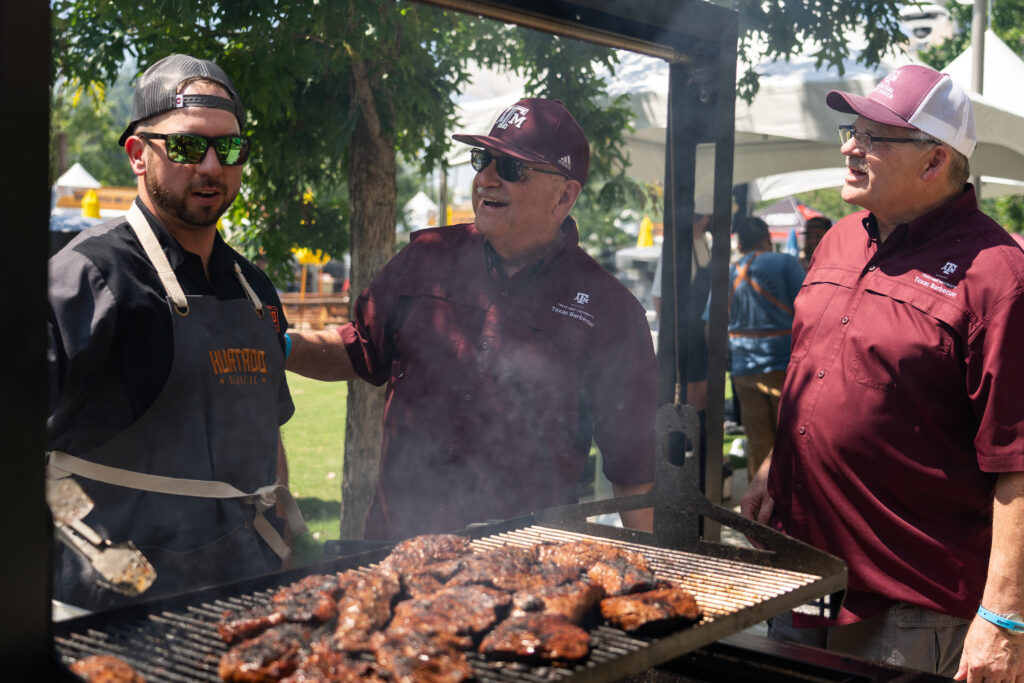
User reviews (0)