
 简体中文
简体中文 English
Website review
This review may include AI-generated content and is not individually verified. Domain, certificate and other facts come from the observed data on this page.
What is The Mexican Museum?
The Mexican Museum is a San Francisco arts and culture institution focused on Mexican and Latin American art, currently in a period of reconfiguration and preparing to move into a permanent home in Yerba Buena Gardens, at 706 Mission Street near Jesse Square. Its programming on the site centers on its collections and on virtual access: a featured online tour invites visitors to move through galleries at their own pace, zoom in on objects, and follow stories behind artifacts and artworks.
Its public identity blends museum and community project. The site frames support as participation in a “new chapter,” describing expansion of galleries, reinterpretation of museological concepts, and a move to a permanent facility, with donation presented as the main way to help. A video library accompanies the tour, including a short virtual tour, clips on building the new museum and its façade, a documentary on Diego Rivera’s Pan American Unity mural, and a segment on alebrijes from the Valner Collection alongside the Museo Regional de Cholula.
Who it is for
- Visitors who want Mexican and Latin American art and culture in downtown San Francisco.
- People who cannot visit in person and want a self-paced online gallery experience.
- Donors and community members interested in supporting the museum’s transition and future home.
- Researchers or students looking for collection highlights and contextual video material.
Practical next step
If you are deciding whether to engage now, start with the featured virtual tour and the Pan American Unity documentary to gauge the collection’s range, then check the support section if you want to contribute to the move and gallery expansion. For comparison with other San Francisco institutions in the same district, see Yerba Buena Gardens and SFMOMA.
How can I take a virtual tour of the museum's collection?
The virtual tour is the museum's own online gallery experience: you explore Mexican and Latin American art and artifacts at your own pace, clicking through galleries and zooming in on details. It is presented as a featured option on the museum's homepage, alongside a video library.
The Mexican Museum
How to start
- Go to the museum's website and look for the "Featured Virtual Tour" section on the homepage.
- Select the tour link, then move through the galleries at your own speed.
- Use the zoom function on individual objects to see fine detail.
- If you prefer watching to clicking, the same page lists video content, including a short virtual tour clip, a piece on the building of the new museum, a segment on the façade, and a documentary on Diego Rivera's Pan American Unity mural.
What to expect This is a self-guided digital visit rather than a scheduled, live tour. The page describes it as a way to encounter "awe-inspiring artifacts" and artworks while the physical museum is being reconfigured and prepared for a permanent home at 706 Mission Street in San Francisco's Yerba Buena arts district. Because the building is in transition, the online tour is currently one of the more reliable ways to see collection material.
Practical use cases
- A teacher preparing a lesson on Mexican art can assign specific galleries or the Rivera documentary for homework.
- A traveler planning a San Francisco trip can use the tour to decide whether to follow the museum's news about its reopening.
- A researcher or donor can get a sense of the collection's range before reaching out about the museum's expansion campaign.
Next step Open the tour, pick one gallery, and note two or three works you want to revisit. If you want to go deeper, check the video library for the Rivera mural documentary, which gives context that a click-through tour cannot.
How do I donate to support the museum's expansion?
You can donate through the museum's own website: The Mexican Museum lists support options under its "Take Part in Building a New Chapter with Us" section, with a "Donate Today" prompt near the bottom of the page.
Practical next step
- Open the museum's site and go to the donate section.
- Decide whether to give a one-time gift or ongoing support, if both are offered.
- If you want your gift tied to the expansion specifically, look for a designation or note field at checkout, or contact the museum directly to confirm how restricted gifts are handled.
A realistic scenario
Suppose you live in the Bay Area and visit Yerba Buena Gardens a few times a year. A recurring gift suits that relationship better than a single donation, because the museum describes its reconfiguration and move to a permanent home as an ongoing process rather than a one-time project.
What to check before giving
- Whether the gift is unrestricted or earmarked for the expansion.
- Whether your employer matches charitable donations, which can double the amount at no extra cost to you.
- Whether you would rather support through membership, volunteering or event attendance, since the page mentions "multiple ways of supporting the Museum."
If your goal is specifically to fund the new building and galleries, ask the museum which fund supports that work before completing your donation.
What is the museum's current location in San Francisco?
The Mexican Museum is currently located at 706 Mission Street, at the corner of Mission and 3rd Streets in San Francisco, with frontage onto Jesse Square. That address places it in the Yerba Buena Gardens area, within the city's downtown arts and cultural district.
The museum describes itself as undergoing a reconfiguration: expanding its galleries, rethinking its museological concepts, and preparing for a move to a permanent home in Yerba Buena Gardens. So the Mission Street site is the present location, while the permanent Yerba Buena home is still being prepared.
Before you visit: check the official site for current hours, admission and whether the galleries are open during the transition, since a museum in reconfiguration may have limited or changing access. Start at The Mexican Museum.
What is the Pan American Unity mural by Diego Rivera?
The Mexican Museum in San Francisco presents Diego Rivera's Pan American Unity mural as a featured part of its virtual programming, including an official documentary in its video library. The museum describes its wider mission as exploring Mexican and Latin American art and culture, and it is based at 706 Mission Street while preparing a move to a permanent home in Yerba Buena Gardens.
What the mural is
Pan American Unity is a large fresco-style mural that Diego Rivera created in San Francisco. It was made for the 1940 Golden Gate International Exposition on Treasure Island, where Rivera painted it in public view. The work combines imagery of Mexican and United States history, industry, art and technology, reflecting Rivera's idea of cultural unity across the Americas. It is widely regarded as one of his most important works in the United States.
Why it matters
- It is a major example of Mexican muralism, the movement Rivera helped lead.
- It connects San Francisco to a broader history of Mexican and Latin American art.
- Its public creation and Pan-American theme make it useful for teaching art, history and cultural exchange.
How to use the museum's resources
The Mexican Museum's video library includes an official documentary on the mural, alongside virtual tour content. If you are a student, teacher or visitor, the documentary is a practical starting point before viewing the mural itself. For broader context, the museum's own site is The Mexican Museum, and the mural's permanent home is at the San Francisco Museum of Modern Art, SFMOMA.
What are alebrijes in the museum's Valner Collection?
Alebrijes are Mexican folk-art sculptures of fantastical creatures—often hybrids of real animals with wings, horns, tails, or extra limbs, painted in vivid colors. The Mexican Museum's own page lists "Alebrijes from TMM's Valner Collection" among its video library offerings, but the page does not describe the individual pieces, their makers, or the collection's scope. So the short answer: the Valner Collection is the museum's named holding of alebrijes, and the website treats it as a video feature rather than a catalogued gallery.
What you can reasonably expect
- Subject matter: imaginative animal figures rooted in Oaxacan carving traditions, typically associated with workshops in and around Oaxaca.
- Presentation: short video content rather than a browsable object database, based on how the page organizes the material.
- Context: the museum frames its collections around Mexican and Latin American art and culture, with alebrijes sitting alongside artifacts, murals, and other works.
How to use this
If you are a teacher, student, or collector, watch the video first for visual reference, then contact the museum directly for specifics on artists, materials, dates, and whether any pieces are on view. The museum's page notes it is reconfiguring its galleries ahead of a move to a permanent home in Yerba Buena Gardens, so display availability is likely to change.
Where to go next
- The Mexican Museum — the source for the Valner Collection video and current visitor information.
- Oaxaca Culture — background on Oaxacan woodcarving traditions that produce many alebrijes.
A practical criterion: if you need verifiable object-level detail, treat the website as a starting point and request documentation from the museum; if you want an introduction to the art form, the video and general Oaxacan craft references will serve you better.
 Fastly
 Google Workspace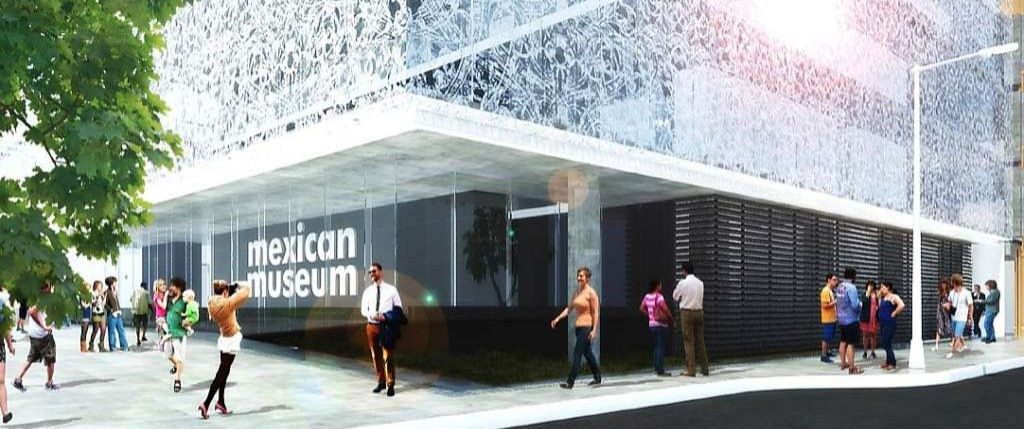

User reviews (0)