Website profiles · Technology insights · Alternatives

museeacadien.ca

At Musée des Acadiens des Pubnicos, we research and preserve past Acadian history and culture. Learn more & donate online today.

No paid content found Multilingual
Visit website
Profile views 0 Outbound visits 0 Normal
Musée des Acadiens des Pubnicos | Nova Scotia Heritage Museum Full homepage screenshot

At a glance

Category
Education & Learning
Language
English
Paid-content signal
No paid content foundObserved
Registered
2002
Hosting
FastlyInferred
HTTPS certificate trusted
PassedObserved
Last updated

Website review

This review may include AI-generated content and is not individually verified. Domain, certificate and other facts come from the observed data on this page.

What is Musée des Acadiens des Pubnicos?

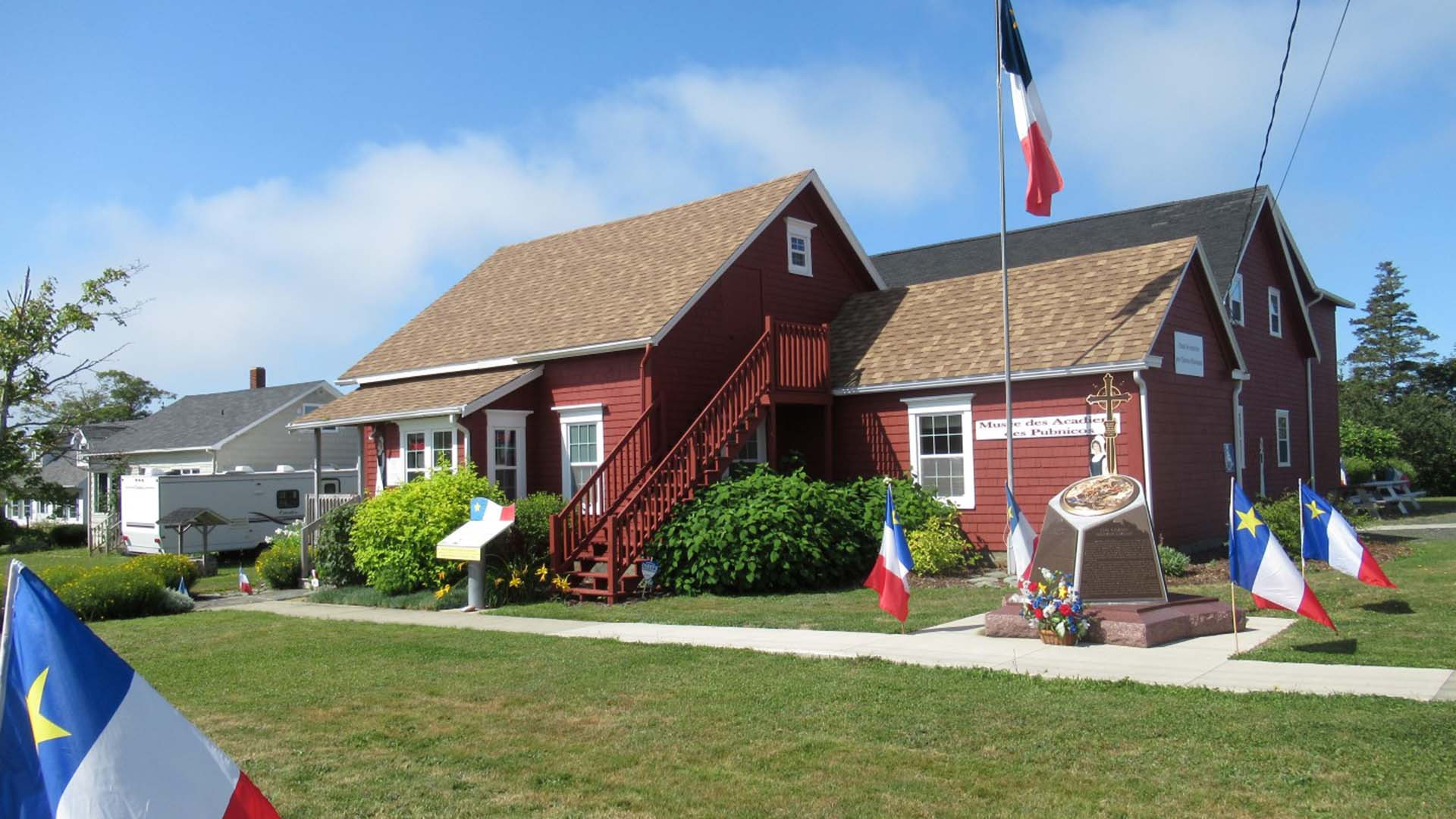
Musée des Acadiens des Pubnicos is a heritage museum and research centre in Pubnico, Nova Scotia, dedicated to preserving and explaining Acadian history and culture. Its work combines a physical museum visit with an archival collection: exhibits, an Acadian house, a traditional Acadian garden, historical articles, genealogy material and original publications.

What you can see and do

  • Museum grounds and exhibits: The Acadian House, the traditional Acadian garden and rotating exhibitions give a place-based introduction to Acadian domestic and community life.
  • Acadian history: Content covers the roots of Pubnico and the origin of its name, plus the Acadian genealogy of the Municipality of Argyle.
  • Research centre: Original publications, books and genealogical records support deeper research, including the Archives du Père Clarence, a set of articles by Father Clarence-J. d'Entremont, local historical articles and material on Pubnico's historic churches.
  • Educator resources: Interactive resources are aimed at teachers and students who want to bring Acadian history into a classroom.
  • Souvenirs: A shop offers Acadian-themed items, including books, as a way to take something home from the visit.

Who it suits

It is most useful to three audiences. Casual visitors and families get a compact, concrete introduction to Acadian culture in the region where it developed. Genealogists and historians can use the research centre and archives for names, records and local context. Teachers can draw on the educator resources rather than assembling material themselves.

The main trade-off is depth versus convenience. The research centre rewards people who arrive with specific surnames, places or questions and time to read; a short visit is better spent on the house, garden and exhibitions. If you are tracing Acadian ancestry, check what the research centre holds before travelling, and bring the names, dates and parishes you already know. For a broader provincial overview, Nova Scotia Tourism and Government of Canada can help with trip planning, but the museum's own collections are the reason to go.

How can I trace my Acadian ancestry using the museum's genealogy resources?

Start with the Research Centre and its genealogy holdings, then work outward to the museum's broader Acadian history material. The site identifies three closely related resources: Acadian Genealogy, Trace Acadian Ancestry, and the Research Centre, which it describes as containing original publications, books and genealogy, plus the Archives du Père Clarence (100 articles by Father Clarence-J. d'Entremont), historical articles on local Acadian history, and material on Pubnico's historic churches. For anyone with roots in the Pubnico or Argyle area of Nova Scotia, that combination is the practical core of a search.

A workable order of operations

  1. Define your starting point. Collect the names, approximate dates and places you already have for your earliest known Acadian ancestor. Even a single place name such as Pubnico or Argyle narrows the search considerably.
  2. Use the Acadian Genealogy page first. This is the museum's own framing of genealogy for the municipality of Argyle, so it is the natural entry point before diving into raw records.
  3. Move to the Research Centre. Here you are working with original publications, books and genealogical material rather than summaries. Expect to read, cross-check and take notes rather than get instant answers.
  4. Mine the Archives du Père Clarence. The 100 articles by Father Clarence-J. d'Entremont are the kind of source that rewards slow reading: local families, churches and events often appear in passing.
  5. Use the historical articles and historic churches pages for context. Church records and local histories frequently supply the dates and relationships that genealogy indexes omit.
  6. Consult the Local Pubnico History page to understand the origins of the name and the settlement itself, which helps you judge whether a record plausibly belongs to your family.

What to expect, and the trade-offs

This is a heritage museum's research collection, not a subscription genealogy database with automated name matching. The advantage is depth and local specificity: material compiled by people focused on Acadian Pubnico and Argyle, including a named clerical author's body of work. The trade-off is that you will do more manual interpretation, and coverage is strongest for this region rather than for Acadian communities across the Maritimes, Quebec or Louisiana.

If your ancestors left Nova Scotia, treat the museum as one node in a wider search. Acadian genealogies are also held by Library and Archives Canada Library and Archives Canada and by Acadian cultural institutions in New Brunswick and Louisiana; the museum's own collections are strongest for the Argyle–Pubnico area.

A concrete next step: before contacting the museum, write a one-page summary of your earliest known ancestor with every date and place you can document, then ask specifically which of the Research Centre holdings—Archives du Père Clarence, the historical articles, or the church material—are most likely to mention that surname and parish. That turns a general enquiry into a targeted one, and it tells you quickly whether the museum's collection is the right place to keep digging.

What can I see and do at the museum's Acadian House and traditional garden?

The Acadian House and the traditional Acadian garden are the museum's two main outdoor-heritage stops, and both are presented as self-guided experiences that you can pair with the indoor exhibitions and research centre. The house is your starting point for understanding how an Acadian family actually lived in this corner of Nova Scotia; the garden shows the food, herbs and household skills that supported that life.

At the Acadian House

Expect a period building interpreted as a family home rather than a gallery of objects behind glass. The museum frames it as the centrepiece of its "Explore the Museum" section, alongside the garden and changing exhibitions.

  • Look at the layout and construction of the house as a clue to how households were organised and how they coped with the climate.
  • Read the interpretive material for the family and community story behind the building, not just the furniture.
  • Ask staff or volunteers how the house relates to Pubnico's Acadian settlement history, since that local context is a stated strength of the museum.
  • Use it as a warm-up before the research centre: seeing a house first makes the archives and genealogy records easier to place.

In the traditional Acadian garden

This is a working heritage garden, so what you see depends on the season. It is best treated as a living illustration of Acadian domestic life.

  • Identify the vegetables, herbs and useful plants that would have sustained a household, and note which ones were preserved for winter.
  • Compare the garden's planting with the recipes and household items you see elsewhere in the museum.
  • Go slowly if you are interested in gardening yourself; the value is in the plant choices and arrangement, not in a large display.
  • Photograph plant labels if you want to look them up later, since heritage varieties are often unfamiliar.

Who gets the most out of it

Visitor Best use of the house and garden
Families with children A short, concrete stop that makes history tangible before indoor exhibits
Genealogists Context for names and families you will later trace in the research centre
Gardeners and food historians A seasonal reference for Acadian planting and preservation
General tourists A compact introduction to Acadian culture in Pubnico

Practical approach

Give the house and garden roughly an hour if you read the interpretation, and longer if you are taking notes for genealogy or gardening. Because the garden is seasonal, a visit outside the growing months will show you the structure and design but not the full planting.

A useful next step is to decide your priority before you arrive: if ancestry is the goal, go to the house and garden first for context, then move to the research centre and its collections, including the Archives du Père Clarence and the historical articles. If you are visiting mainly for a day out, reverse that order and treat the garden as a relaxed finish. The museum's own overview is at Musée des Acadiens des Pubnicos.

What types of archives and original publications are available in the Research Centre?

The Research Centre at the Musée des Acadiens des Pubnicos is built around original documents and published works rather than only interpretive displays. According to the museum's own pages, its holdings include original publications, books and genealogy material, and the centre is described as contributing to the collective archival effort of preserving Acadian culture.

What the Research Centre lists

  • Archives du Père Clarence — a named archival collection associated with Father Clarence-J. d'Entremont.
  • 100 articles by Father Clarence-J. d'Entremont — a body of written historical articles.
  • Historical articles on local Acadian history — commentary and accounts focused on the Pubnico area.
  • Genealogy and family history material — records supporting ancestry research, including Acadian genealogy of the Municipality of Argyle.
  • Original publications and books — published works held as part of the centre's collection.
  • Material on Pubnico's historic churches — church-related local history.

Who gets the most from it

This is best suited to family historians tracing Acadian roots in the Pubnico and Argyle area, students or writers working on Acadian history, and researchers who want local primary and published sources rather than a general overview. A casual visitor looking only for exhibits may find the Acadian House, garden and exhibitions a better starting point.

If you plan to research a specific family name or village, contact the museum before your visit to ask which records cover that surname or place, and whether the material is accessible on site. For broader Acadian context, Musée des Acadiens des Pubnicos is the primary source here, while Government of Nova Scotia and Government of Canada maintain general provincial and national heritage resources.

How do I donate to support the preservation of Acadian history and culture?

Donate through the museum's own website rather than a third-party fundraising page. The Musée des Acadiens des Pubnicos site presents itself as a heritage museum and historical society that researches and preserves Acadian history and culture, and its "Donate Now" option appears alongside its history, genealogy, and research-centre sections — the areas your gift would support.

What your donation supports

The site describes several concrete activities:

  • The Museum: the Acadian House, a traditional Acadian garden, current exhibitions, and educator resources.
  • Acadian history and genealogy: the roots of Pubnico and the origin of its name, plus the Acadian genealogy of the Municipality of Argyle.
  • The Research Centre: original publications, books, and genealogy records, including the Archives du Père Clarence and 100 articles by Father Clarence-J. d'Entremont, historical articles on local Acadian history, and material on Pubnico's historic churches.

How to do it

Start on Musée des Acadiens des Pubnicos and look for the "Donate Now" link, which the site lists under its Acadian history section. If you would rather give your time or materials than money, the same site explains how to get involved in the Historical Society; for anyone with Acadian roots in the Pubnico or Argyle area, that route can be as valuable as a cash gift, since family documents and photographs feed directly into the archive.

A practical scenario

Suppose you are researching an Acadian ancestor from Pubnico and you find relevant material in the Research Centre. A donation is a straightforward way to sustain the archive you just used. If you are instead planning a visit, consider donating during or after your trip — you will have seen the Acadian House and garden first, which makes it easier to judge which part of the work you want to support.

If you need a receipt for tax purposes, or want to direct your gift to a specific collection, contact the museum before donating to confirm what it can provide.

What Acadian souvenirs and books can I buy from the museum shop?

The museum shop focuses on Acadian-themed books and keepsakes tied to the collection rather than general gift-shop merchandise. The page lists a "Shop Acadian Souvenirs" section and describes it as "an impressive collection of book[s]," so books are clearly the core of what is sold. Beyond that, the page does not itemize products, so treat any specific title, price or souvenir category as something to confirm with the museum directly.

What the shop emphasizes

  • Books, including works connected to Acadian history and culture
  • Souvenirs that let visitors "take those cherished memories from the museum home"
  • Items relating to the themes the museum covers: Acadian House, the traditional Acadian garden, exhibitions, and genealogy

Practical way to decide

If you are researching Acadian ancestry, ask whether the shop carries local history or genealogy titles, since the museum's research centre holds original publications, books and genealogy, including the Archives du Père Clarence and a set of 100 articles by Father Clarence-J. d'Entremont. If you are buying for someone else, a book tied to Pubnico or Argyle is a safer choice than a generic souvenir, because it reflects a specific place the recipient can connect to.

For current stock, titles and prices, contact the museum before your visit or check the shop page at Musée des Acadiens des Pubnicos. If your interest is Acadian history more broadly, Nova Scotia Tourism and Acadian Affairs and Francophonie can help you plan related stops.

Related questions

More questions →
What Resources Are Available at the Musée des Acadiens des Pubnicos Research Centre?

The Research Centre at the Musée des Acadiens des Pubnicos holds original publications, books, and genealogy materials, along with the Archives du Père Clarence, 100 articles written by Father Clarence-J. d'Entremont, historical articles on local Acadian history, and records relating to Pubnico's historic churches. It is the right starting point if you are tracing Acadian ancestry, researching the Pubnico area, or looking for published sources on Acadian culture rather than only viewing museum exhibits.

What the Research Centre Holds

According to the museum, the centre exists to support the study of Acadian history and contributes to the collective archival effort of preserving Acadian culture. Its holdings fall into a few clear categories:

  • Original publications and books — published works on Acadian history and related subjects.
  • Genealogy materials — resources for tracing Acadian family lines, tied to the museum's broader Acadian genealogy work for the municipality of Argyle.
  • Archives du Père Clarence — a named archival collection associated with Father Clarence-J. d'Entremont.
  • 100 articles by Father Clarence-J. d'Entremont — a body of written work by the same author.
  • Historical articles on local Acadian history — focused on the Pubnico area and its past.
  • Records on Pubnico's historic churches — material on the churches that shaped the community.

Who Each Resource Suits

If your goal is… Start with…
Tracing a family name or ancestry Genealogy materials and the museum's Acadian genealogy resources
Reading published scholarship Original publications and books
Working with primary or archival documents Archives du Père Clarence
Understanding one author's research in depth The 100 articles by Father Clarence-J. d'Entremont
Local and community history Historical articles on local Acadian history
Church and parish history Records on Pubnico's historic churches

How the Centre Fits the Wider Museum

The Research Centre is one part of the museum alongside the Acadian House, the traditional Acadian garden, current exhibitions, and educator resources. The museum describes itself as a must-see history museum for Nova Scotia residents and visitors, and the centre is where its archival and genealogical work is concentrated. If you want context before or after using the records, the exhibits and the Acadian House give you the physical and cultural setting the documents describe.

Before You Plan a Research Visit

The museum's site does not state opening hours, access conditions, or whether research help is offered on site, so confirm those details directly with the museum before travelling or requesting material. If you are working on Acadian ancestry specifically, the museum also points to genealogy resources for the municipality of Argyle, which can complement what you find in the centre.

How to Trace Acadian Ancestry Through Musée des Acadiens des Pubnicos

You can trace Acadian ancestry through Musée des Acadiens des Pubnicos by using its Research Centre, which holds original publications, books, and genealogy records, and by following the museum's dedicated genealogy and local-history resources. This route suits anyone researching Acadian roots connected to Pubnico or the Municipality of Argyle, or anyone who wants to work from a curated archival collection rather than scattered online records.

Start with the museum's genealogy and local history pages

The museum organizes its Acadian history content around three entry points that are directly useful for ancestry work:

  • Acadian Genealogy – focused on the Acadian genealogy of the Municipality of Argyle
  • Local Pubnico History – covers the roots of Pubnico and the origin of its name
  • Trace Acadian Ancestry – guidance-oriented material for people building a family line

Working through these in order helps you place a family name in a specific place before you search records. Knowing whether your ancestors were tied to Pubnico or the wider Argyle municipality narrows which records are likely to mention them.

Use the Research Centre as your main source

The Research Centre is described as containing original publications, books, and genealogy, forming "a unique collection that contributes to the collective archival effort of preserving Acadian culture." For ancestry research, the named holdings are:

Resource What it offers a family historian
Archives du Père Clarence Records associated with Father Clarence-J. d'Entremont
100 Articles A set of 100 articles written by Father Clarence-J. d'Entremont
Historical Articles Articles on local Acadian history
Historic Churches Information on Pubnico's historic churches

Father Clarence-J. d'Entremont is a central figure here: the museum's own research holdings are built substantially around his written work. If your Acadian line runs through Pubnico or Argyle, these articles and archives are a logical first pass before you move to civil or parish records elsewhere.

A practical sequence for tracing a line

  1. Identify the place. Confirm whether your family connects to Pubnico or the Municipality of Argyle. The museum's local history material explains Pubnico's roots and the origin of its name, which helps you match a surname to a settlement.
  2. Check the genealogy page. Use the Acadian Genealogy resource for the Argyle municipality to see whether your family name appears in the museum's compiled material.
  3. Search the Research Centre holdings. Go through the Archives du Père Clarence, the 100 articles, the historical articles, and the historic churches material for mentions of your family.
  4. Record what you find and what you don't. Note names, dates, and places, plus gaps. Gaps tell you what to look for in parish or civil records outside the museum.
  5. Verify against original records. The museum's collection supports research and preservation; treat it as a finding aid and cross-check details against primary sources where possible.

What to expect and where it may fall short

The museum frames its aim as archiving Acadian history and explaining "all the wonder that it holds," and it has grown into what it describes as a must-see history museum for Nova Scotia residents and visitors. That said, its genealogy strength is regional — Pubnico and Argyle — so if your Acadian ancestors came from elsewhere in Acadia, this collection may confirm context rather than supply your direct line.

The site does not state opening hours, research appointment requirements, or whether the Research Centre is accessible remotely. Before planning a visit or a research request, check the museum's own pages or contact it directly to confirm access.

If you want to go further

The museum also invites donations to support its work, and its Historical Society section explains how to get involved. For anyone tracing Acadian ancestry seriously, that involvement can mean access to a community already working the same records — often the fastest way to fill gaps the published collections leave open.

How to Support or Shop at Musée des Acadiens des Pubnicos

You can support Musée des Acadiens des Pubnicos in two direct ways described on its website: donate online, or get involved with the Historical Society. You can also shop its collection of Acadian souvenirs, which the site describes as including books and other items. All three options are reachable from the museum's own pages, and the site presents them as ongoing ways to contribute to the preservation of Acadian history and culture rather than one-time transactions.

Donating to the Museum

The museum's site includes a "Donate Now" option under its Acadian history section, alongside pages on local Pubnico history, Acadian genealogy, and tracing Acadian ancestry. The stated purpose is to fund the museum's work researching and preserving past Acadian history and culture.

The site does not publish donation amounts, tax receipt details, or payment methods, so check the donation page itself for those specifics before giving.

Getting Involved with the Historical Society

The Historical Society page explains the museum's history, how it got started, the collections accumulated over the years, and how you can get involved. This is the route to take if you want to contribute time or ongoing involvement rather than a one-time gift. The site frames the society as the body behind the museum's founding mission: to educate and inspire residents, a role that has grown into what the site calls a must-see history museum for Nova Scotia residents and visitors.

Shopping Acadian Souvenirs

The souvenir section is described as a way to "take those cherished memories from the museum home with you," with an impressive collection of books and Acadian-themed items. The site's excerpt cuts off mid-sentence in the shop description, so the full inventory, prices, and whether ordering is online or in person are not confirmed by the available material. Treat the shop page as the place to check current stock and purchase details.

What Your Support Goes Toward

Area What it covers
Museum Acadian House, traditional Acadian garden, current exhibitions, educator resources
Research Centre Archives du Père Clarence, 100 articles by Father Clarence-J. d'Entremont, historical articles, historic churches
Acadian history Roots of Pubnico and the origin of its name, Acadian genealogy of the Municipality of Argyle
Souvenirs Books and Acadian-themed items

Practical Notes Before You Act

  • Start from the museum's main pages: the Historical Society page for involvement, the Donate Now link for giving, and the souvenir section for shopping.
  • The site does not state prices, accepted payment platforms, or whether donations and purchases are handled online or on site, so confirm these on the relevant page or by contacting the museum.
  • If your interest is genealogical rather than financial, the Research Centre and the "Trace Acadian Ancestry" page are the more relevant destinations.
What Can Visitors See at the Musée des Acadiens des Pubnicos?

The Musée des Acadiens des Pubnicos in Pubnico, Nova Scotia, is a heritage museum dedicated to researching and preserving Acadian history and culture. Visitors can explore the Acadian House, a traditional Acadian garden, current exhibitions, interactive educator resources, a research centre, and a souvenir shop. The museum presents its collection of archives, articles, and historical pieces as a way to help visitors see Acadian culture "anew" and expand their understanding of it.

The Museum Experience

The museum's own description organizes the visitor experience around several distinct areas, each with a different focus.

Acadian House

The Acadian House is a core part of the museum visit. It offers a look at traditional Acadian domestic life and is presented as one of the main ways to "unearth our rich Acadian history."

Traditional Acadian Garden

A traditional Acadian garden is on the grounds, giving visitors a sense of the plants and cultivation practices associated with Acadian households.

Exhibitions

The museum hosts current exhibitions that change over time. These are separate from the permanent displays and are worth checking before a visit if you have a specific interest.

Interactive Educator Resources

For visitors with a teaching or learning goal, the museum provides a collection of interactive educator resources. These are designed to support engagement with Acadian history rather than passive viewing.

Acadian History and Genealogy

Beyond the physical exhibits, the museum frames itself as a place to understand Acadian roots more broadly. Its history section covers:

  • Local Pubnico history — the roots of Pubnico and the origins of its name
  • Acadian genealogy of the municipality of Argyle
  • Guidance on tracing Acadian ancestry

This makes the museum useful not only for casual visitors but also for people researching family or regional history.

The Research Centre

The Research Centre is a distinct area for deeper historical work. According to the museum, it contains original publications, books, and genealogy, described as "a unique collection that contributes to the collective archival effort of preserving Acadian culture."

Specific holdings highlighted include:

Resource What it covers
Archives du Père Clarence Records associated with Father Clarence-J. d'Entremont
100 Articles A set of 100 articles written by Father Clarence-J. d'Entremont
Historical Articles Articles on local Acadian history
Historic Churches Information on Pubnico's historic churches

Shop Acadian Souvenirs

The museum also has a shop where visitors can take home souvenirs, including a collection of books. This is a practical stop at the end of a visit, especially for anyone who wants to continue reading about Acadian history after leaving.

Who This Museum Suits

The museum describes itself as "a must-see History Museum for all Nova Scotian residents and visitors." Based on what it offers, it is a good fit if you want to:

  • See Acadian domestic and garden history in person
  • Research Acadian genealogy or local Pubnico history
  • Use archival and published material in a research setting
  • Find educator resources for teaching Acadian culture

If you are looking for a general overview of Acadian history and culture with both exhibits and research materials in one place, the Musée des Acadiens des Pubnicos covers that ground through its museum areas, history section, and research centre.

What Is Musée des Acadiens des Pubnicos?

Musée des Acadiens des Pubnicos is an Acadian heritage museum and historical society in Pubnico, Nova Scotia. Its stated purpose is to research and preserve Acadian history and culture, and it invites visitors to explore that history through its archives, articles, and historical collections. If you are looking for a museum focused on Acadian heritage in Nova Scotia — or for genealogy and archival material connected to the Pubnico and Argyle areas — this is the kind of institution the site describes.

What the museum offers

The site organizes its content around several areas:

  • The museum itself — including an Acadian House, a traditional Acadian garden, current exhibitions, and interactive educator resources.
  • Acadian history — covering the roots of Pubnico and the origin of its name, plus the Acadian genealogy of the municipality of Argyle.
  • A research centre — holding original publications, books, and genealogy, described as a unique collection contributing to the collective archival effort of preserving Acadian culture.
  • A souvenir shop — offering Acadian souvenirs, including books, so visitors can take something home from the museum.

The historical society behind it

The museum grew out of a historical society, which opened its doors to educate and inspire local residents. The site notes that the institution's reputation has grown over the years and that it is now considered a must-see history museum for Nova Scotia residents and visitors. The Historical Society section covers the museum's own history, how it got started, the collections accumulated over time, and how to get involved.

Research centre and genealogy resources

For anyone tracing Acadian ancestry or researching local history, the research centre is the most relevant part of the site. It points to:

  • Archives du Père Clarence — records associated with Father Clarence-J. d'Entremont.
  • 100 articles written by Father Clarence-J. d'Entremont.
  • Historical articles on local Acadian history.
  • Historic churches of Pubnico.
  • Acadian genealogy resources, including genealogy of the municipality of Argyle and guidance on tracing Acadian ancestry.

Who it is for

  • Visitors to Nova Scotia interested in Acadian history and culture.
  • Researchers and genealogists working on Acadian ancestry, particularly in the Pubnico and Argyle areas.
  • Local residents who want to get involved with the Historical Society or learn about the region's past.
  • Educators looking for interactive teaching resources on Acadian history.

How to engage

The site provides paths to learn more about each area, and it also offers a way to donate online in support of the museum's work. If you want to visit, research, volunteer, or contribute, the site's individual sections — Museum, Acadian History, Research Centre, and Historical Society — are the places to start.

Website Overview

An established domain and managed infrastructure suggest continuity of operations and may support dependable delivery, although neither guarantees service quality. Page metadata, canonical configuration and social previews work together to provide more consistent search and sharing presentation.

Domain and Registration

Registered in 2002, this domain has about 24 years of history. That suggests continuity, although ownership and purpose may have changed. Transfer-protection status is present, helping reduce the risk of unauthorized domain transfers. Registration contact information is publicly available through RDAP. The domain uses the common .ca extension, which is not an independent safety signal.

DNS and Email

The observed email authentication setup is incomplete: DMARC is missing. Nameservers are provided by register.com, indicating managed DNS hosting. MX records point to the Microsoft 365 email service. TXT records include verification markers for Microsoft. Such markers may also remain after a service stops being used. DNSSEC signatures were not detected, so this additional DNS authenticity protection is not confirmed.

TLS and Certificates

The certificate uses an RSA 2048-bit public key, offering broad client compatibility. The server supplied a complete certificate chain. No organization name is present in the certificate; the available fields are consistent with domain validation. The certificate was issued by Let's Encrypt, commonly associated with automated certificate services. The certificate's total validity is about 89 days, consistent with a short renewal cycle.

HTTP and Browser Security

The response lacks these common security headers: CSP, Referrer-Policy, Permissions-Policy, clickjacking protection. No X-Powered-By header was found, reducing one common source of backend fingerprinting information. The x-cache, x-served-by, via response header indicates a CDN or caching proxy in the delivery path. No obvious internal addresses or debug information were found in the headers. The Server header contains the custom value Pepyaka.

Technology Stack Analysis

The public page identifies Wix.com Website Builder, Wix, React, Sentry, Fastly without precise versions, leaving fewer clues for version-specific scanning.

Search and Social Sharing

The Generator tag identifies Wix.com Website Builder, making the publishing system easier to fingerprint. Twitter Card metadata is configured. The page declares 3 language or regional alternatives using hreflang. The title has 61 characters, within a common display range. A meta description is present, with 128 characters.

Hosting and Email

DNSregister.com
HostingFastly
EmailMicrosoft 365
Approximate IP geolocation (inferred; a CDN or proxy may differ from the origin server) United States flagKansas City, Missouri, United States Inferred 34.149.87.45

Registration details

RDAP / WHOIS

RegistrarRCOM Canada, Corp.
Registered2002-07-23
Expires2028-07-23
Domain statusclient transfer prohibited
Nameserversdns101.register.com、dns102.register.com
DNSSECunsigned

DNS records

DNS

TypeNameValueTTLPriority
Atd-ccm-neg-87-45.wixdns.net34.149.87.4586400—
MXmuseeacadien.camuseeacadien-ca.mail.protection.outlook.com9000
NSmuseeacadien.cadns101.register.com14400—
NSmuseeacadien.cadns102.register.com14400—
TXTmuseeacadien.caMS=ms142944661800—
TXTmuseeacadien.cav=spf1 include:spf.protection.outlook.com -all900—
CNAMEwww.museeacadien.cabalancer.wixdns.net900—

TLS and certificates

TLS / SSL

AssessmentNormal configuration
Supported protocolsTLSv1.2、TLSv1.3
Negotiated protocolTLSv1.3
Certificate subjectmuseeacadien.ca
IssuerLet's Encrypt
Valid until2027-01-02T20:14 · Remaining when checked: 78 days
Verification detailsCertificate trust: Passed · Hostname match: Passed

HTTP response headers

HTTP

HeaderValue
content-typetext/html; charset=UTF-8
content-languageen
cache-controlprivate,max-age=0,must-revalidate
serverPepyaka
strict-transport-securitymax-age=31556952
x-content-type-optionsnosniff
set-cookieRedacted

Identified technologies

Wix.com Website BuilderWixReactSentryFastly

Pages, Search and Sharing

Meta descriptionAt Musée des Acadiens des Pubnicos, we research and preserve past Acadian history and culture. Learn more & donate online today.
Canonical URLhttps://www.museeacadien.ca
LanguageEnglish (default) · Multilingual
Twitter Cardsummary_large_image
All bots 1 allowed · 1 disallowed
  • Allow/
  • Disallow*?lightbox=
adsbot-google-mobile 0 allowed · 2 disallowed
  • Disallow/_partials*
  • Disallow/pro-gallery-webapp/v1/galleries/*
adsbot-google 0 allowed · 2 disallowed
  • Disallow/_partials*
  • Disallow/pro-gallery-webapp/v1/galleries/*
petalbot 0 allowed · 1 disallowed
  • Disallow/
dotbot 0 allowed · 0 disallowed
  • IntervalCrawl delay 10 seconds
ahrefsbot 0 allowed · 0 disallowed
  • IntervalCrawl delay 10 seconds

User reviews (0)

  • No reviews yet.