Website profiles · Technology insights · Alternatives

paranormaleyeuk.co.uk

Join us at Paranormal Eye UK for ghost hunts that take you deep into the heart of our ghost hunting events, where you can explore the eerie atmospheres of these historic buildings.

No paid content found
Visit website
Profile views 8 Outbound visits 12 Normal
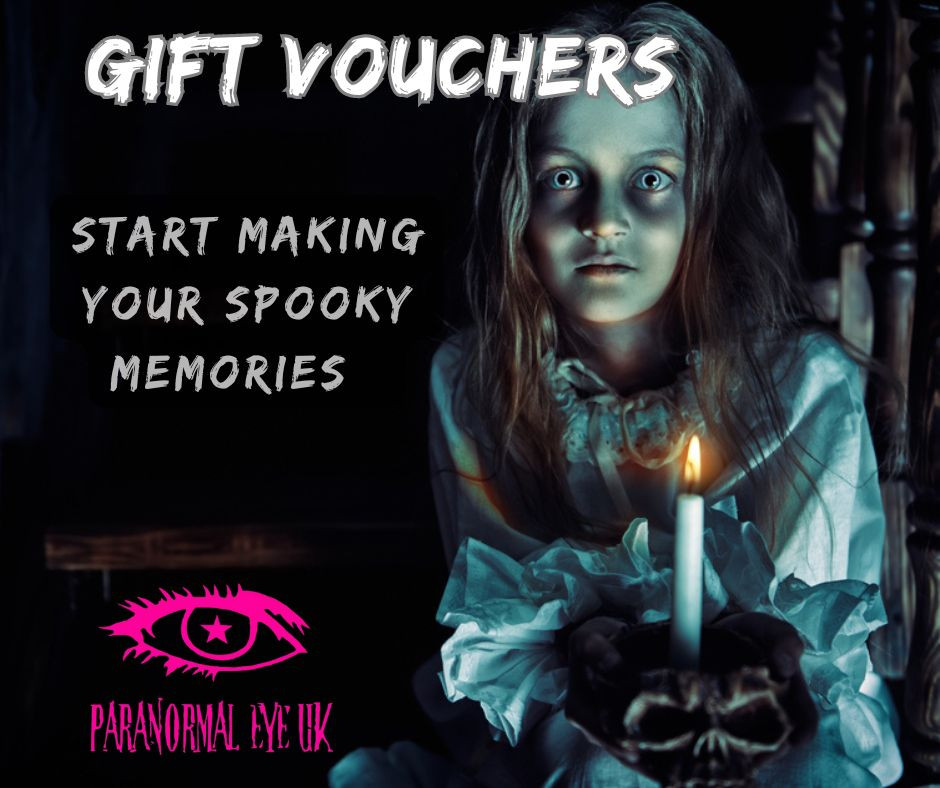
Paranormal Eye UK Full homepage screenshot

At a glance

Category
Events & Weddings
Language
English
Paid-content signal
No paid content foundObserved
Registered
2013
Hosting
FastlyInferred
HTTPS certificate trusted
PassedObserved
Last updated

Website review

This review may include AI-generated content and is not individually verified. Domain, certificate and other facts come from the observed data on this page.

What is Paranormal Eye UK?

Paranormal Eye UK is a UK-based organiser of ghost-hunting events and paranormal experiences. Its site presents it as a gateway to "haunted experiences," with events held in historic locations such as manor houses and castles. According to its own description, it has over a decade of experience running ghost hunts and positions itself as offering a safe, professional environment for guests.

What a night typically involves

The events are structured around a full night of activity rather than a short tour. The site mentions different styles of vigils through the night, including:

  • Traditional vigils
  • Séances
  • Kit-based vigils using paranormal equipment

Staff are described as present throughout the night to assist guests, which matters if you are new and unsure what to do during quiet periods.

Who it suits

It is aimed at both first-timers and experienced ghost hunters. If you want a social, organised night out with a spooky theme, this fits. If you are looking for serious scientific research or a small, private investigation, a large public event may feel different from that.

Practical next step

Check the location list and event dates first, then read what is included for the specific night you are considering, since vigils and access can vary by venue. If you are unsure, contact the organiser before booking to ask about group sizes, accessibility and what to bring.

For paranormal equipment, the site points readers to SpiritShack.

How do I book a ghost hunt with Paranormal Eye UK?

Book through Paranormal Eye UK's own website: the booking call to action sits on the main page, and there is a log-in area for people who already have an account. So the practical route is to open the site, choose an event, and follow the booking prompt rather than trying to reserve by phone or social media.

Paranormal Eye UK

What to have ready

  • The date and location you want, since events are tied to specific historic venues rather than sold as generic vouchers.
  • Names and numbers in your group, because event capacity at a castle or manor house is limited.
  • A rough idea of which vigil style appeals to you. The site describes traditional vigils, seances and kit-based vigils within the same ghost night, so it helps to know whether you want a quieter, sit-and-watch experience or one built around equipment.
  • Your own torch, as the site suggests bringing one.

A sensible next step

Pick one event first, then book it, rather than browsing every listing and losing track. If you are new to this, an overnight ghost hunt at a venue near you is the lower-commitment choice; a haunted weekend suits people who already know they enjoy the format and want more time on site.

If you are comparing operators, look at what is included in the night and how the team is staffed, not just the venue's reputation. A well-run event keeps staff visible throughout, which the site says its team does. Other UK options include Haunted Happenings and Most Haunted Experience if you want to weigh formats side by side.

One practical point: Paranormal Eye UK recommends SpiritShack for paranormal equipment. You do not need kit to attend, so treat equipment as optional spending rather than a booking requirement.

What should I expect during an overnight ghost hunt?

An overnight ghost hunt is usually a structured night of investigation in a historic or reputedly haunted building, not a scripted scare attraction. Expect a late-evening arrival and briefing, several hours of rotating activities, and a finish in the early hours. Paranormal Eye UK describes its nights as taking place in manor houses, castles and other historic sites, with different styles of vigil through the night — traditional vigils, seances and kit-based vigils — plus a team on hand throughout. Treat that as this organiser's format rather than a universal standard.

A typical night, hour by hour

  • Arrival and briefing (roughly 30–60 minutes): check-in, house rules, safety notes, a walk-through of the site and an outline of the night's groups.
  • Group sessions: you are usually split into smaller teams that rotate between rooms or areas, each led by a member of staff.
  • Vigils: quiet sitting or standing periods in the dark, often with a mix of silent observation, calling out, and sometimes a medium-led session.
  • Kit-based sessions: staff-operated equipment such as EMF meters, spirit boxes, thermal cameras, dowsing rods or trigger objects. You may get a turn, but do not assume you will personally handle everything.
  • Breaks: hot drinks and a chance to sit down, usually in a lit base room.
  • Wind-down: a debrief and departure in the small hours, often with no transport running until morning.

What it actually feels like

Most of the night is waiting, listening and talking quietly. Long stretches are uneventful, which is normal. The memorable parts are often the atmosphere, the building's history and the shared experience rather than a guaranteed event. Cold spots, creaks and odd feelings have ordinary explanations as often as not, and a good team will say so.

Practical things to sort before you book

  • Age and fitness: check minimum age and whether the site has stairs, uneven floors or long periods standing.
  • Access and mobility: old buildings are rarely step-free. Ask directly if you need it.
  • What to bring: warm layers, flat closed shoes, a torch, any medication, and a charged phone. Leave alcohol at home.
  • Sleep: most overnight hunts are not sleepovers. You stay awake and go home, so plan your journey back.
  • Terms: check the cancellation policy, whether you can transfer a booking, and whether the event runs regardless of weather.

Choosing between organisers

If you want… Look for…
A first taste, low commitment Ghost walks and short evening tours
A full night, small groups Overnight hunts with capped numbers per team
History over hype Sites with a real past and guides who know it
A sceptical, methodical approach Teams that discuss natural explanations alongside paranormal ones

A good next step

Pick two or three venues within reasonable travel distance and compare group size, what is included, and how the night is structured — a 40-person event feels very different from a 12-person one. If you are new to this, start with a shorter evening event before committing to an overnight. For background on the locations themselves, English Heritage and the National Trust are useful for castle and manor house history, and Haunted House Map lists reputedly haunted sites across the UK.

Are the ghost hunts suitable for beginners?

Yes. Paranormal Eye UK explicitly welcomes newcomers: its site says the events suit “a seasoned ghost hunter or new to the world of haunted adventures,” and it describes a friendly team on hand throughout the night. So you can book a first ghost hunt without prior experience.

What makes a beginner-friendly setup

  • Guided vigils: The night is structured around different vigil styles, including traditional vigils, seances and kit-based vigils. That gives you a format to follow rather than expecting you to lead an investigation.
  • Team support: Staff are present through the night to help, which matters most when you are learning how equipment and quiet periods work.
  • Historic locations: Venues such as Caldicot Castle are atmospheric, but the main appeal for a first-timer is having a organised event in an unusual setting.

A realistic first-night scenario

Imagine arriving at a castle or manor house after dark, joining a group, and rotating through vigils rather than being left alone in a dark room. You might spend part of the night in a seated traditional vigil, part trying kit-based methods, and part simply listening. That mix suits beginners because it lowers the pressure to “perform” and lets you decide whether you enjoy the slower, observational side of paranormal events.

How to choose your first event

  • Pick a location within reasonable travel distance, since these events run late into the night.
  • Check whether the event is described as an investigation, a tour or a walk; tours and walks tend to be gentler introductions than full overnight hunts.
  • Ask the organiser about group size, accessibility, what to bring and whether alcohol or late arrival is allowed.
  • Go with a friend if you are nervous; the social side often makes the night easier.

If you want to compare organisers or find a venue, start with Paranormal Eye UK and look at the specific event page rather than the homepage alone, because suitability can vary by location and format.

What haunted locations in the UK does Paranormal Eye UK offer?

Paranormal Eye UK advertises ghost hunts at historic buildings across the UK, including manor houses and castles, but the homepage evidence names only one specific site: Caldicot Castle in Monmouthshire, listed as a ghost hunt location. The rest of the locations are described generically rather than named.

If you need a full list of venues, treat the homepage as a starting point and check the event listings or booking pages for current locations and dates, since paranormal event schedules change frequently. For comparison, other UK ghost-hunting operators publish venue lists by region, so you can cross-check whether a particular castle or manor is running an event near you.

A practical example: if you are based in South Wales, Caldicot Castle is the confirmed option visible here. If you are elsewhere, use the site's event search or contact the organiser directly to ask which venues are scheduled in your area.

What equipment should I bring to a ghost hunting event?

Bring layers, a torch, spare batteries and comfortable shoes; most organised ghost hunts provide the specialist paranormal kit, so you rarely need to buy your own. Paranormal Eye UK describes running "traditional vigils and seances to kit based vigils" with a team on hand through the night, which suggests equipment is supplied and guided rather than something you must assemble yourself. Their page also advises guests to "grab your torch and keep an open mind" — a useful hint that a torch is the one item worth packing.

What to pack

  • Torch, ideally a small one with a red or dim setting so you do not wreck night vision or other guests' photos.
  • Warm, layered clothing and a waterproof coat. Old buildings, castles and manor houses are cold and draughty at night, and you will be standing still for long stretches.
  • Comfortable, quiet shoes with grip for uneven floors, stairs and gravel.
  • Spare batteries and a power bank for your phone.
  • Water and a snack for overnight events.
  • Any personal medication, plus a small first-aid item if you rely on it.

What you probably do not need

Leave ouija boards, homemade gadgets and anything that needs a mains socket at home unless the organiser says otherwise. On a kit-based vigil, mixing your own untested equipment with the group's gear makes readings harder to interpret and can distract from the vigil. If you are curious about paranormal equipment, Paranormal Eye UK points readers towards SpiritShack, a UK supplier, as a place to browse — worth a look before buying, not a requirement for attending.

A practical scenario

Imagine a winter overnight hunt in a stone castle. You arrive at 8pm, the briefing takes half an hour, then you rotate through three or four vigils in unheated rooms until the early hours. The people who enjoy it most are the ones in thermals with a head torch and a flask; the ones who struggle turned up in jeans and trainers with a phone torch that died by midnight.

Decision criteria

  • Check the event listing first. Some nights are kit-based and fully equipped; others expect you to bring a torch and nothing more.
  • Ask the organiser whether filming, voice recorders or your own EMF meter are welcome, and whether there is anywhere secure to leave bags.
  • Match your kit to the venue. A ruin with no power and a heated manor house call for different preparations.
  • Travel light. You will carry everything you bring between locations, often in the dark.

Next step: open the event page for the specific hunt you are considering and look for a "what to bring" or FAQ section. If it is not listed, email the team before booking — Paranormal Eye UK presents itself as running a safe, professional night with staff present throughout, so asking about access, temperature and kit is a reasonable question.

Related questions

More questions →
Haunt Nights: What Happens on a Ghost Hunting Night and How to Choose One

A Haunt Night is an evening or overnight ghost hunt at a haunted venue, usually run by a paranormal events company. You get a briefing, then spend the night in group vigils — some traditional, some seated, some using ghost-hunting kit — inside a historic building such as a manor house or castle. Paranormal Eye UK, which has run these events for over a decade, describes its nights as a mix of "traditional vigils and seances to kit based vigils," with staff on hand throughout. Book one if you want a structured, hosted night in a genuinely old building; skip it if you want a solo, unstructured investigation or a scare attraction with actors.

What a typical Haunt Night looks like

Exact timings vary by venue and organiser, but the shape of the night is fairly consistent:

  1. Arrival and welcome briefing. You check in, meet the team, and get the house rules, safety information, and an outline of the night. This is also when you'll hear whether the venue has any access restrictions.
  2. Group vigils. Paranormal Eye UK runs "different styles of vigils throughout the ghost night." In practice this means rotating between formats — a traditional vigil (sitting or standing quietly in a room, watching for changes), a seance-style session, and a kit-based vigil using paranormal equipment.
  3. Kit-based sessions. This is where handheld devices come in. If you want your own equipment, Paranormal Eye UK points guests toward SpiritShack, a UK-based supplier of paranormal kit.
  4. Breaks and free time. Most nights include downtime for hot drinks and a breather, often in the small hours.
  5. Wrap-up. A closing session and departure, usually early morning for overnight events.

The company frames the whole thing as a hosted experience: "Our friendly and dedicated team is always at hand throughout the night to help give you the best ghost hunting experience."

What's provided vs. what to bring

Item Usually provided Usually bring yourself
Access to the venue and rooms Yes —
Hosted vigils and team guidance Yes —
Paranormal equipment for group use Often, for kit vigils Optional personal kit
Torch Not guaranteed Yes — bring one
Warm layers No Yes — old buildings get cold at night
Sensible flat shoes No Yes — uneven floors, stairs, gravel
Food and drink Varies by event Check before booking

Paranormal Eye UK's own copy tells guests to "grab your torch and keep an open mind," which is a fair summary of the minimum you need.

How to judge whether a night suits you

Use these dimensions to compare events rather than picking on price alone:

  • Venue type. Manor house, castle, former prison, or industrial site — each gives a different atmosphere and different physical demands. Paranormal Eye UK's locations include places such as Caldicot Castle in Monmouthshire.
  • Group size. Smaller groups mean more time in each room and less waiting. Ask before booking if this matters to you.
  • Physical demands. Stairs, long periods standing, and walking between rooms in the dark are common. If you have mobility needs, ask the organiser directly about access.
  • Scare intensity. A hosted investigation is not a scare attraction. There are no actors jumping out; the tension comes from the building and the quiet. If you want jump scares, this isn't that.
  • Format mix. If you specifically want seance-style sessions or kit work, check that the event includes them — not every night uses the same format.

Practical booking considerations

  • Age limits. Paranormal events in the UK commonly set a minimum age, often 18, though some run younger-guest nights. Confirm with the organiser.
  • Arrival times. Overnight events typically ask you to arrive in the evening, well before the investigation starts. Late arrivals can disrupt the briefing.
  • Cancellation terms. Read them before paying. Venue-based events are harder to reschedule than most leisure bookings.
  • Nervous or sceptical guests. Both are fine. The night is guided, you're never left alone unless you choose to be, and you can sit out any session. Paranormal Eye UK explicitly welcomes both "seasoned ghost hunter" and complete newcomers.
  • Booking route. Paranormal Eye UK's site has a "BOOK YOUR GHOST HUNT" entry point and a log-in area, so booking is handled directly through the operator rather than a third-party marketplace.

The short version

A Haunt Night is a hosted, structured ghost hunt in a historic venue, built around rotating vigils and kit sessions, with staff present all night. Bring a torch, warm clothes, and flat shoes; check age limits, access, and cancellation terms before you pay. Choose it for the building and the format — not for theatrical scares.

Ghost Walks: What They Are and How to Choose One

A ghost walk is a guided walking tour that leads a group through a town, city, or historic site while a guide tells local ghost stories, legends, and the history behind the places you pass. It is primarily a storytelling and sightseeing experience on foot, not a paranormal investigation. Choose a ghost walk if you want atmosphere, local history, and a manageable evening out; choose a ghost hunt or overnight event instead if you want to spend hours inside a location using equipment and taking part in vigils.

What happens on a ghost walk

Most walks follow a fixed route through streets, squares, churchyards, or old quarters, stopping at a handful of sites tied to a specific story. The guide narrates as you move and pauses at each stop. Expect:

  • Format: walking tour with live commentary, usually outdoors and on public streets.
  • Duration and distance: typically one to two hours covering a compact area, though this varies by operator and route.
  • Group size: often larger than a hunt, since walks are easy to run for crowds.
  • Content: local legends, historical context, reported hauntings, and sometimes documented events.
  • Tone: ranges from light entertainment to darker historical storytelling, depending on the guide.

Because the format is a walk rather than an investigation, there is normally no equipment, no seances, and no overnight access. If you want vigils, kit-based sessions, or time alone in a building, that is a different product.

Ghost walk vs ghost tour vs ghost hunt

These terms overlap in casual use, but the practical differences matter when you are deciding what to book.

Format What it is Typical setting Best for
Ghost walk Guided walk with storytelling at outdoor stops Streets, town centres, historic quarters History, atmosphere, families, short evenings
Ghost tour Broader guided tour, may include a vehicle, indoor access, or a specific site Mixed indoor/outdoor Seeing a specific location with commentary
Ghost hunt Extended paranormal investigation, often at night in a building Indoor haunted locations Equipment use, vigils, hands-on investigation

Paranormal Eye UK, for example, describes its events as ghost hunts and paranormal investigations in historic buildings, with different styles of vigils through the night, including traditional vigils, seances, and kit-based vigils, supported by a team on hand throughout. That is the hunt end of the spectrum, not a walk. Use the table above to match the format to what you actually want from the evening.

How to choose a ghost walk

Work through these criteria before booking:

  • Location and route: pick a place whose history interests you. A walk is only as good as its stories, and local material varies enormously between towns.
  • Guide reputation: look for a named guide or operator with a track record. Reviews that mention specific stories or historical detail are more useful than generic praise.
  • Duration and pace: check the stated length and whether it suits your group. A two-hour walk on uneven streets is very different from a 60-minute city-centre loop.
  • Accessibility: ask about steps, cobbles, hills, and whether the route can be adjusted. Outdoor walks are rarely fully step-free unless stated.
  • Scare level: if you are bringing children, confirm whether the content is family-friendly or aimed at adults. Some walks lean into gore and jump scares; others stay historical.
  • Weather policy: outdoor walks run in most conditions. Check what happens in heavy rain and whether refunds or rescheduling are offered.
  • Entertainment vs investigation: decide which you want. A walk is entertainment and history; a hunt is participation and investigation.

What to bring and how to prepare

  • Wear comfortable shoes suitable for walking and standing on streets, steps, and possibly cobbles.
  • Dress for the weather and bring a waterproof layer; walks usually continue in light rain.
  • Arrive early enough to find the meeting point, especially in an unfamiliar town.
  • Bring a torch if the route includes unlit areas, but check whether the guide prefers you not to use one during storytelling.
  • Keep phones on silent and avoid lighting up the group during stops.
  • If you have mobility needs, contact the operator before booking rather than on the night.

Common problems and how to avoid them

  • Cancellations: outdoor walks can be cancelled for severe weather or low numbers. Check the refund and rescheduling terms at the time of booking.
  • Late starts: groups often wait for latecomers, which eats into the route. Arrive on time and expect the start to be approximate.
  • Too scary for children: age guidance is not always obvious. Ask directly if you are booking for a family.
  • Wrong expectations: people sometimes book a walk expecting an investigation. If you want equipment, vigils, or building access, book a hunt instead.
  • Large groups: popular walks can be crowded, making it hard to hear. Ask about typical group size if that matters to you.

If your goal is a short, atmospheric, story-led evening on foot, a ghost walk is the right choice. If your goal is to investigate a haunted building through the night with vigils and paranormal equipment, look at ghost hunts and overnight events instead.

Overnight Ghost Hunts: What to Expect and How to Book One

An overnight ghost hunt is a hosted paranormal event that runs through the night at a reportedly haunted venue — typically a castle, manor house, or historic building — combining guided vigils, group sessions, and free time to explore. Paranormal Eye UK, which describes over a decade of hosting ghost hunts and events, runs this style of event across the UK and states it provides a "safe and professional environment" with team members on hand throughout the night. This guide covers what happens during the night, how to compare events, and what to check before you book.

What happens on an overnight ghost hunt

Based on Paranormal Eye UK's own description of its events, a night typically includes:

  • Different styles of vigils — the site specifically names traditional vigils, seances, and kit-based vigils.
  • Access to a historic venue after dark — the company describes taking guests "deep into the heart" of haunted locations, from manor houses to ancient castles.
  • A hosted, guided structure — a "friendly and dedicated team" is described as present throughout the night to support guests.
  • A mixed-ability crowd — the events are pitched at both "seasoned ghost hunters" and complete newcomers.

The exact running order varies by venue and event, so treat the above as the general shape of a night rather than a fixed schedule.

How overnight hunts differ from ghost walks, tours, and haunted weekends

These formats are often confused, but they involve very different commitments:

Format Typical shape Best for
Ghost walk / ghost tour A few hours, usually outdoors or moving between sites, led by a guide Casual interest, daytime or early evening, low commitment
Paranormal night / haunt night An evening event at one venue, ending late but not necessarily overnight A taste of investigation without losing a full night's sleep
Overnight ghost hunt Runs through the night at one venue, with multiple vigil sessions People who want sustained access and a full night's atmosphere
Haunted weekend Multi-day stay, often with several locations or nights Travellers wanting a full trip rather than a single event

If you mainly want atmosphere and storytelling, a ghost walk or tour is the lighter option. If you want to be inside a building in the small hours with investigation equipment, that is the overnight hunt.

How to compare overnight ghost hunt events

Use the same handful of dimensions across every event you're considering, so the comparison is like-for-like:

  1. Venue type and location — castle, manor house, former prison, or similar. Paranormal Eye UK's example listings include sites such as Caldicot Castle in Monmouthshire. Travel time and whether you need accommodation nearby matter as much as the venue's reputation.
  2. Duration and timings — confirm the actual start and end times, not just "overnight." A night that ends at 4am is a very different commitment from one that ends at sunrise.
  3. Group size — smaller groups generally mean more hands-on time with equipment and less waiting. Ask if the number is capped.
  4. Vigil types offered — if kit-based sessions are what you're after, check they're included rather than an add-on.
  5. Age limits and accessibility — historic buildings often have uneven floors, stairs, and cold rooms. Check age restrictions and access before booking if either is a factor for your group.
  6. Who runs it — see the section below on spotting a professionally run event.

What to check before you book

  • Duration and end time — plan your journey home or an overnight stay accordingly; driving after a full night awake is a real risk.
  • Age limits — confirm the minimum age, and whether under-18s must be accompanied.
  • What's included — whether equipment is provided or you're expected to bring your own.
  • What to bring — Paranormal Eye UK's own copy suggests bringing a torch and keeping an open mind. In practice, for a night in a cold historic building, also plan for warm layers, comfortable flat shoes, and a hot drink if permitted.
  • Booking and login — the site shows a "Log In" option and a "BOOK YOUR GHOST HUNT" call to action, so booking runs through an account on their platform. Create the account before the event you want goes live if dates sell out.
  • Cancellation and transfer terms — check these before paying, as venue-based events can be rescheduled.

The site does not publish prices, payment methods, or age limits in the material available, so confirm those directly with the organiser rather than assuming.

Practical tips for a first-timer

  • Dress for the building, not the weather app. Stone castles and old manor houses hold cold overnight even in summer.
  • Bring a torch — the site explicitly suggests it. A small head torch keeps your hands free during vigils.
  • Eat before you go and pace yourself. A full night is physically tiring; caffeine helps early, less so at 3am.
  • Go in with an open mind but realistic expectations. The appeal is the experience and the atmosphere, not guaranteed phenomena.
  • Speak up if you're uncomfortable. A hosted event with a team present should be able to accommodate you.

Spotting a professionally run event

Signs worth looking for, based on how Paranormal Eye UK presents itself:

  • A stated track record — the company cites over a decade of hosting events.
  • A named team present all night, rather than an unsupervised venue hire.
  • A range of vigil formats rather than a single fixed routine.
  • Safety framing — the site describes providing a "safe and professional environment," which is what you want in a dark, old building at night.
  • Clear venue identities — real, named locations rather than vague "secret haunted house" marketing.

If an event can't tell you the venue, the end time, or who is supervising, treat that as a warning sign.

Where to start

Paranormal Eye UK positions itself as a gateway to UK ghost hunts and paranormal investigations, with events at historic venues and a booking flow through its site. Browse the listed venues, pick one that matches your travel range and the vigil style you want, then confirm timings, age limits, and what to bring before you pay.

Ghost Hunts UK: How to Choose and Book a Paranormal Night

Ghost hunts in the UK range from a few hours in a haunted pub to a full overnight stay in a castle, and the right choice depends on how much time, travel and scare tolerance you and your group have. Paranormal Eye UK, for example, runs ghost hunts and paranormal investigations in historic buildings across the country, with different vigil styles through the night and a team on hand throughout. Use the guide below to match an event type to your group, then check the practical details before you pay.

The main types of UK ghost hunt events

Event type Typical shape of the night Best for
Haunt night One evening, usually a few hours, at a single venue First-timers, small groups, low commitment
Overnight ghost hunt Arrive in the evening, investigate through the night, leave in the morning People who want the full experience and don't mind losing sleep
Ghost walk Guided walk around a town or historic area, usually outdoors Mixed groups, families where age limits allow, daytime or early evening
Ghost tour Guided tour of one building or site, often more story-led than investigation-led Visitors who want history and atmosphere rather than hands-on kit
Haunted weekend Multiple nights or a full weekend across one or more locations Enthusiasts, groups making a trip of it

Paranormal Eye UK describes its events as taking guests "deep into the heart of the paranormal" in historic buildings, and says it offers ghost hunt tours as well as paranormal investigations. The site lists locations such as Caldicot Castle in Monmouthshire, so venue choice is part of the decision, not just the event format.

What actually happens on a ghost hunting night

A typical organised night mixes structured sessions with free time to explore. Paranormal Eye UK says it runs "different styles of vigils throughout the ghost night, from traditional vigils and seances to kit based vigils."

  • Traditional vigils — the group sits or stands in a dark space and watches and listens, often with a host guiding the session.
  • Seances — a more formal, seated session, usually led by the organiser.
  • Kit-based vigils — you use paranormal equipment, which is where the hands-on part of the night happens.

If you want to buy your own equipment rather than borrow the organiser's, Paranormal Eye UK points to SpiritShack, a UK-based company it recommends for paranormal equipment. That's a useful signal that kit-based sessions are a real part of the night, not a token add-on.

How to choose the right event for you

Work through these questions before you book:

  1. How far will you travel, and do you want to stay over? An overnight hunt justifies a long drive; a haunt night usually doesn't.
  2. How scared do you want to be? A guided ghost walk is atmosphere-led and easier to leave if you're uncomfortable. An overnight investigation in a dark historic building is the deeper end.
  3. Is your group mixed in experience? First-timers often do better at a haunt night or ghost tour, where the format is explained as you go.
  4. Do you want hands-on time? If yes, look for events that explicitly mention kit-based vigils.
  5. What's the group size? Smaller groups generally mean more chance to take part in each vigil rather than watch from the back.

What to check before you book

The Paranormal Eye UK page shows a "BOOK YOUR GHOST HUNT" call to action and a log-in option, but it doesn't publish prices, age limits, accessibility details or what's included in the ticket. That means you need to confirm these directly with whichever organiser you choose:

  • Dates and availability — popular venues and weekend slots fill first.
  • Age limits — many UK ghost hunts are 18+; some walks allow younger guests. Don't assume.
  • Accessibility — historic castles and manor houses often have uneven floors, stairs and limited step-free access.
  • What's included — whether equipment, refreshments and parking are provided, and whether you need to bring anything.
  • Cancellation terms — overnight events and weekends usually have stricter policies than a single evening.

Preparing for the night

Paranormal Eye UK's own advice is to "grab your torch and keep an open mind." In practice that means:

  • Clothing — warm layers, even in summer. Old buildings are cold at 3am.
  • Footwear — flat, closed shoes for stairs, cellars and gravel.
  • A torch — a small one you can hold or clip on; you'll often be asked to keep lights low during vigils.
  • Food and drink — check what's provided, and eat before you arrive if it's an overnight event.
  • An open mind — the organisers frame the night as an experience, so going in expecting a specific result tends to spoil it.

Where to find and compare UK ghost hunts

Start with organisers who publish their locations and event formats clearly, like Paranormal Eye UK, then compare on the same points: venue type, event length, vigil styles offered, group size and what's included. Two events at the same castle can be very different nights depending on who runs them and how the vigils are structured.

If you're booking for a group, decide the event type first, then the venue, then the date — that order avoids settling for a format nobody actually wanted because one date happened to be free.

Ghost Tours: What They Are and How to Choose One

A ghost tour is a guided visit to reportedly haunted places, built around storytelling, local history and atmosphere rather than hands-on paranormal investigation. Choose one if you want an easy, social, usually evening-length outing you can book as a visitor; choose a ghost hunt instead if you want to spend the night in a location using equipment and taking part in vigils. Paranormal Eye UK, for example, runs ghost hunts and paranormal investigations in historic buildings across the UK, and describes its nights as including traditional vigils, seances and kit-based vigils with a team on hand throughout — that is the hunt end of the spectrum, not a standard walk-and-listen tour.

Ghost tour vs ghost hunt: the practical difference

Ghost tour Ghost hunt / paranormal night
Format Guided walk or ride with a host narrating stories Access to a site for investigation
Timing Typically a fixed slot of an hour or two, often evening Usually runs late into the night, sometimes overnight
Your role Listening, looking, asking questions Taking part: vigils, seances, using equipment
Group feel Larger, come-and-go audience Smaller, activity-based group
Best for First-timers, families, mixed groups, short trips People who want an active, hands-on night

If your goal is "see the haunted side of a town in one evening," a tour fits. If your goal is "spend hours inside a haunted building trying to document something," book a hunt.

What happens on a typical ghost tour

Most tours follow the same shape:

  1. Meet point and introduction. A guide gathers the group, sets the route and the ground rules.
  2. Stops at reputedly haunted sites. At each one you get the story: who lived there, what supposedly happened, and how the legend grew.
  3. Local history woven in. Good tours tie the ghost stories to real buildings, streets and events, which is what makes them worth the walk.
  4. Questions and photos. Most guides take questions and allow photography; some encourage it.
  5. End point. Usually back near the start or at a convenient central spot.

What is normally not included: equipment use, overnight access, or any guarantee of paranormal activity. Treat the tour as storytelling and a night out, not an investigation.

Tour formats and how to pick between them

  • Walking tours — the default. Best for compact historic centres; you cover more ground and can duck into side streets. Check the distance and whether the route is step-free if anyone in your group has mobility needs.
  • Bus or coach tours — useful when the haunted sites are spread out or the weather is unreliable. Less atmosphere on the move, more sites covered.
  • Pub tours — combine stops at historic pubs with the stories. Suits groups who want a social evening; check whether drinks are included or extra.
  • Castle, house or building tours — focused on one site, often with interior access you would not get on a walk. These sit closest to the hunt format, so read the description carefully to see whether you are touring or investigating.

Choose on four things: location (how far you will travel), duration (an hour or a full evening), group size (large groups mean less chance to hear the guide), and accessibility (steps, uneven ground, late finishes, and whether under-18s are allowed).

Booking checklist

Before you pay, confirm:

  • Date and start time, plus how early to arrive at the meet point.
  • Price and what it covers — guide only, or entry to a building as well.
  • Cancellation and weather policy, especially for outdoor walks.
  • Age restrictions and whether children are welcome.
  • Group size cap, if a small group matters to you.
  • Meeting point details — tours often start at a spot that is hard to find in the dark.

Paranormal Eye UK's site shows a booking flow ("BOOK YOUR GHOST HUNT") and a log-in area, and lists specific events such as a Caldicot Castle, Monmouthshire ghost hunt. Its published material does not state tour prices, cancellation terms or age limits, so check those directly with whichever operator you choose rather than assuming.

What to bring and what to expect

Wear flat, comfortable shoes and bring a waterproof layer for outdoor tours; bring a torch for anything running after dark. Charge your phone for the meet point and for photos. Keep expectations realistic: the value of a tour is the stories and the atmosphere, and a good guide will tell you clearly which parts are documented history and which are legend.

If you want the hands-on version instead — vigils, seances, kit-based sessions and a team with you through the night — look at ghost hunts and haunted weekends rather than tours, and check the site's event list for locations and dates.

Website Overview

An established domain and managed infrastructure suggest continuity of operations and may support dependable delivery, although neither guarantees service quality. Several search or sharing settings need attention. Together they may make snippets, preview images or preferred URLs less consistent across platforms.

Domain and Registration

Registered in 2013, this domain has about 13 years of history. That suggests continuity, although ownership and purpose may have changed. Transfer-protection status is present, helping reduce the risk of unauthorized domain transfers. Registration contact information is publicly available through RDAP. The domain uses the common .uk extension, which is not an independent safety signal.

DNS and Email

The observed email authentication setup is incomplete: DMARC is missing. Nameservers are provided by wixdns.net, indicating managed DNS hosting. MX records point to the everyone.net email service. TXT records include verification markers for Google. Such markers may also remain after a service stops being used. DNSSEC signatures were not detected, so this additional DNS authenticity protection is not confirmed.

TLS and Certificates

The certificate uses an RSA 2048-bit public key, offering broad client compatibility. The server supplied a complete certificate chain. No organization name is present in the certificate; the available fields are consistent with domain validation. The certificate was issued by Let's Encrypt, commonly associated with automated certificate services. The certificate's total validity is about 89 days, consistent with a short renewal cycle.

HTTP and Browser Security

The response lacks these common security headers: CSP, Referrer-Policy, Permissions-Policy, clickjacking protection. No X-Powered-By header was found, reducing one common source of backend fingerprinting information. The cf-ray, x-cache, x-served-by response header indicates a CDN or caching proxy in the delivery path. No obvious internal addresses or debug information were found in the headers. The Server header identifies cloudflare without an exact version.

Technology Stack Analysis

The public page identifies Wix.com Website Builder, Wix, React, Sentry, Cloudflare, Fastly without precise versions, leaving fewer clues for version-specific scanning.

Search and Social Sharing

The title has 66 characters and may be truncated in search results. The meta description has 180 characters and may be shortened in search results. The Generator tag identifies Wix.com Website Builder, making the publishing system easier to fingerprint. Twitter Card metadata is configured. The page declares 2 language or regional alternatives using hreflang.

Hosting and Email

DNSwixdns.net
HostingFastly
Emaileveryone.net
Approximate IP geolocation (inferred; a CDN or proxy may differ from the origin server) United States flagUnited States Inferred 162.159.143.12

Registration details

RDAP / WHOIS

RegistrareNom LLC
Registered2013-05-30
Expires2027-05-30
Domain statusclient transfer prohibited
Nameserversns12.wixdns.net、ns13.wixdns.net
DNSSECunsigned

DNS records

DNS

TypeNameValueTTLPriority
Acfd.wixdns.net162.159.143.123600—
Acfd.wixdns.net172.66.3.83600—
MXparanormaleyeuk.co.uksitemail.everyone.net36000
NSparanormaleyeuk.co.ukns12.wixdns.net86400—
NSparanormaleyeuk.co.ukns13.wixdns.net86400—
TXTparanormaleyeuk.co.ukgoogle-site-verification=UGOEl1lUtVdUB2MWOlA1_cDr1BaIJBhNj8ePoItiVus3600—
TXTparanormaleyeuk.co.ukgoogle-site-verification=veYmsn3A7P_XzvsO34NysdiWqEm24jwm0A4WOTCEH9I3600—
TXTparanormaleyeuk.co.ukv=spf1 include:sitespf.everyone.net ?all3600—
CNAMEwww.paranormaleyeuk.co.ukcdn3.wixdns.net3600—

TLS and certificates

TLS / SSL

AssessmentNormal configuration
Supported protocolsTLSv1.2、TLSv1.3
Negotiated protocolTLSv1.3
Certificate subjectparanormaleyeuk.co.uk
IssuerLet's Encrypt
Valid until2026-12-18T11:51 · Remaining when checked: 79 days
Verification detailsCertificate trust: Passed · Hostname match: Passed

HTTP response headers

HTTP

HeaderValue
content-typetext/html; charset=UTF-8
content-languageen-US
cache-controlprivate,max-age=0,must-revalidate
servercloudflare
strict-transport-securitymax-age=31556952
x-content-type-optionsnosniff
set-cookieRedacted

Identified technologies

Wix.com Website BuilderWixReactSentryCloudflareFastly

Pages, Search and Sharing

Meta descriptionJoin us at Paranormal Eye UK for ghost hunts that take you deep into the heart of our ghost hunting events, where you can explore the eerie atmospheres of these historic buildings.
Canonical URLhttps://www.paranormaleyeuk.co.uk
LanguageEnglish (default)
Twitter Cardsummary_large_image
All bots 1 allowed · 1 disallowed
  • Allow/
  • Disallow*?lightbox=
adsbot-google-mobile 0 allowed · 2 disallowed
  • Disallow/_partials*
  • Disallow/pro-gallery-webapp/v1/galleries/*
adsbot-google 0 allowed · 2 disallowed
  • Disallow/_partials*
  • Disallow/pro-gallery-webapp/v1/galleries/*
petalbot 0 allowed · 1 disallowed
  • Disallow/
dotbot 0 allowed · 0 disallowed
  • IntervalCrawl delay 10 seconds
ahrefsbot 0 allowed · 0 disallowed
  • IntervalCrawl delay 10 seconds

User reviews (0)

  • No reviews yet.