Website profiles · Technology insights · Alternatives

patiodaddio.com

Backyard-tested barbecue recipes, grilling techniques, and plenty of smoke.

No paid content found
Visit website
Profile views 0 Outbound visits 1 Normal
Patio Daddio BBQ Full homepage screenshot

At a glance

Category
Lifestyle
Language
English
Paid-content signal
No paid content foundObserved
Registered
2026
Hosting
NetlifyInferred
HTTPS certificate trusted
PassedObserved
Last updated

Website review

This review may include AI-generated content and is not individually verified. Domain, certificate and other facts come from the observed data on this page.

What is Patio Daddio BBQ?

Patio Daddio BBQ is a personal backyard barbecue blog: a collection of recipes, grilling and smoking techniques, and occasional commentary, described on the site as "backyard-tested," with clear instructions and "plenty of smoke." Its tone is deliberately unfussy — "nothing fancy for the sake of being fancy." The recipes are written by an enthusiast cooking at home, so they tend to explain method and reasoning rather than assume professional equipment.

What you'll find there

The recipe library is organized by category, which makes it easy to browse by what you're cooking rather than searching blindly. From the site's own category listing:

Category Recipes listed
Mains 87
Sides 24
Sandwiches 21
Sauces 12
Condiments 10
Soups 10
Appetizers 9
Desserts 7
Beverages 2
Salads 1

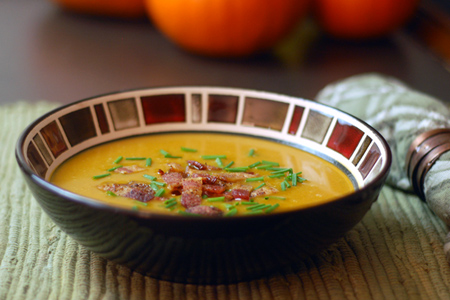
Mains dominate, which fits a barbecue focus, but the sauce and condiment sections matter just as much if you're building flavor rather than just grilling a piece of meat. Featured recipes have included Butternut-Ale Soup, Sauerkraut & Pork Stuffed Peppers, Pear & Fontina Galette, Barbecued Meatloaf, Corn Chowder and Guinness BBQ Sauce — a mix of smoked, grilled and stovetop cooking.

Beyond recipes, the "From the Patio" articles cover technique and kitchen thinking: how to add smoke on a gas grill, how to adapt a recipe rather than follow it rigidly, and whether brining a turkey is worth the trouble. Those pieces suit someone who wants to understand why a step works, not just copy it.

Who it's for

It's best for home cooks with a grill or smoker who want reliable, plainly written recipes and are happy to learn technique along the way. If you cook on gas and assumed you couldn't get real smoke flavor, the gas-grill smoking article is the natural starting point. If you're planning a holiday meal, the brining discussion helps you decide before you commit.

A practical next step

Pick one technique article and one recipe that uses it — for example, read the gas-grill smoking guide, then cook a main from the Mains category with wood chips involved. That pairing teaches more than either piece alone.

For broader barbecue references, compare with Serious Eats for tested, science-leaning technique, or The BBQ Brethren for community discussion when you want opinions on equipment and methods.

How do I add smoke flavor when cooking on a gas grill?

Add smoke flavor on a gas grill by creating a small, controlled smoke source and keeping the grill at a steady, low-to-moderate temperature. You are not trying to turn the gas grill into an offset smoker; you are adding smoke to an otherwise convenient cooking method.

The basic setup

  1. Soak or don't soak wood chips. Soaking delays smoke but can also steam the wood. Many cooks get good results with dry chips in a foil pouch or smoker box; soaked chips can work for shorter cooks.
  2. Make a packet or use a smoker box. Put a handful of chips in heavy-duty foil, seal it, and poke a few holes. Place it directly over a lit burner or on the heat deflector. A metal smoker box works the same way and is reusable.
  3. Use one burner for heat and smoke, the others off for indirect cooking. This keeps food away from direct flame and lets smoke circulate.
  4. Keep the lid down. Smoke escapes every time you open the grill. Check less often than you would for direct grilling.
  5. Aim for a thin blue or light gray smoke. Heavy white smoke can make food bitter, especially on long cooks.

Wood choices and amounts

  • Mild: apple, cherry, pecan.
  • Stronger: hickory, mesquite, oak.
  • Start small. One foil packet or one smoker box load is enough for chicken, fish, or vegetables. For longer cooks such as pork shoulder, replenish every 30–45 minutes.
  • Match wood to food. Apple or cherry suits poultry and pork; hickory or oak suits beef and ribs; mesquite is best reserved for quick, strong-flavored cooks.

Practical trade-offs

A gas grill gives you fast startup, easy temperature control, and no ash cleanup. The trade-off is less smoke character than a charcoal or offset smoker. You can narrow the gap with a smoker box, a foil packet, or a pellet tube, but you will still get a lighter smoke profile. For a reader who wants weeknight convenience with some smoke, that is a good trade. For someone chasing competition-style bark and deep smoke rings, a dedicated smoker is the better tool.

Patio Daddio BBQ covers this directly in its article “How To: Smoke On A Gas Grill,” which notes that gas grillers can add smoke to their cooking. The site’s broader collection at Patio Daddio BBQ includes backyard-tested recipes and techniques, so you can apply the method to specific dishes rather than treating smoke as a single setting.

A concrete first cook

Try a whole chicken or a pork tenderloin. Set up one burner on medium-low, put an apple-wood foil packet over that burner, and place the meat on the unlit side. Cook to temperature, not time: poultry to 165°F in the breast, pork tenderloin to 145°F with a short rest. If the smoke flavor is too faint, add a second packet next time; if it tastes acrid, use less wood and make sure the smoke is thin, not billowing.

Should I brine my turkey before smoking it?

Yes, for most smoked turkeys, a wet or dry brine is worth the extra step. It helps the meat hold moisture through a long, low cook and seasons it from the inside, which matters because turkey breast dries out faster than the legs. Patio Daddio BBQ covers the debate directly in its article "To Brine Or Not To Brine?" Patio Daddio BBQ, and the site's broader recipe collection leans toward practical, backyard-tested techniques rather than fussy ones.

What brining actually does

Brining works in two ways. Salt dissolves into the meat and loosens muscle fibers so they trap more water, and it carries flavor with it. A wet brine adds liquid; a dry brine (salting and resting, uncovered, in the fridge) skips the bucket and often gives crisper skin because the surface dries out.

Quick comparison

Method Best for Trade-off
Wet brine First-timers, birds you want forgiving Needs fridge space and a large container; skin can stay soft
Dry brine Crisp skin, smaller fridges Takes planning; less margin for error on salt
No brine Very small birds, already-brined supermarket turkeys Less moisture insurance on a long smoke

A practical decision path

  1. Check the label. If the turkey says "basted," "self-basting" or "enhanced," it is already injected with a salt solution. Skip brining or cut your salt sharply.
  2. Match the method to your setup. A wet brine needs 12–24 hours in the fridge and a pot big enough to submerge the bird. A dry brine needs 24–48 hours, uncovered, on a sheet pan.
  3. Keep the smoke low and slow. Brining buys moisture, not speed. Aim for a steady pit temperature and pull the bird when the breast reads about 160°F, letting it rest before carving.

A reader scenario

Say you are smoking a 14-pound turkey on a Saturday for eight people. Brine it Thursday night, dry it Friday, and smoke Saturday morning. If you only have a small fridge, dry-brine instead and roast the bird on a rack over a pan so air circulates. For technique details, the site's article "How To: Smoke On A Gas Grill" is a useful companion if you are working with a gas rig rather than charcoal Patio Daddio BBQ.

Start by reading the label, then choose wet or dry based on fridge space and how crisp you want the skin.

How can I adapt a recipe to my own taste or ingredients?

Adapt by changing one variable at a time, tasting as you go, and keeping a written record. That is the core method behind the site's own article on the subject, "How To: Recipe Adaptation," which describes the moment its author rethought the flavors in a slaw dressing after posting the original recipe — a useful illustration of how adaptation usually starts: you notice a flavor or texture you want more or less of, then adjust deliberately rather than overhauling everything at once. See Patio Daddio BBQ.

A practical order of operations

  1. Identify what the ingredient is doing. Ask whether it contributes flavor, fat, acid, sweetness, salt, liquid, structure, or leavening. Substitutions fail most often when the swapped item played a structural role (eggs in baking, fat in pastry) rather than a flavor one.
  2. Change one thing per batch. If you swap the sweetener and cut the salt in the same cook, you cannot tell which change caused the result.
  3. Taste at the earliest safe point. For soups, sauces, and braises, season early enough that flavors can meld but late enough that you can still correct.
  4. Rebalance rather than restart. Too sweet? Add acid or salt. Too flat? Add acid, salt, or a savory element. Too harsh? Add fat or sweetness.
  5. Write it down immediately. Note quantities, brand, pan size, heat level, and time. A recipe you liked but cannot reproduce is a one-off, not a recipe.

Substitution starting points

If you want to change Reasonable direction Watch out for
Heat level Swap or reduce chilies, add smoked paprika for depth without burn Reducing chili can also reduce fruitiness or acidity
Sweetness Cut sugar, or use a liquid sweetener Liquid sweeteners add moisture and brown faster
Fat Butter, oil, or rendered fat Smoke points and water content differ
Acid Vinegar, citrus, or fermented condiments Different acids taste sharper or rounder
Alcohol Broth, stock, or juice plus a little acid You lose some aroma complexity, not just liquid

A concrete scenario

Suppose you are making the Butternut-Ale Soup featured on the site — a recipe the author describes as combining a hearty squash soup he ate in St. Louis with a cheddar-jalapeño beer soup from a brewery visit. If you dislike beer, you would not simply pour in the same volume of water; you would lose the malt backbone and bitterness that balance the squash's sweetness. A better adaptation is stock plus a small amount of something bitter or fermented, tasted in stages, with the salt adjusted afterward. If you want it richer, add fat at the end rather than more cheese early, since cheese can break or turn grainy under prolonged heat.

When to follow the recipe exactly

Baking, custards, cured meats, and anything relying on precise ratios of fat, liquid, and leavening are poor candidates for freehand substitution on a first attempt. Make the original once, note what you would change, then adapt on the second pass. For grilled and smoked dishes, the site's technique articles — such as adding smoke on a gas grill — are a reminder that equipment and method often need adapting alongside ingredients.

Your next step: pick one recipe you cook often, choose a single variable to change, and record the result in a notebook or note file. Two or three iterations usually tell you whether the change is worth keeping.

What barbecue main dishes and sides can I make for a backyard cookout?

For a backyard cookout, Patio Daddio BBQ is organized around exactly that split: a large mains category and a smaller set of sides, sauces and condiments. The site's own category counts show Mains as the deepest section (87 recipes), with Sides at 24, Sauces at 12 and Condiments at 10 — so it is a practical place to plan a cookout menu rather than just a single dish.

Mains to build the cookout around

  • Barbecued Meatloaf — a smoked/grilled take on a family-standard main, useful when you want something that feeds a crowd and slices for sandwiches later.
  • Sauerkraut & Pork Stuffed Peppers — a good pick if you want a main that carries its own side inside it, cutting down on what else you have to prepare.
  • Grilled and smoked standards — the site's how-to writing covers adding smoke on a gas grill, which matters if your only cooker is a gas unit.

Sides, sauces and extras

  • Corn Chowder — a side that doubles as a starter on a cool evening.
  • Sauces and condiments — the site has separate sauce and condiment categories, including a Guinness® BBQ sauce, which is the easiest way to make one grilled main taste like two different dishes.
  • Desserts and beverages — smaller categories exist for both, so you can close out the meal without leaving the site.

How to choose

If your guests are the type who want a plate of meat plus two or three distinct sides, start with a main that does not need a sauce to carry it, then add one sauce from the sauce category and one cold side. If you are feeding people who graze and come back for seconds, a stuffed pepper or chowder-style dish holds up better than anything that must be served the moment it comes off the grill.

A sensible next step: pick one main and one sauce, then decide whether your sides are cooked on the grill alongside it or made ahead indoors. That single decision usually determines whether the cookout feels relaxed or frantic.

How do I make barbecue sauces and condiments from scratch?

Start with a flavor target rather than a recipe: decide whether you want a tomato-and-molasses red sauce, a vinegar-pepper sauce, a mustard-based sauce, or a condiment like slaw dressing or relish. That choice determines your base, sweetener, acid and heat, and it keeps you from adding ingredients at random.

A practical building formula

Most from-scratch barbecue sauces balance four jobs:

  • Base — ketchup, tomato sauce, mustard, or vinegar. This sets the sauce's character and thickness.
  • Sweetener — brown sugar, molasses, honey, or syrup. Add gradually; sweetness intensifies as a sauce reduces.
  • Acid — cider vinegar, lemon juice, or hot sauce. Acid keeps a sweet sauce from tasting flat.
  • Savory and heat — Worcestershire, soy, garlic, onion, chili powder, cayenne, or fresh chiles.

Simmer the sauce uncovered for 15–30 minutes so the flavors marry and the texture thickens. Taste at the end, not the beginning, and adjust one element at a time. A sauce that tastes slightly too sharp warm often balances once it cools on meat.

Condiments worth making yourself

Condiments follow the same logic with different textures. A slaw dressing is essentially acid, fat, sweetener and salt whisked together. A relish or chutney relies on chopped vegetables, vinegar and sugar cooked down until jammy. Mustard-based sauces lean on prepared mustard plus vinegar and brown sugar, while vinegar-pepper sauces skip tomato altogether.

Patio Daddio BBQ's category list includes Sauces (12 recipes) and Condiments (10), alongside Sides and Salads, which is where you'd look for slaw dressings and similar accompaniments. The site's featured Guinness® BBQ Sauce is an example of using a stout or ale as part of the liquid, the same technique behind its Butternut-Ale Soup.

Matching sauce to use

Sauce style Best on Watch out for
Tomato-molasses Ribs, brisket, burgers Burning when applied too early
Vinegar-pepper Pulled pork, smoked chicken Overpowering mild sides
Mustard-based Pork, sausage Clashing with sweet glazes
Creamy or herb condiments Grilled vegetables, fish Separating if boiled

For a first batch, make a small quantity and split it: leave half plain and add heat or smoke to the other half. That gives you two sauces from one pot and a clear sense of which direction you prefer. If you want a tested starting point rather than improvising, browse the sauce and condiment categories at Patio Daddio BBQ, then adapt the ratios to your own taste.

Related questions

More questions →
How Recipes Are Organized on Patio Daddio BBQ

Patio Daddio BBQ organizes its recipes two ways: by category and through featured or full recipe listings. If you know what kind of dish you want, start with Browse by Category. If you would rather see what the site is highlighting, start with Featured Recipes or the All recipes link. The site describes itself as "backyard-tested barbecue recipes, grilling techniques, and plenty of smoke," so the categories lean toward practical home cooking and grilling rather than restaurant-style presentation.

Browse by Category

The category list is the fastest route when you already have a course or dish type in mind. The site lists these categories with recipe counts:

Category Recipes
Appetizers 9
Beverages 2
Condiments 10
Desserts 7
Mains 87
Salads 1
Sandwiches 21
Sauces 12
Sides 24
Soups 10

Mains is by far the largest group, which fits a barbecue and grilling site. Sauces and condiments together add up to 22 recipes, so if you are looking for a rub, sauce, or something to serve alongside grilled food, those two categories are worth checking before you dig through Mains.

What each category is useful for

  • Appetizers — small bites before or alongside a main cook.
  • Beverages — drink recipes, though this is a small set.
  • Condiments — spreads, relishes, and similar accompaniments.
  • Desserts — sweets, including baked items.
  • Mains — the core of the site; grilled and smoked main dishes.
  • Salads — a single recipe, so treat this as a narrow category.
  • Sandwiches — handheld and stuffed-bread recipes.
  • Sauces — barbecue sauces and similar finishing sauces.
  • Sides — supporting dishes for a main.
  • Soups — including the featured Butternut-Ale Soup.

Featured Recipes and All Recipes

The homepage surfaces a rotating set of featured recipes rather than the full catalog. The current featured recipe is Butternut-Ale Soup, described as inspired by two dishes from a trip to St. Louis: a butternut squash dish at The Farmhaus and a cheddar-jalapeno soup made with Budweiser at the Anheuser-Busch brewery. The site says it combined the best aspects of each. Each featured recipe has a View Recipe → link that opens the full method.

Other recipes shown in the featured area include:

  • Sauerkraut & Pork Stuffed Peppers
  • On The Grill - Redux
  • Pear & Fontina Galette
  • Barbecued Meatloaf Redux
  • Corn Chowder
  • Guinness® BBQ Sauce

To see everything instead of just the highlights, use the All recipes link. That is the better entry point if you are browsing rather than searching for a specific dish.

From the Patio: Technique Articles

Beyond recipes, the site has a From the Patio section for articles about methods and kitchen decisions. These are not recipes but explain how to approach a technique or ingredient. Examples listed on the site include:

  • How To: Smoke On A Gas Grill — how gas grillers can add smoke to their cooking.
  • How To: Recipe Adaptation — how to adjust a recipe's ingredients and flavors.
  • To Brine Or Not To Brine? — a discussion of brining, written around turkey season.

If your question is "how do I do this" rather than "what do I cook," check From the Patio before the recipe categories.

How to Find a Specific Recipe

  1. Decide whether you want a category or a specific dish.
  2. For a category, open Browse by Category and pick the matching group, such as Mains or Sauces.
  3. For a specific dish, scan Featured Recipes first, then use All recipes if it is not shown.
  4. Open the recipe and use the View Recipe → link to reach the full instructions.
  5. If you need technique help rather than a recipe, go to From the Patio.

One practical note: the category counts are small outside Mains, so a recipe you remember may sit in an unexpected category. A sauce, for example, could appear under Sauces or under Condiments depending on how it is used. Checking both is faster than assuming.

What the Site Is and Is Not

Patio Daddio BBQ is a personal collection of backyard-tested recipes, techniques, and "occasional barbecue ramblings," in the site's own words. It is not a structured course or a restaurant menu. The organization is built for browsing: categories for course type, featured recipes for inspiration, and articles for method. There is no indication on the site of pricing, accounts, or paid access, so treat it as a recipe and technique reference rather than a product.

How to Pick a BuzzFeed Recipe You Can Actually Cook Tonight

The fastest way to choose a BuzzFeed recipe is to filter it against three real constraints before you get attached to it: the time you actually have, the equipment already in your kitchen, and the ingredients you can get without a special trip. BuzzFeed's recipe output is huge and video-first, which makes almost everything look easy and fast. Your job is to separate the recipe that looks good from the one that fits your Tuesday night.

Here's a practical way to do that, step by step.

Start With Your Real Constraints, Not the Video

Before browsing, write down three numbers and one list:

  • Minutes of hands-on time you're willing to spend (not total time — hands-on is what actually tires you out).
  • Total time until you want to eat.
  • How many people you're feeding.
  • Equipment you have — oven, stovetop burners free, one pot or several, sheet pan, blender, air fryer, slow cooker.

Then judge each recipe against that list. A 20-minute video often hides 10 minutes of chopping and a 15-minute simmer. If the recipe says "simmer until thickened" without a time, assume 10–20 minutes and decide whether that fits.

Quick filter questions

Ask these before you commit:

  1. Does it need an appliance I don't have or don't want to clean?
  2. Does it use more than one pot or pan? (Fine on a weekend, painful on a weeknight.)
  3. Is there a long passive step — marinating, chilling, proofing, roasting — that pushes dinner past when I want to eat?
  4. Can I do the chopping while something else cooks, or is it all front-loaded?

Read the Ingredient List for Hidden Work

BuzzFeed recipes often lean on a few convenience items. That's not a flaw, but you need to spot them before you start.

Watch for:

  • Specialty sauces or pastes (chili crisp, gochujang, tahini, fish sauce) — great if you own them, a detour if you don't.
  • Fresh herbs sold in bunches bigger than the recipe needs.
  • "Optional" garnishes that the video treats as mandatory for the look.
  • Vague quantities like "a handful" or "to taste" — fine for a confident cook, harder if you're following closely.

Realistic substitutions to keep in your back pocket

Recipe calls for Everyday swap Note
Heavy cream Whole milk + a little butter Thinner sauce; reduce a bit longer
Fresh herbs Dried herbs Use about a third as much
Shallot Yellow onion, finely diced Milder onion flavor
White wine Broth + splash of vinegar Less complex, still works
Buttermilk Milk + lemon juice, rested 5 min Closest texture match

If a swap changes the chemistry — baking, custards, breads — don't improvise. Pick a different recipe instead.

Use the Format to Gauge How Much Guidance You'll Get

BuzzFeed publishes recipes in a few shapes, and each tells you something about how much hand-holding you'll get.

  • Short video (Tasty-style): Fast and visual, but often skips temperatures, times, and doneness cues. Best when you already know the technique.
  • List-style post ("17 Dinners You Can Make in 30 Minutes"): Good for browsing and inspiration. The actual instructions may be thin or link out.
  • Step-by-step article: Usually the most reliable for a first attempt — more text, more detail, fewer surprises.

Rule of thumb: if you've never made the dish before, favor the step-by-step version. If you've made it many times, the short video is enough.

Check Serving Size and Scaling Before You Shop

Serving size is where a lot of weeknight cooking goes wrong.

  • If the recipe serves 4 and you're cooking for 2, halving works for most stovetop dishes but not always for baking, sauces, or anything cooked in a fixed-size pan.
  • If you're scaling up, remember that browning and reducing take longer in a bigger batch. Crowding a pan steams food instead of searing it.
  • Seasonings, salt, and spicy elements rarely scale linearly. Start with less, taste, adjust.

Write down the scaled amounts before you cook so you're not doing math with hot oil in front of you.

Skim Comments and Creator Notes for Failure Points

This is the highest-value two minutes you'll spend. Look for repeated themes:

  • "Needed way more time than stated."
  • "Too salty / too sweet as written."
  • "The sauce broke."
  • "I added X and it was better."

When several people mention the same fix, treat it as the real recipe. Creator notes at the top of a post often carry the same information — read them before the steps, not after.

Save Two Backups So One Missing Item Doesn't Sink Dinner

Pick your main recipe, then line up two alternates that share most of the same ingredients. That way, if the store is out of one thing or you're missing an item at home, you pivot instead of ordering out.

A simple planning template:

Tonight's main: _______________
Hands-on time: ___ min | Total: ___ min | Serves: ___
Equipment needed: _______________
Missing ingredients: _______________
Substitutions planned: _______________
Backup 1: _______________
Backup 2: _______________

A Worked Example (Hypothetical)

Say you have 30 minutes, one skillet, and a pound of ground meat. You see a video for a creamy pasta that looks great — but it needs a blender, two pots, and 45 minutes of simmering. It fails your filter. You scroll to a one-pan skillet dish with pantry spices and a 20-minute cook time. That one passes. Your backups are a stir-fry and a sheet-pan dinner, both using the same protein and whatever vegetables you have.

That's the whole method: match time, equipment, and ingredients first; use format and comments to judge reliability; keep backups ready.

The Short Version

  • Filter by hands-on time, equipment, and servings before you fall for the video.
  • Scan ingredients for specialty items and decide on swaps in advance.
  • Prefer step-by-step posts for first attempts, short videos for familiar dishes.
  • Scale carefully, especially for baking and sauces.
  • Read comments and creator notes for the real cook times and fixes.
  • Always have two backup recipes that share ingredients.

Do this once or twice and it becomes automatic — you'll stop starting recipes you can't finish and start cooking the ones that actually fit your night.

What Patio Daddio BBQ Says About Brining

Patio Daddio BBQ addresses brining directly in an article titled "To Brine Or Not To Brine?" The site frames the topic around a specific seasonal question: whether to brine a holiday turkey. The article is listed under the site's "From the Patio" section, which collects technique articles and barbecue commentary rather than recipes. The site's own description of that section notes it was written because "the internet is seriously abuzz at this time of year with folks who are investigating the notion of brining their holiday bird." In other words, Patio Daddio treats brining as a decision to reason through, not a step to apply automatically.

Where brining fits on the site

Patio Daddio BBQ describes itself as "a collection of backyard-tested recipes, techniques, and occasional barbecue ramblings," with the tagline "Good food, clear instructions, and plenty of smoke." Its content is organized into recipe categories (Appetizers, Beverages, Condiments, Desserts, Mains, Salads, Sandwiches, Sauces, Sides, Soups) and a separate article section called "From the Patio."

Brining belongs to the technique side of the site, alongside pieces like "How To: Smoke On A Gas Grill" and "How To: Recipe Adaptation." That placement matters: the site treats brining as a method you decide whether to use, not as a fixed rule attached to a recipe.

What the site actually covers

The available page evidence shows the brining article's title and its opening framing, but not its full body. What can be confirmed from the site itself:

  • The article exists and is titled "To Brine Or Not To Brine?"
  • It is tied to turkey season and holiday cooking.
  • It responds to a surge of online interest in brining at that time of year.
  • It sits in the same article series as the site's other how-to and technique posts.

The site does not publish pricing, subscription tiers, or login requirements in the material available, so nothing here should be read as a paid or gated resource.

How to use this if you're deciding about brining

If you arrived at Patio Daddio looking for a yes-or-no answer on brining, the site's approach is to walk through the question rather than issue a blanket verdict. A practical way to use it:

  1. Read "To Brine Or Not To Brine?" first, since it is the site's dedicated treatment of the topic.
  2. Check the recipe you plan to cook. If it is a Mains recipe from the site, see whether the recipe itself already accounts for brining.
  3. Cross-reference the technique articles under "From the Patio," which is where the site keeps method-level guidance separate from individual recipes.

The site's stated editorial stance — "nothing fancy for the sake of being fancy" — suggests its brining guidance is aimed at backyard cooks weighing a real trade-off, not at presenting brining as a mandatory upgrade.

What is Patio Daddio BBQ?

Patio Daddio BBQ is a personal backyard barbecue recipe and technique site, described by its author as "a collection of backyard-tested recipes, techniques, and occasional barbecue ramblings." It is aimed at home cooks who grill and smoke in their own backyards rather than at competition pitmasters or restaurant professionals. The site's stated style is "nothing fancy for the sake of being fancy" — good food, clear instructions, and plenty of smoke. If you want practical, tested-at-home barbecue and grilling recipes with written guidance, it's worth browsing; if you're looking for a restaurant, a product store, or a structured cooking course, this isn't that.

What you'll find on the site

The content falls into three main buckets:

  • Recipes, organized into categories rather than presented as one long feed.
  • Featured recipes, highlighted on the homepage.
  • Articles under a section called "From the Patio," covering techniques and kitchen reasoning.

Recipe categories

The site's own category listing shows how the recipe collection is distributed:

Category Recipe count
Mains 87
Sides 24
Sandwiches 21
Sauces 12
Condiments 10
Soups 10
Appetizers 9
Desserts 7
Beverages 2
Salads 1

Mains dominate by a wide margin, which fits the barbecue focus. The supporting categories — sauces, condiments, sides, sandwiches — are where you'd look if you're building a full plate around smoked or grilled meat.

Featured recipes

Examples of what the site surfaces on its homepage include:

  • Butternut-Ale Soup
  • Sauerkraut & Pork Stuffed Peppers
  • On The Grill – Redux
  • Pear & Fontina Galette
  • Barbecued Meatloaf Redux
  • Corn Chowder
  • Guinness® BBQ Sauce

The mix is telling: it isn't only ribs and brisket. There's soup, a fruit galette, and chowder alongside the barbecue staples, so the site treats "backyard cooking" broadly.

Articles and technique write-ups

"From the Patio" holds the non-recipe content. Examples from the site include:

  • How To: Smoke On A Gas Grill — written because, as the author notes, he had never covered how gas grillers can add smoke to their cooking.
  • How To: Recipe Adaptation — an article about adjusting recipes, prompted by the author rethinking the dressing in his Sweet, Tangy & Crunchy Slaw.
  • To Brine Or Not To Brine? — a seasonal piece on whether to brine a holiday turkey.

These are explanatory pieces tied to a specific problem or season, not a systematic curriculum.

How the recipes are framed

The Butternut-Ale Soup entry is a useful example of the site's approach. The author explains that the soup was inspired by two dishes from a trip to St. Louis: a hearty butternut squash dish at The Farmhaus and a cheddar-jalapeno soup made with Budweiser at the Anheuser-Busch brewery. He combined what he considered the best aspects of each, reasoning that fall is a good time for butternut squash soup and that he "could bring some beer to the party."

That pattern — a real-world inspiration, a stated reason for the combination, then a recipe — is representative of how the site presents its food. You get the thinking behind a dish, not just an ingredient list.

Who it's for

The site suits you if:

  • You cook on a backyard grill or smoker and want recipes tested in that setting.
  • You want written instructions and technique explanations rather than video-only content.
  • You're interested in both barbecue staples and adjacent home cooking (soups, sides, sauces, desserts).
  • You prefer a casual, first-person voice over a polished corporate recipe format.

It's a weaker fit if you need:

  • Precise, standardized measurements and tested yields for professional or commercial use.
  • Structured lessons that build from beginner to advanced in order.
  • Dietary, nutritional, or allergen information — the site's own description doesn't present itself that way.

Practical notes before you start

  • Browse by category first. With 87 mains against 1 salad, the category list is the fastest way to find something that matches what you're cooking.
  • Check "From the Patio" for technique gaps. If your question is "how do I get smoke on a gas grill" rather than "what do I cook," that's the section to read.
  • Expect adaptation, not rigidity. The site publishes "Redux" versions of recipes and an article specifically about recipe adaptation, so treat the recipes as starting points you're meant to adjust.
  • No pricing or account details are indicated in the site's own material. Nothing in the available site content describes paid tiers, memberships, or login requirements, so plan on simply reading the recipes as published.
How Patio Daddio BBQ Approaches Recipe Adaptation

Patio Daddio BBQ treats a recipe as a starting point, not a fixed script. The site's "How To: Recipe Adaptation" article describes the moment its author realized a slaw dressing could be reworked after thinking through its ingredients and flavors, and the broader recipe collection shows the same habit: dishes get inspired by restaurant meals, then rebuilt with backyard ingredients and equipment. If you want to cook from the site without hunting down every exact item, the approach is to understand what each component is doing, then swap or adjust within that role.

The adaptation mindset on the site

The clearest statement comes from the "How To: Recipe Adaptation" article. After posting a Sweet, Tangy & Crunchy Slaw recipe, the author had an epiphany while outside, thinking about the dressing's ingredients and flavors. That is the pattern: start from a finished dish, break it into flavor and texture jobs, and rebuild it.

The featured Butternut-Ale Soup shows the same logic in recipe form. It was inspired by two dishes from a trip to St. Louis — a hearty butternut squash soup at The Farmhaus and a cheddar-jalapeno soup made with Budweiser at the Anheuser-Busch brewery. The author took what he found to be the best aspects of each and combined them, then added beer to a fall squash soup. That is adaptation by combination, not by copying.

What this means when you cook from the site

Use the recipe's structure as the constraint and its ingredients as the variables.

  • Identify the job of each ingredient. In a slaw dressing, some components bring sweetness, some tang, some crunch. Change the source, keep the job.
  • Keep ratios stable when swapping liquids or acids. The soup example adds beer to a squash base; the liquid still has to balance the squash's sweetness and body.
  • Adapt to your equipment. The site covers smoking on a gas grill, which is itself an adaptation — same smoke goal, different fuel and setup.
  • Expect the first attempt to be a draft. The slaw article frames adaptation as something that struck after the recipe was already published, not as a one-pass formula.

A practical way to adapt one of these recipes

  1. Pick a recipe and list its ingredients by role: base, liquid, acid, fat, sweet, spice, texture.
  2. Choose one or two roles to change, not all of them. The butternut-ale soup changed the liquid and borrowed a flavor idea from a second soup.
  3. Substitute within the role. If a dressing needs tang, another acid can fill that slot; if a soup needs a malty backbone, a beer can fill the liquid slot.
  4. Cook, taste, and adjust the balance rather than the whole recipe.
  5. Note what changed and why, so the next adaptation starts from a known result.

Where to look on the site

The "From the Patio" section holds the technique and adaptation articles, including "How To: Recipe Adaptation," "How To: Smoke On A Gas Grill," and "To Brine Or Not To Brine?" The recipe side is organized by category — Appetizers, Beverages, Condiments, Desserts, Mains, Salads, Sandwiches, Sauces, Sides, and Soups — so you can find a base dish in the category closest to what you want to make, then adapt within it. The site's own description of itself is "good food, clear instructions, and plenty of smoke," and the adaptation approach fits that: clear enough instructions to follow, flexible enough to make your own.

Website Overview

Page metadata, canonical configuration and social previews work together to provide more consistent search and sharing presentation.

Domain and Registration

The domain was registered less than a year ago and has limited historical evidence to assess. Transfer-protection status is present, helping reduce the risk of unauthorized domain transfers. The registrar is GoDaddy.com, LLC, a widely used domain service provider. The domain uses the common .com extension, which is not an independent safety signal.

DNS and Email

Nameservers are provided by NS1, indicating managed DNS hosting. No CNAME was found; the observed records resolve directly to addresses. No MX record was found. A conventional explicit inbound-mail route is not configured. TXT records include verification markers for Google. Such markers may also remain after a service stops being used. DNSSEC signatures were not detected, so this additional DNS authenticity protection is not confirmed.

TLS and Certificates

The public key uses EC with 256 bits. The server supplied a complete certificate chain. No organization name is present in the certificate; the available fields are consistent with domain validation. The certificate was issued by Let's Encrypt, commonly associated with automated certificate services. The certificate's total validity is about 89 days, consistent with a short renewal cycle.

HTTP and Browser Security

The response lacks these common security headers: CSP, X-Content-Type-Options, Referrer-Policy, Permissions-Policy, clickjacking protection. No X-Powered-By header was found, reducing one common source of backend fingerprinting information. No obvious internal addresses or debug information were found in the headers. The Server header contains the custom value Netlify. No explicit CDN or WAF marker was found in the response headers.

Technology Stack Analysis

The public page identifies Netlify without precise versions, leaving fewer clues for version-specific scanning.

Search and Social Sharing

The Generator tag identifies Hugo 0.165.0, making the publishing system easier to fingerprint. Twitter Card metadata is configured. The title has 16 characters, within a common display range. A meta description is present, with 75 characters. The observed directives allow indexing and link following.

Hosting and Email

DNSNS1
HostingNetlify
EmailUnknown
Approximate IP geolocation (inferred; a CDN or proxy may differ from the origin server) United States flagAshburn, Virginia, United States Inferred 18.208.88.157

Registration details

RDAP / WHOIS

RegistrarGoDaddy.com, LLC
Registered2026-08-22
Expires2027-08-22
Domain statusclient delete prohibited、client renew prohibited、client transfer prohibited、client update prohibited
Nameserversdns1.p01.nsone.net、dns2.p01.nsone.net、dns3.p01.nsone.net、dns4.p01.nsone.net
DNSSECunsigned

DNS records

DNS

TypeNameValueTTLPriority
Apatiodaddio.com18.208.88.157120—
Apatiodaddio.com98.84.224.111120—
NSpatiodaddio.comdns1.p01.nsone.net3600—
NSpatiodaddio.comdns2.p01.nsone.net3600—
NSpatiodaddio.comdns3.p01.nsone.net3600—
NSpatiodaddio.comdns4.p01.nsone.net3600—
TXTpatiodaddio.comgoogle-site-verification=svL1fk0VXd5q-qzWCQVn_luyTG-LZk5xFRp7URm-yKo3600—

TLS and certificates

TLS / SSL

AssessmentNormal configuration
Supported protocolsTLSv1.2、TLSv1.3
Negotiated protocolTLSv1.3
Certificate subjectpatiodaddio.com
IssuerLet's Encrypt
Valid until2026-11-27T20:03 · Remaining when checked: 46 days
Verification detailsCertificate trust: Passed · Hostname match: Passed

HTTP response headers

HTTP

HeaderValue
content-typetext/html; charset=UTF-8
cache-controlpublic,max-age=0,must-revalidate
serverNetlify
strict-transport-securitymax-age=31536000

Identified technologies

Netlify

Pages, Search and Sharing

Meta descriptionBackyard-tested barbecue recipes, grilling techniques, and plenty of smoke.
Canonical URLhttps://patiodaddio.com/
LanguageEnglish (default)
Twitter Cardsummary_large_image
All bots 1 allowed · 0 disallowed
  • Allow/

User reviews (0)

  • No reviews yet.