Website profiles · Technology insights · Alternatives

profanemmo.com

Discover the wonders of a Sandbox MMORPG set in a dynamic open world. Live unique adventures on Profane. Follow our development!

No paid content found Multilingual
Visit website
Profile views 0 Outbound visits 0 Normal
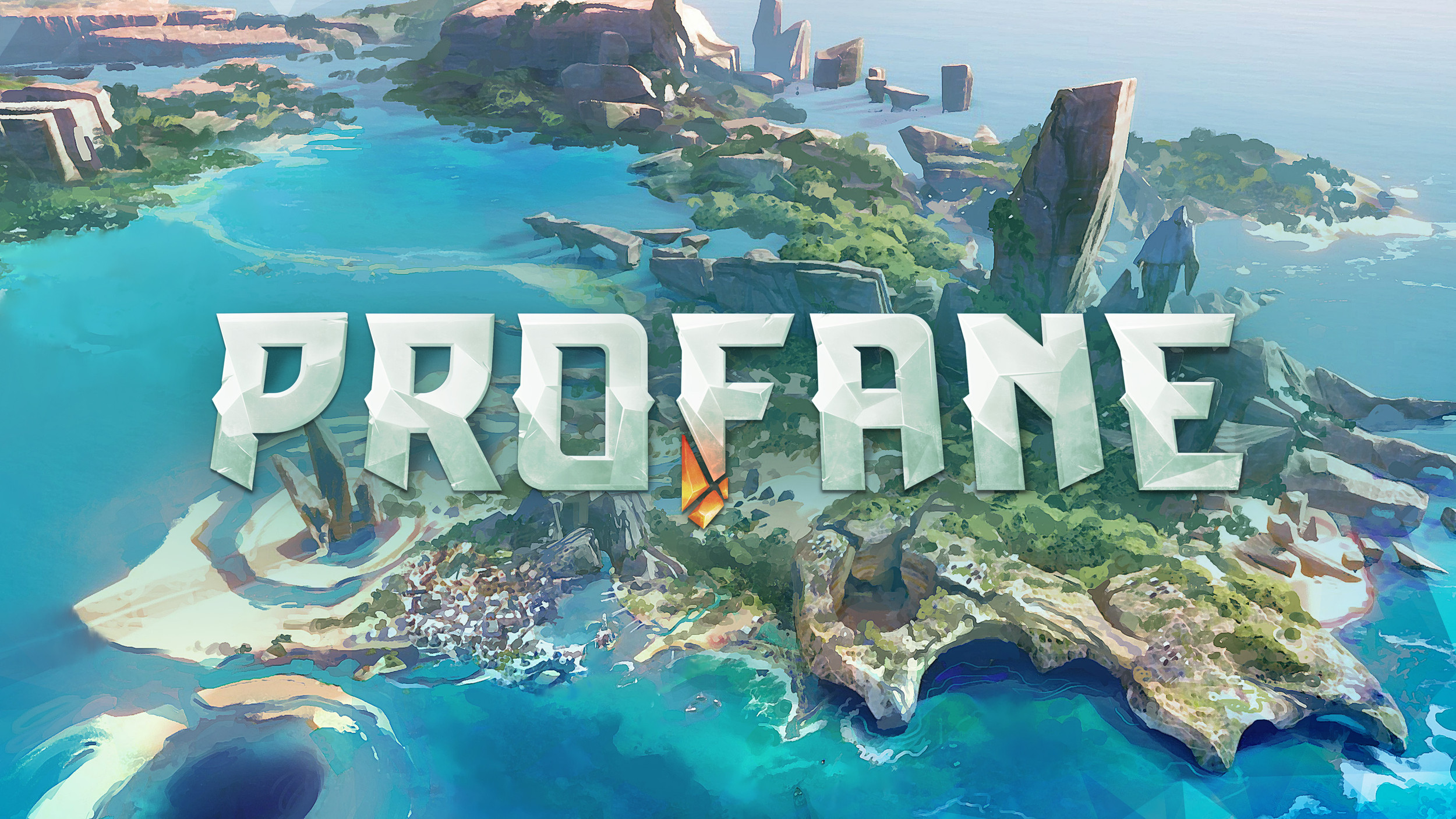
Profane MMORPG Full homepage screenshot

At a glance

Category
Other
Language
English
Paid-content signal
No paid content foundObserved
Registered
2015
Hosting
FastlyInferred
HTTPS certificate trusted
PassedObserved
Last updated

Website review

This review may include AI-generated content and is not individually verified. Domain, certificate and other facts come from the observed data on this page.

What is Profane MMORPG?

Profane MMORPG is an in-development sandbox MMORPG built around player-driven change: a persistent open world where players can build settlements, destroy existing structures, claim territory, set laws and collect taxes, and where the story emerges from what players actually do rather than from a fixed scripted questline. Its stated design pillars are a living world with dynamic adventures and NPC factions, an open building system, destructible structures (including NPC cities, encounters and dungeons), territorial conquest, collectible elemental skills, and proficiency-based progression with no classes or levels. Combat is described as skill-based action combat with WASD movement and mouse aiming without assistance, and the world is presented as one shared map across globally connected servers, with a Karma system that attaches consequences to player behavior.

Who it is aimed at

  • Players who want to leave a visible mark on a shared world rather than follow a hero's predetermined path.
  • Groups and guilds interested in territory, lawmaking, taxation and defending or expanding borders.
  • Players who enjoy full-loot, high-stakes PvP and accept that loss is part of the loop.
  • Crafters and builders who prefer open-ended construction over instanced housing.
  • People who dislike class/level gating and prefer improving skills by using them.

What to weigh before committing

Design choice What you gain What it costs you
No classes or levels Freedom to mix collected Elemental Skills into a personal build Less predictable power curve; you define your own role
Everything destructible Real stakes; sieges and raids matter Your work can be erased by others
Player-set laws and taxes Political play, emergent conflict Depends on active, organized communities
Full-loot, no-assistance combat Tension and meaningful risk Steep learning curve, punishing for newcomers
One shared world map A single unfolding story across servers Crowding and contested space

Because the project is still in development, treat the feature list as intent rather than a finished product, and check how much of it is playable in the current build before investing time. If you are deciding whether to follow it, the practical test is whether you enjoy the consequences of a sandbox — losing a base, negotiating with neighbors, enforcing your own rules — more than the comfort of a guided story. A useful comparison point for the same audience is EVE Online, which shows how player-run economies and territorial politics actually behave over years, and Albion Online for a more accessible take on full-loot, player-driven territory.

How does the building and destruction system work in Profane?

Profane treats building and destruction as two halves of the same world-shaping system: almost anything players or NPCs put on the map can also be taken off it. The official description lists an open building system that lets you create anything from small houses to entire cities directly in the open world, and states that nothing on the world map is fixed — NPC cities, encounters and even dungeons can be destroyed.

What players can do

  • Build anywhere: construction happens in the open world rather than in instanced housing zones, so a settlement sits in the same space other players travel through.
  • Scale up: the stated range runs from a single small house to a full city, and the material extends the ambition to empires.
  • Claim and govern: claiming land comes with setting laws and collecting taxes, which turns a build into a small political entity.
  • Defend or expand: you protect what you have claimed, fight off invaders, or push your borders into someone else's territory.
  • Destroy structures: because nothing is fixed, other players can tear down what you made — and you can do the same to theirs.

How it plays out in practice

The interesting consequence is that building is never purely creative. If you claim land and tax the players who pass through or settle nearby, you have created something worth attacking, and the destruction rules mean the threat is real rather than cosmetic. A small house is low-risk; a city with laws and taxes is a standing invitation.

That also means the system rewards players who enjoy politics, logistics and negotiation as much as combat. A group that can organise a defence, keep invaders away and hold a border is doing something the game explicitly supports. A solo builder who wants a quiet base should expect to either stay small and hidden or accept that the structure may not last.

What to weigh before committing

  • Time investment versus permanence: anything you build can be removed by others, so treat construction as an ongoing project rather than a one-off achievement.
  • Group size: claiming land, setting laws and collecting taxes implies coordination; the larger the claim, the more people you need to hold it.
  • Appetite for conflict: if you dislike losing progress to other players, a low-visibility build suits you better than a landmark city.
  • Role preference: the page frames the player as someone who is not the destined hero and whose actions leave a mark — the world is meant to remember what you build and destroy.

For a concrete next step, decide which side of the loop you want to play first. If you want to test the destruction side cheaply, join a group assault on an NPC-held location before you invest hours in your own walls; if you want to test the building side, start with a small out-of-the-way structure and see how long it survives before you commit to a city.

Can I play Profane on the same map as players from other regions?

Yes. Profane is designed as one shared world: servers across the globe connect into a single map and one unfolding story, so players from different regions meet, build, fight and change the same persistent landscape rather than being split into separate regional copies.

What that means in practice

  • Shared consequences: A city built or destroyed by one group is gone for everyone on that map. Land claims, laws and taxes set by players affect whoever contests that territory, regardless of where they log in from.
  • One storyline: The narrative is described as unfolding in real time from player actions, so events and threats evolve once for the whole world instead of being reset per region.
  • Regional differences may still exist: Connection quality, server time zones and peak activity hours can differ. A shared map does not guarantee an identical experience for every player at every hour.

A practical check before you commit

If playing alongside friends in another region matters to you, confirm two things with the developers or community: which regional entry points currently exist, and whether characters can move between them. Then pick your region based on where your group plays most, not on where the map is hosted.

For players who value a world that remembers them, the single-map design is the main draw. For those who prefer predictable local populations and low latency above all, it is a trade-off worth weighing before investing time.

How does the skill system work in Profane without classes or levels?

Profane replaces classes and levels with a proficiency system tied to what you actually do. Instead of picking a class at character creation or spending talent points on a level-up screen, you improve skills by performing them. The site also describes Elemental Skills that you discover while exploring and then choose to include in your build, so your character's capabilities come from found and practised abilities rather than a fixed class tree.

What the system changes in practice

  • No class lock-in. You are not sorted into a role at the start, so a character can drift between playstyles as you find new Elemental Skills and raise different proficiencies.
  • No level gate. Progression is horizontal and activity-based rather than a single number that unlocks content. Your effectiveness in a skill reflects how much you have used it, not how much experience you have banked.
  • Builds are assembled, not assigned. Because you collect Elemental Skills and choose which ones to keep, the interesting decision is what to carry and combine, not which talent row to fill.
  • Combat is skill-based. The site describes action combat with WASD movement and mouse aim without assistance, so twitch execution matters alongside your proficiency investment.

The trade-off to expect

A classless, level-less design gives you freedom but removes the clear milestones that tell you whether you are "ready" for a fight. You will need to judge your own readiness from your proficiencies, your collected skills and your gear, and you may spread yourself thin if you chase every Elemental Skill you find. Players who like defined roles and predictable power curves will find this looser; players who want to invent a role will prefer it.

A practical example

Say you spend an evening building a small house at the edge of claimed land. That work raises your building proficiency. Later you find an Elemental Skill while exploring, add it to your build, and use it in a fight over the same territory. Nothing in that sequence required a class choice or a level threshold — the character grew out of the actions. The site ties this to a broader sandbox where structures can be destroyed, lands can be claimed and taxed, and negative Karma follows hostile behaviour, so your build and your reputation develop together.

Next step

Before committing to a build, decide what you want your character to be known for — builder, raider, defender, trader — and let that guide which Elemental Skills you keep and which proficiencies you drill. If you want to see how the wider world systems interact with that choice, start at Profane MMORPG.

What are the consequences of negative Karma in Profane?

Profane's own description does not spell out a numbered list of Karma penalties. What it does say is directional: "Mind your actions: or face the consequences of negative Karma!" That places Karma in the same family as the game's other world-persistence systems — the page stresses that "the world remembers you" and that "what you do leaves a stain." So the reasonable reading is that negative Karma is a record of hostile or antisocial behaviour that the world and other players can act on, rather than a hidden stat with a fixed fine attached.

What that means in practice

  • Reputation is social, not just mechanical. In a game with open building, land claims, taxes and destructible NPC cities, the people most affected by your actions are other players. A Karma system in that setting mostly functions as a warning label: it tells strangers whether you are likely to raid their settlement or honour a border.
  • It interacts with the risk economy. The page frames the whole game around loss — "Dropped your loot? Keep moving forward." Negative Karma fits that logic as an added cost on aggression: you may win the fight and still come out worse in access, trust or safety.
  • It is not a class or alignment lock. Profane explicitly avoids classes and levels, and says you are "not the hero." A Karma track is more likely to be a sliding consequence of behaviour than a permanent faction you pick at character creation.

What is not established

The page does not state specific Karma thresholds, penalties, decay rates, or whether NPC factions treat you differently based on it. NPC Factions and Dynamic Adventures are mentioned as world systems, but no page evidence ties them directly to a Karma value. Treat any precise penalty list you see elsewhere as unverified until the developers publish it.

A useful way to decide

If you are the kind of player who wants to raid, gank and demolish, ask one question before committing: can you tolerate being treated as a threat everywhere you go, including by players who would otherwise trade with you? If your enjoyment depends on being welcomed into towns and groups, Karma is the system most likely to make that harder. If you enjoy the outlaw role and the extra friction it creates, it becomes part of the appeal rather than a punishment.

For the current rules, watch the developer's own updates at Profane MMORPG — Karma specifics are exactly the kind of detail that gets defined during development rather than at announcement.

How does player-driven storytelling work in Profane compared to traditional MMOs?

Profane treats story as an outcome of player activity rather than a script delivered to every account. The site describes a "living and breathing world" built from Dynamic Adventures, NPC Factions, a shared map, and systems for building, destroying, conquering and collecting Elemental Skills. There are no classes or levels; you improve Proficiencies by performing them, and negative Karma is a stated consequence for certain actions. Combat is action-based with WASD movement and mouse aim without assistance.

In a traditional theme-park MMO, the narrative usually runs on rails: zones, quest hubs and instanced raids reset for each player, so your character's biography rarely changes the map. Profane's pitch inverts that. Structures, encounters and even Dungeons can be destroyed, lands can be claimed, laws set and taxes collected, and the developers say servers connect into one shared map and one unfolding story. The page also frames the player as "not the hero": threats emerge and change over time, and the world may one day need saving from you.

What changes for you as a player

  • Your actions are persistent and public. Building a city, destroying an NPC city or claiming territory creates a visible change other players must deal with.
  • Your build is discovered, not assigned. You find and collect Elemental Skills and shape a personal set instead of picking a class at character creation.
  • Progression follows practice. Proficiencies rise through use rather than talent points, so your history of play is the character sheet.
  • Consequences include reputation. Karma is the stated mechanism for negative behavior, which can affect how the world and other players treat you.
  • Loss is part of the loop. The site's "No risk? no story" line implies dropped loot and setbacks are expected; the story comes from recovering, retaliating or changing course.

A practical example: a group claims a valley, builds a settlement, sets laws and taxes, and attracts traders. Another group destroys a nearby dungeon or NPC city, which changes what resources and threats exist in that region. The first group must defend or negotiate; the second may push its border. No quest text authored that outcome, but both groups leave with a story, which is exactly what the page promises: "Come back with a story."

How to decide if that suits you

Choose Profane's approach if you want your play sessions to affect other people's maps and economies, and you accept that other players can undo your work. Traditional MMOs remain the better fit if you prefer reliable quest chains, balanced instanced content and a world that waits for you rather than one that changes while you are offline. The trade-off is clear: player-driven storytelling produces memorable, uneven, sometimes unfair outcomes, while scripted storytelling produces consistent ones.

For a next step, follow the development updates on Profane MMORPG and watch for concrete details on how Dynamic Adventures, NPC Factions and Karma interact, since those systems determine whether the world reacts meaningfully or just cosmetically.

Related questions

More questions →
Does Profane MMORPG Have Classes or Levels?

No. Profane MMORPG does not use traditional classes or levels. According to the official site, there are "No classes or levels." Instead, you improve your Proficiencies as you perform them, rather than by assigning talent or attribute points. Character growth comes from what you actually do in the world, plus Elemental Skills you discover and collect while exploring.

How progression works instead

Profane replaces the usual class-and-level ladder with two main systems:

  • Proficiencies — improve through use. The more you perform an activity, the more proficient you become at it. There is no separate menu where you spend points to raise a stat.
  • Elemental Skills — found in the world as you explore. You collect them and then choose which ones become part of your build.

This means your "class" is effectively whatever combination of Proficiencies and collected Elemental Skills you assemble, not a preset role chosen at character creation.

What this changes for you

Traditional MMORPG Profane
Pick a class at creation No classes; build emerges from what you do
Gain levels, spend talent/attribute points No levels; Proficiencies improve by performing them
Skills come from your class tree Elemental Skills are discovered and collected in the world
Respec usually costs currency or items You choose which collected skills go into your build

The practical effect: two players who spend their time differently will end up with different capabilities, even without a class label separating them.

Other systems tied to your choices

Progression does not exist in isolation. The same page notes:

  • Karma — "Mind your actions: or face the consequences of negative Karma!" Your behavior carries consequences.
  • Skill-based combat — action combat using WASD for movement and mouse aim with no assistance, so mechanical skill matters alongside your build.
  • One massive world — servers across the globe connect into a single shared map and one unfolding story, so the world and its threats change over time.

What to keep in mind

Because there are no levels, you cannot judge another player's strength by a number next to their name. Their Proficiencies, collected Elemental Skills, and build choices are what define them. If you prefer clear class identities and level milestones, this system will feel different; if you prefer growth driven by play rather than point allocation, it matches that preference.

For the current state of development and any changes to these systems, check the official Profane MMORPG site, since the page describes the design intent as development continues.

How Combat and Consequence Work in Profane MMORPG

Combat in Profane is skill-based action combat: you move with WASD and aim with the mouse, with no assistance. Consequence is built on top of that — dropped loot stays in the world, actions can earn you negative Karma, and the world is designed to react to and remember what players do.

Combat: action-based, no assistance

Profane uses action combat rather than tab-targeting or auto-attack systems. According to the official site, the model is:

  • WASD for movement — you position yourself manually.
  • Mouse aim with no assistance — there is no aim-assist layer smoothing your inputs.
  • No classes or levels — you don't pick a class or assign talent/attribute points. Instead, you improve Proficiencies by performing them.

That last point matters for combat specifically: your effectiveness comes from what you actually do repeatedly, not from a build you configure in a menu before fighting. The site also describes Elemental Skills you discover and collect while exploring, then choose which ones become part of your build.

What this means in practice

Because there's no class or level gate, two players in the same fight may be running entirely different skill sets assembled from what they've found and practiced. The site frames this as freedom to shape your own approach rather than fitting into predefined roles.

Risk: dropped loot and the cost of dying

The site's framing is blunt: "No risk? no story." The stated mechanic is that when you drop your loot, you keep moving forward — the loss is part of the experience rather than something the game erases for you.

The site ties this to a broader idea: to leave a mark, "you'll need to become greater than what you stand to lose, find a cause, and fight for it." In other words, the risk is meant to give weight to what you're carrying and what you're trying to accomplish.

Consequence: Karma and a world that remembers

Two separate systems carry the consequence layer:

Negative Karma

The site states plainly: "Mind your actions: or face the consequences of negative Karma!" It does not detail the exact thresholds, penalties, or how Karma is tracked, so treat the specific numbers as unconfirmed. What is confirmed is that player actions feed into a Karma system with negative outcomes.

A world that reacts and remembers

The site describes the world as living and breathing, with Dynamic Adventures, NPC Factions, and a map where nothing is fixed — all structures can be destroyed, including NPC cities, encounters, and even dungeons. It also states that "the world remembers you" and that "what you do leaves a stain."

The story is described as unfolding in real time from what players are doing, rather than being a fixed script. The site explicitly says you are not the hero destined to save the world, and that depending on your path, "the world might one day need saving from you."

How the pieces connect

System What the site confirms What it does not specify
Combat WASD movement, mouse aim, no assistance Damage formulas, TTK, balance details
Progression Proficiencies improve by performing them; no classes or levels Proficiency caps, rates, respec rules
Skills Elemental Skills discovered, collected, chosen for your build Skill counts, rarity, acquisition locations
Risk Dropped loot stays dropped; loss is part of the experience Exact loot-drop rules, safe zones
Karma Negative Karma follows from your actions Thresholds, specific penalties
World Structures destructible; world reacts and remembers; story driven by player activity How memory is surfaced to players

What to take away

If you're deciding whether Profane's combat and consequence model fits you, the practical questions are:

  • Do you want manual, unassisted combat? If you prefer tab-targeting or aim-assist, this is a different feel by design.
  • Are you comfortable losing loot on death? The site treats loss as core, not as a bug to be patched around.
  • Do you want your actions to carry social weight? Karma and a world that "remembers" mean your behavior is meant to have visible downstream effects.

The site presents these as deliberate design choices rather than features to be tuned away, so the fit depends on whether that kind of risk-and-consequence loop is what you're looking for.

How Does the World Change in Profane MMORPG?

Profane's world changes because players are given systems that let them alter it directly, and because the game's story is generated in real time from what those players do. According to the official site, the world is "living and breathing," filled with Dynamic Adventures and NPC Factions, and nothing on the map is fixed — NPC cities, encounters, and even dungeons can be destroyed. The world also remembers you: your actions leave a mark, and no two adventures unfold the same way.

The systems that make change possible

The site lists five core systems behind a world players can reshape:

  • Living and breathing world — explore a continually changing world filled with Dynamic Adventures, NPC Factions, and more.
  • Build — an open Building System lets you create anything from small houses to entire cities in the open world.
  • Destroy — nothing is fixed on the world map; all structures can be destroyed, including an NPC City, an encounter, or even a Dungeon.
  • Conquer — claim lands, set laws, and collect taxes while trying to keep invaders away.
  • Collect skills — as you explore, you may discover and collect several Elemental Skills and choose which ones become part of your build.

Together these mean the map is not a static backdrop. Player construction, destruction, and territorial claims are the inputs; a visibly different world is the expected result.

One shared world, one unfolding story

Profane connects servers across the globe into a single shared map and one unfolding story. That matters for how change works: events are not isolated per server. The story unfolds in real time from what players are doing rather than from a predefined script, and threats emerge and change over time.

The site is explicit that you are not the hero destined to save the world. The story is unwritten, and depending on the path you choose, the world might one day need saving from you.

How your actions leave a mark

The world reacts to what you do, and the site frames this around consequence:

  • Build, destroy, rescue, or kill — the world responds, and what you do leaves a stain.
  • In Profane, the world remembers you.
  • Each time you venture in, you come back with a story to tell, because the world changes as you explore it.

There is also a risk element tied to this: "No risk? no story." If you drop your loot, you keep moving forward. To leave a mark, the site says you'll need to become greater than what you stand to lose, find a cause, and fight for it.

What this means for how you play

Because there are no classes or levels — you improve Proficiencies by performing them rather than assigning talent or attribute points — your identity in the world comes from what you actually do and collect, not from a preset role. Combat is skill-based: action combat using WASD for movement and mouse aim with no assistance. And your actions carry a Karma system, so behavior has consequences.

The practical takeaway: if you want a world that visibly reflects player activity, the deciding factors are whether you engage with building, destruction, and conquest, and whether you accept that other players can undo what you make. The site does not detail specific timers, costs, or protection rules for structures, so those remain open questions to verify as development continues.

What Can Players Build and Destroy in Profane MMORPG?

In Profane MMORPG, players can build anything from small houses to entire cities using an open building system, and they can destroy any structure on the map — including NPC cities, encounters, and even dungeons. Beyond construction and destruction, players can claim lands, set laws, collect taxes, and defend their territory against invaders. This applies to the game's persistent, shared world where nothing on the map is permanently fixed.

Building: From Small Houses to Entire Cities

Profane's open building system lets players construct at any scale. According to the official site, you can create "anything from small houses to entire cities in the open world." There are no predefined building zones restricting where you can construct — the system is described as open, meaning placement happens directly in the shared game world.

This means player-made settlements can grow organically: a solo player might build a small house, while a coordinated group could raise a full city. The scale of what you build depends on your resources and ambition, not on instanced housing plots.

Destruction: Nothing on the Map Is Fixed

The counterpart to building is destruction, and Profane applies it universally. The site states: "Nothing is fixed on the world map. All structures can be destroyed, be it an NPC City, an encounter, or even a Dungeon."

This has several practical implications:

  • Player-built structures are vulnerable. Anything you construct can be torn down by other players.
  • NPC content is destructible too. NPC cities, encounters, and dungeons are not protected permanent fixtures — they can be destroyed as part of the game world's evolution.
  • The map changes over time. Because both player and NPC structures can be removed, the world is described as "living and breathing," continually changing through player actions.

Conquering: Claim Lands, Set Laws, Collect Taxes

Building and destroying feed into a territory control loop. Players can:

  1. Claim lands — take ownership of areas in the open world.
  2. Set laws — establish rules within claimed territory.
  3. Collect taxes — generate income from those who operate within your land.
  4. Defend against invaders — keep others from taking what you've claimed.

This creates a cycle where construction establishes a foothold, laws and taxes sustain it, and defense (or destruction of rivals) determines whether it survives. The site frames this as part of the core freedom: "Build villages, cities, or even empires. Defend what you've claimed, fight those who threaten it, or seek destruction and push your borders into someone else's territory."

How This Fits the Wider Sandbox

These mechanics connect to other Profane systems:

System How it interacts
Dynamic Adventures & NPC Factions The world changes through these, alongside player building and destruction
No classes or levels Progression comes from Proficiencies improved by performing actions, not point allocation
Elemental Skills Collected through exploration and chosen for your build
Karma Actions have consequences — negative Karma follows certain choices
One massive world Servers connect into a single shared map with one unfolding story

Because there are no fixed classes and the story unfolds in real time from player activity, building and destroying are not side activities — they are primary ways players shape the world. As the site puts it, "the world remembers you," and what you do "leaves a stain."

What This Means for Your Playstyle

If you want to create and hold territory, the build–claim–tax–defend loop is your path. Expect to invest in defense, since anything you build can be destroyed.

If you prefer destruction and expansion, the game explicitly supports pushing into others' territory and tearing down structures — including NPC-held content.

Either way, the key condition is the same: nothing is permanent. The world is dynamic, other players can undo your work, and your impact depends on how well you protect or project power over what you build.

What Is Profane MMORPG?

Profane MMORPG is a sandbox MMORPG set in a dynamic open world where players are meant to change the world rather than follow a fixed hero storyline. Its core pillars are building, destroying, conquering, and collecting skills, and its servers are described as connecting into one shared map with a single unfolding story driven by player actions. If you are looking for a class-and-level progression game with a predetermined main quest, this is not that; if you want a persistent world where construction, destruction, territory claims, and reputation carry consequences, this is the intended pitch.

Core identity: a player-driven sandbox

The site frames Profane around player freedom. Instead of fitting into predefined classes, factions, and stories, players are given the freedom to shape the world around them, and the story unfolds in real time from what players are doing. The explicit stance is that you are not the hero destined to save the world — depending on your path, the world might one day need saving from you.

That positioning has practical implications:

  • No fixed protagonist arc. Threats emerge and change over time rather than being scripted around a chosen one.
  • Consequences are persistent. The world reacts to what you do, and "the world remembers you."
  • Replay value is framed as emergent. Each venture is meant to produce a story, and no two adventures unfold the same way.

The four pillars

The site lists the systems that make world change possible:

Pillar What it means in Profane
Build An open building system lets you create anything from small houses to entire cities in the open world
Destroy Nothing on the world map is fixed; all structures can be destroyed, including NPC cities, encounters, and even dungeons
Conquer Claim lands, set laws, and collect taxes while trying to keep invaders away
Collect skills Discover and collect Elemental Skills while exploring, then choose which ones become part of your build

Progression and combat

Profane's progression model differs from standard theme-park MMOs:

  • No classes or levels. You improve Proficiencies by performing them, rather than assigning talent or attribute points.
  • Skill collection over skill trees. Elemental Skills are found through exploration, and you decide which ones fit your build.
  • Karma system. Actions carry consequences, including negative Karma for certain behavior.
  • Skill-based action combat. Combat uses WASD movement and mouse aim with no assistance.

The combination means your character's identity comes from what you actually do and find, not from a class selection at character creation.

One shared world

Servers across the globe are described as connecting into a single shared map and one unfolding story. This matters for how the sandbox functions: territory claims, destroyed structures, and player-driven events are meant to exist in one persistent space rather than being siloed per server.

Who this is for — and who it isn't

A good fit if you:

  • Want building and destruction to have real weight in an open world
  • Prefer proficiency-based growth over class and level systems
  • Enjoy territory control, law-setting, and tax mechanics with invasion risk
  • Want a story that emerges from player activity rather than a scripted campaign

Probably not for you if you:

  • Want a guided main quest and a destined-hero narrative
  • Prefer tab-target or assisted combat over manual WASD and mouse aim
  • Dislike open PvP-adjacent risk, since conquest and destruction are core systems
  • Want a fixed class identity decided at the start

Practical notes before you commit

  • The site's headline reads "LIVE RIGHT NOW," indicating the game is presented as currently live. The page does not state pricing, subscription, or purchase details, so check the official site directly for current access terms rather than assuming free or paid.
  • Because destruction is universal — NPC cities, encounters, and dungeons included — the state of the world you enter may differ significantly from any guide or video you watched earlier.
  • The "no risk, no story" framing suggests dropped loot and loss are part of the design; plan your play sessions around that rather than expecting a low-stakes experience.

For the most current details on access and development status, the official site at profanemmo.com is the primary source.

Website Overview

An established domain and managed infrastructure suggest continuity of operations and may support dependable delivery, although neither guarantees service quality. Page metadata, canonical configuration and social previews work together to provide more consistent search and sharing presentation.

Domain and Registration

Registered in 2015, this domain has about 11 years of history. That suggests continuity, although ownership and purpose may have changed. Transfer-protection status is present, helping reduce the risk of unauthorized domain transfers. The domain uses the common .com extension, which is not an independent safety signal.

DNS and Email

Nameservers are provided by Amazon Route 53, indicating managed DNS hosting. MX records point to the Google Workspace email service. SPF and DMARC are configured. DKIM status is unknown. TXT records include verification markers for Google. Such markers may also remain after a service stops being used. DNSSEC signatures were not detected, so this additional DNS authenticity protection is not confirmed.

TLS and Certificates

The certificate uses an RSA 2048-bit public key, offering broad client compatibility. The server supplied a complete certificate chain. No organization name is present in the certificate; the available fields are consistent with domain validation. The certificate was issued within the Google Trust Services cloud or CDN ecosystem. The certificate's total validity is about 89 days, consistent with a short renewal cycle.

HTTP and Browser Security

The response lacks these common security headers: CSP, Referrer-Policy, Permissions-Policy, clickjacking protection. No X-Powered-By header was found, reducing one common source of backend fingerprinting information. The x-cache, x-served-by, via response header indicates a CDN or caching proxy in the delivery path. No obvious internal addresses or debug information were found in the headers. The Server header contains the custom value Pepyaka.

Technology Stack Analysis

The public page identifies Wix.com Website Builder, Wix, React, Sentry, Fastly without precise versions, leaving fewer clues for version-specific scanning.

Search and Social Sharing

The Generator tag identifies Wix.com Website Builder, making the publishing system easier to fingerprint. Twitter Card metadata is configured. The page declares 3 language or regional alternatives using hreflang. The title has 14 characters, within a common display range. A meta description is present, with 128 characters.

Hosting and Email

DNSAmazon Route 53
HostingFastly
EmailGoogle Workspace
Approximate IP geolocation (inferred; a CDN or proxy may differ from the origin server) United States flagKansas City, Missouri, United States Inferred 34.149.87.45

Registration details

RDAP / WHOIS

RegistrareNom, LLC
Registered2015-02-26
Expires2027-02-26
Domain statusclient transfer prohibited
Nameserversns-1283.awsdns-32.org、ns-1657.awsdns-15.co.uk、ns-19.awsdns-02.com
DNSSECunsigned

DNS records

DNS

TypeNameValueTTLPriority
Atd-ccm-neg-87-45.wixdns.net34.149.87.4586400—
MXprofanemmo.comaspmx.l.google.com3001
MXprofanemmo.comalt1.aspmx.l.google.com3005
MXprofanemmo.comalt2.aspmx.l.google.com3005
MXprofanemmo.comalt3.aspmx.l.google.com30010
MXprofanemmo.comalt4.aspmx.l.google.com30010
NSprofanemmo.comns-1283.awsdns-32.org172800—
NSprofanemmo.comns-1657.awsdns-15.co.uk172800—
NSprofanemmo.comns-19.awsdns-02.com172800—
NSprofanemmo.comns-910.awsdns-49.net172800—
TXTprofanemmo.comgoogle-site-verification=0P-IaT4ghUUe4uwtA48eGySPk0eEcwjh4n6O1qjZ1v8300—
TXTprofanemmo.comv=spf1 include:_spf.google.com ~all300—
CNAMEwww.profanemmo.comwww230.wixdns.net300—
DMARC_dmarc.profanemmo.comv=DMARC1; p=none; pct=100; rua=mailto:[email protected]; sp=none; aspf=r; adkim=s;300—

TLS and certificates

TLS / SSL

AssessmentNormal configuration
Supported protocolsTLSv1.2、TLSv1.3
Negotiated protocolTLSv1.3
Certificate subjectprofanemmo.com
IssuerGoogle Trust Services
Valid until2027-01-10T20:25 · Remaining when checked: 86 days
Verification detailsCertificate trust: Passed · Hostname match: Passed

HTTP response headers

HTTP

HeaderValue
content-typetext/html; charset=UTF-8
content-languageen
cache-controlprivate,max-age=0,must-revalidate
serverPepyaka
strict-transport-securitymax-age=31556952
x-content-type-optionsnosniff
set-cookieRedacted

Identified technologies

Wix.com Website BuilderWixReactSentryFastly

Pages, Search and Sharing

Meta descriptionDiscover the wonders of a Sandbox MMORPG set in a dynamic open world. Live unique adventures on Profane. Follow our development!
Canonical URLhttps://www.profanemmo.com
LanguageEnglish (default) · Multilingual
Twitter Cardsummary_large_image
All bots 1 allowed · 1 disallowed
  • Allow/
  • Disallow*?lightbox=
adsbot-google-mobile 0 allowed · 2 disallowed
  • Disallow/_partials*
  • Disallow/pro-gallery-webapp/v1/galleries/*
adsbot-google 0 allowed · 2 disallowed
  • Disallow/_partials*
  • Disallow/pro-gallery-webapp/v1/galleries/*
petalbot 0 allowed · 1 disallowed
  • Disallow/
dotbot 0 allowed · 0 disallowed
  • IntervalCrawl delay 10 seconds
ahrefsbot 0 allowed · 0 disallowed
  • IntervalCrawl delay 10 seconds

User reviews (0)

  • No reviews yet.