
 简体中文
 English
Website review
This review may include AI-generated content and is not individually verified. Domain, certificate and other facts come from the observed data on this page.
What is RMIT University?
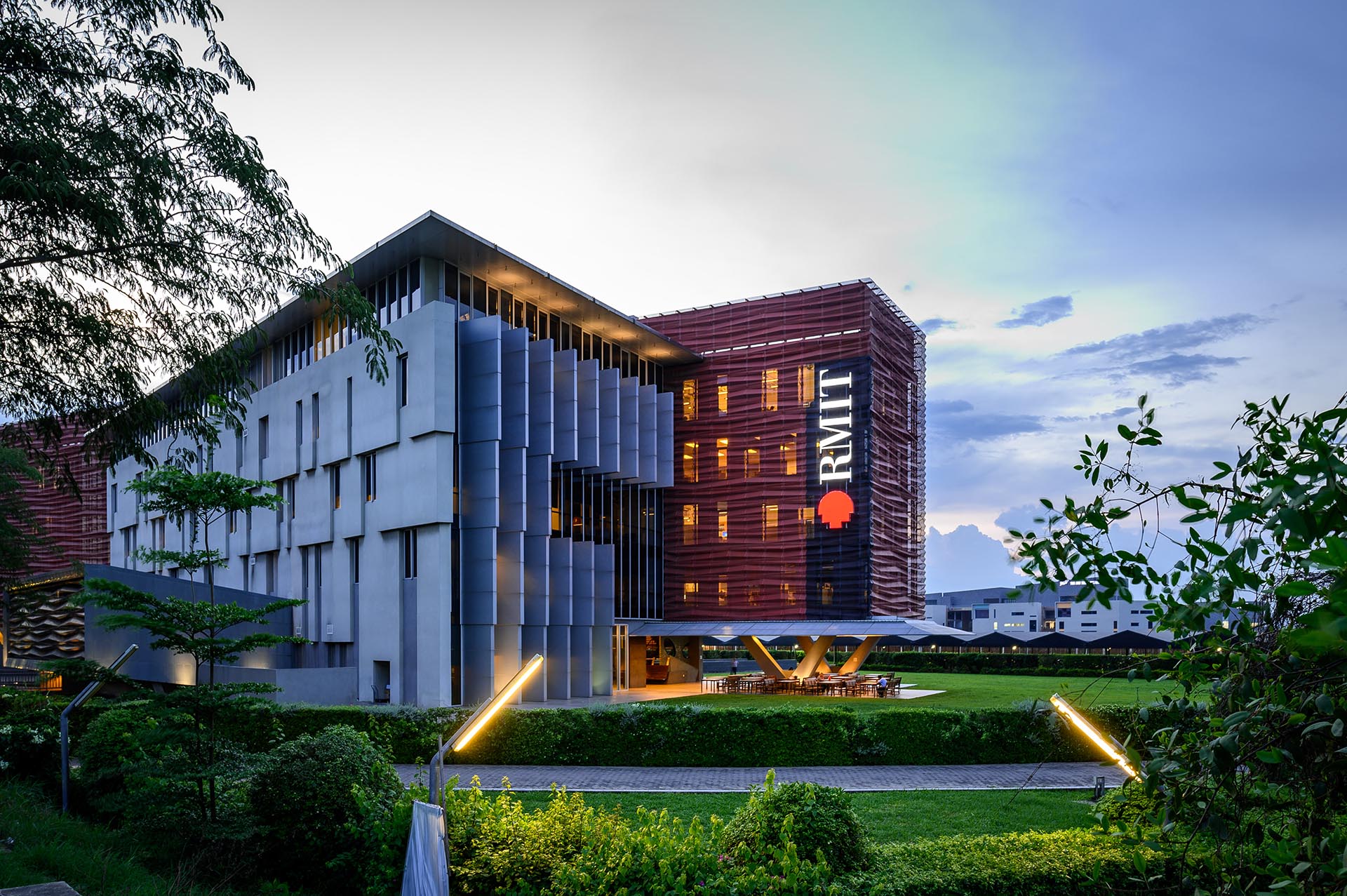
RMIT University is a global university of technology and design, with its main Australian campus in Melbourne and an international campus in Vietnam. It is described as Australia's largest tertiary institution, offering programs across technology, design, business, engineering, health and the arts.
What makes it distinctive
- Technology and design focus: Its identity centres on applied, industry-connected fields rather than a broad traditional liberal-arts model.
- Global footprint: A campus in Vietnam means students can study in an Asian context while following an Australian curriculum, and may have options to move between campuses.
- Industry links: Programs typically emphasise practical work, studio projects and workplace learning, which suits students aiming for professional careers.
Who it may suit
Students who want career-oriented degrees, international study options, or strengths in engineering, IT, design and business. It may also appeal to those in Southeast Asia seeking an Australian qualification without relocating to Australia.
Trade-offs
The applied, technology-and-design emphasis can mean less depth in some traditional humanities areas. International study usually involves higher costs and visa or relocation considerations, so prospective students should check program-specific details directly with the university.
For official information, see RMIT University.
What programs and courses does RMIT University offer?
RMIT University offers programs across several broad areas, typically at certificate, diploma, bachelor, master and doctoral levels. Its main faculties and schools cover:
- Business and management – accounting, finance, economics, marketing, logistics, entrepreneurship and MBA-style postgraduate study.
- Engineering – civil, mechanical, electrical, aerospace, software and chemical engineering.
- Computing and IT – computer science, cybersecurity, data science, artificial intelligence and information systems.
- Design and creative fields – architecture, industrial design, fashion, communication design, animation and games.
- Science and health – biotechnology, food technology, environmental science, nursing and allied health.
- Communication and social contexts – journalism, media, public relations, languages and social science.
Teaching is often described as industry-connected, with studio work, placements and applied projects. The university operates mainly in Melbourne and in Vietnam, with campuses in Ho Chi Minh City and Hanoi; program availability can differ by campus, and some courses are taught in English.
Prospective students usually check entry requirements, English language levels and credit for prior study, since these vary by program. Short courses, professional development and pathway programs may also be available. For exact lists, fees and intakes, the official site is the most reliable source.
What are the admission requirements for international students at RMIT University?
RMIT University's admission requirements for international students depend mainly on the level of study, the chosen program, and the applicant's previous education and English proficiency. Because requirements are program-specific, the official university site is the best starting point: RMIT University.
Typical requirements by level
- Undergraduate: Completion of secondary schooling equivalent to Australian Year 12, often with specific subject prerequisites for certain programs. Some pathways or foundation studies may be available for applicants who do not meet direct entry.
- Postgraduate: A recognised bachelor's degree in a relevant field; some programs also expect work experience or a portfolio.
- English language: Most applicants must show proficiency through a recognised test such as IELTS, TOEFL or equivalent. Required scores vary by program, and some courses have higher thresholds.
Other common items
- Academic transcripts and certificates, usually translated into English.
- Passport or identification details.
- Program-specific materials such as portfolios, personal statements or references.
Practical notes
Requirements can change, and country-specific entry standards may apply. Applicants should check the exact program page and confirm document and deadline details directly with RMIT. Meeting minimum requirements does not guarantee a place, as some programs are competitive.
What scholarships and financial aid are available at RMIT University?
RMIT University offers a range of scholarships and financial aid options, typically aimed at both domestic and international students. These generally fall into several categories: merit-based awards for academic achievement, need-based support, and program-specific scholarships tied to particular faculties or study levels.
Common types include:
- Academic merit scholarships for high-achieving applicants, often awarded based on prior study results.
- International student scholarships that may reduce tuition fees for eligible overseas applicants.
- Equity and access bursaries for students facing financial hardship or other disadvantages.
- Research scholarships for higher-degree-by-research candidates, which often cover fees and may include a stipend.
- Country or region-specific awards for students from particular locations.
Financial aid can also include payment plans, emergency assistance, and government-linked support schemes depending on the campus and the student's residency status.
Trade-offs matter: highly competitive merit awards usually require strong grades and separate applications, while need-based aid may demand documentation of circumstances. Eligibility, deadlines and coverage vary by program and campus, so prospective students should check the official RMIT site for current details.
For official information, see RMIT University.
What is student life like at RMIT University?
Student life at RMIT University is shaped mainly by its identity as a technology- and design-focused global university. On its Vietnam campuses, the atmosphere tends to feel international and industry-oriented, with a student body that includes both local and overseas learners, so English is commonly the shared language of classes and activities.
What to expect
- Clubs and societies: Student groups usually cover academic interests, culture, sport and creative fields, giving a simple route into meeting people outside your programme.
- Events and workshops: Campuses typically host career fairs, guest talks, hackathons and design showcases, reflecting the university's practical focus.
- Studios and labs: Courses in design, engineering, business and technology often rely on project work, so much social life happens through team-based assignments and studio culture.
- City life: Vietnam campuses sit in urban settings, so students can combine campus activities with the food, cafés and transport of a large city.
Who it suits
This environment is well suited to students who want an internationally minded, career-focused experience and are comfortable with collaborative, project-heavy study. Those seeking a traditional, purely campus-residential social scene may find it different, since much of the community revolves around classes, clubs and the surrounding city rather than a single enclosed campus.
What are the tuition fees and costs for studying at RMIT University?
Tuition at RMIT University varies by campus, programme level and discipline, and the official site is the only reliable source for current figures. Fees are not listed in the supplied information, so treat any number you see elsewhere as unverified.
What usually drives the cost
- Programme level – undergraduate, postgraduate coursework and research degrees are priced differently.
- Discipline – engineering, business, design and health programmes typically sit in different fee bands.
- Campus – the Melbourne campus and the Vietnam campuses in Hanoi and Ho Chi Minh City are separate fee structures, often quoted in different currencies.
- Study load and duration – fees are commonly quoted per course or per year, so total cost depends on how many courses you take.
Beyond tuition
Budget for student services and amenities fees, overseas student health cover where applicable, visa costs, textbooks, equipment for studio or lab-based programmes, and living costs. Scholarships and fee-reduction schemes may apply, and eligibility rules differ between campuses.
How to get exact figures
Use the official programme page for the specific degree, or contact the relevant admissions office directly. Fee schedules are usually updated each academic year, so confirm the year that applies to your intake.
 Amazon CloudFront
 Microsoft 365

User reviews (0)