Website profiles · Technology insights · Alternatives

rotoengravers.com

Your single source for superior Canadian-made rotory tooling. Established in 1984 - with over 50 years of tool & die expertise, you're in good hands.

No paid content found
Visit website
Profile views 10 Outbound visits 1 Normal
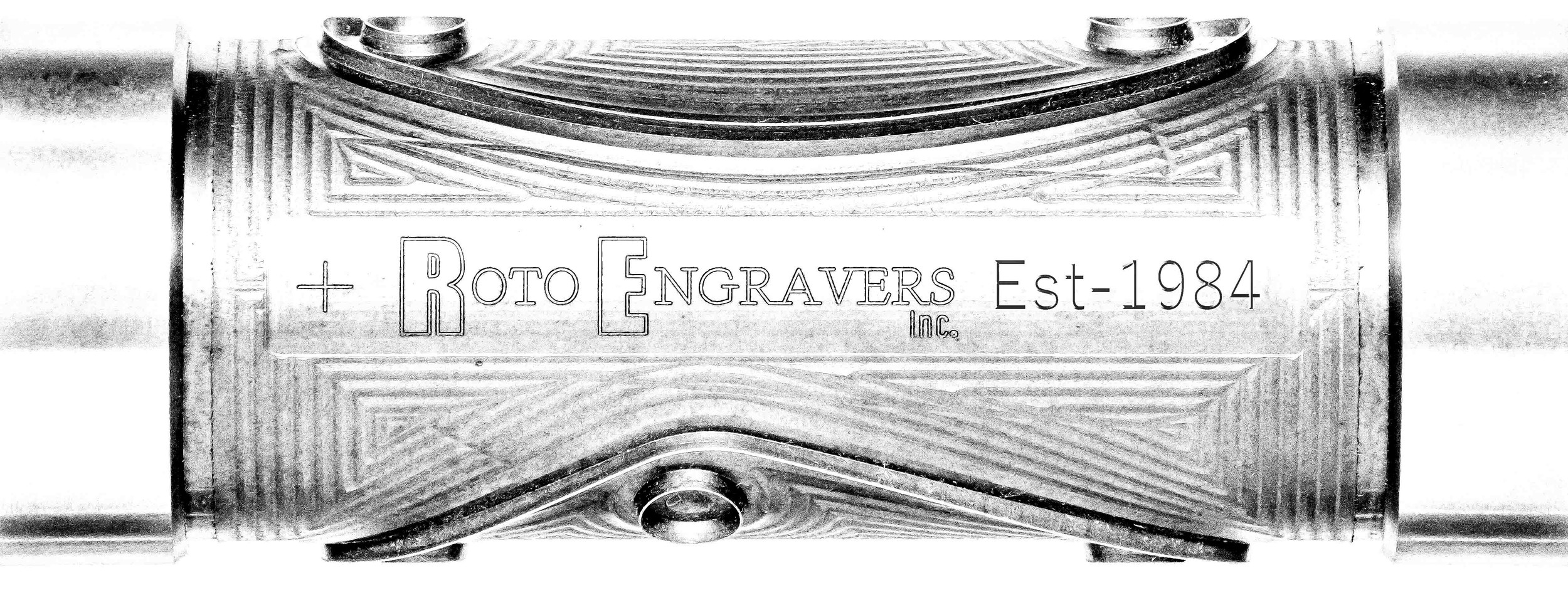
Roto Engravers Full homepage screenshot

At a glance

Category
Industry & Manufacturing
Language
English
Paid-content signal
No paid content foundObserved
Registered
2009
Hosting
FastlyInferred
HTTPS certificate trusted
PassedObserved
Last updated

Website review

This review may include AI-generated content and is not individually verified. Domain, certificate and other facts come from the observed data on this page.

What is Roto Engravers?

Roto Engravers is a Canadian manufacturer of precision rotary tooling, based in Ontario and established in 1984. It describes itself as a single source for Canadian-made rotary tooling, drawing on more than 50 years of tool and die expertise.

Its product range covers several types of rotary dies and related tooling:

  • Solid rotary dies – machined from a single piece, typically chosen for durability and consistent cutting on long runs.
  • Segmented dies – built in sections, which can simplify handling and replacement on large or complex patterns.
  • Flexible dies – a lighter option often used where flexibility or lower tooling cost matters.
  • Air eject dies – designed to help release cut material cleanly.
  • Magnetic cylinders – used to hold and position flexible tooling.

The company also lists industrial tooling and micro welding among its capabilities, suggesting it serves converters, printers, packagers and other manufacturers that need custom cutting or creasing tools. Buyers who want domestic production, repair options or made-to-order tooling are the likely audience.

The main trade-off is specialization: this is custom industrial tooling rather than off-the-shelf equipment, so lead times and specifications are typically quoted per project. Pricing is not published, so enquiries are needed for quotes.

What types of rotary dies does Roto Engravers manufacture?

Roto Engravers makes several families of rotary tooling for cutting, creasing and converting applications. Based on its product keywords, the range includes solid rotary dies, segmented dies, flexible (flex) dies, magnetic cylinders and air eject dies, along with related services such as micro welding.

H3 Solid, segmented and flexible formats

  • Solid rotary dies are typically machined from a single piece of tool steel. They suit long production runs where durability and consistent cutting depth matter.
  • Segmented dies use separate die sections mounted on a cylinder. They are useful when a job is large or awkward to machine as one piece, and individual segments can be replaced rather than scrapping the whole tool.
  • Flexible dies wrap around a magnetic cylinder. This format is common where design changes, shorter runs or storage space are considerations, since the die plate can be swapped while the cylinder stays in place.
  • Magnetic cylinders hold flexible dies and are a reusable component in that setup.

H3 Related tooling and services Air eject dies help release cut material cleanly, which can reduce jams in automated lines. Micro welding supports repair or modification of existing tooling.

The company describes itself as Canadian-made and established in 1984, with tool and die experience behind the work. It presents itself as a single source for rotary tooling, which may appeal to converters wanting one supplier for dies, cylinders and repairs. Exact materials, tolerances, lead times and prices are not stated in the supplied information, so buyers should confirm those details directly with Roto Engravers.

How does Roto Engravers' Canadian-made tooling compare to other options?

Roto Engravers is a Canadian rotary die and industrial tooling maker based in Ontario, established in 1984 and drawing on more than 50 years of tool-and-die expertise. Its range covers solid rotary dies, segmented dies, flexible dies, magnetic cylinders, air eject dies and micro welding.

Where it tends to stand out

  • Canadian-made production: For buyers who value domestic manufacturing, shorter supply lines, or compliance with local sourcing preferences, this is a direct alternative to imported tooling, typically from the United States, Europe or Asia.
  • Breadth in one supplier: A shop needing rotary dies alongside magnetic cylinders or repair work such as micro welding may prefer a single source rather than coordinating several vendors.
  • Long-established expertise: Decades in tool and die work suggests familiarity with wear, tolerance and repeat-run demands in label, packaging and converting operations.

Trade-offs to weigh

Consideration Roto Engravers Typical alternatives
Origin Canadian-made Often imported
Range Rotary, flexible, segmented, magnetic, welding Varies; frequently narrower
Lead time and freight May suit Canadian buyers Can be longer or costlier across borders
Price Not stated Not stated

Specialist competitors may offer deeper focus in one die type, larger-scale capacity or faster turnaround. Price and delivery terms are not published here, so request a quote and compare lead times, rework policies and tooling life for your specific press and substrate. See Roto Engravers.

What industries use Roto Engravers' rotary tooling?

Roto Engravers makes rotary tooling for manufacturers that cut, crease or perforate material on a continuous web or sheet. The most common users are packaging converters and label printers, because rotary dies are central to high-volume production of cartons, corrugated boxes, tags and pressure-sensitive labels.

Typical user groups

  • Packaging and carton makers use solid and segmented rotary dies for repeat runs where dimensional consistency matters.
  • Label and tag converters rely on flexible dies and magnetic cylinders, which suit shorter runs and quick changeovers.
  • Corrugated and folding-carton operations may use air eject dies to help release cut pieces cleanly.
  • Industrial and specialty manufacturers working with gaskets, foams, adhesives, nonwovens or similar materials often need custom rotary tooling.
  • Printing and finishing shops use rotary tooling for inline cutting, scoring and perforating.

How to judge fit

The trade-off is usually between durability and flexibility. Solid rotary dies typically last longer and hold tight tolerances, making them suited to long, stable production runs. Flexible and magnetic systems allow faster job changes and lower tooling cost per design, which suits varied or short-run work. Air eject and micro welding options address specific problems such as part removal or local tool repair.

Because the company describes itself as a Canadian tool-and-die maker serving as a single source for rotary tooling, it is likely most relevant to production engineers, die cutters and print finishers seeking custom or replacement tooling rather than off-the-shelf consumables. See Roto Engravers for its specific capabilities.

What is the difference between a solid rotary die and a segmented die?

The main difference is how the cutting surface is built and how it is maintained.

Solid rotary die
A solid rotary die is machined from a single piece of material, so the cutting edges and the body are one continuous unit. This typically gives high rigidity and consistent registration, which suits long runs, tight tolerances and stable substrates. The trade-off is that a damaged area may require rework or replacement of the whole die, and design changes are not easily made.

Segmented die
A segmented die is assembled from separate sections or inserts mounted on a carrier. Individual segments can often be replaced or repositioned, which may reduce downtime and cost when only part of the pattern wears or changes. It is often suited to larger formats, mixed jobs or applications where flexibility matters more than maximum rigidity. The trade-off is more joints and setup complexity, with possible variation between segments.

Feature Solid rotary die Segmented die
Construction One piece Multiple sections/inserts
Rigidity Typically higher Generally lower
Repair Whole-die rework Segment replacement
Flexibility Limited Greater
Typical use Long, stable runs Varied or large-format work

Both are part of the rotary tooling offered by Roto Engravers, alongside related options such as flexible dies and magnetic cylinders.

How can I request a quote or contact Roto Engravers?

To request a quote or start a conversation with Roto Engravers, the most direct route is the contact section of their official site, Roto Engravers. There you can typically find the phone number, email address and any enquiry form the company provides for quoting rotary tooling work.

What to prepare before contacting them

Because rotary dies are usually made to order, a useful quote request normally includes:

  • The type of tooling you need, such as a solid rotary die, segmented die, flexible die, air eject die or magnetic cylinder
  • Drawings, artwork or specifications for the part or cut profile
  • Substrate and material thickness
  • Press or machine details, including cylinder size where relevant
  • Quantity and any repeat-order expectations
  • Delivery location and timeline

Who this suits

The company is a Canadian tooling maker serving converters, printers and industrial buyers who need custom rotary dies and related services such as micro welding. Buyers with clear technical documentation usually get the fastest, most accurate response; those without drawings may need to discuss requirements first.

Trade-offs

A direct enquiry gives you tailored advice and pricing rather than a generic catalogue answer, but response time depends on how complete your specifications are. If your requirement is simple, a phone call may resolve it quickly; complex or multi-part projects are better handled by email so drawings and revisions stay on record.

Related questions

More questions →
What Is a Flex Die and When Should You Use One for Rotary Tooling?

A flex die is a rotary cutting or creasing tool built on a thin, flexible metal plate that wraps around a magnetic cylinder or die shell rather than being machined as one solid piece. You choose it when job changeover speed, storage space, and lower upfront tooling cost matter more than the longest possible run life. If you are running long, repetitive production on one repeat length, a solid rotary die is usually the better investment.

How a Flex Die Is Built

A flex die starts as a flat, thin steel plate — typically much thinner than the body of a solid rotary die. The cutting or creasing rule is formed on that plate, and the plate is then curved to match the circumference of the cylinder it will run on.

Because the plate is flexible, it conforms to the cylinder surface when mounted. That flexibility is the defining characteristic and the source of both its advantages and its limits.

Mounting methods

  • Magnetic cylinder: The flex plate is held by magnetic force on a magnetic cylinder. This is the most common setup because it allows fast mounting and removal without mechanical fasteners.
  • Die shell or sleeve: The plate mounts to a removable shell that slides onto a shaft, letting you swap jobs without pulling the whole cylinder.

The mounting method you choose affects changeover time, repeat length flexibility, and how precisely the plate seats against the cylinder.

Flex Die vs. Solid Rotary Die vs. Magnetic Cylinder Setup

These three options overlap in practice — a flex die often runs on a magnetic cylinder — so it helps to separate the tool (the die) from the mounting system (the cylinder).

Factor Flex die Solid rotary die Magnetic cylinder setup
Construction Thin flexible plate Machined one-piece body Cylinder that holds flexible plates
Upfront cost Lower per job Higher per job Cylinder cost plus plates
Changeover Fast, especially with magnetics Slow — swap the whole die Fast — swap plates on one cylinder
Storage Flat plates store compactly Bulky, needs racking Cylinder plus flat plates
Durability Shorter run life Longest run life Depends on the plate used
Best for Short to medium runs, frequent job changes Long runs, one repeat length Mixed jobs sharing a repeat length

The practical takeaway: if your work is high-mix and low-to-medium volume, a flex die on a magnetic cylinder gives you the fastest changeover and the smallest storage footprint. If your work is one long run, the solid die's durability usually wins on cost per impression.

When a Flex Die Is the Practical Choice

Flex dies fit jobs where the tooling needs to change often or where the repeat length is shared across multiple jobs.

  • Short and medium production runs where a solid die's cost can't be justified.
  • Frequent job changes on the same press or cylinder.
  • Multiple jobs sharing a repeat length, so one magnetic cylinder serves many plates.
  • Label, tag, and light carton converting where cutting and creasing demands are moderate.
  • Sampling and short-run packaging where speed to press matters more than tool life.

When to look elsewhere

  • Very long, uninterrupted runs where tool wear adds up.
  • Heavy board or abrasive substrates that wear a thin plate quickly.
  • Jobs needing the tightest dimensional stability over millions of impressions.

Selection Factors That Actually Change the Outcome

Repeat length

The plate must match the cylinder circumference exactly. If your repeat length is fixed across many jobs, a magnetic cylinder sized to that repeat pays for itself through plate swaps. If repeat lengths vary widely, you need either multiple cylinders or a different approach.

Cutting vs. creasing requirements

A flex plate can carry cutting rules, creasing rules, or both. The rule height and the plate thickness must be matched to the cylinder and to the substrate so the cut or crease lands at the right depth.

Mounting method

Magnetic mounting is fastest but requires a magnetic cylinder matched to the repeat. Shell mounting trades a little changeover speed for flexibility in how you organize jobs.

Substrate

Thin, consistent substrates suit flex dies well. Thick or abrasive materials accelerate plate wear and push you toward a solid die.

Common Failure Modes and Troubleshooting

  • Plate lifting or shifting: Usually a mounting or magnetic hold issue. Check that the plate seats flat and the cylinder surface is clean.
  • Inconsistent cut depth: Often a plate thickness or rule height mismatch, or the plate isn't fully conformed to the cylinder.
  • Premature rule wear: Frequently a substrate or run-length problem — the job may simply be too long or too abrasive for a flex plate.
  • Crease cracking or poor fold: Check crease rule width and depth against the board thickness.
  • Registration drift: Verify the plate is positioned correctly and the cylinder is running true.

Making the Decision

Choose a flex die when changeover speed, storage, and lower per-job cost outweigh maximum run life — typically high-mix, short-to-medium-run converting. Choose a solid rotary die when you're running one repeat length for a long time and want the longest tool life. If you run many jobs on a shared repeat length, a magnetic cylinder with a set of flex plates is usually the most efficient setup.

Roto Engravers is a Canadian rotary tooling maker established in 1984 with over 50 years of tool and die expertise, offering flex dies, solid rotary dies, segmented dies, air eject dies, magnetic cylinders, and micro welding as part of its rotary tooling line.

What Is an Air Eject Die and When Should You Use One?

An air eject die is a rotary die that uses compressed air, pushed through small passages in the die or its mounting cylinder, to lift the cut part or waste material clear of the cutting surface after each revolution. Instead of relying only on gravity, stripper pins, or the web's own tension to release the part, the die actively blows it away from the tool. This matters most when you are cutting light, sticky, thin, or fragile material that tends to hang up in the cavity, wrap around the die, or jam downstream.

If you run a converting line and parts keep sticking, mis-feeding, or slowing your throughput, air ejection is one of the few options that solves the problem at the point of cut rather than patching it later. But it is not free — it adds tooling complexity, requires shop air at the die, and only pays off in the right applications. This guide explains how it works, how it compares to standard rotary dies, and how to decide whether to specify one.

How air ejection actually works

In a conventional rotary die, the cutting rule or engraved edge presses through the web against an anvil or backing surface. Once the die rotates past the nip, the cut piece should fall or be pulled away. With difficult materials, it doesn't — the part stays lodged in the die cavity or clings to the face.

An air eject die adds a controlled air path to that moment of release:

  • Air is introduced through a rotary union, a manifold, or a dedicated air channel in the cylinder or die holder.
  • Internal passages route the air to small holes positioned at or near each cavity, or along the waste matrix.
  • A timed pulse or continuous flow blows the part or waste off the cutting face as the die rotates past the release point.
  • The blast is aimed so it clears the cavity without disturbing the web path or the next part.

On magnetic cylinder systems, the air path is typically built into the cylinder or the die plate, so the die itself may be a fairly standard flexible or solid tool with matched air holes. On solid and segmented rotary dies, the passages are machined into the die body. Either way, the principle is the same: positive displacement of the part instead of passive release.

Air delivery options

Method Where air enters Typical fit
Rotary union on the cylinder shaft Through the cylinder core Solid and segmented rotary dies
Manifold / plenum at the die station External port feeding internal channels Magnetic cylinder and flexible die setups
Die-mounted air plate Dedicated plate behind the cutting face Retrofits and modular tooling

The right choice depends on your press, your cylinder type, and whether you are buying new tooling or adapting an existing station.

Air eject vs. standard solid and segmented rotary dies

The cutting edge itself is not fundamentally different. What changes is material handling after the cut.

Consideration Standard solid / segmented die Air eject die
Part release Gravity, web tension, strippers Active air blast
Light or sticky stock Prone to sticking and wrap-around Much more reliable release
Small or fragile parts Can be lost or damaged in the cavity Blown clear with less mechanical contact
Setup complexity Lower Higher — air supply and timing must be set
Maintenance Routine edge and cavity care Adds air-hole cleaning and leak checks
Best fit Robust, easy-release materials Difficult release, high-speed, or delicate work

A standard die is usually the better economic choice when the material releases cleanly on its own. Air ejection earns its cost when release is the bottleneck — not when cutting force is the problem.

When air ejection is worth specifying

Air eject dies tend to pay off in a recognizable set of scenarios:

  • Lightweight or low-caliper stocks that lack the stiffness to push themselves out of the cavity.
  • Sticky or coated materials — pressure-sensitive adhesives, some films, and coated papers — where the part clings to the die face.
  • Small parts with a high surface-area-to-edge ratio, which are the most likely to lodge.
  • Fragile or thin parts that would be creased, torn, or lost if stripped mechanically.
  • High-speed runs where even a small percentage of stuck parts causes jams, downtime, or scrap.
  • Waste matrix handling where slugs or trim need positive removal rather than relying on the winder.

If you are seeing any of these on your current line, air ejection is a reasonable next step. If your parts drop cleanly and your scrap rate is low, it is probably unnecessary complexity.

Practical selection and integration considerations

Before you commit, work through these points with your die maker and your press operator.

Air supply and shop air

  • Confirm you have clean, dry, regulated air at the die station. Moisture and oil will clog small passages and contaminate the cut.
  • Check pressure and flow are adequate for the number of cavities and the part weight. More holes are not always better — over-blowing can disturb the web.
  • Plan for a filter and regulator close to the die if your house air is inconsistent.

Mounting and cylinder choice

  • On magnetic cylinder systems, verify the cylinder supports the air path you need, or that the die plate carries it.
  • On solid and segmented rotary dies, the air passages are part of the tool, so the die must be designed for ejection from the start.
  • Match the air exit points to the cavity layout — one hole per part, or a pattern for waste removal.

Timing and setup

  • The air pulse should fire as the cavity passes the release point, not before or after. Timing is often mechanical or valve-controlled.
  • Set pressure incrementally and watch the web. Too little leaves parts stuck; too much causes flutter, mis-registration, or blown debris.
  • Document the settings that work so a changeover does not become a re-tuning exercise.

Maintenance

  • Clean air holes regularly. They are the most common failure point.
  • Inspect for leaks and worn seals at unions and manifolds.
  • Keep the cutting edge in normal condition — air ejection does not compensate for a dull or damaged rule.

Common limitations and troubleshooting

Air ejection is not a cure-all, and it introduces its own failure modes.

Symptom Likely cause What to check
Parts still sticking Clogged or misaligned air holes Clean passages, verify hole position
Uneven ejection across cavities Uneven pressure or flow Balance the manifold, check for leaks
Web flutter or mis-registration Too much pressure or wrong timing Reduce pressure, adjust pulse timing
Contamination on parts Dirty or wet air Service filters, dryers, and separators
No air at the die Union, seal, or manifold failure Inspect rotary union and seals

When a conventional die remains the better choice: if the material releases reliably, if the part is large and robust, if the run is short and setup time dominates, or if shop air at the die is impractical. In those cases, a well-designed solid or segmented rotary die with good stripping will outperform an air eject die on cost and simplicity.

A simple decision path

  1. Is release the problem? If parts stick, wrap, or jam, continue. If not, a standard die is likely fine.
  2. Is the material light, sticky, small, or fragile? If yes, air ejection is a strong candidate.
  3. Do you have clean, regulated air at the station? If not, budget for it or reconsider.
  4. Can the cylinder or die carry the air path? Confirm with your tooling supplier before ordering.
  5. Will the run volume justify the added setup and maintenance? Long, high-speed runs usually do.

If you can answer yes through steps 1–4 and the volume is there, an air eject die is worth specifying. If any answer is no, a conventional rotary die — solid, segmented, or flexible on a magnetic cylinder — is probably the more practical choice.

For a converting operation, the goal is not the most advanced tool; it is the tool that releases the part cleanly at the speed you need. Air ejection is simply one more way to get there when passive release is not enough.

What Is Industrial Tooling and How Do You Choose the Right Type for Rotary Die-Cutting?

Industrial tooling in rotary die-cutting refers to the physical cutting, creasing, and ejection components mounted on a rotary press to convert web materials into finished shapes. Choosing the right type comes down to three variables: your material, your run length, and your cut complexity. Solid rotary dies suit long runs and simple geometry; flexible and segmented dies suit shorter runs and design changes; magnetic cylinders let you swap flexible tooling quickly; air eject dies solve parts that stick after cutting. If you are ordering custom tooling, confirm the die type, cylinder compatibility, and repair support before committing.

What "industrial tooling" means in this context

In general machining, industrial tooling means cutters, drills, and fixtures. In rotary die-cutting and converting, it means the tooling that sits on the press cylinder and does the actual work:

  • Cutting the outline of a label, carton, or part
  • Creasing or scoring where the material needs to fold
  • Ejecting the cut part so it clears the die cleanly

Roto Engravers, a Canadian tooling maker established in 1984, describes itself as a single source for rotary tooling with over 50 years of tool and die expertise. That framing matters: in this industry, "industrial tooling" is usually a family of related products rather than one item, and the right pick depends on how the tool will be used.

The main rotary tool types and where each fits

Tool type What it is Best suited to Main trade-off
Solid rotary die Cutting edges machined directly into a solid cylinder Long runs, repeat orders, tight tolerances Highest upfront cost; design changes mean a new die
Segmented die Cutting sections mounted on a cylinder rather than one solid piece Large or complex layouts, easier replacement of worn sections More setup considerations than a one-piece die
Flexible / flex die Thin cutting plate wrapped around a cylinder Short to medium runs, frequent design changes Lower durability than solid tooling on abrasive stock
Magnetic cylinder Cylinder that holds flexible dies magnetically Fast changeovers, multiple jobs on one cylinder Requires flexible dies; not a cutting tool by itself
Air eject die Die with air assist to push cut parts out Small or intricate parts that tend to stick Adds a system to maintain; only worth it when ejection is the problem

The logic behind the table: solid tooling trades higher cost for longer life, while flexible and magnetic systems trade some durability for changeover speed. Segmented dies sit in between, letting you replace a worn or damaged section instead of the whole cylinder.

How material, run length, and complexity decide the choice

Work through these three questions in order.

1. What are you cutting? Abrasive or thick stock wears flexible dies faster, pushing you toward solid or segmented tooling. Thin films and paper labels are more forgiving.

2. How long is the run? Very long, repeating runs justify the cost of a solid rotary die. Short runs and jobs that change often favor flexible dies on a magnetic cylinder, because you can swap the plate instead of buying a new cylinder.

3. How complex is the cut? Simple outlines are straightforward on most tool types. Intricate shapes with small internal cuts raise two problems: keeping tolerances, and getting the cut part out of the die. That second problem is exactly what an air eject die addresses.

If your parts are small, light, or prone to nesting in the die after cutting, ejection — not cutting — is your bottleneck, and an air eject die is the relevant choice. If your bottleneck is changeover time across many jobs, a magnetic cylinder plus flexible dies is the relevant choice.

Supporting services that keep tooling in production

Tooling is not a one-time purchase. Two services matter for uptime:

  • Micro welding — used to repair or rebuild worn or damaged cutting edges rather than replacing an entire die.
  • Die repair and maintenance — keeps tolerances in spec across the life of the tool.

When you evaluate a die maker, ask whether they offer repair and micro welding in-house. A supplier who can only sell new tooling leaves you buying replacements for damage that could have been repaired.

Questions to ask a die maker before ordering

Use these as a checklist:

  1. Which tool type do you recommend for my material, run length, and cut geometry — and why?
  2. Will this tooling fit my existing cylinder and press, or do I need a new cylinder?
  3. What is the expected life on my specific stock?
  4. Do you offer repair and micro welding if the die wears or gets damaged?
  5. What is the lead time, and what do you need from me to quote (artwork, material spec, press details)?

Getting answers to these five before you order prevents the most common and expensive mistake in rotary tooling: buying the wrong tool type for the run, then paying twice.

Bottom line

Match the tool to the job, not to a default. Long runs and simple cuts point to solid rotary dies. Changing designs and shorter runs point to flexible dies on a magnetic cylinder. Complex layouts point to segmented tooling. Sticking parts point to air eject. Confirm press compatibility and repair support before you buy, and treat micro welding and die repair as part of the total cost of ownership rather than an afterthought.

What Do Die Makers Do and How Do You Choose One for Rotary Tooling?

Die makers design and build the cutting, creasing, and forming tools that convert raw material into finished parts—in rotary tooling, that means cylindrical dies that cut or emboss as material passes between a die and an anvil or magnetic cylinder. You need a die maker when your job requires a custom tool matched to a specific material, repeat length, and tolerance, rather than a stock cutter. Choosing one comes down to four things: whether they build the die type your job needs, whether they can hold the precision your material demands, whether they handle both the tooling and the mounting hardware, and whether their lead time fits your production schedule.

What a die maker actually does

A die maker works from your part drawing or print to produce a tool that will repeat the same cut or form thousands of times. The work breaks into stages:

  • Design consultation — reviewing the part geometry, material, and press or rotary platform to decide the die type and configuration.
  • Tool fabrication — machining the die body, cutting edges, and any creasing or embossing features to the required tolerance.
  • Assembly and finishing — fitting the die to its cylinder or mounting, adding features like air eject, and welding or repairing edges where needed.
  • Verification — test cutting or running a sample so the customer can confirm the die performs before full production.

The "die maker" label covers both the person and the shop. In rotary tooling, the shop's value is in holding tight tolerances across a curved cutting surface, where a few thousandths of an inch can mean the difference between a clean cut and a crushed or incomplete one.

Common rotary die types and when each fits

The die type follows from your material, your cut pattern, and how the die mounts. These are the categories a rotary die maker typically offers:

Die type What it is Typical fit
Solid rotary die Cutting edges machined directly into a one-piece cylindrical body Long runs, simple repeat patterns, maximum rigidity
Segmented die Die sections mounted onto a cylinder rather than cut as one piece Large or complex patterns, easier replacement of worn sections
Flex die A flexible die plate wrapped and held on a magnetic cylinder Frequent job changes, lower tooling cost per design
Air eject die A die with air assist to push the cut part or waste clear of the tool Materials that stick, lightweight parts, or waste that must be ejected cleanly

The choice between solid and segmented usually comes down to pattern size and how much of the die you expect to replace over its life. The choice between a flex die and a machined die usually comes down to how often the design changes: flex dies pair with magnetic cylinders so the plate can be swapped without replacing the whole cylinder.

If you are weighing an air eject die specifically, the deciding factor is whether your material or part geometry causes it to hang up in the die after cutting—air assist solves that, but it adds complexity you don't need on a clean-cutting job.

Capabilities to check before you commit

Not every die shop builds every die type or supports every mounting system. Confirm these before quoting:

  • Die types offered — solid, segmented, flex, and air eject are distinct skill sets. A shop that only builds solid dies may not be the right fit for a flex-die program.
  • Magnetic cylinders — if you plan to run flex dies, you need a supplier who also provides or matches the magnetic cylinder, since the die and cylinder have to work as a system.
  • Micro welding — the ability to weld and repair fine die details extends tool life and lets a shop correct or modify a die rather than rebuild it. Ask whether repair and rework are in-house.
  • Materials and tolerance — tell them your substrate (paper, film, foil, board) and the tolerance you need. Precision requirements drive both the die design and the price.
  • Turnaround and repair — ask for lead time on a new die and on a repair. For a shop running continuous production, repair turnaround often matters more than new-die lead time.

How to evaluate and work with a die maker

  1. Bring the full job spec, not just a drawing. Material, thickness, repeat length, press or rotary platform, and expected run length all affect the die design. Missing any of these usually means a redesign later.
  2. Ask which die type they recommend and why. A good die maker will match the die to your run length and change frequency rather than defaulting to what they build most.
  3. Confirm the mounting side. If you're using flex dies, verify the magnetic cylinder is compatible and sourced together. If you're using a solid or segmented die, confirm it fits your existing cylinder or press.
  4. Request a sample or test cut. This is the verification step—confirm the die cuts cleanly on your actual material before committing to a production run.
  5. Agree on repair terms up front. Ask how rework, resharpening, and micro welding repairs are handled, and what the expected turnaround is.

Where Roto Engravers fits

Roto Engravers is a Canadian rotary tooling maker based in Ontario, established in 1984, describing over 50 years of tool and die expertise and positioning itself as a single source for rotary tooling. Its listed capabilities span air eject dies, flex dies, solid rotary dies, segmented dies, magnetic cylinders, micro welding, and industrial tooling—so the full range of die types and the mounting hardware are handled under one roof. That single-source setup is most useful if you run flex dies and want the die and magnetic cylinder matched by the same supplier, or if you want repair and micro welding handled by the shop that built the tool.

The site does not publish pricing, so quote and lead-time details have to come from a direct inquiry. For a job where you need a specific die type plus its cylinder and ongoing repair support, that's the conversation to open with them.

What Is a Magnetic Cylinder and When Should You Use One for Rotary Die-Cutting?

A magnetic cylinder is a rotary tooling base whose surface is magnetized so it can hold a flexible die in place during die-cutting. You use one when you want to change cutting patterns without replacing the whole cylinder — typically for shorter runs, multiple SKUs, or jobs where artwork changes more often than the press setup. It is not the right choice for every job: very long, stable runs and some heavy or specialized cuts are usually better served by a solid rotary die.

How a magnetic cylinder works

The cylinder itself is a precision-machined steel or similar body with magnetic elements built into or onto its surface. A flexible die — a thin, bendable plate with the cutting rule formed into it — wraps around the cylinder and is held by magnetic force rather than by mechanical clamping alone.

The practical sequence is:

  1. Mount the flexible die onto the magnetic cylinder, aligning it to the register marks or locating features.
  2. Confirm hold — the magnetic surface should grip the die evenly across its full width and circumference.
  3. Set the cylinder into the rotary die-cutting station as the tooling base.
  4. Run the job, with the die cutting against an anvil or impression cylinder.
  5. Remove and swap the flexible die when the job changes, leaving the cylinder in place.

The expected result is a cutting pattern that matches the flexible die, produced at rotary speed, with the cylinder reusable across many different dies.

Why the magnetic approach exists

In rotary die-cutting, the cutting edge has to be held to a precise diameter and kept there under pressure and rotation. A solid rotary die machines the cutting pattern directly into a full cylinder, so the pattern is permanent. A magnetic cylinder separates the two functions:

  • The cylinder provides the durable, precision rotating body.
  • The flexible die provides the changeable cutting pattern.

That separation is the whole point. It lets one cylinder serve many patterns, which changes the economics of a job.

Magnetic cylinder vs. solid rotary die vs. segmented die

These three are the main options for rotary tooling, and they trade off differently.

Factor Magnetic cylinder + flexible die Solid rotary die Segmented die
Cutting pattern Changeable — swap the flexible die Fixed — machined into the cylinder Built from segments, configurable
Best fit Short to medium runs, frequent pattern changes, multiple SKUs Long runs, one stable pattern Jobs needing flexibility in layout or repair
Changeover Fast — replace the flexible die Replace the whole cylinder Adjust or replace segments
Upfront tooling Lower per pattern, since the cylinder is reused Higher, tied to one pattern Varies with segment design
Durability under long production Depends on the flexible die and magnetic hold High — one-piece construction Depends on segment fit and assembly

The general rule: the more often the pattern changes, the more a magnetic cylinder earns its place. The longer a single pattern runs without change, the more a solid rotary die tends to make sense.

When a magnetic cylinder is the right choice

Choose a magnetic cylinder when:

  • You change cutting patterns often. Swapping a flexible die is faster and cheaper than swapping a full solid cylinder.
  • You run multiple SKUs on the same press. One cylinder can carry many different flexible dies.
  • Your runs are short to medium. The tooling cost per pattern stays lower because the cylinder is shared.
  • You want to store patterns compactly. Flexible dies take far less space than a rack of solid cylinders.
  • You need to trial or revise a cut. A new flexible die is a smaller commitment than a new solid cylinder.

When to look at solid or segmented dies instead

  • Very long, uninterrupted runs of one pattern. A solid rotary die avoids any question of magnetic hold or flexible-die wear over a long production window.
  • Heavy or demanding cuts where the one-piece rigidity of a solid die is preferred.
  • Jobs where segments solve a specific layout or maintenance problem — segmented dies exist for a reason, and a magnetic setup is not a universal substitute.

If your pattern is stable and your volumes are high, the flexibility of a magnetic cylinder may be capacity you pay for and never use.

Setup, handling, and maintenance notes

  • Register and alignment matter. The flexible die has to sit correctly on the cylinder; misalignment shows up directly in the cut position.
  • Keep the magnetic surface clean. Contaminants between the cylinder and the die reduce hold and can affect cut quality.
  • Handle flexible dies carefully. They are thin and can be bent or damaged; a damaged die will not sit flat.
  • Check hold before running. Confirm the die is gripped evenly before committing to a production run.
  • Store dies properly. Flat, protected storage keeps them reusable.

A quick way to decide

Ask two questions:

  1. How often does the cutting pattern change? Often → magnetic cylinder. Rarely → solid die.
  2. How long is the run? Short to medium → magnetic cylinder. Very long and stable → solid die.

If the answers point in different directions, weigh the changeover time and tooling cost against the run length. The magnetic cylinder's advantage is flexibility; if you do not need flexibility, you are usually better off with a solid die.

For specific tooling recommendations on your press and job, a die maker who builds rotary tooling can match the cylinder type to your cutting requirements.

Website Overview

An established domain and managed infrastructure suggest continuity of operations and may support dependable delivery, although neither guarantees service quality. Page metadata, canonical configuration and social previews work together to provide more consistent search and sharing presentation.

Domain and Registration

Registered in 2009, this domain has about 17 years of history. That suggests continuity, although ownership and purpose may have changed. Transfer-protection status is present, helping reduce the risk of unauthorized domain transfers. The domain uses the common .com extension, which is not an independent safety signal.

DNS and Email

The observed email authentication setup is incomplete: DMARC is missing. Nameservers are provided by wixdns.net, indicating managed DNS hosting. MX records point to the Microsoft 365 email service. TXT records include verification markers for Microsoft. Such markers may also remain after a service stops being used. DNSSEC signatures were not detected, so this additional DNS authenticity protection is not confirmed.

TLS and Certificates

The certificate uses an RSA 2048-bit public key, offering broad client compatibility. The server supplied a complete certificate chain. No organization name is present in the certificate; the available fields are consistent with domain validation. The certificate was issued by Let's Encrypt, commonly associated with automated certificate services. The certificate's total validity is about 89 days, consistent with a short renewal cycle.

HTTP and Browser Security

The response lacks these common security headers: CSP, Referrer-Policy, Permissions-Policy, clickjacking protection. No X-Powered-By header was found, reducing one common source of backend fingerprinting information. The x-cache, x-served-by, via response header indicates a CDN or caching proxy in the delivery path. No obvious internal addresses or debug information were found in the headers. The Server header contains the custom value Pepyaka.

Technology Stack Analysis

The public page identifies Wix.com Website Builder, Wix, React, Sentry, Fastly without precise versions, leaving fewer clues for version-specific scanning.

Search and Social Sharing

The Generator tag identifies Wix.com Website Builder, making the publishing system easier to fingerprint. Twitter Card metadata is configured. The title has 48 characters, within a common display range. A meta description is present, with 149 characters. The observed directives allow indexing and link following.

Hosting and Email

DNSwixdns.net
HostingFastly
EmailMicrosoft 365
Approximate IP geolocation (inferred; a CDN or proxy may differ from the origin server) United States flagKansas City, Missouri, United States Inferred 34.149.87.45

Registration details

RDAP / WHOIS

RegistrarWix.com Ltd.
Registered2009-07-15
Expires2027-07-15
Domain statusclient transfer prohibited、client update prohibited
Nameserversns6.wixdns.net、ns7.wixdns.net
DNSSECunsigned

DNS records

DNS

TypeNameValueTTLPriority
Atd-ccm-neg-87-45.wixdns.net34.149.87.4586400—
MXrotoengravers.comrotoengravers-com.mail.protection.outlook.com360030
NSrotoengravers.comns6.wixdns.net86400—
NSrotoengravers.comns7.wixdns.net86400—
TXTrotoengravers.comMS=ms718079683600—
TXTrotoengravers.comv=spf1 include:spf.protection.outlook.com -all3600—
CNAMEwww.rotoengravers.comcdn1.wixdns.net3600—

TLS and certificates

TLS / SSL

AssessmentNormal configuration
Supported protocolsTLSv1.2、TLSv1.3
Negotiated protocolTLSv1.3
Certificate subjectrotoengravers.com
IssuerLet's Encrypt
Valid until2026-10-20T18:03 · Remaining when checked: 28 days
Verification detailsCertificate trust: Passed · Hostname match: Passed

HTTP response headers

HTTP

HeaderValue
content-typetext/html; charset=UTF-8
content-languageen-US
cache-controlprivate,max-age=0,must-revalidate
serverPepyaka
strict-transport-securitymax-age=31556952
x-content-type-optionsnosniff
set-cookieRedacted

Identified technologies

Wix.com Website BuilderWixReactSentryFastly

Pages, Search and Sharing

Meta descriptionYour single source for superior Canadian-made rotory tooling. Established in 1984 - with over 50 years of tool & die expertise, you're in good hands.
Canonical URLhttps://www.rotoengravers.com
LanguageEnglish (default)
Twitter Cardsummary_large_image
All bots 1 allowed · 1 disallowed
  • Allow/
  • Disallow*?lightbox=
adsbot-google-mobile 0 allowed · 2 disallowed
  • Disallow/_partials*
  • Disallow/pro-gallery-webapp/v1/galleries/*
adsbot-google 0 allowed · 2 disallowed
  • Disallow/_partials*
  • Disallow/pro-gallery-webapp/v1/galleries/*
petalbot 0 allowed · 1 disallowed
  • Disallow/
dotbot 0 allowed · 0 disallowed
  • IntervalCrawl delay 10 seconds
ahrefsbot 0 allowed · 0 disallowed
  • IntervalCrawl delay 10 seconds

User reviews (0)

  • No reviews yet.