

 Visit website
 Updated: 2026-09-23 17:14
 Language: English (default)
 Access: Normal
 Profile views 1
  Outbound visits 0
 Website Review
What is SP-Studio?
SP-Studio is a free browser-based character creator that lets you build cartoon figures in the visual style of South Park. You assemble a character by layering ready-made parts — bodies, hair, clothing, accessories and backgrounds — rather than drawing anything yourself. The site describes thousands of combinable parts and "countless possibilities of customization," so the appeal is breadth of choice within one fixed art style. It is the original version of this concept, hosted at SP-Studio.
What you actually do with it
- Pick a base character, then swap in different hairstyles, facial expressions, outfits and props.
- Stack items in layers, so a hat, glasses or a held object sits correctly over the body.
- Export the finished figure as an image for use elsewhere.
Who it suits
- Anyone who wants a quick avatar or profile picture with a recognizable cartoon look.
- Fans making characters for fun, fan art or informal group projects.
- Teachers or group organizers who need many distinct, consistent-looking characters fast.
The main trade-off is the same one that comes with any parts-based builder: speed and consistency in exchange for originality. You will get a polished result in minutes, but your character will share its underlying style and proportions with everyone else's. If you need a truly one-off illustration, this is a starting point rather than a finish line.
A practical next step: open the creator and try building one character end to end before committing to a bigger project — decide on a purpose (avatar, comic panel, classroom set) and check whether the available parts cover the specific look you have in mind. If a key item is missing, that tells you more about fit than browsing the part list ever will.
How do I save or download the character I create in SP-Studio?
SP-Studio runs as a browser app, so saving your character happens inside the app rather than through your browser's normal file menu. The page evidence only confirms that the app requires JavaScript to run, so the exact button labels and export options should be checked directly in the interface after you load it.
SP-Studio
In practice, character creators of this type usually offer two different things, and it helps to know which one you want:
- A finished image you can post, print or use as a profile picture. Look for a save, download or export control once your character is on screen.
- A reusable file that reopens your character later with all its parts intact. This is a project or character file, not a picture, and it is what you want if you plan to keep editing.
If SP-Studio offers both, save the editable version first and the image second. That way a later change of mind does not mean rebuilding the character from scratch.
A concrete scenario: you make a character for a group chat, download the image, then a week later want a version wearing a different hat. Without the editable file you start over; with it, you change one part and export again.
If you cannot find a save option, check these in order: whether JavaScript is enabled, whether the app has finished loading, and whether your browser is blocking downloads. Also try a different browser, since canvas-based creators sometimes behave differently across them.
Can I use SP-Studio characters for a profile picture or avatar on social media?
Yes. SP-Studio is built for exactly that kind of casual use: you assemble a cartoon character from its parts library and end up with an image you can save and upload as a profile picture. The site itself is the original SP-Studio, a dress-up character creator in the South Park art style, with a large catalogue of parts and combinations.
H3 Practical considerations
- The image is a screenshot-style export, not a photo. It will look crisp at small avatar sizes (social platforms typically display avatars at roughly 100–400 px), which suits flat cartoon art well.
- Match the crop to the platform. Square crops work for most profile pictures; circular masks cut the corners, so keep the head and shoulders near the centre and leave a little margin around the edges.
- Pick a plain background if the platform places your avatar on a coloured or dark UI, otherwise the character can blend into the surrounding page.
- Personal vs. public use differ. Using a character as your own avatar is a personal, non-commercial use. Selling merchandise, using it as a brand logo, or in advertising is a different matter.
H3 Where the limits are
SP-Studio is a fan-made tool and the visual style is associated with South Park, a copyrighted television series. The site lets you create and download characters, but that does not transfer any rights in the underlying style or in the show's characters. If you recreate a recognisable named character from the series, you are reproducing someone else's character design, and that carries more risk than an original combination of generic parts. For a personal social media avatar the practical risk is low; for anything commercial, treat it as unresolved and either stick to clearly original characters or seek permission.
H3 A concrete scenario
Suppose you want a new avatar for a forum or a group chat. Open SP-Studio, build a character with hair, clothing and accessories that resemble you, choose a simple background, and export the image. Then crop it square, check how it looks inside a circular frame, and upload. If you later want the same character in a different pose or outfit, rebuild it in the tool and export again — there is no account-based saving implied by the site, so keep your own copies of the images you like.
H3 Decision criterion
Ask one question: is this avatar for you personally, or does it represent a business, product or paid promotion? Personal use — go ahead. Commercial or brand use, or a near-copy of a South Park character — reconsider or get permission first.
Is SP-Studio free to use, and do I need an account to start creating?
SP-Studio is free to use, and you do not need an account to start creating. The site is built as a browser-based character creator: you open it, start picking parts, and build a cartoon character in the South Park style. There is no signup wall between you and the editor.
What that means in practice
- No account means no profile, no saved gallery tied to a login, and no password to manage.
- Because there is no login, treat your work as session-based: if you close the tab or clear your browser, expect to start over unless you save the image yourself.
- The page needs JavaScript enabled to run the app, so a script blocker or a locked-down browser will leave you staring at a blank page rather than the creator.
A quick comparison
| With an account (typical avatar sites) | SP-Studio | |
|---|---|---|
| Starting cost | Usually free, sometimes paid tiers | Free |
| Barrier to first character | Signup, email confirmation | None |
| Saved characters | Stored on the site | You manage the file |
| Best for | Long-term collections | Quick one-off characters |
Who it suits
- A teacher or youth worker who needs a fast cartoon avatar for a worksheet or slide, with no student logins to manage.
- A fan making a profile picture or a joke character for a group chat.
- Someone testing an idea before committing to a paid illustration tool.
A useful next step
Decide up front how you will keep the result. If you only need one image, build it and export or screenshot it immediately. If you want several characters in a consistent style, save each one to a folder as you go, since there is no account to hold them for you. If you later need cloud saving, collaborative editing or commercial licensing clarity, that is the point to look at dedicated avatar or illustration services instead.
How can I recreate a specific South Park character or a real person in SP-Studio?
You recreate a character in SP-Studio by building them from layered parts rather than uploading a photo or typing a description. SP-Studio is a browser-based dress-up tool in the South Park cartoon style, with a large library of parts to combine, so the practical skill is matching recognizable traits: head shape, hair, clothing colors, and one or two signature accessories.
For an existing South Park character
Start with the traits viewers actually recognize, not the whole outfit at once.
- Pick the closest head and hair shape first, then adjust skin tone.
- Add the defining garment: a hat, a hood, a coat, or a specific shirt color.
- Use accessories for the one detail people remember, such as glasses, a scarf, or a bag.
- Change the background to something neutral so the character reads clearly.
For a real person
Cartoon likeness works through exaggeration and a few strong cues.
- Choose hair color, length, and shape as your first decision, since this carries most of the resemblance.
- Match usual clothing rather than a formal outfit; everyday clothes are easier to identify.
- Add one accessory the person is known for, such as headphones, a cap, or a beard.
- Keep the expression simple; a flat or slightly amused look fits the show's style.
Comparison: which approach to take
| Goal | Best starting point | Main trade-off |
|---|---|---|
| Recreate a South Park character | Head shape and hair, then costume | Accuracy depends on whether the exact garment exists in the library |
| Recreate a real person | Hair and everyday clothing | You get a cartoon caricature, not a portrait |
| Make an original character | Body, then clothing style | Fewer constraints, but no reference to check against |
Practical next step
Open SP-Studio, build the head and hair, then save or screenshot the result before experimenting further. If you want a second style for comparison, the official South Park site at South Park hosts its own avatar creator, and general-purpose cartoon makers such as Avachara or PickaFace use different art styles, so a likeness that works in one may not transfer directly.
Can I create a cartoon character on a phone or tablet, or does SP-Studio require a desktop browser?
SP-Studio is a browser-based character creator, so the device matters less than the browser. It runs in a web browser rather than as an installed desktop program, which means a phone or tablet can reach it. The practical question is whether the page loads and responds to touch in your browser.
What the site itself confirms is limited: the page is an app that needs JavaScript enabled, so if scripts are blocked or fail to load, you'll see nothing but that notice. It doesn't state a desktop-only requirement in the material available.
H3 Practical differences by device
| Device | What works well | Trade-off |
|---|---|---|
| Desktop or laptop | Precise mouse control, larger canvas, easier browsing of many parts | Not portable; tied to a desk |
| Tablet | Touch works for tapping categories and dragging parts; screen is big enough to see detail | Some controls may be fiddly; on-screen keyboards can cover panels |
| Phone | Always with you; quick to make a simple avatar | Smallest view; fine positioning of parts is hardest |
H3 A realistic scenario
Imagine you want a cartoon-style avatar for a group chat. On a phone, you can open the creator, pick a base and add hair, clothes and accessories in a few minutes, then save the image. The friction appears when you need to nudge a small part into exactly the right place or scroll through hundreds of options — that's where a tablet or desktop becomes noticeably easier.
H3 How to decide
- If you just want a quick character, try your phone first; enable JavaScript and use a current browser.
- If you plan to fine-tune details or make several characters, use a tablet or desktop for the larger screen and pointer.
- If the page stays blank, the issue is almost certainly JavaScript being blocked or an outdated browser, not your device type.
For a phone-first workflow, make the character on a larger screen if you can, then download and reuse the image on your phone. If you'd rather compare with another browser-based avatar maker, Picrew is a well-known alternative, though it hosts many separate creators rather than one unified tool.
 Hosting and Email
 Cloudflare
 Hosting
 Location
 Pages, Search and Sharing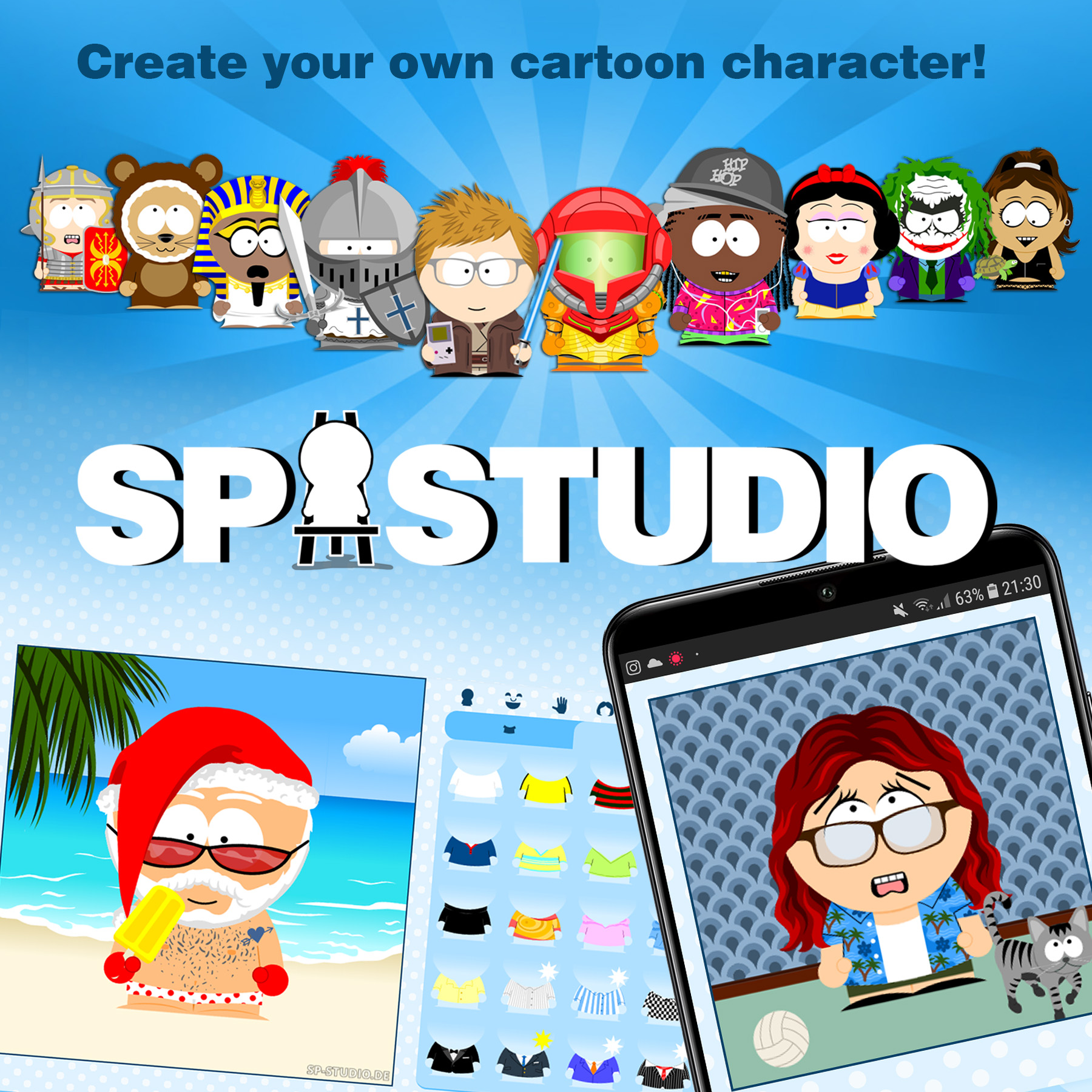


 All bots
 Registration details

 Identified technologies
User reviews (0)