Website profiles · Technology insights · Alternatives

specialyoga.com

Discover The Sonia Sumar Method – Yoga for All Abilities. Explore training and certification programs, continuing education, and live online yoga classes, with individualized yoga for children, young adults, and adults with disabilities.

No paid content found
Visit website
Profile views 8 Outbound visits 14 Normal
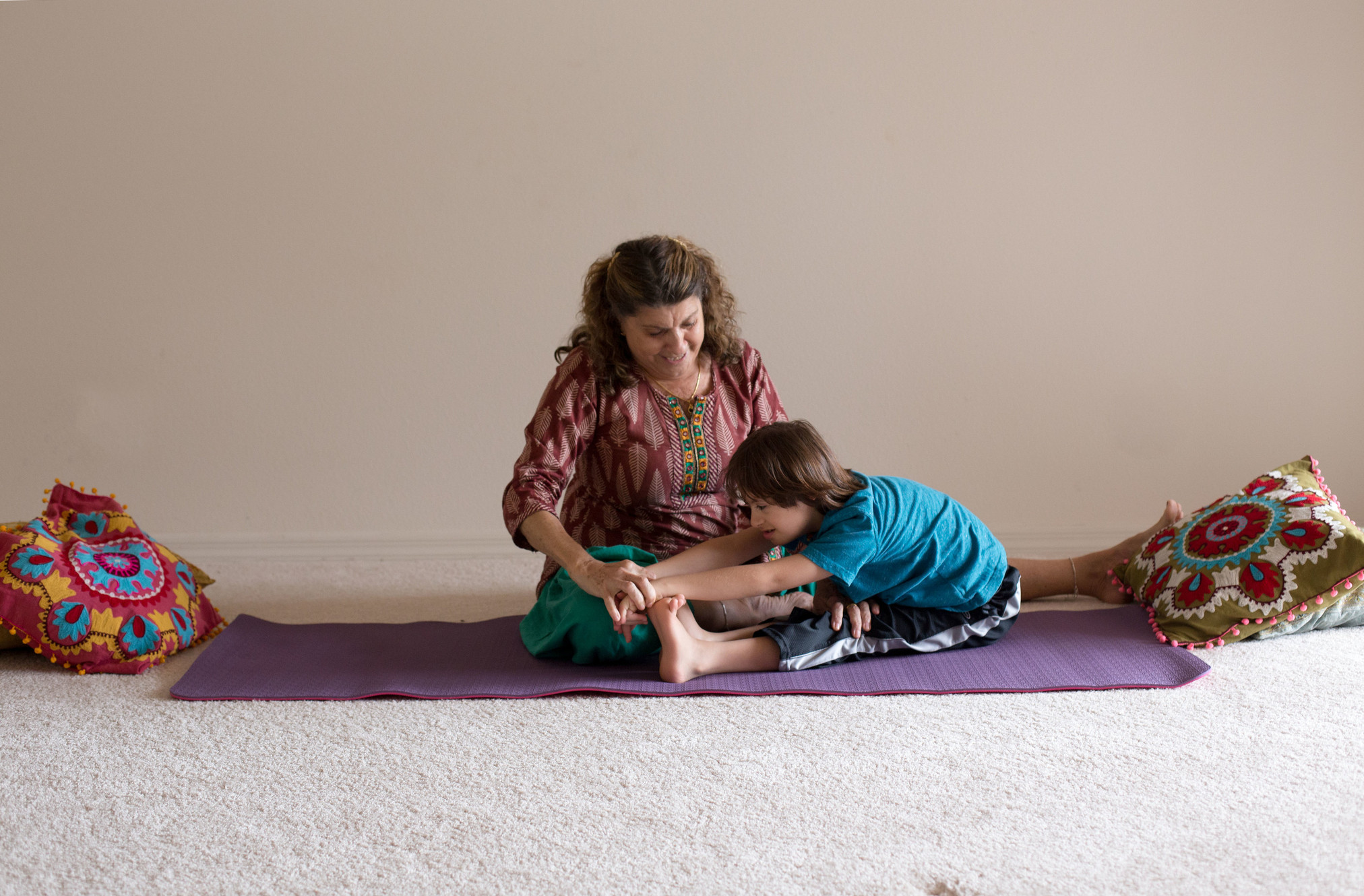
Yoga for All Abilities | Training Programs & Adaptive Yoga Classes Full homepage screenshot

At a glance

Category
Education & Learning
Language
English
Paid-content signal
No paid content foundObserved
Registered
1997
Hosting
FastlyInferred
HTTPS certificate trusted
PassedObserved
Last updated

Website review

This review may include AI-generated content and is not individually verified. Domain, certificate and other facts come from the observed data on this page.

What is The Sonia Sumar Method?

The Sonia Sumar Method is an approach to adaptive yoga: yoga practice and teaching adapted to each person's abilities, needs and way of communicating. On this site it is presented as "Yoga for All Abilities," aimed at children, young adults and adults with disabilities or additional needs, and at the parents, carers and professionals who work with them. It grew out of Sonia Sumar's work with her daughter Roberta and, according to the site, has developed over nearly 50 years of teaching.

What the method involves

The site describes practice built around breath, movement, sound, relaxation, attention and relationship, with respect for each student's own rhythm. That combination matters in practice: a session may use touch, breath cues, sound or held positions rather than a fixed sequence of postures, and progress is measured by the student's response rather than by a standard pose. A parent whose child dislikes being moved into a position, for example, might work through breath and sound first and let movement follow the child's lead.

Who it is for

  • Families and carers who want to practise yoga with a child or adult at home
  • Yoga teachers and therapists who want to work with students with additional needs
  • Schools, care settings and other professionals seeking continuing education

Training and classes

The site separates two paths. The training path covers certificates, CPDs, Hatha training, credit hours and a 500H pathway, and the teaching team includes teacher trainers approved to train adults plus licensed practitioners certified to offer sessions directly to children and students with additional needs. The practice path offers weekly live online classes, private lessons and mentoring, with current registrations listed for classes and events.

A useful next step

Decide which side of the method you are on. If you want to bring yoga to your own family, start with a class or private lesson and see how the teacher reads your child's responses; if you want to teach others, look at the training path and what each certificate qualifies you to do. Note that the site does not publish prices, so ask about cost and prerequisites directly before committing. For background on the wider field of adapted yoga, Yoga Alliance covers teacher credentialing generally, though its standards are not the same as this method's own certification.

How can I get certified to teach adaptive yoga?

You can get certified through the training and certification programs offered by Yoga for All Abilities, which teaches The Sonia Sumar Method — adaptive yoga for children, young adults, and adults with disabilities, additional needs, and different ways of moving, learning, and communicating. The site lays out a Training Path covering certificates, CPDs, Hatha training, credit hours, and a 500H pathway, so it's worth reading that page before you pick a course.

Two routes to consider

  • Full certification — if you want to teach adaptive yoga as a core part of your work, follow the certification program and the 500H pathway. Expect this to take real time and supervised practice, not a weekend.
  • Continuing education (CPDs) — if you're already a yoga teacher and want to add adaptive skills, shorter CPD courses let you build up credit hours without committing to the full pathway.

The site distinguishes between teacher trainers approved to train adults and licensed practitioners certified to offer sessions directly to children and students with additional needs. That distinction matters: if your goal is working one-to-one with children, ask which qualification actually authorises that, rather than assuming any training covers it.

A practical next step

Read the Training Path page first, then check current Classes and Events for upcoming certification programs and CPDs — dates and registrations change, so the events list is more current than any general description. If you're unsure which route fits, the site's Start Here guide is designed to route you by question, and private lessons and mentoring are available if you want guidance before enrolling.

For comparison, other organisations run their own adaptive and therapeutic yoga training: Yoga Alliance for general credentialing standards, Iyengar Yoga for a structured certification model, and Accessible Yoga for accessibility-focused training. Check each one's own site for what its certification actually qualifies you to do.

What are the benefits of adaptive yoga for children with disabilities?

Adaptive yoga for children with disabilities adapts breath, movement, sound, relaxation and pace to each child rather than expecting the child to fit a standard class. On Yoga for All Abilities – The Sonia Sumar Method, this approach is described as supporting the whole person while respecting each student's own rhythm — a useful summary of what the practice is trying to achieve, though the specific gains below are general to adaptive yoga rather than claims listed on that page.

Common benefits reported for children

  • Calmer breathing and relaxation: Slow, guided breath and rest periods can help a child settle after a demanding day.
  • Greater body awareness: Structured movement helps children notice where their body is and how it moves, which supports balance, coordination and confidence in physical activity.
  • Choice and control: When a child can accept, refuse or modify a pose, the session becomes a place where they make decisions — valuable practice for children whose days are otherwise directed by adults.
  • Communication and connection: Sound, rhythm, touch and eye contact give alternative routes to interaction for children who communicate non-verbally.
  • Mood and regulation: Predictable routines and a familiar instructor can reduce anxiety and make the session a reliable part of the week.
  • Something shared with family: A parent or carer who joins in learns techniques they can reuse at home, and the child gets an activity that isn't a therapy appointment.

What to weigh before starting

Benefits depend heavily on the fit between child and teacher. Ask whether the instructor has training and direct experience with children who have similar needs, how sessions are adapted (equipment, visual supports, one-to-one attention), and what a typical session looks like. Progress is often gradual and best judged over weeks, not one class.

Practical next step

Think of one goal you'd like to see — calmer bedtimes, more comfortable movement, or more interaction — and ask a prospective teacher how their sessions would work toward it. If you want to see how one established method frames this, the training and class paths on Yoga for All Abilities – The Sonia Sumar Method are organised around adaptive practice for children and adults with disabilities and additional needs.

How do I join a live online yoga class?

You join by going to the site's Classes and Events area, where weekly live online classes and current program registrations are listed. Pick the class that matches your interest — the page names Hatha Yoga with Renata and Special Yoga with Sonia among its offerings — then register for that specific event. The method behind the classes is The Sonia Sumar Method, described as adaptive yoga for children, young adults and adults with disabilities, additional needs, and different ways of moving, learning, and communicating.

Start at Yoga for All Abilities and open the Classes and Events page; if you are unsure which class suits you, the site's Start Here guide directs you to the main paths.

A practical example

Suppose you are a parent looking for a weekly session for a child who communicates non-verbally. You would check the live online class listings, choose the Special Yoga session rather than the general Hatha class, and register for the next intake. If you want one-to-one attention instead of a group format, the private lessons and mentoring route is the better fit.

How to choose between the main paths

Your situation Where to go
New to the method, unsure what fits Start Here guide
Want a weekly group session online Classes and Events
Want to teach or certify Training Path
Want individual support for one student Private Lessons

One thing to verify before registering: the page mentions 2026 programs, so confirm the current schedule and registration status rather than assuming a class is running this week.

What is the difference between a licensed practitioner and a teacher trainer?

A licensed practitioner is certified to work directly with children and students who have additional needs, delivering adaptive yoga sessions one-to-one or in small groups. A teacher trainer is approved to train other adults — running certification programs, CPDs and training pathways, including the 500-hour route.

The distinction is about who the certified person serves, not about seniority in a hierarchy:

  • Licensed practitioner — client-facing. Their credential covers hands-on sessions with children, young adults and adults with disabilities, additional needs, or different ways of moving, learning and communicating.
  • Teacher trainer — trainee-facing. Their approval covers teaching adults who want to qualify or extend their qualifications, including continuing education and the 500H pathway.

A practical way to choose: if you are a parent or carer looking for someone to work with your child, you want a licensed practitioner. If you are a yoga teacher or therapist wanting to learn the method yourself, you want a teacher trainer. Some people may hold both roles, so check the individual's listing rather than assuming the title tells you everything.

Next step: browse the teaching team page on Yoga for All Abilities and look at how each person is described — the wording will tell you whether their certification is for delivering sessions or for training adults. If you are still unsure, the site's "Start Here" guide maps out the main paths.

Can I book a private adaptive yoga session for my child?

Yes. Yoga for All Abilities offers private lessons and mentoring, and it also licenses practitioners who are certified to work directly with children and students with additional needs. So you have two routes: book through the organisation itself, or find a licensed practitioner near you.

What to expect from a private session

Private adaptive yoga is usually one-to-one (or one-to-one with a parent present), which lets the teacher adapt breath, movement, sound, relaxation and pace to your child's own rhythm rather than fitting them into a group class. The Sonia Sumar Method is described as growing out of nearly 50 years of teaching children and adults with additional needs, with attention to relationship and respect for each student's pace — useful if your child needs predictability, familiar cues, or a slower build-up.

Choosing between the two options

Option Best when Trade-off
Private lessons via Yoga for All Abilities You want the method taught as designed and are flexible about scheduling across time zones Availability and cost depend on the teaching team's calendar; sessions may be online rather than in person
A licensed practitioner You want someone local, in person, or in your child's first language Individual practitioners vary in experience and setting; you'll need to ask about their training and approach

Practical next step

Before booking, ask three questions: Is the session online or in person, and who should be in the room? What does the teacher need to know about my child's communication, medical needs and sensory preferences? And what does a first session look like — assessment, movement, or mostly building trust?

If you're unsure which route fits, start with the site's guidance page for private lessons and mentoring: Yoga for All Abilities. For a wider pool of adaptive yoga teachers, you can also check Yoga Alliance for credentialed instructors in your area, though not all will specialise in adaptive work with children.

Related questions

More questions →
What Is The Sonia Sumar Method and What Makes It Different?

The Sonia Sumar Method is an adaptive yoga approach for children, young adults, and adults with disabilities, additional needs, and different ways of moving, learning, and communicating. It grew out of Sonia Sumar's work with her daughter Roberta and has developed over nearly 50 years of teaching. What sets it apart from mainstream yoga instruction is its orientation: rather than teaching a student to fit a sequence or pose standard, it uses breath, movement, sound, relaxation, attention, and relationship to support the whole person, respecting each student's own rhythm. The method's guiding phrase, "Love is always the answer," signals that the relational bond between teacher and student is treated as central, not incidental.

Where the method comes from

The Sonia Sumar Method is not a style assembled from existing yoga brands. According to the site, it began with Sonia Sumar's work with her daughter Roberta and has been refined across nearly five decades of teaching children and adults with additional needs. That origin matters for understanding the method's priorities: the practice was built around a specific learner and then generalized, rather than designed as a curriculum first and adapted later.

What makes it different from typical yoga teaching

Most yoga instruction assumes a baseline: a student who can follow verbal cues, hold a pose, and progress through a sequence. The Sonia Sumar Method starts from the opposite direction — from the student's actual capacities and communication style.

Dimension Typical yoga class The Sonia Sumar Method
Starting point The sequence or pose The individual student's rhythm and needs
Primary tools Postures and alignment cues Breath, movement, sound, relaxation, attention, relationship
Teacher's role Instructor leading a group Partner in a responsive, relational practice
Success looks like Correct alignment, progression Whole-person support and connection

The method's own framing is "a practical, loving method for real bodies and real lives" — practical in that it works with what a student can actually do, and loving in that the relationship is treated as part of the method rather than a nice extra.

The role of relationship and respect for rhythm

The site lists relationship and respect for each student's own rhythm alongside breath and movement as core elements. In practice, that means the teacher adjusts pace, touch, sound, and expectation to the student rather than the reverse. This is the clearest dividing line between the Sonia Sumar Method and a standard class: in a standard class, the student adapts to the teacher's plan; here, the plan adapts to the student.

Who it is for

The method is designed for people who want to bring adaptive yoga to children and adults with disabilities, additional needs, and different ways of moving, learning, and communicating. That includes two audiences:

  • Practitioners and caregivers who want training, certification, continuing education, or mentoring to work with this population.
  • Students and families looking for live online classes, private lessons, or events suited to their needs.

The site organizes its offerings around these paths — training and certification programs, continuing education (CPDs), Hatha training, a 500H pathway, weekly live online classes, private lessons, and mentoring. Teaching is delivered by teacher trainers approved to train adults and licensed practitioners certified to offer sessions directly to children and students with additional needs.

How to tell if it fits your situation

The method is likely a good fit if you are looking for an approach that treats the student's communication and movement style as the starting point, and if you want the relational dimension of teaching to be explicit rather than assumed. It is less relevant if you are seeking a conventional posture-focused class or a standardized sequence you can replicate without adaptation.

If you are unsure where to begin, the site's own suggestion is to start with its "Start Here" guide, which maps the main paths through training, classes, and private lessons. From there you can move to the training path if you want to teach, or to classes and events if you want to practice.

Can My Child or I Join the Yoga Classes, and How Are They Delivered?

Yes. The Sonia Sumar Method at specialyoga.com is designed for children, young adults, and adults with disabilities, additional needs, and different ways of moving, learning, and communicating — and classes are delivered as weekly live online sessions, with events and private lessons as additional options. If you are asking whether the method fits a specific person, the site's own framing is "yoga for every ability," built around each student's own rhythm rather than a fixed sequence everyone must follow.

Who the classes are for

The method grew out of Sonia Sumar's work with her daughter Roberta and has developed over nearly 50 years of teaching children and adults with additional needs. That history matters for the practical question of eligibility: the program is not a general adult yoga studio with an accessibility add-on. It is built from the start around students who may move, learn, or communicate differently.

The site describes the practice as supporting the whole person through breath, movement, sound, relaxation, attention, relationship, and respect for each student's own rhythm. In practice, that means a class is not judged by whether a student holds a pose, but by how the session is adapted to the person in front of the teacher.

How classes are delivered

Format What it is Best suited to
Weekly live online classes Regularly scheduled sessions you join remotely Students who can participate with a caregiver or support person present
Events and current registrations Time-bound programs, including 2026 programs Families who want a defined start and end point
Private lessons One-to-one sessions Students who need individualized pacing or a specific focus
Mentoring support Guidance for the adult supporting the student Parents, caregivers, and practitioners

The site lists Hatha Yoga with Renata, Special Yoga with Sonia, CPDs, certification programs, and other current events under its classes and events area. If you want to start with the least commitment, a single live online class is the natural first step; if you want a structured block, look at the current registrations.

What you need before joining

  • A support person, where appropriate. Adaptive yoga for children and students with additional needs generally assumes a parent, caregiver, or aide is present to help with positioning, transitions, or communication.
  • A way to join online. These are live online classes, so you need a device with a camera and a stable connection. The site does not publish platform details on the pages reviewed here, so confirm the meeting tool when you register.
  • A quiet-enough space. Because the method works with breath, sound, and relaxation, a space where the student can hear and be heard makes a real difference.
  • Willingness to go at the student's pace. The method explicitly respects each student's own rhythm, so expect adaptation rather than a fixed class plan.

How to decide which door to use

The site organizes itself around four paths, and choosing the right one depends on your question:

  • Not sure where to start → use the "Start Here" guide, which maps the main paths through the site.
  • You want to teach or deepen your practice → the Training Path covers certificates, CPDs, Hatha training, credit hours, and the 500H pathway.
  • You want to practice → Classes and Events covers weekly live online classes and current registrations.
  • You need individual support → Private Lessons covers one-to-one sessions and mentoring.

If your question is simply "can my child join," the answer sits in the Practice path: join a weekly live online class, or register for a current event. If your child needs a slower or more tailored introduction, start with a private lesson and use that experience to judge whether a group class is a good next step.

A note on who teaches

The site distinguishes between two groups. Teacher trainers are approved to train adults, while licensed practitioners are certified to offer sessions directly to children and students with additional needs. If you are booking for a child, checking that the person delivering the session is a licensed practitioner is the relevant credential to look for.

Common sticking points

  • Assuming you need a diagnosis to join. The site's language is inclusive — "different ways of moving, learning, and communicating" — rather than diagnosis-gated. If you are unsure, the Start Here guide or a private lesson is the way to test fit.
  • Expecting a fixed curriculum. The method adapts to the student, so two students in the same class may be doing quite different things.
  • Overlooking the adult's role. Much of the method's support is aimed at "the people who care" — parents, caregivers, and practitioners — so mentoring is a legitimate entry point, not a side offering.

The clearest way to answer the question for your own situation is to pick the path that matches your intent — class, event, or private lesson — and use the first session to see how the teacher adapts to the student. That first session is the real test of fit, and the site is structured so you can start there without committing to a full program.

What Training and Certification Options Does The Sonia Sumar Method Offer?

The Sonia Sumar Method — offered through specialyoga.com under the name Yoga for All Abilities — provides several distinct training and certification paths rather than a single course. According to the site, the training side of the organization covers certificates, CPDs (continuing professional development), Hatha training, credit hours, and a 500H pathway. These sit alongside live online classes, private lessons, and mentoring. The right option depends on whether you want to teach adults, work directly with children and students with additional needs, or simply deepen your own practice.

The main training paths

The site groups its offerings under a "Training Path" that it describes as the place to "understand certificates, CPDs, Hatha training, credit hours, and the 500H pathway." In practice, that means:

  • Certificate programs — structured training that leads to a recognized certificate in the method.
  • CPDs — continuing education modules for practitioners who are already trained and want to add or refresh skills.
  • Hatha training — a separate track, listed on the site as "Hatha Yoga with Renata," running alongside the Special Yoga programs.
  • Credit hours — training is measured in credit hours, which matters if you are accumulating hours toward a larger qualification.
  • The 500H pathway — a longer, higher-hour route for those building toward an advanced-level certification.

If your goal is a full qualification, the 500H pathway is the most complete route described. If you already hold a certification and want targeted additional training, the CPDs are the relevant entry point.

Two roles: teacher trainers vs. licensed practitioners

The site draws a clear line between two kinds of people delivering this work, and the distinction matters if you are choosing who to train with or who to hire.

Role What they are approved to do
Teacher trainers Approved to train adults
Licensed practitioners Certified to offer sessions directly to children and students with additional needs

So a teacher trainer is the person you learn from as an adult trainee. A licensed practitioner is the person certified to work directly with children and students who have additional needs. If you are a parent or caregiver looking for someone to work with your child, you are looking for a licensed practitioner, not a teacher trainer.

What the method itself involves

Understanding the training requires understanding what is being taught. The Sonia Sumar Method is described as "a practical, loving method for real bodies and real lives," developed from Sonia Sumar's work with her daughter Roberta and refined over nearly 50 years of teaching children and adults with additional needs.

The method supports the whole person through:

  • breath
  • movement
  • sound
  • relaxation
  • attention
  • relationship
  • respect for each student's own rhythm

This is why the training is framed around adaptive yoga — yoga for people with disabilities, additional needs, and different ways of moving, learning, and communicating — rather than a standard class format.

Support options beyond formal training

Not everything on the site is a certification track. Alongside training, the organization offers:

  • Live online classes — weekly sessions, plus current events and 2026 programs.
  • Private lessons — one-to-one sessions and mentoring support.
  • Mentoring — guidance for people already working in this area.

These are useful if you want to experience the method before committing to a training program, or if you need ongoing support after qualifying.

How to decide which path fits

Use the site's own routing logic:

  • Not sure where to start? The site points to a "Start Here" guide covering the main paths.
  • Want to teach or certify? Go to the Training Path to compare certificates, CPDs, Hatha training, credit hours, and the 500H pathway.
  • Want to practice? Go to Classes & Events for weekly live online classes and current registrations.
  • Want individual support? Go to Private Lessons for one-to-one lessons and mentoring.

One caveat worth noting: the available site information does not list prices, payment methods, or whether any of these programs are free or require login. Those details would need to be confirmed directly on the relevant program page before you commit.

How to Choose the Right Path on specialyoga.com: Training, Classes, or Private Lessons

specialyoga.com is organized around three main doors — Train, Practice, and Support — plus a Start Here guide if you aren't sure which one fits. Choose based on what you want to do: become certified to teach, join live classes for yourself or someone you care for, or get one-to-one guidance. The site describes its work as "The Sonia Sumar Method — Yoga for All Abilities," developed over nearly 50 years of teaching children and adults with additional needs.

Start with the question you're actually asking

The site's own framing is "Choose the door that fits your question." That's the fastest filter:

Your question Door to use
"I want to teach this method / get certified" Training Path
"I want to attend a class or event" Classes & Events
"I want individual support or mentoring" Private Lessons
"I don't know where I fit yet" Start Here

The Training Path — for people who want to teach or deepen credentials

Use this if you intend to bring adaptive yoga to children or adults with disabilities, additional needs, or different ways of moving, learning, and communicating.

The Training Path page is where the site says you'll find:

  • Certificates
  • CPDs (continuing professional development)
  • Hatha training
  • Credit hours
  • The 500H pathway

How to decide within this path: if you're starting out, look at certification programs first; if you're already trained and maintaining or extending credentials, CPDs and credit hours are the relevant entry. The 500H pathway is the advanced route named on the site. Note that the site distinguishes two roles in its teaching structure — teacher trainers approved to train adults, and licensed practitioners certified to offer sessions directly to children and students with additional needs. If your goal is working directly with children, that distinction matters when you read the program descriptions.

Classes & Events — for practice, not certification

Use this if you want to experience the method rather than teach it.

The site lists:

  • Weekly live online classes
  • Current events and registrations, including 2026 programs
  • Named offerings such as Hatha Yoga with Renata and Special Yoga with Sonia, alongside CPDs and certification programs

How to decide: if you want a recurring, low-commitment way to practice, start with the weekly live online classes. If you're looking for a specific dated program or a particular teacher, go straight to the events list and check what's currently open for registration. Availability changes, so treat the events page as the live source rather than any summary.

Private Lessons — for individualized support

Use this if a group class isn't the right fit, or if you want mentoring rather than instruction.

The site describes this path as covering private lessons and mentoring support. This is the appropriate door when the need is specific to one person's body, communication style, or learning rhythm — which is consistent with the method's stated emphasis on "respect for each student's own rhythm" and support through breath, movement, sound, relaxation, attention, and relationship.

A quick decision sequence

  1. Do you want a credential? → Training Path (certificates, CPDs, Hatha training, credit hours, 500H).
  2. Do you want to attend something? → Classes & Events (weekly live online classes, current registrations).
  3. Do you need one-to-one work? → Private Lessons (lessons and mentoring).
  4. Still unsure? → Start Here, which the site describes as "a simple guide to the main paths through the site."

What the site does not tell you

The available site information does not list prices, payment methods, or login requirements for any of these paths. Don't assume classes, training, or private lessons are free or open without registration — check the specific program page for those details before committing.

What Is specialyoga.com and Who Is It For?

specialyoga.com is the home of The Sonia Sumar Method — Yoga for All Abilities, a teaching and training resource built around adaptive yoga for people with disabilities, additional needs, and different ways of moving, learning, and communicating. It is aimed primarily at the adults who care for and teach these students: teachers, therapists, caregivers, and families who want to bring yoga to children, young adults, and adults. If you are looking for a drop-in general yoga studio, this is not that; if you want a method and a training path for adaptive practice, it is.

What the site is built around

The whole site centers on one approach rather than a catalogue of unrelated classes. According to the site, the method grew out of Sonia Sumar's work with her daughter Roberta and has developed over nearly 50 years of teaching children and adults with additional needs.

Its stated focus is the whole person, supported through:

  • breath
  • movement
  • sound
  • relaxation
  • attention
  • relationship
  • respect for each student's own rhythm

That list matters more than it looks. It signals that the method is not goal-driven in the usual fitness sense — the site's framing is "a practical, loving method for real bodies and real lives," and its guiding line is "Love is always the answer."

Who it is for

The site addresses two broad groups.

People who want to practice or arrange sessions. This includes families and caregivers seeking individualized yoga for children, young adults, and adults with disabilities or additional needs.

People who want to teach or deepen their work. The site describes training for "the people who care" — those who want to bring adaptive yoga into their own teaching or professional practice.

A useful distinction the site makes: its Teaching Team includes teacher trainers approved to train adults, while Licensed Practitioners are certified to offer sessions directly to children and students with additional needs. If your goal is to work directly with students, that licensing distinction is the one to check first.

The main paths through the site

The site deliberately organizes itself as "doors" depending on what you need:

If your question is… Go to
"I don't know where to start" Start Here — a guide to the main paths
"I want to train or get certified" Training Path — certificates, CPDs, Hatha training, credit hours, and the 500H pathway
"I want to join a class" Classes & Events — weekly live online classes and current registrations
"I want one-to-one support" Private Lessons — private lessons and mentoring

Current programming mentioned on the site includes weekly online classes, 2026 programs, Hatha Yoga with Renata, Special Yoga with Sonia, CPDs, and certification programs.

What it is not

The site does not present itself as a general-purpose yoga platform, and the available material does not list prices, payment options, or free-access terms. Treat class and training costs, schedules, and eligibility as things to confirm directly through the Classes & Events or Training Path pages rather than assuming.

A note on the method's tone

The site includes a testimonial from Maria de Lourdes Ramos de Souza in Belo Horizonte, Brazil, describing how Sonia Sumar was "the first person to teach me to believe in my child." Whatever your view of testimonials, it illustrates the audience the site is written for: parents and practitioners who are often navigating systems that have not served their children well, and who are looking for a method that starts from respect for the student rather than from a standard of performance.

Bottom line: specialyoga.com is worth your time if you are a teacher, therapist, caregiver, or family member who wants structured training or live classes in adaptive yoga for people with disabilities and additional needs. Start with "Start Here" if you are unsure which path fits, and go straight to Training Path or Classes & Events if you already know.

Website Overview

An established domain and managed infrastructure suggest continuity of operations and may support dependable delivery, although neither guarantees service quality. Several search or sharing settings need attention. Together they may make snippets, preview images or preferred URLs less consistent across platforms.

Domain and Registration

Registered in 1997, this domain has about 29 years of history. That suggests continuity, although ownership and purpose may have changed. Transfer-protection status is present, helping reduce the risk of unauthorized domain transfers. The registrar is GoDaddy.com, LLC, a widely used domain service provider. The domain uses the common .com extension, which is not an independent safety signal.

DNS and Email

Nameservers are provided by wixdns.net, indicating managed DNS hosting. MX records point to the Microsoft 365 email service. SPF and DMARC are configured. DKIM status is unknown. TXT records include verification markers for Microsoft. Such markers may also remain after a service stops being used. DNSSEC signatures were not detected, so this additional DNS authenticity protection is not confirmed.

TLS and Certificates

The certificate uses an RSA 2048-bit public key, offering broad client compatibility. The server supplied a complete certificate chain. No organization name is present in the certificate; the available fields are consistent with domain validation. The certificate was issued by Let's Encrypt, commonly associated with automated certificate services. The certificate's total validity is about 89 days, consistent with a short renewal cycle.

HTTP and Browser Security

The response lacks these common security headers: CSP, Referrer-Policy, Permissions-Policy, clickjacking protection. No X-Powered-By header was found, reducing one common source of backend fingerprinting information. The cf-ray, x-cache, x-served-by response header indicates a CDN or caching proxy in the delivery path. No obvious internal addresses or debug information were found in the headers. The Server header identifies cloudflare without an exact version.

Technology Stack Analysis

The public page identifies Wix.com Website Builder, Wix, React, Sentry, Cloudflare, Fastly without precise versions, leaving fewer clues for version-specific scanning.

Search and Social Sharing

The title has 66 characters and may be truncated in search results. The meta description has 237 characters and may be shortened in search results. The Generator tag identifies Wix.com Website Builder, making the publishing system easier to fingerprint. Twitter Card metadata is configured. The page declares 2 language or regional alternatives using hreflang.

Hosting and Email

DNSwixdns.net
HostingFastly
EmailMicrosoft 365
Approximate IP geolocation (inferred; a CDN or proxy may differ from the origin server) United States flagUnited States Inferred 162.159.143.12

Registration details

RDAP / WHOIS

RegistrarGoDaddy.com, LLC
Registered1997-06-14
Expires2027-11-16
Domain statusclient delete prohibited、client renew prohibited、client transfer prohibited、client update prohibited
Nameserversns6.wixdns.net、ns7.wixdns.net
DNSSECunsigned

DNS records

DNS

TypeNameValueTTLPriority
Acfd.wixdns.net162.159.143.123600—
Acfd.wixdns.net172.66.3.83600—
MXspecialyoga.comspecialyoga-com.mail.protection.outlook.com360010
NSspecialyoga.comns6.wixdns.net86400—
NSspecialyoga.comns7.wixdns.net86400—
TXTspecialyoga.comMS=ms756532401800—
TXTspecialyoga.comv=spf1 include:spf.protection.outlook.com -all1800—
CNAMEwww.specialyoga.comcdn3.wixdns.net3600—
DMARC_dmarc.wixemails.comv=DMARC1; p=none; rua=mailto:[email protected]300—

TLS and certificates

TLS / SSL

AssessmentNormal configuration
Supported protocolsTLSv1.2、TLSv1.3
Negotiated protocolTLSv1.3
Certificate subjectspecialyoga.com
IssuerLet's Encrypt
Valid until2026-11-04T06:40 · Remaining when checked: 41 days
Verification detailsCertificate trust: Passed · Hostname match: Passed

HTTP response headers

HTTP

HeaderValue
content-typetext/html; charset=UTF-8
content-languageen-US
cache-controlprivate,max-age=0,must-revalidate
servercloudflare
strict-transport-securitymax-age=31556952
x-content-type-optionsnosniff
set-cookieRedacted

Identified technologies

Wix.com Website BuilderWixReactSentryCloudflareFastly

Pages, Search and Sharing

Meta descriptionDiscover The Sonia Sumar Method – Yoga for All Abilities. Explore training and certification programs, continuing education, and live online yoga classes, with individualized yoga for children, young adults, and adults with disabilities.
Canonical URLhttps://www.specialyoga.com
LanguageEnglish (default)
Twitter Cardsummary_large_image
All bots 1 allowed · 1 disallowed
  • Allow/
  • Disallow*?lightbox=
adsbot-google-mobile 0 allowed · 2 disallowed
  • Disallow/_partials*
  • Disallow/pro-gallery-webapp/v1/galleries/*
adsbot-google 0 allowed · 2 disallowed
  • Disallow/_partials*
  • Disallow/pro-gallery-webapp/v1/galleries/*
petalbot 0 allowed · 1 disallowed
  • Disallow/
dotbot 0 allowed · 0 disallowed
  • IntervalCrawl delay 10 seconds
ahrefsbot 0 allowed · 0 disallowed
  • IntervalCrawl delay 10 seconds

User reviews (0)

  • No reviews yet.