
 简体中文
 English

Website review
This review may include AI-generated content and is not individually verified. Domain, certificate and other facts come from the observed data on this page.
What is Toronto Metropolitan University?
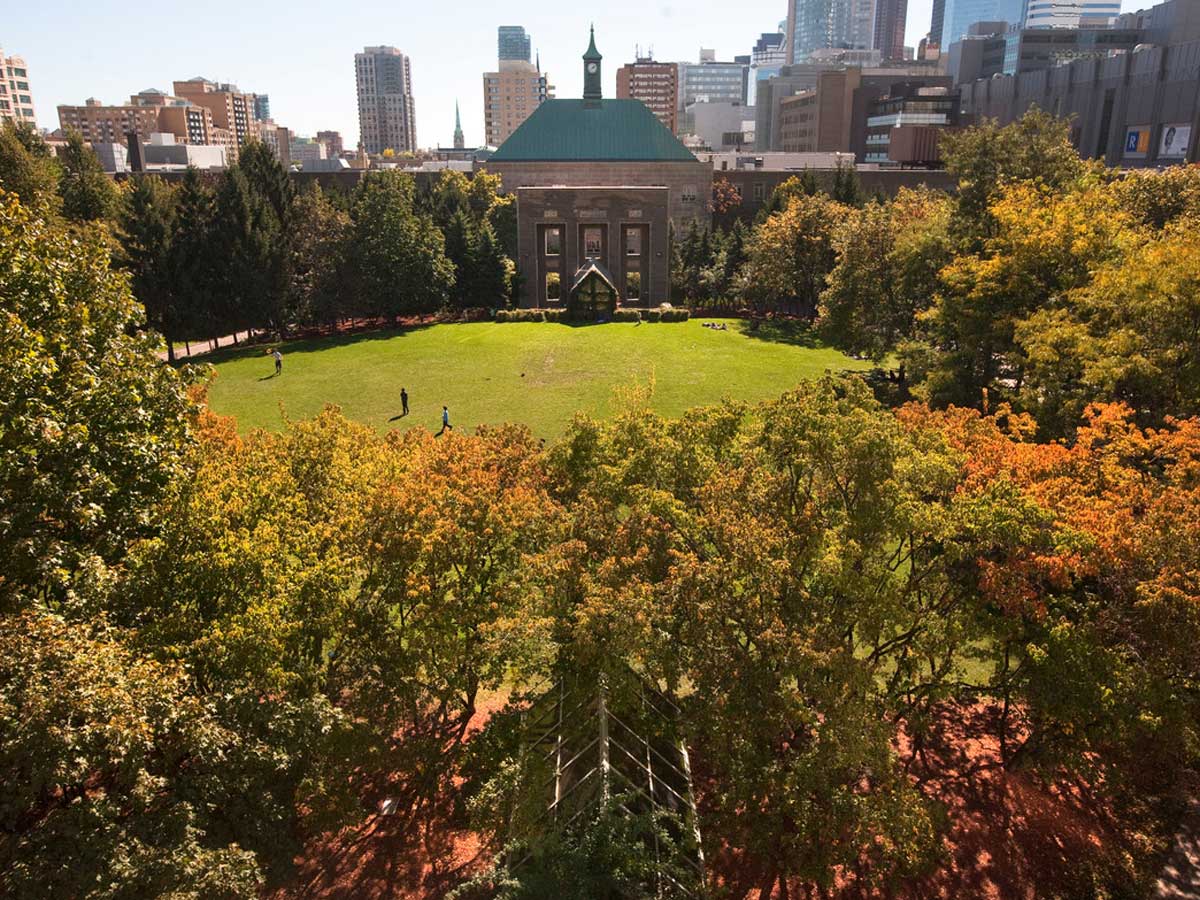
Toronto Metropolitan University (TMU) is a public university in downtown Toronto, Canada. It describes itself as urban, innovative, entrepreneurial, and inclusive, with career-focused programs and an emphasis on real-world experience alongside academic study.
Its main offerings, per the site, include:
- Undergraduate study: 60+ career-focused bachelor's degrees for future students
- Graduate study: 65+ master's degrees, PhDs, and professional master's diplomas
- International study: programs aimed at students coming to Canada or studying from abroad
- Continuing education: courses, certificates, and microcredentials through The Chang School, plus advising and industry events
If you're evaluating it as a prospective student, start by browsing the program pages for the specific degree or certificate you want, then check the supporting services that matter for your situation — co-op and career support, financial assistance, scholarships, and housing. TMU's location in the heart of Canada's largest and most multicultural city is a practical draw if you want internships, industry events, and urban professional networks close at hand.
For official details, see Toronto Metropolitan University.
What undergraduate programs does Toronto Metropolitan University offer?
Toronto Metropolitan University (TMU) offers more than 60 career-focused undergraduate degrees, spanning a wide range of fields. The main site groups its undergraduate offerings under "Future students," where you can browse programs by area of interest and then check admission requirements.
H3 What you can expect
- Career-focused degrees: TMU emphasizes programs with real-world experience built in, such as co-op, internships and other experiential learning.
- Variety across disciplines: Offerings cover areas including business, engineering, science, arts, communication and design, among others.
- Urban setting: The campus is in downtown Toronto, which gives students access to industry, cultural and community opportunities.
H3 How to explore programs
- Visit the undergraduate program listing on Toronto Metropolitan University and filter by faculty or subject.
- Check each program page for admission requirements, including prerequisite courses and grade ranges.
- Look for co-op or internship options if gaining work experience during your degree matters to you.
- If you are an international student, review the international admission section for country-specific requirements and deadlines.
H3 A useful next step Decide on two or three subject areas you want to explore, then compare their program pages side by side for curriculum structure, work-integrated learning and admission prerequisites. This will help you narrow down which degree aligns best with your goals.
What graduate programs are available at Toronto Metropolitan University?
Toronto Metropolitan University (TMU) offers 65+ graduate programs, including master's degrees, PhDs and professional master's diplomas. The university describes itself as Canada's most entrepreneurial university for graduate education. Explore the full list at Toronto Metropolitan University.
How to use this
- Browse by degree type (master's, PhD, professional diploma) or by faculty on the graduate studies section of the site.
- Check whether your program of interest is research-based or professional; that distinction usually affects funding, thesis requirements and time to completion.
- If you are an international applicant, confirm study permit and English-language requirements early, since these can lengthen your timeline.
H3: A concrete next step Pick two or three programs and compare their admission requirements, required documents and deadlines side by side. TMU's graduate program pages typically list these per program, so this is the fastest way to narrow your shortlist.
How can international students apply to Toronto Metropolitan University?
International students apply to Toronto Metropolitan University (TMU) through the same central admissions process as domestic applicants, but with additional requirements tied to study permits, language proficiency and credential recognition. TMU is located in downtown Toronto and offers 60+ career-focused undergraduate degrees and 65+ master's, PhD and professional master's programs, so the exact steps depend on whether you are applying for undergraduate, graduate or continuing-education study.
The starting point is the university's Future students section, which splits into Undergraduate, Graduate, International and Continuous learning pathways. International applicants should begin with the International route to confirm program eligibility, deadlines and document requirements, then use the ChooseTMU Applicant Portal to submit and track the application.
H3 Practical steps for an international applicant
- Choose your program level and confirm it accepts international students. Undergraduate, graduate and Chang School (continuing education) programs each have separate admissions offices and deadlines.
- Check English language requirements. TMU's English Language Institute supports applicants who need to strengthen English before or alongside study; conditional pathways may exist depending on your scores.
- Prepare academic documents. You will typically need transcripts, proof of graduation or degree completion, and possibly credential assessments for non-Canadian qualifications.
- Apply through the ChooseTMU Applicant Portal. This is the official application and status-tracking tool listed on the TMU homepage.
- Apply for a study permit after receiving an offer. Admission and immigration are separate processes; a TMU acceptance does not itself grant a visa.
- Arrange funding and housing. The homepage links to Financial assistance, Scholarships and awards, and Housing and residence, all of which matter early because Toronto's rental market is competitive.
H3 Comparing the main entry routes
| Route | Best for | Typical focus |
|---|---|---|
| Undergraduate | First-degree students | 60+ career-focused bachelor's degrees |
| Graduate | Master's, PhD or professional master's | 65+ advanced programs |
| International | Students applying from outside Canada | Program eligibility, permits, language requirements |
| Continuous learning (The Chang School) | Working adults and career changers | Courses, certificates, microcredentials |
H3 A concrete scenario
Suppose you are a prospective master's student in another country. You would check the Graduate section for program-specific deadlines, confirm English proficiency through TMU's language requirements or the English Language Institute, request official transcripts from your previous university, and submit via the ChooseTMU Applicant Portal. After an offer, you would use the Financial assistance and Housing and residence pages to plan your budget and accommodation before applying for a study permit.
For official, current details, start with Toronto Metropolitan University and its Future students pages. If your qualifications are from outside Canada, ask the admissions office directly whether a credential assessment is required, since this varies by program and country.
What financial assistance and scholarships does Toronto Metropolitan University provide?
Toronto Metropolitan University (TMU) lists financial assistance and scholarships as part of its student-support offerings, alongside career and co-op support, housing and residence services, and library access. For prospective and current students, the practical starting point is TMU's own Financial Assistance and Scholarships and Awards pages, which are the authoritative sources for eligibility, deadlines and application steps.
What to expect from TMU's financial support
- Scholarships and awards: These are typically merit-based or a mix of merit and need, and can be offered at admission or during your studies. TMU's scholarships and awards area is where specific named awards, values and criteria are published.
- Financial assistance: This generally covers need-based support such as government student aid, bursaries and emergency or short-term help. TMU's financial assistance pages explain how to apply and what documentation is required.
- Graduate funding: If you are considering a master's or PhD, funding often comes through a combination of scholarships, assistantships and departmental support. Check the graduate program page and the School of Graduate Studies for details.
- The Chang School: For continuing-education students, financial support may differ from full-time degree programs, so review The Chang School's own fees and funding information.
How to use this as a prospective student
- Identify your category — undergraduate, graduate, international or continuing education — because funding rules and deadlines vary by group.
- Check the specific program page first; some departments have their own awards and deadlines.
- Note whether an award requires a separate application or is automatically considered with your admission application.
- Confirm whether you need to demonstrate financial need and what documents are accepted.
- Apply for government student aid early, since it can affect bursary eligibility.
A concrete scenario
Suppose you are an international student applying to a graduate program. You would check the program page for department-specific funding, then the School of Graduate Studies for university-wide awards, and finally TMU's financial assistance pages for any need-based options. If you are an undergraduate, the order is usually: admission scholarships first, then in-course awards, then bursaries and government aid.
For official details, start with Toronto Metropolitan University and navigate to its Financial Assistance and Scholarships and Awards sections.
What housing and residence options are available at Toronto Metropolitan University?
Toronto Metropolitan University lists housing and residence among its student services, but the homepage itself does not detail specific buildings, room types, costs or application deadlines. What it does confirm is that housing is treated as part of the broader student-support picture, alongside career and co-op services, financial assistance, scholarships and awards.
How to get the real details
Use the university's own housing and residence pages as the authoritative source, since availability, eligibility and deadlines change by term.
- Start at Toronto Metropolitan University and follow the Housing and residence link.
- Check whether you are applying as a first-year undergraduate, an upper-year student, a graduate student or an international student, because each group may face different priorities or timelines.
- Confirm the residence application deadline separately from your academic application deadline; they are usually not the same.
- Ask about the residence guarantee, if any, and what conditions apply.
- Look into whether a meal plan is required or optional in each building.
- Compare residence costs against off-campus rent in downtown Toronto, including utilities, internet and commuting time.
A practical decision scenario
If you are a first-year student moving to Toronto from another city or country, residence is often the lower-risk choice: you avoid a lease, get furnished space and are close to campus while you settle in. If you are a graduate student or arriving with a partner or family, off-campus housing is usually more realistic, and the university's housing office can still help with listings and tenant advice.
Questions worth asking before you commit
| Consideration | Why it matters |
|---|---|
| Distance to your classes | Downtown Toronto traffic and transit time add up |
| Lease length | Residence contracts and off-campus leases often run on different cycles |
| Kitchen access | Determines whether you need a mandatory meal plan |
| Quiet study space | Shared rooms and communal floors vary widely |
| Cost beyond rent | Utilities, transit passes, groceries and deposits |
Your next step: contact the housing office directly and ask for the current residence options, fees and deadlines for your specific applicant category, then compare those figures against two or three off-campus listings near campus.
 Toronto, Ontario, Canada

User reviews (0)