Website profiles · Technology insights · Alternatives

vbsurfrescuemuseum.org

No paid content found
Visit website
Profile views 4 Outbound visits 11 Normal
Home | Virginia Beach Surf & Rescue Museum Full homepage screenshot

At a glance

Category
History & Archives
Language
English
Paid-content signal
No paid content foundObserved
Registered
2017
Hosting
CloudflareInferred
HTTPS certificate trusted
PassedObserved
Last updated

Website review

This review may include AI-generated content and is not individually verified. Domain, certificate and other facts come from the observed data on this page.

What is the Virginia Beach Surf & Rescue Museum?

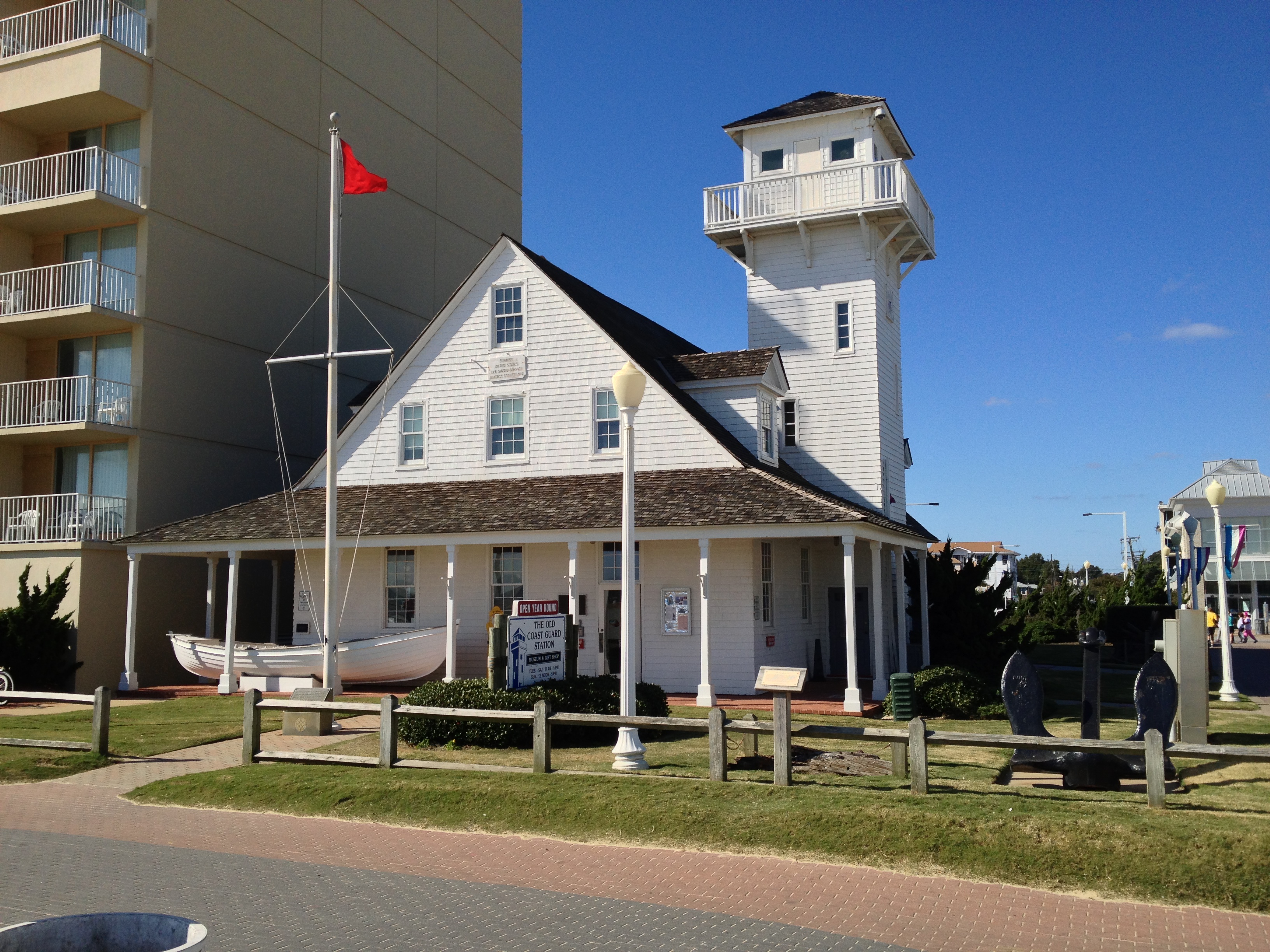
The Virginia Beach Surf & Rescue Museum is a small maritime museum on the Virginia Beach oceanfront, housed in a historic former lifesaving station. Its focus is the story of coastal rescue: the surfmen who patrolled the shore, the equipment and techniques they used to reach ships in distress, and the broader history of shipwrecks and lifesaving along the Virginia coast. Because the building itself was part of that lifesaving network, a visit pairs the artifacts with the setting. See Virginia Beach Surf & Rescue Museum for current hours, exhibits and programs.

Who it suits

  • Families with children looking for a compact, walkable stop between beach time and the boardwalk.
  • Maritime and local-history enthusiasts who want the specifics of surfboat launches, breeches buoys and station life.
  • History teachers and scout groups seeking a focused case study in coastal service and technology.

Practical trade-offs

It is a niche museum rather than a broad one, so plan on a short visit and check the schedule before making it the centerpiece of a day. Pair it with nearby beach or boardwalk time, and confirm opening days directly, since small volunteer-run museums often keep limited hours.

A useful next step: decide whether your interest is the building's architecture, the rescue equipment, or local shipwreck history, then ask the museum which exhibit best matches it before you go.

What can visitors see and do at the Virginia Beach Surf & Rescue Museum?

Visitors can explore the history of coastal rescue and lifesaving at the Virginia Beach Surf & Rescue Museum, a museum housed in a historic station building. The experience centers on exhibits about surfmen, shipwrecks and the equipment and techniques used to rescue people from the sea, so it suits people interested in maritime history, local Virginia Beach heritage and older lifesaving technology.

What to expect and how to use a visit

  • History-focused exhibits: Expect displays on the surf rescue service, period rescue gear and stories of storms and rescues rather than a general beach or surfing museum.
  • A short, focused stop: A museum of this kind usually works well as a one- to two-hour visit, making it a good pairing with a beach walk or other nearby Virginia Beach attractions.
  • Good for: Families with older children, history buffs and anyone curious about how coastal communities handled shipwrecks before modern coast guards and helicopters.

As a practical next step, check the official site, Virginia Beach Surf & Rescue Museum, for current hours, admission details and any special programs before you go, since these can change seasonally.

How much does it cost to visit the Virginia Beach Surf & Rescue Museum?

Admission prices are not listed on the museum's homepage, so the cost of visiting isn't confirmed here. The site presents the museum and its story without a posted ticket price or booking link.

To get the actual cost, the reliable next step is to contact the museum directly or check its visitor information for current admission, discounts and hours. When you have a figure, weigh it against what you want from the visit: a short stop for the exhibits versus a longer outing with a talk or program, since those often carry different pricing.

For context on the wider Virginia Beach museum scene, Virginia Beach Surf & Rescue Museum is the one to confirm details with.

When is the Virginia Beach Surf & Rescue Museum open?

The museum's published page doesn't state opening hours, so the reliable way to find them is to check the official site directly: Virginia Beach Surf & Rescue Museum. Seasonal schedules at small coastal museums often change, and hours may differ on holidays or during special events.

Next step: Look for a "Visit" or "Plan Your Visit" section on the site, or call ahead before making the trip—especially if you're traveling from out of town or planning around a specific exhibit.

How can I plan a group visit or field trip to the Virginia Beach Surf & Rescue Museum?

For a group visit or field trip, start by contacting the Virginia Beach Surf & Rescue Museum directly to arrange your date, group size and any guided or educational program you want; the site presents the museum as a heritage attraction, so booking ahead is the practical first step rather than simply arriving with a large group. Use the museum's official site, Virginia Beach Surf & Rescue Museum, to confirm current hours, admission and group policies before you finalize transport and chaperone plans.

Planning steps

  • Set the learning goal first. A coastal history or lifesaving/rescue theme suits school groups; a general heritage outing suits family or social groups.
  • Ask about capacity and format. Confirm the maximum group size, whether guided tours or staff-led activities are available, and how long a visit typically runs.
  • Build a schedule with buffer time. For school trips, allow for arrival, orientation, the museum visit and departure, and share the plan with chaperones in advance.
  • Confirm logistics in writing. Check parking or bus drop-off, restroom access, accessibility needs and any deposit or cancellation terms.

A concrete example

A middle-school teacher planning a maritime history unit could email the museum with proposed dates, roughly 40 students plus chaperones, and a request for a guided overview focused on rescue operations. Once the museum confirms availability, the teacher can match the visit to classroom lessons and send families a simple itinerary.

Decision criteria

Choose a guided program if your group needs structure and context; choose a self-guided visit if your group prefers flexibility. Book early in the season if you are traveling during peak beach months, when the surrounding resort area is busiest.

What is the history of the Virginia Beach Surf & Rescue Museum and its lifesaving station?

The Virginia Beach Surf & Rescue Museum occupies a former U.S. Life-Saving Service station on the Virginia Beach oceanfront, and its history is essentially the story of that station and the surfmen who served in it. The Life-Saving Service was the federal agency that preceded the modern Coast Guard, and its stations were placed along exposed coastlines where shipwrecks were common. Crews drilled regularly in surfboat handling and beach-apparatus rescue, and they patrolled the shore on foot at night, watching for distress signals from stranded vessels. When the Life-Saving Service merged into the U.S. Coast Guard in 1915, stations like this one passed into Coast Guard use, and the building later served other purposes before becoming a museum devoted to that heritage.

What the museum interprets

A visit is most useful if you treat the building itself as the primary exhibit. The station's architecture—boat room, lookout, and quarters for the crew—reflects how rescue work was actually organized: boats and gear had to be ready for immediate launch, and the crew lived on site. Displays typically cover the daily routine of surfmen, the equipment of surfboat and breeches-buoy rescues, and the broader record of shipwrecks and coastal disasters along the Virginia Beach shore. The museum's own site, Virginia Beach Surf & Rescue Museum, is the place to confirm current exhibits, hours, and any scheduled programs before you go.

How to use this in a visit or a project

  • For a family outing: plan around the building and the rescue narrative rather than expecting a large conventional museum; the scale suits a focused hour or two, and pairs well with a walk on the boardwalk to see the coastline the crews worked.
  • For local history research: the station's transition from Life-Saving Service to Coast Guard is a concrete case study in how federal coastal safety was reorganized in the early twentieth century.
  • For maritime or Coast Guard enthusiasts: compare this station's layout and equipment with other preserved stations to see how surf conditions shaped design.

As a next step, check the museum's site for visiting details, then look at the national context through the U.S. Coast Guard's own history pages or a regional maritime museum to place Virginia Beach's station within the wider Life-Saving Service network.

Related questions

More questions →
How to Plan a Visit to the Virginia Beach Surf & Rescue Museum

The Virginia Beach Surf & Rescue Museum tells the story of coastal rescue and lifesaving on the Virginia Beach oceanfront. To plan a visit, start at the museum's official website, vbsurfrescuemuseum.org, and confirm current hours, admission details, and location before you go, since the site is the authoritative source for visitor information. The museum is a good fit for travelers interested in maritime history, shipwrecks, and the history of the U.S. Life-Saving Service.

What the Museum Focuses On

The museum is dedicated to surf rescue and lifesaving history. Its setting in a historic coastal rescue station is part of the experience: exhibits and programs center on the people, equipment, and shipwreck rescues that shaped the Virginia Beach coast. If you are deciding whether it is worth a stop, the museum suits visitors who enjoy small, focused local-history museums rather than large general-purpose attractions.

Where to Find Visitor Information on the Website

The official site, vbsurfrescuemuseum.org, is the place to check before visiting. Look for:

  • Location and directions — confirm the address and how to reach the museum on the Virginia Beach oceanfront.
  • Hours and days open — schedules can change by season, so verify before traveling.
  • Admission and ticketing — check whether tickets are sold online or at the door.
  • Exhibits and programs — see what is currently on display and whether special events are scheduled.

The site's homepage is the natural starting point; navigate from there to visitor and contact pages.

How to Prepare Before You Go

  1. Check the official site first. Confirm hours, admission, and any seasonal closures on vbsurfrescuemuseum.org.
  2. Verify the address and parking. The museum is on the oceanfront, where parking can be busy in peak season; plan extra time.
  3. Confirm any special events. Programs and group visits may require advance arrangements; contact the museum through the details on its site.
  4. Plan your time. A focused local museum typically fits into a short visit, so pair it with other oceanfront activities.

Common Pitfalls

  • Assuming hours from third-party listings. Travel and review sites can be outdated; the museum's own site is the safer check.
  • Arriving without confirming admission details. Verify current admission information on the official site rather than relying on memory or older guides.
  • Visiting in peak season without a parking plan. Oceanfront traffic and parking demand are highest in summer.

Bottom Line

Use vbsurfrescuemuseum.org to confirm location, hours, and admission before you go, then plan around oceanfront parking and any special programs. The museum rewards visitors with an interest in maritime rescue history and makes a compact, focused stop during a Virginia Beach visit.

How to Contact or Support the Virginia Beach Surf & Rescue Museum

The official website, vbsurfrescuemuseum.org, is the starting point for contacting the Virginia Beach Surf & Rescue Museum and for finding ways to support it. The site is the museum's own home page, so it is the most reliable place to look for current contact details, membership information, donation options, and volunteer or involvement opportunities. Because the available page information for this site is limited, the specific phone number, email address, and membership or donation terms are not confirmed here; use the site's own contact and support pages to get the current details before acting.

Contacting the Museum

Start at the museum's website and look for the contact section, which typically lists a phone number, email address, and physical location. If you prefer to visit in person, the site is also where address and hours information would be posted.

When you reach out, have a clear purpose ready, for example:

  • Asking about group or educational programs
  • Confirming hours before a visit
  • Asking how to make a donation or join as a member

If the website does not show a direct email, use any contact form or phone number listed there rather than relying on third-party directories, which can be out of date.

Supporting the Museum

Museums like this one usually rely on a mix of memberships, donations, and volunteers. The website is the place to check which of these are currently offered and what each involves.

Way to support What to check on the site
Membership Whether a membership program is listed, and what benefits or levels it includes
Donation Whether online giving or a donation address is provided
Volunteering Whether volunteer roles or an application process are described
Staying connected Newsletter signup, social media links, or event listings

Only rely on details the site actually states. If a membership or donation option is not shown, contact the museum directly to ask rather than assuming it exists or is free.

Getting Involved and Staying Informed

Beyond giving money, many visitors support local museums by attending events, sharing the museum with others, or volunteering time. Check the website for an events calendar or news section, which is where upcoming programs and ways to participate would be announced.

A practical approach:

  1. Open vbsurfrescuemuseum.org.
  2. Look for contact, membership, donation, or events pages.
  3. Note the details you need, such as a phone number or event date.
  4. If something is unclear, call or email using the contact information on the site.

What to Confirm Before You Act

Because current prices, membership terms, and contact specifics are not confirmed in the available information, treat the website as the authoritative source and verify before donating, joining, or traveling. If the site lacks a detail you need, contact the museum directly and ask.

What the Virginia Beach Surf & Rescue Museum Focuses On

The Virginia Beach Surf & Rescue Museum (vbsurfrescuemuseum.org) is a maritime heritage museum centered on surf rescue and lifesaving history along the Virginia Beach coast. Its focus is the story of the people, stations, and equipment that made coastal rescue possible — and how that legacy shaped the surrounding beach community. It suits travelers, local-history buffs, and families looking for a compact, subject-specific museum rather than a general history collection.

The Core Subject: Surf Rescue and Lifesaving

The museum's organizing theme is the surfmen and lifesaving crews who responded to shipwrecks and swimmers in distress. Expect the collection and interpretation to revolve around:

  • Lifesaving stations and their crews — how coastal stations operated and who staffed them.
  • Rescue equipment and techniques — the gear and methods used to reach people in heavy surf.
  • Shipwrecks and notable rescues — incidents that illustrate the danger of the local coastline.

This is the lens through which everything else in the museum is framed, so it is the right place to start if rescue history is your interest.

Virginia Beach Maritime Heritage

Beyond rescue operations, the museum treats Virginia Beach's broader maritime identity as part of the same story. That includes the beach's development as a coastal community and the working life of the shore. If you want context for why the resort area grew where it did, the maritime-heritage angle is the reason to visit rather than a general beach-history exhibit.

What to Expect From a Visit

Because the museum is organized around a single subject, plan for a focused visit rather than an all-day one. A practical way to approach it:

  1. Check the site first — confirm current hours, admission details, and any seasonal schedule on vbsurfrescuemuseum.org before traveling, since these are the details most likely to change.
  2. Start with the rescue narrative — follow the lifesaving storyline first to understand the equipment and incidents on display.
  3. Read the local context — use the maritime-heritage material to connect the rescue story to the beach around you.

Common Pitfalls

  • Assuming it is a general museum. The focus is narrow by design; visitors expecting broad regional history may find it smaller in scope than anticipated.
  • Skipping the website check. Hours and access details are the most common source of wasted trips, so verify them the day before.

Who It Is For

Visitor type Fit
Surf rescue / lifesaving enthusiasts Strong — this is the core subject
Local and regional history readers Good — maritime heritage is covered
Families with children Reasonable for a short, focused stop
Visitors wanting a large general museum Limited — scope is deliberately specific

If your interest is coastal rescue history or Virginia Beach's maritime roots, the museum's focus lines up directly with what you want to see.

What Is the Virginia Beach Surf & Rescue Museum Website?

The website at vbsurfrescuemuseum.org is the online home of the Virginia Beach Surf & Rescue Museum, an institution devoted to surf rescue and maritime history. It serves primarily as an informational hub: a place to learn what the museum is about, what it preserves, and how to engage with it, rather than an online store or booking engine.

What the Site Represents

The site identifies itself as the official web presence of the museum, carrying the museum's name in its title. That framing tells you the content is first-party — published by the institution itself rather than by a third-party reviewer or tourism aggregator.

For a reader trying to confirm what the site is, the practical takeaway is straightforward: this is the museum's own front door on the web, and it is the appropriate starting point for authoritative information about the institution.

What the Museum Focuses On

Two themes define the museum's subject matter:

  • Surf rescue — the history and practice of rescuing people from the surf, a tradition closely tied to coastal communities.
  • Maritime history — the broader story of life, work, and danger along the coast.

These themes place the museum in the tradition of coastal life-saving stations and the people who staffed them. If your interest is in how coastal communities organized rescue efforts, or in maritime heritage generally, the site's subject matter aligns with that interest.

How to Use the Site

Because the site functions as an informational hub, treat it as a reference point rather than a transaction channel:

  1. Start with the home page to confirm the museum's identity and scope.
  2. Look for background material on the museum's collections, exhibits, or historical themes to see whether the subject matches your interest.
  3. Check for visitor-facing details — such as location or hours — directly on the site, since those specifics are the kind of information a museum's own site is best positioned to provide.

A reasonable expectation is that the site answers "what is this place and what does it cover?" A less safe assumption is that every operational detail — ticketing, scheduling, pricing — is present or current. Where the site is silent on a detail, confirm it through the museum directly rather than inferring it.

When This Site Is the Right Resource

The site is a good fit if you want:

  • A primary-source description of the museum's mission and themes.
  • Orientation before a visit or before researching surf rescue and maritime history.
  • A citable institutional reference for the museum's identity.

It is a weaker fit if you need real-time transactional information, such as purchasing tickets or checking same-day availability, unless the site explicitly provides it. In that case, use the site to identify the museum, then verify logistics through direct contact.

Does the Virginia Beach Surf & Rescue Museum Offer Educational or Group Programs?

The available site information for vbsurfrescuemuseum.org does not describe any educational resources, school visit options, or group programs, so this cannot be confirmed from the source material. What the site does establish is that it is the official homepage of the Virginia Beach Surf & Rescue Museum. Anyone who needs a definite answer on programs should treat the museum itself as the authoritative source and ask directly rather than rely on the website summary.

What the available information covers

The site record identifies the page only by its hostname, site name ("Home | Virginia Beach Surf & Rescue Museum"), and page title. It contains no descriptive text, no section headings, and no body excerpt. That means there is no documented detail on:

  • Whether educational materials, lesson resources, or curriculum support exist
  • Whether school groups, scout groups, or other organized groups can book visits
  • Whether guided tours, demonstrations, or hands-on activities are offered
  • How to inquire about or arrange a program

Absence of detail in this record is not evidence that programs do not exist. It only means the source material provided does not cover them.

How to get a reliable answer

Because the website summary is silent on programs, the practical path is to contact the museum and ask specific questions. Useful questions to put in writing or ask by phone:

  1. Do you offer guided or self-guided visits for school groups, and for which grade levels?
  2. Are there minimum or maximum group sizes, and is advance booking required?
  3. Are there educational materials or pre-visit resources for teachers?
  4. What days and times are group visits available, and what is the typical length?
  5. Is there a cost for group or school visits, and how is payment handled?

Ask for answers in writing (email or a confirmation letter) so the details can be shared with a school or group organizer.

Planning around an unconfirmed program

If a group visit depends on confirmed programming, build a fallback into the plan:

  • Confirm before committing. Do not finalize transport, permission slips, or schedules until the museum confirms availability and terms.
  • Ask about self-guided options. If no formal program exists, a self-guided group visit may still be possible; ask whether groups can enter together and whether chaperone ratios apply.
  • Check for seasonal variation. Program availability at coastal museums often changes with the season; ask whether offerings differ in summer versus the school year.
  • Keep the inquiry specific. State the group type, approximate number of people, preferred dates, and age range so the museum can answer precisely.

What this means for your decision

If your goal is a school field trip or organized group outing, the website as summarized here does not give you enough to plan on. Contact the museum directly with the questions above and get confirmation before scheduling. If your goal is simply to understand what the museum is, the site identifies it as the Virginia Beach Surf & Rescue Museum; details on its exhibits and focus are covered separately.

Website Overview

An established domain and managed infrastructure suggest continuity of operations and may support dependable delivery, although neither guarantees service quality. Several search or sharing settings need attention. Together they may make snippets, preview images or preferred URLs less consistent across platforms.

Domain and Registration

Registered in 2017, this domain has about 9 years of history. That suggests continuity, although ownership and purpose may have changed. The registrar is Tucows Domains Inc., a widely used domain service provider. The domain uses the common .org extension, which is not an independent safety signal.

DNS and Email

MX records exist, but SPF, DKIM and DMARC were not detected. Protection against domain impersonation may be incomplete. Nameservers are provided by inmotionhosting.com, indicating managed DNS hosting. MX records point to the vbsurfrescuemuseum.org email service. No CNAME was found; the observed records resolve directly to addresses. DNSSEC signatures were not detected, so this additional DNS authenticity protection is not confirmed.

TLS and Certificates

The public key uses EC with 256 bits. The server supplied a complete certificate chain. No organization name is present in the certificate; the available fields are consistent with domain validation. The certificate was issued within the Google Trust Services cloud or CDN ecosystem. The certificate's total validity is about 90 days, consistent with a short renewal cycle.

HTTP and Browser Security

The response lacks these common security headers: CSP, X-Content-Type-Options, Referrer-Policy, Permissions-Policy, clickjacking protection. No X-Powered-By header was found, reducing one common source of backend fingerprinting information. The cf-ray response header indicates a CDN or caching proxy in the delivery path. No obvious internal addresses or debug information were found in the headers. The Server header identifies cloudflare without an exact version.

Technology Stack Analysis

The public page identifies Square Online, Cloudflare without precise versions, leaving fewer clues for version-specific scanning.

Search and Social Sharing

No homepage meta description was detected, leaving snippet selection more dependent on page text. The Generator tag identifies Square Online, making the publishing system easier to fingerprint. No homepage canonical URL was detected. If duplicate URLs exist, consolidation may be less explicit. Open Graph is partially configured; og:description is missing. The title has 42 characters, within a common display range.

Hosting and Email

DNSinmotionhosting.com
HostingCloudflare
Emailvbsurfrescuemuseum.org
Approximate IP geolocation (inferred; a CDN or proxy may differ from the origin server) United States flagUnited States Inferred 199.34.228.164

Registration details

RDAP / WHOIS

RegistrarTucows Domains Inc.
Registered2017-04-17
Expires2027-04-17
Domain statusactive
Nameserversns.inmotionhosting.com、ns2.inmotionhosting.com
DNSSECunsigned

DNS records

DNS

TypeNameValueTTLPriority
Awww.vbsurfrescuemuseum.org199.34.228.164900—
MXvbsurfrescuemuseum.orgvbsurfrescuemuseum.org9000
NSvbsurfrescuemuseum.orgns1.inmotionhosting.com14400—
NSvbsurfrescuemuseum.orgns2.inmotionhosting.com14400—

TLS and certificates

TLS / SSL

AssessmentNormal configuration
Supported protocolsTLSv1.2、TLSv1.3
Negotiated protocolTLSv1.3
Certificate subjectwww.vbsurfrescuemuseum.org
IssuerGoogle Trust Services
Valid until2026-12-10T00:29 · Remaining when checked: 47 days
Verification detailsCertificate trust: Passed · Hostname match: Passed

HTTP response headers

HTTP

HeaderValue
content-typetext/html; charset=utf-8
cache-controlno-cache, private
servercloudflare
strict-transport-securitymax-age=7776000

Identified technologies

Square OnlineCloudflare

Pages, Search and Sharing

Meta descriptionNot detected
Canonical URLNot detected
LanguageEnglish (default)
Twitter CardNot detected
All bots 0 allowed · 8 disallowed
  • Disallow/s/search
  • Disallow/s/cart/
  • Disallow/s/checkout/
  • Disallow/store/checkout
  • Disallow/store/status
  • Disallow/product/*/*/leave-review
  • Disallow/ride-like-the-wind
  • Disallow/virginians-for-offshore-wind
  • IntervalCrawl delay 5 seconds
googlebot 0 allowed · 0 disallowed
googlebot-image 0 allowed · 0 disallowed

User reviews (0)

  • No reviews yet.