Website profiles · Technology insights · Alternatives

barnowltrust.org.uk

No paid content found
Visit website
Profile views 5 Outbound visits 0 Normal
Home Page - The Barn Owl Trust Full homepage screenshot

At a glance

Category
Nonprofits & Volunteering
Language
English
Paid-content signal
No paid content foundObserved
Registered
1999
Hosting
CloudflareInferred
HTTPS certificate trusted
PassedObserved
Last updated

Website review

This review may include AI-generated content and is not individually verified. Domain, certificate and other facts come from the observed data on this page.

What is the Barn Owl Trust?

The Barn Owl Trust is a small UK charity focused on conserving Barn Owls and the environments they depend on. Its website serves as both a public education hub and a practical help desk: it explains Barn Owl biology and habitat needs, offers guidance on nestboxes and land management, and tells people what to do if they find an injured or young owl.

What you can actually do on the site

  • Get help for an owl. If you find an injured owl, the site walks you through identifying the species, checking for injuries or illness, and finding local assistance. If you find a young owl, it points you to a directory of local Barn Owl groups, rescue centres and professional surveyors.
  • Report a sighting. You can record nests, roost sites and sightings—dead or alive—anywhere in the UK through its confidential survey website. This is citizen data that feeds into conservation and research work.
  • Learn the basics. Pages cover Barn Owl facts, adaptations, UK population status, and how to encourage owls onto your land.
  • Build or place a nestbox. Guidance covers where to site a box, how to build one, maintenance, and buying a ready-made box.
  • Manage habitat. Advice for landowners on managing land for Barn Owls, including roosting and nesting places.
  • Understand hazards. A section on hazards and solutions explains the risks owls face and what can be done about them.
  • Take a course. Professional training includes the Barn Owl Ecology, Surveys and Signs (BOESS) foundation course, an in-person practical add-on in South Devon involving a survey of an active Barn Owl site, and an Advanced Barn Owl Surveying and Mitigation (ABOSM) course covering surveying, mitigation and report preparation.
  • Support the work. Donations, a gift shop, talks and education sessions, and events such as guided walks are all offered.

Who it suits

If you are… Start with…
A member of the public who found an owl Owl Care and the local contacts directory
A landowner or farmer Habitat, Nestboxes, and Hazards and Solutions
A surveyor or ecologist The BOESS and ABOSM courses
A teacher, parent or youth group leader Kid's Stuff and Talks and Education
Anyone who has seen an owl The confidential sighting survey

A practical next step

If you have found an owl right now, go straight to the Owl Care guidance before doing anything else—correct handling and prompt referral matter more than background reading. If your interest is longer term, the most useful entry point is the reporting survey: recording a nest, roost or sighting takes little time and contributes directly to UK conservation data. For anyone managing land, the nestbox and habitat pages together give the clearest picture of what changes actually help.

How do I help an injured or grounded barn owl I've found?

For an injured or grounded barn owl, the priority is to get it into a dark, quiet box and then contact a rescue or wildlife professional rather than trying to treat it yourself. The Barn Owl Trust's own site points you to practical first steps: identify the owl species, check it over for injuries or illness, decide what to do next, and find help. It also offers a directory for locating your nearest Barn Owl Group, owl rescue centre or professional surveyor.

Immediate steps

  • Keep it dark and calm. Handle the owl as little as possible. A grounded owl is often already stressed, and stress alone can be dangerous for it.
  • Use a secure container. A cardboard box with air holes and a lid is usually the easiest option. Line it with something soft and absorbent.
  • Warmth matters. A grounded owl may be cold, wet or in shock. Place the box somewhere quiet and away from household noise, pets and children.
  • Do not feed or water it. Offering food or water to an injured or shocked bird can cause more harm than good.
  • Wear gloves if you must handle it. Barn owls have sharp talons, and an injured bird may grip or strike reflexively.

Who to contact

Contact a wildlife rescue or an experienced owl handler as soon as the owl is contained. If you are in the UK, the Barn Owl Trust's directory is designed for exactly this situation, pointing you to local groups, rescue centres and surveyors. If you cannot find a local contact quickly, a vet practice is a reasonable next call, though not all are set up for wildlife.

If the owl is not obviously injured

A young owl on the ground is not always in trouble. Fledglings can leave the nest before they can fly well, and parents may still be feeding them nearby. If the bird is alert, uninjured and in a safe spot, the best move is often to keep people and pets away and watch from a distance. If it is in immediate danger from traffic, machinery or a predator, move it a short distance to cover and contact a rescue for advice.

Recording what you find

The Trust also asks people to report barn owl nests, roost sites and sightings, dead or alive, through its confidential survey website. Even a grounded owl report can feed into local conservation records, so it is worth logging once the bird is safe.

A useful way to decide

Situation Best first move
Owl is injured, weak or unable to stand Contain it in a dark box and call a rescue or vet
Owl is a healthy-looking fledgling on the ground Leave it be, keep disturbance down, monitor from a distance
Owl is in immediate danger but appears uninjured Move it a short distance to safety, then seek advice
You are unsure whether it is a barn owl Note its size, colour and any leg rings before calling for help

As a next step, look up your nearest contact before you need it, so you have a number saved if you ever find an owl in trouble. The Barn Owl Trust

Where should I put a barn owl nestbox and how do I install it?

The Barn Owl Trust's guidance is aimed at UK readers who want to attract barn owls and are prepared to think about the bird's needs before the box's appearance. Its central advice is to place the box where owls would naturally choose to nest or roost: on a building or mature tree, well away from disturbance, with a clear flight path in and out. Position matters more than box design.

Where to put it

  • Height: As high as you can safely manage, ideally several metres up, so the entrance is clear of ground predators and easy for owls to approach.
  • Aspect: A sheltered, shaded spot is usually better than a south-facing wall that bakes in summer. In the UK, an entrance facing away from prevailing wind and rain reduces exposure.
  • Access: Owls need an open approach so they can glide in. Avoid siting the box where branches, wires or walls block the flight line.
  • Disturbance: Keep it away from busy roads, regular human activity and artificial light. A quiet barn, outbuilding or mature tree is more likely to be used than a spot beside a footpath.
  • Surroundings: Rough grass, field margins and other small-mammal habitat nearby make a site far more attractive. A box in a tidy, prey-poor garden is less likely to be occupied.
  • Competition: Check whether the site already has owls, other nestbox users or stock. Barn owls may be displaced or disturbed by other species, and the Trust's hazard guidance covers risks such as roads and rodenticides.

How to install it

  • Fix the box securely to a wall, beam or tree using brackets or bolts suited to the surface, and make sure it cannot shift in wind.
  • Provide a clear, unobstructed entrance hole and, where relevant, a landing ledge or perch so owls can approach and check the box.
  • Add a layer of untreated wood shavings or similar material as a base; avoid anything that could entangle birds.
  • Plan for inspection and cleaning from a safe position, ideally without climbing onto the box itself.
  • If the box is on a tree, use a fixing method that allows the tree to grow without the box becoming embedded.

A practical next step

Before buying or building anything, use the Trust's nestbox pages to check the recommended dimensions and siting for your type of building or tree, then look at its "Hazards and Solutions" section so your chosen spot does not sit next to a road, a rodenticide hotspot or other known risk. If you are unsure whether owls are present, record a sighting through the Trust's confidential survey rather than assuming the box will be found.

The trade-off is straightforward: the most convenient spot for you is often the least suitable for owls. A box that is slightly harder to reach but high, quiet, sheltered and close to good hunting habitat has a much better chance of being used. For local siting questions, the Trust's directory of Barn Owl Groups, rescue centres and surveyors can put you in touch with someone who knows your area.

How can I report a barn owl sighting or roost site in the UK?

Report a barn owl sighting, nest or roost site in the UK through the Barn Owl Trust’s confidential online survey website. The Trust asks for all sightings — dead or alive — plus nest and roost locations, anywhere in the UK.

What to have ready before you start

  • The date and approximate time of your sighting.
  • A grid reference or what3words location, or the nearest road, farm or village name. Precision matters more for roost and nest sites than for a bird seen hunting.
  • What the owl was doing: hunting, perched, flying over, calling, or found dead or injured.
  • Whether the site is on private land, and whether you have the landowner’s permission to share the location.

If the owl is injured or a young bird is on the ground Reporting a sighting and getting help for a casualty are different tasks. The Trust’s site directs you to guidance on identifying the owl species, checking it over for injury or illness, and deciding what to do next. It also maintains a directory of local contacts covering Barn Owl groups, owl rescue centres and professional surveyors, so you can find someone near you rather than travelling a long distance with a stressed bird.

Before you report a roost or nest site Barn Owls are legally protected in the UK, and roost and nest locations are sensitive. The Trust treats survey reports as confidential, but it is still worth thinking about who else you tell. If you are a landowner, farmer or surveyor recording a site as part of a planning or land-management decision, the professional training route may suit you better than a public sighting report — the Trust runs courses on Barn Owl ecology, surveys and signs, an in-person practical add-on in South Devon, and an advanced surveying and mitigation course.

A practical example You spot a pale owl quartering a rough grass margin at dusk in late autumn, then find white splash marks and pellets below a hole in a barn wall the next day. Report the sighting with the date, the habitat and a grid reference, and note the roost feature separately — that combination is far more useful for conservation mapping than a bird record alone.

Where to go next Start at The Barn Owl Trust, where the sighting report, the injured-owl guidance and the local contacts directory are all linked from the home page. If you would rather speak to someone locally, use the directory first; for casual records, the online survey form is the quickest route.

What can I do to make my land or farm more barn owl friendly?

Start by improving habitat and reducing hazards, then add a nestbox and report what you see. Barn owls need rough grassland with plenty of voles, safe roosting and nesting places, and fewer risks from roads, traps and chemicals.

H3 Practical steps for your land

  • Create rough tussocky grass margins. Leave field edges, ditches and awkward corners uncultivated so voles can thrive. This is the single most useful habitat measure.
  • Manage grazing and cutting sensitively. Avoid cutting all grass at once, and leave some long grass through winter. If you must cut, start from the centre of a field outward so wildlife can escape.
  • Keep a mosaic of habitats. Rough grass, hedgerows, mature trees and wet ditches together support more prey than a single uniform field.
  • Put up a nestbox in the right place. The Trust advises on siting, building, buying and maintaining boxes. Boxes on a building, tree or pole can work, but position matters more than the box itself.
  • Reduce hazards. The Trust covers hazards and solutions; typical risks include rodenticides, uncovered water troughs, traffic and entanglement. Check what applies to your farm.
  • Avoid poisoning prey. Rodent control that leaves poisoned rodents available to owls can be lethal. Use integrated pest management and secure bait stations where possible.

H3 If you find an owl or want to record one

  • Injured owl: the Trust's Owl Care pages explain how to identify the species, check for injuries and get help.
  • Young owl on the ground: use the directory to find your nearest Barn Owl Group, rescue centre or professional surveyor.
  • Sighting, nest or roost: report it on the Trust's confidential survey website. Records help conservationists understand where owls are.

H3 What to expect Habitat work is slow: grass margins may take a season or two to attract voles, and owls may take longer to find a new box. A farm that already has rough grass and old buildings may only need a box and fewer hazards. A tidy, heavily grazed or sprayed farm will need habitat changes first.

For detailed, UK-specific guidance, see The Barn Owl Trust.

What professional barn owl survey and mitigation courses does the Trust offer?

The Barn Owl Trust lists three professional courses covering ecology, surveying and mitigation.

Course progression

Course Focus Format
Barn Owl Ecology, Surveys and Signs (BOESS) Foundation level: ecology, legislation, surveying and basic mitigation Not stated on the page
BOESS Add-on Practical Hands-on surveying at an active Barn Owl site In person, at the Trust in South Devon
Advanced Barn Owl Surveying and Mitigation (ABOSM) Advanced surveying, mitigation and report preparation Not stated on the page

Who each one suits

  • New to barn owl work or needing a grounding in the legal and survey basics: start with BOESS, since it is described as the foundation course.
  • Already have the theory and want field experience: the BOESS Add-on Practical is the natural next step, and it is the only one the page places at a specific location.
  • Consultants or others producing mitigation reports: ABOSM is the advanced option, with report preparation included.

If you are choosing between them, decide first whether you need the legal and survey foundation, practical field time, or report-writing ability — the three courses map onto those needs fairly cleanly. The page does not give dates, fees or booking details, so contact the Trust directly to confirm availability and any prerequisites before planning training.

Related questions

More questions →
What to Do If You Find an Injured or Young Barn Owl in the UK

If you find an injured or young Barn Owl in the UK, the Barn Owl Trust advises a clear sequence: identify the owl species, check it over for injuries or illness, decide on the right next step, and get help from a local contact. The Trust's website provides a directory to find your nearest Barn Owl Group, Owl Rescue Centre, or Professional Surveyor, plus guidance on owl care and a confidential survey site for reporting sightings. The steps below follow that structure.

First, confirm what you are looking at

Not every owl on the ground is a Barn Owl, and not every young owl needs rescuing. The Trust's owl care guidance starts with species identification because it affects both handling and who you contact.

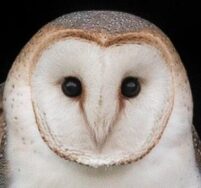
Barn Owls are distinctive: a white, heart-shaped face, pale underparts, and golden-buff upperparts. If the bird does not match, it may be a Tawny Owl, Little Owl, or another species, and different advice applies.

Is it actually a young owl in trouble?

Young Barn Owls leave the nest before they can fly well and are often found on the ground or in low vegetation. This is normal for the species. The Trust's guidance is to check the bird over rather than assume it needs rescue.

Check the owl over for injuries or illness

The Trust's owl care section sets out what to look for before you decide on next steps. Work quietly and keep handling to a minimum.

Signs that suggest injury or illness include:

  • Obvious wounds, blood, or a drooping or dragging wing
  • A leg that is not bearing weight or looks misaligned
  • Laboured breathing, or discharge from the eyes or nostrils
  • A bird that is cold, unresponsive, or unable to stand
  • A young bird that is thin, weak, or has been on the ground for an extended period

If the owl is alert, standing, and simply unable to fly yet, it may not need to be moved. If any of the signs above are present, it needs help.

Decide what to do next

The Trust's owl care guidance covers what to do with the owl next and how to get help. The practical decision is:

Situation Suggested next step
Injured, ill, or clearly in danger (e.g. on a road) Contact an Owl Rescue Centre or a local contact from the Trust's directory
A healthy-looking young owl on the ground Leave it in place if it is safe, and monitor from a distance; contact a local group if unsure
Dead owl Report it on the Trust's confidential survey website

Do not attempt to treat injuries yourself or feed the owl unless a rescue centre tells you to.

Find your nearest help

The Barn Owl Trust's Directory of local contacts is the starting point for finding your nearest Barn Owl Group, Owl Rescue Centre, or Professional Surveyor. Use it to get a contact who covers your area before you need one.

If you cannot reach a rescue centre immediately, keep the owl in a quiet, dark, ventilated box away from pets and children, and do not offer food or water unless advised.

Report the sighting

The Trust asks that all Barn Owl nests, roost sites, and sightings — dead or alive — anywhere in the UK be reported on its confidential Survey website. This applies whether or not the bird needed rescue, and it feeds into the Trust's wider conservation and research work.

Where to read the full guidance

The Barn Owl Trust website is a small UK charity working to conserve Barn Owls and their environment. The relevant sections for this situation are:

  • Owl Care — identifying the species, checking for injuries or illness, what to do next, and how to get help
  • Directory of local contacts — nearest Barn Owl Group, Owl Rescue Centre, or Professional Surveyor
  • Survey website — confidential reporting of nests, roosts, and sightings

The same site also covers Barn Owl facts, nestboxes, habitat management, hazards and solutions, and professional courses such as BOESS and ABOSM, but the owl care and directory pages are the ones to use when you have a bird in front of you.

How to Manage Land for Barn Owls and Their Habitat

The Barn Owl Trust's habitat guidance is built around one core idea: Barn Owls need rough, tussocky grassland with a deep litter layer where small mammals can live, plus safe places to roost and nest nearby. If you manage land in the UK and want to make it better for Barn Owls, the practical starting point is to create and protect that rough grass habitat, then add or maintain roosting and nesting places, and finally reduce the hazards that kill owls. The Trust publishes this guidance as a small UK charity working to conserve Barn Owls and the species that share their habitat.

Start with the habitat Barn Owls actually need

Barn Owls hunt almost entirely by sound, flying low over open ground, so their foraging success depends on prey density and access rather than on any single crop or feature.

The key habitat requirements are:

  • Rough, tussocky grassland with a litter layer at the base — this is where Field Voles and other small mammals live and breed.
  • A mosaic of grass heights, so there is cover for prey and open ground for owls to hunt over.
  • Field margins and uncropped strips left rough rather than cut short or sprayed.
  • Roosting and nesting places close to good foraging habitat, because owls will not travel far from a safe roost to feed.

The Trust's habitat section covers how to manage land for Barn Owls along with roosting and nesting places, so the two are treated as connected rather than separate tasks.

What this means in practice

  • Leave some areas uncut or cut on a long rotation so tussocks and litter build up.
  • Avoid treating field margins, ditches and rough corners as waste ground to be cleaned up.
  • Keep grazing light enough that grass does not become uniformly short.
  • Retain older trees, hedgerows and buildings that offer roost sites.

Provide roosting and nesting places

Habitat alone is not enough if there is nowhere safe to rest and breed. The Trust separates this into nestboxes and habitat management, and nestbox guidance covers where to put a box, how to build one, maintenance, and buying a pre-made one.

For land management specifically:

  • Keep existing roost sites. Barn Owls use holes in trees, old buildings, barns and similar structures. Repairing or converting these can remove the very features owls rely on.
  • Add nestboxes where natural sites are missing, sited according to the Trust's nestbox guidance rather than wherever is convenient.
  • Maintain boxes — the Trust lists maintenance as part of nestbox care, so plan for checking and cleaning rather than installing once and forgetting.
  • Think about the surrounding habitat when siting a box, since a box next to poor foraging ground will not fix the underlying problem.

Reduce the hazards that undo good habitat work

The Trust has a dedicated hazards and solutions section, which is worth reading alongside any habitat plan because good habitat can be wasted if owls are still being killed.

Common hazards to consider on managed land include:

  • Roads and traffic — busy roads near good habitat cause collisions.
  • Rodenticides — poisoned rodents pass the toxin up to owls.
  • Loss of rough grass — the single biggest driver of prey decline.
  • Disturbance or loss of roost and nest sites during building work or conversions.

The Trust frames these as hazards with solutions, so the practical step is to identify which apply to your land and address them at the same time as habitat improvements.

Why this benefits more than Barn Owls

The Trust's own framing is that conserving Barn Owls means safeguarding "their habitat, and the vast array of species they share it with." Rough grassland, field margins, hedgerows and old buildings support a wide range of farmland wildlife, so management aimed at Barn Owls tends to raise overall biodiversity rather than helping a single species.

If you need local help or want to record what you find

The Trust provides a directory of local contacts covering Barn Owl Groups, Owl Rescue Centres and Professional Surveyors, which is useful if you want advice specific to your area or need a survey.

It also asks that all Barn Owl nests, roost sites and sightings — dead or alive, anywhere in the UK — be reported through its confidential survey website. Recording what is on your land is a low-effort step that contributes to the wider picture the Trust uses.

For anyone wanting formal training, the Trust runs professional courses: Barn Owl Ecology, Surveys and Signs (BOESS), a BOESS add-on practical course held in South Devon that includes surveying an active Barn Owl site, and Advanced Barn Owl Surveying and Mitigation (ABOSM) covering surveying, mitigation and report preparation.

A workable order of operations

  1. Survey what you have — rough grass, margins, roost sites, and any known owl activity.
  2. Protect the rough grass you already have before creating new areas.
  3. Extend or reconnect habitat through margins, uncropped strips and light grazing.
  4. Check and maintain roost and nest sites, adding boxes where natural sites are absent.
  5. Identify and reduce hazards such as rodenticide use and disturbance.
  6. Record and report nests, roosts and sightings through the Trust's survey site.

The Trust's site is organised around exactly these areas — habitat, nestboxes, hazards and solutions, and owl care — so each step above has a matching section to work from.

How to Choose, Build, and Maintain a Barn Owl Nestbox

The Barn Owl Trust website (barnowltrust.org.uk) is the practical starting point for nestbox work in the UK: it covers where to put a box, how to build one, maintenance, and buying a ready-made box. Use it as your reference before you site, construct, or install anything, and follow its guidance rather than improvising, because box design and position strongly affect whether Barn Owls use it and whether chicks survive.

Where to place a Barn Owl nestbox

Placement is the part most people get wrong, so decide this before you build or buy.

  • Site the box for the owl, not for your view. The Trust's nestbox section covers where to put a box; treat its siting advice as the specification you are working to.
  • Think about the surrounding habitat first. A box is only useful if there is suitable hunting habitat nearby. The Trust's habitat pages explain how to manage land for Barn Owls, roosting and nesting places.
  • Check the box is safe from hazards. The Trust maintains a dedicated hazards and solutions section covering the different hazards affecting Barn Owls and what can be done — read it before fixing a position.
  • If you are unsure, get local input. The Trust's directory lists your nearest Barn Owl Group, Owl Rescue Centre, or Professional Surveyor, who can advise on siting in your area.

How to build a nestbox

The Trust provides build guidance in its nestbox section, including how to build one. Work from that design rather than a generic plan, because Barn Owl box dimensions, entrance size, and internal layout are specific to the species.

A sensible order of work:

  1. Read the Trust's nestbox guidance in full before buying materials.
  2. Build to the Trust's design, following its instructions on construction.
  3. Plan access for inspection and cleaning at the build stage — maintenance is much harder if you don't.
  4. Install only once you have confirmed the siting points above.

If you would rather not build, the same section covers buying a pre-made box, which removes the risk of getting the design wrong.

Maintenance requirements

The Trust's nestbox pages include maintenance as a distinct topic. Plan for it rather than treating installation as the end of the job:

  • Check the box periodically and keep it in the condition the Trust's maintenance guidance describes.
  • Keep records. The Trust asks that all Barn Owl nests, roost sites, and sightings (dead or alive), anywhere in the UK, be reported on its confidential survey website.
  • If you find an owl in trouble, don't handle the situation blind — the Trust's owl care section covers identifying the species, checking for injuries or illness, what to do next, and how to get help.

Getting help and further training

If nestbox work is part of a survey or mitigation project, the Trust runs professional courses:

Course Focus
Barn Owl Ecology, Surveys and Signs (BOESS) Foundation course covering ecology, legislation, surveying and basic mitigation
BOESS Add-on Practical In-person course at the Trust in South Devon, including surveying an active Barn Owl site
Advanced Barn Owl Surveying and Mitigation (ABOSM) Advanced surveying, mitigation, and report preparation

The Trust also offers talks and education for school, youth, and adult groups, and a directory of local contacts for finding your nearest Barn Owl Group, Owl Rescue Centre, or Professional Surveyor.

Quick decision guide

  • Want to act now, minimal risk: buy a pre-made box from the Trust's shop and follow its siting and maintenance guidance.
  • Want to build: use the Trust's build instructions, then follow its placement and maintenance advice.
  • Unsure about your site: check the habitat and hazards sections, then contact your nearest local group or surveyor via the Trust's directory.
  • Found an owl: go straight to the owl care guidance and the directory, and report the sighting on the Trust's survey website.
What Is the Barn Owl Trust Website?

The Barn Owl Trust website (barnowltrust.org.uk) is the online home of a small UK charity dedicated to conserving Barn Owls and their environment. It serves two main audiences: people who want to learn about Barn Owls and their conservation, and people who need practical help — whether they've found an injured owl, want to put up a nestbox, or need to report a sighting. The site combines educational resources, conservation guidance, research information, and a directory of local contacts across the UK.

What the organisation does

The Trust describes itself as "a small UK charity working very hard to conserve one of the most beautiful birds on Earth." Its stated mission covers three areas:

  • Conservation initiatives — practical work to safeguard Barn Owls and their habitat
  • Educational resources — materials for schools, youth groups, and adults
  • Research — ongoing projects studying Barn Owls

The charity also notes that its work extends beyond Barn Owls to "the vast array of species they share it with," framing conservation as an ecosystem-level effort.

Practical help for owl encounters

A significant part of the site is built around real-world situations where people need immediate guidance. Three entry points stand out:

If you've found a young Barn Owl

The site directs you to a Directory of local contacts where you can find your nearest Barn Owl Group, Owl Rescue Centre, or Professional Surveyor.

If you've found an injured owl

There's dedicated guidance covering:

  • How to identify the owl species
  • How to check the owl for injuries or illness
  • What to do with the owl next
  • How to get help

If you want to report a sighting

The Trust asks the public to report all Barn Owl nests, roost sites, and sightings (dead or alive), anywhere in the UK through its confidential survey website.

Educational and reference content

The site organises its knowledge base into clear topic areas:

Section What it covers
Barn Owls Facts, adaptations, UK population, how to encourage them
Nestboxes Where to place one, how to build one, maintenance, buying pre-made
Habitat Managing land for Barn Owls, roosting and nesting places
Hazards and Solutions Threats affecting Barn Owls and what can be done
Owl Care Everything needed if you find an injured wild owl
Kid's Stuff Arts and crafts, fun facts, lesson ideas
Research The Trust's research projects

Training courses

For professionals and serious amateurs, the Trust runs three Barn Owl courses:

  1. Barn Owl Ecology, Surveys and Signs (BOESS) — a foundation course covering ecology, legislation, surveying, and basic mitigation
  2. BOESS Add-on Practical — an in-person course at the Trust in South Devon, including a survey of an active Barn Owl site
  3. Advanced Barn Owl Surveying and Mitigation (ABOSM) — an advanced course covering surveying, mitigation, and report preparation

Getting involved and supporting the charity

The site provides several ways to engage:

  • Donate — the homepage features a prominent donation call
  • Events — such as an Autumn Colours Walk (the site lists one for Wednesday 28th October 2026 at 2.30pm, with booking required)
  • Shop — eco items, earth-friendly gifts, publications, and clothing
  • Talks and Education — inspirational talks for school/youth groups and adult groups
  • Support Us — a hub page listing various ways to help

Who this site is for

The Barn Owl Trust website is most useful if you:

  • Have found an injured or young Barn Owl and need to know what to do
  • Want to report a Barn Owl sighting, nest, or roost site anywhere in the UK
  • Are planning to install or build a nestbox and want guidance on placement and design
  • Manage land and want to make it more Barn Owl-friendly
  • Are looking for a local owl group, rescue centre, or professional surveyor
  • Want to take a recognised training course in Barn Owl ecology or surveying
  • Are a teacher or parent looking for educational activities about owls

If you're outside the UK, the practical referral services (rescue centres, local groups, the survey reporting system) won't apply to you, though the general ecology and nestbox information may still be of interest.

What Hazards Affect Barn Owls and What Solutions Does the Barn Owl Trust Suggest?

The Barn Owl Trust identifies hazards to Barn Owls and publishes solutions alongside its conservation and research work. Its website has a dedicated "Hazards and Solutions" section, which is the most direct place to learn what threatens Barn Owls and what can be done about it. The Trust is a small UK charity focused on conserving Barn Owls and their environment, so its guidance is aimed at practical action in the UK.

Where to Find the Trust's Hazard Guidance

The Trust's site organises the topic under Hazards and Solutions, described as covering "the different hazards that affect Barn Owls and what can be done." This sits alongside related sections that address risk in specific situations:

  • Owl Care — what to do if you find an injured wild owl
  • Nestboxes — where to site a box, how to build one, and maintenance
  • Habitat — how to manage land for Barn Owls, including roosting and nesting places
  • Barn Owls — facts, adaptations, UK population, and how to encourage them
  • Research — the Trust's research projects

If your question is about a specific hazard, the Hazards and Solutions section is the starting point; if it is about an injured bird, Owl Care is the relevant section.

The Categories of Hazard the Trust Covers

The Trust's own summary groups its work around conserving the Barn Owl and its environment, and its hazard content is framed as "hazards and solutions" rather than a single list. The related sections point to the main risk areas:

Area What the Trust addresses
Roads and traffic Covered within Hazards and Solutions
Rodenticides Covered within Hazards and Solutions
Loss of habitat Covered under Habitat and Hazards and Solutions
Nesting and roosting sites Covered under Nestboxes and Habitat
Injured or grounded owls Covered under Owl Care

The Trust does not present these as isolated problems — the framing is that hazards affect Barn Owls and that each has a corresponding solution.

Practical Solutions the Trust Points To

The Trust's site maps solutions to the same categories:

  • Habitat management — managing land for Barn Owls, and providing roosting and nesting places
  • Nestboxes — siting, building, maintaining, or buying a pre-made box
  • Owl Care — identifying the owl species, checking for injuries or illness, deciding what to do next, and getting help
  • Recording sightings — reporting nests, roost sites, and sightings (dead or alive) anywhere in the UK through the Trust's confidential survey website

For anyone managing land, the Habitat and Nestboxes sections are the actionable ones. For anyone who finds a bird, Owl Care is the actionable one.

How the Trust Addresses Hazards Through Conservation and Research

The Trust describes itself as "a small UK charity working very hard to conserve one of the most beautiful birds on Earth," and says it works through educational resources, conservation initiatives, and research. Its research projects are published under Research, and its conservation messaging is that safeguarding owls means safeguarding "their habitat, and the vast array of species they share it with."

It also runs professional training that touches on hazard-related work:

  1. Barn Owl Ecology, Surveys and Signs (BOESS) — a foundation course covering ecology, legislation, surveying, and basic mitigation
  2. BOESS Add-on Practical — an in-person course at the Trust in South Devon including a survey of an active Barn Owl site
  3. Advanced Barn Owl Surveying and Mitigation (ABOSM) — an advanced course covering surveying, mitigation, and report preparation

The word "mitigation" in these course titles is the clearest signal that the Trust treats hazard reduction as a professional skill, not just a public-information topic.

Ways the Public Can Help Mitigate Risks

The Trust lists several routes for public involvement:

  • Report sightings — all Barn Owl nests, roost sites, and sightings (dead or alive) anywhere in the UK, via the Trust's confidential survey website
  • Find local help — use the Trust's directory to find your nearest Barn Owl Group, Owl Rescue Centre, or Professional Surveyor
  • Get involved — the site's "Get involved" and "Support Us" sections list ways to contribute
  • Learn and share — educational resources, talks for school/youth and adult groups, and "Kid's Stuff" with crafts, facts, and lesson ideas

Reporting is the lowest-effort action with a direct conservation purpose: the Trust uses records to understand where Barn Owls are and what is happening to them.

A Note on Events and Access

The Trust's homepage advertises an Autumn Colours Walk on Wednesday 28th October 2026 at 2.30pm, with booking through the site, and a shop offering eco items, earth-friendly gifts, publications, and clothing. The homepage includes a "Donate now!" prompt. No pricing for courses, membership, or shop items is stated on the page, so check the relevant section of the site for current details.

Website Overview

An established domain and managed infrastructure suggest continuity of operations and may support dependable delivery, although neither guarantees service quality. Several search or sharing settings need attention. Together they may make snippets, preview images or preferred URLs less consistent across platforms.

Domain and Registration

Registered in 1999, this domain has about 26 years of history. That suggests continuity, although ownership and purpose may have changed. Registration contact information is publicly available through RDAP. The domain uses the common .uk extension, which is not an independent safety signal.

DNS and Email

Nameservers are provided by Cloudflare, indicating managed DNS hosting. MX records point to the Microsoft 365 email service. No CNAME was found; the observed records resolve directly to addresses. SPF and DMARC are configured. DKIM status is unknown. TXT records include verification markers for Microsoft. Such markers may also remain after a service stops being used.

TLS and Certificates

The public key uses EC with 256 bits. The server supplied a complete certificate chain. No organization name is present in the certificate; the available fields are consistent with domain validation. The certificate was issued by Let's Encrypt, commonly associated with automated certificate services. The certificate's total validity is about 89 days, consistent with a short renewal cycle.

HTTP and Browser Security

The response lacks these common security headers: CSP, Referrer-Policy, Permissions-Policy, clickjacking protection. No X-Powered-By header was found, reducing one common source of backend fingerprinting information. The cf-ray response header indicates a CDN or caching proxy in the delivery path. No obvious internal addresses or debug information were found in the headers. The Server header identifies cloudflare without an exact version.

Technology Stack Analysis

The public page identifies WordPress, jQuery, Cloudflare without precise versions, leaving fewer clues for version-specific scanning.

Search and Social Sharing

No homepage meta description was detected, leaving snippet selection more dependent on page text. The Generator tag identifies Child Theme for Divi v.1.0, making the publishing system easier to fingerprint. Open Graph is partially configured; og:description, og:image is missing. Twitter Card metadata is configured. The title has 30 characters, within a common display range.

Hosting and Email

DNSCloudflare
HostingCloudflare
EmailMicrosoft 365
Approximate IP geolocation (inferred; a CDN or proxy may differ from the origin server) Location unknown Inferred 104.21.11.47

Registration details

RDAP / WHOIS

RegistrarPipe Ten Hosting Ltd t/a purely.website
Registered1999-11-22
Expires2026-11-22
Domain statusactive
Nameserversdane.ns.cloudflare.com、poppy.ns.cloudflare.com
DNSSECunsigned

DNS records

DNS

TypeNameValueTTLPriority
Awww.barnowltrust.org.uk104.21.11.47300—
Awww.barnowltrust.org.uk172.67.165.39300—
AAAAwww.barnowltrust.org.uk2606:4700:3035::ac43:a527300—
AAAAwww.barnowltrust.org.uk2606:4700:3036::6815:b2f300—
MXbarnowltrust.org.ukbarnowltrust-org-uk.mail.protection.outlook.com3000
NSbarnowltrust.org.ukdane.ns.cloudflare.com86400—
NSbarnowltrust.org.ukpoppy.ns.cloudflare.com86400—
TXTbarnowltrust.org.uk36tx92sj7gc5zpphf4z6s1lgz6nd3290300—
TXTbarnowltrust.org.ukMS=ms98397335300—
TXTbarnowltrust.org.ukv=spf1 include:spf.protection.outlook.com -all300—
DMARC_dmarc.barnowltrust.org.ukv=DMARC1;p=quarantine;sp=quarantine;adkim=r;aspf=r;pct=100;fo=0;rf=afrf;ri=86400;rua=mailto:[email protected];ruf=mailto:[email protected]300—

TLS and certificates

TLS / SSL

AssessmentNormal configuration
Supported protocolsTLSv1.2、TLSv1.3
Negotiated protocolTLSv1.3
Certificate subjectbarnowltrust.org.uk
IssuerLet's Encrypt
Valid until2026-12-17T06:32 · Remaining when checked: 77 days
Verification detailsCertificate trust: Passed · Hostname match: Passed

HTTP response headers

HTTP

HeaderValue
content-typetext/html; charset=UTF-8
servercloudflare
strict-transport-securitymax-age=2592000; includeSubDomains
x-content-type-optionsnosniff

Identified technologies

WordPressjQueryCloudflare

Pages, Search and Sharing

Meta descriptionNot detected
Canonical URLhttps://www.barnowltrust.org.uk/
LanguageEnglish (default)
Twitter Cardsummary_large_image
All bots 1 allowed · 6 disallowed
  • Allow/wp-admin/admin-ajax.php
  • Disallow/wp-content/uploads/wc-logs/
  • Disallow/wp-content/uploads/woocommerce_transient_files/
  • Disallow/wp-content/uploads/woocommerce_uploads/
  • Disallow/*?add-to-cart=
  • Disallow/*?*add-to-cart=
  • Disallow/wp-admin/

User reviews (0)

  • No reviews yet.