
 简体中文
简体中文 English
Website review
This review may include AI-generated content and is not individually verified. Domain, certificate and other facts come from the observed data on this page.
What is Boycott Israel?
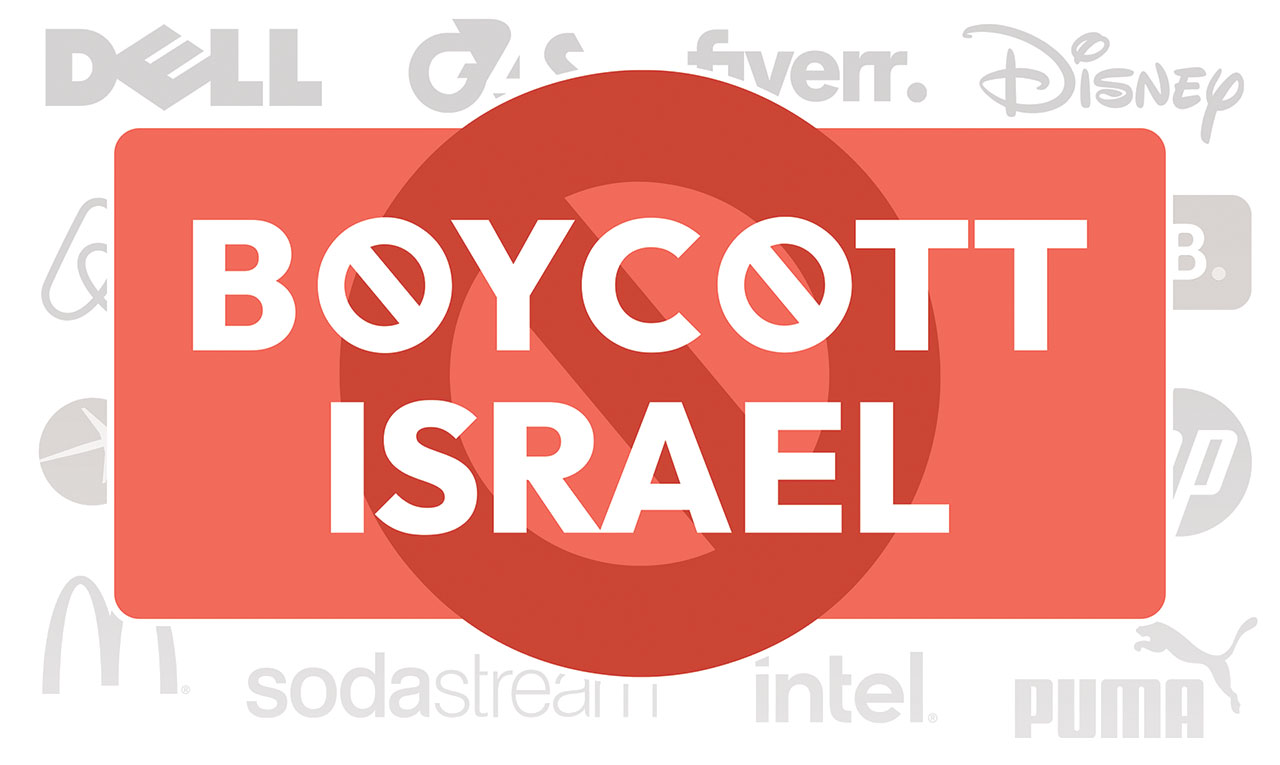
Boycott Israel is a campaign site built around a simple consumer boycott list. Its stated purpose is to pressure the Israeli government over settlements and international law by urging people not to buy from Israeli companies or businesses operating substantially in Israel. The site frames this as targeted economic pressure intended to push toward dialogue and a resolution.
H3 What the site actually offers
- A streamlined list of companies and products to avoid, presented as the core tool.
- A donations section supporting emergency relief for Gaza, describing siege conditions, power outages and hospital fuel shortages.
- A stated set of goals: reducing illegal settlements in the West Bank, promoting peace and reconciliation, and opposing apartheid.
- Casualty figures for Gaza attributed to the Gaza Health Ministry and said to be corroborated by morgues, hospitals, NGOs and the UN, with an update date shown on the page.
H3 Who it is for The main audience is individuals who want a ready-made shopping reference rather than a long research project. A typical reader might keep the list on their phone and check it before buying groceries, cosmetics or drinks. It is less suited to someone looking for detailed company-by-company research, legal analysis or verified supply-chain data, because the page presents conclusions rather than the underlying evidence.
H3 Practical trade-offs A short list is easy to act on but inevitably incomplete: ownership structures, franchise arrangements and regional licensing mean a product's connection to Israel can be indirect or change over time. Boycotts also raise questions about whether they affect the intended target or mainly local workers and franchisees. If accuracy matters to you, treat the list as a starting point and check current ownership yourself.
For context on the wider campaign, the Palestinian-led movement is described at BDS Movement.
Which companies and products are on the boycott list?
The site does not publish a full list of company names on the page supplied. It describes itself as offering "a streamlined boycott list" targeting Israeli companies and businesses operating substantially in Israel, and it frames the list as a tool for pressuring the Israeli government over settlements and international law. The specific entries sit behind a "See what to boycott" link, so the names and product categories are not visible in the page evidence I have.
That means I can't tell you which brands are on it. What I can say is that the site's stated scope is broad rather than product-specific: it covers firms based in Israel and, notably, businesses with substantial operations there, which is the category that usually catches multinational consumer brands.
How to use a list like this
If you want to act on the list, open the "See what to boycott" section and check entries against your own shopping. A few practical points:
- Confirm what a brand actually owns. A company's name on a product label often differs from the parent company, and ownership changes.
- Decide your scope in advance. Boycotting only Israeli-headquartered firms is a narrower commitment than also avoiding multinationals with major Israeli operations; the site's wording covers both.
- Expect gaps. Lists of this kind go stale, and the site does not show a "last updated" date for the list itself in the material I have.
A concrete example
A reader who wants to avoid products from companies with substantial Israeli operations would need to check several layers: the brand on the shelf, its parent company, and whether that parent has a significant presence in Israel. That is more work than a single lookup, which is why a maintained, dated list matters.
Where to cross-check
If you want a second reference point for company ownership or operations, official corporate sources are more reliable than any activist list. For corporate filings in the United States, U.S. Securities and Exchange Commission publishes annual reports that name subsidiaries and major markets. For consumer-facing ownership questions, a company's own investor relations page is the primary source.
The site also references casualty figures from Gaza's Health Ministry and links to emergency relief donations for Gaza, which is separate from the boycott list itself.
How can I donate to provide emergency relief for Gaza?
The site frames emergency relief as the immediate counterpart to its boycott campaign: a complete siege has cut off food, water, fuel and electricity for 2.3 million people, and hospital generators are running low. Its own donation route is the "Donations" section and the "Donate now" prompt on the Gaza relief page. The site does not name a specific charity or payment method in the material available, so treat it as a starting point for finding a vetted channel rather than as a guarantee of where your money lands.
A practical way to choose a channel
If your goal is medical relief in Gaza, look for organisations that already operate or have operated there and publish audited financials and situation reports. Two established options are Médecins Sans Frontières and ICRC. Both work in conflict settings and describe their funding and spending publicly.
Before giving, check three things:
- Is the organisation currently able to move supplies into Gaza, or is it funding local staff and clinics already inside?
- Does it publish regular updates on what the money bought?
- Is the donation page on the organisation's own domain, not a third-party page asking for card details?
One concrete scenario
Suppose you want to help a hospital running low on generator fuel. A large medical NGO can often buy fuel and medical supplies in bulk through existing logistics, but access restrictions can delay delivery. A smaller local group may move faster but usually has less published accounting. Splitting a donation between one large medical organisation and one vetted local relief fund is a common way to balance reach against speed.
For the boycott side of the site, its list and campaign material sit at Boycott Israel; the donation page there is the direct next step if you want to give through the route the site itself promotes.
What is the current humanitarian situation and casualty toll in Gaza?
The site reports a grave humanitarian crisis in Gaza, describing a "complete siege" that has cut off food, water, fuel and electricity for roughly 2.3 million people, with the territory's only power plant shut down and hospital generators running low. It also states that Gaza has the highest number of amputated children per capita in the world.
On casualties, the page presents running counters for people killed and injured, labelled as official figures from Gaza's Health Ministry since 7 October 2023, cross-checked against morgue and hospital data and described as consistent with NGO, aid-agency and UN assessments. The page also shows a separate figure for deaths recorded since a 10 October 2025 ceasefire, and states its numbers were updated on 11 January 2026. The counters themselves are dynamic, so the site is the place to read current totals rather than any fixed number quoted elsewhere.
How to read these figures
- Treat the toll as a snapshot, not a final count. Active-conflict reporting typically lags, and revised totals often rise later as bodies are identified and records consolidated.
- Distinguish the categories. Cumulative deaths since October 2023, deaths since the 2025 ceasefire, and injuries are different measures and should not be added or compared directly.
- Note the source chain. Health-ministry figures in wartime are the most widely cited baseline, but they depend on functioning hospitals and morgues, so undercounting is a recognised limitation.
- Separate toll from conditions. Casualty numbers say little about displacement, hunger, disease or destroyed infrastructure — the parts of the crisis the page describes qualitatively.
For a fuller picture than one advocacy site provides, compare its figures against humanitarian reporting from the UN and major aid organisations, which publish their own situation updates and casualty tallies. United Nations and Médecins Sans Frontières both maintain Gaza emergency pages; if you want the source the site itself cites, check the ministry data as reproduced by OCHA oPt.
A practical next step: if you are using these numbers in writing or advocacy, record the date you accessed them and the reporting period they cover, since a figure without a timestamp quickly becomes misleading.
What does the boycott strategy aim to achieve politically?
The stated political aim is to apply economic pressure on the Israeli government to stop settlement expansion and comply with international law, in order to push toward a negotiated resolution of the conflict. The site frames boycotting as a form of protest against collective punishment and a way to advocate for Palestinian rights, with the broader goals of reducing illegal settlements in the West Bank, promoting equality rather than apartheid, and encouraging dialogue and reconciliation.
How the strategy is meant to work
- Consumers avoid buying certain products tied to Israel or to businesses operating substantially there.
- The accumulated loss of revenue is presented as leverage: the site argues it can influence government behavior where diplomatic appeals have not.
- The intended end state is political, not merely consumerist — settlements halted, international law respected, and a path opened to a peace agreement.
What to weigh
This is an advocacy position, not a neutral description of effects. Two practical questions decide whether such a strategy appeals to you: whether you accept that consumer pressure can shift government policy in this case, and whether you are comfortable with a blanket list rather than company-by-company judgment. A reader who supports the humanitarian goal but worries about blanket boycotts harming ordinary workers may prefer targeted campaigns with clearer corporate conduct criteria.
Next step
If you want to evaluate the campaign rather than just read it, take one company on its list and check independently whether it operates in the settlements or merely trades with Israel — that distinction often changes the ethical calculus. For the opposing perspective on boycott tactics, see Website Name only if you can verify the domain yourself; otherwise search for coverage from established news outlets.
How can I get involved or contact the organization?
The site is built around one main action: using its boycott list when you shop, then optionally donating to Gaza relief. Contact is handled through the site's own Contact page, so that is the route for questions, corrections to the list, or media and partnership enquiries.
H3 Practical ways to take part
- Use the list. Check the boycott list before buying, especially for brands you purchase regularly. The site frames this as targeted economic pressure rather than a blanket consumer ban.
- Donate. The emergency relief section directs support to Gaza, where it describes cut-off food, water, fuel and electricity affecting 2.3 million people and hospital generators running low on fuel.
- Share the strategy. The stated aims are reducing illegal settlements in the West Bank, promoting dialogue and reconciliation, and opposing apartheid — useful framing if you want to explain your choice to friends, employers or community groups.
- Send a correction or question. If a company's status is unclear or you believe an entry is wrong, the Contact page is the appropriate channel; accuracy matters for a list people act on.
H3 A realistic example
Suppose you do a weekly shop and want to act without researching every item. Pick your five most frequent purchases, check them against the list once, and note substitutes you are happy with. That converts a long list into a workable routine. If a product matters to you and its listing is ambiguous, ask the organisation directly rather than guessing.
H3 Decide before you act
| Your priority | Best first step |
|---|---|
| Personal consumption change | Work through the boycott list category by category |
| Financial support for relief | Use the donation route described on the emergency relief section |
| Advocacy or organising | Read the stated aims, then put a specific question to the organisation via Contact |
| Verifying a listing | Contact the organisation with the company name and evidence |
For background on the companies involved, official corporate sites are more reliable than third-party summaries; for instance, Nestlé publishes its own ownership and operations information.
 Hetzner Online GmbH
 Falkenstein, Saxony, Germany
User reviews (0)