
 简体中文
 English

Website review
This review may include AI-generated content and is not individually verified. Domain, certificate and other facts come from the observed data on this page.
What is Catholic Mercy?
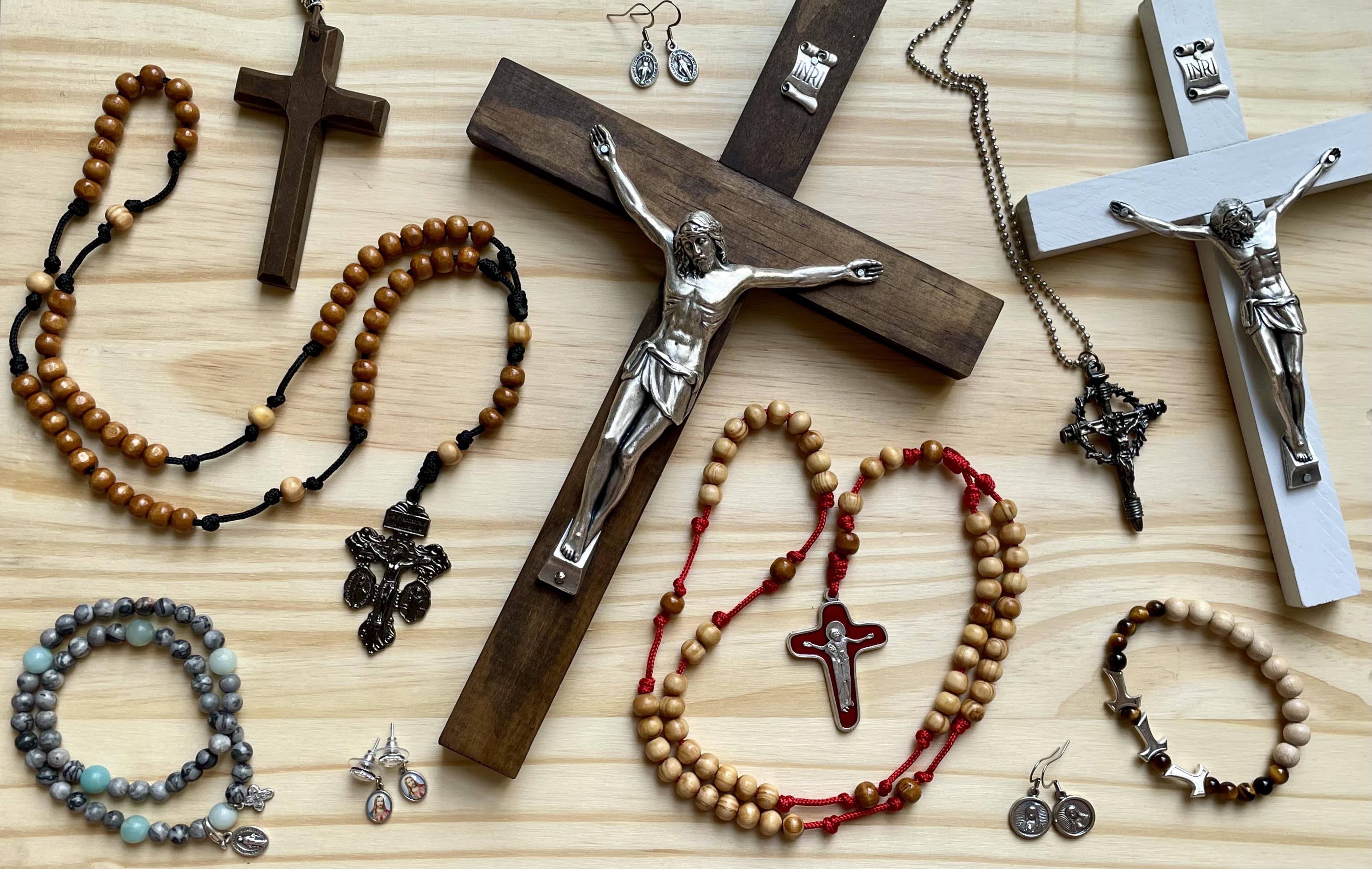
Catholic Mercy is an online shop for Catholic devotional and gift items, centered on rosaries and crucifixes and rounded out with jewelry and religious art. The store presents itself as a place to find a distinctive rosary or crucifix rather than a general religious bookstore.
What the shop covers
The site's navigation lists these main sections:
- Rosaries — the core category, described as including many unique rosaries
- Crucifixes — wall or personal crosses for home, gift or devotional use
- Earrings, bracelets and necklaces — jewelry, presumably faith-inspired, for everyday wear or gifting
- Art — religious artwork, suited to home display or as a gift
Who it suits
The most natural visitors are Catholics shopping for a meaningful gift — a first rosary, a confirmation or wedding present, or a replacement for a worn one — and people looking for a crucifix or piece of religious art for a home. Because the inventory is described as "unique" rather than standardized, it also appeals to buyers who want something less mass-market than a typical parish-gift selection.
One practical consideration: a shop built around one-of-a-kind pieces can mean limited stock, so specific items may not be reorderable. If you need matching sets or multiples of the same design, check availability before relying on a single listing.
A useful next step
Start with the rosary section and filter by intended use — personal prayer, a child's first rosary, or a display gift — since materials and bead styles vary widely and suit different purposes. For a gift, pair a rosary with a small crucifix or piece of art from the same shop to keep the presentation coherent. If you want to compare styles or prices more broadly before deciding, mainstream Catholic retailers such as EWTN and Our Sunday Visitor also carry devotional goods.
How can I choose the right rosary for a First Communion or Confirmation gift?
Choose by how the rosary will be used, not by how ornate it looks. For a First Communion or Confirmation gift, the safest choice is a durable, comfortable rosary the recipient can actually pray with: smooth beads, a secure centerpiece and crucifix, and a length that suits a child, teenager or adult. At Catholic Mercy, the rosaries are presented as a distinct shop category alongside crucifixes, earrings, bracelets, necklaces and art, so you can start with the rosary selection and then consider a matching or complementary piece.
Match the rosary to the recipient
- First Communion (often around age 7–9): Prioritize light weight, rounded beads and a shorter chain that won't tangle easily. A simple, clearly defined crucifix helps a child follow the prayers.
- Confirmation (often teenagers): A slightly more substantial rosary with a clean design tends to feel like a lasting keepsake rather than a child's item. Consider whether the recipient prefers something understated or decorative.
- Adults or a shared family gift: Heavier beads and a larger crucifix can be easier to hold and pray with; a presentation box or pouch adds to the gift.
Practical checks before buying
- Bead size and shape: Larger, rounded beads are easier to grip during prayer; very small or sharply faceted beads can be uncomfortable.
- Construction: Look for a centerpiece and crucifix that feel firmly attached, and a chain or cord suited to regular use rather than display only.
- Length: A rosary that hangs too long can catch on clothing; one that is too short can feel cramped in the hand.
- Material and care: Metal parts should be described as tarnish-resistant if the rosary will be used often; wood and cord suit a more casual style.
- Personalization: A name, date or initial can make a Confirmation gift more meaningful, but confirm the option exists before relying on it.
A simple decision rule
If the recipient will carry it to church and pray with it regularly, choose comfort and durability first. If it is primarily a milestone keepsake, choose a design that reflects their taste and present it with a card explaining the occasion. Browsing the rosary section at Catholic Mercy alongside its crucifix selection can help you judge whether a coordinated set suits the gift better than a single rosary.
What materials and styles of crucifixes does Catholic Mercy offer for home or church display?
Catholic Mercy presents crucifixes as a distinct shop category alongside rosaries, earrings, bracelets, necklaces and art, but the page evidence does not list the specific materials or styles of its crucifixes. What it does show is a devotional-goods store organized so that crucifixes are a primary line rather than an afterthought—useful if you are choosing a cross for a home wall, a bedside, a prayer corner or a church setting.
How to narrow the choice
Because the catalog does not spell out materials and finishes on the landing page, use the crucifix shop itself to compare pieces on the criteria that matter for display:
- Placement and scale. A wall crucifix above a doorway or in a nave needs to read from a distance, so size and silhouette matter more than fine detail. A bedside or desk cross can be smaller and more intricately worked.
- Material and setting. Wood tends to suit domestic interiors and warm-toned rooms; metal suits formal or liturgical spaces and is easier to keep clean in high-traffic areas. Check each product listing for the actual material rather than assuming.
- Style language. Traditional crucifixes emphasize the figure of Christ; simpler crosses suit minimalist rooms. Decide which your space calls for before browsing.
- Mounting and stability. For home display, confirm whether a piece is freestanding or wall-mounted; for church use, check weight and fixing requirements with the parish.
A practical next step
If you are buying for a home prayer corner, start with the Catholic Mercy crucifix section and filter by size first, then material. For a church or chapel, involve whoever handles furnishings and sacristy upkeep early, since durability and cleaning matter as much as appearance. Shoppers who want to compare broader devotional selections may also look at established Catholic retailers such as EWTN Religious Catalogue or Autom; treat those as reference points for style and material vocabulary, not as endorsements.
Are Catholic Mercy's rosaries and crucifixes handmade or sourced from specific artisans?
Catholic Mercy does not state on its site whether its rosaries and crucifixes are handmade in-house or sourced from specific artisans. The page evidence only shows shop categories (Rosaries, Crucifixes, Earrings, Bracelets, Necklaces, Art) and a general note about "unique rosaries and crucifixes," without any mention of makers, workshops or production methods.
What this means in practice
- If artisan origin matters to you (for a gift, a parish purchase, or a devotion piece you want to trace), treat it as unconfirmed until you check directly.
- The "unique" wording suggests one-of-a-kind or small-batch items, but that is an inference from marketing language, not a stated fact about craftsmanship.
Next step
Use the site's contact option to ask two specific questions: who makes the rosaries and crucifixes, and whether any are hand-assembled or sourced from named artisans. Ask for a photo of the actual item you plan to buy if you need to judge materials and finish.
For comparison, you can check how other Catholic retailers describe their sourcing, for example EWTN Religious Catalogue or Autom.
Does Catholic Mercy sell jewelry such as earrings, bracelets, and necklaces suitable for everyday wear?
Yes. Catholic Mercy's storefront includes dedicated sections for earrings, bracelets, and necklaces alongside its rosaries and crucifixes, so jewelry is part of the core catalog rather than an afterthought.
What the categories suggest for daily wear
- Earrings and bracelets are the most natural everyday picks: small, close-to-the-body pieces that suit workdays, errands, or casual outfits without drawing much attention.
- Necklaces can go either way. A simple chain or small pendant reads as everyday; a larger crucifix or statement piece leans more toward Sunday Mass, weddings, or gifts.
- Rosaries and crucifixes are the devotional heart of the site. A pocket rosary or a modest crucifix pendant is the easiest way to carry a religious piece daily; full-size rosaries are better kept in a bag or at home.
A practical way to decide
If you want one piece you'll actually wear daily, start with a bracelet or small earrings in a metal you don't mind exposing to water, sweat, and knocks, and check the clasp and weight before buying. If the goal is a gift or a sacramental keepsake, a crucifix or rosary is the stronger choice. Browse the earrings and bracelets sections first, then compare necklaces if you want a matching set.
How does Catholic Mercy handle shipping and returns for religious gifts?
The site information available for Catholic Mercy does not describe a shipping policy or a returns policy. The page evidence covers product categories (rosaries, crucifixes, earrings, bracelets, necklaces, art) and cart behaviour, but nothing about delivery times, carriers, costs, return windows or condition requirements. So the honest answer is that these terms are not documented here and need to be confirmed directly with the shop before ordering.
What to check before buying a religious gift
Religious gifts carry specific expectations that general return policies often do not address well. When you contact the shop, ask about:
- Personalisation and engraving. Names, dates or scripture references on a crucifix or rosary usually make an item non-returnable. Confirm this before ordering, not after.
- Blessed or blessed-then-shipped items. Some sellers treat blessed goods as final sale. Ask whether blessing affects return eligibility.
- Breakage in transit. Crucifixes and stone or glass rosary beads are fragile. Ask who covers damage found on opening and what proof (photos, original packaging) is required.
- Seasonal cut-off dates. First Communion, confirmation and Christmas orders depend on dispatch deadlines. Ask for the last order date rather than assuming standard delivery times apply.
- Return shipping cost and restocking fees. For lower-priced earrings or bracelets, a return may cost more than the item is worth — worth knowing before you buy.
A practical next step
If you are buying a rosary as a confirmation gift, order the item you can inspect early and keep the packaging intact until the recipient has seen it. Then, if a size, colour or quality issue appears, you are still inside a typical return window and have the original box for a damage claim. For anything engraved or personalised, treat the purchase as final and confirm spelling and dates in writing with the seller first.
Where to compare policies
Because policy details are not published on Catholic Mercy, comparing with a larger Catholic retailer can help you judge what is normal. Established religious goods sellers typically publish shipping rates, delivery estimates and a return window on their own site, and mainstream Christian bookstores such as Christianbook state their terms openly. Use those as a benchmark, then ask Catholic Mercy the same questions directly — a shop that answers clearly on engraving, fragility and deadlines is usually the safer choice for a gift with a fixed occasion date.
 Google Cloud DNS
 Cloudflare
 Ottawa, Ontario, Canada
User reviews (0)