
 简体中文
简体中文 English
Website review
This review may include AI-generated content and is not individually verified. Domain, certificate and other facts come from the observed data on this page.
What is the Canterbury Hang Gliding and Paragliding Club?
The Canterbury Hang Gliding and Paragliding Club (CHGPC) is the local club for free-flight pilots in and around Christchurch, Canterbury. Its site serves as a hub for members and visiting pilots: site information, weather resources, club news, and contacts.
H3 What the club does
- Site access and rules: The site publishes notices for specific flying locations, including a hard rule at the Christchurch Gondola site to stay more than 100 m away from all cableways and buildings at all times. That is the kind of detail a visiting pilot needs before launching.
- Local site knowledge: Pages like "Our Sites" and "Taylor's Mistake" point to the club's flying areas, while "Deep dive: Cliffs & Castle Rock" shows members sharing terrain-specific knowledge.
- Weather coordination: A "Weather" link leads to the club's weather chat, useful for deciding whether a day is flyable.
- Safety and skills development: Club talks have covered safety in airsports with a focus on newer pilots, plus water-rescue experience with the Sumner Life Saving Club.
- Community and contacts: Committee members are listed on the Club Info page, with a general contact at [email protected].
H3 Who it is for
- New and experienced paraglider and hang glider pilots in Canterbury.
- Visiting pilots who need site rules and local conditions before flying.
- Anyone considering the sport who wants to see how the local community organises itself.
H3 A practical next step If you are new to the area, read the site notices first — especially the Gondola 100 m rule — then check the weather chat before travelling to a site. If you are unsure about access or your experience level, contact the club through the Club Info page or [email protected].
For wider context on the sport in New Zealand, the national body is New Zealand Hang Gliding and Paragliding Association.
What do I need to know before flying at the Christchurch Gondola site?
The key rule is a hard separation from the cableway: keep more than 100 metres away from all cableways and buildings at all times while flying at the Christchurch Gondola site. The club publishes this as a standing notice, not a one-off warning, so treat it as a site boundary you plan your flight around rather than something you squeeze past.
What this means in practice
- Plan your turn points before launch. Decide where you will turn back so the 100 m buffer is never in doubt, especially when ridge lift or thermals are pulling you toward the structures.
- Judge distance by terrain, not by feel. Airborne estimates of distance are unreliable; use recognisable ground features to mark the buffer zone.
- Expect the rule to apply at all times, including when the cableway looks quiet or the air feels empty.
- Do not rely on being seen. The separation rule exists because proximity itself is the hazard.
Useful next step
Read the club's full notice and site information before your first flight there, and check the weather discussion members use to judge conditions in Canterbury. The club site is Canterbury Hang Gliding and Paragliding Club.
If you are new to the site
The club has run safety talks aimed partly at newer pilots, and member presentations on local hazards such as the cliffs and Castle Rock area. Those are worth watching before you fly a site with fixed structures on the ridge. For anything unclear, the club directs enquiries to its committee contacts or to [email protected].
Decision criterion
If you cannot confidently identify a line that keeps you more than 100 m from the cableway and buildings throughout your planned flight, including any low save or top-landing option, fly a different site that day.
What are the flying sites around Christchurch and how do I choose one?
The Canterbury Hang Gliding and Paragliding Club (CHGPC) is the main club for free-flight pilots in the Christchurch area, and its site is the practical starting point for figuring out where to fly. The club lists its flying sites as a set of pages, with Taylor's Mistake named directly and the Christchurch Gondola site covered by its own notice. Choosing between them is mostly about your experience level, the wind direction on the day, and how much local knowledge you have.
What the site actually tells you
- Taylor's Mistake — called out by name as one of the club's sites, and the one most associated with coastal ridge flying near Christchurch.
- Christchurch Gondola — carries a prominent rule: stay more than 100 m away from all cableways and buildings at all times. This is a hard constraint, not a suggestion, and it shapes how you plan a flight there.
- Other sites — the club presents a broader "Our Sites" section, so treat the individual site pages as the authoritative local briefing rather than assuming one site suits every wind.
How to choose
| Factor | Why it matters |
|---|---|
| Wind direction and strength | Coastal sites and inland ridges work on different directions; a site that is perfect one day is unflyable the next |
| Your rating and currency | Some sites demand stronger launch, landing or airspace judgement than a newly qualified pilot has |
| Site rules and hazards | The Gondola 100 m rule is the clearest example — ignoring it endangers you and the site access |
| Local knowledge | Club briefings, site notices and flying with members who know the site reduce risk more than any general guide |
A concrete way to decide
If you are new to the area, pick the site the club's own pages and current members point you to for your level, check the weather, and fly it with someone who has flown it before. Treat the Gondola rule as a go/no-go item: if your planned line takes you inside 100 m of the cableway or buildings, choose a different site or a different line.
Next step
Read the club's site pages and the current notices before your first flight, and use the club's weather information to match the day's conditions to a site. For site-specific questions, the club directs members to its Club Info page for the right committee contact, or to [email protected]. The club also runs talks on safety and on specific local terrain, which are worth watching before you fly somewhere new.
For regional context beyond this club, Airways New Zealand covers airspace matters, and MetVuw is a long-standing New Zealand weather source pilots use when reading a forecast.
How do I check the weather before a paragliding or hang gliding flight in Canterbury?
Start with the club's own weather page, then cross-check with a general forecast and, for coastal sites like Taylor's Mistake or Sumner, a marine wind source. The Canterbury Hang Gliding and Paragliding Club (CHGPC) puts its weather discussion front and centre on Flying In Christchurch, which is the natural first stop because local pilots interpret the regional models against the actual sites.
What to check, in order
- Site-specific club guidance. The club's weather chat is where members compare forecasts for Christchurch sites. Read it before you commit to a launch, especially if you are new to the area.
- Wind direction and strength at your intended site. Each Canterbury site has its own safe wind window; a forecast that suits one hill can be wrong for another.
- Upper-level winds. Surface readings can look calm while the air above is strong; check the gradient before deciding.
- Local restrictions. At the Christchurch Gondola site the club states a hard rule: keep more than 100 m away from all cableways and buildings at all times. That is a site rule, not weather, but it belongs in the same pre-flight check.
- Marine and coastal conditions. For Sumner and Taylor's Mistake, sea breeze and swell matter. The club's Sumner rescue training talk, presented by Bevan Small, Ryan Vorster and Kyle Zhou, covered water rescues with the Sumner Life Saving Club — useful context for anyone flying coastal sites where a water landing is possible.
A practical scenario
Suppose you are a visiting pilot with a weekend in Christchurch. On Friday evening, open the club site, read the latest weather thread, and note which sites members are planning for. On Saturday morning, re-check the wind direction against your chosen site, confirm the Gondola exclusion zone if you are anywhere near that ridge, and only then drive out. If the coastal forecast is marginal, have an inland alternative ready.
Trade-offs between sources
| Source | Strength | Limitation |
|---|---|---|
| Club weather page | Local interpretation, site knowledge | Depends on members posting |
| General forecast | Broad coverage, frequent updates | Not tuned to specific hills |
| Marine forecast | Good for coastal lift and sea breeze | Less useful inland |
For site rules, news and safety talks, including Ross Groom's presentation on Cliffs and Castle Rock and Simon's talk aimed at newer pilots, the club site is the reference point. Contact details for committee members are on the Club Info page if you need to ask about a specific site before flying.
How can a visiting or newly qualified pilot get involved with the club?
A visiting or newly qualified pilot can get involved by treating the club as a source of local knowledge first, then connecting with the people who run it. The site points you to the Club Info page for specific committee contacts, or you can email [email protected].
Start with the local rules and sites Before flying anywhere in Canterbury, read the site notices. The homepage highlights a hard local rule: at the Christchurch Gondola site, keep more than 100 m away from all cableways and buildings at all times. For a new or visiting pilot, that is exactly the kind of detail you will not learn from a general flying guide. The "Our Sites" section, including Taylor's Mistake, is the natural next stop.
Use the club's own knowledge base The club publishes member talks that are useful for orientation:
- Sumner Rescue Training & Zephyr, covering water-rescue experience with the Sumner Life Saving Club and a demonstration of Zephyrapp.nz by its creator, Kyle.
- Deep dive: Cliffs & Castle Rock, presented by Ross Groom with support from Jean Brossard.
- Focus on Safety, a recorded club talk by Simon aimed partly at newer pilots.
These are club-member observations, not generic advice. A visiting pilot should watch the safety talk and the Castle Rock session before flying those areas; a newly qualified pilot should treat them as a bridge between training and local conditions. The site notes that supplemental information is coming soon for some talks.
Check the weather channel the club actually uses The site links to a weather chat, which matters because coastal Christchurch flying is sensitive to sea breezes, cloud and changing wind. Ask in that channel or email the committee about current conditions rather than relying on a forecast alone.
A practical first move Email [email protected] and say you are new or visiting, which sites you are qualified for, and when you plan to fly. Ask for a site induction or a local pilot to fly with. The club's own contact route is the most reliable way in; the talks and site notices then give you the context to make that conversation useful.
What safety and rescue training does the club provide for pilots?
The club provides safety and rescue training mainly through recorded talks and member-led presentations rather than a single formal course. The clearest example on the site is a Sumner Rescue Training & Zephyr session, presented by Bevan Small, Ryan Vorster and Kyle Zhou, which covered the presenters' experience with the Sumner Life Saving Club on water rescues, plus a demonstration of the Zephyr app by its creator. There is also a Focus on Safety talk by Simon, aimed partly at newer pilots, and a deep dive on Cliffs & Castle Rock by Ross Groom with Jean Brossard. Site-specific safety rules, such as keeping more than 100m from cableways and buildings at the Christchurch Gondola site, are published as notices.
A practical way to use this: if you are a newer pilot, start with the safety talk, then watch the Sumner rescue session before flying coastal sites where water landings are possible. If you fly the Gondola or Castle Rock area, read those site notices and the Cliffs & Castle Rock talk first. For anything current or site-specific, contact the club directly via the Club Info page or [email protected] rather than relying only on older recordings. You can also check Canterbury Hang Gliding and Paragliding Club for the latest notices.
 Fastly
 Google Workspace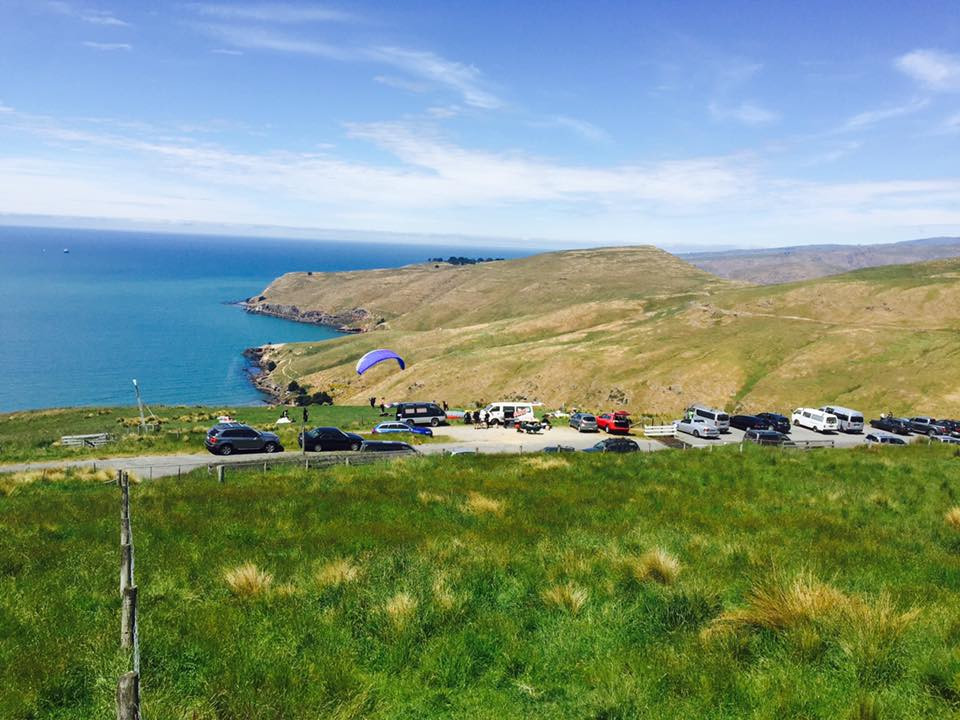

User reviews (0)