
 简体中文
简体中文 English
darksky.org
DarkSky International restores the nighttime environment and protects communities from the harmful effects of light pollution through outreach, advocacy, and conservation.
At a glance
- Category
- Nonprofits & Volunteering
- Language
- English
- Paid-content signal
- No paid content foundObserved
- Registered
- 1995
- Hosting
- CloudflareInferred
- HTTPS certificate trusted
- PassedObserved
- Last updated
Related questions
More questions →What Are International Dark Sky Places and How Can I Visit One?
International Dark Sky Places are sites certified by DarkSky International through its International Dark Sky Places program, which works with communities, parks, municipalities, and the public to certify and protect dark places for humans and wildlife alike. If you want to experience a protected night sky, the practical path is to find a certified place through DarkSky International, then plan your visit around the site's own access rules and conditions.
What the International Dark Sky Places program does
DarkSky International describes the program as a conservation effort: it certifies and protects dark places, not just as scenic spots but as environments that matter for wildlife and human well-being. The program's partners include communities, parks, and municipalities, which means a certified place is usually the result of local policy and lighting practice as much as natural darkness.
This matters if you are choosing where to go. A certified Dark Sky Place is not simply a remote location with no lights; it is a place where outdoor lighting has been evaluated and managed toward dark sky friendly practices.
How to find a Dark Sky Place to visit
DarkSky International provides a direct entry point on its site: Visit a Dark Sky Place. That is the page to use when your goal is to locate a certified site rather than to read about the program in general.
A simple sequence:
- Go to the DarkSky International website and open the "Visit a Dark Sky Place" section.
- Browse the listed places to find one in a region you can realistically reach.
- Check the individual place's own visitor information before traveling, since access, hours, and facilities are set locally, not by the certification itself.
The site's example image, Mont Mégantic, Canada, credited to Rémi Boucher, illustrates the kind of location the program covers.
What certification means for a community
Certification is tied to responsible lighting practice. DarkSky International states that light pollution can be addressed through responsible lighting practices, dark sky friendly legislation, and scientific research. A certified place therefore signals that a community or park has taken steps in that direction.
For visitors, the potential benefits are a darker night sky and a better viewing experience. For the community, the program's framing suggests protection of the nighttime environment alongside the local effort required to maintain it. The site does not publish visitor statistics or tourism revenue figures, so any claim about economic impact should be checked with the specific place rather than assumed from certification alone.
Related ways to engage beyond visiting
If you want to do more than visit, DarkSky International lists several adjacent paths:
- Get involved as an individual supporter of dark sky efforts.
- Find your local chapter — the organization says its 65+ international chapters are at the forefront of the dark sky movement.
- Find approved lighting products through the DarkSky Approved program, which evaluates and certifies dark sky friendly outdoor lighting equipment and projects.
- Follow public policy work, where the organization works with communities and governments on night sky protection and quality outdoor lighting.
Quick reference
| Goal | Where to start |
|---|---|
| Find a certified place to visit | "Visit a Dark Sky Place" on darksky.org |
| Understand why darkness matters | "What is light pollution?" section |
| Get involved locally | "Chapters near you" / "Get involved" |
| Choose better outdoor lighting | DarkSky Approved products |
| Support policy change | Public policy section |
The main condition to keep in mind: certification is granted to a place, but the visit itself depends on that place's own rules, so confirm details locally before you go.
How DarkSky Approved Lighting Certification Works
DarkSky International's DarkSky Approved program evaluates and certifies outdoor lighting in two distinct categories: lighting equipment (individual products) and lighting projects (installed systems). If you are shopping for outdoor fixtures and want a credible shortcut to responsible lighting, the equipment certification is the relevant one — it lets you filter products by a third-party evaluation rather than relying on a manufacturer's own "dark sky friendly" claim. The program involves manufacturers, retailers, designers, communities, and others, and DarkSky International publishes a searchable list of approved products.
What the certification actually covers
The program splits into two tracks, and mixing them up is the most common source of confusion:
| Track | What is evaluated | Who it's for |
|---|---|---|
| DarkSky Approved lighting equipment | Individual outdoor lighting products | Manufacturers, retailers, designers, and buyers selecting fixtures |
| DarkSky Approved lighting projects | Installed outdoor lighting systems at a site | Communities, municipalities, and project owners |
For a purchasing decision, the equipment track is what you can act on directly. The project track matters if you are specifying or retrofitting lighting for a whole site — for example, a streetlight LED retrofit of the kind DarkSky International documents in Portland, Oregon.
Why the certification is useful when buying
Light pollution is defined by DarkSky International as the human-made alteration of outdoor light levels from those occurring naturally. Its documented effects include disruption of wildlife, impacts on human well-being, wasted money and energy, contribution to climate change, and loss of our view of the universe. A fixture that carries DarkSky Approved status is one that has been evaluated against the organization's criteria for responsible outdoor lighting, which is a more specific signal than marketing language.
That matters because "dark sky friendly" is not a protected term. Any product page can use it. The certification gives you a defined evaluation performed by the organization that runs the International Dark Sky Places program and works with governments on outdoor lighting policy.
How to find approved lighting products
- Go to darksky.org and locate the DarkSky Approved program section, which describes the equipment and project certification tracks.
- Use the "Find approved lighting products" entry point linked from that section.
- Search or browse the listed products, then match what you find against the fixture type, mounting, and performance needs of your site.
- If a product you are considering is not listed, treat any dark sky claim on its packaging as unverified by DarkSky International.
The expected result is a shortlist of fixtures that have already cleared the organization's evaluation, which you can then narrow by your own technical requirements.
Where the certification stops
Certification of a product does not certify your installation. A correctly rated fixture can still produce glare, trespass, or skyglow if it is aimed badly, over-bright, or left on when not needed. DarkSky International frames the broader solution as responsible lighting practices, dark sky friendly legislation, and continued scientific research — the product list addresses only the equipment part of that.
If you want to go further than product selection, the organization's other routes are:
- International Dark Sky Places — certified and protected dark places you can visit, run with communities, parks, and municipalities.
- Public policy work — engagement with communities and governments on night sky protection and outdoor lighting quality.
- Education and outreach — global information sharing supported by volunteer Advocates.
- Local chapters — more than 65 international chapters; a chapter finder is available on the site if you want to get involved locally.
Practical takeaway
Use DarkSky Approved equipment certification as a screening filter when you buy outdoor lighting, then apply responsible lighting practice at installation. If you are lighting a whole site rather than choosing fixtures, look at the project certification track instead, and check whether your area has a local chapter or relevant dark sky friendly legislation that sets requirements beyond the product list.
What Is Light Pollution and Why Does It Matter?
Light pollution is the human-made alteration of outdoor light levels from those occurring naturally. It matters because it disrupts wildlife, impacts human well-being, wastes money and energy, contributes to climate change, and blocks our view of the universe. If you are trying to understand what light pollution is, why it is more than an astronomy problem, or what can realistically be done about it, the sections below cover the definition, the effects, and the main paths to solutions.
What counts as light pollution
The definition is broader than most people expect. It is not only the glow over a city. Any human-made change to natural outdoor light levels qualifies — including light that is brighter than needed, aimed where it is not wanted, or present at times when the environment would naturally be dark.
That framing matters because it means light pollution is not a single problem with a single fix. It is the cumulative result of many lighting decisions: streetlights, parking lots, buildings, signs, and residential outdoor fixtures.
Why it matters: the five effects
DarkSky International groups the consequences into five areas:
| Effect | What it means in practice |
|---|---|
| Disrupts wildlife | Artificial light at night interferes with the natural behaviors of animals that depend on darkness |
| Impacts human well-being | Exposure to altered night light levels affects people, not just ecosystems |
| Wastes money and energy | Light that is brighter than necessary or pointed at the sky consumes energy without serving its purpose |
| Contributes to climate change | That wasted energy carries an emissions cost |
| Blocks our view of the universe | Skyglow washes out the night sky for anyone trying to observe it |
The practical takeaway: light pollution is a rare environmental issue where the harm and the waste come from the same source. Light that spills upward or shines when it is not needed is both a pollutant and a wasted expense.
What can be done about it
DarkSky International points to three broad approaches:
- Responsible lighting practices — lighting that is used only where and when it is needed, at appropriate levels.
- Dark sky friendly legislation — policy that sets expectations for outdoor lighting at the community or government level.
- Advancing scientific research — building the evidence base for how light pollution affects ecosystems and people.
These operate at different scales. Legislation and research are collective efforts; responsible lighting practices are something an individual property owner, facility manager, or municipality can act on directly.
How individuals and communities get involved
The site offers several concrete entry points rather than a general call to care:
- Find your local chapter. DarkSky International has 65+ international chapters, described as being at the forefront of the dark sky movement. If you want to act locally, this is the most direct starting point.
- Visit a Dark Sky Place. The International Dark Sky Places program works with communities, parks, and municipalities to certify and protect dark places for humans and wildlife. Visiting one is a way to see what protection looks like in practice.
- Choose approved lighting. The DarkSky Approved program evaluates and certifies dark sky friendly outdoor lighting equipment and projects, working with manufacturers, retailers, designers, and communities. If you are replacing outdoor fixtures, this is where to check what qualifies.
- Follow public policy work. DarkSky International works with communities and governments on night sky protection and outdoor lighting quality.
- Use education and outreach resources. The organization networks globally to share information and expertise, and supports local efforts through volunteer Advocates.
A reasonable way to start
If your goal is to reduce light pollution rather than just understand it, the sequence that matches how the problem is structured is:
- Identify the lighting you control — your home, business, or the facilities you manage.
- Check whether it is brighter than needed, aimed where it is not wanted, or on when it does not need to be.
- If you are buying fixtures, look for DarkSky Approved equipment.
- If you want to work beyond your own property, find your local chapter or look into how your community handles outdoor lighting policy.
Light pollution is unusual among environmental problems in that the fix often saves money rather than costing it, since the wasted light is also the wasted energy. That is the practical reason the issue attracts support from groups that do not always agree on environmental questions.
How Can I Get Involved With DarkSky International?
You can get involved with DarkSky International in four main ways: join or contact a local chapter, volunteer as an Advocate, adopt responsible lighting practices where you live or work, and support dark sky friendly policy or research. The right entry point depends on whether you want hands-on local work, a formal volunteer role, or simply to change the lighting around you. DarkSky International describes its work as restoring the nighttime environment and protecting communities from the harmful effects of light pollution through outreach, advocacy, and conservation.
Start With Your Local Chapter
DarkSky International states that its 65+ international chapters are "at the forefront of the dark sky movement." If your goal is to act locally, this is usually the fastest route.
- Use the "Find your local chapter" tool on the site to see whether a chapter exists near you.
- If one does, contact it directly to ask what volunteer work is currently needed.
- If none exists, the site's broader "Get involved" path and its volunteer Advocates network are the alternative ways to connect with the movement.
Volunteer as an Advocate
DarkSky International says it supports local efforts through its volunteer Advocates, and that it networks globally to share information and expertise. This role suits people who want to spread awareness and support local initiatives rather than only change their own property.
Before committing, it is worth asking a chapter or the organization what an Advocate actually does in your region, since the site describes the role at a general level rather than listing specific tasks.
Change the Lighting Around You
The site frames the solution to light pollution around three actions: following responsible lighting practices, passing dark sky friendly legislation, and advancing scientific research. The first of these is something an individual can do without joining anything.
If you want to go further than changing your own fixtures, the DarkSky Approved program evaluates and certifies dark sky friendly outdoor lighting equipment and lighting projects, working with communities, manufacturers, retailers, and designers. You can use the approved products list when choosing or specifying outdoor lighting.
Support Policy and Research
For those who want to influence rules rather than individual fixtures, DarkSky International says it works with communities and governments to prioritize night sky protection and quality outdoor lighting. This is the policy side of the same three-part approach.
The organization also presents a global conference for the dark sky movement and gives awards to exemplars, which are additional ways to engage if you prefer events and recognition over local organizing.
Visit or Promote a Dark Sky Place
The International Dark Sky Places program certifies and protects dark places for humans and wildlife, working with communities, parks, municipalities, and the public. Visiting a designated place is a low-commitment way to engage, and it also supports the conservation argument for the program.
Choosing Your Entry Point
| If you want to... | Start here |
|---|---|
| Act locally with other people | Find your local chapter |
| Volunteer in an outreach role | Ask about the Advocates network |
| Fix lighting on your own property | Follow responsible lighting practices; check DarkSky Approved products |
| Influence rules and standards | Support dark sky friendly legislation; follow the public policy work |
| Contribute to knowledge | Support scientific research in the field |
| Engage through events | The global dark sky conference and awards |
The site does not state membership fees, login requirements, or application deadlines for chapters, Advocates, or the conference, so confirm those details directly with the chapter or organization before planning around them.
What is DarkSky International?
DarkSky International is a nonprofit organization that works to restore the nighttime environment and protect communities from the harmful effects of light pollution. Its work runs through outreach, advocacy, and conservation, and it operates several programs that the public can actually use: a certification program for dark sky places, a certification program for outdoor lighting products and projects, public policy work, education and outreach, and a network of local chapters. If you want to know what light pollution is, where to find a protected dark sky location, which outdoor lights are considered dark sky friendly, or how to get involved locally, this is the organization behind those resources.
What the organization says about light pollution
DarkSky International defines light pollution as the human-made alteration of outdoor light levels from those occurring naturally. According to the organization, its effects include:
- Disrupting wildlife
- Impacting human well-being
- Wasting money and energy
- Contributing to climate change
- Blocking our view of the universe
The organization frames the solution around three broad approaches: following responsible lighting practices, passing dark sky friendly legislation, and advancing scientific research in the field. It also points individuals toward ways to get involved.
The main programs
International Dark Sky Places
This program works with communities, parks, municipalities, and the public to certify and protect dark places for humans and wildlife alike. The practical value for a general reader is that it produces a set of designated places you can visit — the site highlights Mont Mégantic in Canada as an example. If your goal is to find somewhere to experience a genuinely dark night sky, this program is the entry point.
DarkSky Approved
This program works with communities, manufacturers, retailers, designers, and others to evaluate and certify dark sky friendly outdoor lighting equipment, as well as dark sky friendly outdoor lighting projects. If you are choosing outdoor fixtures — for a home, a business, or a municipal retrofit — this is where the organization's lighting criteria live. The site's example of the program's scope is streetlights being retrofitted with LEDs in Portland, Oregon, U.S.
Public policy
The organization works with communities and governments to prioritize night sky protection and quality outdoor lighting. This is relevant if you are dealing with local lighting ordinances or want to push for one.
Education and outreach
DarkSky International networks globally to share information and expertise, and supports local efforts through volunteer Advocates. This is the layer most useful to someone who wants to learn or teach rather than buy or travel.
Other work
The organization also collaborates widely, presents a global conference for the dark sky movement, and gives awards to exemplars.
Getting involved locally
DarkSky International states that it has 65+ international chapters at the forefront of the dark sky movement, and it offers a chapter finder so you can locate the one nearest you. If you want to act rather than just read, finding a local chapter is the most direct route — local chapters are where volunteer effort, local advocacy, and community events actually happen.
The organization also lists partners, noting that its efforts are multiplied by partnerships around the world.
How to decide whether this site is useful to you
| If your goal is… | Go to… |
|---|---|
| Understand what light pollution is and why it matters | The light pollution explainer |
| Visit a protected dark location | International Dark Sky Places |
| Choose or specify outdoor lighting | DarkSky Approved |
| Change local lighting rules | Public policy |
| Volunteer or join locally | Chapters near you |
| Learn, teach, or connect with others | Education and outreach |
One caveat worth stating plainly: the site presents itself as an advocacy and certification organization, so its explanations of light pollution effects and solutions reflect that mission. That does not make the underlying astronomy and ecology wrong, but if you need regulatory or health decisions, treat the site as a starting point and check the primary sources it points to.
Website Overview
Identifiable technologies and additional version or configuration signals make the service easier to fingerprint, which may help targeted scanners narrow their checks. An established domain and managed infrastructure suggest continuity of operations and may support dependable delivery, although neither guarantees service quality.
Domain and Registration
Registered in 1995, this domain has about 31 years of history. That suggests continuity, although ownership and purpose may have changed. Transfer-protection status is present, helping reduce the risk of unauthorized domain transfers. The registrar is Cloudflare, Inc., a widely used domain service provider. The domain uses the common .org extension, which is not an independent safety signal.
DNS and Email
The lowest TTL is 6 seconds, supporting rapid record changes at the cost of more frequent lookups. Nameservers are provided by Cloudflare, indicating managed DNS hosting. MX records point to the Google Workspace email service. No CNAME was found; the observed records resolve directly to addresses. SPF and DMARC are configured. DKIM status is unknown.
TLS and Certificates
The public key uses EC with 256 bits. The server supplied a complete certificate chain. No organization name is present in the certificate; the available fields are consistent with domain validation. The certificate was issued within the Google Trust Services cloud or CDN ecosystem. The certificate's total validity is about 90 days, consistent with a short renewal cycle.
HTTP and Browser Security
The response lacks these common security headers: Permissions-Policy. No X-Powered-By header was found, reducing one common source of backend fingerprinting information. The cf-ray response header indicates a CDN or caching proxy in the delivery path. No obvious internal addresses or debug information were found in the headers. The Server header identifies cloudflare without an exact version.
Technology Stack Analysis
The public page identifies Site Kit by Google 1.186.0, WordPress, jQuery, Google Tag Manager, Cloudflare, with exact versions exposed for 1 technologies. These details can narrow vulnerability checks, although exposure alone is not a vulnerability.
Search and Social Sharing
The title has 85 characters and may be truncated in search results. The meta description has 171 characters and may be shortened in search results. The Generator tag identifies Site Kit by Google 1.186.0, making the publishing system easier to fingerprint. Twitter Card metadata is configured. JSON-LD includes Organization data, helping describe the organization as an entity.
Hosting and Email
 Cloudflare
 Google Workspace
Registration details
| Registrar | Cloudflare, Inc. |
|---|---|
| Registered | 1995-04-24 |
| Expires | 2032-04-25 |
| Domain status | client transfer prohibited |
| Nameservers | julissa.ns.cloudflare.com、kobe.ns.cloudflare.com |
| DNSSEC | unsigned |
DNS records
| Type | Name | Value | TTL | Priority |
|---|---|---|---|---|
| A | darksky.org | 104.20.32.199 | 6 | — |
| A | darksky.org | 172.66.162.79 | 6 | — |
| AAAA | darksky.org | 2606:4700:10::6814:20c7 | 300 | — |
| AAAA | darksky.org | 2606:4700:10::ac42:a24f | 300 | — |
| MX | darksky.org | aspmx.l.google.com | 300 | 1 |
| MX | darksky.org | alt1.aspmx.l.google.com | 300 | 5 |
| MX | darksky.org | alt2.aspmx.l.google.com | 300 | 5 |
| MX | darksky.org | aspmx2.googlemail.com | 300 | 10 |
| MX | darksky.org | aspmx3.googlemail.com | 300 | 10 |
| NS | darksky.org | julissa.ns.cloudflare.com | 86400 | — |
| NS | darksky.org | kobe.ns.cloudflare.com | 86400 | — |
| TXT | darksky.org | MS=ms53232266 | 60 | — |
| TXT | darksky.org | box-domain-verification=515797591be381447fc7120108df2bf32efa5069271bf8cc5840582149d7a7ea | 60 | — |
| TXT | darksky.org | google-site-verification=L29J-cpxzKrOpmwOplqaB8jC2MKe02EAPLnrkjpkd0g | 60 | — |
| TXT | darksky.org | google-site-verification=bnXHf6azY0V8PGO2P_61SHpZIu7mPTSHxzlWZpJYfpc | 60 | — |
| TXT | darksky.org | v=spf1 mx include:_spf.google.com include:servers.mcsv.net include:_spfprod.ngpvan.com ~all | 60 | — |
| DMARC | _dmarc.darksky.org | v=DMARC1; p=quarantine; fo=1 | 300 | — |
TLS and certificates
HTTP response headers
| Header | Value |
|---|---|
| content-type | text/html; charset=UTF-8 |
| cache-control | max-age=3600 |
| server | cloudflare |
| strict-transport-security | max-age=31536000; includeSubDomains |
| content-security-policy | frame-ancestors 'self' https://learn.darksky.org |
| x-frame-options | SAMEORIGIN |
| x-content-type-options | nosniff |
| referrer-policy | strict-origin-when-cross-origin |
Identified technologies
Pages, Search and Sharing
| Meta description | DarkSky International restores the nighttime environment and protects communities from the harmful effects of light pollution through outreach, advocacy, and conservation. |
|---|---|
| Canonical URL | https://darksky.org/ |
| Language | English (default) |
| Twitter Card | summary_large_image |
Social Sharing Preview
13 fields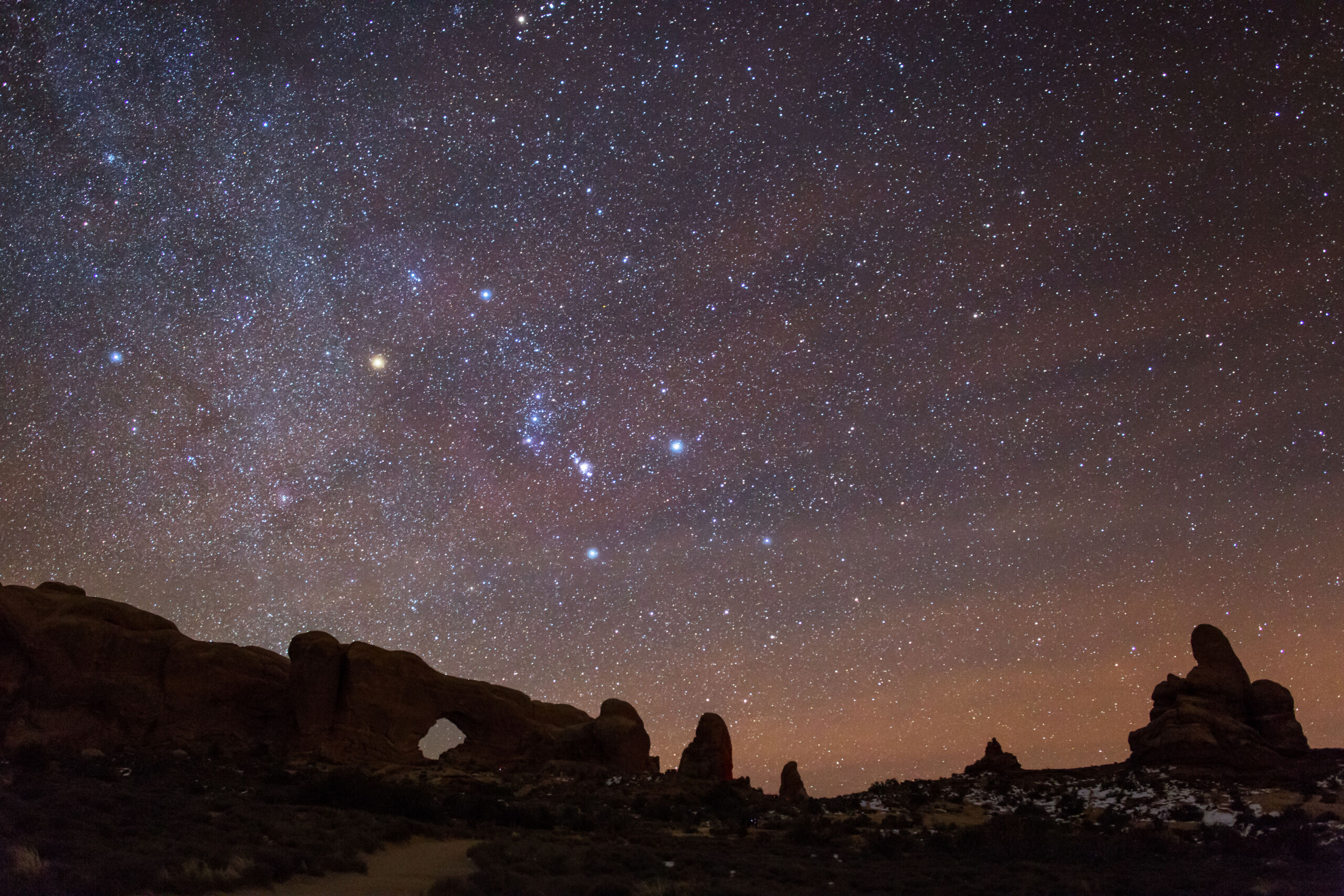

robots.txt (opens in a new tab)
2 rulesAll bots 1 allowed · 1 disallowed
- Allow
/wp/wp-admin/admin-ajax.php - Disallow
/wp/wp-admin/
No matching rules.
Sitemaps
1Recent Updates
- Website images
- Screenshots
- Network details
- Website Technologies
- Pages and Search Information
- HTTP Response Information
- TLS and certificates
- DNS Information
- Domain Registration
- Website profile
- Website Description
- Website Name
- Website profile
- Website Description
- Website Name
User reviews (0)