
 简体中文
简体中文 English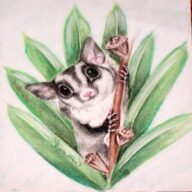
Website review
This review may include AI-generated content and is not individually verified. Domain, certificate and other facts come from the observed data on this page.
What is Eucalyptus Leaves, Branches and Perches used for?
Eucalyptus Leaves, Branches and Perches is a fresh-cut plant product sold mainly as enrichment and chew material for sugar gliders and pet birds. According to the site, sugar gliders nibble and bite the large leaves, while birds chew through the bark to sharpen their beaks and reach the inner material; both animals also use the smooth branches and perches. The same page notes the strong eucalyptus aroma lasts even after the product dries, and suggests dried leaves for potpourri or for boiling or burning to scent a home.
The practical appeal comes from the animals' natural background: sugar gliders originate from Australia and Tasmania, where eucalyptus grows wild, and the site describes gliders shaking, running around and hoarding leaves in their sleep houses. Bird owners, meanwhile, may value eucalyptus perches as a alternative to manzanita or birch. The seller describes its trees as unsprayed blue gums grown on remote land near Fort Bragg, California.
Who it suits
- Sugar glider owners looking for fresh leaves and small chew sticks
- Bird owners wanting natural perches and bark to chew
- Keepers who want a strongly scented, natural enrichment item rather than a manufactured toy
Trade-offs to weigh
- Fresh-cut material has a shorter useful life than dried wood or synthetic perches, though the site says the aroma persists as it dries.
- It is a single-purpose natural product; you still need a complete diet and other cage furnishings.
- Availability depends on a fresh harvest and shipping window, so plan orders around when you can use the material.
If you keep gliders, a reasonable first step is to order a small amount of leaves and one chew stick, offer them in a clean cage area, and watch whether your animals nibble, hoard or ignore them before committing to a larger or recurring order. The site lists a subscription option at Eucalyptus Leaves, Branches and Perches if you find it works for your pets.
How do I choose the right size of Eucalyptus branches or perches for my sugar glider or bird?
Match the branch to the animal's grip and chewing style, not to the biggest bundle. A perch should be thick enough that your pet's toes wrap roughly two-thirds around it without the front toes meeting the back toes; a chew stick or branch should be thin enough to hold in the front paws and gnaw without being a choking size.
Sugar gliders
- Perches: choose a diameter close to what they'd grip on a natural branch — narrow enough for a firm wrap, thick enough that the feet don't overlap. Offer more than one size so they can choose.
- Chew sticks and leaves: small, thin pieces they can hold and nibble. The site's own customers describe gliders nibbling the large leaves and working on chew sticks, and the page notes some gliders hoard leaves in their sleep pouches — so a mix of small and medium pieces suits them better than one long branch.
- Branches: a longer, smooth-skinned branch gives climbing and perching space; thinner offcuts become chew toys.
Birds
- Perches: diameter depends on foot size. Small birds (budgies, finches) need thin perches; larger parrots need thicker ones. The page describes birds chewing through the bark to sharpen beaks and reach the inner wood, so a perch that is too hard or too thin defeats the purpose.
- Chew sticks: pick a length your bird can hold against a perch or cage bar without it swinging loose. Bark-covered pieces are the point here, since the chewing is on the bark.
A quick decision rule
| Your pet | Perch diameter | Chew piece |
|---|---|---|
| Sugar glider | Toes wrap most of the way, no overlap | Thin stick or leaf held in front paws |
| Small bird | Thin, easily gripped | Short stick, bark intact |
| Larger parrot | Thick, sturdy, foot wraps comfortably | Longer stick, substantial bark |
Next step: order a small mixed selection — one perch-sized branch plus smaller chew sticks — and watch which one gets used first. That tells you more about your individual animal's preference than any size chart, because the page itself notes that response varies and that gliders in particular can become enthusiastic about fresh eucalyptus. Fresh cut material also dries over time; dried leaves still work well for scent and potpourri, but replace perches once they become brittle or soiled. If you keep both birds and gliders, buy separately sized pieces rather than trimming one large branch to fit both.
Are the Eucalyptus products safe for my pets if they are not sprayed or contaminated?
Yes—based on the product page, the safety claim rests on the growing conditions: the eucalyptus comes from a remote property off the northern California coast, and the seller states the trees have never been sprayed, contaminated, or altered. That is the seller's own claim about their land and harvesting, not an independent certification, so treat it as a starting point rather than a guarantee.
What the page actually says
- The trees are Eucalyptus globulus (Blue Gums) growing on the seller's wooded acreage near Fort Bragg, California.
- The page describes the product as "always fresh, never sprayed," cut fresh and shipped by USPS Priority Mail (2–3 days).
- Intended users are sugar gliders and pet birds. Gliders nibble the leaves; birds chew bark to sharpen beaks; both use the branches and perches.
- Buyers reportedly include members of glider-owner communities, and the page notes free eucalyptus seeds with orders.
Practical reading for a pet owner
"Not sprayed" matters most for two risks: pesticide residue and surface contamination from handling or storage. A remote, unsprayed growing site reduces the first risk. The second depends on how the material is cut, packed and shipped—fresh-cut material arriving in 2–3 days is a reasonable sign, but you should still inspect what arrives.
A concrete scenario: you order a pound of leaves and chew sticks for a sugar glider. On arrival, check for mold, mustiness, insect activity or an unusually harsh chemical smell. Rinse or wipe branches if you plan to use them as perches, and discard anything damp or discolored. Introduce eucalyptus gradually rather than as a sudden staple, and keep offering the species' normal diet—eucalyptus is a supplement and enrichment item, not a complete food for gliders or birds.
Decision criteria
| Question | Why it matters |
|---|---|
| Does the seller state the growing site and spray status? | This page does; a vague "natural" label tells you less. |
| Is it shipped fresh and quickly? | Freshness affects mold and spoilage risk. |
| Can you inspect on arrival? | Lets you catch contamination the seller can't control. |
| Does your vet support adding it? | Species-specific tolerance varies; ask before making it routine. |
Next step: before ordering, ask the seller directly whether the material is cut to order, how it is packed, and whether any post-harvest treatment (wash, fumigant, preservative) is used—those details aren't spelled out on the page. If you keep sugar gliders, glider-owner communities such as GliderCENTRAL are a useful place to compare other owners' experiences with fresh eucalyptus.
How fresh are the Eucalyptus leaves and branches when they arrive, and how should I store them?
Freshness on arrival depends on shipping time, not on a stated “picked today” guarantee. The site ships by USPS Priority Mail with an expected 2–3 days in transit, so plan on leaves and branches arriving within roughly that window after they are cut and packed. Once they arrive, treat them as a perishable enrichment item: they are most appealing while still green and aromatic, and they naturally dry out over time.
What to expect on arrival
- Leaves and chew sticks are sold fresh, not dried, so they should still be pliable and strongly scented when the box is opened.
- Branches and perches are described as smooth-skinned and suitable for chewing as well as climbing.
- The site notes that the aroma lingers even after the product ages and dries, so a less-fresh bundle is not necessarily useless.
How to store them
- Keep the bundle in a breathable container or paper bag rather than a sealed plastic bin, which can trap moisture and encourage mold.
- Store in a cool, dry spot out of direct sun. A refrigerator crisper can slow drying for a few days if you wrap the cut ends in a damp paper towel, but do not let the leaves sit wet.
- Offer small amounts at a time and replace anything that becomes damp, slimy or musty. Dried leaves can be repurposed as potpourri or simmered for scent rather than fed.
- For sugar gliders, the site describes them nibbling leaves and hoarding them in sleep houses, so expect some mess and check hiding spots for spoiled pieces. For birds, chewing through bark is part of the appeal, so a perch that dries out is still usable as a chew item until it becomes brittle or soiled.
A practical decision rule
If you want peak freshness, order in smaller amounts more often rather than stocking up, and time the order so someone can unpack it the day it lands. If your pet loses interest once the material dries, a subscription may suit you better than a bulk order; the site lists a subscriptions page, though the details are not spelled out here. For general background on safe enrichment and storage, see GliderCENTRAL and USPS for the Priority Mail service window.
Can I grow my own Eucalyptus from the free seeds included with my order?
Yes. The site says it includes free Eucalyptus seeds with any order if you ask for them, so you can try growing your own. Treat this as a bonus experiment rather than a guaranteed supply: germination and survival depend on the species, seed freshness and your local climate.
What the site actually offers
- Free seeds with any order, on request.
- Fresh cut leaves, chew sticks, branches and perches for sugar gliders and birds.
- Product marketed as never sprayed, sold by the pound, shipped via USPS Priority Mail in the US.
Practical next step When you order, explicitly ask for the free seeds, then sow them soon after arrival. Use a light, well-draining mix, keep it evenly moist but not soggy, and give plenty of light. Eucalyptus is generally slow and uneven to germinate, so sow more seeds than the number of plants you want and expect some losses.
Decision criterion If your main goal is feeding gliders or birds, keep buying fresh cut material and treat home-grown seedlings as a long-term project. If you mainly want the aroma or potpourri, dried leaves from an order are the faster route.
For broader growing advice, see RHS or Penn State Extension.
What shipping methods are available and how long does delivery take within the US?
The site ships within the US using US Post Office Priority Mail, with delivery stated as 2–3 days. Orders are described as shipped anywhere in the US, and the product is sold by the pound.
For planning, treat the 2–3 day figure as transit time rather than a guaranteed arrival date: Priority Mail timing starts after the order is cut and packed, and fresh-cut plant material may not ship the same day. If you are ordering for a specific pet or event, ask the seller to confirm the cut-and-ship day before you rely on a date.
Useful next step: check the site's subscription option if you want recurring fresh deliveries, since that can reduce the need to reorder each time. Eucalyptus Leaves, Branches and Perches
 GoDaddy
 Microsoft 365
User reviews (0)