
 简体中文
 English

Website review
This review may include AI-generated content and is not individually verified. Domain, certificate and other facts come from the observed data on this page.
What is the University of Jaffna?
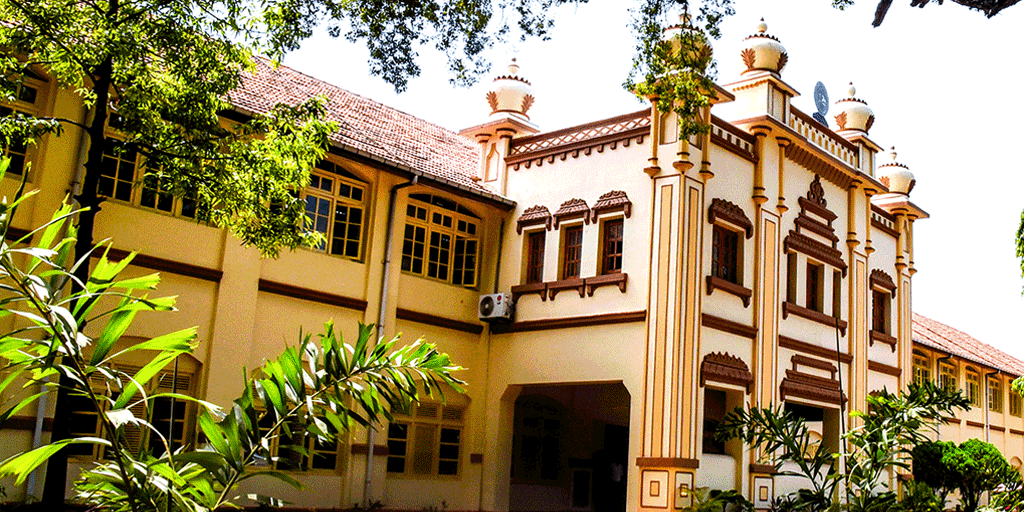
The University of Jaffna is a public university in Jaffna, Sri Lanka, established in 1974 as the sixth campus of the University of Sri Lanka. It is a general degree-granting institution serving the northern region, with a motto rendered as "Discernment is Wisdom." Its site is the official institutional home at University of Jaffna.
For a concrete use, a prospective student or parent can use the site to check news, events, and notices, which is where admissions, examination, and scheduling updates typically appear. A researcher or partner would look there for faculty contacts and institutional information rather than for rankings or programme comparisons.
As a next step, identify your purpose first: admissions and deadlines, academic programmes, or institutional contact. The notices and news sections are the most practical starting points for time-sensitive information.
How do I apply for admission to the University of Jaffna as an undergraduate?
Undergraduate admission to the University of Jaffna runs through Sri Lanka's centralised university selection system, not through a direct application to the university itself. In practice, you sit the G.C.E. Advanced Level examination, and the University Grants Commission (UGC) allocates you to a university and course based on your results, district, and the preferences you submit through the official UGC admission process. The University of Jaffna then registers the students it is allocated.
What this means for you
- You cannot apply to Jaffna directly as a school-leaver. Your route is the national UGC selection, and Jaffna appears as one of the universities you can be placed in depending on your Z-score and course.
- Course and medium matter. Jaffna offers programmes in several faculties, and some are taught in Tamil, some in English, and some in both. Check the UGC handbook for which courses and mediums are available before finalising your preferences.
- Keep an eye on official notices. Registration dates, required documents, and any special instructions are published by the university after allocation — the university's own site carries a notices section for exactly this.
Practical next step
Confirm the current admission cycle and your eligibility on the official UGC portal, then cross-check registration requirements on University of Jaffna. If you are an international applicant or seeking a transfer or special entry, contact the university's admissions office directly, since those routes fall outside the standard UGC process.
What undergraduate and postgraduate degree programs does the University of Jaffna offer?
The University of Jaffna's site presents it as a public university in Sri Lanka, but the supplied page evidence does not list its undergraduate or postgraduate degree programs. What the evidence does show is a homepage organized around University News, UoJ Events, and Notices, plus a Vision heading—so it functions more as an institutional news and announcements hub than as a program catalog.
What this means for prospective students
If you are choosing a program, the homepage alone will not answer questions like:
- Which faculties award bachelor's degrees, and in what subjects?
- Which postgraduate diplomas, master's and doctoral programs are offered?
- What entry requirements, duration and medium of instruction apply?
The most reliable next step is to open the site's faculties or academic programs section, or contact the relevant faculty office directly, rather than relying on news items. Notices may announce admissions or registration deadlines, but they typically assume you already know which program you are applying to.
A practical comparison of where to look
| Source | Best for | Limitation |
|---|---|---|
| University homepage news/notices | Admission announcements, deadlines, event dates | Not a structured list of degrees |
| Faculty or department pages | Specific degree names, curriculum, entry requirements | Spread across many pages |
| Official admissions or handbook documents | Authoritative program and eligibility details | Often published as PDFs that are easy to miss |
For orientation, the university's own site is University of Jaffna, and Sri Lanka's national university admissions process is handled through the University Grants Commission at University Grants Commission. A reader weighing Jaffna against other public universities might also compare program offerings via University of Colombo or University of Peradeniya to see how faculties and subject ranges differ.
Decision criterion: if you need a definitive program list, treat the homepage as a signpost only and confirm details with the faculty office or official admissions documentation before applying.
How can international students enroll or study at the University of Jaffna?
International students can study at the University of Jaffna, but enrollment is not a single self-service online process. The practical route is to choose a program, confirm that the university admits international applicants to it, and then apply through the university's international/student admissions channel rather than through the standard local undergraduate system.
What to do first
- Pick the level and faculty. Decide whether you want undergraduate, postgraduate, or short-term/visiting study. Each is handled differently, and postgraduate work usually begins with a department or supervisor.
- Check the program page for international eligibility. Look for an "international students," "foreign students," or admissions section on the official site: University of Jaffna.
- Contact the admissions office directly. Ask for the current application form, required documents, English proficiency expectations, and deadlines for your nationality and program.
- Prepare documents early. Typically: passport copy, academic transcripts and certificates, proof of English ability, financial evidence, and passport photos. For postgraduate study, add a research proposal or statement of purpose.
- Plan for visas and living costs. Once you have an offer, the university should guide you on the student visa process; budget separately for accommodation, food, and travel to Jaffna.
Practical decision criteria
| Your situation | Best starting point |
|---|---|
| Undergraduate degree | University admissions office; ask whether international quotas exist |
| Postgraduate coursework | Relevant faculty or department |
| Research degree (MPhil/PhD) | A supervisor in your field, then formal application |
| Short course or exchange | International relations office or your home institution |
A concrete example
Suppose you want a postgraduate degree in a science field. Email the relevant department with your transcript, a one-paragraph research interest, and your intended start date. If a supervisor responds positively, ask the admissions office which forms and fees apply to international candidates. This two-track approach—academic contact plus formal admissions—is usually faster than waiting on a general inquiry.
Useful next step
Draft a short email to the university's admissions or international office stating your degree level, field, nationality, and preferred intake. Ask specifically: "Am I eligible as an international applicant, what documents are required, and what are the deadlines?" That single message will tell you whether your plan is realistic before you invest in transcripts, translations, or travel.
What student accommodation, hostels, and campus facilities are available at the University of Jaffna?
The University of Jaffna's site gives little detail on student accommodation, hostels, or campus facilities, so a prospective student should treat the official site as a starting point rather than a complete guide. The page evidence shows only the university's vision statement plus news, events, and notices sections—no dedicated hostel or facilities listing is visible in the supplied material.
What to do next
- Check the Notices section for hostel applications, allocation rules, and deadlines, since accommodation announcements often appear there rather than in a fixed facilities page.
- Look for a Student Affairs or Welfare division contact; that office typically handles hostel placement and residential queries.
- For facilities, search the site for faculty-specific pages, since labs, libraries, and sports amenities are often described per faculty rather than centrally.
Example scenario
A first-year applicant from outside Jaffna would want to confirm three things before accepting an offer: whether a hostel place is guaranteed for new students, what the cost and meal arrangements are, and how far hostels sit from the relevant faculty. None of these can be confirmed from the supplied page evidence, so direct contact with the university is the practical step.
Decision criterion
If hostel capacity is limited, plan a fallback: identify private boarding options near the relevant campus early, and ask the university whether it maintains a list of approved lodgings. Compare that against the cost and commute of commuting from home.
For broader context on Sri Lankan public universities and how they handle accommodation, the official sites of peer institutions can help you calibrate expectations—for example University of Colombo or University of Peradeniya.
How can I check exam results, academic notices, and university news at the University of Jaffna?
Use the University of Jaffna's official site, University of Jaffna, as the starting point: its homepage carries University News, UoJ Events and Notices, which is where exam-related announcements and academic notices are typically posted. Check the Notices section first for result releases and deadlines, then University News for broader campus updates.
For a practical routine:
- Results: look for a results or examination-related notice under Notices; releases usually name the faculty, exam and date, so match those to your own registration.
- Academic notices: scan Notices regularly around exam periods, since deadlines for appeals, re-scoring or registration are often short.
- News and events: use University News and UoJ Events for ceremonies, closures and faculty-level activities.
If a notice points to a separate results portal or faculty page, follow that link from the official site rather than a forwarded message. As a next step, bookmark the Notices page and check it weekly during term, and confirm anything urgent with your faculty office, since official pages are the authoritative source for your own record.
 Google Workspace
 Kalutara, Kalutara District, Sri Lanka

User reviews (0)