
lottiefiles.com
 Paid content
 Multilingual
Categories: Social & Community
Effortlessly bring the smallest, free, ready-to-use motion graphics for the web, app, social, and designs. Create, edit, test, collaborate, and ship Lottie animations in no time!
 Visit website
 Updated: 2026-09-24 18:17
Language: English (default)
Updated: 2026-09-24 18:17
Language: English (default)
 Access: Normal
 Profile views 0
 Outbound visits 0
Related questions
More questions →Website Template vs Custom Website: Which Should You Choose on a Small Budget?
If you are working with a limited budget, the short answer is this: choose a ready-made responsive website template when your site is a straightforward brochure, portfolio, or landing page and you can live with its existing structure. Choose a custom website when you need unusual functionality, a distinctive user flow, or a design that must scale with a growing business. For most small budgets, a template gets you online faster and cheaper; custom work buys flexibility you may not need yet.
What You Are Actually Comparing
These two options are not just different price points — they are different products.
A website template is a pre-built design (layout, typography, colour scheme, page structures) that you adapt by swapping in your own text, images, and branding. A custom website is designed and built around your specific requirements, usually by a web designer or developer.
The trade-off is almost always: money and time versus flexibility and uniqueness.
Cost and Time: The Realistic Difference
| Factor | Ready-made template | Custom website |
|---|---|---|
| Upfront cost | Low, often a one-off or small licence fee | Significantly higher; priced per project or per hour |
| Time to launch | Days, sometimes hours | Weeks to months |
| Design uniqueness | Shared with other buyers of the same template | Built only for you |
| Structural changes | Limited to what the template allows | Anything you are willing to pay for |
| Ongoing costs | Hosting, domain, possibly template updates | Hosting, domain, maintenance, developer time |
| Who maintains it | Usually you, with provider support | You, your provider, or a retainer arrangement |
Exact figures vary widely by provider, region, and complexity, so treat any specific number — including "starting at" prices — as a starting point to verify, not a final budget.
What You Can and Cannot Change in a Template
This is where most budget buyers get surprised. A template is not infinitely editable.
Usually easy to change:
- Text, headings, and images
- Logo and brand colours (within the template's palette system)
- Contact details, social links, and basic SEO fields
- Adding or removing standard sections that the template already supports
Often difficult or impossible without custom work:
- The overall page grid and layout structure
- Adding a page type the template was never designed for
- Complex booking, membership, or e-commerce logic
- Unique interactive elements or animations
- Deep integration with third-party business systems
Before buying, ask directly: "Which parts of this template can I edit myself, and which require a developer?"
When a Template Is the Right Call
A template is usually sufficient when:
- You need a simple brochure site — home, about, services, contact.
- You are building a portfolio where images do the talking.
- You need a single landing page for a campaign or product.
- You want to test an idea before investing in a full build.
- Your budget is genuinely tight and speed matters more than originality.
In these cases, paying for custom design is often money spent on problems you do not have.
When Custom Is Worth the Money
Custom becomes justified when:
- You need functionality a template does not offer — custom calculators, portals, booking flows, or membership areas.
- Your user journey is unusual and a standard layout would confuse visitors.
- Your brand depends on a distinctive look that a widely used template cannot deliver.
- You expect significant growth and need a structure that can expand without a rebuild.
- You need specific integrations with existing business tools.
If two or more of these apply, a template may cost you more in workarounds than a custom build would have cost upfront.
Do Not Forget the Ongoing Side
The purchase price is only part of the picture. Ask about:
- Hosting — who provides it, and what happens if you outgrow it?
- Updates — who applies security and compatibility updates, and how often?
- Maintenance — if something breaks, who fixes it, and is that included?
- Ownership — do you own the design and content if you leave?
- Support — is there a free trial, a support window, or a paid retainer?
A cheap template with no support can become expensive the first time it breaks.
A Short Checklist Before You Commit
Ask any provider — template seller or custom designer — these questions:
- What exactly is included in the price, and what costs extra?
- Can I edit text, images, and layout myself? How?
- Is the design mobile-friendly and responsive by default?
- Who handles hosting, updates, and security?
- What happens if I want to change the structure later?
- Do I own the site and can I move it elsewhere?
- Is there a trial, refund, or cancellation policy?
- How long until the site is live?
Bottom Line
On a small budget, start with a responsive template if your needs are standard and your priority is getting online quickly. Move to a custom website only when your requirements genuinely exceed what a template can do — unusual functionality, a unique user flow, or long-term scalability. Match the tool to the job, and verify the ongoing costs before you pay, not after.
What Is an App and How Do You Choose the Right One?
An app is a software program built to perform a specific set of tasks for a user, usually on a phone, tablet, or computer. The word is short for "application," and it covers everything from a calculator on your phone to a professional design tool. You choose the right one by matching it to your platform, checking what data and permissions it asks for, and reading recent reviews from people with the same device you own. If you only need to look something up once, a website is often enough; if you will return to the same task repeatedly, an app is usually the better fit.
App vs. website vs. desktop program
These three terms overlap, so it helps to separate them by where the software runs and how you get it.
| Type | Where it runs | How you get it | Typical strength |
|---|---|---|---|
| Native app | Installed on your device (iOS, Android, Windows, macOS) | App store or direct download | Fast, works offline, uses device features like camera and notifications |
| Web app | Inside a browser tab | A URL, sometimes installable to your home screen | No install, updates automatically, works across devices |
| Desktop program | Installed on a computer | Vendor site, store, or package manager | Full keyboard and file access, heavier workloads |
| Website | Inside a browser | A URL | Quick one-off visits, nothing to maintain |
A web app and a website can look identical. The practical difference is whether it is designed to behave like software — saving state, working offline, sending notifications — rather than just displaying pages.
Native, web, and hybrid apps
The build method affects how an app feels and what it can do.
- Native apps are written specifically for one platform. They tend to be the fastest and most reliable, and they get new platform features first. The trade-off is that a developer must build and maintain a separate version for each platform.
- Web apps are built with standard web technology and run in a browser. One codebase serves everyone, but access to hardware and background features is limited.
- Hybrid apps wrap web code inside a native shell. They are cheaper to ship across platforms, but performance and polish can lag behind native, especially for graphics-heavy work.
For a design or icon tool, this distinction matters: precise input, color accuracy, and smooth rendering are easier to guarantee in a native build. The Iconfactory, for example, describes itself as crafting icons, apps, and user experiences across more than 25 years of client work, which is the kind of long-running studio track record worth checking when an app's visual quality is the point.
How to choose an app: a checklist
Run through these before you install anything.
- Platform compatibility. Confirm the app supports your exact OS version and device. A listing that says "iPhone" may not cover iPad or Mac without a separate purchase.
- Permissions. Ask what each permission is for. A note-taking app requesting contacts or continuous location is a mismatch worth questioning.
- Privacy and data handling. Look for a privacy policy and, on Apple platforms, the App Privacy labels that summarize data linked to you.
- Cost model. Determine whether it is free, paid up front, subscription, or free with in-app purchases. "Free" often means ads or a locked feature set.
- Reviews and update history. Sort reviews by most recent, not most helpful. An app last updated years ago is a risk on a current OS.
- Developer identity. A named studio with a website and support channel is easier to trust than an anonymous listing.
Installing, updating, and removing apps
The steps are similar across platforms, but the entry points differ.
- iOS and iPadOS: Install from the App Store; update under Settings → General → Software Update or the App Store's update list; remove by long-pressing the icon and choosing Remove App.
- Android: Install from Google Play or a trusted APK source; update in the Play Store's "Manage apps" section; uninstall by long-pressing the icon or via Settings → Apps.
- Windows: Install from the Microsoft Store or the vendor's installer; update through the Store or the app's own updater; uninstall via Settings → Apps → Installed apps.
- macOS: Install from the Mac App Store or a signed download; update through System Settings or the app itself; remove by dragging from Applications to the Trash, then emptying it.
Expected result: after install, the app appears in your launcher or Applications folder and opens without a permission prompt loop. If it does not, the install did not complete cleanly.
Common app problems and fixes
- Crashes on launch. Force-quit, restart the device, then check for an update. If it still fails, the app may not support your OS version.
- Excessive permissions. Revoke anything unrelated to the core function in your device's privacy settings. The app may lose a feature, but it should still run.
- Fake or clone apps. Verify the developer name matches the official site, check download counts, and be suspicious of apps that mimic a popular title with slightly altered spelling.
- Battery or data drain. Review background activity and restrict background refresh for apps that do not need it.
- Payment confusion. Check whether a subscription auto-renews and where it is managed — store billing and direct billing cancel in different places.
A quick decision rule
Choose a native app when you need speed, offline access, or device hardware. Choose a web app when the task is occasional or you want the same experience on any machine. Choose a desktop program when you need files, keyboard shortcuts, and heavier processing. And before committing to any of them, spend two minutes on the developer's track record and the most recent reviews — that is where most bad choices are avoided.
Website Overview
An established domain and managed infrastructure suggest continuity of operations and may support dependable delivery, although neither guarantees service quality. Several search or sharing settings need attention. Together they may make snippets, preview images or preferred URLs less consistent across platforms.
Domain and Registration
Registered in 2017, this domain has about 9 years of history. That suggests continuity, although ownership and purpose may have changed. Transfer-protection status is present, helping reduce the risk of unauthorized domain transfers. The registrar is GoDaddy.com, LLC, a widely used domain service provider. The domain uses the common .com extension, which is not an independent safety signal.
DNS and Email
Nameservers are provided by Cloudflare, indicating managed DNS hosting. MX records point to the Google Workspace email service. DNSSEC is enabled, allowing validating resolvers to authenticate signed DNS data. No CNAME was found; the observed records resolve directly to addresses. SPF and DMARC are configured. DKIM status is unknown.
TLS and Certificates
The public key uses EC with 256 bits. The server supplied a complete certificate chain. No organization name is present in the certificate; the available fields are consistent with domain validation. The certificate was issued within the Google Trust Services cloud or CDN ecosystem. The certificate's total validity is about 90 days, consistent with a short renewal cycle.
HTTP and Browser Security
The response lacks these common security headers: Referrer-Policy, Permissions-Policy. No X-Powered-By header was found, reducing one common source of backend fingerprinting information. The cf-ray response header indicates a CDN or caching proxy in the delivery path. No obvious internal addresses or debug information were found in the headers. The Server header identifies cloudflare without an exact version.
Technology Stack Analysis
The public page identifies HubSpot CMS, Tailwind CSS, Google Tag Manager, Cloudflare without precise versions, leaving fewer clues for version-specific scanning.
Search and Social Sharing
The title has 69 characters and may be truncated in search results. The meta description has 178 characters and may be shortened in search results. Twitter Card metadata is configured. JSON-LD includes Organization data, helping describe the organization as an entity. The page declares 8 language or regional alternatives using hreflang.
 Hosting and Email
 Cloudflare
 Hosting
 Google Workspace
 Location
 unknown
104.18.38.252
Location
Location unknown
104.18.38.252
 Pages, Search and Sharing
| Meta description | Effortlessly bring the smallest, free, ready-to-use motion graphics for the web, app, social, and designs. Create, edit, test, collaborate, and ship Lottie animations in no time! |
|---|---|
| Canonical URL | https://lottiefiles.com |
| Language | English (default) · Multilingual |
| Twitter Card | summary_large_image |
Social Sharing Preview
14 fields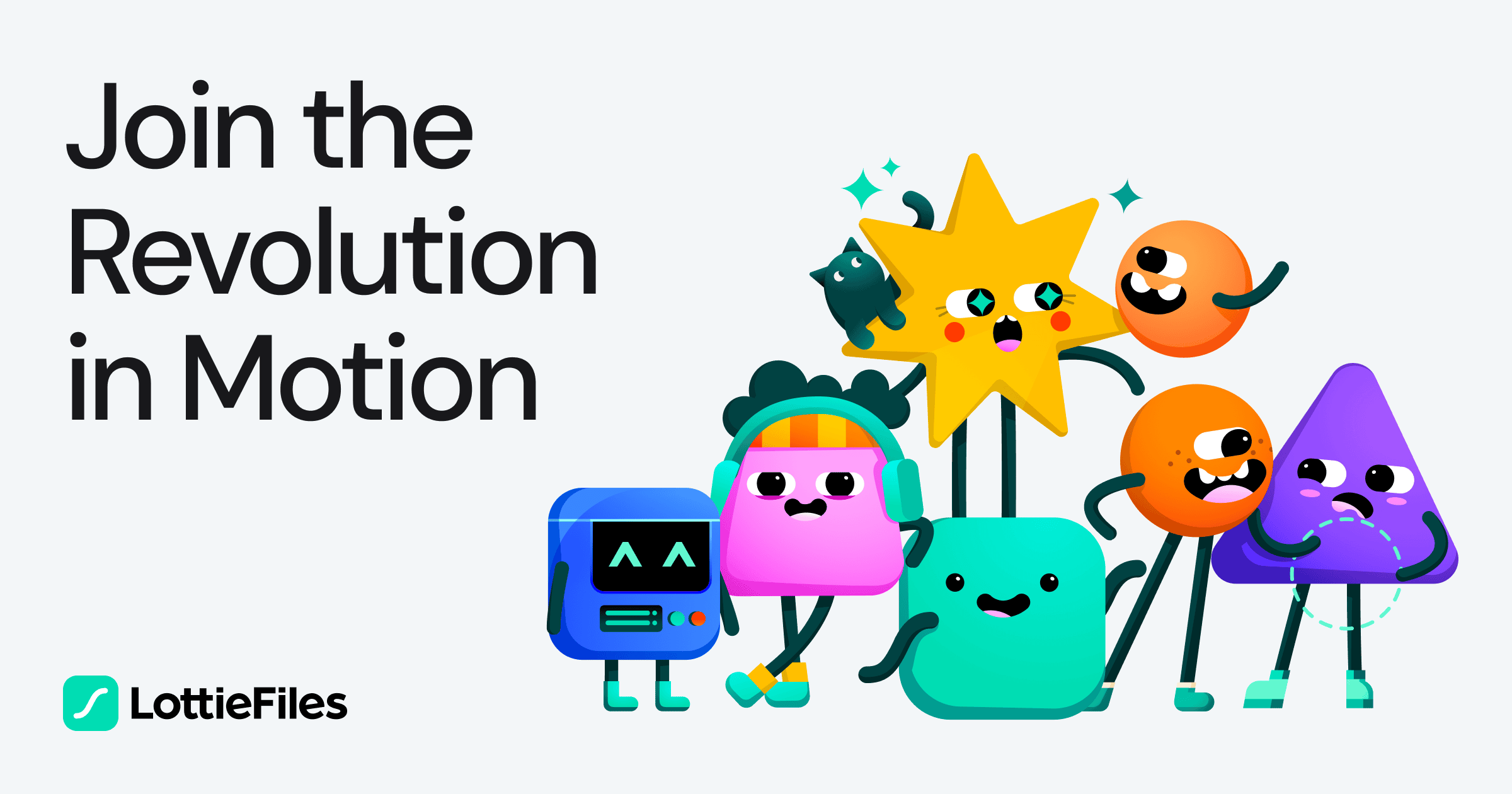

Sharing metadata
| og:url | https://lottiefiles.com |
|---|---|
| og:type | website |
| og:image | https://stp-v4-cdn.lottiefiles.com/ogimage_Homepage_b5840ac00c.png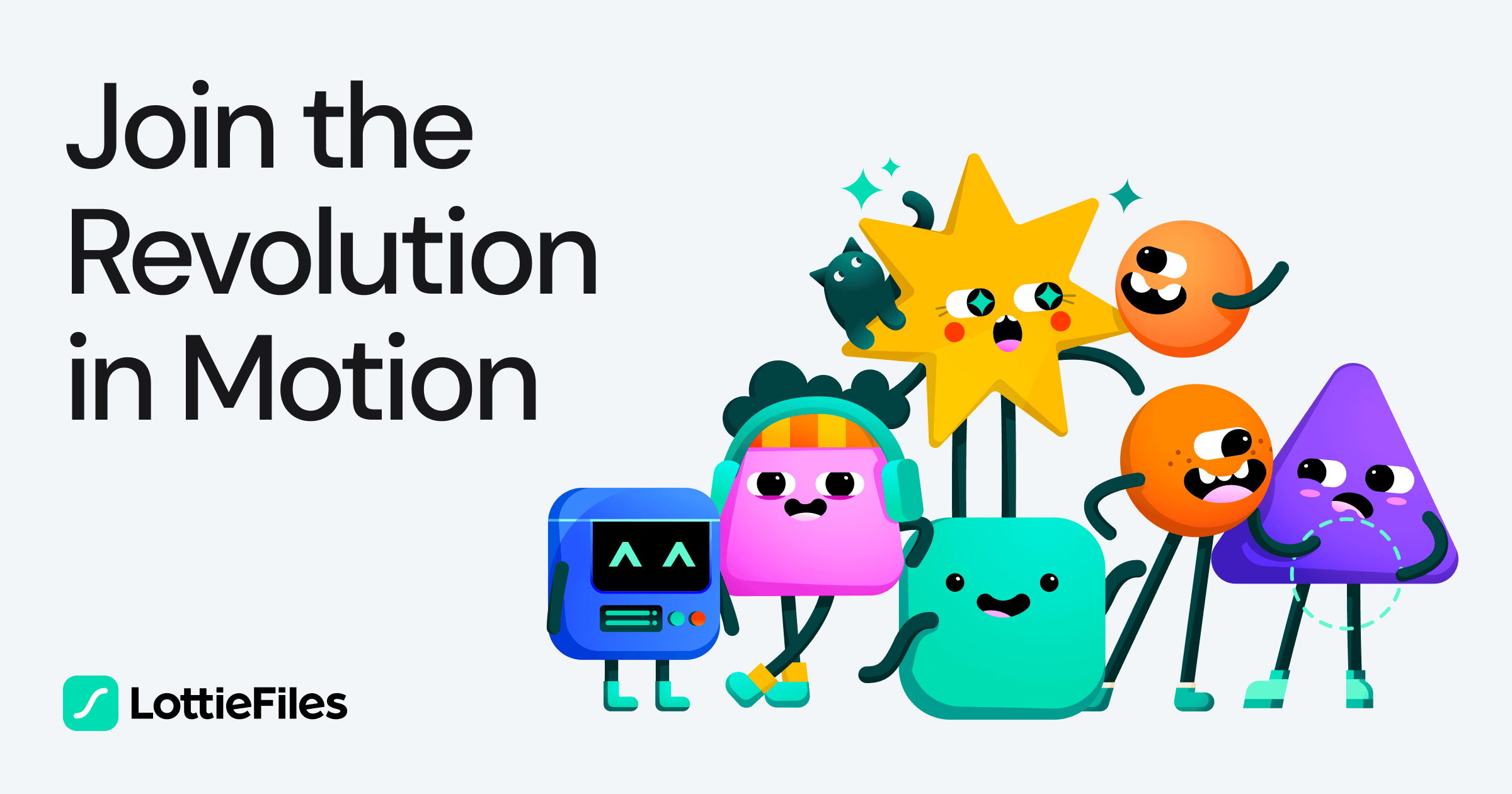 |
| og:title | LottieFiles: Download Free lightweight animations for website & apps. |
| og:site_name | LottieFiles |
| og:image:type | image/png |
| og:description | Effortlessly bring the smallest, free, ready-to-use motion graphics for the web, app, social, and designs. Create, edit, test, collaborate, and ship Lottie animations in no time! |
| og:image:width | 1200 |
| og:image:height | 630 |
| twitter:card | summary_large_image |
| twitter:site | @LottieFiles |
| twitter:image | https://stp-v4-cdn.lottiefiles.com/ogimage_Homepage_b5840ac00c.png |
| twitter:title | LottieFiles: Download Free lightweight animations for website & apps. |
| twitter:description | Effortlessly bring the smallest, free, ready-to-use motion graphics for the web, app, social, and designs. Create, edit, test, collaborate, and ship Lottie animations in no time! |
robots.txt (opens in a new tab)
HTTP 403Unknown
Sitemaps
0No sitemaps found
 Registration details RDAP / WHOIS
| Registrar | GoDaddy.com, LLC |
|---|---|
| Registered | 2017-02-03 |
| Expires | 2028-02-03 |
| Domain status | client delete prohibited、client renew prohibited、client transfer prohibited、client update prohibited |
| Nameservers | lia.ns.cloudflare.com、lou.ns.cloudflare.com |
| DNSSEC | signed |
 DNS records
| Type | Name | Value | TTL | Priority |
|---|---|---|---|---|
| A | lottiefiles.com | 104.18.38.252 | 125 | — |
| A | lottiefiles.com | 172.64.149.4 | 125 | — |
| AAAA | lottiefiles.com | 2606:4700:4404::ac40:9504 | 197 | — |
| AAAA | lottiefiles.com | 2a06:98c1:3104::6812:26fc | 197 | — |
| MX | lottiefiles.com | aspmx.l.google.com | 300 | 1 |
| MX | lottiefiles.com | alt1.aspmx.l.google.com | 300 | 5 |
| MX | lottiefiles.com | alt2.aspmx.l.google.com | 300 | 5 |
| MX | lottiefiles.com | alt3.aspmx.l.google.com | 300 | 10 |
| MX | lottiefiles.com | alt4.aspmx.l.google.com | 300 | 10 |
| MX | lottiefiles.com | mxa.mailgun.org | 300 | 10 |
| MX | lottiefiles.com | mxb.mailgun.org | 300 | 10 |
| MX | lottiefiles.com | u6h37u4granhtgexnbplg6yiiujlpzavf2nkih6nfqwsxe7z6jbq.mx-verification.google.com | 300 | 15 |
| NS | lottiefiles.com | lia.ns.cloudflare.com | 86400 | — |
| NS | lottiefiles.com | lou.ns.cloudflare.com | 86400 | — |
| TXT | lottiefiles.com | MS=ms87631444 | 300 | — |
| TXT | lottiefiles.com | ahrefs-site-verification_21ddbddd556faeb5c8c39c44567acdaae9710587781af13355513c2d4f473616 | 300 | — |
| TXT | lottiefiles.com | facebook-domain-verification=7bdcto4uat677icp39b0abqpmtj57t | 300 | — |
| TXT | lottiefiles.com | google-site-verification=0X-L7Po6BOb42s0GTlFlVatTjNpyCWrnfhNICSAzxEA | 300 | — |
| TXT | lottiefiles.com | google-site-verification=4X45blWLYAYt5wFo9Cje_15DSb4ON3_EdFdrWup_zmY | 300 | — |
| TXT | lottiefiles.com | google-site-verification=4w-E2YIYV1VBvDbSdSurnysLP8ON3hwCwsdAaZoWM78 | 300 | — |
| TXT | lottiefiles.com | google-site-verification=LmWvIuvjqAEaXglqO51Quo1DiiS8C91hg1oy1dHgeUY | 300 | — |
| TXT | lottiefiles.com | google-site-verification=jMNEQwEQ5UBVkVrcF4z4uG4ojqZcSDoN02ZhzZa4vPI | 300 | — |
| TXT | lottiefiles.com | google-site-verification=sNovzMjRZpgii9Ot5kCT1WBOW2pRMKH-rXsGdekUPHk | 300 | — |
| TXT | lottiefiles.com | google-site-verification=yLcJn4uv0Ak68GIvwAt_uH0fr4AldX1teT-RPU-wgGs | 300 | — |
| TXT | lottiefiles.com | kycaaokthx | 300 | — |
| TXT | lottiefiles.com | v=spf1 include:_spf.google.com include:mail.zendesk.com include:amazonses.com include:47508472.spf08.hubspotemail.net ip4:168.235.224.0/20 ip4:162.247.112.0/21 ip4:209.133.224.0/19 ~all | 300 | — |
| DS | lottiefiles.com | 2371 13 2 e00c280b7cee1953e8b478aa5d96fa7db465aa0a2c5a4daebdfe4e896dc863ec | 86400 | — |
| DMARC | _dmarc.lottiefiles.com | v=DMARC1; p=quarantine; rua=mailto:[email protected]; ruf=mailto:[email protected]; fo=1; sp=none; pct=50 | 300 | — |
 TLS and certificates
| Assessment | Normal configuration |
|---|---|
| Supported protocols | TLSv1.2、TLSv1.3 |
| Negotiated protocol | TLSv1.3 |
| Certificate subject | lottiefiles.com |
| Issuer | Google Trust Services |
| Valid until | 2026-12-10T06:58 · Remaining when checked: 76 days |
| Verification details | Certificate trust: Passed · Hostname match: Passed |
 HTTP response headers
| Header | Value |
|---|---|
| content-type | text/html |
| cache-control | public, max-age=60, stale-while-revalidate=1800 |
| server | cloudflare |
| strict-transport-security | max-age=31536000; includeSubDomains |
| content-security-policy | frame-ancestors 'self'; object-src 'none' |
| x-frame-options | SAMEORIGIN |
| x-content-type-options | nosniff |
| set-cookie | Redacted |
 Identified technologies
Recent Updates
- Website images
- Screenshots
- Network details
- Website Technologies
- Pages and Search Information
- HTTP Response Information
- TLS and certificates
- DNS Information
- Domain Registration
- Website profile
- Website Description
- Website Name
- Website profile
- Website Description
- Website Name
User reviews (0)