Website profiles · Technology insights · Alternatives

lynnverlaynestudio.com

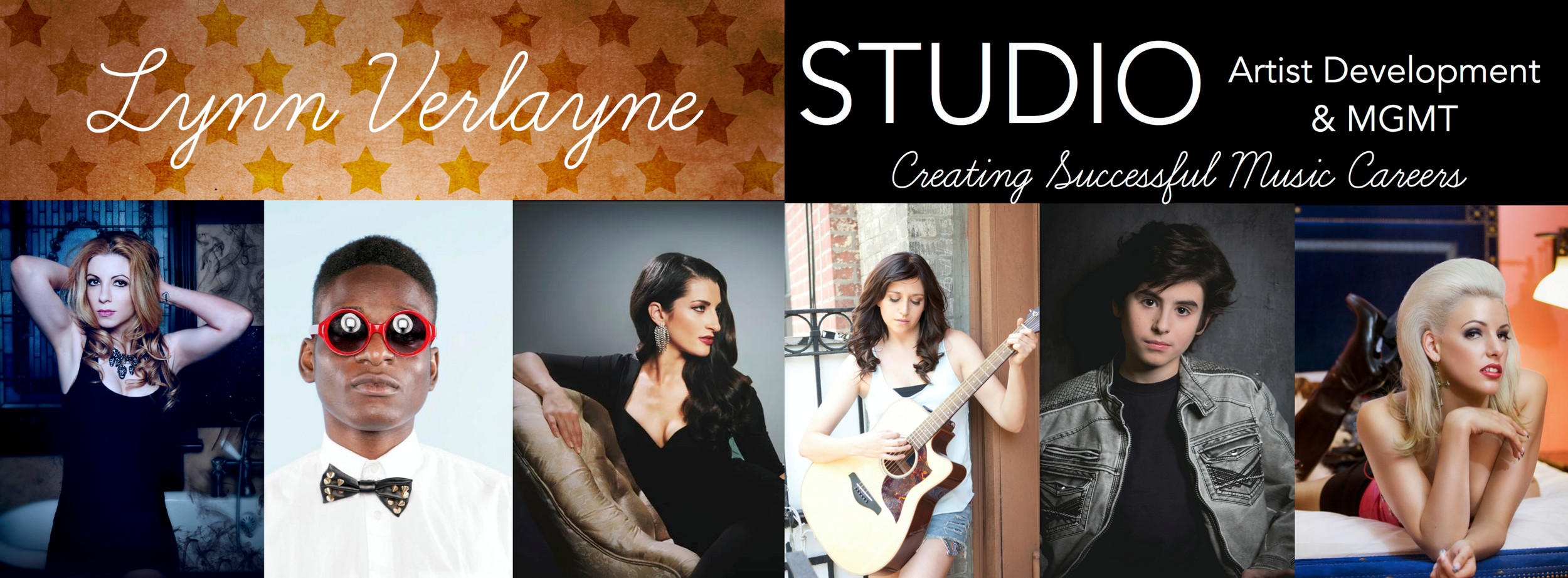
Are You The Next Adele? We can get you there! A&R. Music Management. Hit Songwriting. Mentoring. Branding. PR & Marketing. Music Industry Network. Worldwide.

No paid content found
Visit website
Profile views 1 Outbound visits 10 Normal
Music Career Development | Hit Songwriting Full homepage screenshot

At a glance

Category
Marketing
Language
English
Paid-content signal
No paid content foundObserved
Registered
2012
Hosting
FastlyInferred
HTTPS certificate trusted
PassedObserved
Last updated

Website review

This review may include AI-generated content and is not individually verified. Domain, certificate and other facts come from the observed data on this page.

What is Lynn Verlayne Studio?

Lynn Verlayne Studio is a music career development service that works one-on-one with emerging singers, songwriters, and producers. Rather than being a recording studio in the conventional sense, it presents itself as a development program: the team builds an individualized plan covering songwriting, music production, artist development, branding, video production, marketing, PR and press, radio promotion, and social media. It states that it works with all ages and genres, and with artists internationally and long distance, including those based outside New York and Los Angeles. The page also says the team includes Grammy-winning professionals who have worked with major artists.

Who it is for

It suits independent artists who already write or record but lack the structure to release and promote music—for example, a songwriter with a handful of strong demos who needs help shaping a sound, a visual identity, and a release plan. It is less relevant if you already have a label, manager, and marketing team in place, or if you only want inexpensive mixing or mastering.

How to evaluate it

The claims on the page—chart placements, major-label releases, working with stars—are the studio's own marketing. Before committing, ask for specifics: which artists it has developed, what a typical engagement includes and how long it lasts, what the fee structure is, and whether you retain ownership of your masters and publishing. A short introductory call is the practical next step; treat it as a fit check on your genre, budget, and goals rather than a guaranteed path to success.

How does the artist development program work for independent singers and songwriters?

The program is a one-on-one development service rather than a course or a template. Lynn Verlayne describes working with a small, select roster of emerging singers, songwriters and producers, building an individualized plan for each artist and covering the areas that usually decide whether a release gains traction: songwriting, production, branding, video, marketing, PR and radio promotion. The site stresses that distance is not a barrier, so artists outside New York or Los Angeles can take part, and it lists all ages and genres as in scope.

In practice, a songwriter with strong demos but no visual identity might spend the first phase tightening songs and defining a brand, then move to video and press. Someone with a finished record might go straight to marketing and radio promotion. The stated aim is to shorten the learning curve by drawing on the mentor's own experience as an artist, including mistakes made along the way.

What to weigh before applying

  • Fit over credentials: the pitch leans on a network associated with major stars. Ask which parts of that network would realistically be available to you at your stage, and in what form.
  • Scope: the listed services span creative work and promotion. Clarify whether you are buying a development relationship, individual services, or both.
  • Your own gaps: the program suits artists who want guidance across several areas. If you only need mixing or a single PR push, a specialist may be more direct.
  • Evidence of progress: agree on concrete milestones, such as a finished song, a release plan or press assets, so you can judge value as you go.

As a next step, write a short summary of where you are (songs written, recordings finished, audience size, budget range) and ask which of the listed areas the plan would prioritize in your first few months. Related perspectives on the craft and business side are available from TAXI and ASCAP.

Can I work with Lynn Verlayne Studio if I live outside New York or LA?

Yes. Lynn Verlayne Studio says it works with artists internationally and long distance, so living outside New York or LA is not a barrier to joining its roster. The page explicitly addresses the question under the heading "Located outside New York/LA?" and states: "We work with artists internationally and long distance."

What that means in practice

The studio's listed services — artist development, management, music production, hit songwriting, branding, marketing, PR and press, radio promo, social media marketing, and music video production — are presented as a package it can deliver through a "worldwide network." The mission statement describes a "highly individualized, proactive plan" built one-on-one with each artist, which suggests remote work is structured around your goals rather than a fixed local schedule.

For a concrete scenario: a singer-songwriter based in another country could use the studio for songwriting and production feedback, brand and release planning, and PR/marketing support, while handling local recording or performance logistics separately. The trade-off is that hands-on studio time and in-person networking may need to be arranged around travel, so it is worth clarifying early which parts of the program run remotely and which require you to be in a particular city.

Next step

When you contact the studio, ask two things: how the one-on-one development plan is run across time zones, and which services (especially production and video) can be completed without you being in New York or LA. That will tell you quickly whether the remote setup fits how you actually work.

What does the hit songwriting service include for an artist who already has songs but needs stronger material?

For an artist who already has songs but needs stronger material, the site presents hit songwriting as part of a broader, individualized artist-development program rather than an isolated rewrite service. The stated offer combines songwriting with production, branding, video, marketing and PR, delivered through a one-on-one plan built around finding the artist's "unique voice." The page's mission statement describes working with a select group of emerging singer-songwriters and producers, using the founder's industry resources and experience to help them "shortcut the road to success."

What the page indicates is involved

  • Songwriting as a development step: The program frames songwriting alongside production and branding as ways for artists to "define themselves," suggesting material is assessed in relation to the artist's identity, not just as standalone demos.
  • One-on-one planning: Each artist is described as receiving a "highly individualized, proactive plan," which implies feedback on existing songs and a direction for new ones rather than a fixed package.
  • Production support: Music production is listed among the services, so stronger material can potentially move from writing into recording within the same relationship.
  • Long-distance access: The page explicitly says the team works with artists internationally and long distance, which matters if you are not near New York or Los Angeles.
  • Selective roster: Entry is described as joining an "exclusive roster," so expect a screening or application step rather than open enrollment.

A practical way to evaluate fit

If your goal is stronger songs rather than a full career overhaul, ask during an inquiry how much of the engagement is songwriting critique and co-writing versus marketing and branding. A concrete test: bring two or three finished songs and ask what specifically they would change—structure, topline, lyric specificity, production—and whether they offer a smaller songwriting-focused engagement.

For comparison, you can review how other development and songwriting organizations describe their services, such as Nashville Songwriters Association International for craft-focused feedback and SoundExchange for the rights side once songs are released. These are different kinds of support, not substitutes for the individualized program described here.

How do I apply to join the exclusive roster of singers, songwriters, and producers?

The site does not publish a formal application form or step-by-step process. The practical route it points to is contacting the studio directly through the contact channel on Lynn Verlayne Studio and presenting yourself as an emerging artist interested in the development roster.

What to send in that first message

  • A short introduction: who you are, where you are based, and your genre.
  • Links to two or three finished or demo tracks, not a large dump of files.
  • A one-paragraph description of what you do best (writing, producing, singing) and what you want help with.
  • Any career activity so far: releases, performances, co-writes, press.

The page emphasizes that the program is one-on-one and selective, and that artists are accepted across all ages and genres and internationally, including those outside New York and Los Angeles. That means distance is not a barrier, but a clear, concise pitch matters more than proximity.

A realistic next step

Before writing, decide which service you actually need, because the roster covers artist development, management, production, songwriting, branding, PR and marketing. An artist with strong songs but no visual identity should lead with branding and video; a writer with no release history should lead with songwriting and development. Naming one or two priorities in your message signals that you have thought about the fit, which is exactly what a selective program tends to look for.

What branding and PR support does the studio provide to help an emerging artist get radio and press exposure?

The studio frames branding, PR and press, radio promotion and social media marketing as parts of one artist-development program rather than as standalone services. According to the site, artists join an "exclusive roster" and receive a highly individualized, proactive plan covering songwriting, production, branding, video, marketing and PR, with the stated goal of building radio and press exposure alongside the music itself. The page also presents a "worldwide network" and a team described as connected to major stars, and it says the studio works with artists internationally and long distance, which matters if you are not based near New York or Los Angeles.

For an emerging artist, the practical value of that bundle is sequencing: branding and a finished, well-produced song come first, then press and radio outreach has something coherent to promote. Ask specifically how the plan orders those steps, who handles outreach, and what you receive (press kit, pitch materials, campaign timeline). The site's own framing is promotional, so treat the star-team language as positioning and ask for concrete examples of past campaigns.

A useful next step is to contact the studio through Lynn Verlaynestudio with a short brief: your genre, released catalog, goals and budget, and ask which of branding, PR or radio promotion they would prioritize for you and why.

Related questions

More questions →
What Does a Music Producer Do, and How Does Production Fit Into Artist Development?

A music producer shapes how a song sounds: arrangements, instrumentation, vocal direction, and the overall recording. In artist development, production is the step that turns a written song into a finished, release-ready recording that expresses the artist's identity. It is not the same as songwriting (writing the song), artist development (building the artist's identity and career plan), or marketing (getting the music heard) — though it connects to all three. This explanation is for emerging singers, songwriters, and producers trying to understand where production fits before they hire someone or enter a development program.

The producer's core role

A producer is responsible for the sonic and structural decisions that make a recording work. In practice that usually means:

  • Shaping arrangements — deciding which instruments enter, when, and how dense the mix of parts should be.
  • Directing the sound — choosing tones, textures, and the overall sonic character of the record.
  • Guiding performances — coaching vocal delivery and helping the artist get the best take.
  • Overseeing the recording — keeping the session focused and making sure the finished track matches the intended vision.

The producer does not necessarily write the song or play every part. The role is about judgment and direction: turning raw material into a coherent recording.

How production differs from the other roles

These functions are often blurred, especially at the start of a career. Keeping them distinct helps an artist know what they are actually paying for or asking for.

Role Core question it answers Main output
Songwriting What is the song saying, and how is it structured? Lyrics, melody, chord structure
Music production How should the song sound as a recording? Arrangement, instrumentation, finished track
Artist development Who is this artist, and what is the career plan? Identity, positioning, release strategy
Marketing / PR How does the audience find and connect with the music? Campaigns, press, social presence

A single person can wear several of these hats — many development programs bundle them — but the work itself is different. Confusing production with songwriting, for example, can lead an artist to expect a producer to fix a weak song, when the real need is a writing session.

Why production matters for an emerging artist

For a developing artist, production is where identity becomes audible. A song can be well written and still fail to communicate who the artist is if the recording sounds generic. Production choices — the vocal treatment, the instrumentation, the energy level — are part of how listeners recognize an artist.

Production also supports the release strategy. A finished, professional-sounding recording is the asset that everything else is built on: press pitches, radio promotion, social content, and playlist consideration all depend on having a track that stands up next to established releases. In a development plan, production typically sits between songwriting (getting the material right) and branding/promotion (getting it heard). Lynn Verlayne's studio describes its development program as covering songwriting, music production, branding, video production, and marketing together — a structure that reflects how these stages feed one another rather than operating in isolation.

What to prepare before working with a producer

Coming in prepared shortens the process and reduces cost. Before a production session, an artist should have:

  1. Finished songs — lyrics and melody settled, with a clear sense of tempo and key. Demos, even rough phone recordings, help the producer hear the intent.
  2. Reference tracks — two or three existing songs that capture the sound you are aiming for, with a note on what specifically you like about each.
  3. A clear artist identity — a sense of genre, image, and audience. If this is undefined, artist development work should come first.
  4. A realistic scope — whether you are producing a single, an EP, or a full project, and what budget and timeline that implies.
  5. An understanding of rights and credits — who owns the master, how writing and production splits are handled. Settle this before the session, not after.

How production fits into a broader development plan

Production rarely works as a standalone step. A typical sequence for an emerging artist looks like this:

  • Define the artist — identity, genre, audience, and positioning (artist development).
  • Write and refine material — songwriting sessions to get the strongest songs.
  • Produce — turn the best songs into finished recordings.
  • Brand and package — artwork, video, and visual identity that match the sound.
  • Promote — PR, radio, social media, and playlist pitching.

Skipping ahead — producing before the identity and songs are ready — is a common and expensive mistake. The reverse also happens: artists write and brand endlessly without ever finishing a recording, leaving them with nothing to release. Production is the step that converts preparation into a tangible asset.

A practical example

Suppose a singer-songwriter has five finished songs and a clear sense of their sound, but only rough phone demos. The next step is not more writing — it is selecting the two strongest songs and booking production. The producer listens to the demos and references, proposes arrangements, and the sessions produce two finished masters. Those masters then become the centerpiece of a press pitch and a social media rollout. In this sequence, production is the bridge between the writing phase and the marketing phase, and it only works because the earlier stages were completed first.

Bottom line

A music producer turns songs into recordings by shaping arrangement, sound, and performance. In artist development, production is the stage that gives an artist's identity a finished, release-ready form — but it depends on strong songs and a defined identity coming first, and it feeds directly into branding and promotion afterward. Artists should arrive with finished material, reference tracks, and a clear sense of who they are, and should settle ownership and credit terms before the first session.

What Is Music Production and How Does It Fit Into Artist Development?

Music production is the process of turning a song idea into a finished recording—shaping arrangement, instrumentation, performance, and sound so the track is ready to release. It sits between songwriting (writing the words and melody) and mixing/mastering (balancing and finalizing the audio). It fits into artist development because a producer helps define an artist's signature sound, which then feeds branding, marketing, and release strategy. This explainer is for emerging singers, songwriters, and producers who want to understand the production stage and where to get support.

Music Production vs. Songwriting, Mixing, and Mastering

These stages are often confused, but they answer different questions:

Stage Core question Typical output
Songwriting What is the song saying, and what is the melody? Lyrics, chord progression, vocal melody
Music production How should the song sound and be arranged? Instrumental arrangement, beat, sound design, recorded performances, demo or master-ready track
Mixing Do all the elements balance and sit together? Balanced stereo mix
Mastering Is the track loud, consistent, and release-ready? Final master for streaming, radio, or video

A producer may also write or co-write, and many artists self-produce. The distinction matters because each stage has different skills and timelines—and because "production" is where an artist's sound identity is most directly shaped.

What a Producer Actually Does

The producer's role goes beyond pressing record. In practice, a producer:

  • Shapes the arrangement—deciding which instruments enter, when, and how the song builds.
  • Directs performances—coaching vocal takes and instrumental parts to fit the vision.
  • Builds the sound palette—choosing synths, drums, guitars, or textures that define the track.
  • Manages the session—keeping the recording on schedule and on budget.
  • Delivers a finished recording—a demo, a single, or a track ready for mixing and mastering.

The producer is the person who holds the overall sonic vision and makes decisions that serve the song.

From Demo to Finished Track: The Typical Steps

A common production workflow looks like this:

  1. Pre-production—review the song, agree on tempo, key, arrangement, and reference tracks.
  2. Tracking—record vocals and instruments (or build the beat/instrumental in a DAW).
  3. Arrangement and editing—comping takes, tightening timing, adding or removing parts.
  4. Rough mix—a working balance to check the song's impact before final mixing.
  5. Mixing—hand off to a mix engineer (or the producer) for balance and polish.
  6. Mastering—final loudness and consistency for release.

How to verify progress: at each stage, compare the current version against your reference tracks and against the song's original intent. If the arrangement no longer serves the lyric or melody, revisit pre-production before spending more studio time.

Common sticking points: unclear references, too many cooks in the session, and skipping pre-production—all of which lead to expensive re-recording later.

How Production Connects to Artist Development

Production is not an isolated technical step; it is part of a larger development arc. Lynn Verlayne Studio describes its work as an individualized development program covering songwriting, music production, branding, video production, and real-life and online marketing—positioning production as one component of building an artist's career rather than a standalone service.

That framing is useful: a finished track only creates momentum when it is paired with a coherent brand, release plan, and audience strategy. The studio's stated approach is to build a proactive, individualized plan for each artist and help them find their unique voice—which is essentially the bridge between production choices and artist identity.

The studio also states that it works with artists internationally and long distance, and that its team includes people behind major artists (the page names P!nk, Sia, John Legend, Coldplay, and Imagine Dragons). Those claims are the studio's own; treat them as marketing signals to verify in a conversation rather than as guarantees of your results.

When Production Support Shortcuts the Learning Curve

Emerging artists often lose time learning arrangement, session management, and sound selection by trial and error. Working with a producer or development program can compress that learning—but it is a fit only under certain conditions:

  • You have songs written but struggle to translate them into recordings that sound release-ready.
  • You want a defined sound rather than a collection of disconnected demos.
  • You are ready to act on feedback about arrangement and performance, not just collect opinions.
  • You can commit time to pre-production and revisions, since production quality depends heavily on preparation.

If you are still searching for your songwriting voice, songwriting development may come before production. If your tracks are finished but sound inconsistent, mixing and mastering may be the more direct need.

Practical Next Step

Before hiring anyone, prepare a short package: two or three finished demos, reference tracks that describe the sound you want, and a one-paragraph statement of your artistic identity. Then ask a prospective producer or development program how they would approach your specific songs—and what the deliverables and revision process look like. That conversation will tell you more about fit than any service list.

What Is Songwriting and How Does It Fit Into Artist Development?

Songwriting is the craft of creating a song's core material — its lyrics, melody, and structure — before it becomes a recorded, produced, or marketed product. It fits into artist development as the foundation stage: the song defines an artist's voice and identity, and everything that follows (production, branding, marketing, live performance) is built on it. If you are an emerging singer, songwriter, or producer trying to decide where to invest your time, the practical answer is to treat songwriting as the first skill to develop and the reference point for every later decision.

What Songwriting Actually Involves

At its core, songwriting produces three interlocking elements:

  • Lyrics — the words and the story or feeling they carry.
  • Melody — the sung or played line that makes the song recognizable.
  • Structure — how sections (verse, chorus, bridge) are ordered and repeated so the song holds a listener's attention.

A songwriter can work alone or co-write. The output is not yet a finished record; it is the raw material that production later shapes into a recording.

How Songwriting Supports an Artist's Identity

The site's mission statement describes a development approach in which artists "define themselves through songwriting, music production, branding, video production, real life and online marketing." That ordering is meaningful: songwriting comes first because it is where an artist's "unique voice" is found. A distinctive lyrical perspective or melodic signature is what makes an artist recognizable across releases, rather than interchangeable.

For an emerging artist, this means the question "what do my songs say about me?" matters as much as "are they good?" A body of songs with a consistent point of view gives producers, marketers, and audiences something concrete to work with.

How Songwriting Connects to Production, Branding, and Marketing

Songwriting does not sit in isolation. In a development plan, it feeds directly into the other stages:

Stage How it builds on songwriting
Music production Arrangement and recording decisions serve the song's melody and structure
Branding The artist's identity is drawn from recurring themes and tone in the songs
Marketing and PR Songs supply the story, hooks, and material for promotion
Video production Visuals are built around the song's narrative and mood

Because these stages depend on the songs, weak or unfocused songwriting tends to weaken everything downstream. Strong songs give each later stage something worth amplifying.

The Role of Mentoring and Collaboration

Songwriting improves fastest with feedback and co-writing. The site describes a one-on-one development program for "a select group of talented emerging artists," using the founder's resources and experience, and frames the goal as helping artists "shortcut the road to success in time and resources" by learning from mistakes already made. It also references a "Grammy winning team" and lists work with major artists.

For a songwriter, the takeaway is not a promise of results but a model: structured mentoring and collaboration compress the learning curve compared with working entirely alone. Co-writing in particular exposes you to other writers' methods for melody, structure, and lyric editing.

Practical First Steps for Emerging Songwriters

  1. Write consistently. Finish songs rather than polishing fragments; completed songs reveal structural weaknesses.
  2. Study structure. Map the verse–chorus–bridge layout of songs you admire and note what each section does.
  3. Seek honest feedback. Share drafts with a mentor, co-writer, or trusted peer and revise based on specific comments.
  4. Co-write deliberately. Choose collaborators whose strengths differ from yours (for example, a strong lyricist if your melodies are stronger).
  5. Connect songs to a plan. Once a small catalog exists, decide how production, branding, and promotion will serve those songs.
  6. Evaluate development support on specifics. If considering a program or mentor, ask what the plan includes, who does the work, and what evidence backs the claims — the site presents its team and artist roster as credentials, so verify fit for your genre and goals.

Songwriting is the starting point of artist development, not a separate activity. Building a focused body of songs first gives every later stage — production, branding, marketing — a clear foundation to work from.

What Is Artist Development in the Music Industry?

Artist development is the ongoing process of shaping an emerging singer, songwriter, or producer into a defined, marketable artist—not just a collection of songs. It typically covers songwriting, music production, branding, marketing and PR, and management, and it works best as a structured, individualized plan rather than scattered one-off services. It suits artists who have raw talent and some material but lack a clear identity, a release strategy, or industry access. Lynn Verlayne's studio, for example, describes a one-on-one development program built around exactly these areas for a select roster of emerging artists.

The Core Areas Artist Development Usually Covers

Development is less a single service than a set of connected workstreams. The studio's own service list maps closely to the standard categories:

Area What it addresses
Songwriting Finding and strengthening the artist's unique voice and material
Music production Turning songs into finished, release-ready recordings
Branding Defining who the artist is and how that reads to an audience
Marketing, PR & press Getting the music and story in front of listeners and media
Management Coordinating decisions, timelines, and the team around the artist
Video and social media Visual identity and direct-to-fan presence

The studio also lists radio promotion and music video production, and notes it works with all ages and genres. The point of grouping these together is that an artist's sound, image, and audience strategy should reinforce each other—a strong song with no identity behind it, or a clear brand with weak material, stalls either way.

How Development Differs With and Without a Team

For independent artists, development often means filling gaps yourself or with a mentor: learning to co-write, booking production, building a social presence, and handling your own outreach. The trade-off is control and cost versus time and trial-and-error.

With label or team support, development is usually more resourced and more directed—A&R input on material, professional PR and marketing, and management coordinating releases. The studio positions itself in this second world: it advertises a "Grammy winning team" and "same team behind major stars (P!nk, Sia, John Legend, Coldplay, Imagine Dragons, & More)," and lists A&R and music management among its services.

A practical middle path is mentorship-style development, where an experienced artist or producer lends their network and experience to a small roster. That is how the studio frames its own program: its founder describes working one-on-one with "a select group of talented emerging artists," using her resources and experience to help them "shortcut the road to success in time and resources."

What a Development Plan or Mentorship Looks Like

Based on the studio's description, a development relationship tends to follow this shape:

  1. Assessment. Review the artist's existing songs, recordings, and goals to identify strengths and gaps.
  2. Identity and voice. Use songwriting and production work to define a distinct sound and artistic identity.
  3. Individualized plan. The studio says it puts together "a highly individualized, proactive plan for each" artist—so expect a written or discussed roadmap rather than a fixed package.
  4. Execution across areas. Branding, video, marketing, PR, and management work proceed alongside the music.
  5. Review and adjust. Progress is judged by concrete outputs—finished songs, a defined brand, released and promoted material, and growing audience reach—rather than by time served.

Because plans are individualized, ask any program you consider how it defines milestones and what "progress" will look like for you specifically.

Signs You May Need Development Help

  • You have songs but no clear artistic identity or consistent sound.
  • You can write but struggle to finish, produce, or release material.
  • You have music out but no strategy for press, radio, or social growth.
  • You feel "completely lost" about where to turn—the founder's own description of arriving in NYC with a dream and no support is a common starting point.
  • You want industry access and mentorship you can't reach on your own.

How to Evaluate a Development Program or Mentor

  • Check the track record. Look for verifiable credits—the studio cites a SONY release, national TV and radio performances, charting songs, and collaborations, plus a testimonial from RCA artist Parson James.
  • Confirm it's individualized. Ask whether you get a plan tailored to you or a fixed service bundle.
  • Match the scope to your gaps. If your weakness is branding, a songwriting-only arrangement won't solve it; the studio's breadth (songwriting through PR and management) is useful only if you need several of those areas.
  • Ask about distance and format. The studio states it works with artists internationally and long distance, which matters if you're outside New York or LA.
  • Get specifics on cost, timeline, and selection. The site describes an "exclusive roster" and a "select group," so expect a screening process; pricing and terms aren't published, so request them directly before committing.

The studio's contact page is the natural next step if you want to discuss fit; treat any program as a partnership you evaluate on evidence, not promises.

What Does 'A' Mean at O’so Brewing Company?

Short answer: "A" is not a beer style, menu item, or product line at O’so Brewing Company. It appears in the brewery's own keyword set as a fragment of ordinary language — the words "Real," "beer.," "A," "great," and "vibe." read together describe the taproom rather than name anything on tap. If you arrived here searching for a specific O’so beer called "A," there is nothing to find; the useful move is to treat "A" as a search artifact and look at what the brewery actually offers.

Why a single letter shows up as a keyword

Brewery websites, taproom menus, and social posts are full of short words that search engines and site metadata pick up as standalone terms. "A" is one of the most common. It gets captured because it sits inside a sentence like "A great vibe" or "grab a beer," not because it labels a product.

This matters when you're trying to decode a menu or a search result:

  • Single letters and short fragments are usually grammar, not branding.
  • Beer names at craft breweries tend to be longer and more distinctive — puns, place references, hop names, or style words.
  • Abbreviations on a tap list (IPA, DIPA, BA, Nitro) are style or process shorthand, and staff can explain any of them.

If you see something like "A" alone on a board or in a listing, it's far more likely to be a truncated word, a tap number label, or a formatting glitch than a beer you can order.

What O’so Brewing Company actually is

O’so Brewing Company is a craft brewery and taproom in Plover, Wisconsin, serving Central Wisconsin since 2007. Its own description centers on three things: craft beer, pizza, and events in a lively taproom. The keywords it associates with itself — "Real," "beer.," "A," "great," "vibe." — are a plain-language summary of that experience rather than a catalog.

So the realistic expectations for a visit are:

What you're looking for What to expect
Beer A craft brewery's own beers, served in the taproom
Food Pizza
Atmosphere A lively taproom with events
History Operating in Central Wisconsin since 2007

How to find out what's actually on tap

Because beer lineups rotate and the site's own materials don't list specific beers here, the reliable path is to check current offerings directly rather than guess from a keyword.

  1. Check the official site at osobrewing.com for current taproom information.
  2. Look at the taproom itself — boards and menus list what's pouring that day.
  3. Ask staff. This is the fastest route if a name or abbreviation is unclear. Useful questions: "What style is this?" "Is this one of yours or a guest tap?" "What's similar if I usually drink [style]?"
  4. Watch for events. The taproom hosts events, so the lineup and crowd can shift by day.

Common snags

  • Searching a single letter returns noise. Search the brewery name plus a style or the word "taproom" instead.
  • Assuming a short word is a beer name. At most breweries it isn't.
  • Expecting a fixed menu. Craft taprooms rotate, so yesterday's list may not match today's.

The bottom line

"A" isn't a thing you can order at O’so Brewing Company — it's a fragment of the brewery's own descriptive language. What you can count on is a Plover, Wisconsin taproom with craft beer, pizza, and events, running since 2007. For anything specific, go to osobrewing.com or ask at the taproom, where the current list is the only list that matters.

Website Overview

An established domain and managed infrastructure suggest continuity of operations and may support dependable delivery, although neither guarantees service quality. Page metadata, canonical configuration and social previews work together to provide more consistent search and sharing presentation.

Domain and Registration

Registered in 2012, this domain has about 14 years of history. That suggests continuity, although ownership and purpose may have changed. Transfer-protection status is present, helping reduce the risk of unauthorized domain transfers. The domain uses the common .com extension, which is not an independent safety signal.

DNS and Email

The observed email authentication setup is incomplete: DMARC is missing. Nameservers are provided by worldnic.com, indicating managed DNS hosting. MX records point to the oxcs.net email service. TXT records include verification markers for Google. Such markers may also remain after a service stops being used. DNSSEC signatures were not detected, so this additional DNS authenticity protection is not confirmed.

TLS and Certificates

The certificate uses an RSA 2048-bit public key, offering broad client compatibility. The server supplied a complete certificate chain. No organization name is present in the certificate; the available fields are consistent with domain validation. The certificate was issued by Let's Encrypt, commonly associated with automated certificate services. The certificate's total validity is about 89 days, consistent with a short renewal cycle.

HTTP and Browser Security

The response lacks these common security headers: CSP, Referrer-Policy, Permissions-Policy, clickjacking protection. No X-Powered-By header was found, reducing one common source of backend fingerprinting information. The x-cache, x-served-by, via response header indicates a CDN or caching proxy in the delivery path. No obvious internal addresses or debug information were found in the headers. The Server header contains the custom value Pepyaka.

Technology Stack Analysis

The public page identifies Wix.com Website Builder, Wix, React, Sentry, Fastly without precise versions, leaving fewer clues for version-specific scanning.

Search and Social Sharing

The Generator tag identifies Wix.com Website Builder, making the publishing system easier to fingerprint. Twitter Card metadata is configured. The title has 42 characters, within a common display range. A meta description is present, with 157 characters. The observed directives allow indexing and link following.

Hosting and Email

DNSworldnic.com
HostingFastly
Emailoxcs.net
Approximate IP geolocation (inferred; a CDN or proxy may differ from the origin server) United States flagKansas City, Missouri, United States Inferred 34.149.87.45

Registration details

RDAP / WHOIS

RegistrarNetwork Solutions, LLC
Registered2012-10-27
Expires2027-10-27
Domain statusclient transfer prohibited
Nameserversns53.worldnic.com、ns54.worldnic.com
DNSSECunsigned

DNS records

DNS

TypeNameValueTTLPriority
Atd-ccm-neg-87-45.wixdns.net34.149.87.4586400—
MXlynnverlaynestudio.commx001.netsol.xion.oxcs.net720010
MXlynnverlaynestudio.commx002.netsol.xion.oxcs.net720010
NSlynnverlaynestudio.comns53.worldnic.com7200—
NSlynnverlaynestudio.comns54.worldnic.com7200—
TXTlynnverlaynestudio.comgoogle-site-verification=HCmTHuEXezWM8pXMg5319KqDpuOZ_3k7omLlUCKdsnM7200—
TXTlynnverlaynestudio.comv=spf1 include:spf.registeredsite.com include:spf.cloudus.oxcs.net ~all7200—
CNAMEwww.lynnverlaynestudio.comwww20.wixdns.net7200—

TLS and certificates

TLS / SSL

AssessmentNormal configuration
Supported protocolsTLSv1.2、TLSv1.3
Negotiated protocolTLSv1.3
Certificate subjectlynnverlaynestudio.com
IssuerLet's Encrypt
Valid until2027-01-20T05:52 · Remaining when checked: 82 days
Verification detailsCertificate trust: Passed · Hostname match: Passed

HTTP response headers

HTTP

HeaderValue
content-typetext/html; charset=UTF-8
content-languagezh-CN
cache-controlprivate,max-age=0,must-revalidate
serverPepyaka
strict-transport-securitymax-age=31556952
x-content-type-optionsnosniff
set-cookieRedacted

Identified technologies

Wix.com Website BuilderWixReactSentryFastly

Pages, Search and Sharing

Meta descriptionAre You The Next Adele? We can get you there! A&R. Music Management. Hit Songwriting. Mentoring. Branding. PR & Marketing. Music Industry Network. Worldwide.
Canonical URLhttps://www.lynnverlaynestudio.com
LanguageEnglish (default)
Twitter Cardsummary_large_image
All bots 1 allowed · 1 disallowed
  • Allow/
  • Disallow*?lightbox=
adsbot-google-mobile 0 allowed · 2 disallowed
  • Disallow/_partials*
  • Disallow/pro-gallery-webapp/v1/galleries/*
adsbot-google 0 allowed · 2 disallowed
  • Disallow/_partials*
  • Disallow/pro-gallery-webapp/v1/galleries/*
petalbot 0 allowed · 1 disallowed
  • Disallow/
dotbot 0 allowed · 0 disallowed
  • IntervalCrawl delay 10 seconds
ahrefsbot 0 allowed · 0 disallowed
  • IntervalCrawl delay 10 seconds

User reviews (0)

  • No reviews yet.