
 简体中文
 English

maineaudubon.org
Tree Stewardship & Trail Maintenance We need volunteers to help prepare our sanctuaries and tree nurseries for winter! Volunteer here! Make a donation here > Become a member today! Upcoming Events and Programs VIEW EVENT CALENDAR News & Notes October quick hits: There’s so much happening this month that we wanted to list a few […]
At a glance
- Category
- Social & Community
- Language
- English
- Paid-content signal
- Paid contentObserved
- Registered
- 1996
- Hosting
- CloudflareInferred
- HTTPS certificate trusted
- PassedObserved
- Last updated
Related questions
More questions →What Is Maine Audubon?
Maine Audubon is a wildlife conservation organization in Maine that combines hands-on conservation work with public programs. Its work spans sanctuaries and tree nurseries, community science, native plants, renewable energy siting, and policy advocacy, and it invites the public in through events, volunteering, memberships, and donations. It's a good starting point if you want to volunteer, attend a program, or follow conservation policy in Maine — but it is not a wildlife rehabilitation or animal rescue service based on the available information.
What Maine Audubon does
The organization's work falls into a few connected areas:
- Conservation projects — including native plants and habitat work.
- Sanctuaries and tree nurseries — physical sites that need seasonal preparation and maintenance.
- Community science — public participation in collecting wildlife observations.
- Renewable energy siting — engagement with where energy projects are placed.
- Policy and advocacy — work on conservation-related policy in Maine.
These areas reinforce each other: volunteers maintain the land, community science generates data, and policy work aims to shape decisions affecting wildlife.
Ways to get involved
| Activity | What it involves | Best for |
|---|---|---|
| Volunteering | Seasonal tasks such as tree stewardship and trail maintenance to prepare sanctuaries and nurseries for winter | People who want hands-on outdoor work |
| Events and programs | A calendar of upcoming events and programs | Learning and community connection |
| Community science | Contributing observations as part of organized projects | People who want to support data collection |
| Membership | Joining as a member | Ongoing support and involvement |
| Donations | Financial contributions | Supporting the organization's work |
| Updates | Subscribing for news and announcements | Staying informed without committing time |
A concrete example
A typical seasonal opportunity is the fall volunteer push: helping prepare sanctuaries and tree nurseries for winter through tree stewardship and trail maintenance. If you're considering it, check the volunteer page for current needs and dates rather than assuming a fixed schedule — the organization's own messaging frames these as time-sensitive needs.
The events calendar also lists specific programs, such as a two-day Stream Smart Phase II workshop in Manchester, ME. Checking the calendar is the most reliable way to find something that fits your interests and schedule.
How to decide if it's for you
- Choose Maine Audubon if you want to volunteer outdoors, attend conservation programs, contribute to community science, or follow Maine conservation policy.
- Look elsewhere if you need wildlife rescue or rehabilitation services, since that isn't part of what's described here.
- Start small by subscribing for updates or browsing the event calendar before committing to membership or regular volunteering.
The most current details — event dates, volunteer needs, and membership options — are on maineaudubon.org, so confirm specifics there before planning around them.
How to Volunteer with Maine Audubon
Maine Audubon recruits volunteers for hands-on work at its sanctuaries and tree nurseries, including tree stewardship and trail maintenance, and specifically asks for help preparing these sites for winter. To get involved, start from the volunteer sign-up on maineaudubon.org; the site's homepage lists these current needs and links directly to volunteer registration. The exact tasks, dates, and locations are set by the organization and change seasonally, so confirm details on the site before committing.
What volunteers are needed for
The homepage names two concrete volunteer needs:
- Tree stewardship — caring for trees at Maine Audubon sanctuaries and tree nurseries.
- Trail maintenance — keeping sanctuary trails in usable condition.
Both are framed around a seasonal push: "We need volunteers to help prepare our sanctuaries and tree nurseries for winter!" That makes late fall the most likely window for these roles, though the site does not publish a fixed schedule in the material available.
How to sign up
- Go to maineaudubon.org.
- Find the volunteer callout on the homepage ("Volunteer here!").
- Follow that link to the volunteer registration or interest form.
- Provide your contact details and any relevant experience or availability so staff can match you to a task.
Expected result: you are added to Maine Audubon's volunteer pipeline and can be contacted about upcoming stewardship or trail work days.
Other ways to get involved
If outdoor stewardship isn't the right fit, the site lists several adjacent entry points:
| Pathway | What it involves |
|---|---|
| Donate | Financial support for Maine Audubon's work |
| Become a member | Ongoing membership |
| Events and programs | Calendar of upcoming events, including workshops (e.g., a 2-Day Stream Smart Phase II Workshop in Manchester, ME) |
| Community science | Citizen-science participation |
| Policy & advocacy | Conservation policy work |
| Native plants | Native plant programs and resources |
Common sticking points
- No posted schedule: the homepage describes the need but not specific volunteer dates. If the sign-up form doesn't show upcoming work days, use the site's contact options to ask about the next stewardship or trail-maintenance session.
- Seasonal timing: because the callout is tied to winter preparation, spring and summer opportunities may differ. Check back or ask what's available in the current season.
- Skill requirements: the site doesn't state prerequisites for tree stewardship or trail maintenance. Mention your comfort level with outdoor physical work when you sign up so staff can place you appropriately.
Is volunteering the right fit?
Choose volunteering if you want direct, outdoor involvement in sanctuary and nursery care and can commit to seasonal work days. Choose membership or donating if you'd rather support the organization without a scheduled time commitment, and check the event calendar if you prefer structured learning over hands-on maintenance.
Upcoming Events and Programs at Maine Audubon
Maine Audubon lists its upcoming events and programs on an event calendar that you can browse from its website. The site also surfaces individual listings directly, such as a 2-Day Stream Smart Phase II Workshop in Manchester, ME on Oct 26, 2026, 8:30 am–4:00 pm, with a "View Detail" link for more information. To find what's coming up, start from the event calendar and open a listing to confirm the date, time, location, and details.
How to Find Upcoming Events
- Open the event calendar. Maine Audubon's site includes an "Upcoming Events and Programs" section with a link labeled "VIEW EVENT CALENDAR." This is the main entry point for browsing what's scheduled.
- Scan the listings. Events appear with a date, time, location, and a short description. The Stream Smart workshop above is an example of how a listing is presented on the page.
- Open "View Detail" for a specific event. Each listing links to a detail view where you can confirm the full schedule and any participation information before committing.
Expected result: You'll have a confirmed date, time, and location for the program you want to attend, plus a path to the detail page for anything the summary leaves out.
What Kinds of Programs Appear
The site's news and program areas point to several recurring themes you can expect among events and programs:
| Area | What it covers |
|---|---|
| Conservation projects | Hands-on work tied to Maine Audubon's sanctuaries and conservation priorities |
| Native plants | Programs connected to native plant gardening and habitat |
| Community science | Volunteer-based data collection and wildlife monitoring |
| Renewable energy siting | Programs on where and how renewable energy projects are placed |
| Policy & advocacy | Engagement on conservation policy issues |
Seasonal volunteer needs also appear on the site—for example, Tree Stewardship & Trail Maintenance volunteers are sought to help prepare sanctuaries and tree nurseries for winter. If you're looking for a hands-on way in, check the volunteer listings alongside the calendar.
Checking Details Before You Go
- Confirm the date and time on the detail page. Listings show summary information; the detail view is where you verify specifics like the 8:30 am–4:00 pm window for the Stream Smart workshop.
- Note multi-day formats. Some programs run across two days, as the Stream Smart Phase II workshop does—plan accordingly.
- Look for location specifics. Listings name the town (e.g., Manchester, ME); confirm the exact meeting point on the detail page if it isn't stated in the summary.
Staying Informed
Maine Audubon offers a "Subscribe for Updates" page for news and announcements. If you want event notices without checking the calendar repeatedly, subscribing is the direct route the site provides. The site does not state whether subscribing involves any cost, so treat it as an updates channel and confirm any terms on the page itself.
For the current schedule, the event calendar remains the authoritative source—listings change, and the calendar reflects what's actually open for registration or attendance at any given time.
How to Support Maine Audubon: Membership, Donations, and Updates
Maine Audubon offers three direct ways to support its work: become a member, make a donation, or subscribe for news and updates. All three are promoted on its homepage, and the subscription option has a dedicated page at maineaudubon.org/news/subscribe-for-updates/. The site does not publish membership or donation amounts, so treat any figure as something to confirm on the relevant page rather than assume.
The three support paths at a glance
| Path | What it's for | Where to start | What the site confirms |
|---|---|---|---|
| Membership | Ongoing support and belonging to the wildlife community | "Become a member today!" prompt on the homepage | Membership is offered; cost and benefits are not stated in the available material |
| Donation | One-time or general financial support | "Make a donation here >" prompt on the homepage | Donations are accepted; amounts and processing details are not stated |
| Updates | Staying informed about events, programs, and news | Subscribe for Updates page | A subscription page exists; frequency and content details are not stated |
Becoming a member
The homepage frames membership as part of joining "your wildlife community," alongside volunteering and donating. If your goal is recurring involvement rather than a single gift, membership is the path the organization foregrounds.
Before committing, check the membership page for the current cost, what the membership includes, and whether it renews automatically. None of these details appear in the available site material, so they need to be verified directly. A practical approach: decide what you want from membership (regular updates, event access, supporting conservation projects such as Native Plants or Renewable Energy Siting work) and confirm each item is covered before paying.
Making a donation
The donation prompt sits next to the membership and volunteer calls on the homepage, which suggests general operating support rather than a single campaign. The site does not list suggested amounts, payment platforms, or whether donations are tax-deductible in the material available here.
If you want your gift tied to a specific area, the site's conservation headings — Conservation Projects, Native Plants, Community Science, Renewable Energy Siting, and Policy & Advocacy — indicate the kinds of work underway. Ask whether gifts can be directed to one of these before donating, and confirm receipt and tax details with the organization.
Subscribing for updates
The Subscribe for Updates page is the lowest-commitment option and the only one with its own URL in the available material. Use it if you want to hear about upcoming events and programs — for example, the listing for a 2-Day Stream Smart Phase II Workshop in Manchester, ME on October 26, 2026, 8:30 am–4:00 pm — without committing money.
The site does not state how often updates are sent or what they contain beyond news and events. If inbox volume matters to you, subscribe first and adjust later; unsubscribing is typically simpler than reversing a payment.
Choosing between them
- Want ongoing involvement and community? Start with membership, after confirming cost and benefits.
- Want to give once, with no ongoing commitment? Donate, after confirming how the gift is used and receipt details.
- Not ready to spend, or mainly interested in events? Subscribe for updates.
- Want to give time rather than money? The homepage also recruits volunteers for tree stewardship and trail maintenance to prepare sanctuaries and tree nurseries for winter — a fourth option outside the three above.
Common sticking points
- No prices shown. Membership and donation amounts are absent from the available material; don't assume a figure or that either is free of cost.
- No stated payment methods. Confirm accepted payment methods on the donation or membership page before entering details.
- Subscription terms unclear. Frequency and content of updates aren't specified; judge after the first few arrive.
- Event details change. The Stream Smart workshop listing is a snapshot; verify date, location, and registration on the event calendar before planning.
What Conservation Projects and Community Science Programs Does Maine Audubon Run?
Maine Audubon runs conservation work across four visible areas: conservation projects, native plants, community science, and renewable energy siting and policy advocacy. You can plug in as a volunteer, a community scientist, or an advocate — the right entry point depends on whether you want hands-on field work, structured data collection, or policy engagement. The site's own navigation lists these as distinct program areas, and its volunteer call-outs (tree stewardship, trail maintenance, nursery prep for winter) show that much of the work is seasonal and volunteer-powered.
Conservation Projects
The CONSERVATION PROJECTS section is the umbrella for Maine Audubon's on-the-ground work. From the site's own messaging, a large share of this is volunteer-delivered: preparing sanctuaries and tree nurseries for winter through Tree Stewardship & Trail Maintenance. If you want direct outdoor work, this is the most concrete entry point — the organization explicitly asks for volunteers to help get sanctuaries and nurseries ready for the season.
What to expect:
- Seasonal timing — the volunteer appeal is framed around winter preparation, so demand likely peaks in fall.
- Physical, site-based tasks — stewardship and trail work at sanctuaries and nurseries rather than remote or desk work.
- Verification step — before committing, confirm current volunteer needs and any scheduling or training requirements through the volunteer sign-up the site links to.
Native Plants
Native Plants appears as its own program heading, and the nursery work referenced in the volunteer call-out connects to it. This is the area to look at if your interest is habitat gardening, native plant supply, or helping propagate and maintain nursery stock. The site does not publish a detailed native plant program syllabus in the available material, so treat the nursery volunteer work as the practical way in and ask about plant-specific roles when you sign up.
Community Science
COMMUNITy SCIENCE is listed as a program area, which means structured public participation in data collection rather than one-off volunteering. The site's news section also points to a dense events calendar ("October quick hits: There's so much happening this month…"), so the practical path is:
- Open the event calendar and filter for community science or monitoring listings.
- Check whether a session requires prior training or is open to beginners.
- Register through the event detail page, which the site presents as "View Detail" links.
Community science is the best fit if you want repeatable, protocol-based participation (counting, monitoring, recording) instead of physical labor.
Renewable Energy Siting and Policy Advocacy
Two separate headings — Renewable Energy Siting and Policy & Advocacy — cover Maine Audubon's engagement in where and how energy projects are placed, and in broader conservation policy. This is the track for people who want to comment, campaign, or stay informed rather than do field work. The site's "Subscribe for Updates" link is the low-commitment way to follow policy news; deeper involvement typically means responding to action alerts or public comment windows, which are announced through the news and events channels.
Choosing Your Entry Point
| If you want… | Go to | First action |
|---|---|---|
| Outdoor, hands-on work | Conservation Projects / volunteer page | Sign up for tree stewardship or trail maintenance |
| Plant and habitat work | Native Plants / nursery volunteering | Ask about nursery roles when volunteering |
| Structured data collection | Community Science | Browse the event calendar for monitoring sessions |
| Policy influence | Policy & Advocacy / Renewable Energy Siting | Subscribe for updates, watch for action alerts |
Practical Notes Before You Commit
- Events are the front door. The site's calendar carries dated programming (for example, a 2-Day Stream Smart Phase II Workshop in Manchester, ME, listed for Oct 26, 2026, 8:30 am–4:00 pm). Use "View Detail" on any listing to confirm cost, registration, and prerequisites — the available material does not state whether individual events are free.
- Don't assume free access or open registration. The site promotes membership and donations alongside programs; whether a given event or training requires membership is not specified in the source material, so check each listing.
- Seasonality matters. Volunteer asks are framed around seasonal prep, so if your window is spring or summer, confirm what's active rather than assuming the winter call-out applies year-round.
The fastest way to decide is to pick the track that matches your time and skills, then use the event calendar and volunteer sign-up to confirm what's currently running.
Website Overview
Identifiable technologies and additional version or configuration signals make the service easier to fingerprint, which may help targeted scanners narrow their checks. An established domain and managed infrastructure suggest continuity of operations and may support dependable delivery, although neither guarantees service quality.
Domain and Registration
Registered in 1996, this domain has about 30 years of history. That suggests continuity, although ownership and purpose may have changed. Transfer-protection status is present, helping reduce the risk of unauthorized domain transfers. The registrar is NameCheap, Inc., a widely used domain service provider. The domain uses the common .org extension, which is not an independent safety signal.
DNS and Email
Nameservers are provided by Cloudflare, indicating managed DNS hosting. MX records point to the Google Workspace email service. No CNAME was found; the observed records resolve directly to addresses. SPF and DMARC are configured. DKIM status is unknown. TXT records include verification markers for Google, Apple, Microsoft. Such markers may also remain after a service stops being used.
TLS and Certificates
The public key uses EC with 256 bits. The server supplied a complete certificate chain. No organization name is present in the certificate; the available fields are consistent with domain validation. The certificate was issued within the Google Trust Services cloud or CDN ecosystem. The certificate's total validity is about 90 days, consistent with a short renewal cycle.
HTTP and Browser Security
The response lacks these common security headers: CSP, X-Content-Type-Options, Referrer-Policy, Permissions-Policy, clickjacking protection. No X-Powered-By header was found, reducing one common source of backend fingerprinting information. The cf-ray response header indicates a CDN or caching proxy in the delivery path. No obvious internal addresses or debug information were found in the headers. The Server header identifies cloudflare without an exact version.
Technology Stack Analysis
The public page identifies Site Kit by Google 1.190.0, WordPress, jQuery, Cloudflare, with exact versions exposed for 1 technologies. These details can narrow vulnerability checks, although exposure alone is not a vulnerability.
Search and Social Sharing
No homepage meta description was detected, leaving snippet selection more dependent on page text. The Generator tag identifies Site Kit by Google 1.190.0, making the publishing system easier to fingerprint. Twitter Card metadata is configured. The title has 39 characters, within a common display range. The observed directives allow indexing and link following.
Hosting and Email
 Cloudflare
 Google Workspace
Registration details
| Registrar | NameCheap, Inc. |
|---|---|
| Registered | 1996-08-22 |
| Expires | 2027-08-21 |
| Domain status | client transfer prohibited |
| Nameservers | abby.ns.cloudflare.com、jim.ns.cloudflare.com |
| DNSSEC | unsigned |
DNS records
| Type | Name | Value | TTL | Priority |
|---|---|---|---|---|
| A | maineaudubon.org | 104.21.51.171 | 300 | — |
| A | maineaudubon.org | 172.67.183.4 | 300 | — |
| AAAA | maineaudubon.org | 2606:4700:3030::ac43:b704 | 300 | — |
| AAAA | maineaudubon.org | 2606:4700:3031::6815:33ab | 300 | — |
| MX | maineaudubon.org | aspmx.l.google.com | 300 | 10 |
| MX | maineaudubon.org | alt1.aspmx.l.google.com | 300 | 25 |
| MX | maineaudubon.org | alt2.aspmx.l.google.com | 300 | 25 |
| MX | maineaudubon.org | aspmx2.googlemail.com | 300 | 50 |
| MX | maineaudubon.org | aspmx3.googlemail.com | 300 | 50 |
| MX | maineaudubon.org | aspmx4.googlemail.com | 300 | 50 |
| MX | maineaudubon.org | aspmx5.googlemail.com | 300 | 50 |
| NS | maineaudubon.org | abby.ns.cloudflare.com | 86400 | — |
| NS | maineaudubon.org | jim.ns.cloudflare.com | 86400 | — |
| TXT | maineaudubon.org | 41126DC4E09A3B86EA3C6EF4257BCF9B6DA8A00E | 300 | — |
| TXT | maineaudubon.org | MS=A761B7991D2F5AE8EF321EC1DDD3D4162CB10E15 | 300 | — |
| TXT | maineaudubon.org | MS=ms70995776 | 300 | — |
| TXT | maineaudubon.org | apple-domain-verification=ENitYFCm5iWe7WHR | 300 | — |
| TXT | maineaudubon.org | google-site-verification=jJAWMwp6fbv3TqxOlxoZzPdOGWhe-BtcsPBaF8RYWa8 | 300 | — |
| TXT | maineaudubon.org | v=spf1 include:_spf.google.com include:servers.mcsv.net include:outboundmail.blackbaud.net include:_spfprod.ngpvan.com include:shops.shopify.com include:_spf.wpcloud.com ~all | 300 | — |
| DMARC | _dmarc.maineaudubon.org | v=DMARC1; p=none; fo=1; rua=mailto:[email protected]; ruf=mailto:[email protected] | 300 | — |
TLS and certificates
HTTP response headers
| Header | Value |
|---|---|
| content-type | text/html; charset=UTF-8 |
| cache-control | max-age=265, must-revalidate |
| server | cloudflare |
| strict-transport-security | max-age=31536000 |
Identified technologies
Pages, Search and Sharing
| Meta description | Not detected |
|---|---|
| Canonical URL | https://maineaudubon.org/ |
| Language | English (default) |
| Twitter Card | summary_large_image |
Social Sharing Preview
12 fields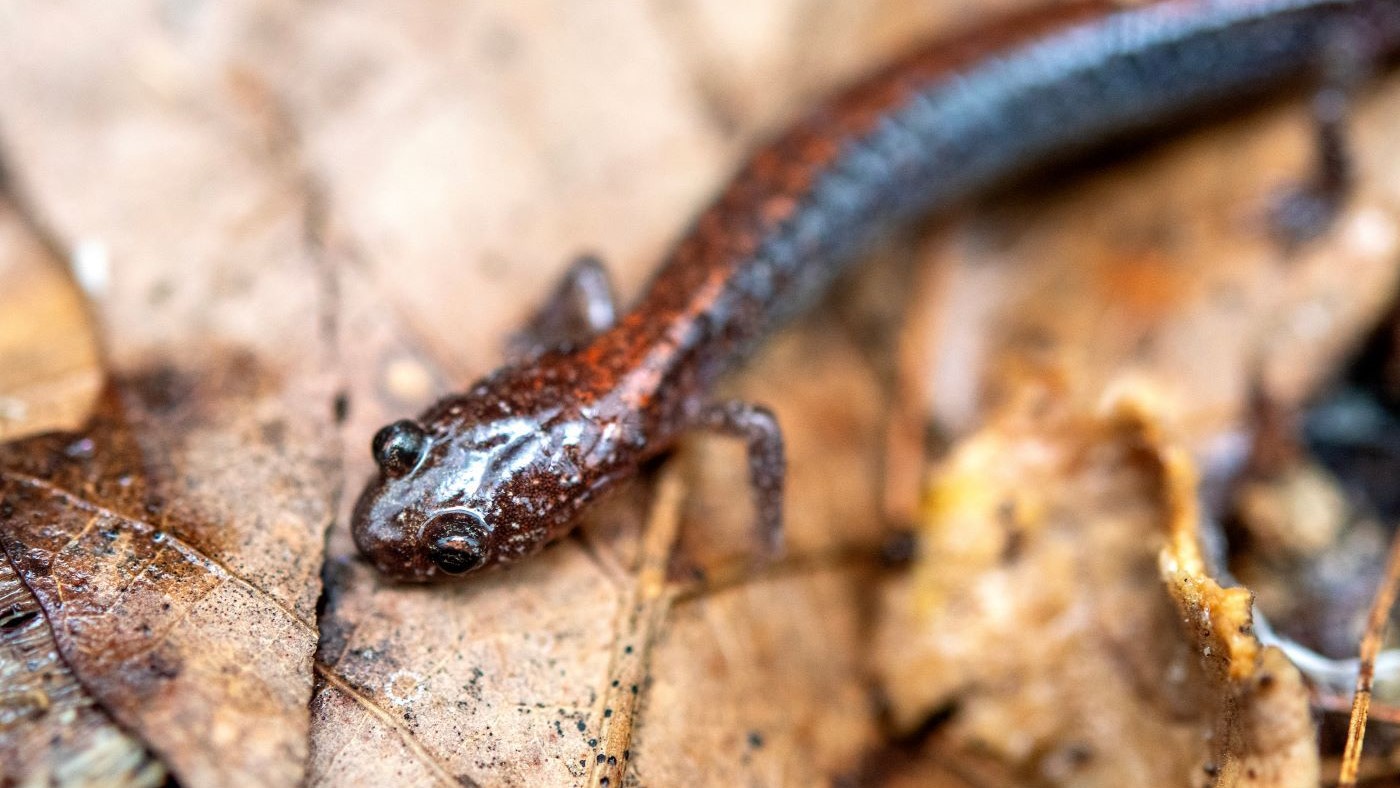
robots.txt (opens in a new tab)
2 rulesAll bots 1 allowed · 1 disallowed
- Allow
/wp-admin/admin-ajax.php - Disallow
/wp-admin/
No matching rules.
Sitemaps
1Recent Updates
- Website images
- Screenshots
- Network details
- Website Technologies
- Pages and Search Information
- HTTP Response Information
- TLS and certificates
- DNS Information
- Domain Registration
- Website profile
- Website Description
- Website Name
- Website profile
- Website Description
- Website Name
User reviews (0)