
 简体中文
简体中文 English
Website review
This review may include AI-generated content and is not individually verified. Domain, certificate and other facts come from the observed data on this page.
What is Texas A&M University's Marketing & Communications department?
Texas A&M University's Marketing & Communications department is the central home for the university's storytellers, marketers, and communicators. According to the department's site, it exists to "empower purposeful communication and amplify the impact of our faculty, staff and students" — essentially, it is the team that shapes and shares the Texas A&M story with audiences in Texas, the nation, and beyond.
What it actually does
The department provides the strategy, tools, and guidance that campus communicators use to tell the university's story consistently. Its work rests on a shared brand strategy described as "the blueprint for our brand experience and brand story," anchored in a positioning statement about Aggies standing together to build a brighter, safer world.
It also measures and publicizes the reach of that storytelling. The site points to results such as more than 80 million YouTube views over 12 months, 76,000 earned media placements nationwide between August 2024 and September 2025, and recognition for its 2024 commercial "What Texas A&M Stands For."
Who it serves
- Campus marketers and communicators who need brand guidance and tools for their own units.
- Faculty and staff whose work the department aims to amplify.
- Students, whose stories are part of the university's public narrative.
- External audiences in Texas and nationwide who encounter the brand through video, media coverage, and campaigns.
How to use it
If you are a communicator at a university or large institution, this type of site is a practical starting point: read the brand strategy first, then use its tools and templates so your unit's messaging aligns with the central brand rather than competing with it. For a concrete example of a peer institution's approach, see UCLA Brand Guidelines or University of Michigan Brand.
How can I access the brand strategy and tools to tell Texas A&M's story?
The site is a working hub for Texas A&M's storytellers, marketers and communicators, so the path to the brand strategy and tools is straightforward: start from the brand strategy section, then move to the practical guidance for applying it.
What you'll find there
- The brand strategy — described as the blueprint for the brand experience and story, covering who the university is, why it exists and why it matters.
- The brand positioning statement — Texas A&M as a force for good, where Aggies stand together and step forward, united by Core Values and shared duty, to build a brighter, safer world for Texas, the nation and beyond.
- Tools and guidance — the site says it provides the strategy, tools and guidance needed to share the story with audiences in Texas, the nation and beyond.
- Impact evidence — figures such as 80+ million YouTube views over 12 months, 76K media placements, and recognition for the 2024 commercial "What Texas A&M Stands For."
A practical next step
If you're a faculty or staff member preparing a campaign, news release or social post, treat the brand strategy as the first checkpoint rather than a reference document you skim later. Read the positioning statement, then ask whether your draft shows Aggies standing together and stepping forward — that's the specific framing the page treats as the core of the brand.
For communicators outside the university, Marketing & Communications | Texas A&M University is the authoritative source for how the institution describes itself, which matters when you're writing about Texas A&M and want to use its own language rather than paraphrasing from secondary coverage.
What are the key elements of Texas A&M's brand positioning statement?
Texas A&M's brand positioning statement is built from three core elements:
- Who: Texas A&M University
- What: A force for good
- How and why: Aggies stand together and step forward — united by Core Values and shared duty — to build a brighter, safer world for the people of Texas, the nation and beyond.
The structure is deliberate. It names the institution, defines its character in three words, then explains the mechanism (shared values and collective action) and the payoff (a brighter, safer world). That last part extends the audience beyond campus to the state, the country and internationally.
How to use this as a decision criterion
If you are writing or reviewing marketing copy for the university, test it against the statement: does it show Aggies acting together rather than as individuals, and does it connect that action to a benefit beyond the institution itself? Copy that only praises the university, without the "force for good" framing, sits outside the positioning.
The page presents this as the blueprint for the brand experience and story, so it is meant to guide messaging rather than function as a tagline. For the full strategy, tools and guidance, see Marketing & Communications | Texas A&M University.
What impact has Texas A&M's marketing and communications had in recent years?
Texas A&M's marketing and communications has had a measurable national reach in recent years, combining large-scale video viewership, awards recognition and heavy earned media coverage.
Reported outcomes
- Video audience: More than 80 million YouTube views over a 12-month period, attributed to the university's emotive video storytelling.
- Award recognition: The 2024 commercial "What Texas A&M Stands For" was a finalist for Best Use of Video at the Content Marketing Awards.
- Earned media: 76,000 media placements nationwide between August 2024 and September 2025, reflecting faculty and staff experts appearing online, in print and on television.
- Brand standing: Texas A&M was recognized as "A Brand That Matters" and described as the only university on that list.
How to read these numbers
The figures are self-reported by the university's marketing and communications team, so they describe reach and visibility rather than independently verified outcomes. Reach alone doesn't confirm that audiences changed their perception of the university — but the mix is telling. High video viewership suggests emotional storytelling is landing with broad audiences, while 76,000 media placements point to a different strength: positioning faculty and staff as expert sources rather than relying only on paid promotion. The award shortlist adds external validation that peers in the content marketing field noticed the work.
A practical next step
If you're assessing a similar communications program, look for the same three signals: a distribution channel with real audience scale, third-party recognition, and earned coverage driven by your own experts. For background on the university's stated strategy and tools, see Marketing & Communications | Texas A&M University.
How can I use Texas A&M's brand guidelines in my communications?
Use Texas A&M's marketing hub as a working reference for brand-consistent communications, not as a one-time read. The site is explicitly built for the university's "storytellers, marketers and communicators," and it organizes guidance around a brand strategy, a positioning statement, impact evidence, and brand character — the four things you need before you write or design anything.
A practical workflow
- Start with strategy, not templates. The site frames its brand strategy as "the blueprint for our brand experience and brand story" — covering who Texas A&M is, why it exists, and why it matters. Read that first so your piece inherits the reasoning rather than just the look.
- Anchor your message in the positioning statement. The published version names the university, describes it as "a force for good," explains how Aggies "stand together and step forward — united by Core Values and shared duty," and gives the purpose: building "a brighter, safer world for the people of Texas, the nation and beyond." Treat this as the spine of a draft; your specific news or program becomes the example, not the whole story.
- Match tone to brand character. The "Getting In Character" section signals that voice and personality are part of the guidance. Check it before writing headlines, social captions or video scripts.
- Use the impact material as proof, not decoration. The page cites 80+ million YouTube views over 12 months, 76K media placements nationwide from August 2024 to September 2025, and recognition from the Content Marketing Awards. These are the site's own reported figures — cite them only when they genuinely support your point, and keep your own unit's metrics separate.
A quick decision guide
| Your situation | Where to start |
|---|---|
| Writing a news release or feature | Brand strategy, then positioning statement |
| Producing video or social content | Brand character and voice guidance |
| Briefing a vendor or agency | Strategy and positioning, so they inherit the rationale |
| Defending a messaging choice internally | Positioning statement plus impact evidence |
Concrete example. A department communicator announcing a new research center would open with the positioning language about standing together and building a brighter world, then introduce the center as a specific instance of that duty — rather than leading with a facilities announcement and bolting on the brand at the end.
Next step. If you work outside the university and want a comparison point for how institutions publish brand governance publicly, look at UT Austin Brand Guidelines or University of Michigan Brand Guidelines. For general communications practice, the guidance above is advice about how to use a brand system, not a description of features unique to this site.
What does it mean for Texas A&M to be recognized as a brand that matters?
Texas A&M's recognition as a "brand that matters" means its marketing and communications work is being judged not just on visibility or cleverness, but on whether it connects purpose, creativity and culture in a way audiences actually respond to. According to the page, Texas A&M is the only university on that list — a distinction that matters because most such brand recognition tends to go to consumer and corporate names rather than public universities.
For the people who work on the university's communications — faculty, staff and student storytellers — the practical meaning is that the strategy is doing its job. The site frames everything around a single brand strategy it calls the blueprint for the brand experience and story, anchored in a positioning statement about Aggies standing together and stepping forward to build a brighter, safer world. Recognition like this is evidence that a consistent, values-driven message travels beyond campus.
What backs it up
The page points to measurable reach rather than the award alone: more than 80 million YouTube views over 12 months, roughly 76,000 media placements nationally between August 2024 and September 2025, and a Content Marketing Awards finalist nod for the 2024 commercial "What Texas A&M Stands For." Together these suggest the brand is being seen, cited and imitated — the usual signals of a brand that carries weight.
How to read it if you're evaluating the site
- If you're a communicator at another institution: look at how tightly the strategy statement, the video work and the earned-media numbers reinforce one another. That alignment, not the award, is the transferable lesson.
- If you're a prospective student or family member: the recognition is a signal about institutional confidence and reach, but it says nothing about academic programs, cost or outcomes. Use it as context, not as a deciding factor.
- If you're a marketer studying brand strategy: the useful question is whether you could state your own organization's positioning in one sentence the way this page does. If not, that's your starting point.
A reasonable next step is to read the strategy section itself at Marketing & Communications | Texas A&M University and compare its positioning statement against your own organization's messaging. If your brand story can't be summarized with the same clarity — who you are, what you are, how you act, and why it matters — the recognition gap is usually a strategy gap, not a budget one.
 Fastly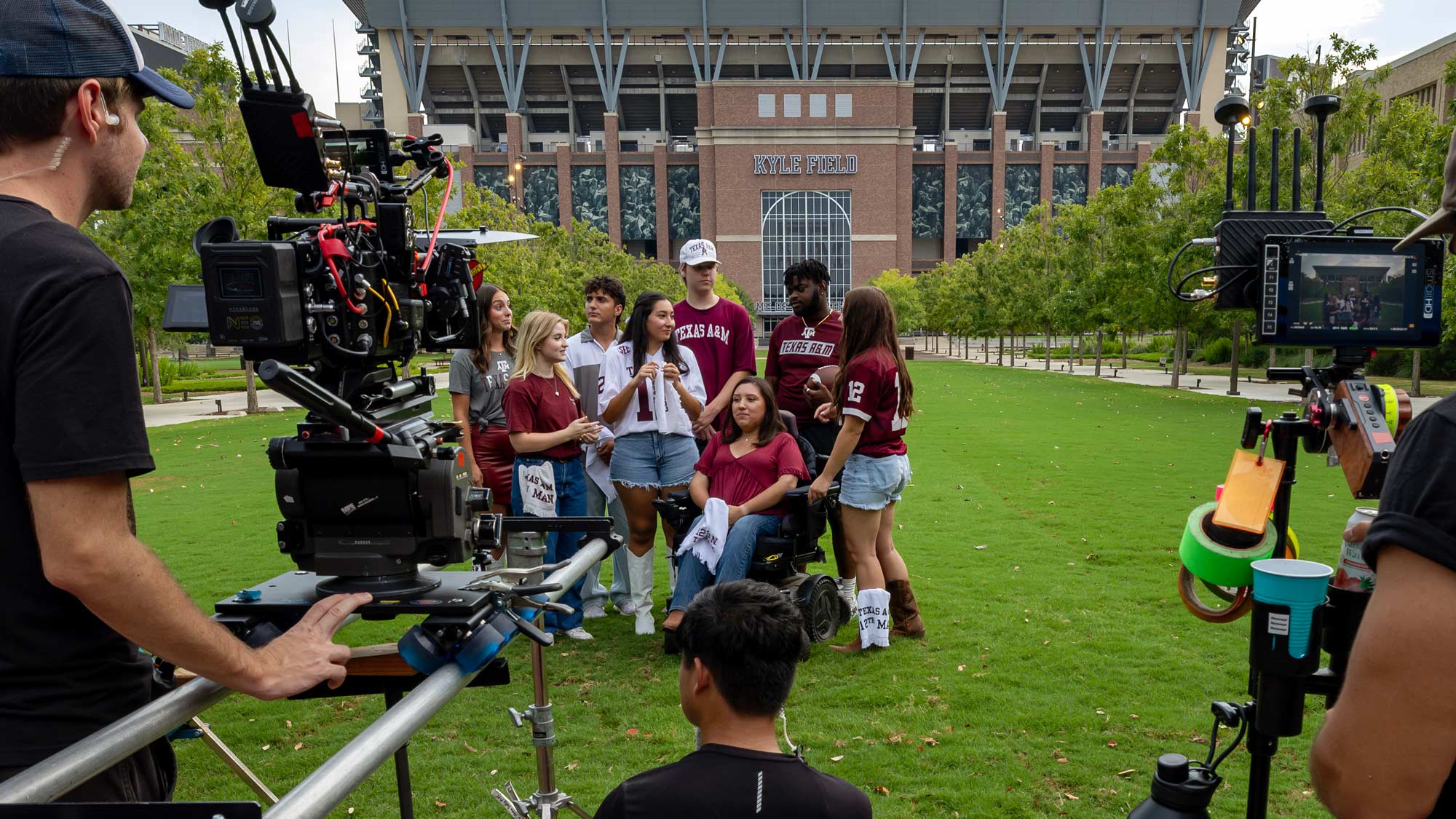
User reviews (0)