
 简体中文
简体中文 English
Website review
This review may include AI-generated content and is not individually verified. Domain, certificate and other facts come from the observed data on this page.
What is Massage Library?
Massage Library is an online learning resource for massage therapists, built around a library of technique videos, workbooks and printable reference sheets from Dr. James Mally. Its stated aim is practical: learn a technique, review the sequence, then use it in your next treatment session. The site describes 900+ techniques, decades of experience, and ongoing updates, with members able to search by body area, technique or condition and watch on any device.
Who it suits
- Working therapists who want a reference to consult before a session rather than a full certification program.
- Therapists looking to expand their range of techniques for specific conditions or body areas.
- Learners who prefer short video demonstrations plus downloadable written references they can keep on a phone or tablet.
What membership appears to include
- Streaming video lessons and downloadable workbooks.
- Member-only videos, workbooks and clinical notes.
- New techniques, lectures and resources added over time.
- A community element where therapists can exchange and evaluate techniques.
Trade-offs to weigh
- It is a subscription reference library, not a replacement for hands-on training or licensing requirements.
- The value depends on how often you actually consult it between sessions; a therapist who rarely reviews techniques may get less from ongoing access than one who prepares for each client.
- Content is centered on Dr. Mally's approach and selected guest teachers, so it reflects a particular teaching style rather than every school of massage.
Next step
If you are deciding whether to join, pick three client situations you handle often, such as a stiff shoulder, low-back tension or restricted hip movement, then check whether the library's search by body area or condition surfaces sequences you would realistically use. Compare that against the subscription cost and your current continuing-education budget. For broader professional context, you can also look at Massage Therapy or American Massage Therapy Association.
How much does a Massage Library membership cost?
A Massage Library membership is priced at $7 per month or $72 per year, according to the site's own membership section. The page also states you can cancel at any time. At the annual rate, the effective cost works out to about $6 per month, so the yearly plan saves roughly $12 compared with paying monthly.
Next step: Decide based on how you'll use it. If you want to test whether the 900+ technique videos and downloadable workbooks fit your practice, start monthly at $7 and cancel if it doesn't stick. If you already know you'll reference it between sessions — for example, reviewing a shoulder sequence the night before a client with restricted range of motion — the $72 annual plan is the cheaper route.
Can I cancel my Massage Library subscription at any time?
Yes. Massage Library states you can cancel at any time, and its membership is described as a simple monthly or annual subscription.
H3 What this means in practice
- If you subscribe monthly, cancelling stops future monthly charges; you keep access until the end of the period you already paid for.
- If you subscribe annually, cancelling prevents the next yearly renewal. You would normally retain access through the remainder of the paid year.
- Cancelling is not the same as requesting a refund for time already used. The page does not promise refunds for partial periods, so if you are close to a renewal date, cancel before that date rather than after.
H3 A realistic scenario Suppose you join to prepare for a specific client issue, such as frozen shoulder or TMJ work, and you download the relevant workbooks during the first month. If the monthly plan is enough for that project, cancel once you have what you need. If you expect to keep looking things up between clients, the annual plan may be cheaper per month.
H3 Before you cancel
- Download any workbooks or reference guides you want to keep, since access ends with the subscription.
- Check the renewal date in your account so you cancel before the next charge.
- Confirm the cancellation email or account status, because a cancelled subscription should show as inactive rather than merely "pending."
For exact steps, sign in and look for the subscription or billing section of your account. If you cannot find it, contact Massage Library support directly through Massage Library before the renewal date.
What types of massage techniques and resources are included in the library?
Massage Library is a subscription reference for working massage therapists, built around step-by-step video lessons, downloadable workbooks and printable cheat sheets. Its stated scope is 900+ techniques, organized so you can search by body area, technique or condition, with new techniques, lectures and resources added over time.
What the library includes
- Technique videos: instructional lessons you can watch before or between sessions, intended for direct use in the treatment room.
- Workbooks and reference guides: downloadable materials for reviewing sequences and keeping notes.
- Printable cheat sheets: quick-reference aids for session preparation.
- Member-only clinical content: in-depth videos, lectures and insights not available outside the membership.
- Community input: a forum where therapists exchange and evaluate techniques, with contributions from other practitioners alongside Dr. James Mally.
How it is organized and delivered The site emphasizes searching by body area, technique or condition, and watching on any device on your own schedule. That structure suits a therapist who wants to look up a specific approach for a client's shoulder, for example, rather than work through a fixed curriculum from start to finish.
Who it fits
- Good fit: licensed or student therapists who want a lookup library for session planning, and who value video demonstration over text alone.
- Weaker fit: someone seeking a formal certification program, hands-on supervised training, or a single structured course with an endpoint.
Practical trade-off A broad library rewards self-direction: you get many options, but you must decide what to study. If you prefer a guided path, treat the workbooks as your sequence and pick one region or condition per week rather than browsing randomly.
Next step Check whether the technique index covers the conditions you see most often, then compare the monthly and annual subscription options on Massage Library to see which commitment level matches how often you would actually use it.
How can I use Massage Library videos and workbooks to prepare for a client session?
Use Massage Library as a pre-session reference: look up the relevant body area, technique or condition, watch the matching video to refresh the sequence and hand placement, then download the workbook or cheat sheet so you have the steps in front of you during or after the treatment. The site describes 900+ techniques, step-by-step video lessons, downloadable workbooks and reference guides, search by body area, technique or condition, and access on any device; Dr. James Mally presents it as a collection of tools and a "mental map" from his 50-year career.
H3 A practical pre-session routine
- Define the problem before you search. Write down the client's complaint, the region involved and any contraindication you already know. Searching by "condition" or "body area" is faster than browsing technique names.
- Watch one video, not five. Pick the technique that fits your treatment plan and watch it once at normal speed, then again at the points where hand placement, direction of stroke or client positioning matters.
- Download the matching workbook or cheat sheet. Keep it beside the table as a sequence reminder rather than trying to memorise everything. The site lists printable cheat sheets and reference guides.
- Rehearse the transitions. Most therapists know individual strokes but lose time switching between them. Run through the sequence on a pillow or your own forearm, focusing on how you move from one region to the next.
- Note what you changed afterwards. If you adapted pressure, draping or positioning for this client, record it so the next session starts from experience rather than from scratch.
H3 Who gets the most from this approach
| Situation | Why video plus workbook helps |
|---|---|
| New or unfamiliar technique | Visual demonstration shows direction, pressure and body mechanics that text alone leaves ambiguous |
| Returning to a technique you learned years ago | A short review restores the sequence without a full course |
| Client with a specific condition | Searching by condition narrows the library to relevant options |
| Busy schedule | Short videos and printable sheets fit into gaps between appointments |
H3 Trade-offs to weigh
Video is better for rhythm, pressure and therapist body mechanics; workbooks are better for sequence, timing and clinical notes. Neither replaces hands-on training or supervised practice, and a reference library cannot tell you whether a technique is appropriate for a particular client. Membership is subscription-based, with the page stating a monthly option and an annual option and cancellation at any time; check the current terms yourself before joining. Treat the library as preparation and review, not as a substitute for assessment or scope-of-practice judgement.
Next step: before your next appointment, pick one client scenario, search the library by that body area or condition, and build a one-page plan of technique, sequence and expected response. If you want a broader training pathway alongside it, compare with Erik Dalton or general continuing-education providers, then decide whether a reference subscription or a structured course better matches how you actually prepare for sessions.
Is Massage Library suitable for new massage therapists or only experienced professionals?
Massage Library is suitable for both new and experienced massage therapists, though it leans toward practitioners who already have basic hands-on training and want a structured reference to grow from. The site describes itself as a collection of tools and a “mental map” from Dr. James Mally’s long teaching career, with 900+ techniques, step-by-step videos, downloadable workbooks and search by body area, technique or condition.
For a new therapist, the value is in having a clear, follow-along sequence to review before or after a session, rather than trying to invent routines from scratch. For an experienced therapist, the appeal is more about adding options, checking details and finding clinical insights for specific client problems.
How to decide
- If you are still in school or just starting: use it as a supplement to your hands-on training, not a replacement for supervised practice. Start with one body area and one condition, then practice the sequence on a colleague.
- If you have been working for years: use it to fill gaps in your toolkit or to prepare for a client with an unfamiliar complaint.
- If you mainly want free, occasional tips: the membership may be more structure than you need.
- If you want ongoing updates and a searchable reference on your phone or tablet: the format is designed for that kind of quick lookup.
The main trade-off is between breadth and depth. A large video library can feel overwhelming at first, so new therapists should pick a narrow starting point. Experienced therapists may move faster because they already know how to filter techniques by client need.
As a next step, browse the public technique pages or sample videos to see whether the teaching style matches how you learn. If it does, the monthly option lets you test it without a long commitment.
 Cloudflare
 Google Workspace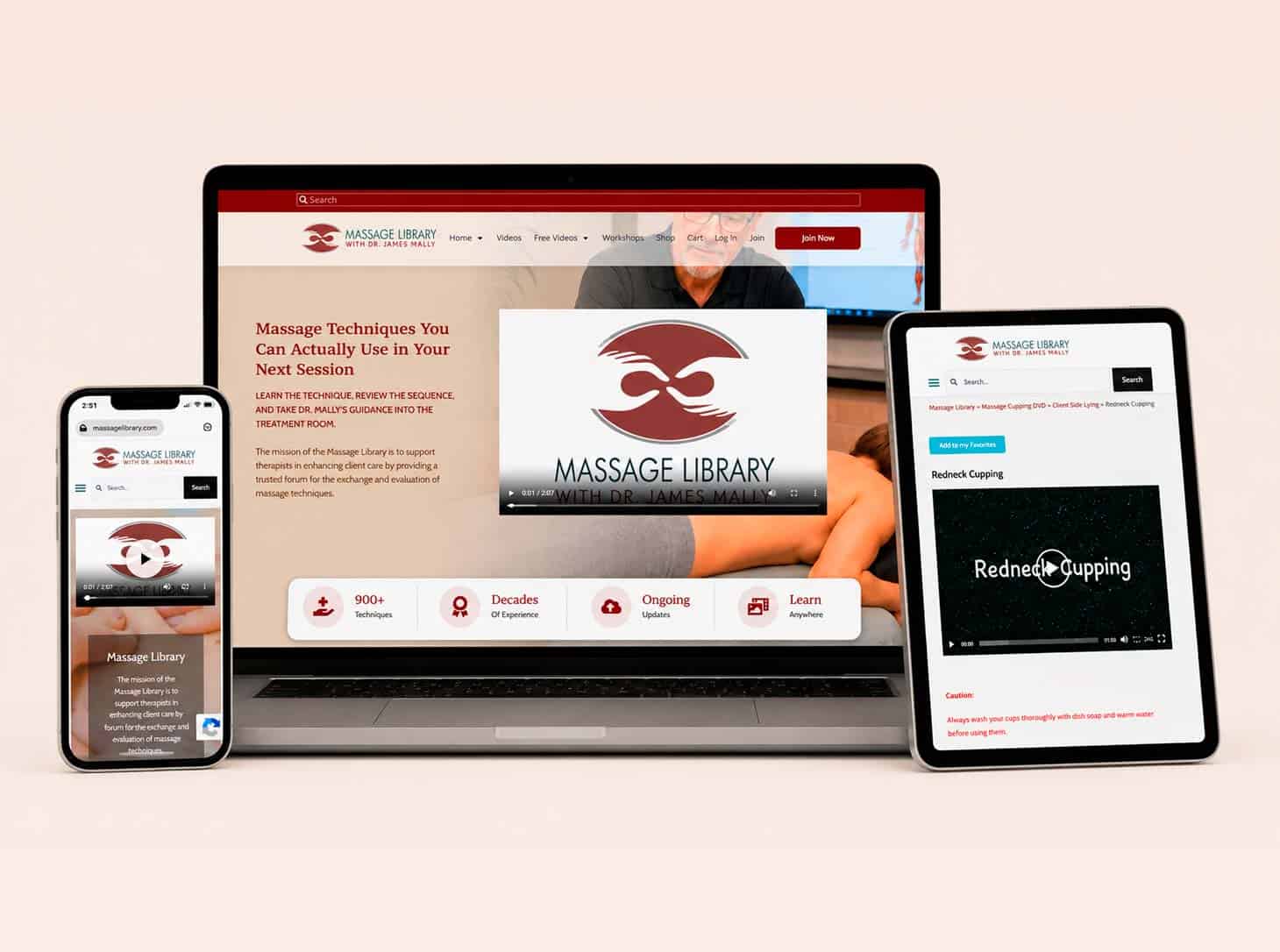

User reviews (0)