
 简体中文
 English

Website review
This review may include AI-generated content and is not individually verified. Domain, certificate and other facts come from the observed data on this page.
What is the Michigan Maple Syrup Association?
The Michigan Maple Syrup Association (MMSA) is a statewide trade and enthusiast organization for Michigan’s maple syrup industry, representing more than 150 members who together manage over 150,000 taps and produce more than 50,000 gallons of syrup. It serves both commercial producers and people who simply want to learn about maple—covering the history of syrup making, the science and technology behind production, and where to see sugarbushes in operation or try making syrup yourself.
What it offers
- Producer directory: A map and listing of Michigan sugarbush locations for visitors who want to watch syrup being made.
- Events: A Fall Tour (2026 in the Rudyard area of the Upper Peninsula, with a chainsaw safety class the day before), a winter meeting in Mt. Pleasant, and Key Maple Weekends split by region—southern Lower Michigan in late March, northern Lower Michigan the following weekend, and Upper Michigan in mid-April.
- Membership: A pathway for producers and enthusiasts to join and access association benefits.
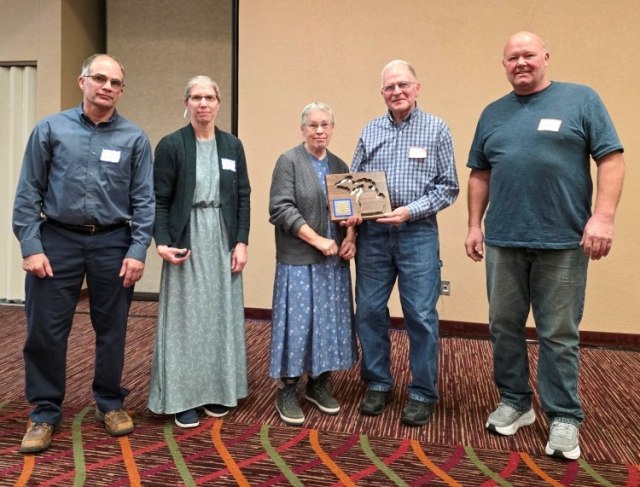
- Awards: An annual contest recognizing producers, such as the 2026 Best of Show winner Maple View Farms.
- Community support: An Ice Storm Relief Fund directing donations to producers affected by the 2025 ice storm, with fundraising help from Iron Fish Distillery and Grand Traverse Pie Company.
Who it suits
Home hobbyists deciding whether to tap their first trees will get the most from the producer map and the how-to-make-it-yourself material. Commercial producers are better served by the winter meeting, the Fall Tour’s technical sessions, and the awards program, which function as peer networking and recognition. Travelers planning a spring trip can use the regional Key Maple Weekend dates to time a visit.
A practical next step
If you are planning a visit rather than production, check the producer locations map first, then match your trip to the Key Maple Weekend for your region—southern Lower Michigan in late March, northern Lower Michigan the following weekend, Upper Michigan in mid-April. For broader context, compare with North American Maple Syrup Council or state tourism resources.
How can I find a sugarhouse or sugarbush near me in Michigan to watch maple syrup being made?
Use the Michigan Maple Syrup Association's Producer Locations map, linked from its homepage as "Find a Sugarbush Near You!" That is the most direct way to locate Michigan sugarhouses that welcome visitors. The same site also explains how syrup is made and points to its Key Maple Weekend dates, when many producers open their doors.
Practical steps
- Open the association's producer map at Michigan Maple Syrup Association and look for operations in your county or within a reasonable drive.
- Check the site's Key Maple Weekend schedule: southern Lower Michigan on March 21–22, northern Lower Michigan on March 28–29, and Upper Michigan on April 11–12. These weekends are the safest bet for seeing syrup being boiled, since many sugarhouses plan demonstrations and tours then.
- Confirm details with the individual sugarhouse before driving. The association map lists locations, but hours, tour times and whether boiling is actually underway on a given day are best verified directly.
Timing matters more than distance
Maple sap runs in late winter and early spring, when nights freeze and days thaw. A sugarhouse a short drive away may be idle in summer, while one farther north could be in full production in April. If your goal is to watch evaporation in action, plan around the season and call ahead; if you mainly want to buy syrup and talk with producers, a visit outside the boil is still worthwhile.
For a family outing, the Key Maple Weekend dates are the simplest starting point: pick the weekend for your region, choose two or three nearby producers from the map, and phone the closest one first to confirm it is boiling and open to visitors.
What are the dates and locations for the 2026 Fall Tour and Winter Meeting, and how do I register?
The 2026 Fall Tour runs September 18–19, 2026 in the Rudyard area of Michigan's Eastern Upper Peninsula. September 18 is a chainsaw safety class (listed as SAWW Training); September 19 is the Fall Tour itself. Registration is by mail-in form, linked from the event notice on the association's site.
The Winter Meeting is January 16–17 in Mt. Pleasant. The page announces the dates and place but does not describe a registration method for it, so confirm details with the association before planning travel.
| Event | Dates | Location | Registration |
|---|---|---|---|
| Fall Tour 2026 | Sept 18–19, 2026 | Rudyard area, Eastern Upper Peninsula | Mail-in registration form |
| Winter Meeting | Jan 16–17 | Mt. Pleasant | Not specified on the page |
For a practical next step, download and mail the Fall Tour form early if you want the September 18 chainsaw class, since single-day training sessions often have limited seats. The association's events page is at Michigan Maple Syrup Association.
How do I become a member of the Michigan Maple Syrup Association and what benefits does membership include?
The Michigan Maple Syrup Association (MMSA) does not publish a single "join" button on its home page; membership is handled through the association's own membership page, which the site links from its "Join Us" section. The practical first step is to open that membership page, choose the membership category that fits you (hobbyist, producer, or commercial operation), and complete the form and payment there. If you prefer to talk to someone first, the association's events are the easiest entry point: the Winter Meeting in Mt. Pleasant (January 16–17) and the Fall Tour (September 19, 2026, in the Rudyard area, with a chainsaw safety class on September 18) both bring members together and are listed on the home page.
What membership connects you to
The site frames membership around four things it offers:
- Education and science — how maple syrup is made, including production science and recent technological innovations.
- History and heritage — how Michigan's early inhabitants made maple syrup.
- Visiting and making — where to see syrup being made and how to make it yourself, with a full listing of Michigan sugarbush locations.
- Community events — the Winter Meeting, Fall Tour, and Key Maple Weekend (Southern Lower Michigan March 21–22, Northern Lower Michigan March 28–29, Upper Michigan April 11–12).
The association also runs a contest with awards such as Best of Show (the 2026 winner listed is Maple View Farms, the Zimmerman Family), which is a reason producers join: visibility and peer recognition.
A useful way to decide
| If you are… | Membership mainly buys you | Check before joining |
|---|---|---|
| A home hobbyist | Access to how-to guidance, sugarbush visits, and event networking | Whether a low-cost hobbyist tier exists and what it includes |
| A small producer | Peer contacts, event access, contest entry, and a producer listing | Whether your operation qualifies for the producer category |
| A commercial operation | Industry visibility, awards, and connection to 150+ members and 150,000+ taps | Dues level and any listing or sponsorship options |
One concrete next step: before paying, email or call the contact on the membership page and ask two questions — which category fits your scale, and whether dues run on a calendar year or from your join date. That determines whether joining in, say, November gives you a full year or only a few weeks before renewal.
How can I donate to the Ice Storm Relief Fund to help Michigan maple producers affected by the 2025 ice storm?
The Michigan Maple Syrup Association's site says the Ice Storm Relief Fund was set up to help affected producers rebuild, with donations going directly to the families most affected. The page's donation appeal appears in the same section as the relief fund announcement, so start there: open Michigan Maple Syrup Association and follow the donation prompt on the Ice Storm Relief Fund section of the home page. If the link is unclear, use the site's contact route to ask the association how to give.
Practical points before you give:
- Designate your gift. Say explicitly that it is for the Ice Storm Relief Fund, so it is not treated as general membership or event revenue.
- Ask for a receipt. A confirmation helps if you want to claim a charitable deduction; check the fund's tax status with the association directly.
- Consider the related products. The association notes that Iron Fish Distillery's Ice Storm Whiskey and Grand Traverse Pie Company's Michigan Maple Walnut Pie support awareness of the relief effort. Buying them is a indirect way to help; a direct donation is the clearer route if your goal is rebuilding aid.
A concrete example: a home syrup user who buys Michigan syrup each spring could donate the price of one bottle and note "Ice Storm Relief Fund" in the payment reference, then keep the receipt with tax records.
Decision criterion: if you want your money to reach producers quickly and without buying anything, donate directly through the association's fund page; if you also want to support the businesses amplifying the cause, the two products above are the ones the association names.
How can I make maple syrup myself, and what does the association offer to help beginners get started?
You can make maple syrup at home by tapping a few sugar or red maples in late winter, collecting sap, and boiling it down—roughly 40 gallons of sap yield 1 gallon of syrup—but the Michigan Maple Syrup Association is mainly a producer network and event organizer, not a step-by-step beginner course. Its site points beginners toward the science of production, recent technological innovations, and where to see syrup being made, and it explicitly says you can find out "how you can make it yourself" through its resources.
What the association offers
- Producer locations map: The "Producer Locations" section ("Find a Sugarbush Near You! Explore Map") helps you visit a working sugarbush—the most practical first step, since seeing a boil and talking to a producer answers equipment and timing questions faster than reading.
- Events: A Fall Tour (September 18–19, 2026, in the Rudyard area of the Upper Peninsula, with a September 18 chainsaw safety class), a Winter Meeting in Mt. Pleasant (January 16–17), and Key Maple Weekend in spring (Southern Lower Michigan March 21–22, Northern Lower Michigan March 28–29, Upper Michigan April 11–12). The spring weekends are the best fit for a beginner who wants to watch syrup being made.
- Membership: The "Join Us" section frames membership around benefiting "your interest in all things maple"—useful if you plan to scale up or want to connect with the 150+ member producers.
- History and science content: Background on how Michigan's early inhabitants made syrup and on production science and technology.
A practical starting path
- Identify your trees in summer (sugar and red maples are common in Michigan); a few taps are enough to start.
- Visit a sugarbush during Key Maple Weekend in your region to see collection and evaporation firsthand.
- Tap in late winter when nights freeze and days thaw, collect in food-grade containers, and boil outdoors—evaporation produces a lot of steam and sticky residue indoors.
- Finish syrup to the correct density; a hydrometer or syrup test cup removes guesswork.
The trade-off: hobby boiling is slow and fuel-hungry for small batches, so many beginners start with a handful of taps and a borrowed or shared evaporator rather than buying equipment first. For broader regional context, Massachusetts Maple Producers Association publishes beginner-oriented production guidance.
 Google Workspace

User reviews (0)