
 简体中文
简体中文 English
Website review
This review may include AI-generated content and is not individually verified. Domain, certificate and other facts come from the observed data on this page.
What is Moby Wrap?
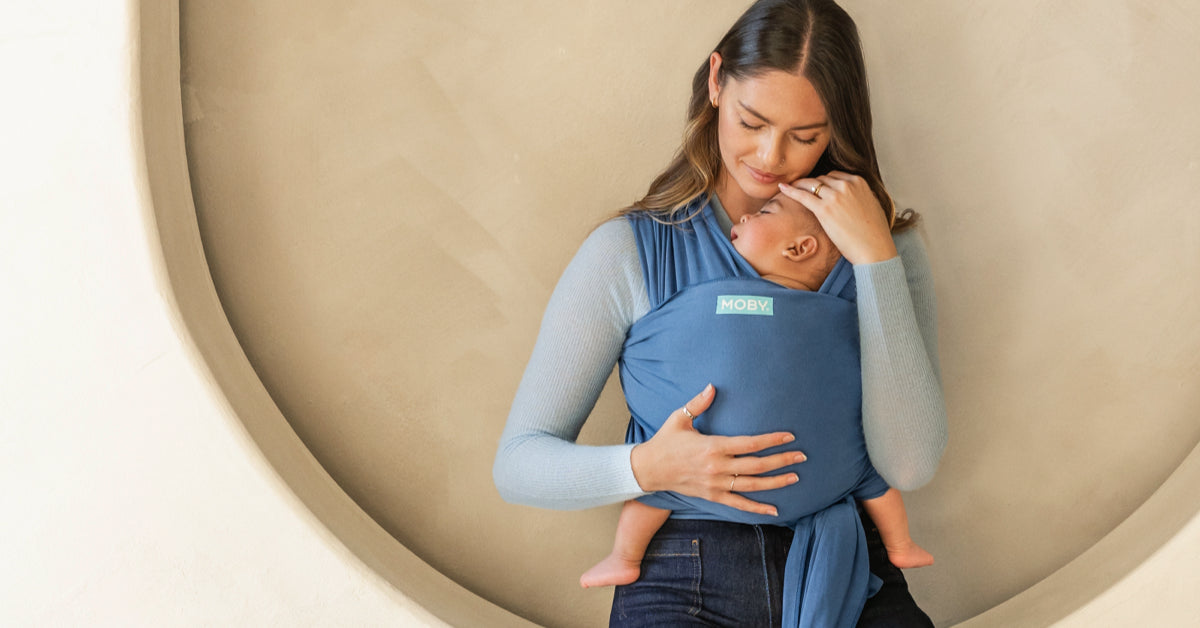
Moby Wrap is a brand focused on baby wraps, carriers and related gear for new parents. Its core product is a long piece of soft fabric that caregivers wrap and tie around their body to hold a baby close, commonly known as babywearing. The site presents this as a way to keep a baby secure while leaving both hands free, and to support bonding through closeness.
Who it suits
- New parents looking for a simple, non-structured carrier
- Caregivers who want to carry newborns and small infants for longer stretches
- Families who prefer fabric wraps over buckles and rigid frames
What to expect
Wraps are typically adjusted by tying rather than clicking into place, so the fit depends on learning a few wrapping methods. The site's emphasis on tutorials reflects that: beginners often need step-by-step guidance, and the learning curve is the main trade-off against the comfort and custom fit a wrap can offer.
Compared with structured carriers, wraps may feel softer and more adaptable for very young babies, while structured options can be quicker to put on. Moby Wrap sits alongside other babywearing brands such as Ergobaby and BabyBjörn, which are generally known for buckled carriers rather than tie-style wraps.
How do I use a Moby Wrap?
Moby Wrap is best known for its soft, stretchy fabric baby wraps, and the brand also offers structured carriers and accessories. Its site is aimed at new parents who want hands-free closeness while keeping a baby secure against the wearer's chest.
What you typically need to know
- The wrap is one long piece of fabric. You position the middle section across your front, cross the two halves over your back, and bring them forward to form the pouch that holds the baby.
- Fit comes before the baby. A snug, high position — baby close enough to kiss — is the usual goal. Loose fabric and a low carry tend to feel less secure.
- Different carries suit different stages. A front carry works well for newborns and small infants; hip and back carries are generally for older babies with good head and neck control.
- Practice without the baby first. Learning the tying steps with a doll or rolled towel makes the first real use calmer.
Where the site helps
Moby Wrap publishes step-by-step tying instructions, carry variations and safety guidance, which is more useful than a single diagram because tension and positioning vary by wearer and baby size. A structured carrier, by contrast, uses buckles and adjustable straps — quicker to put on, but less mouldable than a stretchy wrap.
Check the manufacturer's guidance for weight limits, correct leg and hip positioning, and when to move to a different carry. If you are unsure, a babywearing educator or health professional can check your fit in person.
Are Moby Wraps safe for newborns?
Moby Wrap is a baby-carrier brand best known for soft fabric wraps that hold a newborn against the wearer's chest. Safety depends less on the brand name than on correct use, the baby's position, and the wearer's attention.
H3 Key safety considerations for newborns
- Airway and breathing: A newborn's face should remain visible and unobstructed, with the chin off the chest so the airway stays open.
- Positioning: The wrap should support the head and neck, keep the baby high and tight, and allow a slightly rounded back with knees supported.
- Fit and tension: Fabric should be snug enough to hold the baby securely without pressing on the abdomen or restricting movement.
- Supervision: Check the baby's breathing and temperature regularly, and avoid covering the face with fabric.
H3 Who this suits
Moby-style stretchy wraps are typically suited to parents of small newborns who want hands-free closeness and frequent skin-to-skin contact. They may be less convenient for quick on-and-off use or for caregivers who prefer structured buckles.
H3 Practical approach
Follow the manufacturer's tying instructions and weight guidance, and consult a pediatrician or a babywearing educator if you are unsure. For additional guidance, see Moby Wrap. Safety also depends on the individual baby's health, so professional advice matters more than any general claim.
What are the different types of Moby baby carriers?
Moby Wrap focuses on soft, fabric-based baby carriers rather than framed hiking packs or rigid structured carriers. Its range falls into a few practical categories.
Main carrier styles
- Stretchy wraps: Long pieces of fabric tied around the wearer. They suit newborns and small infants, offer a snug, adjustable fit, and are typically used for front carries. The trade-off is that stretchy fabric can sag as babies get heavier.
- Woven wraps: Similar in concept but made from non-stretch fabric. They support heavier babies and toddlers and allow back and front carries, though tying takes more practice.
- Hybrid or buckle wraps: Combine a wrap-like panel with buckles or rings, aiming for the closeness of a wrap with faster fitting.
- Soft structured carriers: Padded straps and buckles, often with multiple carry positions. These tend to suit longer use and older babies, and are quicker to put on than a tied wrap.
- Slings and pouches: Simpler, less adjustable options for short carries and quick errands.
Choosing between them
New parents wanting a simple, close carry for a newborn may prefer a stretchy wrap. Caregivers carrying heavier children or sharing the carrier between adults may find woven wraps or structured carriers more adaptable. Because fit and comfort vary by body type and baby size, trying a style before committing is useful; the site's guidance and tutorials can help with tying and positioning.
How does a Moby Wrap compare to other baby carriers?
Moby Wrap focuses on soft, fabric-based baby wraps and carriers, a category that differs meaningfully from structured carriers with buckles and padded straps. The core trade-off is between closeness and adjustability versus speed and back support.
Where Moby Wrap-style carriers fit
A stretchy or woven wrap is a long piece of fabric tied around the wearer's torso. It distributes a baby's weight across the shoulders, back and hips rather than concentrating it on two straps. This tends to suit:
- Newborns and smaller babies who need head and neck support
- Parents who want skin-to-skin contact and frequent feeding access
- Home, travel and calm environments where tying is practical
How other carrier types differ
Structured carriers with buckles are typically faster to put on and easier to adjust one-handed, and many offer firmer lumbar support for heavier babies and longer walks. Ring slings and meh dai carriers sit between the two: quicker than a full wrap, more mouldable than a framed carrier.
Practical considerations
Wraps usually require a learning curve and a secure, snug tie; they may feel warm in hot weather and less ideal for back carrying. Buckled carriers often handle toddlers better and are simpler for multiple caregivers to share. Many families use a wrap for the first months and add a structured carrier later.
Compare fit, climate, carrying duration and how many people will use it before choosing.
Can I use a Moby Wrap for twins or multiples?
Yes, Moby Wrap-style stretchy wraps can be used with twins or multiples, but the approach differs from carrying one baby. Parents typically use two wraps—one per baby—or a single wrap arranged to hold both, depending on the babies' size and the wearer's comfort.
H3 Practical options
- Two separate wraps: Each baby is worn in its own wrap, often one in front and one on the side or back. This gives independent positioning and easier adjustments.
- One wrap, two babies: Some caregivers use a single long wrap to hold both, usually with one baby positioned high on the chest and the other lower or to the side. This can feel bulky and may not suit smaller or premature infants.
- Tandem with a second carrier: Combining a wrap with a structured carrier can distribute weight differently, which may be more comfortable for longer outings.
H3 What to consider
- Weight and size limits: Follow the manufacturer's guidance for each baby. Stretchy wraps are generally best for smaller infants; heavier twins may need a woven wrap or structured carrier.
- Comfort and safety: Two babies add weight and warmth. Ensure each baby's airway is clear, faces are visible, and the wrap is snug.
- Learning curve: Tandem wrapping takes practice. Many parents find a hands-on tutorial or a local babywearing group helpful.
Moby Wrap publishes guidance and tutorials on its site: Moby Wrap. For twins specifically, a woven wrap or twin-specific carrier may be more supportive as babies grow.
 Cloudflare
 Microsoft 365
 Ottawa, Ontario, Canada
User reviews (0)