
 简体中文
简体中文 English
Website review
This review may include AI-generated content and is not individually verified. Domain, certificate and other facts come from the observed data on this page.
What is Oregon State University?
Oregon State University (OSU) is Oregon's largest public research university and a land-grant institution founded more than 150 years ago. Its stated mission centers on the idea that everyone deserves an extraordinary education that is attainable and accessible. It enrolls about 38,460 students, making it the state's largest university for 12 consecutive years, and it operates across multiple locations: the main campus in Corvallis, OSU-Cascades in Bend, a large online program (Ecampus), the Hatfield Marine Science Center, a Portland presence, and statewide Extension Service operations in all 36 counties and with the Confederated Tribes of Warm Springs.
What it offers
- Residential campuses: Corvallis combines a historic, state-of-the-art campus with a college-town setting in the Willamette Valley, known for trails, river recreation and a lively downtown. OSU-Cascades in Bend offers more than 20 majors, small classes and access to Central Oregon's outdoor recreation.
- Online education: Ecampus delivers degrees online and has ranked in the top 10 for online education for 12 years in a row, according to U.S. News & World Report.
- Statewide engagement: The Extension Service applies research-based knowledge to strengthen communities and economies across Oregon.
- Athletics: OSU competes as the Beavers, and the university partnered with Washington State on a campaign welcoming new member schools to the relaunched PAC-12 Conference.
Who it suits
Prospective undergraduates who want a traditional campus experience will find the strongest fit in Corvallis or Bend. Working adults, rural Oregonians, or students who cannot relocate are the natural audience for Ecampus. Researchers and graduate students drawn to marine science, agriculture, forestry or engineering have reason to look at OSU's specialized facilities and Extension network.
How to decide
Start with location and format rather than rankings. If you need to stay in Oregon or keep working, check whether your intended major is offered through Ecampus; if you want small classes and outdoor access, look at OSU-Cascades. Then compare specific program requirements and costs directly.
A useful next step: visit the admissions pages at Oregon State University to request information, apply, or book a Corvallis or Bend campus tour.
How do I apply for admission to Oregon State University?
Application is handled through Oregon State's own admissions pages, where you choose the pathway that matches your situation and submit the required materials. Start at the university's admissions area and select first-year, transfer, international, graduate or online (Ecampus) admission, since each has its own deadlines and document requirements.
Oregon State University
Typical steps
- Pick your applicant type. First-year, transfer, returning, international, graduate and non-degree applicants follow different instructions. OSU-Cascades in Bend and Ecampus online programs are also separate entry points even though they are part of the same university.
- Check the deadline for your term. Priority dates affect scholarships and course registration more than they affect whether a file is read, so apply earlier if funding matters to you.
- Create an account and complete the application. Oregon State uses its own application; some applicants may also apply through the Common App. You will report courses, grades, activities and personal information.
- Send supporting items. Transcripts from every school attended, test scores if you choose to submit them, and any program-specific materials such as portfolios, auditions or letters of recommendation.
- Pay the application fee or request a waiver. Fee waiver eligibility is usually based on financial need; ask your school counselor if you qualify.
- Track your status. After submitting, watch the applicant portal for missing items, because a file is not reviewed until it is complete.
Practical notes
- Test scores: Many U.S. universities, including Oregon State, have moved to test-optional or test-flexible review. Confirm the current policy for your entry term before deciding whether to send scores.
- Transcripts: Unofficial copies usually work for review; official, sealed transcripts are typically required before you enroll.
- International applicants: Expect additional requirements such as English proficiency evidence (TOEFL, IELTS, Duolingo or equivalent) and financial documentation for the I-20.
- Transfer credit: Send transcripts from every college attended, and check how courses map to OSU requirements before you commit.
A useful next step
If you are a current high school student, apply for the fall term as early as the application opens and request your transcript in the same week, so nothing stalls your file. If you are transferring, run your unofficial transcripts through the transfer credit tool first — it tells you which courses count and can change your planned start term.
For a second opinion on deadlines and requirements across schools, official pages such as Common App explain the shared application, and EducationUSA covers the international student process.
What online degree programs does Oregon State University offer?
Oregon State University's online programs are delivered through OSU Ecampus, which the university describes as blending 21st-century innovation with its 150+ year institutional history. Ecampus is the unit to browse for online degrees, and OSU says it has ranked in the top 10 for online education for 12 consecutive years, according to U.S. News & World Report.
What the page confirms
- Online study is one of OSU's listed locations, alongside Corvallis, OSU-Cascades in Bend, the Hatfield Marine Science Center, Portland, and statewide operations.
- Ecampus offers access to OSU's faculty and is designed to support students "from start to finish."
- OSU frames online learning around workforce skills, community impact, and connection with faculty — useful signals about how the programs are structured, though the page does not list specific degrees.
What the page does not list
The page provides no inventory of online majors, minors, certificates, or degree levels. It also gives no tuition figures, application deadlines, or credit requirements. For those details, go directly to the Ecampus catalog and filter by level (bachelor's, master's, certificate) and subject.
How to decide if it fits
A prospective student should check three things before applying: whether the specific degree is offered fully online, whether the program accepts transfer credits in your situation, and whether the format (asynchronous vs. scheduled) matches your work schedule. Because OSU is a public research university with a statewide extension mission, its online offerings tend to suit working adults in Oregon and beyond who want a research-university credential without relocating.
Start at Oregon State University and follow the Ecampus link to the program finder.
What majors and academic programs are available at Oregon State University?
Oregon State University offers a broad mix of undergraduate majors, graduate degrees, online programs and professional pathways across its colleges. The university's own pages emphasize that it is a land-grant institution with more than 150 years of history, a statewide presence and a large online division. The most reliable way to see the full, current list is to browse the academic program catalog on the official site.
Where the programs live
Oregon State organizes its academics through colleges and schools. Typical areas include:
- Engineering and computer science — a long-standing strength at a university with a polytechnic tradition.
- Agricultural sciences — tied to OSU's land-grant mission and its Extension Service work across Oregon.
- Forestry and natural resources — supported by the Hatfield Marine Science Center and other field locations.
- Business — undergraduate and graduate business degrees.
- Sciences — biology, chemistry, physics, earth sciences and related fields.
- Liberal arts and humanities — including writing, history, philosophy and communications.
- Health and human sciences — public health, human development and related programs.
- Education — teacher preparation and graduate education degrees.
- Oceanography and marine studies — connected to coastal research facilities.
Campus and delivery options
A major's availability can depend on where you study. Oregon State lists several locations: Corvallis, OSU-Cascades in Bend, Ecampus online, statewide Extension sites, the Hatfield Marine Science Center and Portland. OSU-Cascades offers more than 20 majors with smaller classes, while Ecampus is the online route for students who need flexibility. If a specific major matters to you, check whether it is offered at your intended campus or online before applying.
How to narrow it down
| If you want... | Look at... |
|---|---|
| A research-heavy residential experience | Corvallis programs |
| Small classes and high-desert access | OSU-Cascades in Bend |
| Fully online study | Oregon State Ecampus |
| Marine or coastal fieldwork | Hatfield Marine Science Center |
A practical next step
Start with the academic programs and majors listing on Oregon State University, then filter by college, degree level and campus. If you are undecided, request information or visit, and ask an admissions advisor which majors accept students directly versus requiring an internal application later. That single question often saves the most time.
How much does it cost to attend Oregon State University?
Oregon State University’s own pages do not list a single “cost to attend” figure, because the total depends on your student type, residency, campus and living choices. Treat tuition as the starting point, then add mandatory fees, housing and food, books and supplies, transportation and personal costs.
Main cost variables
- Residency: Oregon residents generally pay lower tuition than nonresidents. International students usually have a separate rate.
- Student level: Undergraduate, graduate, Ecampus and professional programs are priced differently.
- Campus or modality: Corvallis, OSU-Cascades and Ecampus have separate tuition and fee structures.
- Living arrangement: On-campus housing and dining, off-campus rent, or living at home change the total substantially.
- Program-specific charges: Some majors, labs, studios or professional programs carry additional fees.
How to get a reliable number
Use OSU’s official tuition and financial aid pages rather than third-party estimates. The most useful sequence:
- Check the tuition and fee schedule for your exact student category.
- Use the university’s net price calculator if you are a prospective undergraduate.
- Add housing, food and estimated personal expenses.
- Subtract any grants, scholarships, waivers or employer benefits you expect.
- Compare the result with your actual aid offer after admission.
For a concrete example, an Oregon resident living at home will usually have a much lower total than an out-of-state student living in university housing, even in the same major. That gap comes from tuition classification and living costs, not from one hidden fee.
Where to look next
Start with Oregon State University’s tuition and financial aid information at Oregon State University. For federal aid context, the U.S. Department of Education’s student aid site at Federal Student Aid explains grants, loans and the FAFSA. If you are comparing Oregon public options, the state’s higher education agency at State of Oregon can point to statewide aid programs.
The practical decision rule: request a written cost estimate for your specific situation, then compare it against your aid package. A published “sticker price” alone rarely tells you what you will actually pay.
What student life and campus activities are available at Oregon State University?
Student life at Oregon State University spans three distinct settings — the main Corvallis campus, OSU-Cascades in Bend, and Oregon State Ecampus online — so the answer depends on which one you attend. The Corvallis campus anchors the traditional residential experience: a historic, walkable campus in the Willamette Valley with mountain biking and hiking trails, a river for boating and kayaking, and a downtown known for local food, events and performances. Oregon State University
What each setting offers
| Setting | Character | Best suited to |
|---|---|---|
| Corvallis | Large residential campus, "best college town" setting, river and trail access | Students wanting a full campus community, clubs and in-person events |
| OSU-Cascades (Bend) | Smaller campus in high desert Central Oregon, 20+ majors, small classes | Students who want small classes plus skiing, climbing and paddle boarding nearby |
| Ecampus | Fully online, 150+ years of institutional backing | Learners who need flexibility and can't relocate |
A realistic student scenario
A first-year student in Corvallis might join a club sport, use the river for weekend kayaking, and spend evenings downtown — the campus and town function as one social environment. A Bend student trades that scale for a tighter cohort and immediate access to outdoor recreation. An Ecampus student builds connection through online coursework and faculty interaction rather than campus events, which is the main trade-off to weigh.
How to decide
Ask yourself whether your priority is breadth of in-person activity (Corvallis), small classes with outdoor access (Bend), or schedule flexibility (Ecampus). Then check the specific clubs, recreation programs and events listed for your intended campus, since these differ by location. Virtual tours are available for both Corvallis and OSU-Cascades if you want to compare before visiting.
 Cloudflare
 Microsoft 365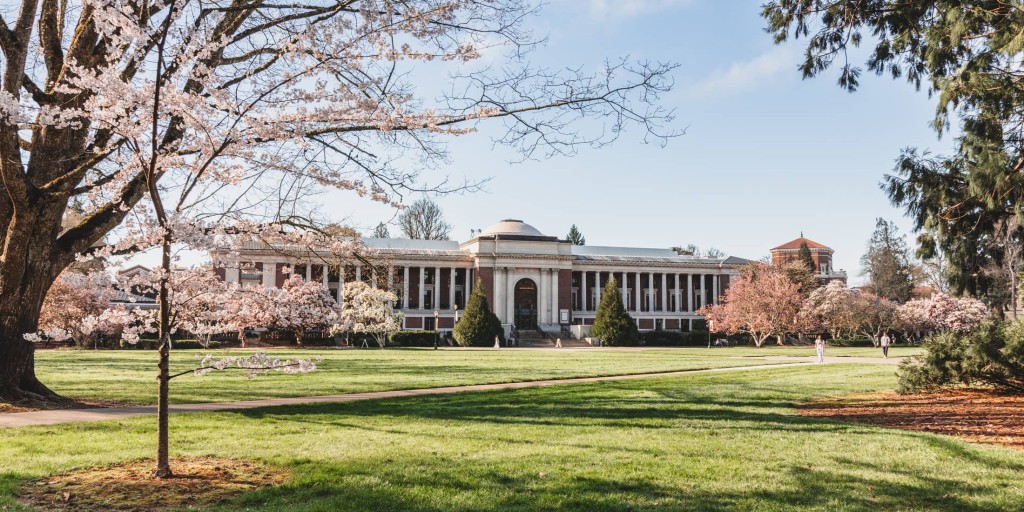

User reviews (0)