Website profiles · Technology insights · Alternatives

runrepeat.com

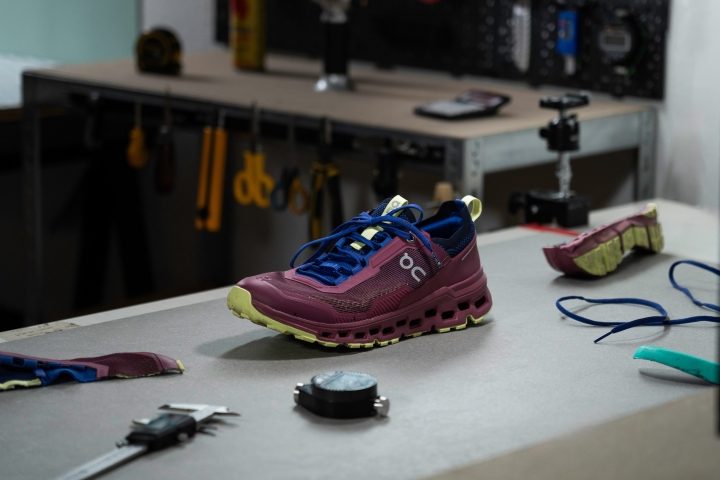
We've dissected more than 1,000+ shoes to give you the most in-depth reviews. We buy all shoes with our own money, and every shoe is wear and lab-tested extensively.

No paid content found Multilingual
Visit website
Profile views 22 Outbound visits 13 Normal
RunRepeat Full homepage screenshot

At a glance

Category
Sports & Outdoors
Language
English
Paid-content signal
No paid content foundObserved
Registered
2014
Hosting
Amazon.com, Inc.Inferred
HTTPS certificate trusted
PassedObserved
Last updated

Website review

This review may include AI-generated content and is not individually verified. Domain, certificate and other facts come from the observed data on this page.

What is RunRepeat?

RunRepeat is a shoe-review and testing site that focuses mainly on running, hiking, walking, and court shoes. Its defining method is destructive lab testing: the site says it buys shoes with its own money, cuts them in half, and measures them across many parameters before also wear-testing them in real conditions. That combination is meant to produce comparable data across a large catalog rather than a single reviewer's impressions.

What you can actually do there

  • Read full reviews of specific models, including newer releases and long-running favorites.
  • Browse category pages for running, hiking, track and cross-country, walking, training, tennis, basketball, and sneakers.
  • Use buying guides and deep-dive explainers on shoe technology, such as foams, energy return, breathability, rocker geometry, heel counters, and toebox shape.
  • Check lab-derived measurements and specs when you want to compare shoes on more than comfort alone.

Who it suits

If you are choosing between two similar shoes and want to know which is softer, lighter, more breathable, or more stable in measured terms, RunRepeat's lab approach is more useful than a purely subjective review. If you mainly want style advice, brand storytelling, or quick impressions, the technical depth may be more than you need.

How it differs from typical review sites

Aspect RunRepeat's approach Typical review site
Testing Buys and cuts shoes, measures many parameters Often loaned samples, subjective wear notes
Comparability Standardized tests across models Varies by reviewer and shoe
Scope Broad categories, heavy on running Often narrower or lifestyle-focused
Trade-off Less personal narrative, more data Easier to read, less directly comparable

A practical next step

Pick a shoe you are considering, open its review, and read the measured sections first — weight, stack, flexibility, breathability, and durability indicators. Then read the wear-test notes to see whether the feel matches your needs. For broader context, the guides explain what those numbers mean in practice. RunRepeat also offers retailer data and testing partnerships, so its data sometimes appears on other product pages.

How does RunRepeat test running shoes and does it really cut every shoe in half?

RunRepeat’s stated method is literal: it buys shoes at retail, cuts them in half, and measures them against a fixed set of parameters. The site says it assesses “over 30 parameters” per shoe and that every shoe is wear-tested in its intended setting. So the cutting isn’t a gimmick for a few flagship models — it’s the core of how the lab data is produced, and the site claims it has done this for more than 1,000 shoes.

H3 What the cut-in-half step is for Slicing a shoe open lets the reviewer measure things you can’t judge reliably by feel or from marketing copy: midsole stack height and softness, outsole rubber thickness, torsional rigidity, heel counter structure, and whether a rocker geometry is real or just shaped foam. Because the same cuts and measurements are applied across models, the numbers are meant to be comparable between shoes rather than only within one brand’s line.

H3 What the testing process includes According to the page, the workflow is:

  1. Buy the shoe with the site’s own money, cut it in half, and assess over 30 parameters.
  2. Wear-test the shoe in its appropriate setting.
  3. Standardize the tests so results are comparable across models.

That combination matters. Lab measurement alone can miss fit, heel slip, or how a shoe feels late in a long run; wear-testing alone can’t tell you whether a foam is genuinely softer or just paired with a more forgiving upper. Doing both is the stronger approach, and the site also notes it currently has shoes in testing and others bought and waiting.

H3 Practical use for a runner Suppose you’re choosing between two daily trainers at similar prices. A lab-tested review can show one has a noticeably thicker outsole and a firmer midsole, while the other is softer and more flexible. If you overpronate or want durability for high mileage, the firmer, thicker-rubber shoe is the more sensible starting point; if you want a softer ride for easy days, the other may suit you better. The cut-in-half data gives you a concrete reason to pick one, rather than relying on “plush” or “responsive” from a product page.

H3 Limits to keep in mind Cutting a shoe in half destroys it, so the lab sample is not the shoe you wear-test — the site buys multiple pairs. Lab numbers also describe the shoe, not your foot: a soft midsole measurement doesn’t guarantee comfort for your gait, and a stiff plate doesn’t guarantee speed. Treat the measurements as a filter, then use the wear-test notes and, where possible, your own experience.

For a next step, open a specific model’s review on RunRepeat and compare its measured midsole softness, outsole thickness, and weight against one or two shoes you’ve already run in. That relative comparison is where the lab data becomes genuinely useful.

Which running shoe should I choose based on RunRepeat's lab data and reviews?

RunRepeat won't hand you a single "best shoe" — it gives you lab measurements and wear-test notes so you can match a shoe to your body and your runs. Start by deciding which two or three traits matter most to you (cushioning, stability, weight, outsole grip, breathability), then filter its reviews by those traits rather than by brand or price.

What RunRepeat actually measures

The site's testing process is unusually physical: it buys shoes at retail, cuts them in half, and assesses over 30 parameters per model, then wear-tests them in their intended settings. That means its data is most useful for questions manufacturers' marketing tends to blur — how soft a midsole really is, how much energy return a foam provides, how breathable the upper is, and how a heel counter or rocker profile behaves. For background on those concepts, its guides cover running shoe foams, energy return, shock absorption, breathability, heel counters, toebox fit and rockered geometry.

How to turn that into a shortlist

  1. Set your constraints first. Surface (road, trail, track), weekly mileage, and whether you want neutral or stability guidance.
  2. Read the lab numbers, not the verdict alone. A soft midsole suits easy days but can feel vague for fast work; a firm, rockered shoe may roll you forward but punish tight calves.
  3. Check the wear-test section for fit quirks. Toebox width, heel slippage and upper pressure are the things lab rigs measure least well and runners notice most.
  4. Compare two or three candidates side by side. The value of standardised testing is comparability — use it to choose between shoes, not to chase the highest score.

A concrete example

Suppose you run 40 km a week on pavement, want one shoe for both easy runs and tempo, and have had Achilles irritation. You'd look for moderate rather than maximal stack, a heel counter that doesn't dig in, and a midsole that isn't at the softest end of the measured range. RunRepeat's lab pages let you check those three things directly instead of guessing from a product description.

Where to look

  • RunRepeat — lab measurements, cut-in-half teardowns, wear tests and technology guides.
  • Runner's World — additional shoe reviews and running-gear context.
  • Running Warehouse — retailer listings useful for checking available sizes and returns policy.

Decision criterion

Pick the shoe that meets your non-negotiables (fit, surface, stability need) and whose measured traits match your most common run — not the one with the most enthusiastic review. If two shoes tie on lab data, choose based on the wear-tester feedback closest to your own foot shape and gait.

Are RunRepeat's reviews independent and unbiased, given that they buy shoes themselves?

Yes, RunRepeat's stated model is built around independence: the site says it buys every shoe with its own money, cuts each one in half, and tests over 30 parameters in a standardized lab process, then adds wear testing in the shoe's intended setting. That combination—self-funded purchases plus repeatable lab measurements—reduces the two most common sources of bias in shoe reviews: free samples from brands and vague, non-comparable impressions.

What independence does and doesn't cover

  • Buying the shoes removes the most direct conflict of interest. A brand can't pressure a reviewer by threatening to cut off free product, because there is no free product.
  • Standardized lab results make comparisons fair across models and brands, and publishing the method lets you judge the reasoning yourself.
  • Independence is not the same as having no commercial relationships. The page lists partnerships such as footwear testing, retailer data access via API, affiliate content, and prototype testing. Affiliate links in particular mean the site can earn money when readers buy through it, so it has an incentive to be widely read and trusted—usually a mild pressure toward accuracy, but worth knowing.

Practical way to read a review

Treat the lab numbers as the most reliable part, since they're the hardest to bias, and treat opinion sections as informed judgment. A useful habit is to read the "how we test" page alongside a single review, then check whether the verdict actually follows from the measurements shown.

If you want to cross-check a shoe, compare RunRepeat's lab data with a hands-on review from Believe in the Run or Road Trail Run, and with the brand's own spec page, for example Brooks. Agreement across an independent lab, a wear tester, and the manufacturer's stated specs is a stronger signal than any single source.

How does RunRepeat compare to other running shoe review sites for reliability and depth?

RunRepeat is one of the more reliable running shoe review sites if you value lab measurements over first-impression run-throughs. Its distinguishing feature is destructive testing: it buys shoes at retail, cuts them in half, and measures over 30 parameters per model. That physical teardown is hard to fake and makes results comparable across shoes, which is the main reason to trust it for midsole softness, stack height, or geometry questions.

Where it stands relative to other sites:

  • Depth of objective data: Strongest category. The cut-in-half method and standardized lab protocol give numbers you can line up side by side. Dedicated review sites that rely on wear-testing alone generally cannot match this.
  • Breadth of coverage: Broad. The page cites 1,000+ shoes reviewed, across running, hiking, track and cross country, walking, training, tennis, basketball, and sneakers, with new reviews posted frequently.
  • Wear-test realism: Present but secondary. Testers do run in the shoes in appropriate settings, so you get fit and ride impressions alongside the lab data. If you want long-term durability stories from high-mileage runners, sites built around a stable tester panel may go deeper on that specific angle.
  • Editorial style: Data-forward and technical. Guides dig into foams, energy return, breathability, and rocker geometry rather than lifestyle framing.

A practical way to use it: pick two or three shoes you are deciding between, compare their lab numbers on RunRepeat, then read a wear-test review elsewhere for fit and feel. Lab data tells you what a shoe is; wear testing tells you what it is like on your feet.

Also useful for cross-checking: Runner's World for long-form wear testing and Believe in the Run for independent multi-tester reviews.

Can I use RunRepeat's tested data and API for my own retail or footwear business?

Yes — RunRepeat explicitly offers its testing data to footwear brands and retailers through two partnership tracks: footwear testing (benchmarking a shoe against 1,000+ tested models, plus prototype testing) and retailer data access via API, which the site describes as a way to enhance product pages with reviews, lab-tested data and specs. So the intended use cases are exactly yours: comparing your product against tested competitors, or pulling structured test data into your own retail listings.

What the page actually supports

  • Benchmarking: match your shoe against a large database of lab-tested models rather than guessing from marketing claims.
  • API access for retailers: reviews, lab data and specifications fed into your product pages.
  • Prototype testing: getting an unreleased shoe measured before launch.
  • Affiliate content: a separate track, relevant if you want to monetise traffic rather than consume data.

How to decide which track fits

Your situation Likely fit
You sell shoes and want richer product pages Retailer data access (API)
You develop shoes and need competitive benchmarks Footwear testing / benchmark
You have an unreleased model to validate Prototype testing
You run a content site and want to earn from links Affiliate content

Practical next step

Before contacting them, write down the specific fields you need — midsole softness, stack height, weight, energy return, breathability — and roughly how many SKUs you'd query per month. That turns a vague "can we use your data?" email into a scoped request, which is what partnership teams respond to. If your catalogue is small and static, a one-off benchmark report may be cheaper and simpler than an API integration; if you're refreshing hundreds of product pages, the API route is the one that scales.

Two caveats worth planning around. First, the page states the testing process is standardised and comparable, which is the value you're buying — but that also means the data is theirs, so expect licensing terms rather than free reuse; confirm attribution, caching and redistribution rights in writing. Second, RunRepeat's own reviews sit alongside retailer-facing services, so if you also sell competing brands, check whether exclusivity applies in your category.

For general context on how such data is presented to consumers, see RunRepeat itself and, for a brand-side view of lab testing, Runner's World.

Related questions

More questions →
Why does RunRepeat cut shoes in half?

RunRepeat cuts shoes in half to measure what can't be seen or felt reliably from the outside—most importantly midsole softness—and to verify internal materials and construction. The site states it buys every shoe with its own money, cuts it in half, and assesses over 30 parameters per shoe, then wear-tests each model in its appropriate setting. This matters if you want review data that comes from the physical object rather than from a short try-on or a brand's spec sheet.

What cutting a shoe open actually reveals

A shoe's performance story lives mostly inside the midsole and the layers around it. From the outside you can see shape, color, and stack height, but not how soft or firm the foam really is, how the layers are bonded, or whether the advertised tech is present in the quantity implied.

Cutting the shoe in half turns those questions into direct observations:

  • Midsole softness. RunRepeat's own guide list includes "Why cutting running shoes in half is key to measuring midsole softness," which ties the cut directly to a measurable property rather than a subjective squeeze.
  • Material identity and layering. A cross-section shows what the foam actually is, how many densities are stacked, and where they sit.
  • Construction details. Internal elements such as heel counters, plates, and toebox structure can be inspected rather than inferred.
  • Consistency with claims. The cut confirms whether the construction matches what the product page describes.

How the cut fits into the wider testing process

The cut is one step, not the whole method. RunRepeat describes a three-part process:

  1. Buy shoes with their own money, cut them in half, and assess over 30 parameters for each shoe.
  2. Wear-test shoes in their appropriate settings.
  3. Keep tests standardized so results are comparable across models.

The third point is what makes the first two useful together. A single cut shoe tells you about that shoe; a standardized cut across 1,000+ models lets you compare one shoe against another on the same measured basis. The site also notes it currently has 19 shoes in testing and 21 bought and waiting to be tested, which shows the pipeline is continuous rather than a one-off project.

Why this approach produces more objective data

Approach What it can tell you Main limitation
Short try-on Immediate comfort impression Highly personal, not comparable across shoes
Spec sheet Advertised stack, weight, materials Reflects claims, not verified construction
Cut-in-half lab assessment Measured softness, actual materials, internal structure Destructive—one shoe per test, no re-testing that unit
Wear testing Real-world behavior over time Subjective unless standardized

The cut fills the gap the other three leave: it converts "this foam feels soft" into a measurement taken from the same standardized procedure used on every other shoe. That is what makes cross-model comparison possible.

What this means if you're using RunRepeat to choose a shoe

  • Trust the measured parameters over marketing language. If a midsole is described as premium foam, the cross-section and softness measurement are the check on that claim.
  • Use the guides to interpret the numbers. RunRepeat publishes deep-dive guides on foams, energy return, shock absorption, breathability, rockered geometry, heel counters, and toebox choice—these explain what the measured values mean in practice.
  • Combine lab data with wear-test notes. The cut tells you what the shoe is made of; the wear test tells you how it behaves on the run. Neither alone answers "will this work for me."
  • Check the review date. The latest reviews listed run through September 2026, so recency is visible on each entry.

One caveat worth knowing: because the test is destructive, the specific shoe that was cut can't be worn afterward. RunRepeat's process accounts for this by separating the cut-and-measure step from the wear-test step, so each model gets both a lab assessment and real-world use.

How to Find Shoe Reviews on RunRepeat

RunRepeat organizes its reviews by sport and shoe type, so the fastest way to find a specific review is to pick your category first, then scan the "Latest reviews" or "Popular reviews" lists. The site covers running, hiking, track and XC, walking, training, tennis, basketball, and sneakers, with each review focused on a single shoe model.

Start with the category that matches your sport

The site's main navigation splits reviews into these groups:

  • Running
  • Hiking (boots, shoes, and sandals)
  • Track and XC (track spikes, cross country)
  • Walking
  • Training
  • Tennis
  • Basketball
  • Sneakers

If you already know the type of shoe you need, going straight to the matching category filters out everything else. For example, if you want a trail shoe, the hiking section is the relevant one rather than the general running list.

Use the review lists to find a specific model

Two lists on the homepage do most of the work:

Latest reviews shows the most recently published tests, each labeled with the shoe name and date. Recent examples include:

Shoe Date
PUMA Deviate Pure Nitro Sep 21, 2026
Saucony Triumph 24 Sep 20, 2026
HOKA Arahi 9 Sep 18, 2026
Salomon Aero Glide 3 GRVL Sep 18, 2026
ASICS GT 2000 15 Sep 17, 2026

Popular reviews shows the models readers are looking at most, which is useful when you want a widely referenced shoe rather than the newest release. Examples include the Brooks Adrenaline GTS 25, ASICS Superblast 3, HOKA Clifton 11, Nike Vomero Premium, and Brooks Ghost 18.

If you have a model in mind, scan these lists for the name. Each entry links to that shoe's full review.

Check the guides when you are still choosing

RunRepeat also publishes in-depth guides that explain shoe technologies and features rather than reviewing one model. These are worth reading when you have not narrowed down a shoe yet. Topics include:

  • The ultimate guide to running shoe foams
  • What makes a running shoe faster?
  • Behind the price tag of running shoes
  • Shock absorption in running shoes
  • Energy return in running shoes explained
  • Why cutting running shoes in half is key to measuring midsole softness
  • The role of heel counters in running shoes
  • A runner's guide to choosing the right toebox
  • The definitive guide to running shoe breathability
  • All you need to know about rockered running shoes

These guides help you decide which features matter for your use case before you compare specific models.

Understand what each review is based on

Knowing how the reviews are produced helps you judge what you are reading. According to the site's testing process:

  1. Shoes are bought with the site's own money, cut in half, and assessed against over 30 parameters.
  2. Shoes are wear-tested in their appropriate settings.
  3. Tests are standardized so results are comparable across models.

The site states it has reviewed and cut in half more than 1,000 shoes, with 19 currently being tested and 21 bought and waiting to be tested. That means a very new shoe may not have a review yet — if you cannot find a model, it may simply be in the testing queue.

Other pages worth knowing

Beyond reviews and guides, the site also offers size charts, news, and buying guides, plus a deals section. These are supporting resources rather than reviews, so use them after you have identified candidate shoes.

Quick path to a review

  1. Pick your sport category (running, hiking, tennis, etc.).
  2. Scan "Latest reviews" for new models or "Popular reviews" for widely read ones.
  3. Open the entry for your shoe to read the full test.
  4. If the model is not listed, check the guides for feature context and check back later, since new shoes are added as testing completes.
What partnerships and data services does RunRepeat offer?

RunRepeat offers two main business-facing services: footwear testing partnerships (including prototype testing) that benchmark a shoe against its library of 1,000+ tested models, and Retailer Data Access via API, which lets retailers add reviews, lab-tested data, and specs to their product pages. Both are aimed at brands and retailers rather than everyday shoppers, and the site also lists affiliate content and shoe pipeline among its partnership types.

Footwear testing and prototype testing

This is the service for brands that want an independent read on how a shoe performs. RunRepeat states it buys shoes with its own money, cuts them in half, and assesses over 30 parameters per shoe, then wear-tests them in their appropriate settings. The stated selling point for partners is comparability: tests are standardized, and results can be benchmarked against 1,000+ already-tested shoe models.

For a brand, that means you are not just getting a review — you are getting a data point positioned against a large existing dataset. Prototype testing is listed separately, which suggests it covers shoes that are not yet on the market.

Retailer Data Access (API)

Retailer Data Access is an API that lets a retailer enhance its own product pages with RunRepeat's reviews, lab-tested data, and specs. The practical use case is a product page that shows measured values and test results alongside the standard manufacturer description, without the retailer running its own lab.

What the partnership types cover

Partnership type Who it's for What it provides
Footwear testing Brands Benchmarking a shoe against 1,000+ tested models
Prototype testing Brands Testing of pre-release shoes
Retailer Data Access (API) Retailers Reviews, lab-tested data, and specs for product pages
Affiliate content Partners Content-based partnership
Shoe pipeline Industry partners Pipeline-related data or insight

What this means if you're a shopper

None of these services change how you use the site. The consumer-facing side remains the reviews and guides: running, hiking, track and XC, walking, training, tennis, basketball, and sneakers categories, plus in-depth guides on topics like running shoe foams, energy return, breathability, and rockered shoes. The partnership and API offerings exist so brands and retailers can plug into the same testing data you read as a visitor.

If you are evaluating RunRepeat as a data source, the relevant question is whether its standardized, cut-in-half testing method matches the parameters you care about — the site's own testing process page is the place to check that before committing.

How RunRepeat Tests and Reviews Shoes

RunRepeat buys every shoe with its own money, cuts it in half, and measures more than 30 parameters before comparing the results across models. The method is designed so that a score for one shoe can be placed next to a score for another, rather than treated as an isolated opinion. If you want lab-measured, cross-comparable shoe data rather than a first-impression review, this is the part of the site worth understanding.

What the testing process actually involves

RunRepeat describes its process in three stated steps:

  1. Buy and dissect. The site purchases shoes itself, cuts them in half, and assesses over 30 parameters per shoe.
  2. Wear test in context. Shoes are worn in the settings they are built for — running shoes on runs, hiking boots on trails, and so on.
  3. Standardize and compare. Tests are standardized so results are comparable between shoes.

The cutting step is not a gimmick. RunRepeat's own guide list includes "Why cutting running shoes in half is key to measuring midsole softness," which points to the core reason: a cross-section exposes the midsole stack, foam structure, and internal components that you cannot judge from the outside or from a few miles of wear.

Why the "we buy them ourselves" detail matters

The site states it buys all shoes with its own money. That removes the most common conflict of interest in shoe reviews — a brand sending a hand-picked sample, sometimes a pre-production pair that differs from what reaches stores. It also means the review queue is driven by what the site chooses to test, not by what a brand wants promoted.

The site also lists 19 shoes currently in testing and 21 bought and waiting to be tested, which gives you a rough sense of how far ahead the pipeline runs.

What gets measured, and what that buys you

The 30-plus parameters are the reason results are comparable. Instead of "this foam feels soft," the lab work produces values you can line up against another shoe. RunRepeat's guide topics show the dimensions it cares about:

  • Midsole softness (measured via the cut-in-half method)
  • Shock absorption
  • Energy return
  • Breathability
  • Foam technology and construction
  • Heel counter role
  • Toebox shape
  • Rocker geometry
  • What makes a shoe faster
  • What sits behind the price tag

For a buyer, the practical value is filtering. If you know you want a soft midsole and a wide toebox, you can compare measured values across dozens of models instead of reading twenty subjective reviews that use "soft" to mean twenty different things.

How to use the site

  • Start with a category — Running, Hiking, Track and XC, Walking, Training, Tennis, Basketball, or Sneakers — then narrow to a model.
  • Read the lab numbers first, the verdict second. The measurements are the part that transfers between runners; the final recommendation reflects the tester's own preferences.
  • Use the guides for mechanism, not just picks. Pieces like the foam guide or the energy return explainer tell you which measured property actually maps to the feel you want.
  • Check the date. Reviews carry publication dates, and shoe lines are revised yearly — a 2025 review of a model that has since been updated describes the older version.
  • Cross-check the wear test against your use case. A shoe worn in its "appropriate setting" may still be tested on terrain or at paces different from yours.

Where the method has limits

Lab measurement is strong on structure and material behavior, and weaker on fit and comfort, which depend on your foot. A standardized test also has to pick conditions — one surface, one set of parameters — so results are comparable to each other but not necessarily to your local roads or trails. Treat the numbers as a shortlist tool: use them to eliminate shoes that clearly don't match what you want, then rely on fit and return policy for the final call.

RunRepeat also runs a partnerships side of the business — footwear testing and prototype testing for brands, retailer data access via API, affiliate content, and shoe pipeline data. That is worth knowing when you read a review: the editorial testing and the commercial services are separate offerings on the same site, and the reviews themselves are presented as independently purchased and tested.

What is RunRepeat?

RunRepeat is a footwear review site that buys shoes with its own money, cuts them in half, and lab-tests them to produce in-depth reviews. It's useful if you want independent, measurement-backed information before buying running, hiking, or other athletic shoes, rather than marketing copy or first-impression reviews.

What RunRepeat covers

The site organizes its content around shoe categories and review types:

Section What's in it
Reviews Running, hiking, track and XC, walking, training, tennis, basketball, sneakers
Guides Deep dives into shoe technologies, features, and lab tests
Buying guides Category-specific help for choosing shoes
Deals Shoe discount listings
Size charts Sizing reference
News Footwear news

The homepage states that more than 1,000 shoes have been reviewed and cut in half, with 19 shoes currently being tested and 21 bought and waiting to be tested.

How the testing process works

RunRepeat describes a three-step process:

  1. Buy and cut — Shoes are purchased with the site's own money, cut in half, and assessed across more than 30 parameters.
  2. Wear test — Shoes are worn in their appropriate settings.
  3. Standardized comparison — Tests are standardized so results are comparable across shoes.

The cutting step is central to how the site measures things like midsole softness, which can't be judged reliably from the outside.

Guides explain the "why"

Beyond individual reviews, RunRepeat publishes in-depth guides on shoe technology and performance factors. Examples listed on the site include:

  • The ultimate guide to running shoe foams
  • What makes a running shoe faster?
  • Behind the price tag of running shoes
  • Shock absorption in running shoes
  • Energy return in running shoes explained
  • Why cutting running shoes in half is key to measuring midsole softness
  • The role of heel counters in running shoes
  • A runner's guide to choosing the right toebox
  • The definitive guide to running shoe breathability
  • All you need to know about rockered running shoes

These are useful if you want to understand what a spec or design feature actually does before comparing specific models.

What you'll find on the review pages

Reviews are dated and cover named models. Recent examples include the PUMA Deviate Pure Nitro, Saucony Triumph 24, HOKA Arahi 9, and Brooks Revel Max. Popular reviews include the Brooks Adrenaline GTS 25, ASICS Superblast 3, HOKA Clifton 11, and Nike Vomero Premium.

Who it's for

  • Shoe buyers comparing models who want lab data alongside wear-test impressions.
  • Runners, hikers, and other athletes who want category-specific reviews and buying guides.
  • Anyone curious about shoe tech who wants plain explanations of foams, energy return, or breathability.

Things to know before using it

  • The site also runs partnerships, including footwear testing and prototype testing, retailer data access via API, and affiliate content. Reviews are presented as independently purchased and tested, but it's worth knowing these business relationships exist.
  • Content is available in English and Spanish.
  • RunRepeat is a review and information site, not a retailer — it links out rather than selling shoes directly.

Website Overview

An established domain and managed infrastructure suggest continuity of operations and may support dependable delivery, although neither guarantees service quality.

Domain and Registration

Registered in 2014, this domain has about 12 years of history. That suggests continuity, although ownership and purpose may have changed. Transfer-protection status is present, helping reduce the risk of unauthorized domain transfers. The domain uses the common .com extension, which is not an independent safety signal.

DNS and Email

Nameservers are provided by Amazon Route 53, indicating managed DNS hosting. MX records point to the Google Workspace email service. CAA records restrict which certificate authorities are authorized to issue certificates. No CNAME was found; the observed records resolve directly to addresses. SPF and DMARC are configured. DKIM status is unknown.

TLS and Certificates

The certificate issuer is DigiCert Inc, a commercial certificate authority. The certificate uses an RSA 2048-bit public key, offering broad client compatibility. The server supplied a complete certificate chain. No organization name is present in the certificate; the available fields are consistent with domain validation. The certificate is valid for about 364 days in total, with 153 days remaining.

HTTP and Browser Security

The response lacks these common security headers: CSP, Referrer-Policy, Permissions-Policy. No X-Powered-By header was found, reducing one common source of backend fingerprinting information. The x-cache response header indicates a CDN or caching proxy in the delivery path. No obvious internal addresses or debug information were found in the headers. The Server header identifies nginx without an exact version.

Technology Stack Analysis

The public page identifies Nuxt, nginx without precise versions, leaving fewer clues for version-specific scanning.

Search and Social Sharing

The meta description has 165 characters and may be shortened in search results. Twitter Card metadata is configured. The page declares 5 language or regional alternatives using hreflang. The title has 49 characters, within a common display range. No Generator meta tag is publicly exposed.

Hosting and Email

DNSAmazon Route 53
HostingAmazon.com, Inc.
EmailGoogle Workspace
Approximate IP geolocation (inferred; a CDN or proxy may differ from the origin server) United States flagAshburn, Virginia, United States Inferred 3.217.35.180

Registration details

RDAP / WHOIS

RegistrarKey-Systems GmbH
Registered2014-08-05
Expires2028-08-05
Domain statusclient transfer prohibited
Nameserversns-1443.awsdns-52.org、ns-1629.awsdns-11.co.uk、ns-375.awsdns-46.com、ns-874.awsdns-45.net
DNSSECunsigned

DNS records

DNS

TypeNameValueTTLPriority
Arunrepeat.com3.217.35.1803600—
MXrunrepeat.comaspmx.l.google.com36001
MXrunrepeat.comalt1.aspmx.l.google.com36005
MXrunrepeat.comalt2.aspmx.l.google.com36005
MXrunrepeat.comalt3.aspmx.l.google.com360010
MXrunrepeat.comalt4.aspmx.l.google.com360010
NSrunrepeat.comns-1443.awsdns-52.org172800—
NSrunrepeat.comns-1629.awsdns-11.co.uk172800—
NSrunrepeat.comns-375.awsdns-46.com172800—
NSrunrepeat.comns-874.awsdns-45.net172800—
TXTrunrepeat.com11979nd95qp3q86c34xxn0rkb4t4g9gd3600—
TXTrunrepeat.comgoogle-site-verification=OhUGXTLBzvouG3blJu5LwljSU_dwWbm2tTFs57RmOxI3600—
TXTrunrepeat.comgoogle-site-verification=YFMBbsPa-KYpFEBseo54WQ20BYTueMnd6A8JouAw7qs3600—
TXTrunrepeat.comv=spf1 a mx include:_spf.google.com include:spf.mtasv.net ~all3600—
CAArunrepeat.com0 issue "letsencrypt.org"300—
CAArunrepeat.com0 issue "pki.goog"300—
CAArunrepeat.com0 issue "rapidssl.com"300—
DMARC_dmarc.runrepeat.comv=DMARC1; p=none; pct=100; rua=mailto:[email protected]; sp=none; aspf=r;3600—

TLS and certificates

TLS / SSL

AssessmentNormal configuration
Supported protocolsTLSv1.2、TLSv1.3
Negotiated protocolTLSv1.3
Certificate subjectrunrepeat.com
IssuerDigiCert Inc
Valid until2027-02-23T23:59 · Remaining when checked: 153 days
Verification detailsCertificate trust: Passed · Hostname match: Passed

HTTP response headers

HTTP

HeaderValue
content-typetext/html;charset=utf-8
servernginx
strict-transport-securitymax-age=300; includeSubDomains
x-frame-optionsSAMEORIGIN
x-content-type-optionsnosniff

Identified technologies

Nuxtnginx

Pages, Search and Sharing

Meta descriptionWe've dissected more than 1,000+ shoes to give you the most in-depth reviews. We buy all shoes with our own money, and every shoe is wear and lab-tested extensively.
Canonical URLhttps://runrepeat.com
LanguageEnglish (default) · Multilingual
Twitter Cardsummary_large_image
All bots 0 allowed · 95 disallowed
  • Disallow/search*
  • Disallow/redirect/*
  • Disallow/uk/redirect/*
  • Disallow/es/redireccionar/*
  • Disallow/*?*order_by=*
  • Disallow/*?*filter=*
  • Disallow/*?*filter[*
  • Disallow/*?*filter%*
  • Disallow/*?*fb_ref=*
  • Disallow/*?*review-type=*
  • Disallow/*?*selected_size=*
  • Disallow/*?*selected_color=*
  • Disallow/*?*selected_width=*
  • Disallow/*?*selected_gender=*
  • Disallow/*?*arch-support=*
  • Disallow/*?*arch-type=*
  • Disallow/*?*athlete-signature=*
  • Disallow/*?*boot-grading-for-crampons=*
  • Disallow/*?*brand=*
  • Disallow/*?*category=*
  • Disallow/*?*cleat-design=*
  • Disallow/*?*closure=*
  • Disallow/*?*collaboration=*
  • Disallow/*?*collection=*
  • Disallow/*?*colors=*
  • Disallow/*?*condition=*
  • Disallow/*?*construction=*
  • Disallow/*?*corescore=*
  • Disallow/*?*crampon-compatibility=*
  • Disallow/*?*cushioning=*
  • Disallow/*?*cut=*
  • Disallow/*?*designed-by=*
  • Disallow/*?*designer=*
  • Disallow/*?*discount=*
  • Disallow/*?*distance=*
  • Disallow/*?*downturn=*
  • Disallow/*?*embellishment=*
  • Disallow/*?*environment=*
  • Disallow/*?*event=*
  • Disallow/*?*features=*
  • Disallow/*?*fit=*
  • Disallow/*?*flexibility=*
  • Disallow/*?*foot-condition=*
  • Disallow/*?*gender=*
  • Disallow/*?*heel-to-toe-drop=*
  • Disallow/*?*heel-to-toe-drop-w=*
  • Disallow/*?*inspired-from=*
  • Disallow/*?*lace-type=*
  • Disallow/*?*lacing-system=*
  • Disallow/*?*last-shape=*
  • Disallow/*?*level=*
  • Disallow/*?*lining=*
  • Disallow/*?*lockdown=*
  • Disallow/*?*material=*
  • Disallow/*?*midsole=*
  • Disallow/*?*number-of-reviews=*
  • Disallow/*?*origin=*
  • Disallow/*?*outsole=*
  • Disallow/*?*price=*
  • Disallow/*?*print=*
  • Disallow/*?*pronation=*
  • Disallow/*?*release-date=*
  • Disallow/*?*rigidity=*
  • Disallow/*?*season=*
  • Disallow/*?*shoe-type=*
  • Disallow/*?*signature=*
  • Disallow/*?*sizes-m-eu=*
  • Disallow/*?*sizes-m-uk=*
  • Disallow/*?*sizes-m-us=*
  • Disallow/*?*sizes-w-eu=*
  • Disallow/*?*sizes-w-uk=*
  • Disallow/*?*sizes-w-us=*
  • Disallow/*?*sorting=*
  • Disallow/*?*spike-size=*
  • Disallow/*?*spike-type=*
  • Disallow/*?*stiffness=*
  • Disallow/*?*stretch=*
  • Disallow/*?*strike-pattern=*
  • Disallow/*?*stud-type=*
  • Disallow/*?*style=*
  • Disallow/*?*surface=*
  • Disallow/*?*technology=*
  • Disallow/*?*terrain=*
  • Disallow/*?*thickness=*
  • Disallow/*?*toebox=*
  • Disallow/*?*top=*
  • Disallow/*?*type=*
  • Disallow/*?*use=*
  • Disallow/*?*view=*
  • Disallow/*?*waterproofing=*
  • Disallow/*?*weight=*
  • Disallow/*?*weight-w=*
  • Disallow/*?*width=*
  • Disallow/*?*width-w=*
  • Disallow/*?*worn-by=*

Recent Updates

  • Website profile

User reviews (0)

  • No reviews yet.