
 简体中文
 English
Website review
This review may include AI-generated content and is not individually verified. Domain, certificate and other facts come from the observed data on this page.
What is Tarla Dalal?
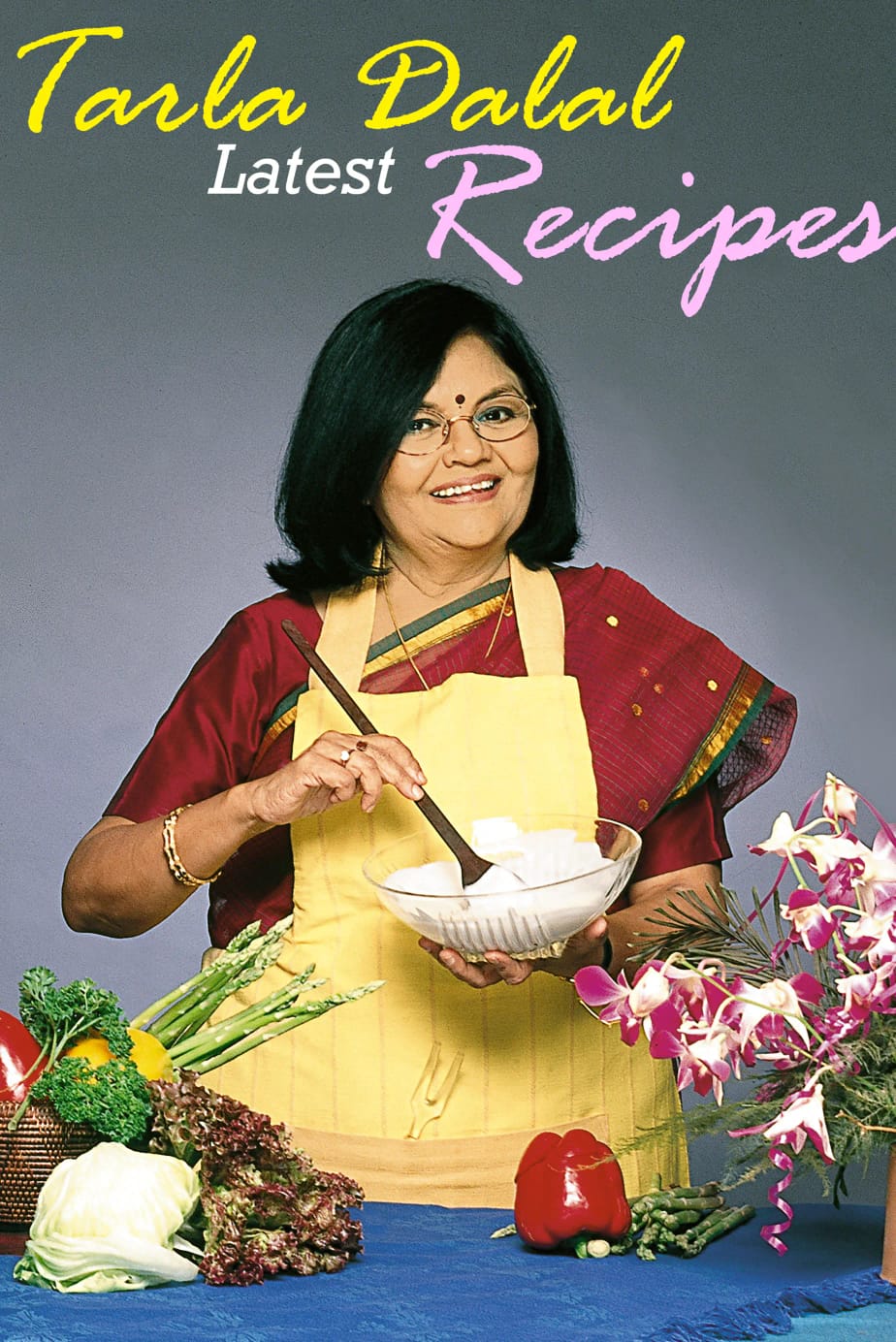
Tarla Dalal is a recipe website focused on Indian vegetarian cooking. Its catalog spans everyday meals, quick snacks, desserts, and health-oriented collections, with filters such as low-calorie, diabetic-friendly, and Jain recipes. Each recipe is presented with step-by-step guidance and cooking tips, so it works both for someone new to Indian cooking and for experienced cooks looking for a specific dietary version of a dish.
What you'll find there
- Everyday vegetarian cooking: dals, sabzis, breads, rice dishes, snacks, and sweets.
- Health-focused groupings: protein-rich foods, low-cholesterol and healthy-heart collections, low-calorie snacks, and vitamin-specific categories.
- Regional and festival cooking: Navratri and other fasting recipes, including items like sabudana khichdi, rajgira kadhi, and kuttu ka paratha.
- Beyond Indian food: a smaller set of international vegetarian recipes, such as Thai dishes.
- Diet-specific needs: Jain and diabetic-friendly options sit alongside standard recipes.
Who it suits
| If you are… | It is useful for… |
|---|---|
| New to Indian vegetarian cooking | Step-by-step methods and tips that explain techniques, not just ingredients |
| Cooking for a restricted diet | Browsing by health condition, calorie level, or Jain requirements |
| Planning festival or fasting meals | Dedicated Navratri and vrat collections |
| Looking for everyday variety | Large snack, salad, and sabzi categories to rotate through |
The main trade-off is breadth versus focus: the health and diet categories are genuinely organized, but because the site covers so many cuisines and dietary angles, you will get the most out of it by browsing a specific category rather than scanning the homepage.
A practical next step: decide your constraint first—calorie level, fasting day, or a health goal—then open that category and shortlist two or three recipes before you shop. For a broader look at Indian vegetarian cooking outside this site, Veg Recipes of India is a well-known alternative.
How can I find quick and easy Indian vegetarian recipes on Tarla Dalal for busy weeknights?
Tarla Dalal's site is organized so that quick weeknight cooking is mostly a filtering exercise rather than a search problem. The homepage surfaces "Recently Updated Recipes" and calorie-tagged dishes, and the wider catalogue includes categories such as Low Calorie Indian Snacks and Healthy Toss & Mix Salads, which tend to be the fastest options.
A practical path for a busy weeknight
- Start from a category, not the search box. "Healthy Toss & Mix Salads (No cooking)" is the clearest signal of a low-effort meal; "Low Calorie Indian Snacks" works for light dinners or lunchbox extras.
- Use the calorie figure as a rough effort and portion cue, not a diet verdict. A 42-calorie Instant Chakli is a snack, while a 655-calorie Sabudana Khichdi is a fuller meal.
- Check the ingredient list before committing. Fast recipes usually rely on staples such as paneer, sabudana, rajgira, kuttu, palak and chana dal, all of which appear in the recently updated list.
- Save the recipe while browsing. The page repeats a "Save Recipe" action throughout, which is useful for building a short weekly shortlist instead of re-searching later.
Which category fits which night
| Weeknight situation | Category to open | Why it fits |
|---|---|---|
| No time to cook at all | Healthy Toss & Mix Salads (No cooking) | Assembled rather than cooked |
| Light dinner or side | Low Calorie Indian Snacks | Small, quick plates |
| Fasting or vrat day | Navratri Recipes for Fasting | Uses rajgira, kuttu, sabudana, kand |
| Need a protein-forward meal | Protein Rich Vegetarian Foods | Builds a main around dal, paneer or legumes |
| Feeding a family, mild flavours | Healthy Sabzi | Familiar vegetable-based mains |
A concrete example
Suppose it is 7pm on a Tuesday and you want something warm in under half an hour. Open the fasting collection, pick Rajgira Paneer Paratha or Kuttu Ka Paratha, confirm you have the flour and paneer, and save it. If you have neither, fall back to Aloo Tamatar Sabzi, which uses potatoes and tomatoes and appears in the recently updated list.
For a second opinion on ingredient substitutions or regional variations, Veg Recipes of India covers many of the same dishes with different proportions, which is helpful when a pantry item is missing.
The main trade-off is that Tarla Dalal's strength is breadth and health tagging rather than a dedicated "30-minute meals" filter. You get calorie counts, fasting categories and dietary collections, but you do the time-estimating yourself by reading the method. For weeknights, that is usually a fair trade: a few saved recipes beat an elaborate planning session.
What are some popular Jain recipes available on Tarla Dalal?
Tarla Dalal is best used as a starting point for Jain cooking rather than a dedicated Jain-only library: its Jain recipes are scattered across categories, so search "Jain" directly and expect to filter the results yourself. The site's strength is breadth — Indian vegetarian cooking with regional variety — and Jain versions appear most often in specific areas:
- Fasting and festival food (faral/vrat recipes): sabudana khichdi, rajgira paratha, farali dosa, upvaas thalipeeth and similar dishes that avoid grains and root vegetables by tradition.
- Snacks: steamed or shallow-fried items such as khandvi-style rolls, dhokla, muthiya and pakoda variants, where skipping onion, garlic and potato is usually straightforward.
- Dals and kadhis: moong dal, chana dal and yogurt-based kadhi, which adapt well because the base is legume or dairy rather than allium.
- Sabzis and one-pot dishes: simple vegetable preparations and rice dishes where the main adjustment is swapping onion-garlic tempering for hing, cumin and ginger.
- Sweets: kheer, halwa and ladoo recipes, though you should check whether the version uses ghee and how it is set (some use agar or china grass instead of gelatin).
How to judge a recipe before cooking it
| Check | Why it matters for Jain cooking |
|---|---|
| Ingredient list | Confirms no onion, garlic, potato or other root vegetables |
| Tempering (vaghar) | Jain versions typically use hing and cumin instead of onion-garlic |
| Dairy content | Many Jain communities avoid dairy on certain days; check if ghee, curd or milk is optional |
| Fasting vs. everyday | Faral recipes follow stricter rules than regular Jain meals |
| User comments | Often the fastest way to see whether a substitution worked for someone else |
A practical next step
Pick one dish you already cook — a dal, a sabzi or a snack — and search the site for a Jain or faral version of it. If nothing matches, adapt the closest recipe yourself: replace onion-garlic with a pinch of hing in hot ghee, and swap potato for raw banana, yam or paneer. For broader context on Jain dietary rules, Jain World explains the underlying principles, which helps you decide which substitutions are acceptable in your own household.
How do I follow a step-by-step guide to make a specific Indian dish like Sabudana Khichdi?
Use the recipe page itself as your guide, not the homepage. On Tarla Dalal, open the Sabudana Khichdi recipe and work through it in the order written: read the ingredient list and method once before you start, then follow the steps sequentially rather than jumping ahead. The site pairs recipes with step-by-step cooking guides and tips, so the useful move is to treat each numbered stage as a checkpoint — finish soaking, draining and tempering before you begin the final mix.
A practical way to follow it
- Read the whole recipe first. Note the soaking time for the sabudana (sago) and any pre-preparation for peanuts or potatoes, because these determine whether the dish turns out fluffy or sticky.
- Gather and measure everything. Indian cooking moves fast once the pan is hot; having the cumin, curry leaves, green chilli and lemon ready avoids burning the tempering.
- Follow the sequence exactly. Tempering first, then vegetables, then the drained sago, then the final garnish. Each step exists to control moisture and texture.
- Use the accompanying tips. The site's expert notes usually explain common failure points — usually too much water in the soaked sago or too high a flame.
- Check doneness by texture, not just time. Sabudana Khichdi should be separate and translucent, not gummy.
What to check before you commit
- Dietary fit: the site covers Jain, low-calorie and diabetic-friendly variations, so if you need a fasting (vrat) version, look for the Navratri or upvaas collection rather than the standard recipe.
- Ingredient substitutions: if sabudana is unavailable, the site's related recipes such as Rajgira Paneer Paratha or Kuttu Ka Paratha give you alternative fasting options.
- Scale: recipes are written for a set yield; halve or double only after checking the salt and chilli quantities, which do not scale perfectly.
A concrete scenario: a first-time cook planning a Navratri meal could open the fasting recipe collection, pick Sabudana Khichdi, read the soaking note the night before, and keep the peanut-and-potato steps separate so the dish stays dry. For broader technique, BBC Good Food explains tempering and spice blooming in general terms, which helps when a recipe's phrasing is terse.
What low-calorie or diabetic-friendly Indian meal ideas does Tarla Dalal offer?
Tarla Dalal offers low-calorie and diabetic-friendly Indian meal ideas through dedicated healthy-category collections and calorie-labelled recipes, so you can filter by dietary need rather than browse everything.
Low-calorie ideas on the site
The page's "Healthy Category Recipes" and "Explore Categories" sections list collections such as Low Calorie Indian Snacks (100 recipes), Healthy Toss & Mix Salads with no cooking (30 recipes), Healthy Indian Salads (145 recipes), and Healthy Sabzi (117 recipes). Individual recipes carry calorie counts in their titles, for example Palak Kale and Apple Juice (54 calories), Paneer Toast (52 calories), Instant Chakli (42 calories), Palak Chana Dal described as a zero-oil dal, and Sabudana Khichdi (655 calories — a reminder that not every fasting dish is light).
Diabetic-friendly and related health categories
The site groups recipes by health condition, including Low Cholesterol Indian (423 recipes), Healthy Heart (521 recipes), Protein Rich Vegetarian Foods (131 recipes), Soluble Fibre Indian Diet (67 recipes), and vitamin-specific collections such as Vitamin B12 Rich (35 recipes) and Vitamin A Rich (94 recipes). These are the collections most relevant if you are managing blood sugar, since fibre-rich, low-cholesterol and heart-healthy dishes tend to overlap with diabetic-friendly cooking. The site's own description also states it covers diabetic-friendly and Jain recipes with step-by-step guides.
How to choose between them
| Your goal | Start with | Why |
|---|---|---|
| Cut calories per meal | Low Calorie Indian Snacks, Healthy Sabzi, no-cook salads | Calorie counts appear in recipe titles, making portion planning easier |
| Manage blood sugar | Soluble Fibre Indian Diet, Low Cholesterol Indian, Healthy Heart | Fibre and fat quality matter more than calories alone |
| Add protein to a vegetarian plate | Protein Rich Vegetarian Foods | Useful when reducing rice or roti portions |
| Fasting days (Navratri, vrat) | Navratri and farali collections | Fasting recipes vary widely in calories, so check each one |
A practical next step: pick one collection that matches your main constraint, open two or three recipes, and compare their calorie figures against their fibre and protein ingredients. For a diabetic-friendly plate, a dish like Palak Chana Dal (greens plus dal) is a stronger base than a potato-heavy sabzi, even when both are vegetarian and low in oil.
For broader vegetarian Indian cooking beyond health-specific categories, Tarla Dalal is the source here; Veg Recipes of India is another well-known option if you want a second style of instructions.
How can I plan a healthy Indian diet using Tarla Dalal's recipe collections, such as for pregnancy or heart health?
Plan around Tarla Dalal's curated health collections rather than browsing recipe by recipe. The site groups dishes into condition- and nutrient-focused sets, so you can build a week's menu by picking one recipe from each relevant collection per meal slot.
Match the collection to the goal
- Indian Pregnancy (481 recipes): use these as your base for main meals and snacks when nutrient density and food safety matter most.
- Healthy Heart (521 recipes) and Low Cholesterol Indian (423 recipes): overlap heavily; treat them as one pool for everyday cooking and pick from Healthy Heart first when you want the broader choice.
- Protein Rich Vegetarian Foods (131 recipes): add one dish daily if you are vegetarian and want to hit protein targets without eggs or meat.
- Vitamin B12 Cobalamin Rich (35 recipes): small collection, so use it as a targeted supplement to your plan rather than a full menu source.
- Healthy Indian Salads (145 recipes), Healthy Sabzi (117 recipes), Healthy Toss & Mix Salads (30 recipes): these fill the vegetable and no-cook slots in a day.
- Low Calorie Indian Snacks (100 recipes): the practical answer to the 4 p.m. hunger gap.
A simple planning method
- Choose one breakfast from the pregnancy or healthy-heart set.
- Pick a sabzi or dal for lunch, plus a salad from the no-cook or salad collections.
- Repeat for dinner with a different sabzi to avoid repetition.
- Add one snack from the low-calorie snack list.
- Once a week, cook a fasting-style dish from the Navratri and farali group if you observe vrats or want lighter grain-free meals.
Reading the site's signals
The recipe listings show calorie counts and a "Likes" figure, which lets you compare two options for the same slot quickly. Calorie labels in the evidence range from very low (around 50–60 calories for juices and some snacks) to substantial (over 600 for a khichdi), so the number alone does not tell you whether a dish suits you — check the portion and the ingredient mix.
Tarla Dalal herself built her reputation on accessible vegetarian home cooking, and the collection structure reflects that: the health categories are filters layered on top of ordinary Indian home dishes, not a separate clinical diet system. That is useful if you want food your family will actually eat, and less useful if you need medically precise macronutrient targets.
Trade-offs to weigh
- Breadth vs. precision: 481 pregnancy recipes give variety but no meal plan; you assemble the plan yourself.
- Small collections: the B12 and dessert categories are narrow, so expect to reuse recipes.
- Calorie labels vs. your needs: a low-calorie label does not automatically mean high protein or high iron, which are often the actual priorities in pregnancy.
Next step
Write down your two or three priorities (for example, iron and protein in pregnancy, or low cholesterol and fibre for heart health), then pick collections that name those nutrients directly and build a seven-day rotation from them. If you want a second reference point for nutrient-specific vegetarian cooking, American Society for Nutrition covers general dietary guidance, though it is not an Indian recipe source.
 Cloudflare
 Google Workspace

User reviews (0)