
 简体中文
 English

Website review
This review may include AI-generated content and is not individually verified. Domain, certificate and other facts come from the observed data on this page.
What is Treasury Wine Shop?
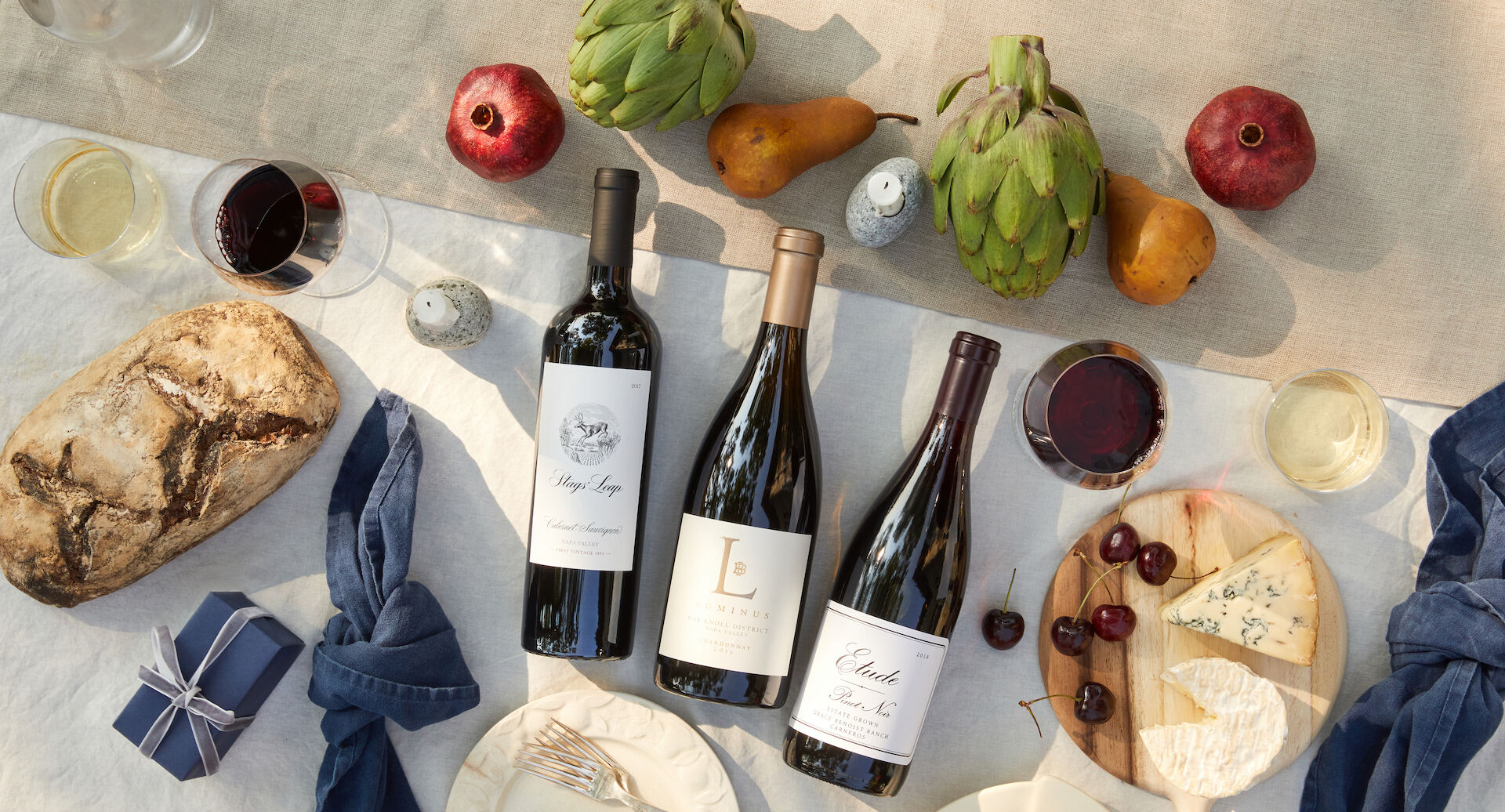
Treasury Wine Shop is an online wine retailer focused on California wine, especially Napa Valley labels, with a smaller selection of white and rosé wines alongside its core red offerings. The shop organizes browsing by varietal and highlights top sellers and featured collections, so a visitor can start either with a grape type or with curated picks.
What you can expect to find
The catalog leans heavily toward Cabernet Sauvignon and red blends from well-known Napa producers such as Stags' Leap Winery, Beaulieu Vineyard, Beringer, Etude and Hewitt Vineyards. Whites are present but secondary, including Chardonnay, Viognier and Sauvignon Blanc from names like Stags' Leap, Beringer, Frank Family Vineyards and Sterling Vineyards. Some listings carry point scores, and bottles are sold with per-unit pricing shown by volume, including both 750 mL and 1.5 L formats.
Who it suits
This shop is a practical fit for someone building a California-focused cellar or buying a recognizable Napa red as a gift, since the brand names are familiar and the varietal filter makes comparison straightforward. A buyer who wants a broad international selection or extensive Old World coverage would find the range narrower. If you are choosing between two Napa Cabernets, compare the listed vintage, producer and point score first, then check whether the bottle is 750 mL or a larger format, since that changes both price per ounce and how many people it serves.
How do I choose between Treasury Wine Shop's red wines and white and rosé wines?
Choose by the occasion and the food, not by which section looks more impressive. Treasury Wine Shop splits its catalog into Red Wines and White & Rosé, and the red side leans heavily toward Napa Valley Cabernet Sauvignon—Stags' Leap, Beaulieu Vineyard, Beringer, Etude and Hewitt all appear there, with several bottles in the $65–$200 range and a 1.5 L Hewitt option. The white and rosé side is lighter and broader in style: Chardonnay from Stags' Leap, Beringer, Frank Family and Sterling, a Viognier, and a Sauvignon Blanc, mostly $20–$65.
A quick way to decide
| If your plan is… | Start in | Why |
|---|---|---|
| Steak, lamb, burgers, aged cheese | Red Wines | The structured Cabernet Sauvignons suit rich protein |
| Roast chicken, salmon, creamy pasta, shellfish | White & Rosé | Chardonnay and Sauvignon Blanc are safer matches |
| A gift for a serious collector | Red Wines | Higher-end, higher-rated bottles are concentrated here |
| A casual gathering or warm-weather lunch | White & Rosé | Lower entry prices and fresher styles |
| You're unsure of guests' tastes | White & Rosé | Lighter wines offend fewer palates |
Practical next step
Set a budget per bottle first, then pick a category. Within reds, the page shows point scores (93–97) on several bottles, which helps separate a $65 Cabernet from a $175 one. Within whites, price tracks style more than score—the $20 Central Coast Chardonnay and the $65 Carneros Reserve are different experiences, not better and worse.
One scenario: hosting a dinner with grilled steak and a fish course. Buy one red—say a mid-range Napa Cabernet—and one white Chardonnay, rather than two reds. If you want to compare against a broader retailer before committing, K&L Wine Merchants and Wine.com organize similarly by varietal.
Which Napa Valley Cabernet Sauvignon wines at Treasury Wine Shop are best rated by critics?
The highest critic scores shown on Treasury Wine Shop's Napa Valley Cabernet listings are 97 points: Stags' Leap Winery 2021 Audentia Cabernet Sauvignon and Etude Wines' 2021 Coombsville and 2018 Oakville Cabernet Sauvignons. A step below, at 96 points, is Etude Wines 2018 Napa Valley Cabernet Sauvignon; at 94, Beringer 2019 Distinction Series Cabernet Sauvignon; at 93, Stags' Leap Winery's 2019 Petite Sirah, 2021 The Investor and 2021 Napa Valley Cabernet Sauvignon.
Matching the score to the occasion
- A gift or centrepiece bottle: the 97-point Stags' Leap Audentia or an Etude single-vineyard Cabernet gives you the strongest critic endorsement on the page.
- A dinner where the wine is the focus: the 96-point Etude Napa Valley Cabernet sits between the top tier and the everyday bottles.
- A reliable mid-range choice: the 93-point Stags' Leap Napa Valley Cabernet is the least expensive of the scored Cabernets listed.
- A mixed case or party pour: several Cabernets, including Beaulieu Vineyard's Maestro Touriga Nacional and Rutherford Reserve, carry no score on the page, so judge them by producer reputation instead.
Two practical points
Scores are only comparable within the same critic and vintage; a 97 from one publication is not automatically better than a 96 from another. The page also lists a 1.5 L Hewitt Estate Rutherford Cabernet at the same price as a 750 mL Beaulieu Vineyard Reserve Clone 6—check bottle size before comparing value.
Next step: decide whether you want a single standout bottle or a set across price tiers, then confirm vintage and bottle size at checkout. For independent critic notes, look up the specific wine and vintage on [[site:wine spectator.com|Wine Spectator]] or Robert Parker Wine Advocate before buying.
What should I consider when buying a $200 bottle of Rutherford Cabernet Sauvignon from Treasury Wine Shop?
At $200, you are paying for provenance, vineyard reputation and aging potential more than for volume, so the key question is whether the specific bottle matches how you plan to drink it. The Treasury Wine Shop listing shows two relevant examples at this price point: Beaulieu Vineyard 2019 Reserve Clone 6 Rutherford Cabernet Sauvignon at $200 per 750 mL, and Hewitt Vineyards 2019 Hewitt Estate Rutherford Cabernet Sauvignon at $200 per 1.5 L. Same outlay, very different formats: the magnum gives you twice the wine for gatherings, while the Clone 6 bottle suits a focused tasting or a cellar addition.
What to weigh before choosing
- Format versus occasion. A 1.5 L bottle is practical for a dinner party or a toast where several people are pouring; a 750 mL bottle is easier to store and to open on a quieter evening.
- Vintage and ageability. Both examples are 2019. Rutherford Cabernet from a strong year typically rewards a few years in the cellar, so decide whether you intend to drink now or hold.
- Producer style. Beaulieu Vineyard's Rutherford bottlings are a benchmark for the area's structured, ageworthy style; Hewitt is an estate wine from the same Rutherford bench. If you have a preference for a more opulent or a more classic profile, that should steer the choice.
- Reviews and scores. The shop flags scores on many listings (for instance, 96 and 97 points appear on other Cabernets in the range). Ask whether the specific bottle carries a critic score and from which publication, since a score is only as useful as the taster's palate alignment with yours.
- Storage and shipping. At this price, confirm how the bottle will be packed and delivered, and whether you can store it properly on arrival. Heat exposure in transit is the main risk.
A practical next step
If the purchase is a gift or a centerpiece for a meal, the Hewitt magnum offers more servings and a sense of occasion. If it is for your own cellar or a comparative tasting against another Rutherford Cabernet, the Clone 6 750 mL is the more focused buy. Either way, check the shop's return and shipping terms before ordering, and consider cross-referencing the producer's own site for technical notes.
How can I find affordable wines under $50 at Treasury Wine Shop?
Use the Shop by Varietal menu and the Explore Our Wines sections, then scan each listing's unit price. Under-$50 bottles appear in both red and white/rosé categories—for example, Beaulieu Vineyard 2019 Maestro Touriga Nacional at $45 per 750 mL, Stags' Leap Winery 2023 Napa Valley Chardonnay at $35, Beringer 2022 Luminus Chardonnay at $39, and Drop of Sunshine 2022 Central Coast Chardonnay at $20.
A practical browsing order
- Open Shop by Varietal and choose Red Wines or White & Rosé.
- Compare the per-bottle price shown with each listing; the site displays prices as "$X / 750 mL," so a 1.5 L bottle's price is not directly comparable to a standard bottle.
- Check the Top Sellers and Featured collections sections last—these tend to surface higher-priced Napa Cabernet bottlings, but a few sub-$50 options still appear there.
If you are shopping for a dinner party, the under-$50 Chardonnays are the easiest route to several bottles without stretching the budget. For a red-focused meal, the Touriga Nacional at $45 is the clearest sub-$50 red example on the page. Set a firm ceiling before browsing, because the featured Cabernet listings climb quickly toward $65–$200.
How does Treasury Wine Shop's top sellers collection help me decide what to buy?
Treasury Wine Shop's top sellers collection works best as a starting point for narrowing a large catalog, not as a personal recommendation. The page groups wines under View Our Top Sellers and Featured collections, and the visible listings lean heavily toward Napa Valley Cabernet Sauvignon and other California reds, with a smaller set of whites such as Chardonnay, Viognier and Sauvignon Blanc. If you already know you want a California red for a dinner or a gift, the collection shortens the browsing to a manageable shortlist; if you want an unusual region or style, it tells you little.
What the collection actually gives you
The listings combine several signals you can compare side by side:
- Varietal and region: for example Napa Valley Cabernet Sauvignon, Rutherford Cabernet Sauvignon, Carneros Chardonnay, Central Coast Chardonnay.
- Producer recognition: names such as Stags' Leap Winery, Beaulieu Vineyard, Beringer, Etude, Sterling Vineyards, Hewitt Vineyards and Frank Family Vineyards appear repeatedly.
- Critic scores: several bottles carry 91–97 point ratings, which can help you spot wines that reviewers rated highly.
- Bottle format: most are 750 mL, but at least one listing is a 1.5 L bottle, useful if you are serving a group.
- Price bands: the visible range runs from about $20 to $200 per bottle, so you can set a budget before you start comparing.
How to use it to decide
Treat the top sellers as a shortlist to filter, not a verdict. A practical sequence:
- Set your budget and occasion first. A $35 Chardonnay and a $175 Cabernet serve different purposes.
- Pick a varietal lane using Shop by Varietal. If you want a red for steak, start with the Cabernet listings; if you want something lighter for an aperitif, look at the white and rosé section.
- Use scores and producer reputation to break ties within your budget. A 93-point wine at $50 and a 96-point wine at $175 are both defensible choices; the score alone does not tell you which is better value for your evening.
- Check the format. If you are buying for a party, the 1.5 L option may matter more than a few points of rating.
Where the collection falls short
Top sellers reflect what other shoppers buy, which skews toward familiar, well-known Napa names. That is helpful for a host who wants a safe, recognizable bottle, but less helpful if you are curious about less common grapes or regions. The page's visible evidence is also thin on tasting notes and food-pairing guidance, so you will often need to look up a specific wine elsewhere before committing.
As a next step, pick two or three bottles in your budget from different producers and compare their varietal, region and score rather than buying the single highest-rated bottle. For broader context on a specific producer or region, official winery sites such as Stags' Leap Winery or Beaulieu Vineyard can fill in tasting details the shop listing does not show.
 Cloudflare
 Proofpoint
 Ottawa, Ontario, Canada

User reviews (0)