Website profiles · Technology insights · Alternatives

troutrageous.com

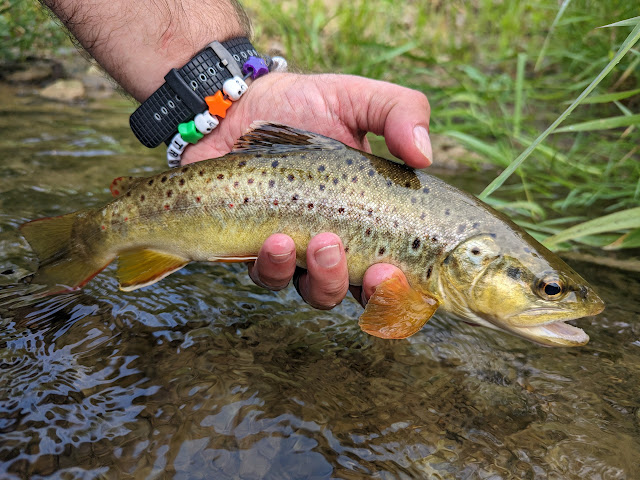
A fly fishing and tenkara themed blog about trout, pop-culture, and my daughter Lilly. Philadelphia born and raised, living in Northeast Florida.

No paid content found
Visit website
Profile views 4 Outbound visits 1 Normal
Troutrageous! Fly Fishing & Other Nonsense Full homepage screenshot

At a glance

Category
Sports & Outdoors
Language
English
Paid-content signal
No paid content foundObserved
Registered
2005
Hosting
Automattic, IncInferred
HTTPS certificate trusted
PassedObserved
Last updated

Website review

This review may include AI-generated content and is not individually verified. Domain, certificate and other facts come from the observed data on this page.

What is Troutrageous! Fly Fishing & Other Nonsense?

Troutrageous! Fly Fishing & Other Nonsense is a long-running personal blog by Michael Agneta about fly fishing and tenkara, mixed with pop-culture references and family life. It reads as a fishing journal rather than a gear-review site: the page evidence shows dated trip reports, starting with a multi-part series on a 2026 trip to Japan (Tokyo and Shibuya, then Nikko and the headwaters chasing native iwana char), each post running roughly five to seven minutes of reading.

What you'll actually find there

  • Trip narratives: day-by-day recaps of fishing travel, including logistics like driving from Tokyo to Nikko and staying at a mountain lodge.
  • Fishing reports: posts filed under "Fishing Reports," covering trout and tenkara-style angling.
  • Personal context: the author notes he is Philadelphia born and raised and now lives in Northeast Florida, and that the blog has run for about 19 years — he describes it as useful for journaling his memories.

Who it suits

A reader planning a fly-fishing trip to Japan will get the most concrete value from the Japan series, since it names waters, towns and companions rather than just showing photos. Anglers who enjoy a diaristic, first-person voice and don't mind off-topic digressions will find it an easy read. Someone hunting for tackle comparisons, hatch charts or technical instruction should look elsewhere; the evidence shows narrative posts, not buyer's guides, and no pricing signals appear on the page.

A practical next step

If you're researching a Japan fishing trip, start with the earliest post in the 2026 series ("16 Hours on Planes & Exploring Tokyo") and read forward, since each entry builds on the last and the later ones assume you know the itinerary. For broader trip planning around the same region, official tourism sources such as Japan National Tourism Organization can fill in transport and permit details the blog treats only in passing.

How can I plan a fly fishing trip to Nikko, Japan based on the blog's 2026 trip reports?

Use the blog's Japan 2026 series as a first-hand itinerary and expectation-setter rather than a booking guide. The author, Michael Agneta, documents a multi-day trip with friends Anthony and Matt, guided locally by Hiro, Takashi and Aki: a Shibuya sightseeing day, a drive of "2+ hours" from Tokyo to Nikko, several fishing days based there, then a move into national-park mountains to chase native char (iwana) in the headwaters. Read the posts in chronological order—"16 Hours on Planes & Exploring Tokyo," "Sunday in Shibuya," "Welcome to Nikko!," "Three Rivers, Ramen, and a Mountain Lodge in the Clouds," and "Into the Headwaters"—at Troutrageous!.

Turn the reports into a plan

  • Build in a Tokyo buffer. The author's group had one full Shibuya day before the Nikko drive; arriving a day early absorbs jet lag and lets you sort licenses and gear.
  • Treat Nikko as a multi-day base. Their plan was roughly four days of fishing around Nikko City before heading deeper into the national park. Book mountain lodging early if you want the same rhythm.
  • Plan for a guide and a vehicle. Their local friends drove and guided; the headwaters day relied on a lead guide. For first-timers, a licensed local guide is the practical route to access and stream etiquette.
  • Match tackle to small, clear water. Native char in headwaters means light rods, short casts and wading care; the reports emphasize fishing rather than gear lists, so confirm specifics with your guide.
  • Expect a mixed trip. Ramen, sightseeing and lodge time are part of the experience, not filler—useful if you're traveling with non-anglers.

Decision criteria

If you want a simple, low-stress trip, copy the Nikko-based structure and skip the mountain move. If native char and remote water are the priority, budget extra days and lean on a guide for the headwaters section. For official regional context, check Visit Nikko and Japan Travel; for licensing and local rules, ask your guide directly.

What tenkara and fly fishing techniques does the blog cover for trout fishing?

The blog's visible coverage is more trip journal than technique manual. The page evidence shows a first-person Japan 2026 series by Michael Agneta, with posts on fishing Nikko City rivers, a guided day in the headwaters chasing native char (iwana), and travel logistics around Tokyo and a mountain lodge. Tenkara and fly fishing are the blog's stated themes, but the excerpts describe where the group fished and who guided them rather than step-by-step casting, line-management or presentation instruction.

What a reader can actually take from it

  • Destination context: river fishing near Nikko and headwater trips for native char, useful if you are planning a guided trip in Japan.
  • Trip pacing: a sense of how a multi-day fishing itinerary is structured around travel days, teaser sessions and full fishing days.
  • Species and setting: cold headwater streams and native char, as opposed to stocked lowland trout.
  • Gear and technique detail: not visible in the supplied excerpts, so treat technique coverage as unconfirmed until you read individual posts.

How to use it

If you want technique instruction, start with the Japan 2026 posts and look for tackle and presentation notes inside the narratives, then compare against a dedicated instructional source such as Tenkara Bum for tenkara methods or MidCurrent for fly fishing fundamentals. If you want inspiration and trip planning for Japanese headwaters, read the series in order, beginning with the Tokyo arrival post.

For a concrete scenario: a reader planning a first guided tenkara trip to Nikko should use these posts for expectations about drive times, lodging and guided days, and a technique-focused site for casting and kebari selection. The trade-off is clear: this blog offers lived experience and place-specific detail, not a structured curriculum.

What gear and flies does the author recommend for chasing native iwana char in Japanese headwaters?

The page evidence does not include any specific gear or fly recommendations for iwana char. The Japan 2026 headwaters post is described only as the group heading up into the headwaters to chase native char with Takashi as lead guide; the excerpt stops before any tackle or fly detail.

What the page does establish

  • The author reports on a guided trip with five other anglers (Anthony, Matt, Hiro, Takashi, Aki), with Takashi acting as lead guide.
  • The fishing took place in the headwaters of a national park area near Nikko, on a multi-day trip.
  • The blog is a long-running personal journal (19 years), so trip reports are narrative rather than gear-review format.

Practical next step

If you want the author's actual iwana setup, read the full "Japan 2026: Into the Headwaters" post on Troutrageous! rather than relying on the excerpt. For broader guidance on native char in small Japanese headwaters, treat general advice as advice, not as this author's kit: short rods suited to tight cover, light lines for spooky fish, and small, unobtrusive flies fished upstream. A guide like Takashi is the most reliable source for local fly choice and regulations.

How does the author balance family life, including his daughter Lilly, with fly fishing?

The page evidence doesn't describe how the author balances family life with fly fishing. Lilly appears only in the site's tagline ("A fly fishing and tenkara themed blog about trout, pop-culture, and my daughter Lilly"); the visible posts are trip recaps from a Japan journey with fishing companions, and none mention her or family scheduling.

What the page does show

  • The blog is framed as part personal journal, part fishing record: the author notes the blog has run 19 years and values it for "journaling."
  • The Japan series mixes fishing days with sightseeing, travel logistics and meals, suggesting fishing is written up as part of a broader life rather than a separate compartment.

A practical next step

If this question matters to you, search the blog's archive for posts tagged with family, daughter or Lilly rather than relying on the recent trip series. As general advice for reading fishing blogs, look for posts about local, short-session outings—those tend to reveal how anglers fit the hobby around family commitments, whereas destination trip reports usually don't.

For broader context on family-friendly fly fishing and tenkara, see Troutrageous! Fly Fishing & Other Nonsense and Tenkara USA.

What can I expect from the blog's Japan 2026 travel series, from Tokyo to mountain lodges?

The Japan 2026 series is a first-person trip journal by blogger Michael Agneta, tracing a fishing journey from Tokyo into the mountains around Nikko. Expect chronological, diary-style posts rather than a standalone destination guide: arrival and time in Shibuya, the drive up to Nikko, days on the water, and a stay at a mountain lodge before heading into the headwaters for native char (iwana). Posts run roughly five to seven minutes of reading each, with photos implied by the travel-recap format.

What the series covers

  • Tokyo first: the long flight and an initial exploration of the city, plus a full day in Shibuya.
  • The move to Nikko: a drive of more than two hours from Tokyo, with fishing time in Nikko City before continuing into the national park.
  • Fishing with a group: six anglers in all, including a lead guide, fishing for native char in the headwaters.
  • Lodging and food: a mountain lodge stay and meals woven into the reports, including ramen.

Who it suits

It fits readers who enjoy trip narratives with fishing detail and personal memory-keeping, and who want a sense of what a guided multi-day trip in Japan feels like day to day. If you need booking logistics, gear lists or precise locations, treat the posts as atmosphere and background instead; the writing is framed as the author's recollections, and the details are his observations, not a planning manual.

A practical next step

Read the earliest post first, since the series builds in order, and note the sequence of Tokyo, Nikko and the lodge to sketch your own itinerary shape. For broader context on the region, compare against Japan Travel or Visit Nikko before committing to dates.

Related questions

More questions →
Where Does the Troutrageous! Author Fish?

The Troutrageous! author, Michael Agneta, is based in Northeast Florida and originally from Philadelphia, and the fishing reports currently on the blog focus on Japan—specifically the Nikko area and its mountain headwaters. The site describes itself as "a fly fishing and tenkara themed blog about trout, pop-culture, and my daughter Lilly," so the water he writes about shifts with his travels rather than staying fixed to one home river.

Home Base and Fishing Style

Two location facts frame every report on the blog:

  • Northeast Florida is where the author lives now. The blog doesn't name specific Florida waters in the available material, so don't assume local reports unless a post says so.
  • Philadelphia is where he was born and raised, which explains the occasional Northeast reference in a blog that now files most reports from the South.

The stated focus is fly fishing and tenkara, with trout as the recurring subject. Tenkara—fixed-line, rod-and-line fishing without a reel—fits the small-stream, headwaters settings the recent posts describe.

What the Current Reports Cover

The visible posts are a Japan 2026 series, and they show where the fishing actually happened:

Post Setting Fishing Content
Japan 2026: Into the Headwaters Mountain headwaters near Hatcho-no-Yu Full day chasing native char (iwana) with a six-person group, including a lead guide
Japan 2026: Three Rivers, Ramen, and a Mountain Lodge in the Clouds Nikko City, then a national park lodge A full fishing day in Nikko before moving deeper into the mountains
Japan 2026: Welcome to Nikko! Nikko, roughly a 2+ hour drive from Tokyo Four days based in Nikko for fishing
Japan 2026: Sunday in Shibuya Shibuya, Tokyo City day; no fishing
Japan 2026: 16 Hours on Planes & Exploring Tokyo Tokyo Arrival and sightseeing

The pattern: Tokyo as the entry point, Nikko as the fishing base, and the headwaters above it for native char. The author notes the blog has run for 19 years and treats it partly as a journal, which is why trip logistics sit alongside the fishing itself.

How to Read Location in Each Report

Because the blog moves between Florida life, Philadelphia roots, and travel trips, check the post's dateline and opening paragraphs before assuming a location:

  1. Look at the series tag—"Japan 2026" posts are all Japan, not Florida.
  2. Read the first paragraph for the base town (Nikko, Shibuya, Hatcho-no-Yu) and the drive time from the last stop.
  3. Check whether the day was actually on the water; several posts in the series are travel and sightseeing days with no fishing.
  4. Note the species—the headwaters day targets iwana (native char), not the trout the blog's tagline emphasizes.

For readers trying to interpret a report, the location context matters more than the species label: a Nikko headwaters day involves a guide, a group, and a drive into a national park, which is a very different outing from anything based out of Northeast Florida.

Where to Read the Troutrageous! Japan 2026 Trip Series

The Japan 2026 series is published on Troutrageous! Fly Fishing & Other Nonsense (troutrageous.com) as a sequence of dated "Fishing Reports" posts by Michael Agneta. The installments appear newest-first on the blog's main feed, so to read the trip in order, scroll to the earliest entry and work upward, or use the "Older posts" link at the bottom of the page to reach earlier installments.

The installments published so far

Post title Date shown What it covers
Japan 2026: 16 Hours on Planes & Exploring Tokyo September 15, 2026 The flight over and first explorations of Tokyo; framed as the start of the trip recaps
Japan 2026: Sunday in Shibuya September 19, 2026 The one full day in Shibuya before heading to Nikko
Japan 2026: Welcome to Nikko! September 27, 2026 The drive from Tokyo to Nikko with friend Hiro, and the plan for four days of fishing there
Japan 2026: Three Rivers, Ramen, and a Mountain Lodge in the Clouds October 3, 2026 A full fishing day around Nikko City, then the move into the national park lodge
Japan 2026: Into the Headwaters October 11, 2026 The headwaters day chasing native char (iwana) with the full six-person group

How the trip unfolds

The series follows a clear geographic arc: Tokyo and Shibuya first, then a drive of "a solid 2+" hours to Nikko, four days based there, and finally a move deeper into the mountains of the national park for the rest of the week. The fishing content builds from a brief teaser session on the water to full days on Nikko City rivers, and culminates in the headwaters outing for iwana.

The headwaters post names the whole crew: Anthony, Matt, and the author, plus Hiro, Takashi, and Aki, with Takashi acting as lead guide. If you're mainly interested in the fishing rather than the travel narrative, "Three Rivers, Ramen, and a Mountain Lodge in the Clouds" and "Into the Headwaters" are the two to prioritize.

Reading tips

  • Each post opens with a short excerpt on the feed; click "Continue reading" to get the full entry.
  • Posts carry both a publish date and a modified date (for example, October 3 and October 11, 2026), so the order on the page reflects the original publication sequence.
  • The "Posts navigation" and "Older posts" links at the bottom of the feed are the way to page back through the archive if newer posts push the series off the first screen.
  • The blog has been running for 19 years, per the author's note in the first installment, so the Japan series sits alongside a large archive of earlier fishing reports.
What Kind of Content Does the Troutrageous! Blog Publish?

Troutrageous! Fly Fishing & Other Nonsense is a personal fly fishing and tenkara blog written by Michael Agneta, who describes himself as Philadelphia born and raised and now living in Northeast Florida. Its content mixes dated fishing reports—often long, multi-part trip recaps—with gear and technique notes, pop-culture commentary, and family posts. It is a blog to read for first-person storytelling and trip journals, not a structured how-to or product-review site.

Fishing reports and trip recaps

The most visible content on the site is sequential trip reporting. Recent examples include a Japan 2026 series with entries such as "16 Hours on Planes & Exploring Tokyo," "Sunday in Shibuya," "Welcome to Nikko!," "Three Rivers, Ramen, and a Mountain Lodge in the Clouds," and "Into the Headwaters." These posts are filed under "Fishing Reports," carry dates and estimated reading times (roughly 5–7 minutes each), and include photos and reader comments.

The format matters if you are deciding whether to follow along: entries are written as a journal, with the author noting that the blog has run for 19 years and that he values it for memory-keeping. Expect narrative detail—travel, meals, lodgings, fishing companions, and guides—rather than a tight gear list or a destination guide.

Fly fishing and tenkara themes

The site's own description frames it as "a fly fishing and tenkara themed blog about trout, pop-culture, and my daughter Lilly." That summary is the clearest statement of scope: trout fishing and tenkara are the core subjects, with pop-culture and family material woven in. The Japan series illustrates the mix—native char (iwana) fishing in headwaters, guided days with local anglers, and the surrounding travel experience.

Pop-culture and personal posts

Beyond fishing, the blog covers pop-culture topics and family life, including posts about the author's daughter. These appear alongside fishing content rather than in a separate section, so readers looking strictly for technique will need to skim past personal entries.

Post format and how to read it

Element What you'll find
Structure Dated entries, newest first, with "Posts navigation" to older posts
Length Typically 5–7 minutes per post
Series Multi-part recaps published over weeks (e.g., the Japan 2026 series)
Media Photos from trips
Interaction Comment threads on individual posts

Is it worth following?

Follow Troutrageous! if you want an angler's personal trip journal—especially multi-part travel and fishing narratives with a tenkara and trout focus. If you need gear specifications, buying guidance, or step-by-step technique instruction, the blog's own description and recent posts do not present it as that kind of resource; treat it as storytelling and field notes instead.

What Is Troutrageous! Fly Fishing & Other Nonsense?

Troutrageous! Fly Fishing & Other Nonsense is a personal fly fishing and tenkara blog written by Michael Agneta. It is a journal-style site, not a shop, guide service, or booking platform: the content is first-person fishing reports and trip write-ups. It is most useful if you want to read about fly fishing and tenkara experiences, particularly trout and native char fishing, rather than buy gear or reserve a trip.

What the site covers

The blog describes itself as "a fly fishing and tenkara themed blog about trout, pop-culture, and my daughter Lilly." In practice, the recent posts are long-form trip journals. A current series covers a 2026 trip to Japan, with entries on Tokyo and Shibuya, the drive to Nikko, fishing three rivers, and a day chasing native char (iwana) in the headwaters with a group of six anglers and local guides.

The author notes the blog has been running for about 19 years and describes it as a journal for recording memories. That framing matters: posts read like a diary, with travel details, meals, and companions alongside the fishing.

Who writes it

Michael Agneta is the author of all the posts shown. The site's own description says he was born and raised in Philadelphia and now lives in Northeast Florida. The Japan series is written in the first person, with named fishing companions (Anthony, Matt, and local friends Hiro, Takashi, and Aki).

What you will and will not find

You will find You will not find
First-person fishing reports and trip journals Product listings or a shopping cart
Fly fishing and tenkara themes, trout and native char Trip bookings or guide reservations
Pop-culture and family references Stated prices or payment options
Posts organized by date with older-post navigation A structured how-to course or gear database

The page evidence shows no pricing signals, payment links, or booking features. Treat it as reading material, not a commercial service.

How to use it

If you want to follow the Japan trip, start with the earliest entry in the series ("16 Hours on Planes & Exploring Tokyo") and read forward; the posts are dated and the "Older posts" link at the bottom moves you back through the archive. If you are researching a specific destination or technique, use the date-based archive and post titles rather than expecting a searchable guide. Expect each post to take roughly 5–7 minutes to read, based on the reading times shown on the entries.

The main limitation to plan around: this is one angler's personal record, so details reflect his trips and companions rather than general advice. It is a good read for atmosphere and trip inspiration, not a substitute for local regulations, guiding, or current conditions.

Website Overview

An established domain and managed infrastructure suggest continuity of operations and may support dependable delivery, although neither guarantees service quality.

Domain and Registration

Registered in 2005, this domain has about 21 years of history. That suggests continuity, although ownership and purpose may have changed. Transfer-protection status is present, helping reduce the risk of unauthorized domain transfers. The domain uses the common .com extension, which is not an independent safety signal.

DNS and Email

Nameservers are provided by wordpress.com, indicating managed DNS hosting. MX records point to the Google Workspace email service. No CNAME was found; the observed records resolve directly to addresses. SPF and DMARC are configured. DKIM status is unknown. TXT records include verification markers for Google. Such markers may also remain after a service stops being used.

TLS and Certificates

The public key uses EC with 256 bits. The server supplied a complete certificate chain. No organization name is present in the certificate; the available fields are consistent with domain validation. The certificate was issued by Let's Encrypt, commonly associated with automated certificate services. The certificate's total validity is about 89 days, consistent with a short renewal cycle.

HTTP and Browser Security

The response lacks these common security headers: CSP, X-Content-Type-Options, Referrer-Policy, Permissions-Policy, clickjacking protection. No X-Powered-By header was found, reducing one common source of backend fingerprinting information. No obvious internal addresses or debug information were found in the headers. The Server header identifies nginx without an exact version. No explicit CDN or WAF marker was found in the response headers.

Technology Stack Analysis

The public page identifies WordPress, jQuery, nginx without precise versions, leaving fewer clues for version-specific scanning.

Search and Social Sharing

The title has 190 characters and may be truncated in search results. Twitter Card metadata is configured. JSON-LD includes Organization data, helping describe the organization as an entity. A meta description is present, with 145 characters. The observed directives allow indexing and link following.

Hosting and Email

DNSwordpress.com
HostingAutomattic, Inc
EmailGoogle Workspace
Approximate IP geolocation (inferred; a CDN or proxy may differ from the origin server) United States flagSan Francisco, California, United States Inferred 192.0.78.136

Registration details

RDAP / WHOIS

RegistrarAutomattic Inc.
Registered2005-09-04
Expires2027-09-04
Domain statusclient transfer prohibited
Nameserversns1.wordpress.com、ns2.wordpress.com、ns3.wordpress.com
DNSSECunsigned

DNS records

DNS

TypeNameValueTTLPriority
Atroutrageous.com192.0.78.136300—
Atroutrageous.com192.0.78.227300—
MXtroutrageous.comaspmx.l.google.com36001
MXtroutrageous.comalt1.aspmx.l.google.com36005
MXtroutrageous.comalt2.aspmx.l.google.com36005
MXtroutrageous.comalt3.aspmx.l.google.com360010
MXtroutrageous.comalt4.aspmx.l.google.com360010
NStroutrageous.comns1.wordpress.com86400—
NStroutrageous.comns2.wordpress.com86400—
NStroutrageous.comns3.wordpress.com86400—
TXTtroutrageous.comgoogle-site-verification=V9uvEc9UEiNeXg1A49dzYB7rJFsHhvbzVQbJl8iRho4300—
TXTtroutrageous.comv=spf1 include:_spf.wpcloud.com include:_spf.google.com ~all300—
DMARC_dmarc.troutrageous.comv=DMARC1;p=none;3600—

TLS and certificates

TLS / SSL

AssessmentNormal configuration
Supported protocolsTLSv1.2、TLSv1.3
Negotiated protocolTLSv1.3
Certificate subjecttls.automattic.com
IssuerLet's Encrypt
Valid until2027-01-07T05:49 · Remaining when checked: 76 days
Verification detailsCertificate trust: Passed · Hostname match: Passed

HTTP response headers

HTTP

HeaderValue
content-typetext/html; charset=UTF-8
cache-controlmax-age=68, must-revalidate
servernginx
strict-transport-securitymax-age=31536000

Identified technologies

WordPressjQuerynginx

Pages, Search and Sharing

Meta descriptionA fly fishing and tenkara themed blog about trout, pop-culture, and my daughter Lilly. Philadelphia born and raised, living in Northeast Florida.
Canonical URLhttps://troutrageous.com/
LanguageEnglish (default)
Twitter Cardsummary_large_image
All bots 0 allowed · 0 disallowed

User reviews (0)

  • No reviews yet.