
 Visit website
 Updated: 2026-10-09 02:18
 Language: English (default)
 Access: Normal
 Profile views 2
  Outbound visits 0
 Website Review
What is Typeface?
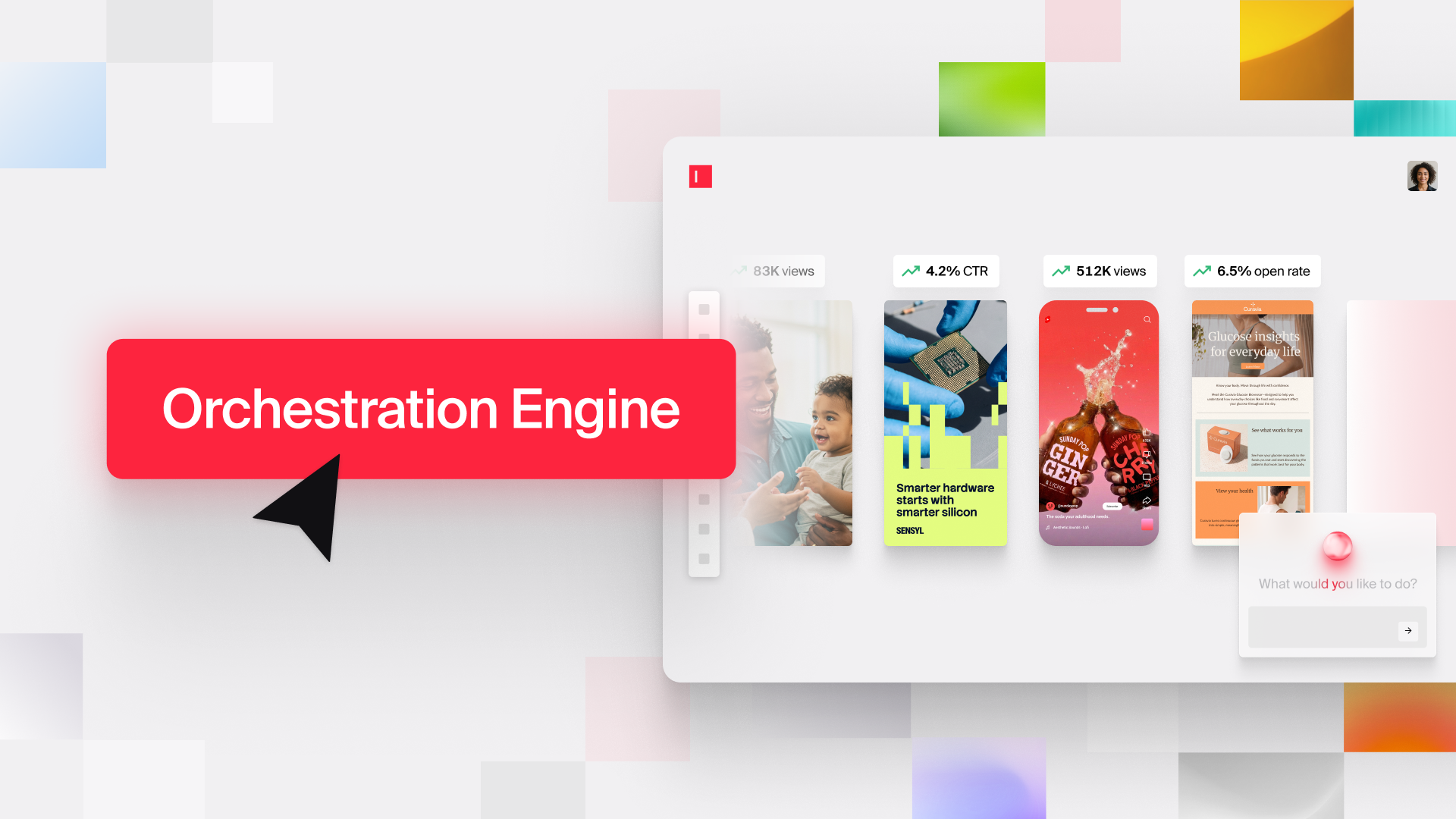
Typeface is an enterprise marketing AI platform built around “agentic” workflows: instead of using AI for one-off copy or image generation, marketing teams use it to orchestrate people, AI agents and existing systems so campaigns stay on-brand and run at scale. Its core idea, described on the site as the Arc orchestration engine, is to hold brand guidelines, audiences, assets and campaign learnings as structured intelligence that agents can act on and enforce.
What it actually does
- Brand-grounded campaign creation. Campaigns are meant to start from your brand standards and audience insights rather than a blank prompt, so output stays consistent across teams and channels.
- Agents that plan and self-check. You describe an outcome, and agents plan, execute, review their own work and iterate until it meets your criteria—useful when a team wants to hand off a whole deliverable, not just a single asset.
- Feedback loops. Performance data from channels feeds back in as learnings, so later campaigns inherit what worked.
- Connection to existing tools. The platform connects to a company’s ecosystem via MCP, APIs and integrations, and creative teams can keep working in tools such as Figma, Photoshop and Illustrator.
Who it is for
The site names three audiences with different priorities:
| Team | What they get |
|---|---|
| Marketing | On-brand campaigns, less coordination chaos, bespoke agents for defined outcomes |
| IT | Orchestration that writes and runs task code, integrations, guardrails and security controls |
| Creative | Production inside familiar design tools, faster visual variations across channels |
How to think about it
Typeface is a fit if you are a larger organisation with an established brand system, several channels and a real review bottleneck—where the pain is consistency and coordination, not ideas. It is a heavier choice than a standalone generative tool: the value depends on feeding it good brand context and connecting it to your stack, which is IT work as much as marketing work. If you mainly need quick copy or images for a small team, a simpler tool will likely be enough.
A practical next step: pick one recurring campaign type, such as a multi-channel product launch, and ask whether the platform can take it from brief to reviewed assets using your existing guidelines and integrations. That single test tells you more than a broad feature comparison. For background on the company, see Typeface.
How does Typeface ensure AI-generated content stays on-brand?
Typeface keeps AI output on-brand by treating brand rules as structured, enforceable data rather than as a prompt suggestion. Its Arc Graph layer holds brand guidelines, audiences, assets and past campaign learnings as intelligence that agents can act on and enforce, and campaigns are generated against that context. Agents then plan, execute, check their own work and iterate until output clears the team's bar, while channel performance flows back in as learnings for the next campaign. For IT and brand owners, the platform adds responsible AI controls and layered security so guardrails apply across the workflow.
In practice, this matters most to enterprise marketing, creative and IT teams producing high volumes of personalized assets across many channels. A brand manager sets tone, visual identity and audience rules once; a campaign team then requests variations for several segments without re-briefing each time. The trade-off is setup effort: the system is only as on-brand as the guidelines and asset library you feed it, and strict guardrails can slow exploratory creative that deliberately bends the rules.
What to check before adopting
- Whether your brand guidelines exist in a form that can be structured, not just a PDF.
- How review and approval steps fit your legal and compliance process.
- Which channels feed performance data back for learning.
- Whether creative teams can keep working in tools like Figma, Photoshop and Illustrator.
A useful next step is a pilot with one campaign and one audience segment, then compare first-draft brand compliance and revision time against your current process. For general context on the category, see Typeface.
How can I integrate Typeface with my existing marketing tools like Figma or Photoshop?
Typeface connects to Figma, Photoshop, and Illustrator so creative teams can keep working in familiar tools while Typeface handles orchestration and brand checks. The platform describes this as part of its Creative Teams solution: you create and adapt visual variations across channels and audiences without leaving those applications. Connection to the wider stack is handled through MCP, APIs, and integrations, which is how campaign context and assets move between Typeface and your other systems.
What the integration looks like in practice
- Creative tools: Figma, Photoshop, and Illustrator are named as supported environments. The intent is to accelerate production and keep brand identity, voice, and guidelines applied to every asset.
- Your ecosystem: MCP, APIs, and integrations are the stated connection methods, so rollout can be scaled and secured rather than limited to a single tool.
- Data and guardrails: Typeface holds brand guidelines, audiences, assets, and campaign learnings as structured intelligence that agents can act on and enforce. IT teams get responsible AI controls and layered security.
A practical starting scenario
A designer working on a multi-channel campaign opens Figma as usual. Typeface supplies the brand context and audience variations, the designer adapts the visuals, and the same structured brand rules that govern the Figma work can also govern assets produced elsewhere. Performance from live channels then feeds back as learnings, so the next round starts with better context.
How to decide where to begin
Start with the tool your team already uses most, and confirm two things before rolling out: whether your specific Figma, Photoshop, or Illustrator workflow is covered by the available integrations, and how your brand guidelines and audience data would be loaded into Typeface's structured intelligence layer. For the exact integration list and setup path, check Typeface directly, since supported connections and configuration details change.
What security and data privacy measures does Typeface provide for enterprise marketing teams?
Typeface's stated security posture for enterprise marketing is built around three ideas: responsible AI controls, layered security, and connecting to your existing ecosystem without loosening governance. The platform describes "responsible AI controls and layered security" as the guardrails that safeguard brand, company knowledge, and data, and it says it can connect to your ecosystem through MCP, APIs, and integrations so rollout stays "smooth, scaled, and secure." Brand guidelines, audiences, assets, and campaign learnings are held as structured intelligence that agents act on and enforce, which is also a governance mechanism: agents work from approved context rather than open-ended prompts.
What the page supports
- Responsible AI controls. Presented as the way marketing teams get guardrails without waiting on central IT for every request.
- Layered security. Described as protecting brand, company knowledge, and data together.
- Controlled connectivity. MCP, APIs, and integrations are positioned as the secure path into your existing stack.
- Brand and data respect. Framed under "AI that respects your brand and data," with brand standards enforced at the campaign level.
- Built-in review behavior. Agents "plan, execute, check their own work, and iterate until it clears your bar," which implies a defined approval threshold rather than automatic publishing.
What to verify before you commit
The page states these capabilities at a high level and does not publish certifications, data-residency options, retention terms, or model-training policies. Those are the details enterprise security reviews actually turn on, so treat them as questions for the vendor, not assumptions from the marketing copy.
A practical next step: send Typeface a short security questionnaire before your demo. Ask specifically about SOC 2 or ISO 27001 status, whether customer data or brand assets are used to train shared models, where data is stored and processed, subprocessor and retention policies, SSO and role-based access, audit logging, and how MCP and API connections are authenticated and scoped. Ask them to map each answer to the "responsible AI controls" and "layered security" claims so your IT and legal reviewers can see the evidence behind them.
For orientation on the standards your reviewers will likely cite, see SOC 2 and ISO. If your team already runs its stack on a major cloud, its own compliance documentation is often the fastest way to compare guarantees side by side.
How does Typeface help measure and improve marketing ROI over time?
Typeface's ROI story is a feedback loop rather than a single dashboard: campaigns are grounded in brand and audience context, agents execute and self-check the work, and channel performance is fed back in as learnings so the next campaign starts from a stronger position. The page frames this through Arc, described as an orchestration engine with components for structured brand intelligence (Arc Graph), workflow execution (Arc Fabric), agents (Arc Agents) and iterative learning (Arc Loop).
What actually improves over time
- Fewer wasted cycles at the start. Because brand guidelines, audiences, assets and past campaign learnings are held as structured intelligence, briefs and drafts begin closer to on-brand, reducing the review-and-rework loop that quietly eats marketing budgets.
- Less manual coordination. Agents plan, execute, check their own work and iterate until output clears a defined bar. The measurable gain is usually time and headcount redirected from production chores to strategy.
- Compounding context. Performance data from your channels returns as learnings, so each cycle is informed by what already worked. This is the mechanism that makes improvement cumulative rather than a one-off efficiency bump.
- Consistency at scale. Personalised variations across channels and audiences can be produced without each one drifting from brand standards, which protects the value of campaigns that would otherwise need heavy correction.
How to judge the ROI claim for your team
The platform's own framing is about orchestrating "people, agents, and systems" for enterprise marketing teams, with IT teams handling connections via MCP, APIs and integrations, and creative teams working inside Figma, Photoshop and Illustrator. That tells you where the value is likely to land — and where it won't.
A practical test: pick one recurring campaign type you run monthly, and measure three things before and after — hours from brief to approved asset, number of revision rounds, and cost per variant. If those move, ROI is real; if only output volume rises while revision rounds stay flat, you are producing more work to review, not better work.
For a broader view of how AI marketing platforms position themselves against each other, HubSpot and Salesforce publish comparable enterprise marketing tooling, which can help you frame what "ROI" means in your own stack before a demo.
Can Typeface support personalized campaigns across multiple channels and audiences?
Yes. Typeface is built specifically to run personalized campaigns across channels and audience segments: agents plan, execute, check their own work, and iterate against your brand standards, while channel performance flows back in as learnings so later campaigns start from what already worked. The platform's stated approach is to hold brand guidelines, audiences, assets, and campaign learnings as structured intelligence that agents can act on and enforce.
Where personalization actually happens
- Audience context: audience insights and brand standards ground each campaign, so variations are tied to a defined segment rather than generic copy swaps.
- Channel adaptation: creative teams can create and adapt visual variations across channels and audiences, keeping each version true to the right identity, voice, and guidelines.
- Familiar tools: production can stay inside Figma, Photoshop, and Illustrator, which matters if your designers will resist a new canvas.
- Reuse of results: real performance from your channels returns as learnings, feeding the next round rather than sitting in a separate dashboard.
A realistic scenario
A retail marketing team wants one spring campaign in three channels and four audience segments. Instead of briefing twelve separate asset sets, they hand the outcome to an agent, review the generated variations against brand rules, and let designers refine the finalists in their existing tools. The practical gain is coordination and consistency at volume; the practical cost is that someone still has to define the segments, approve the brand guardrails, and judge whether the variations are genuinely distinct or merely reskinned.
What to weigh before adopting
| Question | Why it decides fit |
|---|---|
| How many channels and segments do you run per campaign? | The value compounds with volume; a handful of campaigns a year may not justify the setup. |
| Is your brand guidance written down and enforceable? | Agents enforce structured rules better than unwritten judgment. |
| Who owns final approval? | Self-checking agents reduce review load but do not remove accountability. |
| How does it connect to your stack? | Connection happens through MCP, APIs, and integrations, so check your existing tools are covered. |
| What data controls do you need? | IT teams are addressed with responsible AI controls and layered security; confirm these match your policies. |
Next step
Pick one live campaign with two or three channels and at least two distinct audiences, then ask for a walkthrough using that exact brief. Judge the output on brand accuracy, how much editing the variations need, and whether the channel learnings visibly improve the second round. If you are comparing options, enterprise marketing suites such as Adobe and broader content platforms like Canva take different approaches to templates and asset workflows, which is worth understanding before you commit to an agentic model.
 Hosting and Email
 Namecheap
 Hosting
 Google LLC
 Microsoft 365
 Location
 Kansas City, Missouri, United States
 Pages, Search and Sharing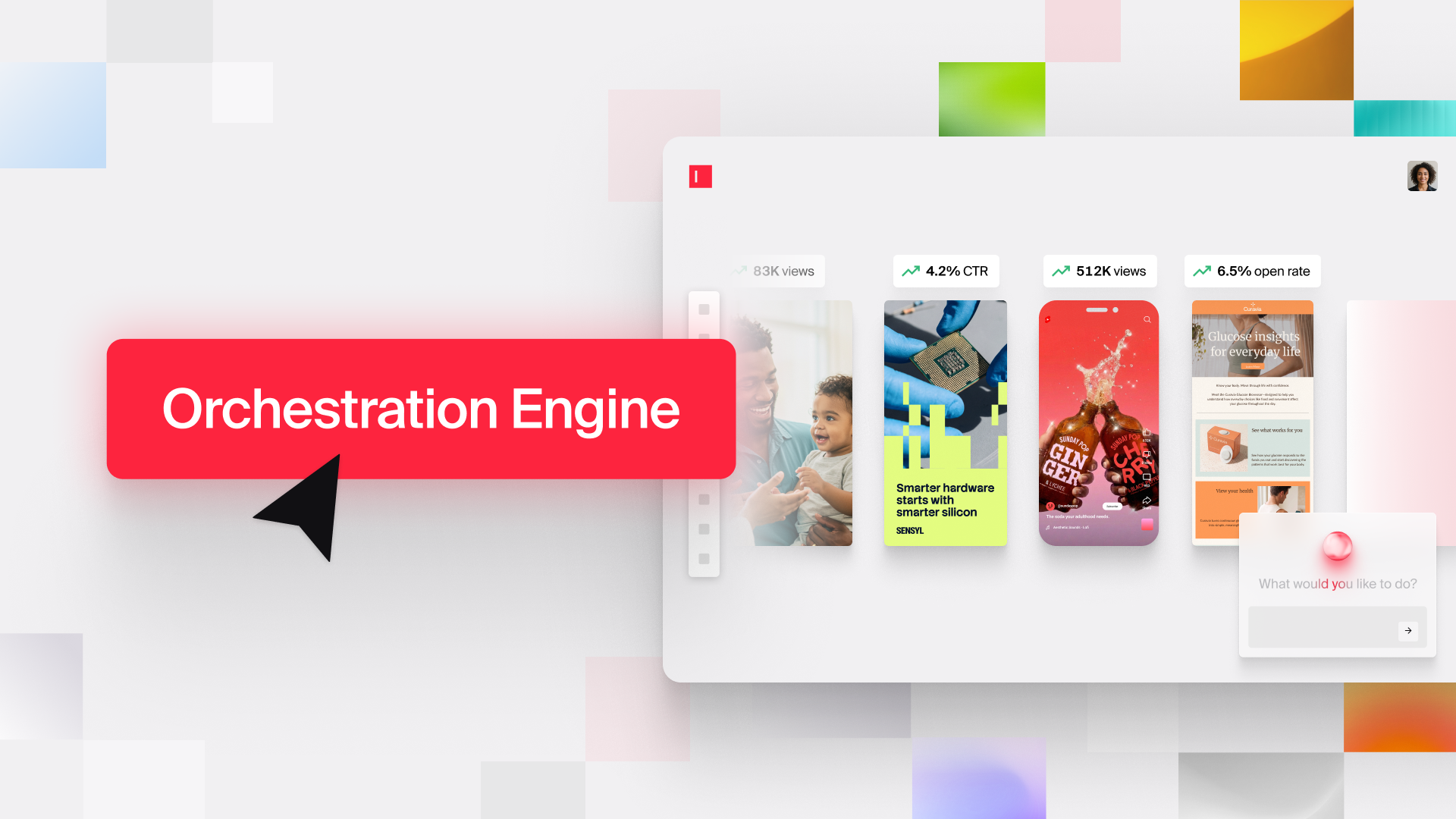



 All bots


 Registration details

 Identified technologies
User reviews (0)